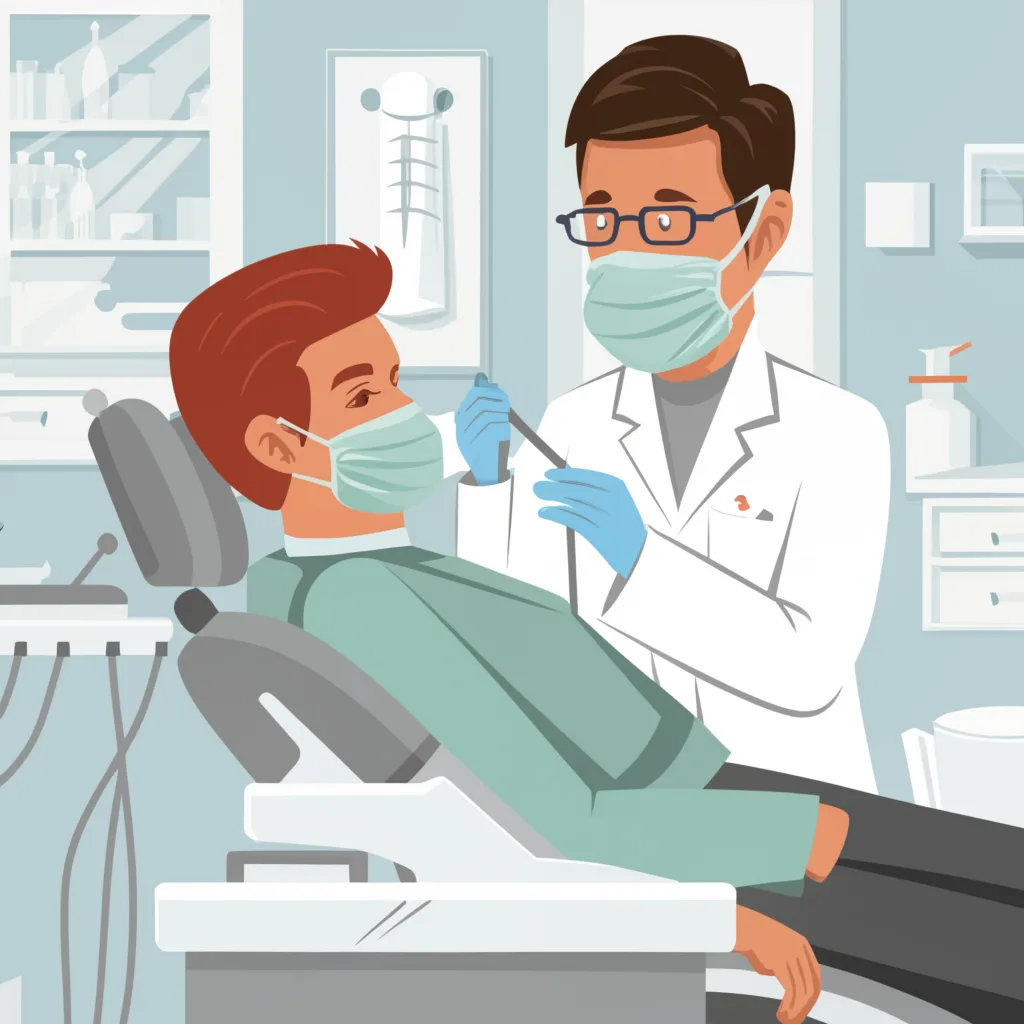

Congratulations on your new dental implants! I’m so excited for you to experience the benefits of this state-of-the-art tooth replacement. Implants are the next best thing to your natural teeth in terms of function, appearance, and longevity. However, they do require some special care to ensure they last for decades to come.
As your dentist, I always strive to educate my patients on proper home care techniques to maintain their oral health between professional cleanings. This is especially crucial if you’ve had dental work like implants, crowns, bridges, etc. Let me give you an overview of the home care essentials I recommend for all my patients, including those with dental implants:
Toothbrush
This is the most obvious and important tool for daily home care. I suggest using a soft-bristled toothbrush, whether manual or electric. The soft bristles are gentle on your gums and implant restorations while still effectively removing plaque and debris.
For brushing around implant crowns, I highly recommend an electric model like Philips SonicareTM or Oral-BTM. The rapid oscillating/rotating movements of the brush head do an amazing job at disrupting and removing sticky biofilm. Just be sure to use the lowest speed setting around your implants.
Interdental Brushes
These small, tree-shaped brushes are designed to clean the areas that your regular toothbrush can’t reach – between teeth, underneath bridges, and around implants. They come in varying sizes to fit different interdental spaces.
I tell all my patients to use interdental brushes at least once daily to dislodge trapped food particles and plaque buildup that regular brushing misses. This is especially crucial for dental implant patients to prevent peri-implantitis (implant gum disease).
Floss or Floss Picks
No home care routine is complete without flossing! While interdental brushes are amazing around dental work, string floss or floss picks are still needed to clean the tight contacts and areas that brushes can’t access.
My pro tip is to gently curve the floss into a U-shape against one tooth before moving it up and down against the other tooth. This properly cleans the area where your teeth/implants meet rather than just popping the floss straight up which can cause trauma.
Consider getting a floss threader or implant-specific floss to easily maneuver around implant crowns and bridges. I’m happy to show you proper flossing techniques at your next visit.
Oral Irrigation Device
A Water PikTM (now called a Water FlosserTM) or other oral irrigator uses a pressurized stream of water to flush out hard-to-reach areas around teeth and dental work like crowns and implants. These aren’t absolutely essential, but can be a great adjunct to brushing and flossing. I typically recommend them for patients with excessive plaque buildup, gum disease, crowns, bridges, implants or orthodontic appliances. Another suggestion is to use a product like Listerine as a percentage of the water in the receptacle instead of just water. This can help to provide an additional layer of antibacterial action in difficult areas to reach, once again, especially around crowns, bridges and dental implant restorations of all kinds.
The pulsating water dislodges stubborn food debris that brushes and floss miss. This helps reduce your risk of dental diseases like cavities, gum disease, and peri-implantitis. Just be sure to use it on the lowest pressure setting around your implant restorations.
Antimicrobial Mouth Rinse
As a supplement to brushing and flossing, an antimicrobial mouth rinse can help kill harmful oral bacteria and reduce your risk of dental diseases. I generally recommend an alcohol-free rinse with active ingredients like cetylpyridinium chloride or essential oils.
Be sure to swish the rinse around thoroughly, including around your implant restorations, for at least 30 seconds before spitting it out. Mouth rinsing helps dislodge food particles and reduce bacterial biofilm better than brushing and flossing alone.
Tongue Cleaner
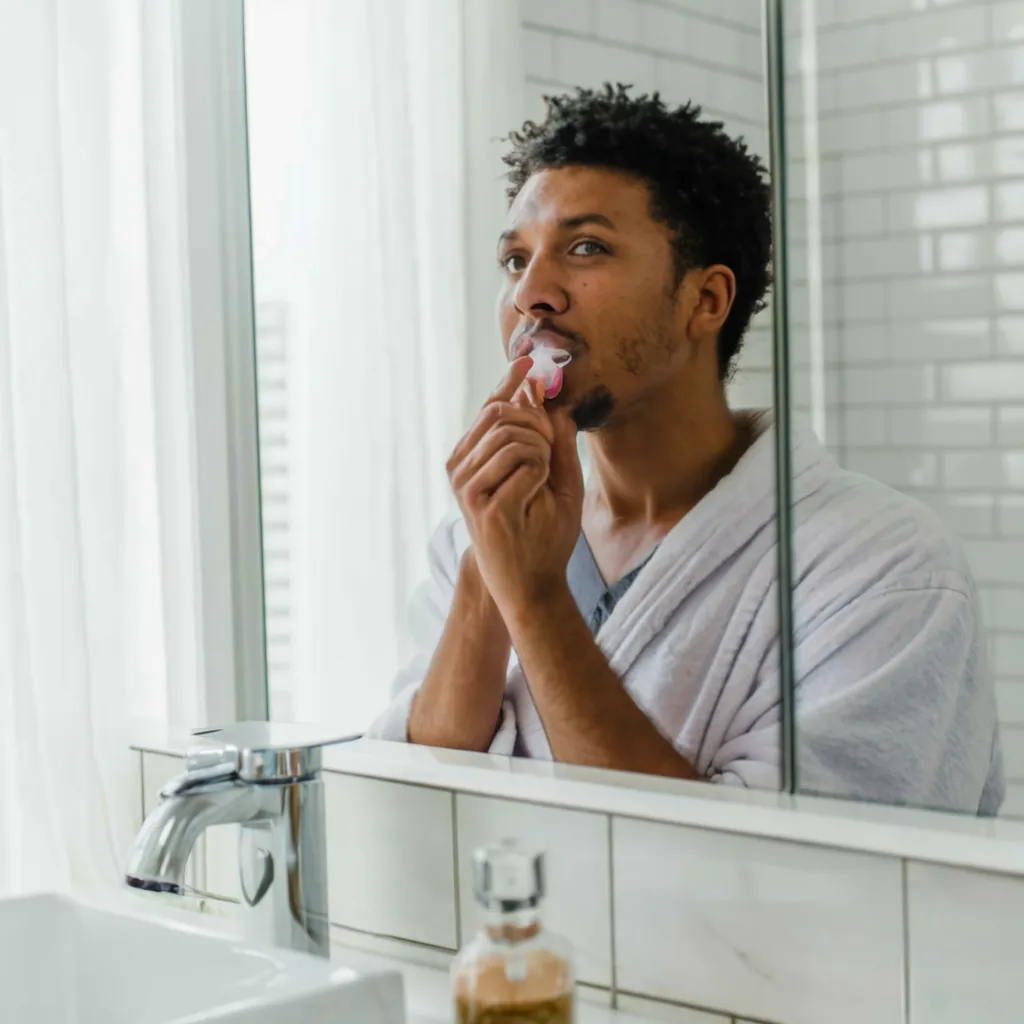
Don’t forget about cleaning your tongue! This often-neglected step in home care is essential for fresh breath and oral health. Tongue cleaners are inexpensive tools that gently scrape away bacteria, fungi, and debris that accumulate on your tongue’s surface.
I suggest using a tongue cleaner or tongue scraper first thing in the morning to remove any odor-causing buildup from overnight. It only takes a few seconds but makes a big difference in keeping your mouth and breath feeling and smelling fresh.
Tips and Reminders
Now that I’ve covered the key tools for an effective home care routine, here are some bonus tips for keeping your mouth healthy, especially with dental implants:
- Brush twice daily (morning and night) for two full minutes each time
- Replace your toothbrush every 3-4 months, or sooner if bristles become frayed
- Don’t chew hard foods with your implants to avoid excessive wear
- Kick smoking and other tobacco habits to prevent complications
- Keep up with your regular professional cleanings and check-ups
Home care is crucial for maintaining your dental implants and natural teeth for life. With the proper techniques and tools, taking care of your mouth can be simple and easy! Let me know if you have any other questions.