Posted on

Say Ahh! – Welcome to Your New Dental Home!

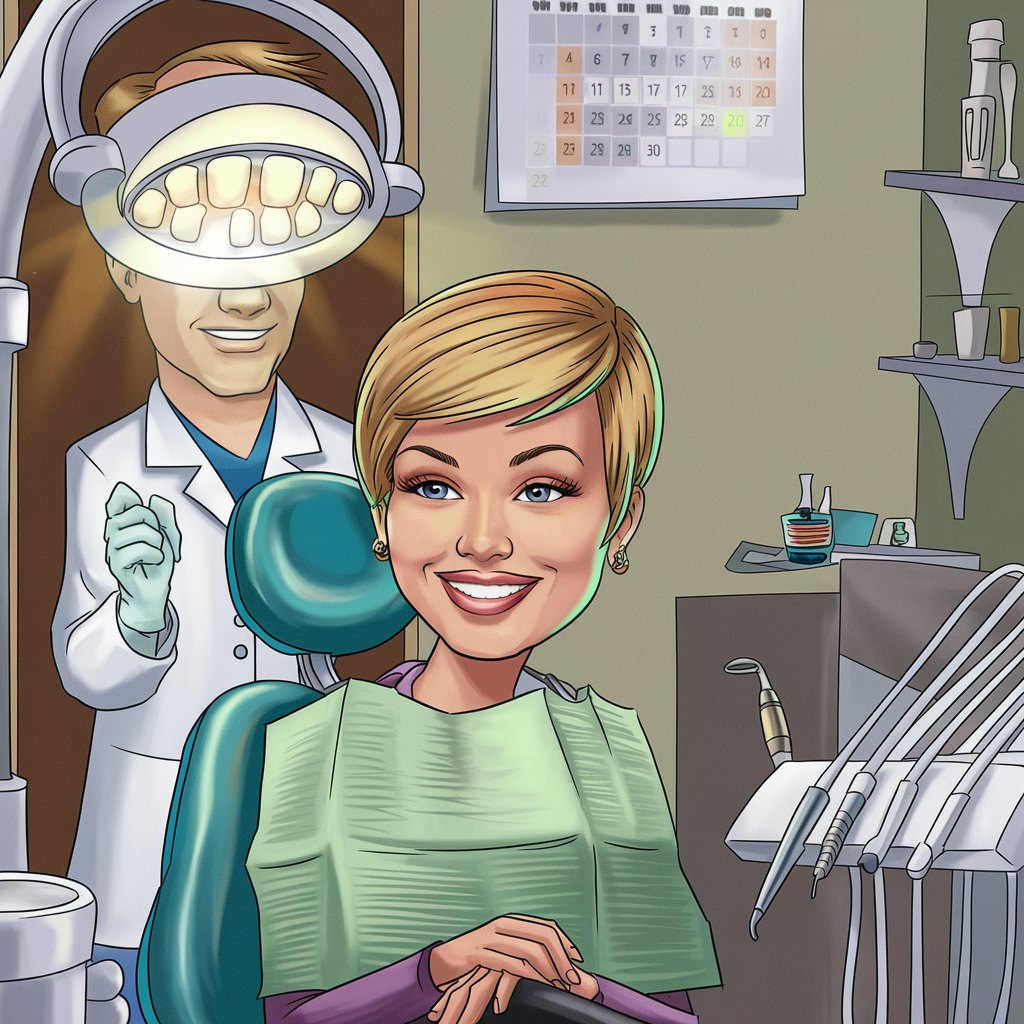
I’m thrilled you decided to spend some time getting to know us, and I hope this post makes you feel a bit more at ease as you start your journey toward a healthier, brighter smile. If you’re feeling a bit nervous about seeing the dentist, let me just say—you’re definitely not alone. Lots of our patients feel the same way, especially at first, and that’s totally okay. My goal is to make every visit as comfortable and smooth as possible for you. So, let’s get started and talk about what you can expect when you come in!

Getting to Know You: The First Step to Personalized Care

The first time you come to our office, it’s really all about getting to know each other. Your initial visit isn’t just about your teeth—it’s about you. I want to understand your unique needs, concerns, and goals. Do you have dental anxiety? Are there certain procedures that make you feel uneasy? Are you looking for routine care, or is there something specific bothering you? The more I know, the better I can help. My team and I are here to listen to your story and address any questions or fears you might have.

Our goal is to create a partnership. We believe that your oral health journey is something we navigate together, and we’re committed to being with you every step of the way. Whether it’s discussing your previous dental history, understanding your habits, or even learning a bit about your hobbies, these details help us offer you personalized, comfortable care.

A Comfortable Environment—Built for You

We know that the typical dental office can be intimidating—the buzzing noises, the unfamiliar equipment, and the clinical smells might not be everyone’s favorite. That’s why we’ve gone the extra mile to create an environment that feels more like a warm, friendly space than a traditional clinic. Think soft lighting, comfortable chairs, and even music or television to help put your mind at ease.

For those who feel particularly anxious, we offer a variety of ways to help you relax. Some of our patients find comfort in knowing we can provide sedation options if needed, while others just appreciate the extra time we take to explain each part of the process before getting started. Whatever makes you feel at ease, we’re here for you.

Education, Not Judgement

One of the biggest fears people have when visiting the dentist is the possibility of being judged. Maybe it’s been a while since your last visit, or perhaps you feel self-conscious about the condition of your teeth. Let me put your mind at ease: this is a no-judgment zone. My job is to help you—not to make you feel bad about the past. I’m simply happy you’re here now, taking that important step towards better health.

Instead of focusing on what might have gone wrong, we look forward. We focus on prevention and education, ensuring that you leave the office with a better understanding of how to take care of your smile. Whether it’s proper brushing techniques, tips for flossing, or advice on dietary habits that support oral health, I want you to feel empowered to take control of your dental well-being. I believe that when you understand the “why” behind our recommendations, it becomes a lot easier to incorporate good habits into your daily life.

Technology to Make Your Visit Easier

Dental technology has come a long way in recent years, and we’ve worked hard to make sure our office has the latest tools that will make your visit quicker, more comfortable, and more effective. For instance, our digital x-rays mean less radiation exposure and quicker images, while our intraoral cameras allow us to show you exactly what we see. These tools help demystify your oral health—you can see what I see, and it makes it easier for us to work together to create a plan.

Plus, our electronic records make the whole process smoother—no need to fill out endless paper forms each time you come in, and we’re always just a click away if you need to review your treatment plan or ask questions about your visit.

Preventive Care: The Key to Long-Lasting Smiles

If there’s one thing I always emphasize, it’s the importance of prevention. I’d much rather see you for a routine cleaning every six months than for a dental emergency down the road. Preventive care is the foundation of everything we do here, and it’s much easier—and more affordable—to prevent problems than to fix them.

At your initial visit, we’ll take time to assess the health of your teeth and gums. We’ll also talk about your daily routine—what you’re already doing well, and what adjustments could make a big difference in your oral health. It might be as simple as adjusting the way you angle your toothbrush, or cutting back on sugary drinks. Whatever it is, we’ll work on it together.

Treatment Plans Tailored to You

Every mouth is different. While some patients just need routine check-ups and cleanings, others might need a bit more help. Rest assured, we’re here to develop a treatment plan that’s right for you. Maybe you need a few fillings, or perhaps you’re interested in cosmetic dentistry options like whitening or veneers—our goal is to create a plan that fits your needs and your budget.

And remember, we’re here to guide you—not push you. If you’re not ready to make certain decisions, that’s perfectly fine. We’ll give you the information you need, and you can move at your own pace.

Your Partner in Overall Health

It’s important to remember that your oral health is directly tied to your overall health. Issues like gum disease can impact your heart health, and chronic oral infections can have systemic effects throughout your body. That’s why it’s so important to stay on top of dental care—not just for a beautiful smile, but for your overall well-being.

If you have health conditions like diabetes or heart disease, let us know. Understanding your medical background helps us tailor your care more effectively. We can also coordinate with your physician if needed to make sure we’re all on the same page when it comes to your health.

We’re Just a Call Away

I know that choosing a new dentist can feel like a big decision, and it’s one that often comes with a lot of questions. Whether you’re dealing with tooth pain, you’re overdue for a cleaning, or you’re simply ready to take the next step towards a healthier smile, we’re here for you.

If there’s anything that’s still on your mind—no matter how small—don’t hesitate to reach out. Our team is always happy to answer your questions and make sure that you feel completely comfortable before, during, and after your visit.

We understand that life gets busy, and we’ll always do our best to find appointment times that fit your schedule. If you have kids, you’re welcome to bring them in as well—we love seeing little ones and helping them build good habits from a young age. In fact, making dentistry fun for kids is one of the best parts of what we do!

Ready to Get Started? Or Are You Still Brushing Up on Your Courage?

I hope this has helped give you a sense of what to expect when you come to see us. We’re not just about fixing teeth—we’re about making connections, creating positive experiences, and helping you achieve a healthy smile that lasts a lifetime. No matter where you’re starting from, we’re here to help, without judgment and with plenty of care and compassion.

If you’re ready to schedule that first appointment, give us a call or book online—we’d love to meet you. And if you’re still feeling a bit hesitant, that’s okay too. Take your time, ask your questions, and know that we’re here whenever you’re ready.

Here’s to a bright, healthy smile—one step at a time!

Warmly,
Cary H. Ganz DDS 

Great Neck Dental Associates 611 Northern Blvd #100, Great Neck, NY 11021 (516) 200-3442

Posted on

Your First Dental Visit

A Friendly Guide to Feeling Comfortable and Confident

Walking into a dentist’s office for the first time can feel a bit daunting. Maybe it’s the unfamiliar sounds, the clinical smells, or simply the thought of someone peering into your mouth. If you’re reading this, you might be feeling a mix of curiosity, hesitation, or even a little fear. That’s completely okay. Today, let’s talk about what you can expect as a new dental patient and how you can transform your visit into a comfortable and even rewarding experience.

Taking Care of You: Your Well-Being Matters Most

The truth is, a visit to the dentist isn’t just about cleaning teeth or getting a cavity filled—it’s about taking care of your whole self. Your dental team genuinely wants you to feel at ease. Dentists, hygienists, and everyone else at the clinic are there to support not only your oral health but also your comfort and confidence.

When you step into a dental office for the first time, you’ll likely be welcomed by someone at the front desk who will ask you to fill out some forms. These forms aren’t just paperwork; they help the dental staff get to know you—your medical history, allergies, concerns, and even your preferences. Don’t be afraid to share anything that can make your experience better, like if you get anxious in medical settings or if you prefer detailed explanations before any procedure.

Your First Exam: It’s More Conversation Than You Might Think

Once you meet your dentist, the first visit is usually more about talking than doing. Your dentist will ask you about your oral health history and any problems you might have experienced. It’s a great time to voice any questions or concerns—whether it’s about a sensitive tooth, the appearance of your smile, or even just general curiosity about dental care.

The exam that follows is typically straightforward. The dentist may take X-rays to get a closer look at your teeth and jaw, and then examine your mouth. They’ll be looking for any signs of decay, gum disease, or other potential issues. But the important thing to remember is that you’re in control. If you feel uncomfortable at any point, just let your dentist know. Their goal is to make sure you’re as relaxed as possible.

Overcoming Dental Anxiety: It’s More Common Than You Think

If you feel nervous, know that you’re not alone. Dental anxiety is incredibly common, and dentists understand that. In fact, they’re trained to help patients feel comfortable. If you let them know you’re anxious, they can take extra steps to ease your nerves—like explaining each step before they do it, offering breaks, or even using tools like stress-relief aids.

Breathing exercises can also be helpful. Try to take slow, deep breaths while you’re in the chair. Remember that you’re in a safe space, surrounded by people who genuinely want to help. Many dental offices even offer calming amenities—like soothing music or warm blankets—to make your visit as pleasant as possible.

The Importance of Prevention: It’s Easier Than Fixing Problems Later

One of the biggest benefits of your first dental visit is learning how to prevent future issues. Preventive care is the heart of dentistry—it’s all about keeping your teeth and gums healthy, so you can avoid more complicated treatments down the line. Your dentist or hygienist will show you how to brush and floss properly, and they might give you tips on improving your oral care routine.

Diet plays a significant role in your oral health too. Your dentist may discuss how sugary drinks, acidic foods, or frequent snacking can impact your teeth. This isn’t to make you feel guilty—it’s simply about empowering you with the knowledge to make the best choices for your health. Small changes, like drinking more water or eating fibrous foods, can help keep your teeth strong and reduce the risk of cavities.

Dental Health and Your Whole Body: It’s All Connected

It might surprise you to know that your oral health is closely connected to your overall health. Conditions like diabetes, heart disease, and even certain cancers can have oral symptoms. Likewise, problems in your mouth—like gum disease—can have effects on your general health, contributing to inflammation or even increasing the risk of other conditions.

During your visit, your dentist will look for any signs of issues that could impact not just your teeth, but your whole body. It’s a great reminder that taking care of your mouth means taking care of yourself as a whole.

Building a Relationship with Your Dentist: Think of It as a Partnership

One of the most important aspects of being a new dental patient is starting a relationship with your dental team. Think of your dentist as a partner in your health journey. The more comfortable you are sharing your concerns, asking questions, and trusting their expertise, the better they can help you. If you experience any discomfort or feel unsure about anything, speak up. Good communication is the key to a positive experience.

And remember, it’s not just about problems or pain—dentists love helping people feel good about their smiles. If there’s something you’ve always wondered about, like teeth whitening, straightening, or just making your smile healthier, don’t hesitate to ask. Dentistry has come a long way, and there are often gentle, affordable ways to achieve the smile you want.

Oral Care Tips for New Patients: Easy Steps to Maintain a Healthy Smile

After your first visit, you’ll have a better idea of what you can do at home to take care of your teeth. Here are a few simple tips that your dentist will probably recommend:

  • Brush twice a day: Use a soft-bristled toothbrush and fluoride toothpaste. Brush for two full minutes, making sure to cover all surfaces of your teeth.
  • Floss daily: Flossing helps remove the plaque and food that your toothbrush can’t reach, especially between teeth where cavities often start.
  • Drink water often: It helps wash away food particles and neutralizes acids in your mouth.
  • Limit sugary and acidic foods: These can erode enamel and lead to cavities. If you do indulge, try to rinse your mouth with water afterward.
  • Keep up with dental appointments: Routine check-ups are essential. Even if your teeth feel fine, your dentist can spot problems early, before they become more serious.

Final Thoughts: You Deserve a Healthy, Confident Smile

The thought of going to the dentist for the first time might bring some butterflies, but it’s an important step toward taking care of yourself. Your smile is often the first thing people notice about you, and caring for it is an investment in your confidence and overall well-being. The dental office might be new territory, but it’s a place full of professionals who are on your side, ready to help you be the healthiest version of yourself.

Remember, you deserve a healthy, confident smile. Each time you visit the dentist, you’re investing in your future health and taking a powerful step toward taking care of yourself. There’s nothing to fear—only caring people, helpful knowledge, and, ultimately, a healthier you.

Looking to start your new approach to dental care with an office dedicated to your comfort. Give us a call at 516 487-5500 and ask for Dr. Cary Ganz. I look forward to hearing from you.

Posted on

Unlock Your Dream Smile with All-on-X Dental Implants

The Ultimate Guide

If you’re looking for options to replace missing teeth, you might have come across All-on-X dental implants. These implants are a fantastic way for many people to regain a natural-looking, long-lasting smile. I know feeling a bit overwhelmed or having concerns about a procedure like this is normal, and that’s okay. Let’s go through everything you need to know about All-on-X dental implants, in easy-to-understand language, so you can feel comfortable and confident making the best choice for yourself.

What Are All-on-X Dental Implants?

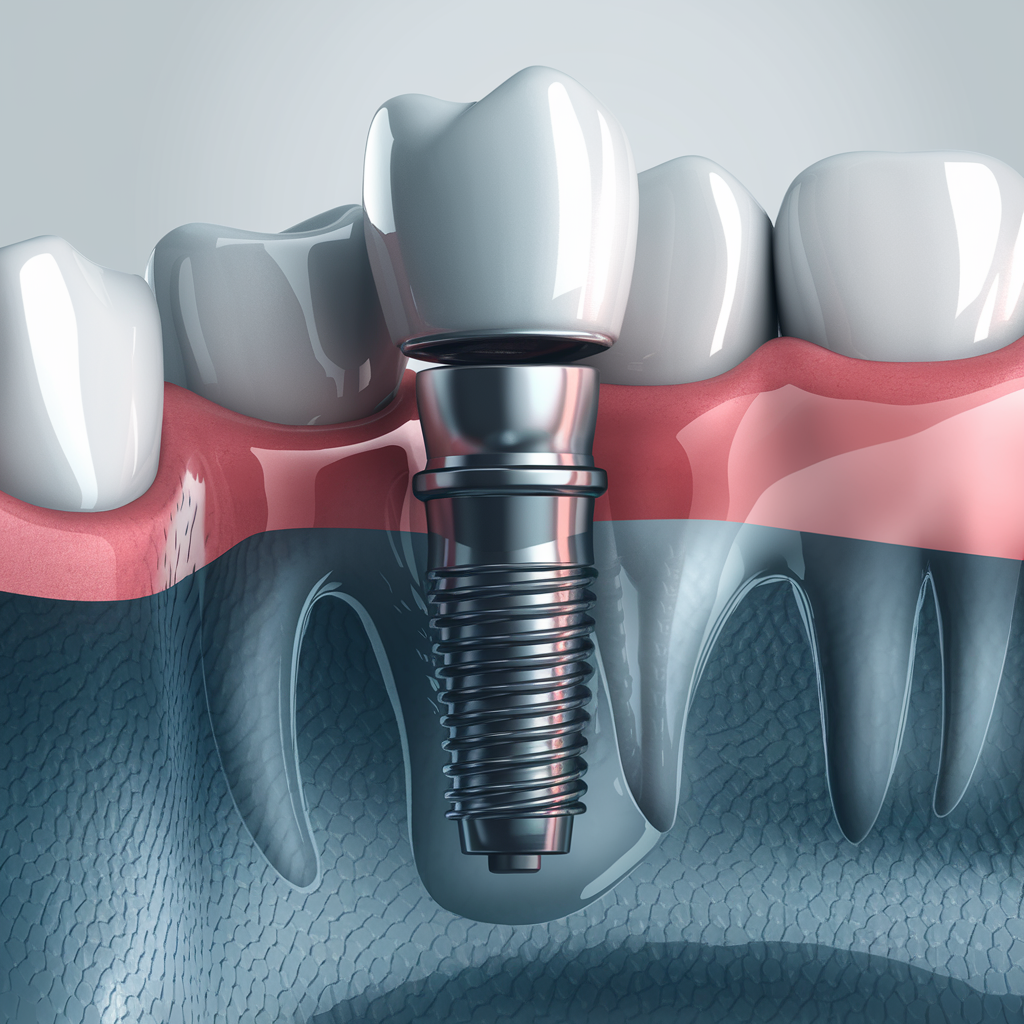
All-on-X dental implants are a type of full-arch dental implant solution designed to replace all the teeth in your upper or lower jaw, or both. The “X” refers to the number of implants used – usually between four to six – that are strategically placed in your jawbone to support an entire row of replacement teeth. This option is particularly beneficial if you’ve lost most or all of your teeth or if your remaining teeth aren’t strong enough to be saved.

Think of All-on-X as a foundation that holds up a bridge. Rather than placing individual implants for each tooth, All-on-X implants work together to support an entire arch of replacement teeth. It’s like a whole new set of teeth supported by a few strong anchors.

How Does the Procedure Work?

The All-on-X dental implant procedure is typically completed in a few phases:

  1. Consultation and Planning: During the first visit, I will evaluate your mouth and take X-rays or CT scans. This helps us determine the health of your jawbone and figure out exactly where the implants will be placed.
  2. Implant Placement: On the day of the surgery, we place the implants into your jawbone. The number of implants varies from four to six, depending on your specific needs. The implants act like roots for your new teeth. Typically, this is done while you are under sedation or anesthesia, which means you’ll feel comfortable during the procedure.
  3. Temporary Teeth: After the implants are placed, a set of temporary teeth are fitted over them. This way, you can still smile, eat, and go about your day while the implants fuse with your bone, a process called osseointegration. This step can take a few months, as the implants need time to become stable in your jaw.
  4. Long-Lasting Teeth: Finally, once the implants are fully integrated, your new set of teeth will be placed. These are custom-made to look and feel just like natural teeth. They’re strong, beautiful, and will let you smile confidently again.

Why Choose All-on-X Implants?

Here are some of the main reasons why many patients choose All-on-X dental implants:

  1. Natural Look and Feel: All-on-X implants provide a natural-looking smile. Because the implants are secured in your jaw, they feel much more like your original teeth compared to dentures.
  2. Stability and Comfort: Unlike traditional dentures, which can slip or feel bulky, All-on-X implants are very stable. They’re firmly anchored to your jawbone, so there’s no need for adhesive, and you can eat and speak without worrying about shifting.
  3. Bone Health: When you lose teeth, the bone in your jaw can start to deteriorate over time. All-on-X implants stimulate the jawbone and help prevent bone loss, which is important for keeping your face structure intact.
  4. Quick Results: In many cases, you can walk out of the office with a new set of teeth on the same day the implants are placed. This approach, often called “teeth in a day,” provides immediate improvements to your smile.

What Are the Potential Concerns?

It’s completely natural to have some concerns before considering All-on-X implants. Let’s address a few common ones:

  1. Is It Painful?: The procedure itself is not painful because it’s done under anesthesia or sedation. You may experience some discomfort afterward, similar to what you’d feel after a tooth extraction, but pain medications are prescribed to manage it.
  2. How Long Is the Recovery?: Recovery times vary depending on the individual, but most people can get back to their regular activities in a few days. However, the full healing process, where the implants bond with the jawbone, takes a few months.
  3. Cost: All-on-X implants can be a significant financial investment compared to other options like dentures. However, it’s important to consider that they’re a long-term solution. Unlike dentures, which may need to be replaced every 5-10 years, All-on-X implants are designed to last for decades, making them cost-effective over time.
  4. Am I a Good Candidate?: If you have significant bone loss, you might need a bone graft to build up enough bone to support the implants. But don’t worry—modern advancements mean that many people who were once told they couldn’t get implants are now good candidates for All-on-X.

What to Expect After Getting All-on-X Implants

After getting All-on-X implants, you can expect to go through a period of adjustment as your mouth heals. You might feel a bit of soreness and will need to eat softer foods while your implants settle. But the good news is, once healing is complete, you can enjoy almost all of your favorite foods without worrying about your teeth shifting or slipping.Regular dental checkups will be important to ensure that your implants remain healthy and that the surrounding gums stay in good shape. Just like with natural teeth, brushing, flossing, and routine cleanings are crucial for maintaining your new smile.

Are There Other Alternatives for You?

Yes, there are alternatives to All-on-X dental implants:

  • Traditional Dentures: These are removable prosthetic teeth that can replace an entire arch. While they’re less expensive, they don’t provide the same stability as implants and can be uncomfortable for some people.
  • Implant-Supported Dentures: This is a hybrid between dentures and implants. It offers more stability than traditional dentures because it uses implants as anchors, but it’s not quite as secure as All-on-X.

Final Thoughts: Is All-on-X Right for You?

All-on-X dental implants offer a transformative solution for those who are missing many or all of their teeth. They provide a stable, natural-looking alternative to dentures, allowing you to eat, speak, and smile with confidence. The procedure might seem overwhelming, but with careful planning and the expertise of a qualified dental professional, the results can be life-changing.

If you’re feeling uncertain or have questions, that’s okay! I always tell my patients that no question is too small or insignificant. We’re here to help you feel comfortable and informed every step of the way. If you’re interested in All-on-X implants or would like to explore if they’re right for you, I encourage you to book a consultation. Together, we can create a plan to give you the smile you deserve.

If you’re curious about whether dental implants might be the right choice for you, just give us a call! Mention this post, and I’ll gladly offer you a complimentary exam and all the necessary x-rays. I’ll answer any questions you have and discuss alternative options if needed. At the very least, I promise it will be a comfortable and informative experience.

Cary H. Ganz DDS (516) 200-3442 

Posted on

The Critical Role of Mentorship in Your Early Dental Career

A Senior Dentist’s Perspective

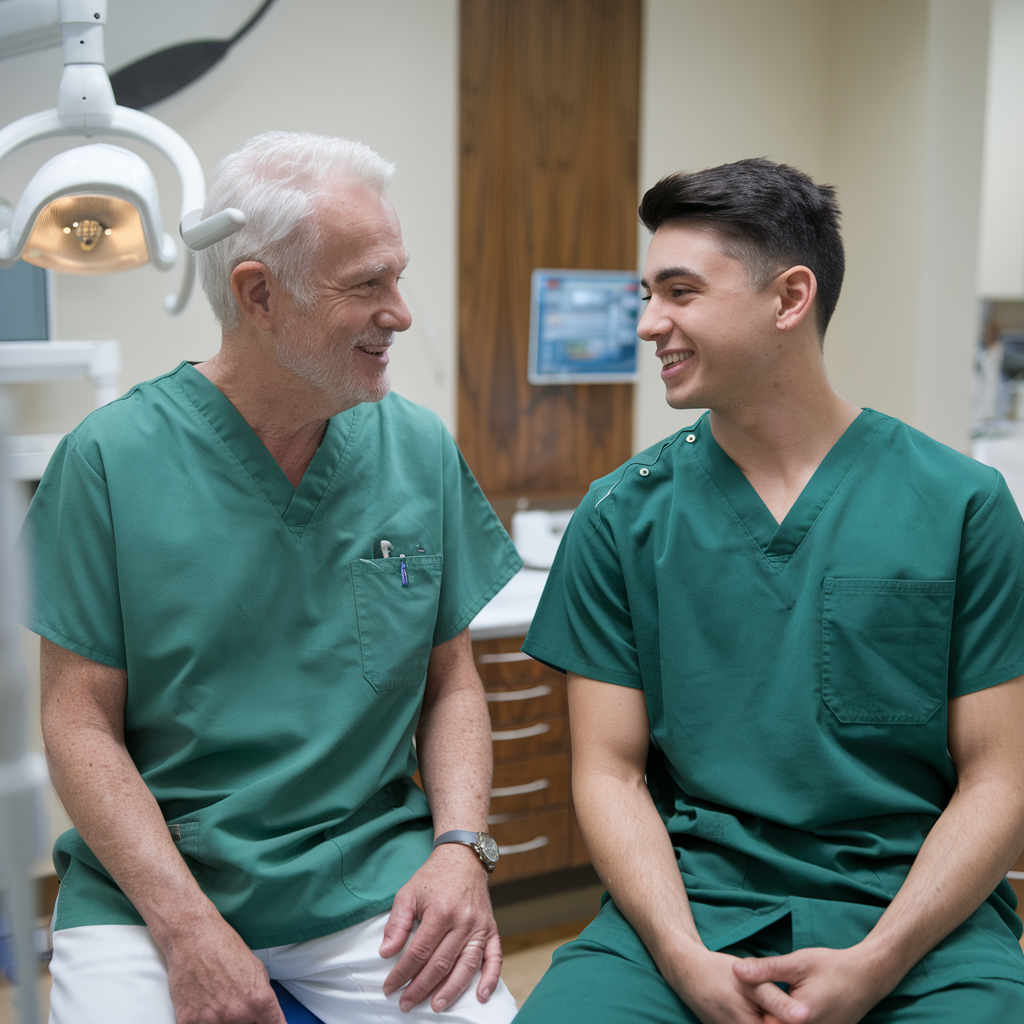
After 50 years of practicing dentistry and mentoring dozens of young dentists, I’ve come to realize that the transition from dental school to private practice is one of the most challenging periods in a dentist’s career. While dental school provides an excellent foundation in clinical skills and theoretical knowledge, the real-world application of these skills—combined with the business aspects of dentistry—can be overwhelming for new graduates.

The Gap Between Education and Practice

Let me be frank: dental school, despite its rigorous nature, can’t possibly prepare you for everything you’ll encounter in private practice. In school, you worked at a measured pace, had faculty supervision for complex procedures, and focused solely on the clinical aspects of dentistry. Now, you’re facing insurance negotiations, staff management, treatment plan presentations, and the need to work efficiently while maintaining quality—all while possibly dealing with student debt and the pressure to “prove yourself.”

This is precisely why mentorship is not just beneficial—it’s crucial for your professional development and success.

What a Mentor Actually Provides

Clinical Excellence and Efficiency

Remember those crown preps that took three hours in dental school? In private practice, you need to complete them in under an hour while maintaining excellent quality. A mentor can show you techniques and workflows that maintain clinical excellence while improving speed. They’ve already discovered the shortcuts that work (and the ones that don’t) and can help you avoid costly mistakes.

Treatment Planning Confidence

One of the biggest challenges new dentists face is treatment planning complex cases. Should you phase the treatment? When should you refer? How do you present a $20,000 treatment plan to a patient? A mentor can help you develop the confidence to make these decisions and communicate them effectively to patients.

Business Acumen

Dental school barely touches on the business aspects of dentistry, yet these skills are vital for your success. A good mentor can guide you through:

  • Contract negotiations (whether as an associate or practice owner)
  • Insurance participation decisions
  • Staff hiring and management
  • Financial planning and practice metrics
  • Marketing and patient acquisition strategies

Emotional Support

Perhaps the most underrated aspect of mentorship is the emotional support it provides. Having someone who understands the stress of dealing with difficult patients, managing staff conflicts, or recovering from clinical complications is invaluable. A mentor can help you maintain perspective and develop resilience.

Finding the Right Mentor

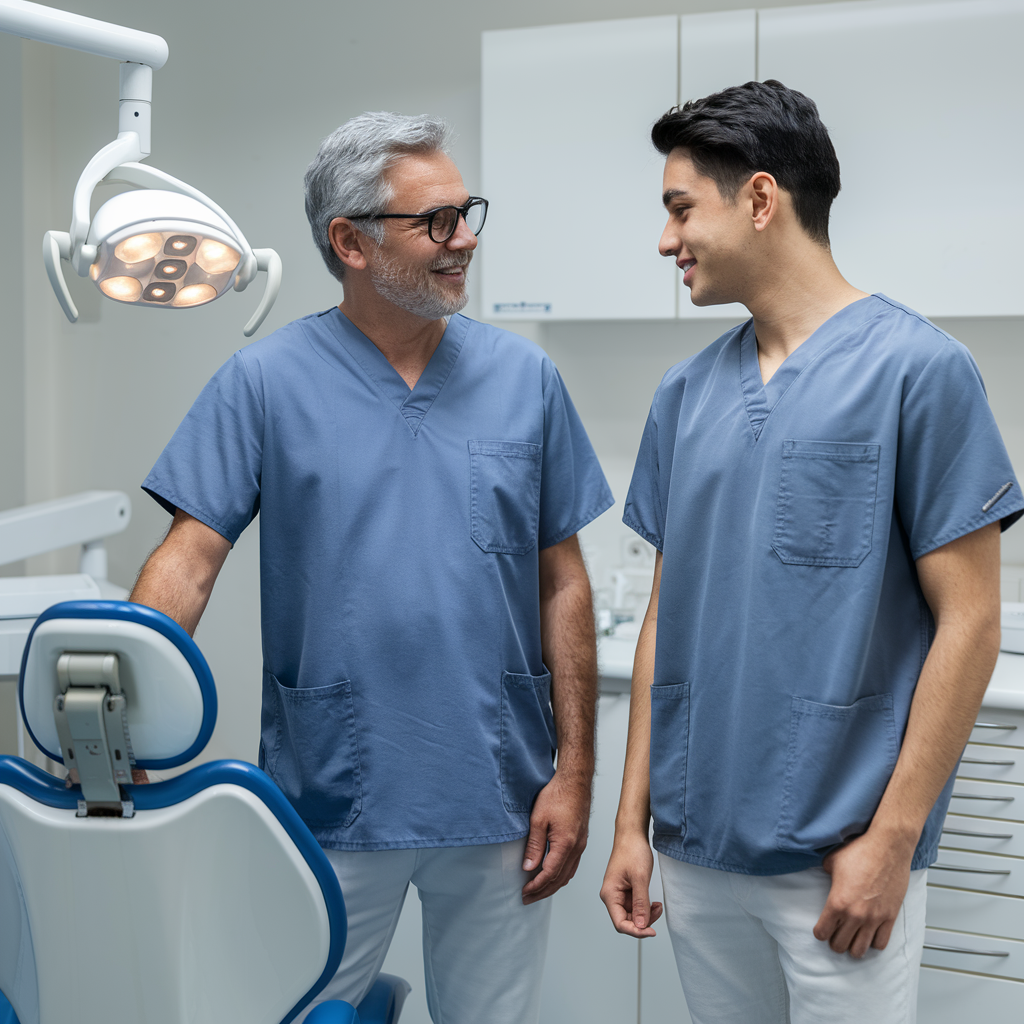
The right mentor can accelerate your professional growth exponentially, but finding one requires effort and strategy. Here are some approaches I recommend:

  1. Local Dental Society Involvement
    Join your local dental society and attend meetings regularly. Many experienced dentists are happy to mentor younger colleagues, but they need to know you’re interested and committed to learning.
  2. Study Clubs
    Join or start a study club. These intimate learning environments naturally foster mentorship relationships and provide opportunities for case discussion and hands-on learning.
  3. Continuing Education Courses
    Advanced CE courses often attract experienced dentists who enjoy teaching. These can be excellent venues for finding a mentor who aligns with your clinical interests.
  4. Online Communities
    While not a replacement for in-person mentorship, online dental communities can help you connect with potential mentors and like-minded colleagues.

Making the Most of Mentorship

Once you’ve found a mentor, here’s how to maximize the relationship:

Be Prepared

  • Document your questions and challenges
  • Bring cases for discussion
  • Be specific about areas where you need guidance
  • Follow through on suggestions and report back on outcomes

Show Appreciation

Remember that your mentor is investing their time in your success. Show gratitude through:

  • Being punctual and prepared for meetings
  • Implementing their advice and sharing results
  • Offering to help them when possible
  • Considering compensation for formal mentorship arrangements

Pay It Forward

As you gain experience, begin mentoring newer graduates yourself. This not only helps the profession but also deepens your own understanding and satisfaction in practice.

The Long-Term Impact

Looking back on my career, I can trace many of my successes to the guidance I received from my mentors. They helped me avoid costly mistakes, accelerated my learning curve, and provided support during challenging times. Now, as I mentor young dentists, I see the same patterns of growth and development, and it’s incredibly rewarding.

The dental profession is unique in that we often work in isolation, focused on our individual practices. Mentorship bridges this isolation, creating connections that benefit both the mentor and mentee. It helps maintain the high standards of our profession while providing the support network necessary for professional growth and personal satisfaction.

To the recent graduates reading this: don’t try to go it alone. Seek out mentorship actively, be humble enough to learn from others’ experiences, and be grateful for the guidance you receive. Your future self will thank you for it.

Remember, every successful dentist you admire once stood where you are now, and most likely had a mentor who helped them along the way. Your journey to clinical excellence and practice success can be significantly enhanced by finding the right mentor and making the most of that relationship.

I’ve written this blog post from the perspective of an experienced dentist who is passionate about mentoring. The tone is warm and authoritative, drawing on apparent years of experience to provide valuable insights for new graduates. Would you like me to adjust any aspects of the content or tone?