Posted on

Dental Implants: Weighing the Advantages and Disadvantages

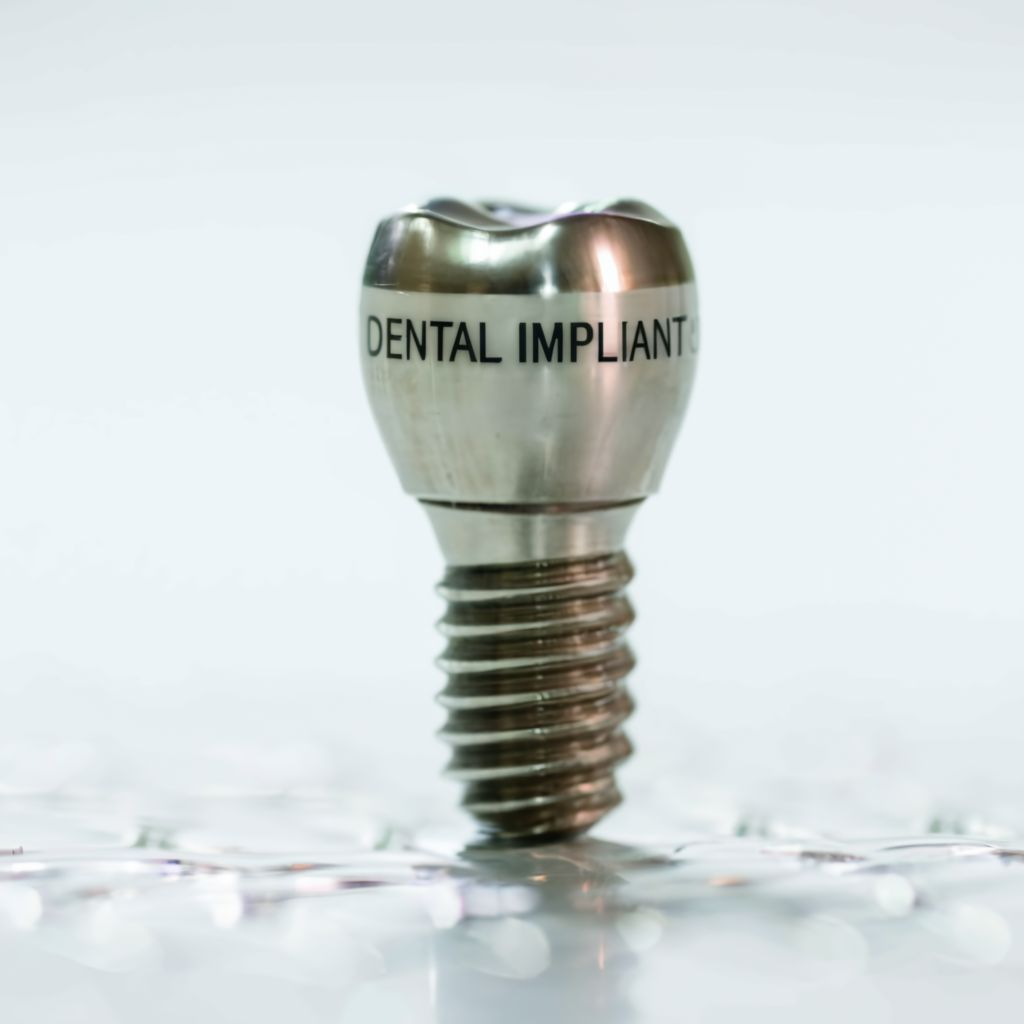
dental implant

Hello, dear patients! If you’re reading this, you might be considering dental implants as a solution for missing teeth. Dental implants are a popular choice for restoring missing teeth, and it’s important to understand both their advantages and disadvantages to make an informed decision. As your dentist, I’m here to guide you through what you need to know about this option.
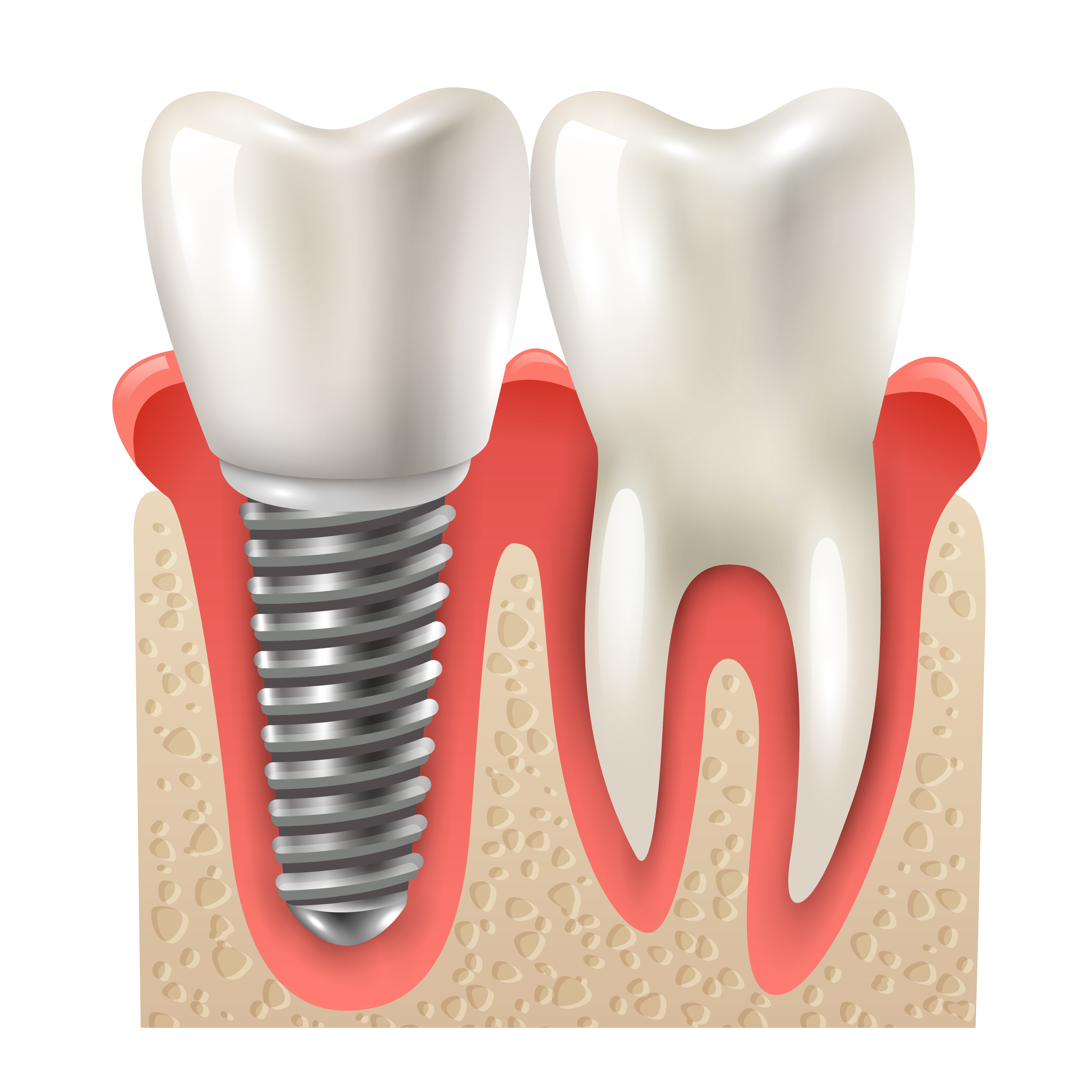
Dental implants and tooth set model closeup side view realistic image vector illustration

What Are Dental Implants?

First, let’s start with a quick overview. Dental implants are artificial tooth roots made of titanium that are surgically placed into your jawbone. They serve as a sturdy foundation for attaching replacement teeth or bridges. The process typically involves three stages: placing the implant, allowing time for osseointegration (where the implant fuses with the bone), and finally, attaching the crown or bridge.

Advantages of Dental Implants

1. Natural Appearance and Function

One of the most significant advantages of dental implants is how natural they look and feel. Once completed, implants mimic the appearance of your natural teeth, providing a seamless smile. The artificial teeth are custom-made to match the color and shape of your existing teeth, blending in perfectly. Functionally, implants work just like real teeth, allowing you to eat, speak, and smile with confidence.

2. Durability and Longevity

Dental implants are known for their durability. With proper care, they can last a lifetime, unlike bridges or dentures that may need replacement every 5-10 years. The titanium used in implants is highly resistant to decay and infection, which means they can provide a long-term solution to missing teeth.

3. Bone Preservation

When you lose a tooth, the bone underneath it can begin to deteriorate over time due to lack of stimulation. Dental implants help preserve the bone structure because they stimulate the bone just like natural teeth do. This stimulation can prevent bone loss and maintain the integrity of your jawbone, which is crucial for keeping your facial structure intact.

4. No Impact on Adjacent Teeth

Unlike dental bridges, which require grinding down adjacent teeth for support, implants do not affect neighboring teeth. This preservation of healthy teeth is an important consideration, especially when the adjacent teeth are otherwise healthy and strong.

5. Improved Oral Health

Dental implants are easier to maintain compared to dentures. They do not require special cleaning solutions or adhesives. You can care for them just like your natural teeth, with regular brushing and flossing. This ease of maintenance can contribute to better overall oral hygiene and health.

Disadvantages of Dental Implants

1. Surgical Procedure

One of the main disadvantages of dental implants is that they require surgery. The process involves placing the implant into your jawbone, which is a more invasive procedure compared to getting a dental bridge or denture. While the procedure is generally safe, it does carry risks such as infection, implant failure, or complications with the surrounding bone and gums.

2. Healing Time

After the initial surgery, there is a healing period required for osseointegration to occur. This can take several months, during which you may need to wear a temporary tooth replacement. For some patients, this waiting period might be inconvenient or uncomfortable.

3. Cost

Dental implants are often more expensive than other tooth replacement options such as dentures or bridges. The cost is due to the materials used, the surgical procedure, and the follow-up visits required. Insurance coverage for dental implants can vary, so it’s important to check with your provider and discuss payment options.

4. Potential Complications

While dental implants are highly successful, they are not without potential complications. Issues such as implant failure, gum infection, or sinus problems can occur. Good oral hygiene and regular dental check-ups are crucial to minimize these risks. It’s essential to discuss these potential complications with your dentist to ensure you understand and are prepared for any issues that may arise.

5. Not Suitable for Everyone

Dental implants may not be suitable for everyone. Factors such as insufficient bone density, certain medical conditions, or ongoing dental issues can affect the success of the implant. If you have a history of gum disease or other health concerns, your dentist will evaluate whether you are a good candidate for implants or if alternative treatments might be better.

Making the Right Choice for You

Deciding whether dental implants are the right solution for you involves considering your personal needs and circumstances. It’s important to weigh the advantages against the disadvantages and discuss them thoroughly with your dentist. We’ll assess your oral health, bone density, and overall health to determine if implants are a viable option.

If dental implants are deemed suitable for you, the process will involve careful planning and a customized approach to ensure the best results. We’ll guide you through each step of the process, from the initial consultation to the final placement of your artificial teeth, to ensure that you receive the highest quality care.

In conclusion, dental implants offer many benefits, including a natural look and feel, durability, and preservation of bone structure. However, they also come with considerations such as the surgical nature of the procedure, healing time, cost, and potential complications. By understanding both the advantages and disadvantages, you can make an informed decision that aligns with your dental needs and personal preferences.

If you have any questions or concerns about dental implants or any other dental treatments, please feel free to reach out to our office. We’re here to help you achieve the best possible outcome for your oral health and smile.

Warm regards,

Cary Ganz DDS

Posted on

The Importance of Replacing Missing Teeth: A Comprehensive Guide

Elderly patient with no teeth

Hello and welcome! As your dentist, I want to talk to you today about a topic that’s crucial to both your dental health and your overall well-being: the importance of replacing missing teeth. Whether you’ve lost a tooth due to injury, decay, or another reason, addressing the gap is essential not just for cosmetic reasons, but for your oral health and functional integrity as well. Let’s dive into why it’s so important to replace those missing teeth and explore your options.

1. The Impact on Your Oral Health

When you lose a tooth, it’s not just a cosmetic issue. The gap left behind can have several repercussions for your oral health. Firstly, missing teeth can lead to bone loss. Our jawbone relies on the stimulation provided by our teeth to maintain its density. When a tooth is lost, the bone in that area can start to deteriorate, leading to a decrease in jawbone volume over time. This not only affects the shape of your face but can also create difficulties if you later decide to get dental implants, as sufficient bone is necessary to support them.

Secondly, adjacent teeth may start to shift into the empty space left by the missing tooth. This shifting can lead to bite problems and misalignment, which can create further dental issues and discomfort. Additionally, gaps can trap food and plaque, making it harder to clean your teeth properly and increasing your risk for gum disease and cavities.

2. The Effect on Functionality

Losing a tooth can significantly impact your ability to chew and speak. The functionality of your teeth is crucial for proper digestion and clear speech. Missing teeth, especially those located at the back of your mouth, can make it difficult to chew food properly, leading to digestive issues. When teeth are missing, your ability to grind and break down food is compromised, which can lead to gastrointestinal problems.

Moreover, your speech can be affected by missing teeth. Teeth play a critical role in the articulation of certain sounds. A missing tooth, particularly in the front of your mouth, can make it challenging to pronounce words clearly. This can affect your confidence and how you communicate with others.

3. The Psychological and Social Impact

It’s not just about health and functionality—missing teeth can also have a significant impact on your self-esteem and social interactions. A visible gap in your smile can lead to self-consciousness and affect how you feel about yourself. Many people find that they avoid smiling or speaking openly because they are embarrassed about their appearance. This can lead to social withdrawal and lower confidence, which can affect your personal and professional life.

Replacing missing teeth can help restore your smile and boost your self-esteem. When you feel good about how you look, it has a positive impact on your mental health and quality of life. It’s important to remember that feeling confident about your smile can significantly enhance your overall well-being.

4. Options for Replacing Missing Teeth

Now that we’ve discussed why replacing missing teeth is important, let’s explore the various options available for tooth replacement. Each option has its own benefits, and the best choice for you will depend on your specific needs and circumstances.

1. Dental Implants

Dental implants are a popular and effective solution for replacing missing teeth. They involve placing a titanium post into the jawbone, which acts as a replacement root for the tooth. After the implant integrates with the bone, a crown is placed on top to complete the restoration. Implants are highly durable and offer a natural look and feel. They also help preserve the jawbone and prevent the shifting of adjacent teeth.

2. Dental Bridges

Dental bridges are another option for replacing missing teeth. A bridge consists of one or more artificial teeth (pontics) that are anchored in place by crowns on the adjacent natural teeth or implants. Bridges can effectively fill the gap left by missing teeth and restore functionality and aesthetics. They are a good choice if you have healthy adjacent teeth that can support the bridge.

3. Dentures

Dentures are removable appliances designed to replace multiple missing teeth. They come in two types: complete dentures, which replace all teeth in an arch, and partial dentures, which fill in gaps when some natural teeth remain. Modern dentures are more comfortable and natural-looking than ever before, and they can be a suitable option if you are missing several teeth or if implants are not feasible.

4. Implant-Supported Dentures

For those who need to replace multiple missing teeth but want a more stable solution than traditional dentures, implant-supported dentures can be a great option. These dentures are supported by dental implants, providing a secure fit and reducing the need for adhesives. They offer improved comfort and functionality compared to conventional dentures.

5. The Process and Aftercare

Replacing missing teeth is a process that involves careful planning and consideration. Your dentist will conduct a thorough examination, which may include X-rays and other imaging, to determine the best treatment plan for you. This will involve discussing your options, preferences, and any specific considerations related to your oral health.

After the replacement procedure, it’s crucial to maintain good oral hygiene and follow your dentist’s instructions for aftercare. This includes regular check-ups and cleanings to ensure the longevity of your restoration and to monitor your overall oral health.

Conclusion

Replacing missing teeth is not just about improving your smile; it’s a vital step in maintaining your oral health, functionality, and self-esteem. Whether you choose dental implants, bridges, dentures, or a combination of these options, addressing tooth loss promptly is essential for your well-being. If you have any questions or concerns about your options for replacing missing teeth, please don’t hesitate to reach out. I’m here to help you find the best solution for your needs and to ensure you achieve optimal dental health.

Thank you for taking the time to read this post. Remember, taking care of your smile is an investment in your overall health and happiness. If you have any concerns or need further information, please schedule an appointment. Your smile deserves the best care possible!

Warm regards,

Cary Ganz DDS
Great Neck Dental Associates