Posted on

Navigating Complex Dental Treatment

The Value of a Second Opinion

When you’re facing complex dental treatment with a significant price tag, it’s completely natural to feel overwhelmed. As a dentist who has practiced for over five decades, I’ve seen thousands of patients struggle with difficult treatment decisions. That moment when you’re holding a treatment plan with multiple procedures and a bottom-line figure that makes your heart skip a beat—I understand that feeling completely.

The Reality of Modern Dental Treatment

Today’s dentistry offers remarkable solutions that weren’t available even a decade ago. We can restore full smiles with implants, correct severe alignment issues with invisible orthodontics, and completely transform oral health with comprehensive treatment plans. But these advanced treatments come with corresponding costs that can feel staggering.

When patients receive treatment plans exceeding several thousand dollars, I often see two concerning reactions:

  1. Immediate acceptance without full understanding – Some patients simply trust their dentist implicitly and proceed without fully comprehending what they’re agreeing to.
  2. Complete avoidance – Others become so overwhelmed they postpone treatment indefinitely, often resulting in worsening conditions that become more expensive to treat.

Neither approach serves your best interests. There’s a balanced middle path: seeking a second opinion.

The Critical Importance of Second Opinions for Implant Dentistry

Dental implants represent one of the most significant investments you can make in your oral health. With costs ranging from $3,000-$5,000 per single implant to $25,000-$50,000+ for full-mouth restorations, the financial commitment is substantial. Beyond the cost, implants are permanent fixtures that will influence your oral health for decades.

What Many Patients Don’t Realize About Implants:

Treatment planning variations are significant. Two equally qualified dentists might propose dramatically different implant solutions. One might recommend six implants for a full arch while another suggests eight. One might advocate for individual implants while another recommends an implant-supported bridge. These differences significantly impact both cost and long-term function.

Proper placement is everything. The long-term success of implants depends critically on their positioning. Even millimeters matter. A second opinion that includes a review of your 3D imaging can identify potential placement concerns before irreversible surgery occurs.

Material choices vary widely. From the implant manufacturer to the restorative materials used for crowns and bridges, quality differences exist that affect both aesthetics and longevity. A second opinion can help you understand these differences and make informed choices.

Bone and tissue considerations are complex. Not every patient has ideal bone density or gum tissue for standard implant procedures. A second opinion might reveal the need for preparatory procedures like bone grafting or suggest alternative approaches for challenging anatomical situations.

I strongly urge anyone considering implant treatment to seek a second opinion through Second Dental Opinions (www.seconddentalopinions.com) before proceeding. The investment in a second opinion is minimal compared to the total treatment cost and can prevent costly complications or disappointing results.

Why Cosmetic Dentistry Absolutely Demands a Second Look

Cosmetic dentistry isn’t just about aesthetics—it’s about creating harmony between function, longevity, and beauty. The consequences of suboptimal cosmetic treatment can be both emotionally and financially devastating.

Critical Cosmetic Dentistry Considerations That Demand a Second Opinion:

Conservative vs. aggressive approaches: Some cosmetic challenges can be addressed through minimal intervention (like bonding or partial veneers) while others might recommend full coverage. The difference can mean preserving significant natural tooth structure versus extensive reduction. A second opinion can help you understand if the proposed treatment is appropriately conservative.

Material selection impacts longevity: Porcelain types, composite formulations, and bonding protocols dramatically influence how long your cosmetic work will last. What appears identical on day one might show significant differences five years later. A second opinion can help you evaluate material choices.

Smile design is both science and art: The proportions, contours, and color gradients that create a natural-looking smile require both technical precision and artistic judgment. A second opinion from an experienced cosmetic dentist through Second Dental Opinions can provide valuable perspective on the proposed aesthetic approach.

Functional considerations cannot be overlooked: Beautiful teeth that create bite problems, wear prematurely, or contribute to TMJ issues aren’t truly successful. A thorough second opinion evaluates not just how your new smile will look, but how it will function over decades.

With cosmetic cases often ranging from $10,000 to $30,000 or more, and results that literally change your face, proceeding without a second opinion is simply unnecessary risk. Second Dental Opinions (www.seconddentalopinions.com) can provide that critical perspective before you commit.

Why Second Opinions Matter in Dentistry

In my fifty-plus years of practice, I’ve both provided and recommended second opinions countless times. Here’s why they’re valuable:

Different Approaches Exist

Contrary to what many believe, dentistry isn’t always black and white. For many conditions, multiple valid treatment approaches exist. For example:

  • A damaged tooth might be treatable with a root canal and crown, or an extraction and implant
  • Bite problems might be addressed through orthodontics, selective reshaping, or prosthetic solutions
  • Gum disease might be managed through different surgical approaches or non-surgical intensive care

Each dentist brings their training, experience, and philosophy to treatment planning. A second opinion often reveals alternative approaches you hadn’t considered.

Technology and Techniques Vary

Dentists adopt new technologies at different rates. Some offices utilize the latest 3D imaging, CAD/CAM same-day restorations, and computer-guided implant placement. Others rely on proven traditional techniques. Neither approach is inherently superior—both have advantages—but they result in different treatment experiences and sometimes different costs.

Cost Structures Differ

Dental practices have varying overhead costs based on location, staff size, equipment investments, and other factors. These differences naturally affect treatment fees. A second opinion might reveal comparable treatment at a more manageable price point.

Your Comfort Matters

The right treatment plan isn’t just technically appropriate—it should align with your comfort level, timeline, and financial situation. A second opinion helps ensure you’re proceeding with treatment that fits your overall needs, not just your clinical condition.

The Traditional Challenge of Second Opinions

Traditionally, getting a second dental opinion has been cumbersome:

  1. Requesting records from your current dentist
  2. Finding another practice accepting new patients
  3. Taking more time off work for consultations
  4. Potentially paying for another exam
  5. Explaining your situation again from the beginning

These obstacles prevent many patients from seeking the additional perspective they need. Fortunately, technology has created a better solution.

The Online Second Opinion Revolution with Second Dental Opinions

The digital transformation of healthcare has made expert dental consultations more accessible than ever. Second Dental Opinions (www.seconddentalopinions.com) has revolutionized this process, allowing you to connect with highly experienced dentists without the traditional barriers.

How Second Dental Opinions Works

The process at Second Dental Opinions typically follows these simple steps:

  1. Upload your records – This includes your treatment plan, X-rays, photos, and any relevant dental history. Most dental offices can provide these digitally upon request.
  2. Share your concerns – Explain what aspects of your treatment plan you’re uncertain about—whether it’s the recommended procedures, materials, timeline, or costs.
  3. Receive expert analysis – An experienced dentist reviews your case comprehensively, examining all aspects of the proposed treatment.
  4. Get detailed feedback – You’ll receive thoughtful analysis of your current treatment plan, potential alternatives, and considerations you should discuss with your treating dentist.

Through Second Dental Opinions (www.seconddentalopinions.com), you can access dentists with five decades or more of clinical experience—seasoned professionals who have seen virtually every dental situation imaginable and stay current with the latest research.

What You Gain From an Online Second Opinion with Second Dental Opinions

Peace of Mind

Perhaps the most valuable benefit is confirmation that your treatment plan is appropriate. Often, second opinions validate the original treatment recommendation, which provides confidence to proceed.

Understanding Alternatives

When alternatives exist, you’ll learn about them in detail—including their respective advantages, disadvantages, costs, and long-term considerations.

Better Questions

After receiving a second opinion, you’ll be equipped with informed questions to discuss with your treating dentist. This enriches your doctor-patient relationship rather than undermining it.

Financial Perspective

A second opinion might reveal ways to phase treatment to make it more financially manageable, or identify which components are most urgent versus which could be addressed later.

Empowerment

Most importantly, you regain control of your dental health decisions, proceeding with treatment from a position of knowledge rather than uncertainty.

Working With Your Current Dentist After a Second Opinion

A second opinion shouldn’t create adversarial relationships. Most ethical dentists welcome informed patients and are happy to discuss alternatives. Here’s how to proceed after receiving a second opinion from Second Dental Opinions:

  1. Schedule a consultation – Rather than regular treatment, request time specifically to discuss your treatment plan.
  2. Ask curious questions – Approach the conversation with curiosity rather than confrontation: “I’ve been researching my condition and wondered if we might consider…”
  3. Share your concerns – Be honest about specific aspects of treatment that worry you, whether clinical or financial.
  4. Listen openly – Your treating dentist may have specific reasons for recommending their approach based on clinical findings they’ve observed firsthand.

When Second Dental Opinions Is Most Valuable

While beneficial in many situations, online second opinions from Second Dental Opinions are particularly valuable when:

  • Treatment costs exceed $5,000
  • Treatment involves multiple teeth or full-mouth reconstruction
  • You’re considering implants or orthodontics
  • Treatment addresses complicated medical histories
  • You’re experiencing unusual symptoms that haven’t responded to initial treatment
  • You’re considering cosmetic procedures with permanent consequences

Taking the Next Step with Second Dental Opinions

If you’re holding a treatment plan that feels overwhelming, remember that seeking additional perspective is both reasonable and responsible. Second Dental Opinions (www.seconddentalopinions.com) has made this process easier than ever, connecting you with dentists whose decades of experience provide invaluable insight.
As a dental professional who has witnessed the evolution of dentistry over five decades, I can assure you that thoughtful consideration of major treatment decisions serves everyone’s best interests—most importantly, your long-term oral health.

Your smile is too important for uncertainty. Visit www.seconddentalopinions.com to get the information you need to proceed with confidence.

Posted on

The Importance of an Educational Approach to Making Complex Dental Treatment Decisions

Dental Education

When it comes to making decisions about dental care, especially complex treatments, many patients feel overwhelmed. Whether it’s deciding on dental implants, orthodontic treatment, full-mouth reconstruction, or periodontal surgery, the choices can feel intimidating. With so much information available—from Google searches and social media to advice from family and friends—how can patients make informed and confident decisions about their oral health?

The answer lies in an educational approach to dental treatment planning. Instead of relying on opinions, marketing messages, or personal anecdotes, patients should be guided by evidence-based information, professional expertise, and a clear understanding of their own dental health. A well-informed patient is more likely to choose the right treatment, achieve the best outcome, and feel confident in their decision.

Why an Educational Approach Matters in Dental Care

The field of dentistry is complex, and every treatment plan should be tailored to an individual’s unique oral health needs. Many patients don’t realize that there are multiple ways to treat the same dental issue, and each option comes with its own risks, benefits, and long-term implications. Education plays a key role in helping patients:

  1. Understand Their Condition – Patients need to comprehend the cause of their dental issue, how it progresses over time, and what happens if left untreated.
  2. Know Their Treatment Options – Whether it’s a choice between a root canal and an extraction, or between traditional braces and clear aligners, each option must be clearly explained.
  3. Evaluate Pros and Cons – Every treatment comes with risks and benefits, and patients need to weigh factors such as longevity, cost, comfort, and recovery time.
  4. Avoid Unnecessary Treatments – Some treatments might be over-recommended or commercially motivated rather than medically necessary. Patients should be empowered to make choices based on necessity and effectiveness.
  5. Feel More Confident and Less Anxious – When patients understand what’s happening, they are less likely to fear the unknown and more likely to follow through with treatment.

Common Challenges in Decision-Making for Complex Dental Treatments

Many patients face barriers when trying to make informed dental treatment decisions. Some of the most common challenges include:

1. Overwhelming Amounts of Information

The internet is filled with dental advice, but not all of it is accurate. While online research is valuable, it can sometimes lead to confusion, especially when patients come across conflicting opinions or misleading claims.

2. Fear and Anxiety

Dental anxiety is real, and it often causes patients to delay treatment or opt for quick, less effective solutions. Education can help ease fears by breaking down the process and explaining what to expect.

3. Cost Concerns

Many complex dental procedures, such as dental implants or full-mouth rehabilitation, can be expensive. Patients need to understand their financial options, including insurance coverage, financing plans, and long-term cost-effectiveness.

4. Influence from Social Media and Personal Stories

While hearing about someone else’s experience can be helpful, it doesn’t always apply to another patient’s unique case. Treatments should be based on professional evaluation rather than anecdotal advice.

How an Educational Approach Can Help Patients Make Better Decisions

1. Dentist-Patient Communication

The foundation of an educational approach lies in open, clear, and honest communication between the patient and their dental provider. A good dentist will take the time to explain conditions, treatment options, and expected outcomes. They should welcome questions and provide thorough, non-rushed answers.

2. Visual Aids and Digital Technology

Seeing is believing. Tools such as intraoral cameras, digital X-rays, and 3D imaging allow patients to visualize their own dental issues and understand how treatment will help. Computer simulations and before-and-after images can also be incredibly powerful in decision-making.

3. Second Opinions and Online Consultations

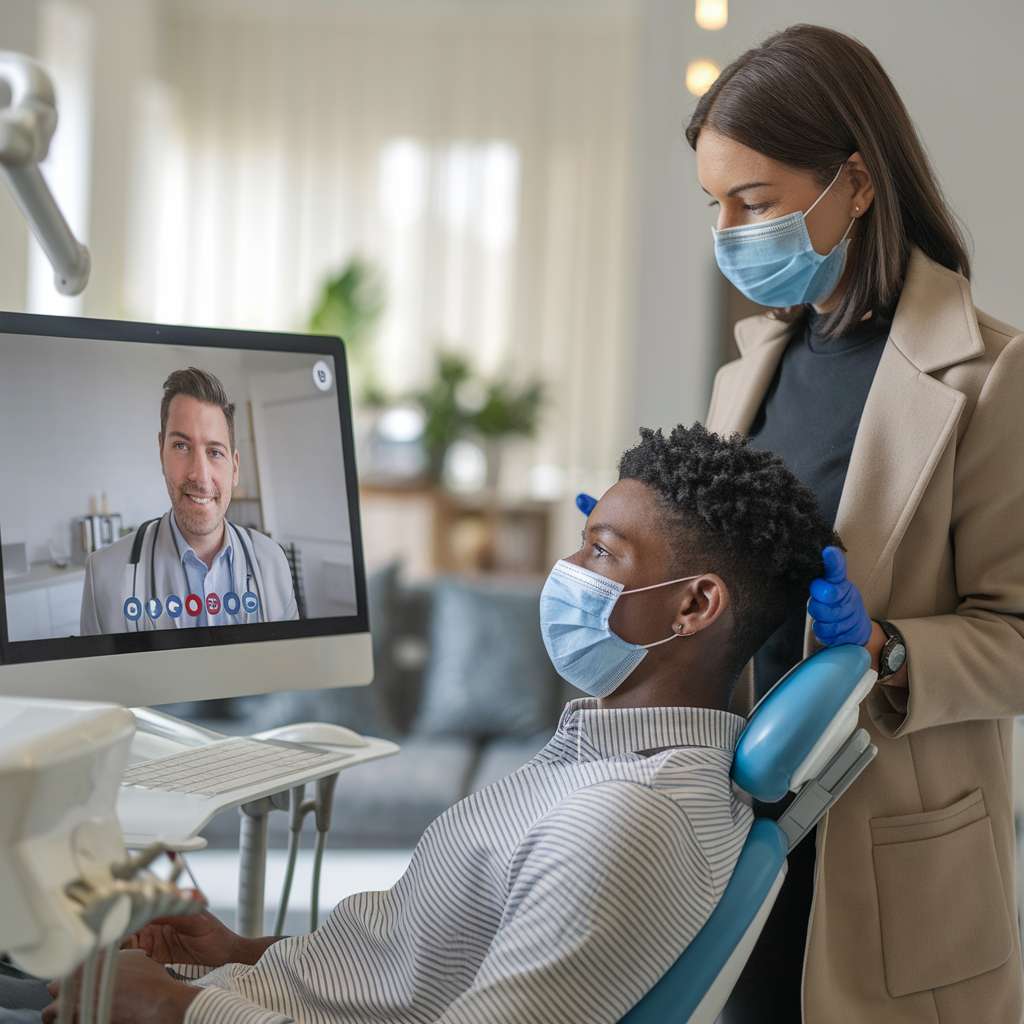
For major dental work, seeking a second opinion is always a smart move. And with today’s technology, this doesn’t always require an in-person visit. Many dentists now offer virtual consultations, where patients can submit X-rays and receive expert recommendations remotely. This helps patients get a broader perspective on their options without committing to a live appointment.

4. Written Treatment Plans and Comparative Analysis

A well-organized treatment plan should outline all available options, the procedures involved, estimated costs, timeframes, and potential risks. Patients should be encouraged to compare their options and take time to review the information before making a decision.

5. Patient Education Resources

Educational brochures, videos, and trusted online resources can help reinforce what was discussed during a dental visit. Many dental offices provide digital resources that explain procedures in detail so patients can review them at home.

Real-Life Scenarios Where Education Makes a Difference

To illustrate the importance of education in dental decision-making, here are a few real-life scenarios:

Case 1: Dental Implants vs. Dentures

A patient with multiple missing teeth is considering dental implants but is hesitant because they’ve heard dentures are a cheaper alternative. Through an educational approach, the dentist explains:

  • The long-term durability of implants vs. dentures
  • The impact of jawbone health and bone loss
  • The cost breakdown, including maintenance over time
  • Patient testimonials and success rates

With this knowledge, the patient can make an informed choice that aligns with their goals and budget.

Case 2: Root Canal vs. Extraction

A patient with a severe tooth infection is given two options: a root canal to save the tooth or an extraction with a possible future implant. Rather than simply recommending one treatment, the dentist educates the patient on:

  • The benefits of preserving a natural tooth
  • The healing process for each option
  • Cost differences in the long run
  • Potential complications and future dental needs

After this discussion, the patient feels confident in choosing the best solution for their situation.

Case 3: Orthodontic Treatment Options

A teenager considering orthodontic treatment is deciding between traditional braces and clear aligners. Through an educational approach, the orthodontist explains:

  • The pros and cons of each system
  • Treatment duration and maintenance requirements
  • Lifestyle considerations (sports, speech impact, aesthetics)
  • The importance of compliance and follow-up care

By providing this detailed comparison, the patient and their parents can make a decision that fits their lifestyle and expectations.

Final Thoughts: The Power of Knowledge in Dental Decisions

Choosing a complex dental treatment is a big decision, and it should never be rushed or based on hearsay. When patients take an educational approach—seeking clear, factual, and expert-backed information—they gain the confidence to make the best choices for their oral health.

The key takeaway? Don’t just rely on quick online searches or well-intended advice from non-professionals. Ask questions, explore options, and take advantage of modern tools like virtual consultations and digital imaging.

Your dental health is an investment, and every patient deserves to make informed, educated, and empowered decisions. So, before moving forward with any major treatment, take the time to learn, understand, and choose wisely—because your smile is worth it!

Posted on

The Power of Second Opinions

Ensuring Smart Choices in Complicated Dentistry

Discover why seeking a second opinion in complicated dentistry is crucial for informed decision-making and optimal treatment outcomes.

person in blue long sleeve shirt holding black and white tray

The Necessity of Second Opinions in Complicated Dentistry

The complexity of dental procedures often leads to varied treatment recommendations, making second opinions essential. Dental care can encompass a wide range of treatments, from simple cleanings to intricate surgeries, and the recommendations for treatment may differ significantly from one dentist to another. For instance, if one dentist suggests a costly implant procedure, another might recommend a less invasive approach such as a bridge or crown. This variance highlights the need for patients to seek additional perspectives to ensure they are making informed decisions about their care.

Patients have the right to seek second opinions to ensure they make informed decisions regarding their dental care. This right is supported by organizations like the American Dental Association, which encourages patients to explore multiple opinions, especially when faced with significant procedures. Seeking a second opinion not only helps patients feel more confident in their treatment plans but can also prevent unnecessary treatments, ultimately improving overall satisfaction with dental care.

Understanding the Importance of Second Opinions in Dentistry

Second opinions can clarify diagnoses and treatment plans, especially for complex cases where the stakes are high. For example, a patient might receive a diagnosis for a root canal from one dentist, while another might suggest that the tooth can be saved with a more conservative approach. Understanding these differences is crucial for making informed choices. Research shows that patients who seek second opinions report higher satisfaction and better health outcomes, as they are more likely to feel secure in the decisions they make regarding their treatment.

Patients may encounter different treatment recommendations from various specialists due to their unique areas of expertise. For instance, an oral surgeon may have a different perspective on a complicated extraction than a general dentist. Additionally, different dentists may have access to varying technologies and methodologies, impacting the treatment options presented to the patient. This variety underscores the importance of obtaining multiple viewpoints to ensure comprehensive and effective dental care.

Risks of Relying Solely on One Dentist’s Opinion

Relying on a single dentist’s opinion can pose significant risks, such as encountering unnecessary treatments and overdiagnosis. Some dental professionals may recommend extensive procedures that may not be required, leading to potential financial strain on patients. For example, a patient might be advised to undergo several fillings when, in fact, only one might be necessary. This situation emphasizes the value of a second opinion in verifying the necessity and appropriateness of proposed treatments.

Moreover, unresolved treatment plans can leave patients feeling uncertain about the necessity of procedures, prompting them to seek additional perspectives. Miscommunication between the patient and dentist can also result in misunderstandings about treatment risks and benefits, further necessitating a second opinion. Complex cases involving multiple dental issues can lead to conflicting recommendations, making it crucial for patients to gather insights from various professionals to ensure they are making well-informed decisions.

How to Approach Getting a Second Opinion

Patients should prepare specific questions regarding their diagnosis, treatment options, and associated costs for the second opinion consultation. Having a clear set of inquiries can help guide the discussion and ensure that all concerns are addressed. It is also essential for patients to gather all relevant dental records and images before the appointment, as this will streamline the second opinion process and provide the new dentist with necessary context.

Seeking recommendations from trusted sources, such as friends, family, or dental societies, can aid in finding a reliable dentist for a second opinion. Patients should feel empowered to ask their current dentist about the process of obtaining a second opinion without fear of judgment. Documenting symptoms and concerns prior to the appointment can also present a comprehensive picture to the second opinion dentist, ensuring that the subsequent evaluation is thorough and informed.

Benefits of Obtaining a Second Opinion

A second opinion can uncover alternative treatment options that may better suit the patient’s needs. For instance, after reviewing an initial treatment plan, a second dentist might suggest a more conservative approach that could save the patient time and expense. Confirming an initial diagnosis through a second opinion can also prevent unnecessary procedures, ensuring that the correct dental issues are addressed and that patients are not subjected to unwarranted treatments.

Additionally, patients benefit from the peace of mind that comes from knowing they have made an informed decision regarding their dental treatment. Exploring different treatment plans can lead to discovering cost-effective solutions that may not have been presented initially, enhancing the overall patient experience. A second opinion can also serve as a valuable educational experience, helping patients understand their oral health better and leading to improved treatment outcomes through insights into new dental technologies or techniques.

Empowering Patients Through Second Opinions

Emphasizing the necessity of second opinions in complicated dental situations can enhance patient education and empowerment. Patients should feel supported in their decision to seek second opinions, reinforcing their rights in dental care. Open communication between patients and dentists fosters trust, ultimately leading to better treatment outcomes.

Providing resources and information about the process of obtaining second opinions can help patients navigate their dental care journey more effectively. Sharing personal stories or testimonials from patients who have benefited from second opinions can inspire others to take charge of their dental health. Advocacy groups play a significant role in promoting patient rights within the dental community, empowering patients to seek the comprehensive care they deserve.