Posted on

Revolutionizing Smiles: The Dramatic Changes in Dentistry in 2024

As we welcome a new year, I’m excited to share the incredible advancements that have taken place in dentistry over the past 12 months. The field has experienced a transformative leap, making procedures more effective, less invasive, and increasingly personalized. From cutting-edge technologies to patient-centric innovations, here are the most significant changes shaping modern dentistry in 2024.

1. Artificial Intelligence in Diagnosis and Treatment Planning

One of the most groundbreaking shifts has been the integration of artificial intelligence (AI) into routine dental practices. AI-powered software now analyzes X-rays, CT scans, and intraoral photographs with unparalleled accuracy. This technology doesn’t just identify cavities or signs of gum disease—it can predict potential issues before they become problems.

For patients, this means fewer surprises and more proactive care. Imagine a world where your dentist can foresee the early signs of enamel wear or bone loss and intervene before significant damage occurs. AI has become a trusted partner in creating tailored treatment plans, ensuring better outcomes and less time in the dental chair.

2. 3D Printing: Custom Solutions in Hours

Gone are the days of waiting weeks for crowns, bridges, or dentures. Thanks to advancements in 3D printing, custom dental prosthetics can now be created in a matter of hours. This technology uses biocompatible materials to produce highly accurate and durable restorations right here in the office.

For you as a patient, this means same-day solutions. Whether it’s a temporary crown or a permanent veneer, 3D printing has revolutionized the speed and precision of restorative dentistry.

3. Minimally Invasive Laser Dentistry

Laser technology has taken a giant step forward in 2024, becoming a go-to option for numerous procedures. Lasers can now treat cavities, perform gum surgeries, and even whiten teeth without the need for drills, scalpels, or anesthesia in many cases. These minimally invasive techniques reduce discomfort, promote faster healing, and minimize the risk of infection.

Imagine addressing a cavity without the dreaded sound of a drill—just a quick, painless zap to remove decay. For patients with dental anxiety, lasers are truly a game-changer.

4. Regenerative Dentistry: The Future is Now

Perhaps one of the most exciting developments this year is the progress in regenerative dentistry. Using stem cells and bioactive materials, dentists can now encourage the natural regrowth of dental tissues. This approach is particularly promising for patients with periodontal disease or significant tooth damage.

While still in its early stages, regenerative dentistry offers hope for reversing tooth loss and repairing damaged enamel. It’s not science fiction anymore—it’s happening right now.

5. Digital Smile Design and Virtual Reality

2024 has seen the rise of digital smile design tools that allow you to see the potential results of cosmetic treatments before they begin. By using advanced imaging and virtual reality, we can create a digital mockup of your future smile, giving you confidence in your treatment decisions.

Patients love the ability to “test drive” their new smile. Whether you’re considering veneers, orthodontics, or whitening, these tools take the guesswork out of achieving the perfect look.

6. Enhanced Patient Comfort with Smart Anesthetics

Advancements in anesthetic delivery have dramatically improved patient comfort. Smart syringes now ensure precise, virtually painless administration of numbing agents. Additionally, new topical anesthetics are more effective and longer-lasting, reducing the need for injections altogether in some cases.

For patients, this means a more relaxed experience from start to finish. Your comfort is no longer an afterthought—it’s a priority.

7. Eco-Friendly Dentistry: Sustainability Takes Center Stage

As global awareness of environmental issues grows, dentistry has embraced sustainable practices. From biodegradable dental floss to eco-friendly packaging for supplies, the industry is working hard to reduce its carbon footprint. Digital recordkeeping and paperless workflows have also become standard, minimizing waste and improving efficiency.

When you visit the dentist in 2024, you’re contributing to a greener planet without sacrificing quality care.

8. Advanced Orthodontics: Faster and Less Visible

Orthodontic treatments have seen remarkable advancements, making them faster and more discreet than ever before. Clear aligners are now more comfortable, effective, and capable of addressing complex cases that once required traditional braces. Additionally, accelerated orthodontic techniques use vibrational devices and laser technology to shorten treatment times significantly.

For adults and teens alike, achieving a straighter smile has never been more convenient.

9. Smart Toothbrushes and Home Care Technology

Oral hygiene at home has been revolutionized with the introduction of smart toothbrushes. These devices now come equipped with AI that provides real-time feedback on brushing technique, pressure, and coverage. Paired with smartphone apps, they create personalized oral care routines and send reminders for dental appointments.

As a patient, these tools empower you to take control of your oral health, ensuring that you maintain the results of your in-office treatments.

10. Tele-Dentistry: Care from Anywhere

The pandemic accelerated the adoption of tele-dentistry, but 2024 has taken it to new heights. Virtual consultations are now commonplace, allowing you to discuss concerns, review treatment plans, and even monitor orthodontic progress from the comfort of your home.

While some procedures will always require an in-office visit, tele-dentistry ensures that accessing care is easier and more convenient than ever before.

What Does This Mean for You?

These advancements aren’t just about technology—they’re about providing better care and improving your experience as a dental patient. Whether you’re seeking preventative care, cosmetic enhancements, or restorative solutions, the innovations of 2024 make it easier to achieve and maintain a healthy, beautiful smile.

Looking Ahead

As a dentist, it’s thrilling to witness the transformation of our field. Dentistry in 2024 is more personalized, efficient, and patient-focused than ever before. While these changes have been significant, the future holds even more promise. We’re moving toward a world where oral health is seamlessly integrated into overall health, ensuring comprehensive care for every patient.

If you haven’t visited the dentist recently, now is the perfect time. Let’s discuss how these advancements can benefit you and your unique dental needs. Together, we’ll embrace the future of dentistry and keep your smile shining bright for years to come.
Posted on

Say Ahh! – Welcome to Your New Dental Home!

I’m thrilled you decided to spend some time getting to know us, and I hope this post makes you feel a bit more at ease as you start your journey toward a healthier, brighter smile. If you’re feeling a bit nervous about seeing the dentist, let me just say—you’re definitely not alone. Lots of our patients feel the same way, especially at first, and that’s totally okay. My goal is to make every visit as comfortable and smooth as possible for you. So, let’s get started and talk about what you can expect when you come in!

Getting to Know You: The First Step to Personalized Care

The first time you come to our office, it’s really all about getting to know each other. Your initial visit isn’t just about your teeth—it’s about you. I want to understand your unique needs, concerns, and goals. Do you have dental anxiety? Are there certain procedures that make you feel uneasy? Are you looking for routine care, or is there something specific bothering you? The more I know, the better I can help. My team and I are here to listen to your story and address any questions or fears you might have.

Our goal is to create a partnership. We believe that your oral health journey is something we navigate together, and we’re committed to being with you every step of the way. Whether it’s discussing your previous dental history, understanding your habits, or even learning a bit about your hobbies, these details help us offer you personalized, comfortable care.

A Comfortable Environment—Built for You

We know that the typical dental office can be intimidating—the buzzing noises, the unfamiliar equipment, and the clinical smells might not be everyone’s favorite. That’s why we’ve gone the extra mile to create an environment that feels more like a warm, friendly space than a traditional clinic. Think soft lighting, comfortable chairs, and even music or television to help put your mind at ease.

For those who feel particularly anxious, we offer a variety of ways to help you relax. Some of our patients find comfort in knowing we can provide sedation options if needed, while others just appreciate the extra time we take to explain each part of the process before getting started. Whatever makes you feel at ease, we’re here for you.

Education, Not Judgement

One of the biggest fears people have when visiting the dentist is the possibility of being judged. Maybe it’s been a while since your last visit, or perhaps you feel self-conscious about the condition of your teeth. Let me put your mind at ease: this is a no-judgment zone. My job is to help you—not to make you feel bad about the past. I’m simply happy you’re here now, taking that important step towards better health.

Instead of focusing on what might have gone wrong, we look forward. We focus on prevention and education, ensuring that you leave the office with a better understanding of how to take care of your smile. Whether it’s proper brushing techniques, tips for flossing, or advice on dietary habits that support oral health, I want you to feel empowered to take control of your dental well-being. I believe that when you understand the “why” behind our recommendations, it becomes a lot easier to incorporate good habits into your daily life.

Technology to Make Your Visit Easier

Dental technology has come a long way in recent years, and we’ve worked hard to make sure our office has the latest tools that will make your visit quicker, more comfortable, and more effective. For instance, our digital x-rays mean less radiation exposure and quicker images, while our intraoral cameras allow us to show you exactly what we see. These tools help demystify your oral health—you can see what I see, and it makes it easier for us to work together to create a plan.

Plus, our electronic records make the whole process smoother—no need to fill out endless paper forms each time you come in, and we’re always just a click away if you need to review your treatment plan or ask questions about your visit.

Preventive Care: The Key to Long-Lasting Smiles

If there’s one thing I always emphasize, it’s the importance of prevention. I’d much rather see you for a routine cleaning every six months than for a dental emergency down the road. Preventive care is the foundation of everything we do here, and it’s much easier—and more affordable—to prevent problems than to fix them.

At your initial visit, we’ll take time to assess the health of your teeth and gums. We’ll also talk about your daily routine—what you’re already doing well, and what adjustments could make a big difference in your oral health. It might be as simple as adjusting the way you angle your toothbrush, or cutting back on sugary drinks. Whatever it is, we’ll work on it together.

Treatment Plans Tailored to You

Every mouth is different. While some patients just need routine check-ups and cleanings, others might need a bit more help. Rest assured, we’re here to develop a treatment plan that’s right for you. Maybe you need a few fillings, or perhaps you’re interested in cosmetic dentistry options like whitening or veneers—our goal is to create a plan that fits your needs and your budget.

And remember, we’re here to guide you—not push you. If you’re not ready to make certain decisions, that’s perfectly fine. We’ll give you the information you need, and you can move at your own pace.

Your Partner in Overall Health

It’s important to remember that your oral health is directly tied to your overall health. Issues like gum disease can impact your heart health, and chronic oral infections can have systemic effects throughout your body. That’s why it’s so important to stay on top of dental care—not just for a beautiful smile, but for your overall well-being.

If you have health conditions like diabetes or heart disease, let us know. Understanding your medical background helps us tailor your care more effectively. We can also coordinate with your physician if needed to make sure we’re all on the same page when it comes to your health.

We’re Just a Call Away

I know that choosing a new dentist can feel like a big decision, and it’s one that often comes with a lot of questions. Whether you’re dealing with tooth pain, you’re overdue for a cleaning, or you’re simply ready to take the next step towards a healthier smile, we’re here for you.

If there’s anything that’s still on your mind—no matter how small—don’t hesitate to reach out. Our team is always happy to answer your questions and make sure that you feel completely comfortable before, during, and after your visit.

We understand that life gets busy, and we’ll always do our best to find appointment times that fit your schedule. If you have kids, you’re welcome to bring them in as well—we love seeing little ones and helping them build good habits from a young age. In fact, making dentistry fun for kids is one of the best parts of what we do!

Ready to Get Started? Or Are You Still Brushing Up on Your Courage?

I hope this has helped give you a sense of what to expect when you come to see us. We’re not just about fixing teeth—we’re about making connections, creating positive experiences, and helping you achieve a healthy smile that lasts a lifetime. No matter where you’re starting from, we’re here to help, without judgment and with plenty of care and compassion.

If you’re ready to schedule that first appointment, give us a call or book online—we’d love to meet you. And if you’re still feeling a bit hesitant, that’s okay too. Take your time, ask your questions, and know that we’re here whenever you’re ready.

Here’s to a bright, healthy smile—one step at a time!

Warmly,
Cary H. Ganz DDS 

Great Neck Dental Associates 611 Northern Blvd #100, Great Neck, NY 11021 (516) 200-3442

Posted on

Your First Dental Visit

A Friendly Guide to Feeling Comfortable and Confident

Walking into a dentist’s office for the first time can feel a bit daunting. Maybe it’s the unfamiliar sounds, the clinical smells, or simply the thought of someone peering into your mouth. If you’re reading this, you might be feeling a mix of curiosity, hesitation, or even a little fear. That’s completely okay. Today, let’s talk about what you can expect as a new dental patient and how you can transform your visit into a comfortable and even rewarding experience.

Taking Care of You: Your Well-Being Matters Most

The truth is, a visit to the dentist isn’t just about cleaning teeth or getting a cavity filled—it’s about taking care of your whole self. Your dental team genuinely wants you to feel at ease. Dentists, hygienists, and everyone else at the clinic are there to support not only your oral health but also your comfort and confidence.

When you step into a dental office for the first time, you’ll likely be welcomed by someone at the front desk who will ask you to fill out some forms. These forms aren’t just paperwork; they help the dental staff get to know you—your medical history, allergies, concerns, and even your preferences. Don’t be afraid to share anything that can make your experience better, like if you get anxious in medical settings or if you prefer detailed explanations before any procedure.

Your First Exam: It’s More Conversation Than You Might Think

Once you meet your dentist, the first visit is usually more about talking than doing. Your dentist will ask you about your oral health history and any problems you might have experienced. It’s a great time to voice any questions or concerns—whether it’s about a sensitive tooth, the appearance of your smile, or even just general curiosity about dental care.

The exam that follows is typically straightforward. The dentist may take X-rays to get a closer look at your teeth and jaw, and then examine your mouth. They’ll be looking for any signs of decay, gum disease, or other potential issues. But the important thing to remember is that you’re in control. If you feel uncomfortable at any point, just let your dentist know. Their goal is to make sure you’re as relaxed as possible.

Overcoming Dental Anxiety: It’s More Common Than You Think

If you feel nervous, know that you’re not alone. Dental anxiety is incredibly common, and dentists understand that. In fact, they’re trained to help patients feel comfortable. If you let them know you’re anxious, they can take extra steps to ease your nerves—like explaining each step before they do it, offering breaks, or even using tools like stress-relief aids.

Breathing exercises can also be helpful. Try to take slow, deep breaths while you’re in the chair. Remember that you’re in a safe space, surrounded by people who genuinely want to help. Many dental offices even offer calming amenities—like soothing music or warm blankets—to make your visit as pleasant as possible.

The Importance of Prevention: It’s Easier Than Fixing Problems Later

One of the biggest benefits of your first dental visit is learning how to prevent future issues. Preventive care is the heart of dentistry—it’s all about keeping your teeth and gums healthy, so you can avoid more complicated treatments down the line. Your dentist or hygienist will show you how to brush and floss properly, and they might give you tips on improving your oral care routine.

Diet plays a significant role in your oral health too. Your dentist may discuss how sugary drinks, acidic foods, or frequent snacking can impact your teeth. This isn’t to make you feel guilty—it’s simply about empowering you with the knowledge to make the best choices for your health. Small changes, like drinking more water or eating fibrous foods, can help keep your teeth strong and reduce the risk of cavities.

Dental Health and Your Whole Body: It’s All Connected

It might surprise you to know that your oral health is closely connected to your overall health. Conditions like diabetes, heart disease, and even certain cancers can have oral symptoms. Likewise, problems in your mouth—like gum disease—can have effects on your general health, contributing to inflammation or even increasing the risk of other conditions.

During your visit, your dentist will look for any signs of issues that could impact not just your teeth, but your whole body. It’s a great reminder that taking care of your mouth means taking care of yourself as a whole.

Building a Relationship with Your Dentist: Think of It as a Partnership

One of the most important aspects of being a new dental patient is starting a relationship with your dental team. Think of your dentist as a partner in your health journey. The more comfortable you are sharing your concerns, asking questions, and trusting their expertise, the better they can help you. If you experience any discomfort or feel unsure about anything, speak up. Good communication is the key to a positive experience.

And remember, it’s not just about problems or pain—dentists love helping people feel good about their smiles. If there’s something you’ve always wondered about, like teeth whitening, straightening, or just making your smile healthier, don’t hesitate to ask. Dentistry has come a long way, and there are often gentle, affordable ways to achieve the smile you want.

Oral Care Tips for New Patients: Easy Steps to Maintain a Healthy Smile

After your first visit, you’ll have a better idea of what you can do at home to take care of your teeth. Here are a few simple tips that your dentist will probably recommend:

  • Brush twice a day: Use a soft-bristled toothbrush and fluoride toothpaste. Brush for two full minutes, making sure to cover all surfaces of your teeth.
  • Floss daily: Flossing helps remove the plaque and food that your toothbrush can’t reach, especially between teeth where cavities often start.
  • Drink water often: It helps wash away food particles and neutralizes acids in your mouth.
  • Limit sugary and acidic foods: These can erode enamel and lead to cavities. If you do indulge, try to rinse your mouth with water afterward.
  • Keep up with dental appointments: Routine check-ups are essential. Even if your teeth feel fine, your dentist can spot problems early, before they become more serious.

Final Thoughts: You Deserve a Healthy, Confident Smile

The thought of going to the dentist for the first time might bring some butterflies, but it’s an important step toward taking care of yourself. Your smile is often the first thing people notice about you, and caring for it is an investment in your confidence and overall well-being. The dental office might be new territory, but it’s a place full of professionals who are on your side, ready to help you be the healthiest version of yourself.

Remember, you deserve a healthy, confident smile. Each time you visit the dentist, you’re investing in your future health and taking a powerful step toward taking care of yourself. There’s nothing to fear—only caring people, helpful knowledge, and, ultimately, a healthier you.

Looking to start your new approach to dental care with an office dedicated to your comfort. Give us a call at 516 487-5500 and ask for Dr. Cary Ganz. I look forward to hearing from you.

Posted on

Unlock Your Dream Smile with All-on-X Dental Implants

The Ultimate Guide

If you’re looking for options to replace missing teeth, you might have come across All-on-X dental implants. These implants are a fantastic way for many people to regain a natural-looking, long-lasting smile. I know feeling a bit overwhelmed or having concerns about a procedure like this is normal, and that’s okay. Let’s go through everything you need to know about All-on-X dental implants, in easy-to-understand language, so you can feel comfortable and confident making the best choice for yourself.

What Are All-on-X Dental Implants?

All-on-X dental implants are a type of full-arch dental implant solution designed to replace all the teeth in your upper or lower jaw, or both. The “X” refers to the number of implants used – usually between four to six – that are strategically placed in your jawbone to support an entire row of replacement teeth. This option is particularly beneficial if you’ve lost most or all of your teeth or if your remaining teeth aren’t strong enough to be saved.

Think of All-on-X as a foundation that holds up a bridge. Rather than placing individual implants for each tooth, All-on-X implants work together to support an entire arch of replacement teeth. It’s like a whole new set of teeth supported by a few strong anchors.

How Does the Procedure Work?

The All-on-X dental implant procedure is typically completed in a few phases:

  1. Consultation and Planning: During the first visit, I will evaluate your mouth and take X-rays or CT scans. This helps us determine the health of your jawbone and figure out exactly where the implants will be placed.
  2. Implant Placement: On the day of the surgery, we place the implants into your jawbone. The number of implants varies from four to six, depending on your specific needs. The implants act like roots for your new teeth. Typically, this is done while you are under sedation or anesthesia, which means you’ll feel comfortable during the procedure.
  3. Temporary Teeth: After the implants are placed, a set of temporary teeth are fitted over them. This way, you can still smile, eat, and go about your day while the implants fuse with your bone, a process called osseointegration. This step can take a few months, as the implants need time to become stable in your jaw.
  4. Long-Lasting Teeth: Finally, once the implants are fully integrated, your new set of teeth will be placed. These are custom-made to look and feel just like natural teeth. They’re strong, beautiful, and will let you smile confidently again.

Why Choose All-on-X Implants?

Here are some of the main reasons why many patients choose All-on-X dental implants:

  1. Natural Look and Feel: All-on-X implants provide a natural-looking smile. Because the implants are secured in your jaw, they feel much more like your original teeth compared to dentures.
  2. Stability and Comfort: Unlike traditional dentures, which can slip or feel bulky, All-on-X implants are very stable. They’re firmly anchored to your jawbone, so there’s no need for adhesive, and you can eat and speak without worrying about shifting.
  3. Bone Health: When you lose teeth, the bone in your jaw can start to deteriorate over time. All-on-X implants stimulate the jawbone and help prevent bone loss, which is important for keeping your face structure intact.
  4. Quick Results: In many cases, you can walk out of the office with a new set of teeth on the same day the implants are placed. This approach, often called “teeth in a day,” provides immediate improvements to your smile.

What Are the Potential Concerns?

It’s completely natural to have some concerns before considering All-on-X implants. Let’s address a few common ones:

  1. Is It Painful?: The procedure itself is not painful because it’s done under anesthesia or sedation. You may experience some discomfort afterward, similar to what you’d feel after a tooth extraction, but pain medications are prescribed to manage it.
  2. How Long Is the Recovery?: Recovery times vary depending on the individual, but most people can get back to their regular activities in a few days. However, the full healing process, where the implants bond with the jawbone, takes a few months.
  3. Cost: All-on-X implants can be a significant financial investment compared to other options like dentures. However, it’s important to consider that they’re a long-term solution. Unlike dentures, which may need to be replaced every 5-10 years, All-on-X implants are designed to last for decades, making them cost-effective over time.
  4. Am I a Good Candidate?: If you have significant bone loss, you might need a bone graft to build up enough bone to support the implants. But don’t worry—modern advancements mean that many people who were once told they couldn’t get implants are now good candidates for All-on-X.

What to Expect After Getting All-on-X Implants

After getting All-on-X implants, you can expect to go through a period of adjustment as your mouth heals. You might feel a bit of soreness and will need to eat softer foods while your implants settle. But the good news is, once healing is complete, you can enjoy almost all of your favorite foods without worrying about your teeth shifting or slipping.Regular dental checkups will be important to ensure that your implants remain healthy and that the surrounding gums stay in good shape. Just like with natural teeth, brushing, flossing, and routine cleanings are crucial for maintaining your new smile.

Are There Other Alternatives for You?

Yes, there are alternatives to All-on-X dental implants:

  • Traditional Dentures: These are removable prosthetic teeth that can replace an entire arch. While they’re less expensive, they don’t provide the same stability as implants and can be uncomfortable for some people.
  • Implant-Supported Dentures: This is a hybrid between dentures and implants. It offers more stability than traditional dentures because it uses implants as anchors, but it’s not quite as secure as All-on-X.

Final Thoughts: Is All-on-X Right for You?

All-on-X dental implants offer a transformative solution for those who are missing many or all of their teeth. They provide a stable, natural-looking alternative to dentures, allowing you to eat, speak, and smile with confidence. The procedure might seem overwhelming, but with careful planning and the expertise of a qualified dental professional, the results can be life-changing.

If you’re feeling uncertain or have questions, that’s okay! I always tell my patients that no question is too small or insignificant. We’re here to help you feel comfortable and informed every step of the way. If you’re interested in All-on-X implants or would like to explore if they’re right for you, I encourage you to book a consultation. Together, we can create a plan to give you the smile you deserve.

If you’re curious about whether dental implants might be the right choice for you, just give us a call! Mention this post, and I’ll gladly offer you a complimentary exam and all the necessary x-rays. I’ll answer any questions you have and discuss alternative options if needed. At the very least, I promise it will be a comfortable and informative experience.

Cary H. Ganz DDS (516) 200-3442 

Posted on

The Critical Role of Mentorship in Your Early Dental Career

A Senior Dentist’s Perspective

After 50 years of practicing dentistry and mentoring dozens of young dentists, I’ve come to realize that the transition from dental school to private practice is one of the most challenging periods in a dentist’s career. While dental school provides an excellent foundation in clinical skills and theoretical knowledge, the real-world application of these skills—combined with the business aspects of dentistry—can be overwhelming for new graduates.

The Gap Between Education and Practice

Let me be frank: dental school, despite its rigorous nature, can’t possibly prepare you for everything you’ll encounter in private practice. In school, you worked at a measured pace, had faculty supervision for complex procedures, and focused solely on the clinical aspects of dentistry. Now, you’re facing insurance negotiations, staff management, treatment plan presentations, and the need to work efficiently while maintaining quality—all while possibly dealing with student debt and the pressure to “prove yourself.”

This is precisely why mentorship is not just beneficial—it’s crucial for your professional development and success.

What a Mentor Actually Provides

Clinical Excellence and Efficiency

Remember those crown preps that took three hours in dental school? In private practice, you need to complete them in under an hour while maintaining excellent quality. A mentor can show you techniques and workflows that maintain clinical excellence while improving speed. They’ve already discovered the shortcuts that work (and the ones that don’t) and can help you avoid costly mistakes.

Treatment Planning Confidence

One of the biggest challenges new dentists face is treatment planning complex cases. Should you phase the treatment? When should you refer? How do you present a $20,000 treatment plan to a patient? A mentor can help you develop the confidence to make these decisions and communicate them effectively to patients.

Business Acumen

Dental school barely touches on the business aspects of dentistry, yet these skills are vital for your success. A good mentor can guide you through:

  • Contract negotiations (whether as an associate or practice owner)
  • Insurance participation decisions
  • Staff hiring and management
  • Financial planning and practice metrics
  • Marketing and patient acquisition strategies

Emotional Support

Perhaps the most underrated aspect of mentorship is the emotional support it provides. Having someone who understands the stress of dealing with difficult patients, managing staff conflicts, or recovering from clinical complications is invaluable. A mentor can help you maintain perspective and develop resilience.

Finding the Right Mentor

The right mentor can accelerate your professional growth exponentially, but finding one requires effort and strategy. Here are some approaches I recommend:

  1. Local Dental Society Involvement
    Join your local dental society and attend meetings regularly. Many experienced dentists are happy to mentor younger colleagues, but they need to know you’re interested and committed to learning.
  2. Study Clubs
    Join or start a study club. These intimate learning environments naturally foster mentorship relationships and provide opportunities for case discussion and hands-on learning.
  3. Continuing Education Courses
    Advanced CE courses often attract experienced dentists who enjoy teaching. These can be excellent venues for finding a mentor who aligns with your clinical interests.
  4. Online Communities
    While not a replacement for in-person mentorship, online dental communities can help you connect with potential mentors and like-minded colleagues.

Making the Most of Mentorship

Once you’ve found a mentor, here’s how to maximize the relationship:

Be Prepared

  • Document your questions and challenges
  • Bring cases for discussion
  • Be specific about areas where you need guidance
  • Follow through on suggestions and report back on outcomes

Show Appreciation

Remember that your mentor is investing their time in your success. Show gratitude through:

  • Being punctual and prepared for meetings
  • Implementing their advice and sharing results
  • Offering to help them when possible
  • Considering compensation for formal mentorship arrangements

Pay It Forward

As you gain experience, begin mentoring newer graduates yourself. This not only helps the profession but also deepens your own understanding and satisfaction in practice.

The Long-Term Impact

Looking back on my career, I can trace many of my successes to the guidance I received from my mentors. They helped me avoid costly mistakes, accelerated my learning curve, and provided support during challenging times. Now, as I mentor young dentists, I see the same patterns of growth and development, and it’s incredibly rewarding.

The dental profession is unique in that we often work in isolation, focused on our individual practices. Mentorship bridges this isolation, creating connections that benefit both the mentor and mentee. It helps maintain the high standards of our profession while providing the support network necessary for professional growth and personal satisfaction.

To the recent graduates reading this: don’t try to go it alone. Seek out mentorship actively, be humble enough to learn from others’ experiences, and be grateful for the guidance you receive. Your future self will thank you for it.

Remember, every successful dentist you admire once stood where you are now, and most likely had a mentor who helped them along the way. Your journey to clinical excellence and practice success can be significantly enhanced by finding the right mentor and making the most of that relationship.

I’ve written this blog post from the perspective of an experienced dentist who is passionate about mentoring. The tone is warm and authoritative, drawing on apparent years of experience to provide valuable insights for new graduates. Would you like me to adjust any aspects of the content or tone?

Posted on

Understanding the All-on-X Concept for Dental Implants

A Guide for Patients

When it comes to replacing missing teeth, the term “All-on-X” has become a popular and effective solution. If you’re someone who has experienced tooth loss or are facing the possibility of losing most or all of your teeth, this is a treatment option that could significantly improve your quality of life. But what exactly is “All-on-X”? What can you expect from the procedure, and how does it differ from other dental options?

In this blog post, I’ll walk you through everything you need to know about the All-on-X procedure in a way that’s easy to understand. We’ll explore how it works, its benefits, and why it might be the right choice for you.

What Is All-on-X?

To break it down simply, “All-on-X” is a type of dental implant procedure designed to replace a full set of upper or lower teeth using a minimal number of dental implants. The “X” in All-on-X refers to the number of implants required, which can vary depending on your specific needs, but it’s typically around four to six implants per arch (upper or lower set of teeth).

Unlike traditional dentures, which rest on top of your gums and can be uncomfortable or require adhesives, All-on-X implants are permanent and secure, providing a stable foundation for your new teeth. This procedure can restore your ability to chew, speak, and smile confidently.

How Does All-on-X Work?

Let’s go through the process step by step to help you understand how it all works.

1. Initial Consultation and Evaluation

The first step is an initial consultation where I will evaluate your overall oral health, bone structure, and dental needs. This usually involves a physical exam and some imaging, such as X-rays or a 3D CT scan. One of the key factors we look for is the health of your jawbone. Since dental implants need to be anchored into the bone, we want to make sure there is enough bone density to support them.

If you’ve been missing teeth for a long time, you may have experienced bone loss, which is common. However, with All-on-X, we can often work around this issue by using specific implant angles and locations that maximize the available bone, even if there isn’t a lot of it. This is a big advantage compared to other types of implant procedures.

2. Treatment Planning

Once we’ve determined that All-on-X is a suitable option for you, the next step is creating a customized treatment plan. Every patient is unique, so we tailor the plan to your specific situation, taking into account the condition of your remaining teeth (if any), your jawbone health, and your aesthetic goals.

One of the key parts of this stage is deciding how many implants will be placed (that’s the “X” in All-on-X). Typically, four implants are enough to support a full arch, but in some cases, we might use five or six implants to provide extra stability. We’ll discuss this in detail during your consultation.

3. Surgery and Implant Placement

The next step is the surgical procedure, which is usually done under local anesthesia, but we can also discuss sedation options if you’re anxious about the process.

During the surgery, the implants are placed in your jawbone at specific angles to maximize contact with the bone. This is especially important for patients with less bone density because it helps avoid the need for bone grafting in many cases.

The entire surgery can often be completed in a single day, which is why this treatment is sometimes called “teeth in a day.” After placing the implants, we usually attach a temporary set of teeth on the same day. These temporary teeth allow you to start using your new smile right away, although they aren’t the final set. The temporary teeth will stay in place while your implants fuse with the bone over the next few months.

4. Healing and Osseointegration

After the implants are placed, your body begins a process called osseointegration, where the jawbone grows around the implants, securing them firmly in place. This healing period typically takes around three to six months. During this time, the temporary teeth will function well for daily activities, but it’s important to avoid biting down on very hard or sticky foods to protect the healing implants.

The osseointegration process is critical to the success of the implants because it’s what makes them a permanent part of your body. Once the implants are fully integrated, they’ll provide a solid foundation for your new set of teeth, allowing you to eat, talk, and smile with confidence.

5. Final Restoration

After the healing process is complete and the implants are fully integrated, we’ll replace the temporary teeth with your final set of permanent, custom-designed teeth. These teeth are crafted to look and feel just like natural teeth, and we’ll work together to ensure they match the shape, color, and fit that you desire.

At this point, your new smile is ready, and you can return to your normal routine with a full set of functional, beautiful teeth.

Why Choose All-on-X?

Now that you have a better understanding of the procedure, let’s talk about why someone might choose All-on-X over other options like traditional dentures or individual dental implants.

1. Stability and Comfort

One of the biggest advantages of All-on-X is the stability and comfort it provides. Unlike traditional dentures that can slip or cause sore spots, All-on-X implants are anchored securely in the jawbone, so they don’t move around. This makes eating and speaking much easier and more natural.

2. A Permanent Solution

All-on-X is a long-term solution to tooth loss. With proper care, your implants can last a lifetime. The teeth that are attached to the implants may need to be replaced over time due to normal wear, but the implants themselves are designed to be permanent.

3. Improved Functionality

Because the implants act as artificial tooth roots, they restore almost all of the chewing power of natural teeth. This means you can enjoy a wider range of foods, including harder or chewier foods that are often difficult to eat with dentures.

4. Preservation of Jawbone Health

One of the lesser-known benefits of dental implants is that they help preserve your jawbone. When teeth are missing, the bone in your jaw can begin to shrink over time due to lack of stimulation. Implants provide that stimulation, helping to maintain your bone structure and prevent the “sunken” appearance that often accompanies tooth loss.

5. Aesthetics and Confidence

Your smile is one of the first things people notice, and having missing teeth can greatly affect your confidence. All-on-X implants provide a natural-looking, beautiful smile that will boost your self-esteem. Many patients find that after the procedure, they feel more comfortable smiling, speaking, and interacting with others.

Is All-on-X Right for You?

While All-on-X is a fantastic option for many people, it’s not suitable for everyone. That’s why a comprehensive evaluation is essential. Factors like your overall health, bone density, and specific dental needs will all play a role in determining whether this treatment is right for you.

If you’re considering All-on-X or want to learn more about dental implant options, don’t hesitate to schedule a consultation. Together, we’ll explore the best options to restore your smile and improve your quality of life.

Posted on

Dental Implants: Weighing the Advantages and Disadvantages

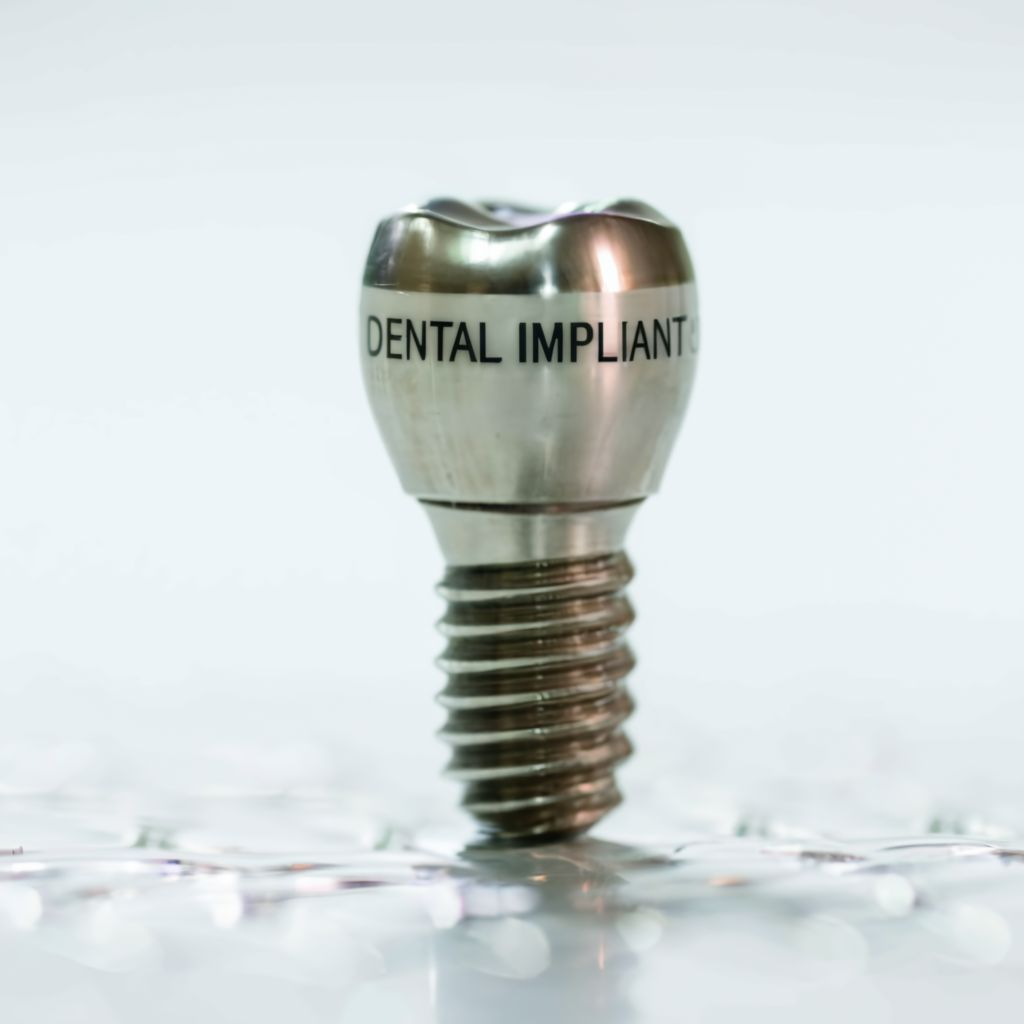
dental implant

Hello, dear patients! If you’re reading this, you might be considering dental implants as a solution for missing teeth. Dental implants are a popular choice for restoring missing teeth, and it’s important to understand both their advantages and disadvantages to make an informed decision. As your dentist, I’m here to guide you through what you need to know about this option.

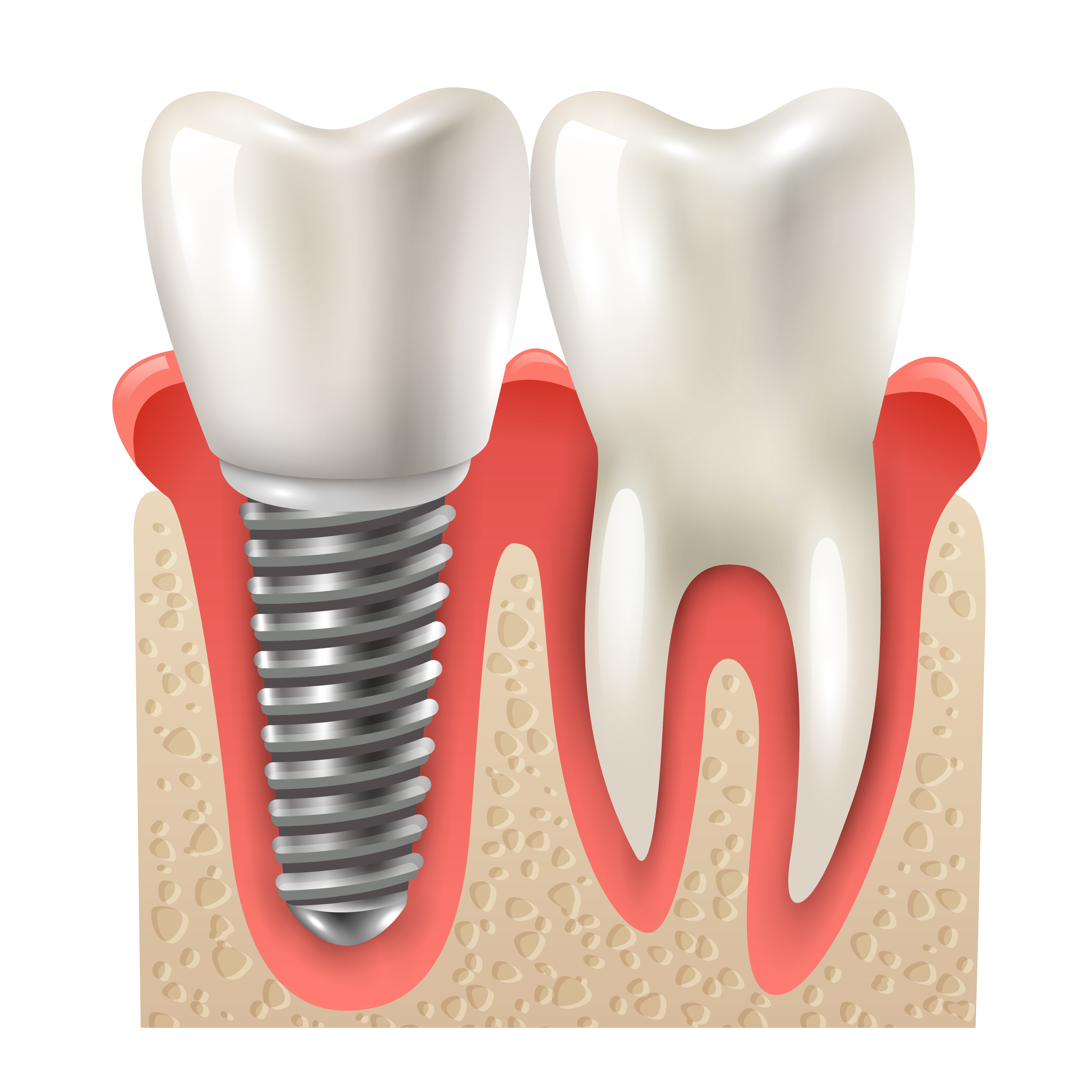
Dental implants and tooth set model closeup side view realistic image vector illustration

What Are Dental Implants?

First, let’s start with a quick overview. Dental implants are artificial tooth roots made of titanium that are surgically placed into your jawbone. They serve as a sturdy foundation for attaching replacement teeth or bridges. The process typically involves three stages: placing the implant, allowing time for osseointegration (where the implant fuses with the bone), and finally, attaching the crown or bridge.

Advantages of Dental Implants

1. Natural Appearance and Function

One of the most significant advantages of dental implants is how natural they look and feel. Once completed, implants mimic the appearance of your natural teeth, providing a seamless smile. The artificial teeth are custom-made to match the color and shape of your existing teeth, blending in perfectly. Functionally, implants work just like real teeth, allowing you to eat, speak, and smile with confidence.

2. Durability and Longevity

Dental implants are known for their durability. With proper care, they can last a lifetime, unlike bridges or dentures that may need replacement every 5-10 years. The titanium used in implants is highly resistant to decay and infection, which means they can provide a long-term solution to missing teeth.

3. Bone Preservation

When you lose a tooth, the bone underneath it can begin to deteriorate over time due to lack of stimulation. Dental implants help preserve the bone structure because they stimulate the bone just like natural teeth do. This stimulation can prevent bone loss and maintain the integrity of your jawbone, which is crucial for keeping your facial structure intact.

4. No Impact on Adjacent Teeth

Unlike dental bridges, which require grinding down adjacent teeth for support, implants do not affect neighboring teeth. This preservation of healthy teeth is an important consideration, especially when the adjacent teeth are otherwise healthy and strong.

5. Improved Oral Health

Dental implants are easier to maintain compared to dentures. They do not require special cleaning solutions or adhesives. You can care for them just like your natural teeth, with regular brushing and flossing. This ease of maintenance can contribute to better overall oral hygiene and health.

Disadvantages of Dental Implants

1. Surgical Procedure

One of the main disadvantages of dental implants is that they require surgery. The process involves placing the implant into your jawbone, which is a more invasive procedure compared to getting a dental bridge or denture. While the procedure is generally safe, it does carry risks such as infection, implant failure, or complications with the surrounding bone and gums.

2. Healing Time

After the initial surgery, there is a healing period required for osseointegration to occur. This can take several months, during which you may need to wear a temporary tooth replacement. For some patients, this waiting period might be inconvenient or uncomfortable.

3. Cost

Dental implants are often more expensive than other tooth replacement options such as dentures or bridges. The cost is due to the materials used, the surgical procedure, and the follow-up visits required. Insurance coverage for dental implants can vary, so it’s important to check with your provider and discuss payment options.

4. Potential Complications

While dental implants are highly successful, they are not without potential complications. Issues such as implant failure, gum infection, or sinus problems can occur. Good oral hygiene and regular dental check-ups are crucial to minimize these risks. It’s essential to discuss these potential complications with your dentist to ensure you understand and are prepared for any issues that may arise.

5. Not Suitable for Everyone

Dental implants may not be suitable for everyone. Factors such as insufficient bone density, certain medical conditions, or ongoing dental issues can affect the success of the implant. If you have a history of gum disease or other health concerns, your dentist will evaluate whether you are a good candidate for implants or if alternative treatments might be better.

Making the Right Choice for You

Deciding whether dental implants are the right solution for you involves considering your personal needs and circumstances. It’s important to weigh the advantages against the disadvantages and discuss them thoroughly with your dentist. We’ll assess your oral health, bone density, and overall health to determine if implants are a viable option.

If dental implants are deemed suitable for you, the process will involve careful planning and a customized approach to ensure the best results. We’ll guide you through each step of the process, from the initial consultation to the final placement of your artificial teeth, to ensure that you receive the highest quality care.

In conclusion, dental implants offer many benefits, including a natural look and feel, durability, and preservation of bone structure. However, they also come with considerations such as the surgical nature of the procedure, healing time, cost, and potential complications. By understanding both the advantages and disadvantages, you can make an informed decision that aligns with your dental needs and personal preferences.

If you have any questions or concerns about dental implants or any other dental treatments, please feel free to reach out to our office. We’re here to help you achieve the best possible outcome for your oral health and smile.

Warm regards,

Cary Ganz DDS

Posted on

The Importance of Replacing Missing Teeth: A Comprehensive Guide

Elderly patient with no teeth

Hello and welcome! As your dentist, I want to talk to you today about a topic that’s crucial to both your dental health and your overall well-being: the importance of replacing missing teeth. Whether you’ve lost a tooth due to injury, decay, or another reason, addressing the gap is essential not just for cosmetic reasons, but for your oral health and functional integrity as well. Let’s dive into why it’s so important to replace those missing teeth and explore your options.

1. The Impact on Your Oral Health

When you lose a tooth, it’s not just a cosmetic issue. The gap left behind can have several repercussions for your oral health. Firstly, missing teeth can lead to bone loss. Our jawbone relies on the stimulation provided by our teeth to maintain its density. When a tooth is lost, the bone in that area can start to deteriorate, leading to a decrease in jawbone volume over time. This not only affects the shape of your face but can also create difficulties if you later decide to get dental implants, as sufficient bone is necessary to support them.

Secondly, adjacent teeth may start to shift into the empty space left by the missing tooth. This shifting can lead to bite problems and misalignment, which can create further dental issues and discomfort. Additionally, gaps can trap food and plaque, making it harder to clean your teeth properly and increasing your risk for gum disease and cavities.

2. The Effect on Functionality

Losing a tooth can significantly impact your ability to chew and speak. The functionality of your teeth is crucial for proper digestion and clear speech. Missing teeth, especially those located at the back of your mouth, can make it difficult to chew food properly, leading to digestive issues. When teeth are missing, your ability to grind and break down food is compromised, which can lead to gastrointestinal problems.

Moreover, your speech can be affected by missing teeth. Teeth play a critical role in the articulation of certain sounds. A missing tooth, particularly in the front of your mouth, can make it challenging to pronounce words clearly. This can affect your confidence and how you communicate with others.

3. The Psychological and Social Impact

It’s not just about health and functionality—missing teeth can also have a significant impact on your self-esteem and social interactions. A visible gap in your smile can lead to self-consciousness and affect how you feel about yourself. Many people find that they avoid smiling or speaking openly because they are embarrassed about their appearance. This can lead to social withdrawal and lower confidence, which can affect your personal and professional life.

Replacing missing teeth can help restore your smile and boost your self-esteem. When you feel good about how you look, it has a positive impact on your mental health and quality of life. It’s important to remember that feeling confident about your smile can significantly enhance your overall well-being.

4. Options for Replacing Missing Teeth

Now that we’ve discussed why replacing missing teeth is important, let’s explore the various options available for tooth replacement. Each option has its own benefits, and the best choice for you will depend on your specific needs and circumstances.

1. Dental Implants

Dental implants are a popular and effective solution for replacing missing teeth. They involve placing a titanium post into the jawbone, which acts as a replacement root for the tooth. After the implant integrates with the bone, a crown is placed on top to complete the restoration. Implants are highly durable and offer a natural look and feel. They also help preserve the jawbone and prevent the shifting of adjacent teeth.

2. Dental Bridges

Dental bridges are another option for replacing missing teeth. A bridge consists of one or more artificial teeth (pontics) that are anchored in place by crowns on the adjacent natural teeth or implants. Bridges can effectively fill the gap left by missing teeth and restore functionality and aesthetics. They are a good choice if you have healthy adjacent teeth that can support the bridge.

3. Dentures

Dentures are removable appliances designed to replace multiple missing teeth. They come in two types: complete dentures, which replace all teeth in an arch, and partial dentures, which fill in gaps when some natural teeth remain. Modern dentures are more comfortable and natural-looking than ever before, and they can be a suitable option if you are missing several teeth or if implants are not feasible.

4. Implant-Supported Dentures

For those who need to replace multiple missing teeth but want a more stable solution than traditional dentures, implant-supported dentures can be a great option. These dentures are supported by dental implants, providing a secure fit and reducing the need for adhesives. They offer improved comfort and functionality compared to conventional dentures.

5. The Process and Aftercare

Replacing missing teeth is a process that involves careful planning and consideration. Your dentist will conduct a thorough examination, which may include X-rays and other imaging, to determine the best treatment plan for you. This will involve discussing your options, preferences, and any specific considerations related to your oral health.

After the replacement procedure, it’s crucial to maintain good oral hygiene and follow your dentist’s instructions for aftercare. This includes regular check-ups and cleanings to ensure the longevity of your restoration and to monitor your overall oral health.

Conclusion

Replacing missing teeth is not just about improving your smile; it’s a vital step in maintaining your oral health, functionality, and self-esteem. Whether you choose dental implants, bridges, dentures, or a combination of these options, addressing tooth loss promptly is essential for your well-being. If you have any questions or concerns about your options for replacing missing teeth, please don’t hesitate to reach out. I’m here to help you find the best solution for your needs and to ensure you achieve optimal dental health.

Thank you for taking the time to read this post. Remember, taking care of your smile is an investment in your overall health and happiness. If you have any concerns or need further information, please schedule an appointment. Your smile deserves the best care possible!

Warm regards,

Cary Ganz DDS
Great Neck Dental Associates

Posted on

Home Care Essentials for a Healthy Smile (Including Dental Implants)

Congratulations on your new dental implants! I’m so excited for you to experience the benefits of this state-of-the-art tooth replacement. Implants are the next best thing to your natural teeth in terms of function, appearance, and longevity. However, they do require some special care to ensure they last for decades to come.

As your dentist, I always strive to educate my patients on proper home care techniques to maintain their oral health between professional cleanings. This is especially crucial if you’ve had dental work like implants, crowns, bridges, etc. Let me give you an overview of the home care essentials I recommend for all my patients, including those with dental implants:

Toothbrush
This is the most obvious and important tool for daily home care. I suggest using a soft-bristled toothbrush, whether manual or electric. The soft bristles are gentle on your gums and implant restorations while still effectively removing plaque and debris.

For brushing around implant crowns, I highly recommend an electric model like Philips SonicareTM or Oral-BTM. The rapid oscillating/rotating movements of the brush head do an amazing job at disrupting and removing sticky biofilm. Just be sure to use the lowest speed setting around your implants.

Interdental Brushes
These small, tree-shaped brushes are designed to clean the areas that your regular toothbrush can’t reach – between teeth, underneath bridges, and around implants. They come in varying sizes to fit different interdental spaces.

I tell all my patients to use interdental brushes at least once daily to dislodge trapped food particles and plaque buildup that regular brushing misses. This is especially crucial for dental implant patients to prevent peri-implantitis (implant gum disease).

Floss or Floss Picks
No home care routine is complete without flossing! While interdental brushes are amazing around dental work, string floss or floss picks are still needed to clean the tight contacts and areas that brushes can’t access.

My pro tip is to gently curve the floss into a U-shape against one tooth before moving it up and down against the other tooth. This properly cleans the area where your teeth/implants meet rather than just popping the floss straight up which can cause trauma.

Consider getting a floss threader or implant-specific floss to easily maneuver around implant crowns and bridges. I’m happy to show you proper flossing techniques at your next visit.

Oral Irrigation Device
A Water PikTM (now called a Water FlosserTM) or other oral irrigator uses a pressurized stream of water to flush out hard-to-reach areas around teeth and dental work like crowns and implants. These aren’t absolutely essential, but can be a great adjunct to brushing and flossing. I typically recommend them for patients with excessive plaque buildup, gum disease, crowns, bridges, implants or orthodontic appliances. Another suggestion is to use a product like Listerine as a percentage of the water in the receptacle instead of just water. This can help to provide an additional layer of antibacterial action in difficult areas to reach, once again, especially around crowns, bridges and dental implant restorations of all kinds.

The pulsating water dislodges stubborn food debris that brushes and floss miss. This helps reduce your risk of dental diseases like cavities, gum disease, and peri-implantitis. Just be sure to use it on the lowest pressure setting around your implant restorations.

Antimicrobial Mouth Rinse
As a supplement to brushing and flossing, an antimicrobial mouth rinse can help kill harmful oral bacteria and reduce your risk of dental diseases. I generally recommend an alcohol-free rinse with active ingredients like cetylpyridinium chloride or essential oils.

Be sure to swish the rinse around thoroughly, including around your implant restorations, for at least 30 seconds before spitting it out. Mouth rinsing helps dislodge food particles and reduce bacterial biofilm better than brushing and flossing alone.

Tongue Cleaner
Don’t forget about cleaning your tongue! This often-neglected step in home care is essential for fresh breath and oral health. Tongue cleaners are inexpensive tools that gently scrape away bacteria, fungi, and debris that accumulate on your tongue’s surface.

I suggest using a tongue cleaner or tongue scraper first thing in the morning to remove any odor-causing buildup from overnight. It only takes a few seconds but makes a big difference in keeping your mouth and breath feeling and smelling fresh.

Tips and Reminders
Now that I’ve covered the key tools for an effective home care routine, here are some bonus tips for keeping your mouth healthy, especially with dental implants:

  • Brush twice daily (morning and night) for two full minutes each time
  • Replace your toothbrush every 3-4 months, or sooner if bristles become frayed
  • Don’t chew hard foods with your implants to avoid excessive wear
  • Kick smoking and other tobacco habits to prevent complications
  • Keep up with your regular professional cleanings and check-ups

Home care is crucial for maintaining your dental implants and natural teeth for life. With the proper techniques and tools, taking care of your mouth can be simple and easy! Let me know if you have any other questions.