Posted on

Restoring Your Smile with All-on-X Dental Implants

If you are missing all or most of your teeth, the All-on-X dental implant procedure can provide you with a new, permanent set of teeth that looks and functions just like natural teeth. This innovative technique uses just four implants in the maxilla (upper jaw) and four in the mandible (lower jaw) to support full arches of fixed, non-removable replacement teeth.

The All-on-X solution is officially known as the “All-on-4” treatment concept. It was developed to provide edentulous (complete tooth loss) patients with an efficient and cost-effective way to replace an entire arch of teeth using only four dental implants. Oftentimes it is necessary to place more than just four implants for a wide variety of reasons. The All on X is a far better description than just All on 4. We are using this post to discuss All on Four since this has become so prevalent in the marketing of dental implants.

Here’s what you can expect if you opt for this state-of-the-art tooth replacement:

The Procedure
During the All-on-4 procedure, your oral surgeon will strategically position two straight implants toward the front of your jaw bone and two implants angled at the back. This angled implant placement takes advantage of available bone by utilizing denser bone near the front where bone density is typically better.

After the implants are placed, they are allowed 4-6 months to fully integrate with the jaw bone through a process called osseointegration. During this time, you’ll wear temporary dentures. Once osseointegration is complete, you’ll have your permanent new teeth affixed to the implants.

While the surgery itself takes a few hours, the entire process from tooth extraction to final restoration typically takes 6-8 months. However, you won’t have to spend too much time without teeth, since you get temporary dentures immediately after extractions.

The Benefits
There are many benefits to the All-on-4 procedure compared to conventional dentures, including:

  • A stronger bite from the osseointegrated implants
  • No risk of teeth slipping or moving around
  • No need for adhesives to keep dentures in place
  • Ability to eat crunchy, sticky, or hard foods
  • Natural appearance that blends in seamlessly
  • Easy oral hygiene and comfort
  • Prevents jawbone deterioration from missing teeth

In fact, the All-on-4 technique provides many of the same benefits as having a full mouth of individual dental implants, but at a lower cost since fewer implants are required.

What to Expect
Like any surgical procedure, there will be some swelling and discomfort after your All-on-4 treatment, but this is typically minimal and manageable with over-the-counter medication. You’ll need to follow a soft food or liquid diet for a little while until your gums have fully healed.

Your new replacement teeth will look and feel very natural, but you may notice a slight change in your speech patterns at first as your mouth gets accustomed to the new dental work. This is usually just a temporary adjustment period.

Caring for Your New Teeth
With good oral hygiene habits, your new implant-supported teeth can last 20+ years. Be sure to brush twice daily and floss regularly to prevent buildup of plaque and bacteria. Your dentist may also recommend using an antimicrobial mouth rinse.

Although your new teeth are impervious to decay, it’s still important to maintain regular dental cleanings and checkups so your dentist can monitor the health of your implants, remaining bone structure, and soft tissues. If problems are caught early, they can be addressed right away before becoming more serious issues.

Is All-on-4 Right for You?
The All-on-X dental implant treatment is an excellent option for patients who have experienced complete tooth loss in the upper and/or lower arches. However, it’s not suitable for everyone. During your consultation, your dentist will evaluate whether you have adequate jawbone density to support the implants. Factors like oral health, medical conditions, and lifestyle habits are also taken into consideration.

If you do move forward with the All-on-4 procedure, you can expect to walk away with a dramatic smile transformation that not only restores functionality, but also renews your confidence in your appearance. With this state-of-the-art dental solution, you truly can replace all your missing teeth at once and get a smile that looks, feels, and performs like natural teeth.


Posted on

Is It Safe to Get Dental Work Done During Pregnancy?

If you’re expecting a baby, taking care of your oral health is just as important as ever. In fact, due to hormonal changes during pregnancy, you may be at a higher risk for certain dental problems, such as gingivitis (gum inflammation) and pregnancy tumors (overgrowths of gum tissue). But does that mean you should put off necessary dental work until after you’ve given birth? The short answer is no – with a few precautions, most dental procedures are perfectly safe during pregnancy.

Why Dental Care Matters When You’re Pregnant
Maintaining good oral hygiene is crucial when you’re pregnant. Not only can poor dental health put you at risk for gum disease and other infections, but some studies have linked gum disease to preterm birth and low birth weight. Pregnancy can also cause morning sickness, which exposes your teeth to increased acid from vomiting. This can erode tooth enamel and increase your risk of cavities.

When Is the Best Time for Treatment?
The ideal time to get any non-emergency dental work done is during the second trimester (weeks 14-20). During the first trimester, your baby’s organs are still developing, so there is a slightly higher theoretical risk from any medications or procedures. The third trimester can also be uncomfortable for extended dental work as your belly continues to grow.

However, don’t put off any urgently needed dental care just to wait for the second trimester window. Treating issues like severe pain, infection, or trauma should take priority whenever they arise during pregnancy. Your dentist can take precautions to keep you and your baby safe.

What Dental Procedures Are Safe?
Most routine dental procedures are considered safe during pregnancy, including:

  • Cleanings and exams
  • X-rays with abdominal shielding
  • Fillings
  • Root canals
  • Crowns
  • Extractions
  • Treatment for gum disease

More extensive procedures like oral surgery, complex extractions, or dental implant placement may need to be postponed if possible until after you give birth. This minimizes any risks from anesthesia, antibiotics, or other medications.

While amalgam (metal) fillings are considered safe, many dentists now prefer to use composite (tooth-colored) fillings for pregnant patients when possible as an added precaution.

Special Precautions
For any dental work during pregnancy, there are a few key precautions your dentist should take:

Medicines: Avoid or minimize use of prescription medications, especially during the first trimester when possible. Local anesthetics like lidocaine are considered safe, but your dentist may prefer not to use epinephrine. Antibiotics may be prescribed if absolutely necessary.

X-rays: Dental X-rays use very low radiation, but your dentist will likely minimize exposures by only taking what is absolutely needed during pregnancy. They should also use abdominal shielding.

Positioning: You’ll need to avoid lying flat on your back for extended periods, which can restrict blood flow. Your dentist may reposition you from side-to-side or use additional cushions.

Treatment duration: Long appointments may be split into a few shorter visits for your comfort.

Bleeding: Pregnancy can increase the risk of bleeding gums during dental work, so your dentist may take extra precautions to control any bleeding.

Tell Your Dentist
The most important step is to let your dentist know that you are pregnant or think you may be as soon as possible. This allows them to take all the necessary precautions to provide safe care for you and your baby. Don’t skip routine visits or put off procedures unnecessarily – keeping your mouth healthy is an important part of prenatal care.

Most dental offices follow strict guidelines and protocols for treating pregnant patients safely. With some minor adjustments and precautions from your dentist, you can get the dental work you need without jeopardizing the health of you or your baby. If you have any concerns, don’t hesitate to ask your dentist to explain the benefits and safety measures for any recommended treatments.

Posted on

Oral Piercings: Risks and Potential Dental Issues

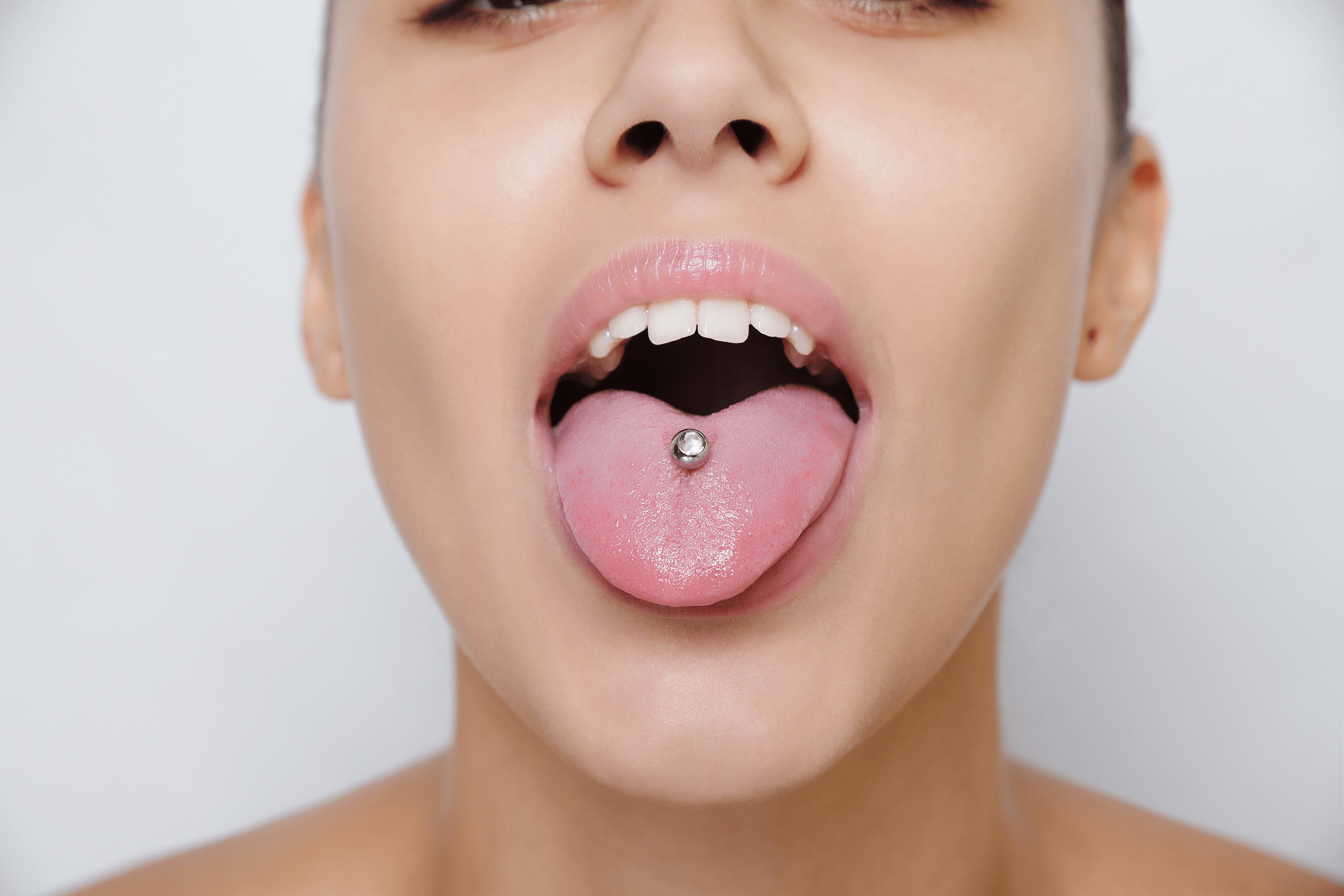
Body piercings have become increasingly popular forms of self-expression, with oral piercings like lips, cheeks, and tongues gaining mainstream popularity – especially among teens and young adults. While these piercings can appear edgy and cool, they also come with some very real health risks and potential dental issues that are important to be aware of.

Common Types of Oral Piercings
Some of the most common types of oral piercings include:

•Lip piercings – These include the labret (lower lip), Madonna (outer upper lip), and less frequently the lowbret (bottom inner lip).

•Tongue piercings – Barbells or curved bars are inserted horizontally through the tongue, usually in the center area.

•Cheek piercings – Also called “dimple piercings,” small studs are placed through the cheek area.

•Frenulum piercings – These less common piercings involve the connective tissue under the tongue or lips.

Oral piercing procedures involve creating an opening using a hollow needle, then immediately inserting the jewelry. Sounds simple enough – but doing this inside the mouth creates an entryway for bacteria that can lead to multiple problems.

Oral Health Risks
In the short-term, you may experience issues like:
•Swelling and pain – The tongue in particular swells significantly after being pierced.
•Excessive drooling – From swelling and the constant motion of the tongue.
•Speech impediment – Healing piercings can make some words difficult to pronounce.

Some of the longer-term potential problems from oral piercings include:

Infection – Oral bacteria plus piercing trauma create prime conditions for infection. Signs include fever, chills, swollen lymph nodes, and a bad taste or odor. Abscesses are also possible.

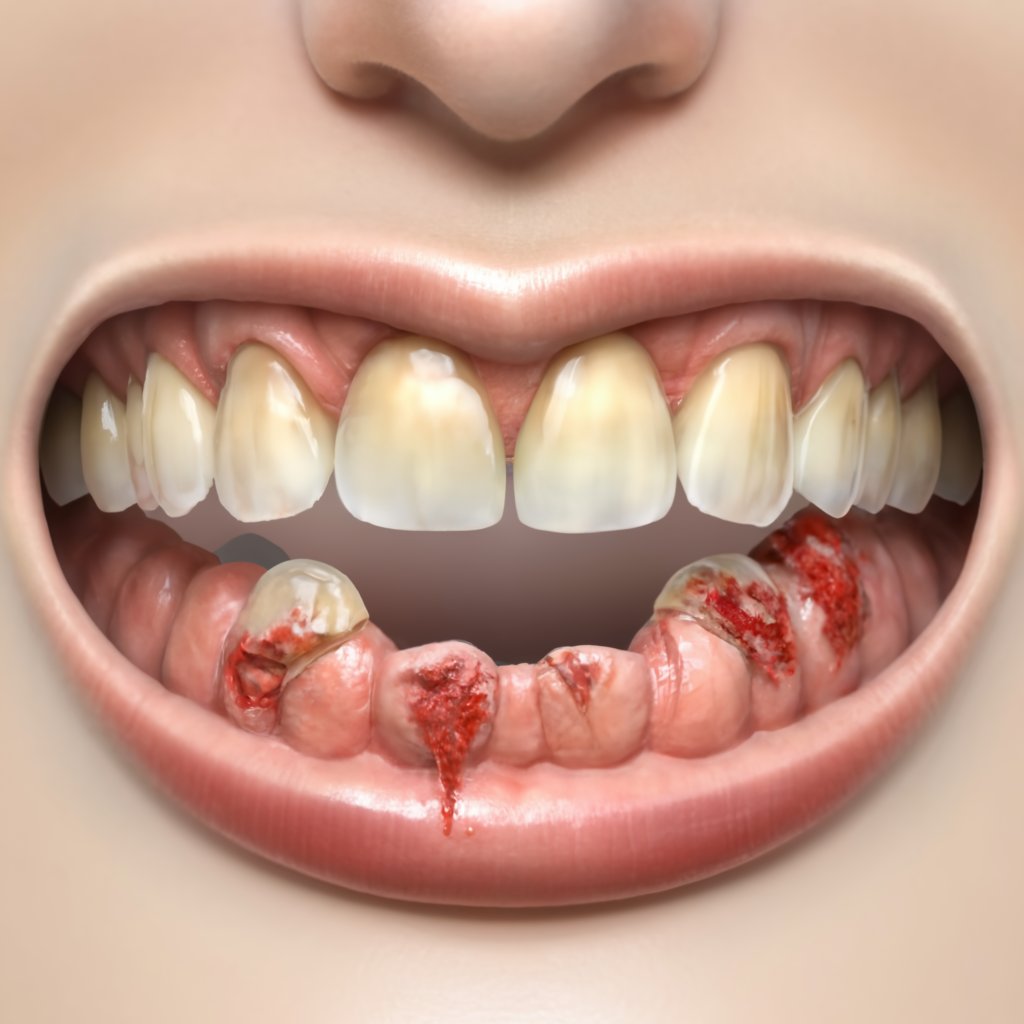
Gingivitis/Periodontitis – The unnatural hole from the piercing allows plaque to accumulate more easily, leading to gum inflammation and even bone loss around tooth roots.

Damaged teeth – Tongue piercings in particular erode enamel on the inside of teeth from constant clacking of the metal stud. Severe cracks, chips, and sensitivity can result.

Hypersensitivity – Some individuals can develop allergic reactions to the piercing jewelry metals, leading to swelling, rashes, or breathing difficulties.

Excessive drooling – Jewelry irritation to salivary glands may cause drooling problems.

Nerve damage – Improperly positioned piercings can strike nerves, causing numbness or altered sensation.

Difficulty eating/chewing – Swelling and stiff tongue motions from piercings can make eating uncomfortable.

Is it Worth the Risk?
Beyond the oral health concerns, oral piercings are also linked to more serious issues like:

•Endocarditis – Bacteria from piercings can spread via the bloodstream and cause inflammation of the heart valves in some cases. This serious condition requires hospitalization and IV antibiotics.

•Brain abscess – Though rare, there are reports of sinus/brain abscesses forming as a result of oral piercings.

•Hepatitis or other bloodborne diseases – Unsterile piercing equipment raises risks.

These risks are no joke, which is why most dentists and physicians caution against getting oral piercings whenever possible.

If you do decide to get an oral piercing, be sure to go to an experienced, certified piercer who uses sterile techniques. Expect some swelling, drooling, and lisping during the healing period. Rinse with an antibacterial mouthwash and take pain relievers as needed for discomfort. Watch closely for signs of infection.

Be sure to remove any mouth jewelry before medical/dental procedures to avoid excessive bleeding or aspiration risks. And always practice diligent oral hygiene to help prevent plaque buildup and gingivitis.

Ultimately, you’ll need to carefully weigh the potential consequences versus the aesthetic appeal of oral piercings. For many, the ongoing risks plus dental damage simply aren’t worth it. If you do proceed, be vigilant about maintaining your oral health through proper aftercare and professional cleanings. Your teeth will thank you!

Posted on

Children’s Dental Health: Tips for Parents

pedodontic dentistry

As parents, ensuring our children’s overall health and well-being is a top priority. Part of that responsibility includes taking care of their dental health from an early age. Good oral hygiene habits established in childhood can lead to a lifetime of healthy smiles and prevention of dental problems down the road.

It’s never too early to start paying attention to your child’s dental care. Even before their first tooth erupts, you can gently wipe their gums with a clean, damp washcloth after feedings to clear away any residual milk or formula. This helps prepare their mouth for eventual tooth brushing.

When that first tooth appears, usually around 6 months of age, it’s time to start brushing twice a day with a soft-bristled toothbrush and just a smear of fluoride toothpaste (no more than a rice grain amount for children under 3). Brush gently in circular motions, cleaning all surfaces of the teeth and gums.

Flossing is also important once teeth start fitting closely together, around age 2-3. You’ll need to floss for your child initially until they develop the dexterity to do it themselves, usually around age 8. Be gentle and make it a calm, positive experience.

Around their first birthday, you can begin introducing a sippy cup with water for drinking between meals. Continually sipping juice, milk, or other sugary drinks can cause tooth decay, so limiting these beverages to mealtimes is wise. When your child is old enough for toothpaste with fluoride, look for an ADA-approved children’s variety without harsh abrasives.

Your child’s first visit to the dentist should happen around their first birthday. This visit helps your child become familiar with the dental environment and allows the dentist to check for any potential problems. After that, regularly scheduled dental check-ups every six months are recommended.

At home, make sure your child brushes thoroughly twice daily—in the morning after breakfast and before bed. Kids often miss spots when brushing, so you may need to re-brush any areas they missed. And don’t forget to floss once per day. Proper technique and consistency are key.

When it comes to nutrition, try to limit sugary or acidic foods and beverages that can damage tooth enamel. Sticky snacks like raisins or candy are prime culprits for cavities. Instead, offer healthy options like fresh fruits and veggies, dairy products, whole grains, lean proteins. If your child does have sweets, have them rinse with water afterwards.

If your child plays sports, consider having them wear a protective mouth guard to prevent injuries to the teeth, gums, and jaw. Custom-fitted guards offer the best protection.

As your child grows, promote independence by having them brush and floss on their own from an early age, while still checking their work periodically. Be patient as they learn, and make it a bonding experience rather than a battle of wills.

With some diligence, establishing good oral hygiene habits early on can lead to a lifetime of benefits for your child’s dental health. Regular dental visits, proper brushing and flossing, a tooth-friendly diet, and parental support can all contribute to healthy teeth and gums. A little effort now paves the way for beautiful, problem-free smiles for years to come.

Posted on

Gum Disease: Don’t Ignore the Signs

As a dentist, one of the most common oral health issues I treat is gum disease. It’s incredibly widespread, affecting nearly half of adults over age 30 in the United States. And those are just the reported cases—many people live with gum disease without even realizing they have it.

That’s because gum disease can be insidious, progressing slowly with subtle, hard-to-notice symptoms in the early stages. However, letting it go undetected and untreated can ultimately lead to tooth loss and increased risk of other systemic health complications.

That’s why it’s so important to know what to watch out for and take action at the first signs of a gum problem. In this post, I’ll go over the symptoms of gum disease and how it’s treated, so you can be an empowered partner in protecting your oral health.

The Stages of Gum Disease

Gum disease is an infection caused by bacteria in plaque and tartar buildup on your teeth. If not removed through brushing, flossing and professional cleanings, it can progress through two main stages:

Gingivitis This earliest stage is characterized by inflamed, red, swollen or bleeding gums, especially after brushing or flossing. You may also experience persistent bad breath. Gingivitis is reversible through improved oral hygiene and professional dental cleanings to remove plaque and tartar.

Periodontitis If left untreated, gingivitis can advance to periodontitis, where the bacterial infection causes the gums to pull away from the teeth. This creates pockets where more plaque collects and bone loss can occur around the tooth roots. Signs include loose teeth, painful chewing, and pus between the gums and teeth.

Other Signs to Watch For Beyond swollen, red, tender or bleeding gums, there are some other potential gum disease symptoms to be aware of, including:

  • Receding gums that make your teeth look longer
  • Persistent bad breath or bad taste in your mouth
  • Teeth that are loose or separating
  • Changes in your bite or fit of dentures

Any of these could potentially signal gum disease that requires prompt attention.

Treating Gum Disease

The good news is that gum disease is largely preventable through quality home care and regular professional cleanings and checkups. Catching it early gives you the best chance of reversing damage and avoiding more invasive procedures.

Gingivitis Treatment If we catch gum inflammation in the gingivitis stage, treatment focuses on controlling the bacterial infection through:

  • Improved oral hygiene – Reviewing and upgrading your daily brushing and flossing technique is crucial to remove plaque and tartar buildup. I may also recommend an antimicrobial mouthwash.
  • Professional dental cleaning – I’ll perform a deep cleaning called scaling and root planing to remove hardened plaque from above and below the gumline. This smooths root surfaces to help gums reattach to the teeth.

With dedication to meticulous homecare and a few follow-up cleanings, we can usually reverse gingivitis within a few weeks to a few months.

Periodontitis Treatment When gum disease progresses to periodontitis, we have to take a more aggressive treatment approach:

  • Scaling and root planing – As noted above, this is a significant deep cleaning to remove plaque, tartar and bacterial toxins from the deep pockets.
  • Antibiotic treatment – I may prescribe oral antibiotics or place topical antibiotics in the periodontal pockets to help control the infection.
  • Surgery – If inflammation persists or you have severe bone loss, periodontal surgery like pocket reduction or gum grafting may be needed to rebuild bone and facilitate healing.

The Importance of Maintenance Even after successfully treating periodontitis, you’re still at risk for recurring infections due to the bacteria that inevitably recolonize over time. To maintain your healthy gums long-term:

  • Stick to proper daily brushing, flossing and any other homecare
  • Get regular cleanings every 3-4 months or per my recommendation
  • Don’t smoke or use tobacco, which worsens gum disease
  • Maintain a nutritious, low-sugar diet
  • Manage any other health conditions that negatively impact gum health

By staying vigilant with these maintenance steps and watching closely for any signs of recurrence, you greatly reduce your future risk of gum disease progression and tooth loss.

Don’t Wait Until It’s Too Late My biggest piece of advice is to take action at the first red flag—whether it’s swollen, tender gums or any other symptom I described. The earlier we catch gum disease, the easier it is to bring under control before you face bigger problems.

Keeping your regularly scheduled cleaning appointments is also key, as I may detect issues before you even notice symptoms. But if anything seems off in between visits, don’t hesitate to come see me right away.

Preserving your healthy gums and teeth involves a lifelong commitment to daily care, regular professional cleanings, and making gum disease treatment a top priority at the first sign of trouble. With some vigilance and my professional help, we can keep gum disease at bay and protect your smile for many years to come.

Posted on

Do I Really Need This Dental Treatment? A Dentist Explains

Dental treatment necessity
Questions to ask your dentist about treatment

As a dentist, one of the most frequent questions I get from patients is “Do I really need this treatment or procedure you’re recommending?” It’s an understandable question. Dental work can be expensive, time-consuming, and sometimes uncomfortable. No one wants to go through unnecessary treatment.

However, it’s important to understand that I only recommend treatments that are truly necessary for protecting and improving your oral and overall health. I don’t take that responsibility lightly. Here’s some insight into my decision-making process when it comes to treatment plans.

Preventing Bigger Problems
Very often, the treatments I recommend are aimed at preventing far bigger issues down the road. For example, getting a small cavity filled is a straightforward procedure that stops tooth decay from spreading and causing more extensive damage. Leaving a cavity untreated can lead to the need for a root canal or even extraction of the tooth.

Similarly, gum disease treatments like scaling and root planing may be recommended to stop the progression of periodontal disease. This harmful bacterial infection can ultimately cause tooth loss and has been linked to other systemic inflammatory conditions if left unchecked.

Fixing Pre-Existing Issues
Other times, the recommended treatment is meant to fix a pre-existing issue that is already causing problems. A cracked, chipped or severely decayed tooth may need a crown to seal it and prevent further breakage. Or a tooth with an infected nerve may require a root canal to eliminate pain and infection.

Cosmetic treatments like teeth whitening, veneers or Invisalign may be suggested to address esthetic concerns with discolored, misaligned or irregular teeth. While these are technically “elective” procedures, they can still provide an important emotional and psychological boost in self-confidence.

The Dreaded “Watch and Wait”
Of course, there are also times when “watch and wait” is the most prudent approach—at least for the time being. Maybe a cracked tooth isn’t yet causing pain or compromising function. Or perhaps some initial gum disease is detected, but can potentially be reversed with improved homecare before bigger interventions are needed.

In scenarios like these, I’m upfront that treatment can be postponed as long as the situation remains stable and the patient is committed to proper oral hygiene and re-evaluation on a reasonable schedule. I would never push for treatment that I don’t believe is necessary yet.

Getting a Second Opinion
If you’re ever unsure about a recommended dental treatment, I wholeheartedly encourage you to get a second opinion from another trusted dentist. There can sometimes be multiple ways to manage a particular case, and it never hurts to gather more input before making a decision—especially for complex or expensive treatment plans.

Ultimately, my role is to be an educator and provider of clinical information to my patients. But you deserve to have full understanding and be a willing participant in your own care. I’m always happy to take the time to explain my reasoning, discuss any concerns, and ensure we’re on the same page about your needs.

Building a Partnership
Maintaining good oral health is an ongoing process that requires teamwork between you and your dental team. My hope is to build a long-term partnership of communication, trust and prevention. If we can catch and treat small issues before they become big problems, it benefits everyone involved.

Sometimes that means finding a manageable way to address current areas of concern through phased treatment plans if needed. Other times, it truly is in your best interest to move forward with more comprehensive treatment right away to get your oral health back on track.

Whatever path we choose, you have my assurance that I will only recommend what I believe is absolutely necessary based on the clinical evidence and my professional experience. I have no incentive to “over-treat” or provide anything beyond my honest assessment of your needs. My biggest motivator is keeping you healthy and smiling for years to come.

So if you ever find yourself wondering “Do I really need this?”—just ask! I’m always happy to reiterate my reasoning and ensure we’re mutually making the most informed decision for your healthand well-being.

Posted on

Top 10 Key Factors to Consider in Associate Dentist Contract Reviews

Remember,

Navigating the path of an associate dentist involves several key milestones, one of the most significant being the moment you’re presented with a contract for a new position. This document not only outlines your responsibilities and rights but also lays the foundation for your professional growth and work-life balance. Understanding the crucial elements of an associate dentist contract can help you make informed decisions that align with your career goals and personal values. Here, we explore the most important things to look for when reviewing associate dentist contracts.

1. Compensation Structure

One of the primary considerations is understanding how you will be compensated. Contracts may offer a fixed salary, a percentage of the collections or production, or a combination of both. Ensure the contract clearly outlines the calculation method, including any nuances such as lab fee deductions. If your compensation is based on collections, understand the practice’s collection rate to gauge your potential earnings realistically.

2. Schedule and Hours

The contract should specify your work hours, days of the week, and any expectations for weekend or emergency coverage. Clarity on this front helps you assess work-life balance and understand your commitment level. Additionally, inquire about flexibility and any requirements for overtime, as this could significantly impact your personal life.

3. Scope of Practice

Ensure the contract clearly defines the types of procedures you’ll be expected to perform and whether there’s room for growth in your scope of practice. This is particularly important for those looking to expand their skills in specialties such as cosmetic dentistry or orthodontics. Understanding the available support for continuing education or specialization can also influence your decision.

4. Term and Termination Clauses

Pay close attention to the duration of the contract and the conditions under which either party can terminate the agreement. Look for reasonable notice periods (typically 30 to 90 days) and be wary of contracts with overly restrictive termination clauses. Understanding these terms is crucial for ensuring job security and flexibility.

5. Non-Compete Clauses

Non-compete clauses are common in dental contracts to protect the practice’s patient base if an associate leaves. However, these clauses should be reasonable in terms of geographic radius and duration. Excessively restrictive non-compete clauses can limit your ability to practice dentistry within your community if the job doesn’t work out. Legal advice is particularly important in understanding and negotiating these terms.

6. Benefits and Perquisites

Beyond salary, your contract should outline any benefits such as health insurance, professional liability insurance, retirement plans, paid time off, and allowances for continuing education. These benefits are a significant part of your total compensation and can greatly affect your job satisfaction and financial well-being.

7. Path to Partnership

If you’re interested in eventually becoming a partner in the practice, the contract should outline a clear and achievable path to partnership, including any benchmarks or timelines for consideration. Understanding this aspect can help you align your career trajectory with the practice’s long-term goals.

8. Malpractice Insurance

Determine whether the practice provides malpractice insurance or if you’re expected to secure your own policy. If the practice covers it, clarify whether it’s a claims-made or occurrence-based policy and who is responsible for the tail coverage if you leave the practice.

9. Support Staff and Resources

The contract should specify the level of support you’ll receive, including access to dental assistants, hygienists, and office staff. Additionally, understand what resources will be available to you, including equipment, technology, and lab services. These factors can significantly impact your ability to provide quality care and achieve productivity goals.

10. Conflict Resolution and Grievance Procedures

Effective conflict resolution mechanisms can help address any disputes that arise during your tenure. Look for contracts that outline clear grievance procedures, ensuring you have a voice in the practice and a process for resolving issues professionally.

11. Professional Development Opportunities

Opportunities for professional growth can greatly enhance job satisfaction. Contracts should mention support for continuing education, professional association dues, and other development opportunities. This not only benefits you but also adds value to the practice by keeping skills and knowledge up to date.

Navigating Your Contract Review

While this list highlights key areas to focus on, it’s important to approach contract review holistically. Each clause and provision can have implications for your career and personal life. Here are a few additional tips:

  • Seek Legal and Financial Advice: Consulting with professionals who specialize in dental contracts can provide valuable insights and help negotiate favorable terms.
  • Understand Your Priorities: Reflect on what matters most to you in a job—whether it’s compensation, work-life balance, professional growth, or other factors—and evaluate the contract accordingly.
  • Ask Questions and Negotiate: Don’t hesitate to ask for clarification on any contract terms and negotiate changes that align with your interests and goals.

Conclusion

An associate dentist contract is more than just a formal agreement—it’s the blueprint for your professional journey within a practice. By thoroughly reviewing and understanding its terms, you can ensure that this journey is rewarding, both personally and professionally.

Remember, the goal is to find a position that not only meets your immediate needs but also aligns with your long-term career aspirations. By paying attention to compensation, work schedule, scope of practice, and other critical aspects of the contract, you position yourself for success and satisfaction in your role as an associate dentist.

A well-negotiated contract paves the way for a fruitful relationship between you and the practice, fostering a supportive environment where you can thrive professionally and personally. Remember, the terms of your contract will significantly influence your daily work life and professional growth, making it imperative to approach this process with diligence and clarity.

In conclusion, as you step into the world of dentistry, armed with knowledge and insight into the intricacies of associate dentist contracts, you empower yourself to make informed decisions. These decisions will not only shape your career trajectory but also ensure that you contribute to the dental profession in a meaningful and fulfilling way. Embrace this opportunity to advocate for your professional needs and aspirations, setting the stage for a rewarding career in dentistry.

Posted on

Tooth Staining: Causes, Prevention and Treatment Options

Tooth Staining: Causes, Prevention and Treatment Options

As a dentist, one of the most common cosmetic concerns I get from patients is stained or discolored teeth. While it’s perfectly normal for teeth to pick up stains over time, many people feel self-conscious about yellowed, dull or discolored teeth. If you’re unhappy with the shade of your smile, it’s helpful to understand the various causes of tooth staining as well as what prevention and treatment options are available.

What Causes Tooth Staining and Discoloration?

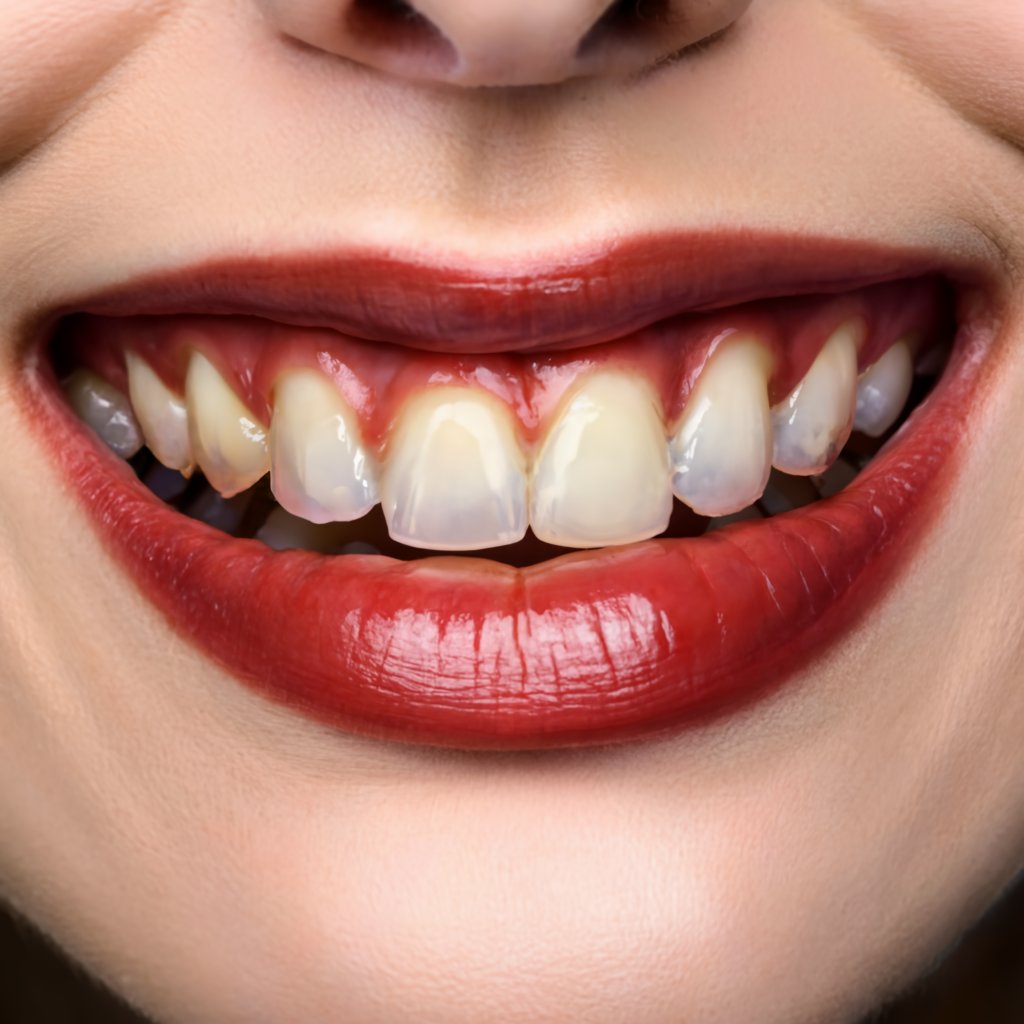
There are two main types of tooth staining – extrinsic and intrinsic stains. Extrinsic stains affect the outer tooth enamel, while intrinsic stains occur within the inner tooth structure.

Common causes of extrinsic stains include:

  • Food and Drinks: Beverages like coffee, tea, red wine and cola, as well as foods like blueberries, soy sauce and curry can deposit stains on enamel over time.
  • Tobacco Use: Smoking or chewing tobacco products can rapidly yellow and stain teeth.
  • Poor Oral Hygiene: Inadequate brushing and flossing allows plaque and stains to accumulate.

Intrinsic stains have a variety of potential causes:

  • Medications: Antibiotic drugs like tetracycline can cause permanent grayish discoloration of developing teeth when taken during pregnancy or childhood.
  • Fluoride: While beneficial in modest amounts, excessive fluoride consumption in childhood can cause fluorosis staining.
  • Trauma: Injuries that damage the inner tooth pulp can cause a darkened tooth over time.
  • Aging: Over the years, the outer enamel thins, exposing more of the yellowish dentin underneath.
  • Genetics: Some people simply produce more pigmented enamel and dentin.

Preventing Tooth Staining

While it’s unrealistic to avoid all tooth staining, there are some effective prevention strategies I recommend to patients:

  • Maintain good oral hygiene by brushing twice daily and flossing once a day
  • Use whitening toothpaste and mouthwash occasionally to help remove stains
  • Consume stain-causing foods/drinks in moderation and brush soon after consuming
  • Drink dark beverages like coffee and tea through a straw to minimize direct contact with teeth
  • Don’t smoke or use tobacco products which severely stain teeth over time
  • Get routine dental cleanings every 6 months to remove built-up staining

Treatment Options for Stained Teeth

Even with good prevention, staining on teeth is still fairly common over time. Fortunately, there are a number of effective treatment options depending on the type and severity of the staining:

Teeth Whitening – This affordable and non-invasive treatment uses bleaching gels to lift away extrinsic stains and make teeth brighter. Take-home whitening kits from your dentist allow you to whiten at your convenience over a period of days or weeks. In-office whitening can whiten teeth by several shades in single visit.

Microabrasion – This procedure removes surface enamel stains and discoloration through chemical abrasion. It’s effective for superficial defects like fluorosis staining.

Veneers – These thin shells of porcelain are bonded to the front of teeth. Veneers can dramatically change the color of stained teeth as well as the shape. This is a permanent but pricey solution.

Dental Bonding – In this process, tooth-colored resin material is applied over stained teeth to conceal discoloration. More affordable than veneers but not as durable.

Crowns – In severe cases of intrinsic discoloration, a full dental crown may be needed to cap the tooth to change its color entirely.

Teeth Whitening Precautions

While whitening products are very popular and can produce excellent results, it’s important for patients to only use whitening products approved by their dentist. Over-the-counter whitening treatments from unknown sources can be ineffective or even damage tooth enamel and irritate gums. Professional whitening is always the safest bet.

Whitening isn’t recommended for patients with exposed root surfaces, very sensitive teeth, deep staining from certain medications/injuries, or dental restorations like crowns or veneers. I always do a consultation to determine if bleaching is suitable and to what extent based on your specific needs and concerns.

Don’t Let Stained Teeth Dull Your Smile

While staining is a very common issue, there’s no reason to feel self-conscious about your smile when there are so many affordable treatment options available today. If you’re unhappy with the color of your teeth, schedule a consultation so we can determine the right teeth whitening or stain removal approach for you.

With a little care and maintenance, it’s absolutely possible to maintain a bright, white smile well into adulthood. Having confidence in your smile can make a world of difference in your self-esteem and overall appearance!

Posted on

10 Common Questions From Recently Graduating Dentists

  1. How do I go about finding an associate dentist position or buying into an existing practice?

Look on dental job boards, connect with classmates/alumni, attend dental society meetings, and work with practice transition consultants. For associate roles, have a great CV highlighting skills/experience and be prepared to do working interviews. For purchasing a practice, work with a qualified broker, get financing pre-approval, and thoroughly evaluate production, equipment, staff, and growth potential.

  1. What are typical salary ranges and compensation models for associate dentists?

This can vary greatly, but most associates earn $100K-$200K annually based on daily/production-based rates of $400-$700+. Common models include straight salary, daily rate, percentage of production, or a combination. Benefit packages are negotiable. City/region, specialization, and experience level impact pay.

  1. How can I effectively market myself and build a patient base as a new dentist?

Have an active online presence with a modern website and social media promoting your background/personality. Network locally with other healthcare pros for referrals. Consider internal marketing like patient newsletters. Offer consultations or promotions for new patients. Consistently deliver outstanding chairside manner.

  1. What are the pros and cons of starting a solo practice right out of dental school?

Pros: Being your own boss, keeping all profits, customizing your ideal practice environment. Cons: Substantial startup costs for equipment/staff, solo burden of costs/liability, navigating business management, building a patient base from scratch. Most advisors suggest associating first.

  1. How do I evaluate which type of practice setting is the best fit for me?

Consider your personality, skills, priorities and lifestyle. Do you want employees/liability or prefer being an associated employee? Urban, rural or suburban location? General dentistry or a specialty? Larger group practice or smaller? Corporate or private owner? Desired hours and work-life balance?

  1. What are good strategies for paying off my substantial dental school debt?

Live very frugally those first few years and make paying highest interest loans the priority after setting aside an emergency fund. Explore options like income-based repayment, military programs, public service loan forgiveness. Over time, seek opportunities to increase income or achieve loan forgiveness.

  1. What are the most important things to look for when reviewing associate dentist contracts?

Key items include compensation model specifics, clinical autonomy and oversight, schedule and time off expectations, patient acquisition, non-compete terms, potential paths to partnership/ownership, termination details, malpractice liability, and any restrictive covenants.

  1. How can I stay up-to-date on the latest dental technologies, techniques and continuing education?

Attend annual conferences and hands-on courses. Read industry journals/publications and join online dental communities. Participate in practice study clubs. Consider specialty training, residencies or advanced degrees over time. Set an annual CE budget.

  1. What types of insurance plans, disability coverage, etc. should I have in place?

At minimum, have a disability insurance policy in case you cannot practice, professional liability coverage for malpractice claims, and health insurance for you and staff. Other policies to evaluate include life, office overhead expense, and umbrella personal liability coverage.

  1. How can I maintain a good work-life balance and avoid burnout, especially early in my career?

Set clear boundaries between work and personal time. Manage your schedule intentionally by blocking time for hobbies, exercise, family etc. Optimize your team and systems for efficiency. Consider options like four 10-hour day weeks. Take vacations, practice mindfulness, and get enough rest.

Posted on

Is It Too Late For Adults To Get Braces?

adult braces

As a dentist, I get asked this question a lot by adult patients – “Is it too late for me to get braces? Is there an adult braces guide? The short answer is no, it’s definitely not too late! While most people associate braces with adolescence, adult orthodontic treatment is becoming increasingly common. There’s no age limit for achieving a confident, healthy smile with properly aligned teeth.

It’s a misconception that braces are only for children and teenagers. According to the American Association of Orthodontists, around 1 in 5 orthodontic patients today are adults. More and more adults are pursuing orthodontic treatment to correct longstanding issues like crowded or crooked teeth, overbites, underbites, crossbites, gaps between teeth, and jaw alignment problems.

Why Do Adults Get Braces?

There are a variety of reasons why adults choose to get braces later in life:

Cosmetic Reasons – Let’s face it, a straight, beautiful smile boosts confidence and self-esteem. Many adults feel self-conscious about their smiles and want to improve their appearance.

Dental Health – Crooked, overlapping teeth are harder to clean properly, increasing the risk for cavities, gum disease, excessive wear on tooth enamel, and other dental issues. Properly aligned teeth are easier to maintain.

Job Enhancement – For career paths where physical appearance matters, such as acting, modeling, public speaking, sales, etc. well-aligned teeth make a positive impression.

Preparing for Dental Work – Sometimes orthodontic treatment is needed prior to other dental procedures like crowns, bridges or dental implants to ensure ideal placement.

Pain/Discomfort – Misaligned jaws or bite problems can cause chronic jaw pain, headaches, TMJ issues, excessive tooth wear, and difficulty chewing properly.

In most cases, the problems that lead adults to seek orthodontic care could have been addressed earlier but were not for various reasons. But it’s never too late to invest in a healthy, aligned smile!

What to Expect with Adult Braces

The process of getting braces as an adult is generally the same as it is for adolescents. After an initial consultation, treatment typically involves:

  • Taking x-rays, teeth impressions and facial/jaw measurements
  • Getting brackets, wires and other orthodontic appliances attached to the teeth
  • Adjustments of wires every 4-8 weeks to gradually shift teeth into alignment
  • Wearing elastics or headgear in some cases to help guide jaw alignment
  • Treatment time averaging 18-36 months, sometimes with a retainer afterward

One of the biggest concerns for adults is the aesthetic aspect of having a “metal mouth” full of brackets and wires. Luckily, there are more discreet options available today like:

Ceramic Braces – Tooth-colored ceramic brackets that blend in better with teeth
Lingual Braces – Brackets attached to the inside/tongue-side of teeth
Clear Aligners – Removable, clear plastic trays (like Invisalign) that straighten teeth

While adult treatment may take a bit longer due to denser jawbones, orthodontic technology has made it more comfortable and effective than ever before.

It’s Worth It For a Healthy, Beautiful Smile

I always remind my adult patients that a beautiful smile has many advantages beyond just aesthetics. Well-aligned teeth reduce the risk of other dental problems down the road and can boost your overall confidence immensely.

Yes, getting braces as an adult requires an investment of time, money and temporary cosmetic sacrifices. However, most of my patients feel it’s a small price to pay for a lifetime of feeling proud to smile without holding back.

If you’re self-conscious about your smile, don’t resign yourself to living with misaligned teeth. It’s never too late to take that first step towards the confident, healthy smile you’ve always wanted. Schedule a consultation with an orthodontist – the transformation may just change your life!