Posted on

Understanding Cavities: Causes and Prevention Strategies

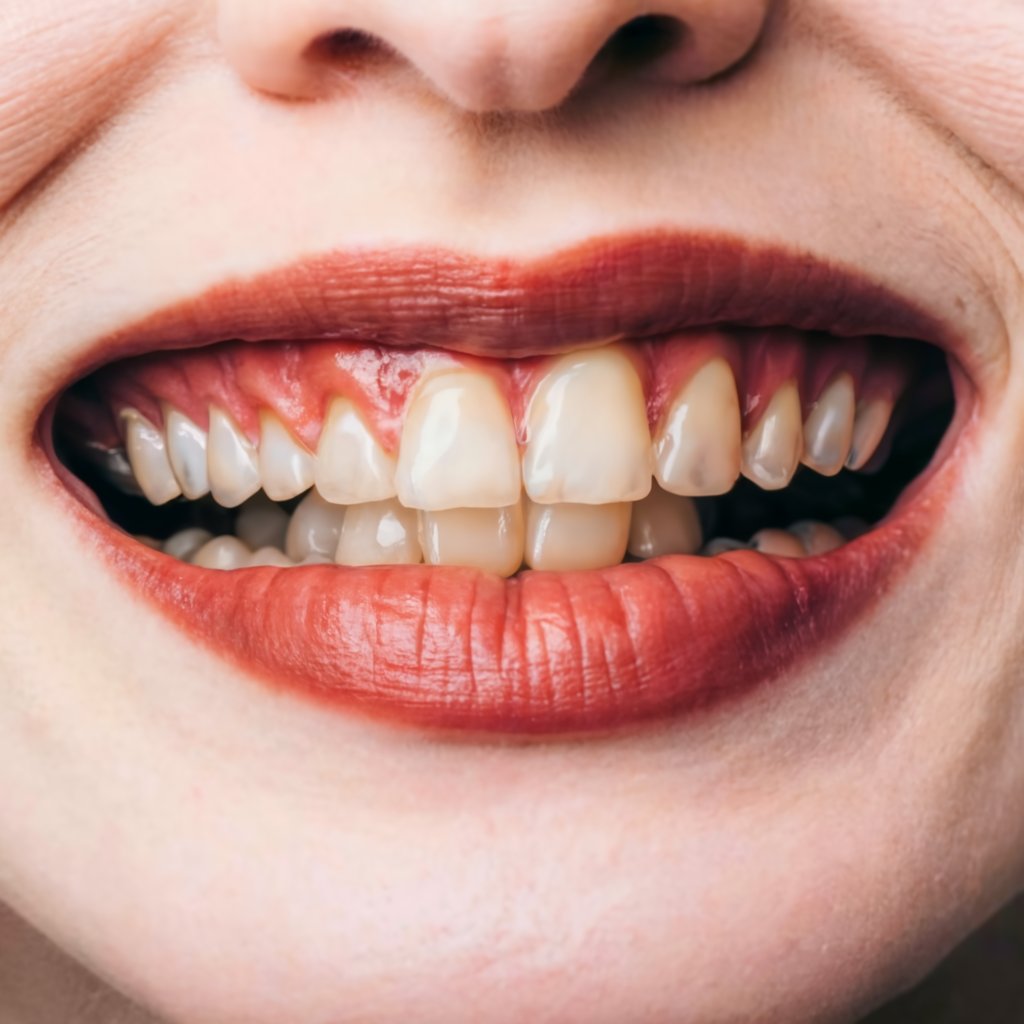
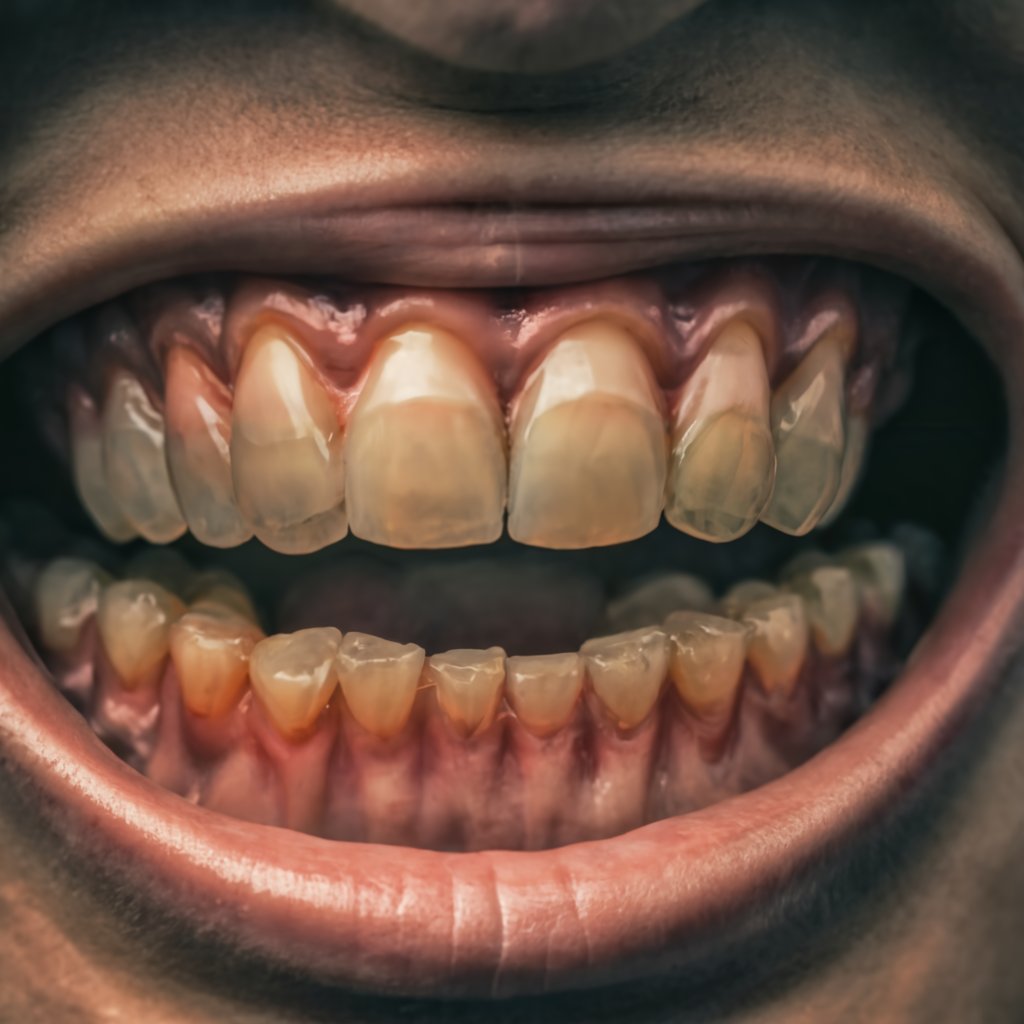
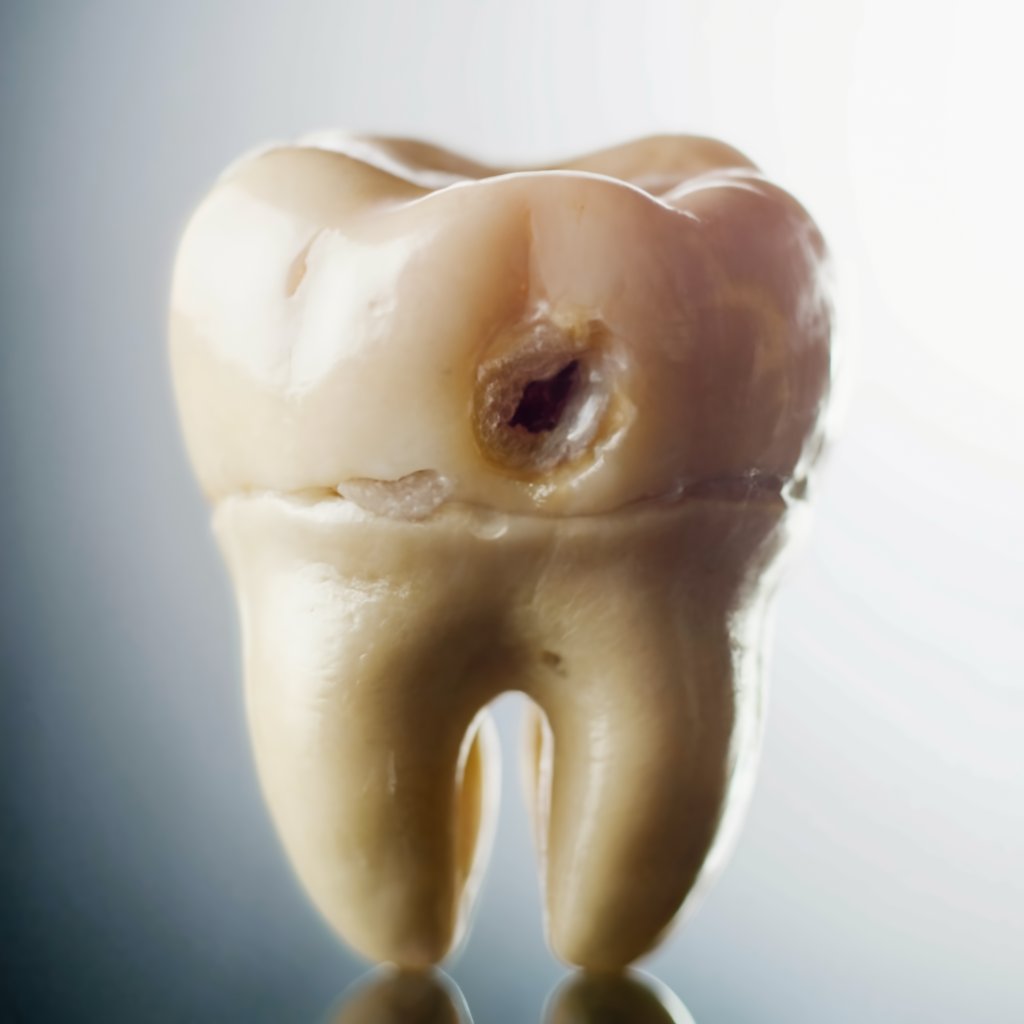
tooth with cavity

As a dentist, one of the most common concerns I hear from patients is about cavities, also known as tooth decay or caries. Cavities are areas of permanent damage to the hard surface of your teeth, and they can lead to pain, infection, and even tooth loss if left untreated. In this blog post, I’ll explain the causes of cavities and provide practical strategies to help you prevent them.

What Causes Cavities?

Cavities are primarily caused by a combination of factors involving bacteria, sugary and acidic foods, and a lack of proper oral hygiene. Here’s a closer look at the main contributors:

  1. Plaque and Bacteria: Your mouth is home to hundreds of different types of bacteria, some of which are harmless, while others can cause tooth decay. When you consume sugary or starchy foods, the bacteria in your mouth feed on these substances and produce acids as a byproduct. These acids can then attack and weaken the enamel (the hard outer layer of your teeth), creating cavities.
  2. Sugary and Acidic Foods and Drinks: Sugary foods and drinks, such as candies, cookies, sodas, and juices, are prime targets for the bacteria in your mouth. The longer these substances remain on your teeth, the more time the bacteria have to produce acids that can erode your enamel. Additionally, acidic foods and drinks, like citrus fruits, sports drinks, and wine, can also contribute to enamel erosion and increase your risk of cavities.
  3. Poor Oral Hygiene: Failing to brush and floss regularly can allow plaque (a sticky film of bacteria) to accumulate on your teeth. This buildup provides an ideal environment for bacteria to thrive and produce acids that can lead to cavities.
  4. Dry Mouth: Saliva plays a crucial role in neutralizing acids and washing away food particles. When you have a dry mouth (a condition known as xerostomia), you may be at a higher risk of developing cavities because there is less saliva to protect your teeth.

Preventing Cavities: Tips and Strategies

While cavities are common, they are also largely preventable. Here are some effective strategies you can implement to reduce your risk of tooth decay:

  1. Practice Good Oral Hygiene:
  • Brush your teeth twice a day (morning and night) for at least two minutes each time, using a soft-bristled toothbrush and fluoride toothpaste.
  • Floss once a day to remove plaque and food particles from areas your toothbrush can’t reach.
  • Consider using an antimicrobial mouthwash to help reduce bacteria in your mouth.
  1. Watch Your Diet:
  • Limit your intake of sugary and acidic foods and drinks, or consume them in moderation.
  • Drink water after consuming sugary or acidic beverages to help rinse away residual sugars and acids.
  • Avoid snacking frequently throughout the day, as this gives bacteria more opportunities to produce acids.
  1. Use Fluoride Products:
  • Fluoride is a mineral that helps strengthen your enamel and make it more resistant to acid attacks.
  • Use fluoride toothpaste and consider using a fluoride mouthwash or receiving professional fluoride treatments from your dentist.
  1. Maintain Good Saliva Flow:
  • Stay hydrated by drinking plenty of water throughout the day.
  • Chew sugar-free gum or suck on sugar-free candies to stimulate saliva production.
  • If you have a chronic dry mouth condition, consult your dentist about using saliva substitutes or medications to help manage it.
  1. Visit Your Dentist Regularly:
  • Schedule regular dental check-ups and cleanings, typically every six months.
  • Your dentist can detect and treat cavities in their early stages, as well as provide personalized advice on cavity prevention based on your individual risk factors.
  1. Consider Dental Sealants (for Children and Adults):
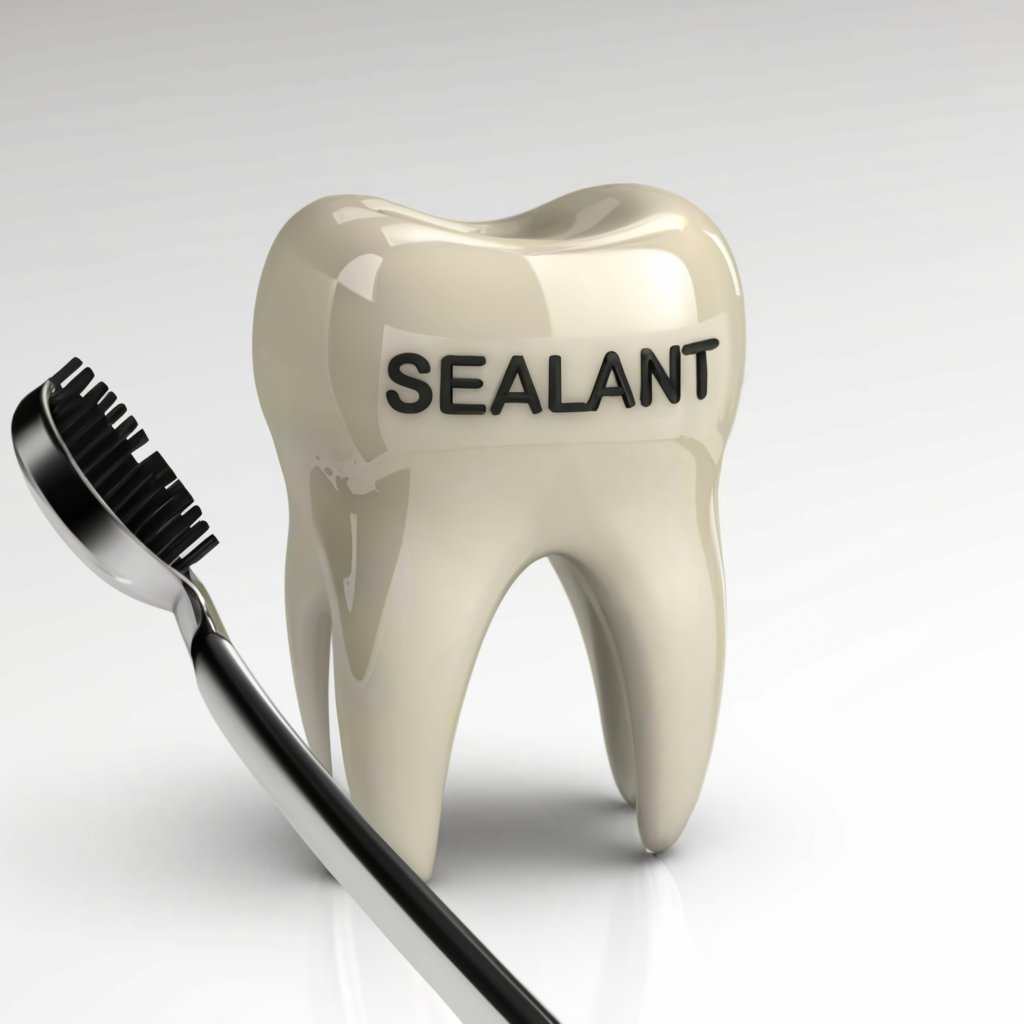
  • Dental sealants are thin, plastic coatings applied to the chewing surfaces of back teeth to protect them from decay.
  • They create a barrier that prevents food particles and bacteria from getting stuck in the grooves and crevices of the teeth.

By implementing these strategies consistently, you can significantly reduce your risk of developing cavities and maintain a healthy, beautiful smile for years to come.

Remember, cavities are a common problem, but they are also highly preventable with proper oral hygiene, a balanced diet, and regular dental care. If you have any concerns or questions about cavities or your risk factors, don’t hesitate to consult with me or another dental professional.


Posted on

Understanding Dental Fillings: Types and Choosing the Best Option

Understanding Dental Fillings: Types and Choosing the Best Option

As a dentist, one of the most common questions I receive from patients is about dental fillings: what are the different types, and which ones are best? Dental fillings are a crucial part of restorative dentistry, helping to repair and protect teeth that have been damaged by decay, cracks, or fractures. In this post, I’ll provide a comprehensive overview of the different types of dental fillings and help you make an informed decision about which option may be best suited for your needs.

Understanding Dental Fillings: Types and Choosing the Best Option

Types of Dental Fillings:

  1. Amalgam Fillings (Silver Fillings):
    Amalgam fillings have been used in dentistry for over 150 years and are among the most durable and cost-effective options. They are made from a mixture of metals, including silver, tin, copper, and mercury. While they are strong and long-lasting, amalgam fillings are more noticeable due to their silver-gray color and may require the removal of more tooth structure during placement.
  2. Composite Resin Fillings (Tooth-Colored Fillings):
    Composite resin fillings, also known as tooth-colored fillings, are made from a mixture of plastic and glass materials. They are designed to match the natural color of your teeth, making them an attractive cosmetic option. Composite fillings are also more conservative in terms of tooth preparation, as they require less removal of tooth structure compared to amalgam fillings.
  3. Glass Ionomer Cement Fillings:
    Glass ionomer cement fillings are made from a combination of glass and acrylic materials. They are primarily used for small fillings or as a temporary solution. While they are not as durable as other options, glass ionomer fillings have the advantage of releasing fluoride, which can help prevent further tooth decay.
  4. Ceramic Fillings (Inlays and Onlays):
    Ceramic fillings, such as inlays and onlays, are made from porcelain or other ceramic materials. They are designed to match the color of your teeth and are highly durable and resistant to staining. Inlays are used to fill cavities within the cusps (raised areas) of a tooth, while onlays cover a larger area, including one or more cusps.
  5. Gold Fillings:
    Gold fillings, although less common nowadays, are still used in some cases. They are highly durable and can last for many years, but they are also the most expensive option. Gold fillings are primarily used for large fillings or when a significant portion of the tooth needs to be restored.

Choosing the Best Dental Filling:

When it comes to choosing the best dental filling for your needs, there are several factors to consider:

  1. Location of the Filling: The location of the filling in your mouth can influence the type of material used. For example, amalgam fillings are often preferred for posterior (back) teeth due to their strength and durability, while composite resin fillings are more commonly used for visible front teeth for aesthetic reasons.
  2. Extent of Tooth Damage: The size and severity of the cavity or tooth damage will also play a role in determining the most suitable filling material. Larger fillings may require a stronger and more durable material, such as amalgam or ceramic.
  3. Cosmetic Considerations: If the appearance of the filling is a concern, composite resin or ceramic fillings may be the better choice as they can be closely matched to the color of your natural teeth.
  4. Cost: Dental fillings can vary in cost, with amalgam fillings generally being the most affordable option, while ceramic and gold fillings are more expensive.
  5. Longevity: The expected lifespan of the filling is also an important consideration. Amalgam and ceramic fillings tend to have a longer lifespan compared to composite resin fillings, which may need replacement more frequently.

It’s important to discuss your specific needs and preferences with your dentist, who can provide personalized recommendations based on your individual situation. They will consider factors such as the location and size of the cavity, your bite forces, and any cosmetic concerns you may have.

In summary, there are several types of dental fillings available, each with its own advantages and drawbacks. By understanding the different options and consulting with your dentist, you can make an informed decision and choose the filling material that best suits your needs, ensuring a successful and long-lasting restoration.

Posted on

Gum Disease: Recognizing the Signs and Understanding Treatment Options

gum disease

Gum disease, also known as periodontal disease, is a common oral health issue that affects millions of people worldwide. It is a progressive condition that, if left untreated, can lead to tooth loss and other serious complications. Understanding the signs of gum disease and knowing the available treatment options is crucial for maintaining good oral health and preventing further complications.

Signs of Gum Disease

Gum disease often develops gradually, and many people may not even be aware of its early stages. However, it’s essential to recognize the warning signs so that you can seek prompt treatment. Here are some common signs of gum disease:

  1. Bleeding Gums: One of the earliest and most noticeable signs of gum disease is bleeding gums, especially when brushing or flossing. Healthy gums should not bleed.
  2. Swollen or Tender Gums: Inflamed, swollen, or tender gums can be an indication of gum disease. This swelling may be localized or widespread, depending on the severity of the condition.
  3. Receding Gums: As gum disease progresses, the gums may start to pull away from the teeth, exposing more of the tooth surface and creating pockets where bacteria can accumulate.
  4. Persistent Bad Breath: Persistent bad breath (halitosis) can be a symptom of gum disease, as the bacteria that cause gum disease can also produce unpleasant odors.
  5. Loose Teeth: In advanced stages of gum disease, the supporting bone and tissues around the teeth can become severely damaged, leading to loose or shifting teeth.
  6. Pus or Abscess Formation: In some cases, pus or abscesses may form around the affected teeth, indicating a more severe infection.

If you notice any of these signs, it’s essential to schedule an appointment with your dentist as soon as possible for a proper evaluation and treatment.

Treatment Options for Gum Disease

The treatment for gum disease depends on the severity of the condition and may involve a combination of approaches. Here are some common treatment options:

  1. Professional Dental Cleanings: For mild cases of gum disease (gingivitis), a thorough professional cleaning by a dental hygienist or dentist may be sufficient to remove plaque and tartar buildup, allowing the gums to heal.
  2. Scaling and Root Planing: In more advanced cases of gum disease (periodontitis), a deep cleaning procedure called scaling and root planing may be necessary. This involves removing plaque, tartar, and bacteria from the tooth surfaces and root surfaces below the gum line.
  3. Antibiotic Therapy: In some cases, your dentist may prescribe antibiotic medications, either as a topical application or in pill form, to help control the bacterial infection associated with gum disease.
  4. Surgical Treatments: For severe cases of gum disease or when non-surgical treatments are ineffective, surgical interventions may be required. These can include:
  • Pocket Reduction Surgery: This procedure involves folding back the gum tissue to remove bacteria and smoothing the tooth root surfaces, making it easier to keep the area clean.
  • Regenerative Procedures: These techniques aim to regenerate the bone and tissues that have been damaged by gum disease, using grafts or other materials.
  • Gum Graft Surgery: If there is significant gum recession, a gum graft may be performed to cover the exposed tooth roots and protect them from further damage.
  1. Ongoing Maintenance: After the initial treatment, regular follow-up visits and meticulous oral hygiene are crucial to prevent a recurrence of gum disease. Your dentist may recommend more frequent cleanings and check-ups to monitor your progress.

Preventing Gum Disease

While gum disease can be treated, it’s always better to prevent it from occurring in the first place. Here are some tips to help maintain good gum health:

  1. Practice Good Oral Hygiene: Brush your teeth twice a day with a soft-bristled toothbrush and fluoride toothpaste, and floss daily to remove plaque and food particles.
  2. Quit Smoking: Smoking is a significant risk factor for gum disease, as it weakens the immune system and impairs the body’s ability to fight off infections.
  3. Maintain a Healthy Diet: A diet rich in nutrients, such as vitamin C, can help support gum health and the body’s ability to fight infections.
  4. Visit Your Dentist Regularly: Regular dental check-ups and professional cleanings can help detect and prevent gum disease in its early stages.
  5. Manage Existing Medical Conditions: Certain medical conditions, such as diabetes, can increase the risk of gum disease. Work closely with your healthcare providers to manage these conditions effectively.

Gum disease is a serious oral health issue that should not be ignored. By recognizing the signs and seeking prompt treatment, you can prevent further complications and maintain a healthy, beautiful smile for years to come. Remember, prevention is key, and practicing good oral hygiene habits, combined with regular dental visits, is the best way to keep your gums in optimal condition.

Posted on

The Importance of Regular Dental Cleanings

How Often Should You Get Your Teeth Cleaned?

Good oral hygiene is essential for maintaining healthy teeth and gums, but even with diligent brushing and flossing, it’s still essential to visit your dentist regularly for professional cleanings. Regular dental cleanings are crucial for removing plaque and tartar buildup, preventing gum disease, and catching potential dental issues early on. But how often should you get your teeth cleaned? Let’s explore the recommended frequency and the benefits of regular dental cleanings.

The Standard Recommendation: Every 6 Months

The American Dental Association (ADA) and most dentists recommend getting your teeth professionally cleaned every six months. This biannual cleaning schedule is considered the standard for individuals with generally good oral health and no significant dental issues. However, the ideal frequency may vary depending on your specific circumstances and oral health needs.

Why Every 6 Months?

The primary reason for the six-month recommendation is that plaque and tartar can accumulate quickly, even with proper brushing and flossing. Plaque is a sticky film of bacteria that constantly forms on your teeth, and if not removed, it can harden into tartar (calculus). Tartar buildup provides an ideal environment for bacteria to thrive, leading to gum inflammation, gum disease (periodontal disease), and potential tooth decay.

Professional dental cleanings involve the use of specialized tools and techniques to remove plaque, tartar, and stains from areas that are difficult to reach with regular brushing and flossing. This thorough cleaning helps to prevent gum disease, cavities, and other oral health problems.

Factors That May Require More Frequent Cleanings

While the six-month interval is a general guideline, some individuals may need more frequent dental cleanings based on their unique circumstances. Here are a few factors that may warrant more frequent visits:

  1. Periodontal (Gum) Disease: If you have been diagnosed with gum disease, your dentist may recommend cleanings every three to four months to better manage the condition and prevent further progression.
  2. Smoking: Smoking increases the risk of gum disease, staining, and other oral health issues, so smokers may need more frequent cleanings to combat these effects.
  3. Dry Mouth: Individuals with dry mouth (xerostomia) have a reduced flow of saliva, which can lead to an increased buildup of plaque and bacteria. More frequent cleanings may be recommended in these cases.
  4. Diabetes: Poorly controlled diabetes can increase the risk of gum disease and other dental problems, necessitating more frequent cleanings.
  5. Pregnancy: During pregnancy, hormonal changes can make some women more susceptible to gum disease, so additional cleanings may be advised.
  6. Certain Medical Conditions or Medications: Some medical conditions or medications can affect oral health, potentially requiring more frequent dental cleanings.

The Benefits of Regular Dental Cleanings

Regular dental cleanings offer numerous benefits beyond just removing plaque and tartar. Here are some of the key advantages:

  1. Preventing Gum Disease: Gum disease is a leading cause of tooth loss in adults, and regular cleanings can help prevent or manage this condition effectively.
  2. Early Detection of Dental Issues: During your cleaning appointment, your dentist will also perform a comprehensive oral examination, which can help detect any potential issues, such as cavities, tooth decay, or oral cancer, at an early stage when they are easier to treat.
  3. Fresher Breath: Professional cleanings remove bacteria and debris that can cause bad breath (halitosis), leaving your mouth feeling fresh and clean.
  4. Brighter Smile: Regular cleanings can help remove surface stains and discoloration, enhancing the appearance of your teeth and giving you a brighter smile.
  5. Improved Overall Health: Research has shown a link between poor oral health and various systemic diseases, such as heart disease, diabetes, and respiratory issues. Maintaining good oral hygiene through regular cleanings can contribute to better overall health.

Remember, while professional dental cleanings are essential, they should not replace your daily oral hygiene routine. Proper brushing and flossing at home, combined with regular dental visits, are the keys to maintaining a healthy, beautiful smile for years to come.

In conclusion, the standard recommendation for dental cleanings is every six months, but your specific needs may vary based on your individual risk factors and oral health status. By working closely with your dentist and adhering to their recommended cleaning schedule, you can prevent dental issues, maintain good oral health, and enjoy a bright, confident smile for life.

Posted on

Dental Sealants for Kids

Protecting Young Smiles from Cavities

Welcome to our dental practice, and congratulations on taking the first step toward ensuring your child’s oral health! As a parent, you play a crucial role in safeguarding your child’s smile, and one effective way to do so is through the use of dental sealants. In this guide, we’ll explore what dental sealants are and the numerous benefits they offer in preserving your child’s dental health.

Understanding Dental Sealants:

Dental sealants are thin, protective coatings applied to the chewing surfaces of the back teeth, particularly the molars and premolars. These teeth have deep grooves and fissures that are susceptible to trapping food particles and bacteria, making them more prone to decay.

The sealant material is typically a tooth-colored resin that bonds to the tooth surface, creating a smooth and protective barrier. By sealing off the pits and grooves, dental sealants effectively prevent food debris and bacteria from accumulating, reducing the risk of cavities.

Benefits of Dental Sealants for Children:

  1. Preventing Tooth Decay: The primary benefit of dental sealants is their ability to prevent tooth decay. By sealing off the vulnerable chewing surfaces of the teeth, sealants provide an extra layer of protection against the bacteria and acids that cause cavities. This is particularly important for children, whose developing oral hygiene habits may not always effectively remove food particles from these hard-to-reach areas.
  2. Long-lasting Protection: Dental sealants are durable and can withstand the forces of chewing for several years. With proper care and maintenance, sealants can provide long-lasting protection during the critical years when children are most susceptible to tooth decay.
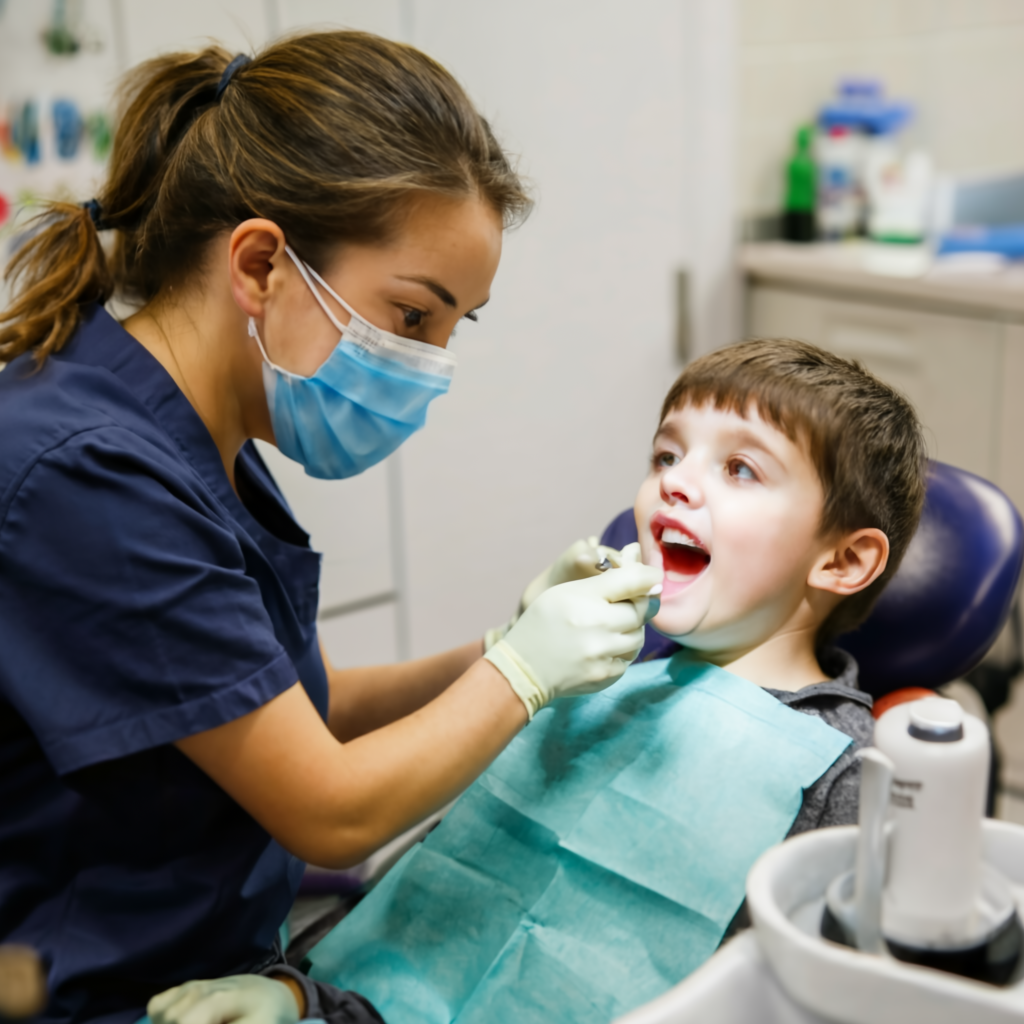
  3. Non-Invasive and Painless: The application of dental sealants is a quick, non-invasive, and painless procedure. There is no need for anesthesia or drilling, making it an ideal preventive measure for children who may be anxious about dental visits.
  4. Cost-effective: When compared to the cost of treating cavities and other dental problems, dental sealants are a cost-effective preventive measure. Investing in sealants early on can help avoid the need for more extensive and expensive dental treatments in the future.
  5. Promoting Oral Health Habits: By protecting the teeth from decay, dental sealants promote good oral health habits in children. With a reduced risk of cavities, children are less likely to experience dental pain and discomfort, making it easier for them to maintain proper oral hygiene practices such as brushing and flossing.
  6. Enhancing Confidence: A healthy smile can boost a child’s confidence and self-esteem. Dental sealants help preserve the natural beauty of the teeth, ensuring that your child can smile, laugh, and socialize with confidence.

How Sealants Are Applied:

The application of dental sealants is a straightforward and painless process that can be completed during a routine dental visit. Here’s what you can expect:

  1. Cleaning: The teeth to be sealed are thoroughly cleaned to remove any plaque or debris.
  2. Etching: A special solution is applied to the chewing surfaces of the teeth to roughen the enamel slightly. This helps the sealant bond more effectively to the tooth surface.
  3. Sealant Application: The sealant material is carefully painted onto the tooth surface and allowed to flow into the grooves and fissures.
  4. Curing: A special curing light may be used to harden the sealant and ensure a strong bond to the tooth.
  5. Evaluation: Once the sealants are applied, your dentist will check to ensure that they have properly sealed the teeth and make any necessary adjustments.

Conclusion:

As a parent, ensuring your child’s oral health is one of the most important investments you can make. Dental sealants offer a simple yet effective way to protect your child’s teeth from decay and promote long-term oral health. By providing an additional barrier against cavities, sealants give your child the best possible start toward a lifetime of healthy smiles. If you have any questions or would like to learn more about dental sealants, please don’t hesitate to ask. We’re here to help you and your child achieve optimal oral health and wellness.

Posted on

Bruxism Dangers and Solutions

Patient in pain from clenching her teeth

Understanding the Dangers of Teeth Grinding and Effective Solutions

Introduction:

What is the importance of bruxism and solutions to the average everyday dental patient.

Teeth grinding, medically known as bruxism, often flies under the radar despite its potential to wreak havoc on oral health and overall well-being. It’s a condition that affects millions worldwide, yet many remain unaware of its consequences until significant damage is done. In this comprehensive guide, we delve into the dangers of teeth grinding and explore effective solutions to mitigate its impact.

Understanding Teeth Grinding:

Teeth grinding typically occurs involuntarily during sleep, although some individuals may also grind their teeth during waking hours, often due to stress or anxiety. While occasional teeth grinding may not cause harm, chronic bruxism can lead to a host of problems, both dental and beyond.

Dangers of Teeth Grinding:

  1. Dental Damage: The most immediate consequence of bruxism is dental damage. Grinding exerts excessive force on the teeth, leading to wear and tear, chipping, fractures, and even loosening of teeth over time. This can necessitate costly and invasive dental treatments such as fillings, crowns, or even extractions.
  2. Jaw Disorders: Bruxism can also result in temporomandibular joint (TMJ) disorders, causing pain, stiffness, and limited mobility in the jaw. TMJ disorders can significantly impact daily activities like eating and speaking, leading to discomfort and reduced quality of life.
  3. Headaches and Facial Pain: Chronic teeth grinding often manifests as headaches, facial pain, or earaches upon waking. These symptoms stem from the strain placed on the muscles surrounding the jaw and face during grinding, contributing to tension and discomfort.
  4. Sleep Disturbances: Bruxism can disrupt sleep patterns, leading to fragmented sleep and daytime fatigue. Partners of individuals who grind their teeth may also experience disturbances, further exacerbating the impact on overall well-being.
  5. Gum Recession: The excessive pressure exerted on the teeth during grinding can result in gum recession, exposing the sensitive roots of the teeth and increasing the risk of decay and tooth loss.

Effective Solutions for Teeth Grinding:

  1. Stress Management Techniques: Since stress and anxiety often exacerbate bruxism, incorporating stress management techniques into daily routines can be beneficial. Activities such as yoga, meditation, deep breathing exercises, or therapy can help alleviate tension and reduce teeth grinding episodes.
  2. Nightguards or Mouthguards: Custom-fitted nightguards or mouthguards are commonly prescribed by dentists to protect the teeth from the damaging effects of grinding. These oral appliances create a barrier between the upper and lower teeth, absorbing the forces generated during grinding and preventing dental wear.
  3. Behavioral Changes: Simple behavioral modifications can also help reduce teeth grinding. Avoiding caffeine and alcohol, particularly before bedtime, can minimize the likelihood of grinding episodes. Additionally, practicing good sleep hygiene, such as maintaining a consistent sleep schedule and creating a relaxing bedtime routine, can promote restful sleep and reduce bruxism.
  4. Muscle Relaxation Techniques: Engaging in muscle relaxation techniques, such as gentle jaw exercises or applying warm compresses to the jaw muscles, can alleviate tension and reduce the frequency and intensity of grinding episodes.
  5. Dental Interventions: In severe cases of bruxism where dental damage or TMJ disorders have already occurred, dental interventions may be necessary. These can include procedures such as dental restoration to repair damaged teeth, orthodontic treatment to correct bite misalignment, or TMJ therapy to alleviate jaw pain and dysfunction.
  6. Cognitive Behavioral Therapy (CBT): For individuals whose bruxism is primarily driven by stress or anxiety, cognitive behavioral therapy (CBT) can be an effective intervention. CBT helps individuals identify and address the underlying triggers of bruxism while equipping them with coping strategies to manage stress more effectively.

Conclusion:

Teeth grinding may seem like a harmless habit, but its consequences can be far-reaching, affecting not only oral health but also overall well-being. By understanding the dangers of bruxism and implementing effective solutions, individuals can safeguard their dental health and improve their quality of life. Whether through stress management techniques, oral appliances, behavioral changes, or dental interventions, addressing teeth grinding proactively is essential for long-term oral health and wellness.

Posted on

Information And Guidance For Dental Patients

Dental questions

Some great resources right at your fingertips.

  1. American Dental Association’s Clinical Practice Guidelines and Evidence: ADA Guidelines – Recommendations on various dental treatments, including restorative and nonrestorative caries treatments, fluoride use, and more.
  2. CDA’s Guidance for Treating Pregnant Dental Patients: CDA Guidance – Advice on dental care for pregnant patients without needing clearance from OB-GYN.
  3. Cancer Therapies and Dental Considerations by the ADA: Cancer and Dental Care – How to coordinate dental care with cancer treatments.
  4. CDC’s Resources for Dental Professionals: CDC Dental Health – Information on infection prevention, fluoride, dental sealants, and more.
  5. NIDA’s Screening for Substance Use in the Dental Setting: NIDA Dental Screening – Guidelines for discussing and managing substance use with dental patients.
  6. Dental Insurance FAQs by the American Dental Association: Dental Insurance FAQs – Information on dental plans, fee negotiations, and handling insurance issues.
  7. Treating Dental Patients on the Autism Spectrum: Autism and Dental Care – Insights and recommendations for providing dental care to patients with autism.
  8. ADA’s Oral Cancer Detection: Oral Cancer Detection – Current recommendations for evaluating oral lesions.
  9. Periodontitis Treatment Guidelines by the ADA: Periodontitis Treatment – Recommendations for the nonsurgical treatment of periodontitis.
  10. Teledentistry and Mobile Health (mHealth) Insights: Teledentistry – The use of communication systems to promote oral health.

These resources cover a broad range of dental health topics and provide valuable information for patients looking for guidance on dental treatments.

Posted on

Demystifying Dental Treatment Plans

A Step-by-Step Guide for Patients

Introduction

Visiting the dentist can be both exciting and nerve-wracking. Whether you’re seeking routine care or addressing specific dental issues, understanding your treatment plan is crucial. As a patient, you play an active role in your oral health journey. Let’s dive into the most important information you need to ask about your dental treatment.

1. Initial Assessments: Laying the Foundation

Before any treatment begins, your dentist will conduct a thorough initial assessment. Here’s what you should know:

  • Listen and Share: Take the time to express your concerns and goals. Your dentist will review your medical history, perform an oral examination, and may take X-rays or impressions. Ask questions and ensure you’re comfortable with the process.

2. Diagnosis and Treatment Options: Empowering Patients

Once the assessment is complete, your dentist will make a diagnosis and present treatment options. Here’s what to ask:

  • Pros and Cons: Understand the pros and cons of each treatment option. Discuss costs, timelines, and potential risks. Visual aids like X-rays can enhance your understanding.
  • Patient Input: Your preferences matter! Participate actively in decision-making. Tailor the treatment plan to align with your goals.

3. Treatment Plan Presentation: Clear and Transparent Communication

When your treatment plan is ready, your dentist will communicate it clearly:

  • Comprehensive Information: Share treatment plans electronically, allowing you to review them at your convenience. Ask questions and provide feedback.
  • Financial Transparency: Understand costs, insurance coverage, and payment options. Avoid surprises by discussing financial aspects upfront.

4. Follow-up Care and Progress Tracking: Maintaining Transparency

After treatment begins, stay informed:

  • Scheduled Check-ups: Regular dental visits are essential. Ask about the recommended frequency for check-ups.
  • Treatment Compliance: Track your progress. Compliance ensures lasting results. Consider using modern practice management software for streamlined communication.

5. Quick Tips to Boost Dental Patient Treatment Compliance Rates

Here are some practical tips:

  • Oral Hygiene: Follow recommended practices for brushing, flossing, and maintaining healthy gums.
  • Lifestyle Choices: Understand how lifestyle factors (stress, diet, medications) impact your oral health.
  • Preventive Measures: Discuss preventive treatments like fluoride and dental sealants.

Conclusion

As a patient, you have the right to ask questions, seek clarity, and actively participate in your dental care. Remember, a well-informed patient is better equipped to maintain a healthy smile. So, next time you’re at the dentist’s office, be prepared to engage in meaningful conversations about your treatment plan! 🦷

Posted on

Dental Implants and Dentures

dental implant

Navigating the Path to a Complete Smile

In the realm of modern dentistry, restoring a full, vibrant smile in the face of tooth loss is more accessible and effective than ever before. Two of the most prominent solutions—dental implants and dentures—offer those missing one, several, or all of their teeth a chance to reclaim not just the functionality of their bite but also the confidence that comes with a full smile. This blog post delves into the details, processes, and care requirements of dental implants and dentures, guiding patients through their journey towards making an informed decision.

Understanding Dental Implants: The Closest Thing to Natural Teeth

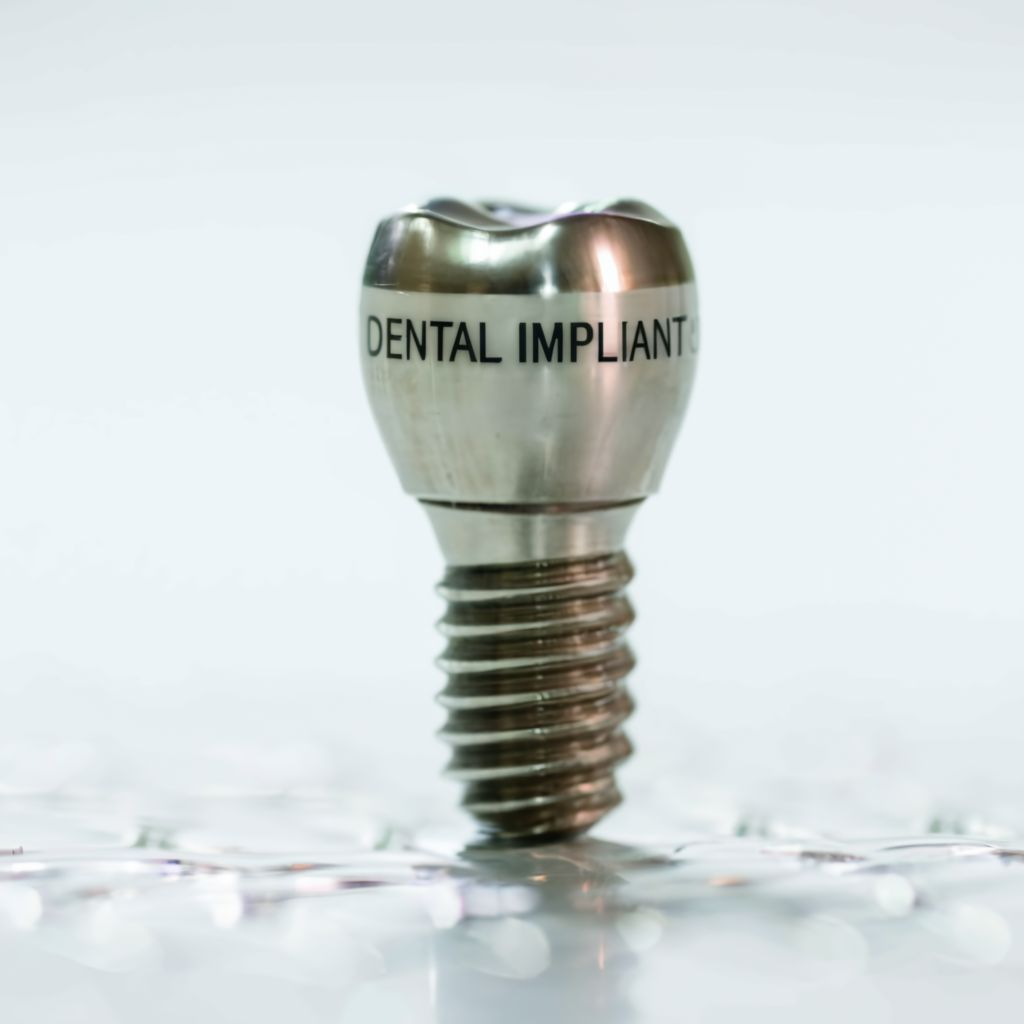
Dental implants have revolutionized the way we approach the replacement of missing teeth. Consisting of a titanium post that is surgically inserted into the jawbone, an abutment, and a custom-made crown, dental implants mimic the structure and function of natural teeth closely.

The Process: The journey to a complete smile with dental implants begins with a comprehensive evaluation. Once suitability is confirmed, the implant post is placed into the jawbone, where it undergoes a process known as osseointegration, essentially fusing with the bone over several months. Following this, the abutment is attached, and finally, the custom crown is placed, restoring the tooth both functionally and aesthetically.

Care and Maintenance: One of the most appealing aspects of dental implants is their low maintenance nature. Caring for them is akin to caring for natural teeth—regular brushing, flossing, and dental check-ups are all that’s required to keep them in top condition. With proper care, dental implants can last a lifetime, making them a cost-effective long-term solution.

Exploring Dentures: A Traditional Approach to Restoring Smiles

Dentures have long served as a reliable solution for those missing several teeth or requiring a full arch replacement. Available as partial or complete sets, modern dentures are more comfortable and natural-looking than their predecessors.

The Process: The creation of dentures begins with impressions and measurements of the mouth, ensuring a custom fit. For complete dentures, a temporary set may be provided to wear while the gums heal from any necessary extractions. Once ready, the dentures are adjusted to ensure comfort and proper fit.

Care and Maintenance: Unlike dental implants, dentures require a bit more daily care. They should be removed at night, cleaned with a soft brush and special cleaner, and soaked in a denture-cleaning solution to keep them moist and maintain their shape. It’s also important to continue brushing the gums, tongue, and roof of the mouth to maintain oral health.

Making the Choice: Dental Implants vs. Dentures

The decision between dental implants and dentures is influenced by several factors, including:

  • Health of the Jawbone: Dental implants require a healthy, strong jawbone for placement. Those with significant bone loss may require bone grafting or may be better suited for dentures.
  • Number of Teeth Missing: While implants can replace any number of missing teeth, from one to a full arch, dentures may be more practical for those missing most or all of their teeth.
  • Lifestyle and Preferences: Dental implants offer a more permanent, low-maintenance solution that allows for a diet without restrictions. Dentures, while less invasive, may require adjustments to eating habits.
  • Budget and Insurance: Initial costs for dental implants are higher than for dentures, but their durability and longevity can make them more cost-effective in the long run. Insurance coverage and financing options also play a significant role in the decision-making process.

Embracing a Future with a Full Smile

Whether through the advanced technology of dental implants or the traditional approach of dentures, replacing missing teeth has never been more effective. Both options offer their own set of benefits, and the choice ultimately depends on personal health, needs, and preferences.

For those considering dental implants or dentures, consulting with a dental professional is the first step towards a restored smile. They can provide personalized advice, address any concerns, and help navigate the path to the best solution for your oral health and lifestyle.

In the end, the goal of both dental implants and dentures is to restore not just the functionality of missing teeth but also the confidence and quality of life that comes with a complete, healthy smile. With proper care and maintenance, both solutions can offer a long-term answer to tooth loss, ensuring that patients can enjoy the benefits of a full and vibrant smile for years to come.

Posted on

Essential Protection for Athletic Smiles

Sports Dentistry and Mouthguard Use

As a dentist passionate about the overall well-being of my patients, I often emphasize the importance of integrating dental care into every aspect of life, including sports and physical activities. Today, let’s delve into a crucial yet sometimes overlooked aspect of athletic health: sports dentistry and the vital role of mouthguards in protecting your smile during sports activities.

The Intersection of Sports and Dental Health

Sports dentistry focuses on the prevention and treatment of dental injuries and related oral diseases in athletes. Whether you’re a professional athlete, a weekend warrior, or someone who enjoys a casual game with friends, understanding the impact of sports on your dental health is essential. Dental injuries are among the most common types of injuries in sports, ranging from chipped or broken teeth to more severe cases like tooth avulsion (complete dislocation) or jaw fractures.

The financial, emotional, and physical costs of these injuries can be significant. Not only can they lead to immediate pain and discomfort, but they also often require extensive dental treatment to restore function and aesthetics. This is where the role of mouthguards comes into play, serving as a critical protective measure against such injuries.

Understanding Mouthguards: Your First Line of Defense

A mouthguard is a flexible appliance made of soft plastic or laminate that fits snugly over the teeth to help prevent injuries to the teeth, mouth, cheeks, tongue, and jaw during physical activity. The benefits of wearing a mouthguard are clear: they can significantly reduce the severity and frequency of injuries, protecting your smile and the integrity of your dental health.

There are three main types of mouthguards:

  1. Stock Mouthguards: These are pre-formed and ready to wear. While they are the least expensive option, their fit and comfort level are generally subpar, offering minimal protection.
  2. Boil-and-Bite Mouthguards: Found at most sporting goods stores, these mouthguards are softened in hot water and then inserted into the mouth to form a custom fit. They offer a better fit than stock mouthguards but still lack the precision and comfort of a professional fitting.
  3. Custom-Fitted Mouthguards: Designed and constructed by a dentist or a professional lab, custom-fitted mouthguards offer the best protection, comfort, and fit. Although they are more expensive, their tailored design ensures that they efficiently absorb impacts, distribute force evenly, and protect against injuries.

Choosing the Right Mouthguard

Selecting the right mouthguard is crucial for effective protection. Here are some factors to consider:

  • Sport Type: The level of contact in your sport can determine the thickness and type of mouthguard needed. High-contact sports like football, hockey, and martial arts require more robust protection than non-contact activities.
  • Comfort and Fit: A mouthguard should fit comfortably without causing breathing or speaking difficulties. Custom-fitted mouthguards provide the best comfort and protection.
  • Durability and Material: Look for a mouthguard made from resilient, tear-resistant material that is free from harmful chemicals.
  • Ease of Cleaning: Ensure your mouthguard is easy to clean and dry to maintain oral hygiene.

The Dentist’s Role in Sports Dentistry

As dentists, our role extends beyond treating injuries; we are also committed to education and prevention. We work closely with athletes, coaches, and parents to emphasize the importance of wearing mouthguards and adopting other protective measures during sports activities. We can also provide guidance on selecting the appropriate mouthguard, ensuring it fits correctly and offers optimal protection.

In cases of dental injuries, immediate and appropriate treatment is crucial. Our expertise allows us to quickly assess and manage injuries, minimizing long-term damage and facilitating a faster return to sport. Moreover, we can offer personalized advice on strengthening and protecting teeth, including dietary recommendations and the use of fluoride to enhance dental resilience.

Embracing a Protective Mindset

Incorporating mouthguards into your sports routine is a small step that can make a significant difference in preventing dental injuries. As with helmets and knee pads, mouthguards are essential protective gear that should not be overlooked. Embracing a proactive approach to dental protection can help ensure that your smile remains as healthy and vibrant as your active lifestyle.

Remember, your dental health is an integral part of your overall well-being. By prioritizing the protection of your teeth and mouth through the use of mouthguards and other preventive measures, you’re not just safeguarding your smile; you’re also preserving your quality of life and ensuring that you can continue to enjoy the sports and activities you love, without unnecessary risks.

As your dental care partner, I am here to support and guide you in all aspects of your oral health. Whether you’re seeking advice on selecting the right mouthguard, need treatment for a sports-related dental injury, or simply want to learn more about protecting your dental health during physical activity, don’t hesitate to reach out. Together, we can keep your smile safe, healthy, and ready to shine, no matter the sporting challenge ahead.