The article explores the transformative impact of AI in dental education and training, including its integration in various areas such as diagnostics, simulations, and treatment planning, as well as the advantages, obstacles, and ethical considerations of AI integration in the field.
The Transformative Impact of AI in Dental Education and Training
Artificial Intelligence (AI) has had a profound impact on dental education and training, ushering in a new era of technology-driven pedagogy and clinical practice [2]. The COVID-19 pandemic has accelerated the adoption of virtual technologies in dental education, including AI-powered tools and platforms [2]. AI’s applications extend across various areas of dental education, including radiological examinations, clinical diagnoses, and anatomy training. It is crucial to develop appropriate curricula and guidelines to ensure the ethical and effective integration of AI in dental education.
For instance, AI techniques such as machine learning, deep learning, artificial neural networks, and convolutional neural networks have been used to enhance dental education. These techniques have proven instrumental in improving diagnostic skills, radiological interpretation, and denture design, among other areas.
AI Applications in Dental Simulations and Virtual Reality
AI and virtual technologies have found significant applications in dental simulations. 3D scans, metaverse, and blockchain technology are being increasingly adopted in dental education [2]. For example, digital twins, which integrate physical and digital worlds, can be used to analyze and predict complex dental issues.
These technologies are paving the way for more interactive and realistic dental education experiences. They offer opportunities for students to practice procedures in a risk-free environment, enhancing their understanding of dental anatomy and improving their clinical skills.
AI-Powered Tools for Enhanced Diagnosis and Treatment Planning
AI is playing a transformative role in enhancing diagnostic processes in dental education. The use of AI to automate the interpretation of dental imaging procedures and detect dental caries and other oral diseases has proven highly valuable. This automation not only increases the efficiency and accuracy of diagnoses but also provides students with a powerful tool for learning and practicing their diagnostic skills.
Moreover, AI’s role extends to treatment planning. It can analyze a wealth of data to predict outcomes and recommend the most effective treatment options. This capability can significantly enhance the quality of dental care and serve as an invaluable learning resource for dental students.
Advantages and Obstacles of Integrating AI in Dental Education
The integration of AI in dental education offers numerous benefits. It has the potential to enhance healthcare delivery and improve students’ comprehension assessment through automated facial recognition. However, the implementation of AI in dental education is not without challenges. These include insufficient time in curricula, anonymizing patient information, faculty expertise, and assessment measures.
Moreover, the use of AI in dentistry raises legal and ethical concerns related to plagiarism and the need to properly credit sources. Therefore, it is essential to navigate these challenges carefully and responsibly to harness AI’s full potential in dental education.
Shaping the Future: AI’s Role in Dental Education and Training
The rapid advancements in AI necessitate a revised core curriculum for dental education to increase dentists’ AI literacy. Several dental schools have already implemented successful initiatives for integrating AI in dental training. The future of dental education and training is likely to be heavily influenced by further advancements in AI applications [2,3].
For instance, the introduction of AI language models will change communication with patients and the foundations of dental education, including essay writing and scientific paper writing. This shift will require dental educators to adapt their teaching methods and curricula to equip students with the necessary skills to thrive in an AI-driven environment.
Ethical and Responsible AI Integration in Dental Education
The integration of AI in dental education needs to be done responsibly and ethically. There are concerns related to plagiarism, bias, and the ethical use of AI in dental education [2,4]. It is essential to address these issues to ensure that AI is used responsibly and ethically in dental education.
The implementation of AI in dental education requires collaboration between dental and AI experts. Only through such collaboration can dental education and training effectively leverage AI to enhance pedagogy and clinical practice while ensuring ethical and responsible use of this transformative technology.
The article explores the role of artificial intelligence (AI) in revolutionizing dental marketing, discussing the rise of AI in dental marketing, benefits of using AI in dental marketing, AI-powered tools and technologies in dental marketing, successful AI implementation in dental practices, and the future of AI in dental marketing.
The Role of Artificial Intelligence in Revolutionizing Dental Marketing
The Rise of AI in Dental Marketing
Artificial Intelligence (AI) is increasingly being used in dental marketing, driven by the development and implementation of AI-powered tools and technologies such as ChatGPT and MidJourney [1]. These tools are built on predictive programming algorithms known as Large Language Models (LLMs), with OpenAI’s ChatGPT, a text-based large language model, playing a key role in reshaping the landscape of dental marketing. DentalMarketing.com offers AI-driven marketing strategies, emphasizing the importance of using AI as a tool, not as the solution, especially in copywriting.
Benefits of Using AI in Dental Marketing
The application of AI in dental marketing enables the creation of personalized campaigns and improved patient experiences, contributing to the overall business value and worker productivity [1]. AI assists in generating catchy or interesting ideas and content for dental marketing, optimizing website content for search engines, and automating social media tasks [1][2][3]. Such applications allow dentists to save time and focus on patient care while fostering creativity and efficiency in creating targeted digital advertising campaigns [1][2].
AI-Powered Tools and Technologies in Dental Marketing
AI tools such as ChatGPT and MidJourney are pivotal in simplifying and improving dental marketing efforts [1][3]. These tools are used for creating eye-catching artwork for marketing materials, automating social media tasks, managing online reputation, and educating patients about dental health and treatments [1][2]. They also contribute to the optimization of website content and creation of personalized messaging for dental marketing [1].
Successful AI Implementation in Dental Practices
AI is being used in various aspects of dentistry, including patient care and treatment planning. Dentists are utilizing AI-powered tools like ChatGPT for personalized messaging and content creation, providing fast and convenient responses to patients through chatbots on websites [1]. The future of AI in dental marketing is still in its early stages, but it is projected to become an essential tool for dental marketing agencies.
The Future of AI in Dental Marketing
AI is projected to create $2.9 trillion in business value and recover 6.2 billion hours of worker productivity by 2025, indicating the significant impact of AI on the dental marketing industry. Future trends and advancements in AI for dental office marketing are promising, with ongoing discussions on how AI can be effectively integrated as a tool without compromising the authenticity of marketing efforts.
Conclusion
AI plays a pivotal role in revolutionizing dental marketing by fostering creativity, efficiency, and personalization. AI-powered tools and technologies, such as ChatGPT and MidJourney, are reshaping the marketing landscape, promising significant business value and productivity gains. As AI continues to evolve, it will undoubtedly transform the dental marketing industry, forging a path towards more personalized and effective marketing strategies.
This article explores the benefits and strategies of using AI-powered personalized marketing campaigns in dental offices, including improved patient experience, enhanced engagement, and increased referrals. It also discusses the innovative use of AI technology by DDS Marketing and provides tips for successful implementation and considerations for data privacy.
Personalized Marketing in Dental Offices Using AI
The adoption of Artificial Intelligence (AI) in marketing strategies has been gaining momentum across various industries, including dental offices. AI provides a platform to enhance personalized marketing strategies, allowing dental practices to tailor their marketing efforts to individual patients, improving patient engagement and overall experience.
Benefits of Personalized Marketing in Dental Offices
Personalized marketing strategies can significantly enhance the patient experience and engagement. By leveraging AI, dental offices can tailor their marketing initiatives specifically to their target audience, leading to optimized patient interactions and fostering loyalty.
For instance, AI tools like ChatGPT can be used for personalized messaging and content creation, catering to the specific needs and expectations of patients. This personal touch not only enhances the patient experience but also contributes to improved patient satisfaction and loyalty, which can ultimately lead to better patient retention and increased referrals for dental offices.
AI-Powered Marketing Strategies for Dental Offices
AI-powered tools offer a wealth of opportunities for dental offices to streamline their marketing efforts. For instance, automated content creation tools powered by AI can revolutionize a dental office’s online presence and patient engagement.
An example of AI’s impact is seen in DDS Marketing. This company uses AI-powered algorithms to optimize advertising on platforms like Google Ads and Facebook Ads, resulting in more leads and a higher return on investment. By identifying the most effective keywords, ad copy, and targeting options, dental offices can drastically improve their campaign performance.
Case Study: DDS Marketing
DDS Marketing, founded by Amir Moghaddam and Ardi Safi, has been recognized for its innovative use of AI technology in dental marketing. By leveraging AI-powered algorithms, the company has revolutionized how dental practices advertise, resulting in more leads and a higher return on investment.
For example, real-time data analysis and campaign adjustments based on performance are made possible through AI technology. By staying ahead of the curve and providing innovative solutions, DDS Marketing has managed to generate significant media attention, showcasing the potential of AI in dental marketing.
Implementing AI in Dental Marketing: Tips and Considerations
When implementing AI in dental marketing, it’s crucial to set clear goals, choose the right tools, and collect and analyze data for insights. AI can be used for predictive analysis, chatbots, content personalization, and SEO optimization, contributing to effective and targeted dental marketing efforts.
However, with the implementation of AI, there are certain considerations to keep in mind. Adherence to data privacy laws like HIPAA is crucial to ensure patient data security and compliance. Therefore, when implementing AI in dental marketing strategies, dental offices must ensure that they uphold data privacy laws.
Future of AI in Dental Marketing
With the projected business value of AI in dental marketing estimated to reach $2.9 trillion and recover 6.2 billion hours of worker productivity by 2025, the potential for growth and innovation is significant. AI is set to play a pivotal role in shaping the future of dental marketing, enhancing efficiency and impact.
By leveraging AI, dental offices can streamline their marketing efforts, foster patient engagement, and enhance their online presence, showcasing the transformative potential of AI in dental marketing.
This article explores the importance of marketing for dental offices and the impact of artificial intelligence (AI) on dental marketing, including AIs role in content creation, digital advertising, online reputation management, dental health education, and patient engagement.
Artificial Intelligence and Dental Office Marketing
Importance of Marketing for Dental Offices
Marketing plays a crucial role in the success of dental practices. It helps dental offices differentiate themselves from competitors, effectively communicate their services and expertise to the community, and attract and retain patients [1]. Moreover, marketing initiatives contribute to raising awareness about the importance of oral health and the services offered by dental offices, fostering a strong brand identity and establishing trust with current and potential patients [4]. Well-executed marketing strategies can lead to increased patient engagement and loyalty, contributing to the overall growth and success of a dental practice.
For instance, through a well-planned marketing campaign, a dental office can communicate its unique selling proposition, such as advanced treatment options or a highly experienced team of professionals. This not only helps patients understand what sets the practice apart but also builds a strong brand image in the minds of potential patients.
The Impact of AI on Dental Marketing
Artificial Intelligence (AI) is revolutionizing dental office marketing by enabling personalized campaigns and significantly improving patient experience [1]. According to a report, 51% of marketing leaders are already using AI to streamline processes in dental marketing, indicating the widespread adoption and effectiveness of AI in this field. AI-powered tools such as ChatGPT and Midjourney are reshaping the landscape of dental marketing by assisting in content creation and enhancing creativity and efficiency [1].
For example, DentalMarketing.com, a leading dental marketing agency, uses AI-driven marketing strategies to help dentists reach and engage with patients. This approach has resulted in personalized campaigns, improved patient experience, and increased engagement.
The substantial impact AI is expected to have on dental office marketing is highlighted by the projected $2.9 trillion in business value and the recovery of 6.2 billion hours of worker productivity by AI by 2025. It’s clear that AI fosters creativity and efficiency, making it a valuable asset in the marketing efforts of dental offices.
AI in Content Creation for Dental Marketing
AI assists with content creation in dental marketing by generating articles, blog posts, and other marketing materials through tools like ChatGPT. This AI chatbot system provides factual and informative content for dental marketing, alleviating the burden of content creation from dentists and allowing them to focus on patient care.
For instance, a dentist can use ChatGPT to generate a blog post about the benefits of regular dental check-ups. The AI can provide factual and informative content, allowing the dentist to focus on patient care. However, it’s important to remember that while AI can be a time-saving tool for content creation, human creativity is still needed to achieve a high-quality, authentic final product.
AI in Digital Advertising and Online Reputation Management
AI can assist in creating targeted digital advertising campaigns, enhancing the reach and impact of marketing efforts for dental offices. AI tools can also help manage the online reputation of dental offices by monitoring online reviews and feedback, allowing for proactive management of the practice’s online presence.
For example, an AI tool could analyze online reviews and feedback to identify areas of improvement for a dental practice. The tool could then suggest strategies to improve patient experience, ultimately helping the practice enhance its online reputation.
Automation of social media tasks, such as scheduling posts and engaging with followers, can be efficiently handled by AI, freeing up time for dental office staff to focus on other essential tasks.
AI in Dental Health Education and Patient Engagement
AI can be utilized to educate patients about dental health and treatments, enhancing patient understanding and engagement with dental services. Implementing chatbots on a dental office’s website can provide fast and convenient responses to patients, improving the overall patient experience and satisfaction. AI-powered tools contribute to personalized messaging and content creation, enabling dental offices to better engage with and educate their patient base.
For instance, a dental office could implement an AI chatbot on its website to answer frequently asked questions about dental hygiene. The chatbot could provide personalized responses to each patient, improving patient understanding and engagement with dental services.
Future Potential of AI in Dental Marketing
The future of AI in dental marketing is promising. While AI technologies will not replace human talent, they are expected to become an integral part of marketing strategies, enhancing creativity and efficiency [2][3]. The best practice for using AI in dental marketing is to use it to help flush out creative marketing ideas, complementing human creativity to achieve optimal results.
For example, an AI tool could be used to generate creative ideas for a social media campaign promoting oral health. The tool could suggest engaging content formats and innovative messaging ideas, complementing the creativity of the marketing team to achieve a successful campaign.
In conclusion, AI is revolutionizing dental marketing, offering a new level of personalization, efficiency, and creativity. From content creation to digital advertising, AI is transforming the way dental offices engage with patients. As AI continues to evolve, its impact on dental marketing is expected to grow, offering exciting opportunities for dental practices to enhance their marketing strategies and achieve their growth objectives.
Future Trends in AI-Enabled Dental Technology: Explore the current applications of AI in dentistry, its role in various dental procedures, and the benefits and challenges of using AI, as well as the expected growth and advancements in AI-enabled dental tools.
The Role of AI in Various Dental ProceduresArtificial Intelligence (AI) has reformed the landscape of several dental procedures, notably orthodontics, periodontics, endodontics, and restorative/prosthetic dentistry [2, 3]. In the field of orthodontics, AI aids in anatomical landmark detection, growth and development assessment, and evaluating treatment outcomes. Through the utilization of AI in dentistry, dentists can make more accurate predictions and assessments, thus improving the overall quality of patient care.A particularly remarkable use of AI is in the early detection and classification of oral and oropharyngeal cancers. AI has demonstrated the potential for identifying these cancers with high accuracy and specificity, which could significantly improve patient outcomes through early intervention. Furthermore, AI’s ability to classify 3D images of the mandibular condyle into stages of structural degenerative changes is a testament to its transformative potential in dentistry.However, it’s important to note that AI is not without limitations. Current challenges include the size and quality of available data sets. This limitation can potentially affect the accuracy of AI’s applications in dentistry. However, researchers are being proactive in addressing these challenges and are working tirelessly to increase the size of these datasets, thereby improving the overall accuracy of AI applications in dentistry.Despite these challenges, AI is seen as an intelligent assistant in diagnostic and therapeutic care, providing rapid, reliable data to inform clinical decision making. It’s a tool that aids and enhances the skills of dental professionals, rather than replacing them. This collaborative interaction between AI and clinicians holds enormous potential for the future of dental procedures and patient care.The Role of AI in Various Dental ProceduresAI has a transformative role in various dental procedures including orthodontics, periodontics, endodontics, and restorative/prosthetic dentistry [2, 3]. It is instrumental in identifying and classifying oral and oropharyngeal cancers with a high degree of accuracy and specificity. For instance, AI can classify 3D images of the mandibular condyle into stages of structural degenerative changes, aiding in the diagnosis and treatment of temporomandibular joint disorders. However, the application of AI in dentistry is not without challenges. The limitations of AI are often linked to the size and quality of available data sets. Nevertheless, researchers are actively working on expanding these datasets to increase the accuracy of AI applications. Despite these challenges, AI is proving to be an intelligent assistant in diagnostic and therapeutic care, providing rapid, reliable data to inform clinical decision making.The Role of AI in Various Dental ProceduresThe application of Artificial Intelligence (AI) has revolutionized various dental procedures, making them more precise and efficient. In fields such as orthodontics, periodontics, endodontics, and even restorative or prosthetic dentistry, AI has been integrated to enhance the accuracy of diagnoses and to streamline treatment planning [2,3]. One of the notable breakthroughs is the use of AI in identifying and classifying oral and oropharyngeal cancers. With its high accuracy and specificity, AI has proven to be an invaluable tool in early detection and timely intervention of these cancers.In addition to cancer detection, AI has shown remarkable capability in the classification of 3D images of the mandibular condyle, effectively categorizing them into different stages of structural degenerative changes. This has significantly improved the understanding and management of conditions like temporomandibular joint disorders. However, it’s worth noting that AI is not without its limitations in dentistry. One of the primary challenges is linked to the size and quality of available data sets. To overcome this, researchers are tirelessly working on expanding these datasets to increase the accuracy and reliability of AI applications.Despite these hurdles, AI continues to serve as an intelligent assistant in diagnostic and therapeutic care. By providing rapid and reliable data, it helps in making informed clinical decisions, thereby elevating the standard of patient care in dentistry.Future Trends and Advancements in AI-Enabled Dental ToolsArtificial Intelligence (AI) continues to revolutionize various sectors, and dentistry is no exception. Over the next few years, it is anticipated that the dental AI market will experience significant growth, reaching $36 billion by 2026. This exponential growth can be attributed to the myriad of benefits AI brings into the field of dentistry. AI-powered imaging software, for instance, is expected to enhance patient education and increase treatment acceptance, thereby playing a crucial role in the overall growth.One of the most promising future advancements in AI-enabled dental tools is the transformation of patient progress monitoring. AI technology is being developed to predict potential issues, enabling early intervention and improving treatment outcomes. Additionally, the integration of AI technologies with cloud-based imaging solutions is set to provide immense benefits for both dental professionals and patients alike. This integration streamlines the process of accessing and sharing patient information, leading to enhanced collaboration and ultimately better patient care.As AI continues to evolve, it’s important to remember that it is not designed to replace skilled clinicians, but rather to augment their capabilities. AI serves as an intelligent assistant in diagnostic and therapeutic care, providing rapid, reliable data that can inform clinical decision making. As these trends and advancements become reality, the future of dentistry looks promising, with AI technology at the forefront of this transformation.Benefits and Challenges of Using AI in DentistryArtificial Intelligence (AI) is rapidly reshaping the landscape of dentistry, offering a plethora of benefits. AI’s capacity to mimic the problem-solving and decision-making capabilities of the human mind has been harnessed to improve the accuracy and efficiency of dental diagnoses and treatment planning. For instance, AI has demonstrated significant potential in detecting various oral health conditions such as caries lesions, gingivitis, periodontal disease, and periapical lesions. These applications of AI have shown to enhance the clinical decision-making process, providing dentists with rapid and reliable data, thereby improving patient care.Despite the considerable benefits, the integration of AI in dentistry is not without challenges. One of the primary limitations of AI in dentistry is tied to the size and quality of available data sets. The effectiveness of AI algorithms largely depends on the quality and quantity of data they are trained on. Presently, the limited size and sometimes subpar quality of available datasets in dentistry have somewhat restricted the accuracy of AI applications. However, researchers are actively working towards expanding these datasets, which is expected to increase the accuracy and broaden the applicability of AI in the dental field. In conclusion, while AI is not poised to replace skilled clinicians, it serves as a powerful tool in enhancing diagnostic and therapeutic care, marking a significant leap forward in the realm of dentistry.Conclusion: The Impact of AI on the Future of DentistryThe inclusion of artificial intelligence in dentistry is a significant leap forward in the field, with the potential to revolutionize the way dental professionals operate. The consensus among experts is that AI is the future of dentistry. However, it’s also clear that a comprehensive understanding of the technology and the challenges it brings is essential for its successful implementation.One of the areas where AI is making its mark is digital marketing. The technology enables a data-driven approach to decision making, allowing dental practices to tailor their marketing efforts to their target audience’s specific needs. AI can also power chatbots and virtual assistants, automating tasks, enhancing customer service, and freeing up time for dental professionals to focus on patient care. Moreover, the advent of AI has made marketing automation and predictive analytics possible, providing insights into future trends and allowing practices to stay ahead of the curve.The impact of AI on the future of dentistry is further evident in the rise of innovative solutions offered by companies like Dandy and OpenAI. These organizations are leading the way, providing AI technologies and tools that are revolutionizing dental practices. By leveraging these cutting-edge solutions, dentists can ensure they remain at the forefront of the industry. This not only allows them to provide high-quality care but also caters to the evolving needs and expectations of their patients.Despite the many benefits of AI, it’s important to acknowledge the limitations and challenges associated with its use in dentistry. These primarily revolve around the size and quality of available data sets. However, efforts are underway to expand these datasets, which is expected to improve the accuracy of AI applications. The way forward, then, involves not just embracing AI but also addressing these challenges to maximize its potential in enhancing dental care.
AI in Diagnosing and Predicting Oral Health Conditions: Discover how AI technology is revolutionizing dental diagnosis, improving accuracy and efficiency, and assisting in early detection for better treatment outcomes.
The Ancient Days Of Dental X-rays
AI in Revolutionizing Dental Diagnosis
Artificial Intelligence (AI) has been instrumental in revolutionizing the diagnosis and prediction of oral health conditions. By harnessing its capability to analyze large amounts of data, AI algorithms can identify patterns indicative of various diseases, leading to the potential for early detection and improved treatment outcomes. This has significant implications for the field of dentistry, as it offers the promise of more accurate and efficient diagnosis of oral diseases.
One example of AI technology used in dental diagnosis is the development of an AI framework to diagnose dental diseases on panoramic radiographs using deep convolutional neural networks. This framework demonstrated high sensitivity, specificity, and efficiency in diagnosing impacted teeth, full crowns, residual roots, missing teeth, and caries. The results of this study highlighted the potential of AI in accurately diagnosing dental diseases, thus showcasing its reliability and effectiveness in dental diagnosis.
Another example of AI technology is its ability to assist in early detection, which can lead to better treatment outcomes. The potential for AI to identify oral health conditions in their early stages can significantly impact patient care and prognosis. By identifying diseases at an earlier stage, treatment can be initiated promptly, potentially preventing the progression of the condition and leading to improved patient outcomes. The potential of AI to contribute to early detection further underscores its transformative role in dental diagnosis and patient care.
In conclusion, AI has demonstrated its potential to revolutionize dental diagnosis through improved accuracy, efficiency, and early detection of oral health conditions. The use of AI technology in dental diagnosis is a promising development in oral healthcare, with the potential to significantly enhance patient outcomes and the overall practice of dentistry [1].
Benefits of AI in Diagnosing and Predicting Oral Health Conditions
Tablet, hologram and scientist work with digital innovation, data and 3d overlay in laboratory. African man, doctor and information technology for futuristic medical research with pharma healthcare.
The utilization of AI in diagnosing and predicting oral health conditions offers several notable benefits. By harnessing the power of AI algorithms, dental professionals can significantly enhance the accuracy and efficiency of diagnosing oral diseases, ultimately leading to improved patient care and treatment outcomes. This is particularly significant in the realm of oral health, where early detection plays a pivotal role in ensuring effective intervention and disease management. For instance, AI algorithms can analyze extensive datasets and identify subtle patterns indicative of various oral diseases, facilitating the timely detection of conditions such as periodontal disease, oral cancer, and dental caries.
Moreover, AI technology holds the potential to revolutionize the landscape of oral healthcare by assisting in the early detection of conditions, thereby enabling proactive and targeted treatment strategies. Through the integration of AI, healthcare providers can identify oral health issues at their nascent stages, leading to more effective and less invasive interventions. This proactive approach not only enhances patient outcomes but also contributes to reducing the burden on healthcare resources. However, it is crucial to acknowledge the ethical considerations and patient privacy concerns that accompany the integration of AI in healthcare. It is imperative to ensure that patient data is handled responsibly and securely, emphasizing the need for robust privacy measures and ethical guidelines to govern the use of AI in dental diagnosis and prediction.
Examples of AI Technologies Used in Dental Diagnosis
In a groundbreaking development, researchers have created an AI framework that utilizes deep convolutional neural networks to diagnose dental diseases based on panoramic radiographs (PRs). This innovative framework has exhibited remarkable sensitivity, specificity, and efficiency in identifying a range of dental conditions, signifying its potential to significantly enhance the accuracy and reliability of dental disease diagnosis. Of particular note is the framework’s performance, which has been found to be on par with or surpassing that of dentists with 3-10 years of experience, underscoring the effectiveness of AI technologies in revolutionizing dental diagnosis.
Moreover, the AI framework’s ability to diagnose dental diseases with high specificity and efficiency, comparable to experienced dentists, has laid the foundation for a paradigm shift in the field of dental diagnostics. By leveraging advanced AI technologies, the dental industry is poised to witness a transformative impact on the accuracy, speed, and effectiveness of disease diagnosis, ultimately leading to improved patient outcomes and enhanced overall healthcare delivery in the oral health domain.
Accuracy and Reliability of AI in Dental Diagnosis
The use of AI algorithms in dental diagnosis has shown remarkable potential in improving the accuracy and reliability of disease detection. For example, researchers have developed an AI framework based on deep convolutional neural networks to diagnose dental diseases on panoramic radiographs (PRs). This framework demonstrated high sensitivity, specificity, and efficiency, and its diagnostic time was significantly shorter than that of dentists. These findings emphasize the reliability and efficiency of AI in the diagnosis of oral health conditions.
In addition to the efficiency of AI diagnostic processes, the comparison of AI frameworks with the diagnostic time of dentists highlights the time-saving benefits of integrating AI into dental diagnosis. Moreover, the continuous evaluation and refinement of AI frameworks hold promise for further enhancing their accuracy in diagnosing various oral health conditions. This ongoing commitment to improvement reinforces the reliability and potential of AI in dental diagnosis and prediction, positioning it as a valuable tool for healthcare professionals in the field of dentistry.
Future Advancements in AI Dental Technology
The future of AI in dental technology is marked by global collaboration in research and education within the field of dentistry and related sciences. This collaboration fosters exploration of potential advancements in AI dental technology, with implications for the future of dental care and treatment. The continuous advancement of AI in dentistry holds the potential to significantly impact oral healthcare, providing opportunities for innovative approaches and improved patient outcomes.
Furthermore, the ongoing collaboration among researchers and professionals from various fields such as Maxillofacial Surgery, Biotechnology, Oral Pathology, and Preventive Dental Science, among others, creates a fertile ground for the development and integration of cutting-edge AI technologies into dental diagnosis and prediction. This multidisciplinary approach ensures that AI advancements are aligned with the specific needs and challenges in the field of dentistry, leading to solutions tailored to oral healthcare.
Moreover, the potential future advancements in AI dental technology are not limited to diagnosis and prediction but also extend to treatment planning and personalized patient care. As AI algorithms continue to evolve, they hold the promise of providing personalized treatment recommendations based on individual patient data, contributing to more effective and targeted interventions. This could revolutionize the way dental practitioners approach treatment strategies, leading to better outcomes and improved patient satisfaction. Therefore, the future of AI in dental technology represents a pivotal shift towards a more patient-centric and efficient oral healthcare ecosystem.
Conclusion
In conclusion, the integration of AI in diagnosing and predicting oral health conditions presents substantial potential for revolutionizing dental diagnosis. The benefits of AI technology in enhancing accuracy, efficiency, and early detection underscore its significance in the field of oral healthcare. For example, researchers have developed AI frameworks that utilize deep convolutional neural networks to diagnose dental diseases on panoramic radiographs, demonstrating high sensitivity, specificity, and efficiency. This specific example highlights the practical application of AI in dental diagnosis, showcasing the potential for advanced technology to augment the diagnostic capabilities of oral healthcare professionals.
However, it is crucial to acknowledge the ethical considerations and patient privacy issues associated with AI implementation in healthcare, emphasizing the need for responsible and patient-centric utilization of AI technologies. As AI continues to play a prominent role in dental diagnosis, ensuring patient confidentiality, data security, and ethical practice standards remains a critical aspect of integrating AI into oral healthcare systems. Moreover, further research is essential to fully comprehend the potential and limitations of AI in oral disease diagnosis, paving the way for informed and effective integration of AI in dental practices. This call for continued research emphasizes the dynamic and evolving nature of AI technology in dental diagnosis, highlighting the need for ongoing exploration and understanding of its capabilities and constraints.
The Impact of CTScans on Precision Diagnosis and Treatment
This article explores how CTScan technology has revolutionized dentistry, including its impact on dental diagnosis and treatment planning, its benefits in implant dentistry, and how it enhances patient involvement and understanding.
Doctor looking at human teeth x-ray on computer monitor. Modern dental clinic.
CTScan Technology in Dentistry
CTScan technology has revolutionized the field of dentistry, playing a pivotal role in the precise diagnosis and treatment planning of oral conditions. This advanced imaging technology has become an essential tool for dental practitioners, allowing them to obtain detailed 3D images of oral structures, which was not possible with traditional 2D imaging techniques. The impact of CTScan technology on dental diagnosis and treatment planning cannot be overstated, as it has significantly enhanced the ability to identify and address complex dental issues with greater accuracy and efficiency.
For instance, Wilmington Oral Surgery has embraced the use of CTScan technology to achieve precise treatment planning and perform minimally invasive surgery for their patients. The detailed 3D images provided by CTScans have enabled the team at Wilmington Oral Surgery to visualize oral structures from various angles, leading to more accurate diagnoses and treatment plans. This has resulted in improved patient care and successful treatment outcomes, showcasing the tangible impact of CTScan technology in dental practice.
Moreover, Pioneer Greens Dentistry has also leveraged innovative technology like the cone beam CT scanner, which provides a 360-degree, 3D image of the oral cavity. This level of detailed imaging has allowed for greater patient involvement and understanding of treatment options, empowering individuals to make informed decisions about their dental care. Dr. Chris Haag and Dr. Claire Haag, with their advanced training in CEREC crowns and implantology, have utilized CTScan technology to elevate the quality of care provided to their patients, demonstrating the significant role of CTScan in modern dentistry. The distinctive benefits of CTScan technology have reshaped the landscape of dental practice, underscoring its indispensable position in the field of dentistry. [1]
CTScan technology has not only revolutionized the way dental professionals diagnose and plan treatments, but it has also enhanced the patient experience by enabling more comprehensive and personalized care. This transformative technology has empowered both practitioners and patients, setting a new standard for precision and patient-centric dental practice. The evolution of CTScan technology has led to significant advancements in dental care, with its impact reverberating across various facets of dentistry, from diagnosis to treatment planning and patient involvement. The ongoing integration of CTScan technology in dentistry reflects its enduring significance and the profound change it has brought to the field.
Evolution of CTScan in Dentistry
The history of CTScan in dentistry dates back to the 1980s when it was first introduced for dental applications. The initial use of CTScan technology in dentistry marked a significant turning point, as it provided dentists with a new dimension of imaging that was previously unavailable. Over the years, there have been remarkable advancements in CT imaging, particularly tailored to meet the specific needs of dental practice. These advancements have been pivotal in transforming the landscape of dental diagnosis and treatment planning, ultimately enhancing patient care and outcomes [4].
One notable example of the impact of CTScan technology in dentistry is its role in implant dentistry. With the introduction of CTScan imaging, dental professionals gained the ability to precisely visualize the oral structures, facilitating the planning and execution of complex procedures such as implant placement and reconstructive surgery. This level of detailed imaging has revolutionized the way dental implants are approached, leading to more accurate placement and improved long-term success rates for patients undergoing implant treatments.
The evolution of CTScan technology in dentistry has been characterized by a continuous quest for enhanced precision, efficiency, and patient-centered care. As this technology has evolved, it has paved the way for innovative approaches to dental diagnosis and treatment planning. The integration of CTScan technology into dental practice has not only expanded the diagnostic capabilities of dental professionals but has also revolutionized the way complex procedures are conceptualized and executed, leading to enhanced patient outcomes and satisfaction. This evolution underscores the dynamic nature of CTScan technology and its enduring impact on the field of dentistry.
Benefits of Using CTScan in Dentistry
The benefits of incorporating CTScan technology into dental practice are profound and multifaceted. Firstly, CTScan technology offers the provision of highly detailed 3D images of oral structures, which significantly enhances the accuracy and precision of treatment planning and execution. This detailed imaging allows dentists to visualize intricate anatomical details, making it easier to identify potential issues and plan interventions effectively. For example, in the case of dental implant placement, CTScan images provide comprehensive information about bone density, nerve pathways, and sinus proximity, leading to more successful and predictable implant outcomes.
Moreover, CTScan technology plays a crucial role in facilitating minimally invasive surgery in dentistry. By providing comprehensive 3D images, dentists can precisely navigate complex anatomical structures, resulting in reduced trauma to surrounding tissues. This not only enhances patient comfort during and after the procedure but also promotes quicker recovery. For instance, in reconstructive surgery, CTScan images enable surgeons to plan and execute procedures with utmost accuracy, minimizing the need for extensive tissue manipulation and reducing post-operative discomfort for the patient. Therefore, the implementation of CTScan technology has revolutionized dental practice by elevating the standard of care, improving treatment outcomes, and prioritizing patient well-being.
The benefits of CTScan technology extend beyond the realm of clinical applications, influencing the overall landscape of dental practice. The integration of CTScan technology has redefined the approach to treatment planning, enabling practitioners to develop more personalized and precise treatment strategies. This has led to an enhanced patient experience, characterized by tailored treatment plans and improved clinical outcomes. The multifaceted benefits of CTScan technology underscore its pivotal role in shaping the future of dentistry, as it continues to drive advancements in diagnostic accuracy, treatment efficacy, and patient-centered care.
CTScan in Dental Diagnosis
CTScan technology has revolutionized the field of dentistry by significantly improving the process of diagnosing oral diseases. Unlike traditional X-rays, CTScans offer detailed 3D images of oral structures, allowing dentists to visualize the teeth, bone, nerves, and soft tissues from various angles. This level of comprehensive imaging provides valuable insights that can aid in accurate diagnosis and treatment planning. For example, when evaluating a patient for potential dental implants, CTScans can reveal the quality and quantity of available bone, helping dentists determine the feasibility of the procedure and plan the implant placement effectively.
In addition to its superior imaging capabilities, dental cone beam CT technology has further transformed dental diagnosis by offering more detailed and focused imaging of the oral cavity. This advanced imaging technique provides dentists with a 360-degree, 3D view of the oral structures, enabling them to identify issues that may not be visible on traditional X-rays. For instance, when assessing the positioning of impacted teeth or diagnosing complex conditions such as temporomandibular joint disorders, the use of dental cone beam CT can provide a comprehensive understanding of the patient’s oral anatomy, leading to more accurate diagnosis and tailored treatment plans. This level of precision and detail has significantly enhanced the diagnostic capabilities of dental professionals, contributing to improved patient outcomes and satisfaction.
The integration of CTScan technology into dental diagnosis has marked a paradigm shift in the approach to identifying and addressing oral health issues. The comprehensive and detailed imaging provided by CTScans and dental cone beam CT has empowered dental professionals to make more informed and accurate diagnoses, leading to more effective treatment planning and improved patient care. This transformative impact has elevated the standard of dental diagnosis, setting a new benchmark for precision, thoroughness, and patient-centric care in dentistry.
CTScan in Implant Dentistry
Doctor looking at human teeth x-ray on computer monitor. Modern dental clinic.
In implant dentistry, CTScan technology has significantly enhanced the precision and efficacy of procedures such as implant placement and reconstructive surgery. By providing detailed 3D images of oral structures, CTScan has revolutionized the way dentists plan and execute implant procedures. For example, the introduction of dental cone beam CT has allowed for more comprehensive imaging of the oral cavity, enabling dentists to visualize the patient’s anatomy in a 360-degree view. This level of detail is crucial for accurate assessment and planning of implant placement, as well as the evaluation of bone density and quality to determine the most suitable approach for implant treatment.
The advantages of CTScan over traditional imaging techniques in implant dentistry are evident in the improved predictability and success rates of implant procedures. For instance, a study published in the Journal of Oral Implantology demonstrated that the use of CTScan technology significantly reduced the risk of surgical complications and implant failure, leading to more favorable long-term outcomes for patients undergoing implant treatment. Additionally, the ability of CTScan to provide a detailed view of anatomical structures allows for the identification of potential challenges or limitations before the actual implant surgery, enabling dentists to develop precise treatment plans and mitigate potential complications during the procedure. These advancements have not only elevated the standard of care in implant dentistry but have also contributed to greater patient satisfaction and comfort throughout the treatment process.
The integration of CTScan technology into implant dentistry has redefined the approach to treatment planning and execution, leading to more predictable and successful outcomes for patients. This transformative impact has empowered dental professionals to navigate complex anatomical structures with precision, resulting in enhanced patient comfort and satisfaction. The enduring impact of CTScan technology on implant dentistry underscores its pivotal role in shaping the future of dental implant procedures, as it continues to drive advancements in treatment predictability, long-term success, and patient well-being.
Case Studies Showcasing CTScan Impact
Real-life examples serve as compelling evidence of the tangible impact of CTScan in dentistry. For example, a case study conducted at Pioneer Greens Dentistry showcased the successful use of CTScan technology in diagnosing a complex oral disease. The detailed 3D images provided by the CTScan allowed the dental team to accurately visualize the extent of the disease, leading to a precise treatment plan that resulted in a positive outcome for the patient. This case study highlights how CTScan technology significantly contributes to accurate diagnosis and tailored treatment strategies, ultimately benefiting the patient’s oral health.
In another instance, Wilmington Oral Surgery presented a case study illustrating the impact of CTScan in implant dentistry. The detailed 3D images provided by the CTScan facilitated precise implant placement and contributed to the success of a reconstructive surgery procedure. By utilizing CTScan technology, the dental team at Wilmington Oral Surgery achieved optimal results, demonstrating the invaluable role of CTScan in enhancing the precision and efficacy of complex dental procedures. These examples underscore the transformative impact of CTScan technology in elevating the quality of care and treatment outcomes in dentistry.
The use of case studies to showcase the impact of CTScan technology in dentistry reflects its tangible and far-reaching influence on clinical practice and patient outcomes. These real-life examples provide compelling evidence of the transformative role of CTScan technology in enhancing the precision, predictability, and success of dental procedures. By highlighting specific instances where CTScan technology has led to positive treatment outcomes, these case studies underscore its enduring impact on the field of dentistry, reinforcing its indispensable position in modern clinical practice. The integration of CTScan technology into dental care continues to shape the landscape of clinical decision-making, treatment planning, and patient care, setting new standards for precision and patient-centered practice.
Dental Cone Beam CT Technology
Dental cone beam CT technology has revolutionized the way dentists diagnose and plan treatments for their patients. Unlike traditional imaging techniques, dental cone beam CT provides a 360-degree, 3D image of the oral cavity, enabling dentists to visualize and assess oral structures with exceptional detail and accuracy. This advanced imaging capability allows for a more comprehensive understanding of a patient’s oral health, leading to more precise treatment planning and better outcomes.
One notable example of the impact of dental cone beam CT is its use in implant dentistry. By providing detailed 3D images of the jawbone and surrounding structures, dental cone beam CT has significantly improved the accuracy and success rates of dental implant placement. Dentists can now identify the most optimal locations for implant placement, avoiding vital structures and ensuring the long-term stability of the implants. The ability to visualize the oral cavity in 3D has transformed the way implant dentistry is approached, leading to more predictable and successful outcomes for patients.
The integration of dental cone beam CT technology into dental practice has set a new standard for precision and comprehensive imaging, revolutionizing the approach to treatment planning and execution. This advanced imaging capability has empowered dental professionals to make more informed clinical decisions, resulting in tailored treatment plans that prioritize patient well-being and long-term success. The transformative impact of dental cone beam CT technology on implant dentistry underscores its pivotal role in shaping the future of dental implant procedures, as it continues to drive advancements in treatment predictability, precision, and patient satisfaction.
Enhanced Patient Involvement and Understanding
CTScan technology has revolutionized patient involvement and understanding in dental treatment. By providing detailed 3D images of oral structures, CTScans allow patients to gain a comprehensive understanding of their dental conditions and treatment options. For example, Pioneer Greens Dentistry has incorporated innovative technology like the cone beam CT scanner, enabling patients to visualize their oral structures and actively participate in discussions about their treatment plans.
Moreover, CTScan technology enhances patient participation in treatment decisions by offering a clearer view of the dental anatomy and potential treatment outcomes. Patients can actively engage in conversations with their dentists, asking informed questions and expressing their preferences based on a thorough understanding of the visual representations provided by CTScan images. This level of involvement fosters a collaborative approach to treatment, where patients and dental professionals work together to determine the most suitable treatment plans, leading to increased patient satisfaction and improved treatment outcomes. This shift towards more patient-centered care is a testament to the transformative impact of CTScan technology on the field of dentistry.
The integration of CTScan technology into patient care has redefined the patient experience in dentistry, fostering a collaborative and informed approach to treatment decisions. By providing patients with a visual representation of their oral health and treatment options, CTScan technology has empowered individuals to actively participate in their dental care, leading to more personalized and satisfactory treatment experiences. This transformative impact has elevated the standard of patient involvement and understanding in dental practice, setting new benchmarks for patient-centered care, informed decision-making, and treatment satisfaction.
Addressing Limitations of 2D Imaging Techniques
Traditional 2D imaging techniques have long been used in dentistry for diagnosis and treatment planning. However, they come with inherent limitations, particularly in displaying 3D anatomical structures. This can impact the accuracy of diagnosis and treatment planning, especially in complex procedures such as dental implants and reconstructive surgery. For instance, when using traditional X-rays, the inability to visualize complex oral structures in three dimensions may lead to inaccuracies in identifying the optimal placement for dental implants, potentially resulting in suboptimal outcomes for patients.
CTScan technology has revolutionized the field of dentistry by addressing these limitations. By providing detailed 3D images of oral structures, CTScan technology offers a more comprehensive and accurate depiction of the patient’s oral anatomy. This level of detail enables dentists to precisely assess bone density, identify nerve pathways, and evaluate the overall structure of the jaw and teeth, leading to more informed and precise treatment planning. For example, in implant dentistry, the use of CTScan technology allows for the precise identification of the most suitable location for implant placement, ensuring optimal stability and long-term success of the dental implant.
Furthermore, the ability of CTScan technology to capture detailed 3D images of oral structures has significantly improved the overall quality of care in dentistry. Dentists can now diagnose oral diseases with greater accuracy and develop treatment plans that are tailored to each patient’s unique oral anatomy, ultimately leading to more successful treatment outcomes and improved patient satisfaction. This transformative impact has elevated the standard of diagnostic accuracy and treatment planning in dentistry, setting new benchmarks for precision, thoroughness, and patient-centered care.
The integration of CTScan technology into dental practice has not only addressed the limitations of traditional 2D imaging techniques but has also set new standards for precision, accuracy, and patient-centric care in dentistry. This transformative impact has redefined the approach to dental diagnosis and treatment planning, leading to more personalized and effective treatment strategies. The enduring influence of CTScan technology continues to shape the future of dentistry, driving advancements in diagnostic accuracy, treatment predictability, and patient well-being.
Notable Practitioners and Dental Practices
In addition to Dr. Chris Haag and Dr. Claire Haag, many other dental professionals and practices have also recognized the transformative impact of CTScan technology in enhancing dental diagnosis and treatment planning. For instance, Wilmington Oral Surgery is a leading dental practice that has fully embraced CTScan technology to provide patients with precise treatment planning and minimally invasive surgery. By leveraging CTScan technology, Wilmington Oral Surgery has set a new standard for dental care, emphasizing the importance of advanced imaging techniques in delivering optimal treatment outcomes.
Moreover, the commitment of dental practitioners to stay at the forefront of technological advancements is evident in their pursuit of advanced training in CTScan utilization. These practitioners understand that by harnessing the capabilities of CTScan technology, they can offer their patients a higher level of diagnostic accuracy and treatment precision, ultimately leading to improved patient outcomes and satisfaction. Their dedication to incorporating CTScan technology into their practice not only elevates the standard of care but also highlights the pivotal role of innovative imaging technologies in modern dentistry.
The recognition of notable practitioners and dental practices with advanced training in CTScan technology highlights the enduring impact of this transformative imaging technology on the field of dentistry. These practitioners and practices serve as exemplars of the profound change brought about by CTScan technology, setting new benchmarks for clinical excellence, precision, and patient-centered care. Their commitment to leveraging CTScan technology reflects its enduring significance and the transformative role it plays in shaping the future of dental practice, as it continues to drive advancements in diagnostic accuracy, treatment predictability, and patient well-being.
Transforming Dentistry for Better Diagnosis and Treatment
The Future of AI in Dentistry: Explore the current applications and future advancements of AI in dentistry including improved diagnostic accuracy, personalized treatment planning, and advanced digital impression scanning.
Overview of AI in Dentistry and Its Emerging Trends
Artificial Intelligence (AI) is rapidly gaining traction in the field of dentistry, providing assistance with diagnosis, treatment planning, image analysis, disease prediction, patient communication automation, and even interactive virtual reality simulations for patient education [1]. The fundamental machine hierarchy of Input, Processing, and Output forms the basis of AI’s applications in various dental fields, including endodontics, dental education, radiology, oral and maxillofacial surgery, prosthetic dentistry, orthodontics, and forensic odontology.
Advancements in AI, such as natural language models and face recognition, have led to its implementation in dentistry for clinical decision support, patient management, orthodontics, periodontics, endodontics, and restorative/prosthetic dentistry. By mimicking human cognitive capabilities, AI is poised to bring considerable improvements in diagnosis precision, treatment planning, and outcome prediction.
Current Applications of AI in Dentistry
AI plays a significant role in improving the accuracy and efficiency of diagnosis and treatment in the dental field. By analyzing dental images, automating diagnosis, and predicting the likelihood of dental diseases, AI not only boosts the efficiency of dental practice but also enhances patient outcomes.
Apart from these, AI is also implemented in compiling and saving patient data, processing this data, and extracting vital information for diagnosis. Furthermore, it enhances patient interactions by providing personalized treatment plans, preventing dental diseases, educating patients through virtual reality simulations, and offering convenient access to dental information through chatbots and voice assistants.
Future Advancements in AI Technology for Dental Practice
The future of AI in dentistry appears promising, with numerous potential improvements on the horizon. These advancements include enhanced diagnostic accuracy, advanced predictive analytics, personalized treatment planning, sophisticated dental robots, augmented reality for treatment planning, advanced digital impression scanning, and improved patient communication through AI-powered chatbots and voice assistants.
Additionally, AI models are evolving to provide explanations for their predictions, which can significantly impact dentists by further improving precision in diagnosis, treatment planning, and treatment result prediction.
Benefits and Challenges of Integrating AI in Dentistry
The integration of AI in dentistry comes with multiple benefits, such as increased accuracy and efficiency in diagnosis and treatment, improved patient outcomes and satisfaction, and cost savings for both patients and practitioners. AI can reduce costs by preventing the need for costly procedures, providing more effective treatments, and increasing efficiency during procedures through dental robotics.
However, the adoption of AI in dentistry is not without challenges. These include complexity, expensive setup, data sharing, safety issues, and ambiguous accountability. Nevertheless, a clear understanding and addressing of these challenges are necessary for the successful implementation of AI in dental practice.
Impact of AI on Patient Care and Outcomes in Dentistry
AI has a profound impact on patient care and outcomes in dentistry. Its role in diagnosing oral diseases and periodontal disease, as well as predicting the occurrence of oral cancer, demonstrates its potential to positively impact patient care and outcomes. It can also reduce costs by preventing the need for costly procedures, providing more effective treatments, and increasing efficiency during procedures through dental robotics.
AI’s ability to imitate human cognitive capabilities can lead to improved precision in diagnosis, treatment planning, and treatment result prediction, significantly enhancing patient care outcomes in dentistry.
Ethical Considerations in AI Adoption in Dentistry
AI’s adoption in dentistry comes with its own set of ethical considerations. Since AI supports human interpretation and action, it is essential to verify the generalizability and reliability of AI models for successful implementation [2,4]. The challenges faced by AI in dentistry, such as complexity, expensive setup, data sharing, safety issues, and ambiguous accountability, need to be understood and addressed [3,4].
In conclusion, AI is poised to bring significant advancements in the field of dentistry, from improving diagnostic accuracy to enhancing patient care outcomes. However, the successful integration of AI in dental practice requires a clear understanding of its benefits, challenges, and ethical considerations.
This article provides an overview of the legal and ethical considerations in implementing ChatGBT in dental practices, including the potential benefits and risks, and offers guidelines for the ethical implementation of this technology.
Introduction
In the evolving landscape of modern healthcare, the integration of artificial intelligence (AI) into various medical practices, including dentistry, has become increasingly prevalent. One such notable AI technology is ChatGBT, which holds promising potential to revolutionize dental care. However, as with any significant technological development, the implementation of ChatGBT in dental practices comes with an array of legal and ethical considerations that must be thoroughly addressed.
Undeniably, these considerations serve as the cornerstone of a successful implementation plan. As such, the importance of ensuring compliance with established laws and regulations cannot be overstated. Alongside adherence to guidelines, the protection of patient privacy and the safeguarding of data security are crucial elements that need to be taken into account when integrating ChatGBT into dental practices. Moreover, these considerations are not merely precautionary measures but rather an integral part of fostering trust and maintaining the integrity of the healthcare provider-patient relationship.
Overview of ChatGBT Technology
ChatGBT, developed by OpenAI, represents a significant leap in the field of artificial intelligence (AI) technology. Standing out among several AI tools, ChatGBT has garnered widespread popularity due to its impressive capabilities. It leverages machine learning in tandem with natural language models to decode and respond to an extensive range of queries. What sets ChatGBT apart is its training, which is rooted in an enormous volume of human knowledge, enabling it to provide insightful and nuanced responses.
This AI chatbot has found its way into diverse industries, one of them being dentistry, where it has shown a promising potential for transforming practice operations. ChatGBT can automate routine tasks, thereby cutting down on administrative burden and allowing dental practitioners to focus more on patient care. Further, it proves to be a valuable tool in enhancing patient communication and consultations, providing a streamlined and efficient process for interaction. The potential of ChatGBT also extends to the realms of research and development, where it can summarize complex research papers and assist with drug development. Furthermore, it can contribute to improving diagnostic and prognostic capacities, thereby aiding in the delivery of quality care.
However, it is crucial to balance the enthusiasm for the benefits of ChatGBT with a consideration of its limitations. These include potential accuracy issues, given that despite its impressive capabilities, it lacks the nuanced understanding and emotional intelligence of a human practitioner. Additionally, there are concerns over patient privacy and the challenges of implementing AI in healthcare, particularly in regard to integrating it seamlessly into existing systems and ensuring compliance with data protection laws. Acknowledging these challenges is the first step towards effectively leveraging the potential of ChatGBT in dental practices, while also mitigating the risks involved.
Legal and Ethical Concerns in Implementing ChatGBT
The implementation of artificial intelligence technologies, such as ChatGBT, in dental practices brings a multitude of legal and ethical considerations to the forefront. The first category of these considerations involves legal ethics. Legal ethics in the context of ChatGBT implementation encompasses a broad range of responsibilities, most notably data privacy and compliance with licensing and regulations. Dental practices must ensure they are adhering to the legal obligations surrounding patient data protection, including the secure storage and handling of personal information. Moreover, compliance with the regulations set by licensing authorities is a legal prerequisite to the adoption of any new technology, including ChatGBT. These regulations often include stipulations about the use of AI in healthcare, and dental practices must ensure they are in full compliance to avoid potential legal ramifications.
In addition to legal considerations, the use of ChatGBT also raises specific ethical issues. These ethical issues can be broadly categorized into humanistic ethics and algorithmic ethics. Humanistic ethics concerns revolve around the provision of compassionate care, respect for the physician-patient relationship, and the maintenance of integrity in the usage of ChatGBT. For instance, dental practices must ensure that the implementation of ChatGBT does not compromise the quality of care provided to patients or infringe on the trust inherent in the physician-patient relationship. Similarly, algorithmic ethics issues involve the potential for algorithmic bias, the need for transparency and explainability of AI functions, and the importance of validating AI-generated content. Dental practices must ensure that the algorithms used in ChatGBT do not inadvertently favor one group of patients over another (algorithmic bias), that the workings of the AI are transparent and can be explained to patients, and that the content or advice generated by the AI is accurate and reliable. These ethical considerations are critical to maintaining the trust and confidence of patients while using advanced AI tools like ChatGBT in dental practices.
Potential Benefits and Risks of Implementing ChatGBT in Dental Practices
ChatGBT holds a wealth of potential benefits that could revolutionize the way dental practices operate. Its ability to automate routine tasks can significantly reduce the administrative burden on dental professionals, allowing them to allocate more time to patient care and complicated cases. For instance, ChatGBT can automate appointment scheduling, patient reminders, and even provide initial screening for dental issues, thus enhancing efficiency in dental practices.
Aside from administrative tasks, ChatGBT also plays a crucial role in enhancing patient communication and consultations. By leveraging its ability to understand and respond to a wide range of queries, dental practices can offer 24/7 patient support, answer common questions, and even provide personalized advice. Moreover, with its capability to process large volumes of data, ChatGBT can assist in improving diagnosis and prognosis, making it an invaluable tool for evidence-based dental care.
Despite the numerous benefits, it’s essential to acknowledge and prepare for the potential risks and limitations associated with the implementation of ChatGBT. One of the primary concerns revolves around accuracy. While AI technology has made remarkable strides, it is not infallible. Errors in AI-generated content could potentially lead to miscommunication or misdiagnosis, which could have serious repercussions in a healthcare setting.
Moreover, the lack of human characteristics in ChatGBT could potentially impact the patient-dentist relationship. The absence of empathy and human understanding in AI responses might lead to a perceived lack of care or understanding, which is crucial in a healthcare context.
Privacy concerns also pose a significant challenge. Dental practices must ensure robust data protection measures are in place to guard patient information, as any breach could lead to legal repercussions and damage the practice’s reputation.
Finally, the implementation of AI in healthcare is not without challenges. These might include resistance from staff, lack of technical expertise, or financial constraints. Therefore, dental practices need to carefully consider these factors before deciding to integrate ChatGBT into their operations.
Best Practices for Implementing ChatGBT in a Legal and Ethical Manner
As the adoption of ChatGBT in dental practices becomes more prevalent, it is imperative for dental professionals to be aware of the best practices for its legal and ethical implementation. The foundation of these best practices lies in the principles of informed consent and maintaining the sanctity of the patient-doctor relationship. Informed consent is particularly crucial when dealing with AI technologies such as ChatGBT. It is not sufficient just to obtain consent for a dental procedure, but it is equally important to inform patients about the role of AI technology in their care. This includes explaining what ChatGBT is, how it will be utilized in their dental care, and what potential benefits and risks may be associated with its use. This approach not only safeguards the rights of the patient but also fosters trust and transparency in the patient-doctor relationship.
In the context of data protection and patient privacy, dental practices need to ensure stringent measures are in place when integrating ChatGBT. Given the extent of personal and health-related data involved in dental care, it is vital to protect this information from potential breaches or misuse. Practices should adopt robust data encryption methods, limit access to patient data, and regularly update their security protocols to prevent breaches. Additionally, patients should be informed about the kind of data ChatGBT will have access to, how it will be stored, and who will have access to it. This reinforces the respect for patient privacy and helps maintain the integrity of the patient-doctor relationship. In conclusion, the ethical and legal implementation of ChatGBT in dental practices requires a comprehensive approach that focuses on patient consent, privacy, and data protection.
The Transformative Impact of AI Tools Like ChatGBT
Artificial Intelligence (AI) technologies, including sophisticated chatbots like ChatGBT, have begun to significantly reshape various sectors, including dental healthcare. Their transformative potential is immense, and their applications are continually expanding, providing both exciting opportunities and new challenges. AI tools could help bridge the gap, for example, by enabling laypeople to generate their own legal documents and obtain basic legal information. The dental industry, for instance, has seen advancements in patient communication, consultation processes, and routine tasks due to the integration of AI tools like ChatGBT. This shift towards digitalization not only improves operational efficiency but also augments the quality of patient care.
However, the development and use of such AI tools also raise important ethical and societal questions that must not be overlooked. For instance, how do we ensure the responsible use of these tools? How do we maintain and protect patient privacy, given the data-centric nature of these technologies? How do we avoid algorithmic bias and ensure the transparency and explainability of AI-generated content? These considerations underscore the need for thoughtful and informed discussions about the ethics of AI tool usage, especially in sensitive sectors like healthcare. On the cusp of this new era, it is critical that we navigate the adoption of AI technologies like ChatGBT in a manner that is both ethically responsible and constructively beneficial for society at large.
The Impact of Wearable Technology on Remote Dental Monitoring
Wearable Technology for Remote Dental Monitoring: Enhancing Patient Care – Discover how wearable technology, such as smart toothbrushes and oral health trackers, is revolutionizing the oral healthcare industry and improving patient care through remote dental monitoring.
Wearable Technology in Dentistry: Revolutionizing Oral Healthcare
Wearable technology is significantly reshaping the oral health landscape in the United States. These devices, ranging from smart toothbrushes to oral health trackers, have brought about a revolution in remote dental monitoring, enhancing patient care and convenience.
Smart toothbrushes, for instance, provide real-time feedback, timers, reminders, and data tracking to improve brushing habits. By offering immediate and actionable insights, these devices help individuals take control of their oral hygiene and proactively improve their dental well-being.
Understanding Remote Dental Monitoring
Remote dental monitoring operates via sensors and connectivity options embedded in wearable devices, monitoring treatment progress and providing real-time feedback. For instance, smart dental appliances such as braces and night guards are equipped with sensors that monitor alignment and grinding, respectively, offering immediate feedback and enabling timely interventions.
Oral health trackers present another compelling example of wearable devices in dentistry. These devices can analyze saliva, monitor breath quality, and correct oral habits, offering comprehensive oral health monitoring.
Benefits of Wearable Devices for Dental Monitoring
Wearable devices for dental monitoring offer numerous benefits. They promote improved brushing habits, enable breath quality monitoring, and assist in the correction of adverse oral habits.
More importantly, these devices empower individuals to take control of their oral hygiene. By providing real-time data tracking and reminders, wearable technology enhances dental monitoring and patient care, allowing individuals to proactively improve their dental well-being.
Impact on Patient Care and Convenience
Wearable technology is invaluable for managing patient conditions and gathering real-time data, significantly enhancing patient care in dentistry.
The convenience provided by these devices is unmatched. They offer real-time feedback, reminders, and data tracking, bringing dental care into the comfort of the patient’s home. These features not only make dental care more accessible but also make it more personalized, improving patient outcomes and satisfaction [1, 4].
Challenges and Future Prospects
Despite the promise of wearable technology in dentistry, challenges persist. The primary stumbling block is patient adherence to wearable devices, with factors such as technology complexity and lifestyle compatibility influencing adherence rates.
Strategies to overcome these challenges include the development of easy-to-use interfaces, customization to specific customer needs, integrated reminders, and compliance dashboards. By addressing these barriers, wearable technology can reach its full potential in enhancing dental care.
The future of wearable technology in dentistry is promising, with a focus on the development of oral wearable sensors. These devices offer real-time indicators of physical conditions, heralding a new era in health management.
Conclusion
In conclusion, wearable technology is significantly enhancing remote dental monitoring and improving patient care in dentistry. Through real-time feedback, reminders, and data tracking, wearable devices are empowering individuals to take charge of their oral hygiene. Despite the challenges, with continued innovation and research, wearable technology holds immense potential to reshape the future of oral healthcare [1, 3, 4].

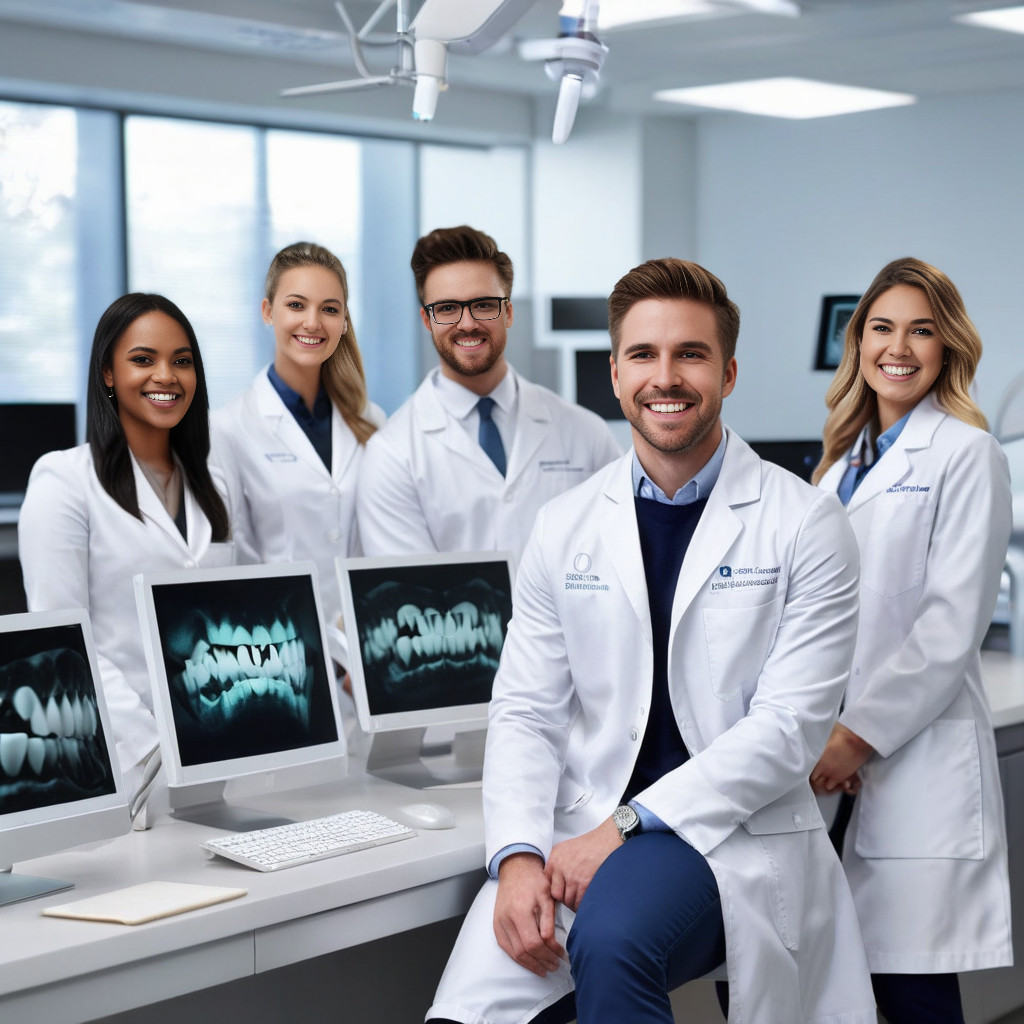




 The Rise of AI in Dental Marketing
 Benefits of Using AI in Dental Marketing

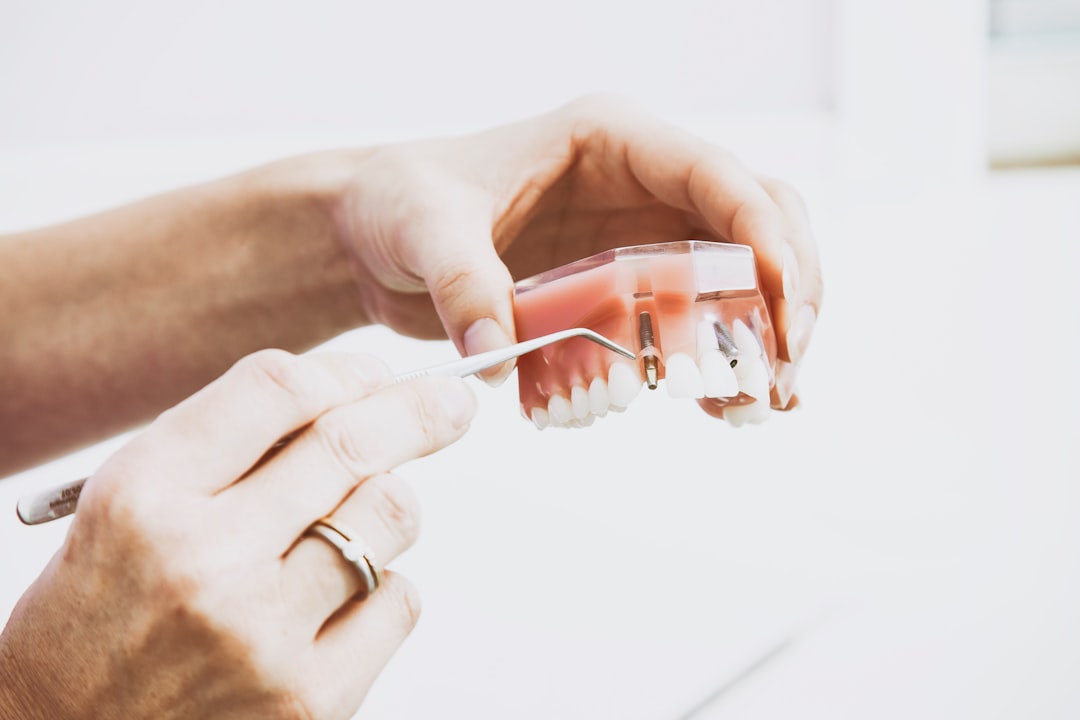 Benefits of Personalized Marketing in Dental Offices
 AI-Powered Marketing Strategies for Dental Offices

 The Impact of AI on Dental Marketing
 AI in Content Creation for Dental Marketing
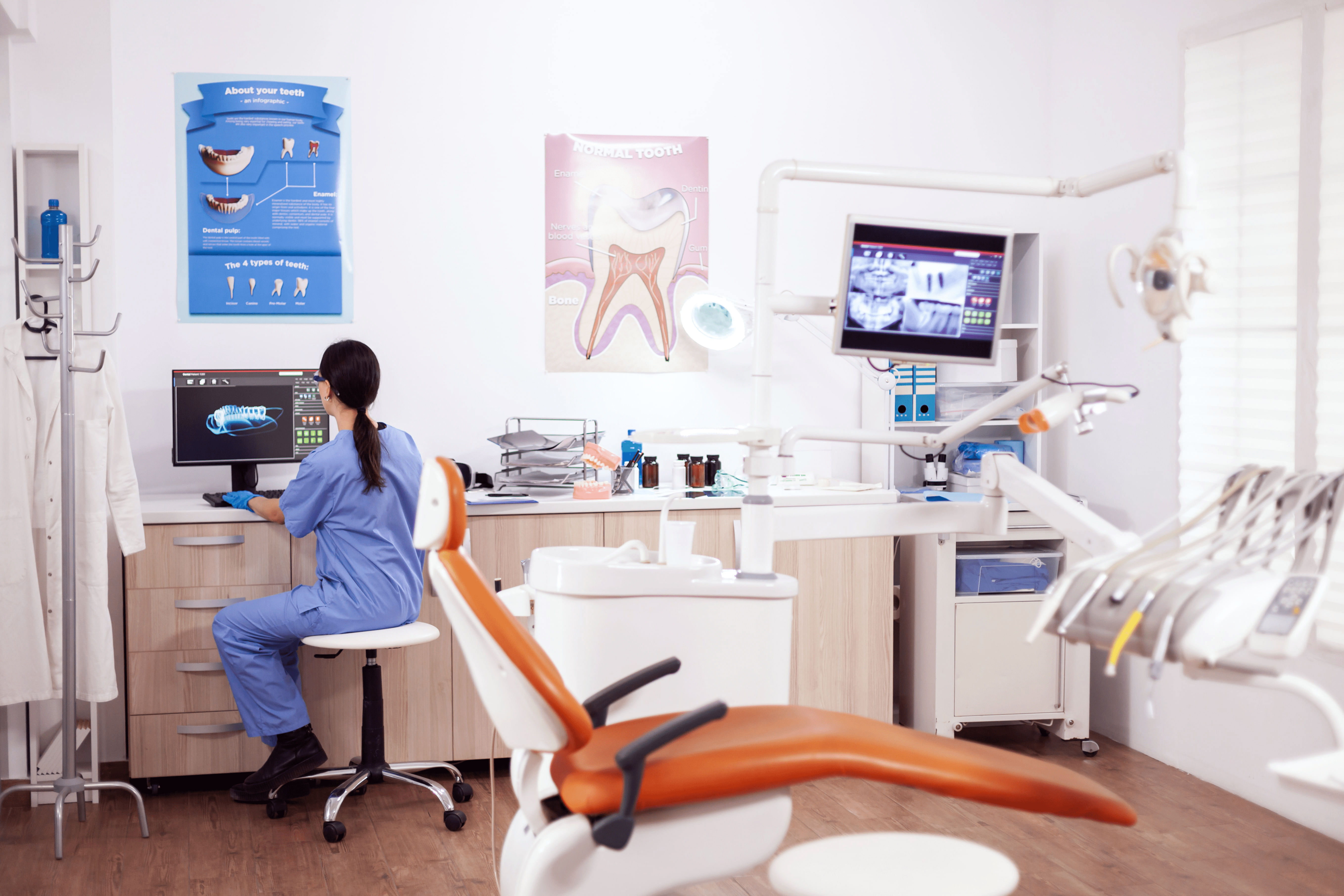
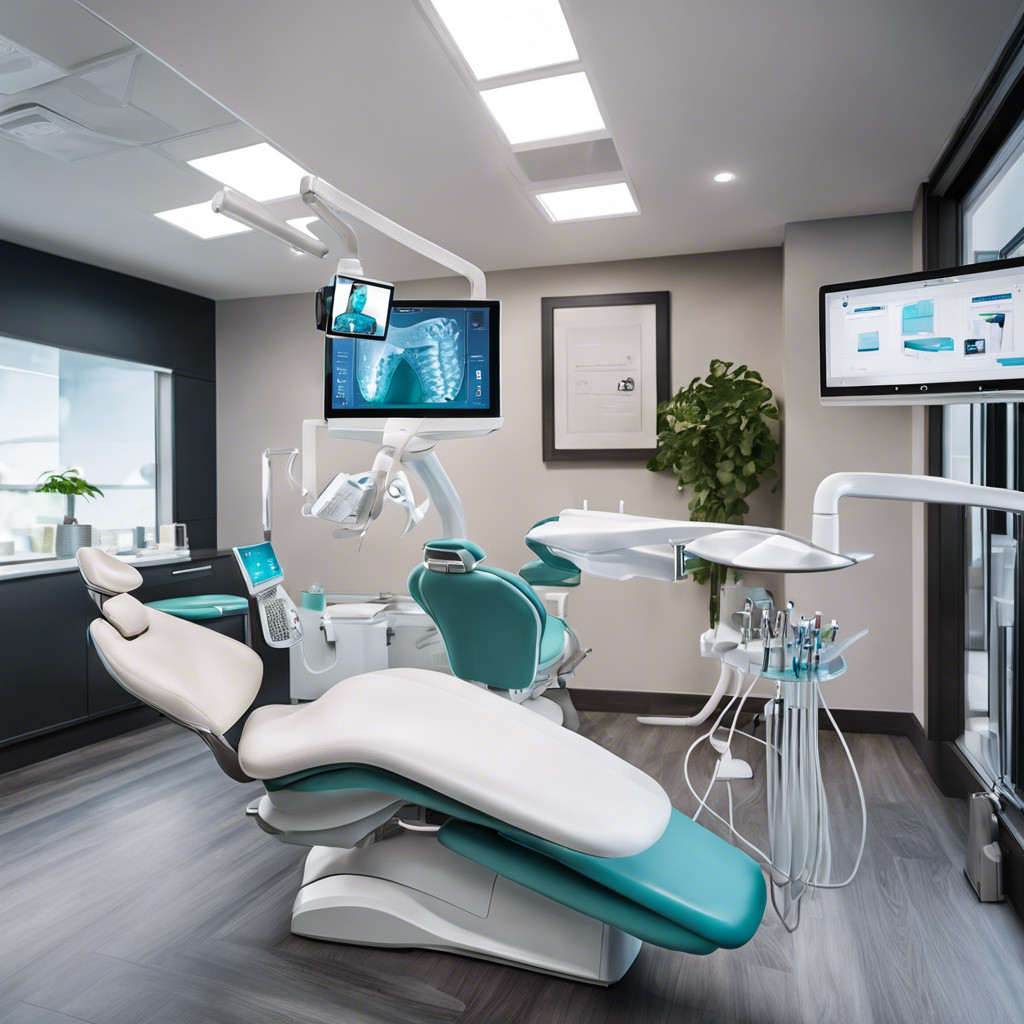
 The Role of AI in Various Dental ProceduresThe application of Artificial Intelligence (AI) has revolutionized various dental procedures, making them more precise and efficient. In fields such as orthodontics, periodontics, endodontics, and even restorative or prosthetic dentistry, AI has been integrated to enhance the accuracy of diagnoses and to streamline treatment planning [2,3]. One of the notable breakthroughs is the use of AI in identifying and classifying oral and oropharyngeal cancers. With its high accuracy and specificity, AI has proven to be an invaluable tool in early detection and timely intervention of these cancers.In addition to cancer detection, AI has shown remarkable capability in the classification of 3D images of the mandibular condyle, effectively categorizing them into different stages of structural degenerative changes. This has significantly improved the understanding and management of conditions like temporomandibular joint disorders. However, it’s worth noting that AI is not without its limitations in dentistry. One of the primary challenges is linked to the size and quality of available data sets. To overcome this, researchers are tirelessly working on expanding these datasets to increase the accuracy and reliability of AI applications.Despite these hurdles, AI continues to serve as an intelligent assistant in diagnostic and therapeutic care. By providing rapid and reliable data, it helps in making informed clinical decisions, thereby elevating the standard of patient care in dentistry.Future Trends and Advancements in AI-Enabled Dental ToolsArtificial Intelligence (AI) continues to revolutionize various sectors, and dentistry is no exception. Over the next few years, it is anticipated that the
  Conclusion: The Impact of AI on the Future of DentistryThe inclusion of artificial intelligence in dentistry is a significant leap forward in the field, with the potential to revolutionize the way dental professionals operate. The consensus among experts is that AI is the future of dentistry. However, it’s also clear that a comprehensive understanding of the technology and the challenges it brings is essential for its successful implementation.One of the areas where AI is making its mark is digital marketing. The technology enables a data-driven approach to decision making, allowing dental practices to tailor their marketing efforts to their target audience’s specific needs. AI can also power chatbots and virtual assistants, automating tasks, enhancing customer service, and freeing up time for dental professionals to focus on patient care. Moreover, the advent of AI has made


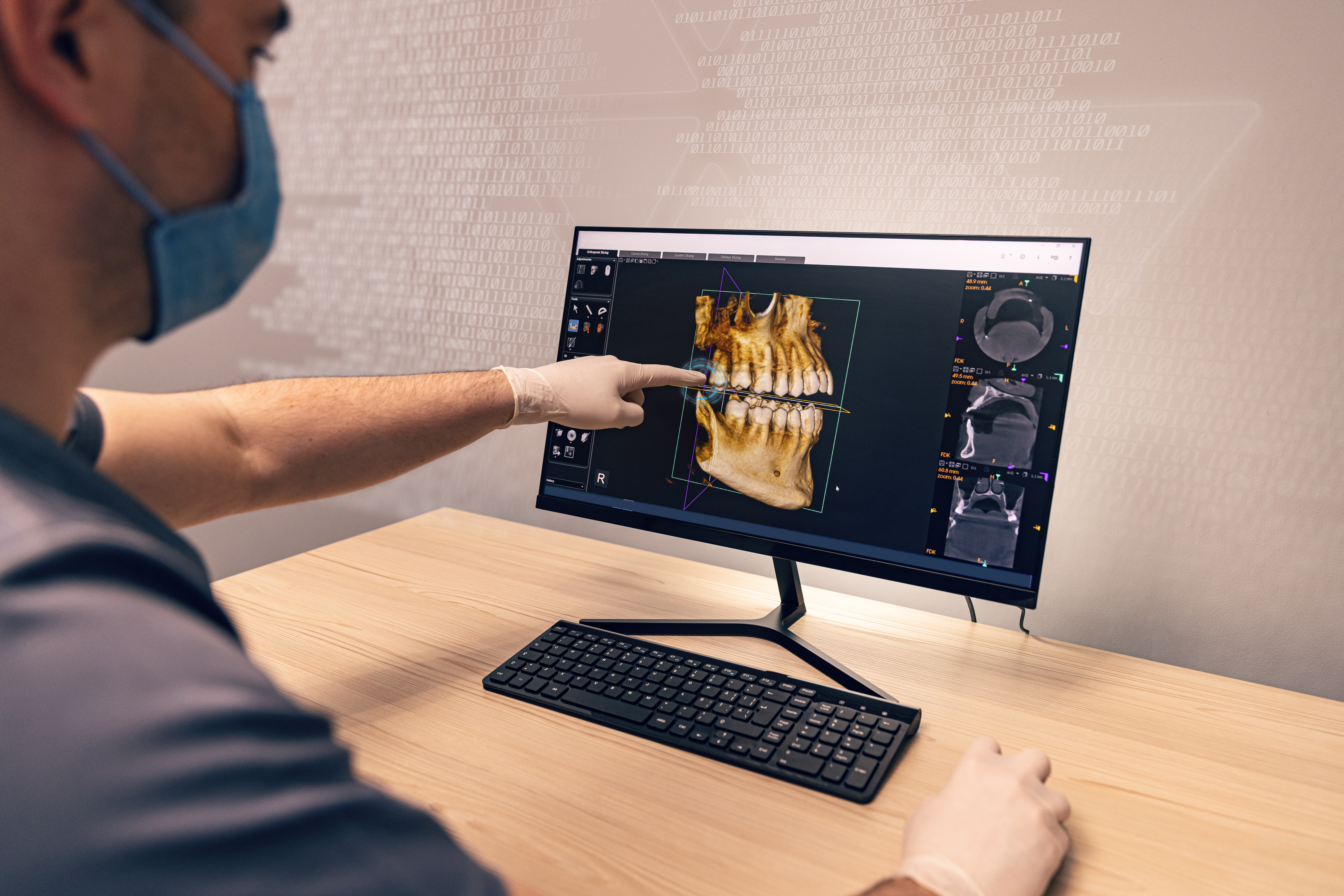
 CTScan in Dental Diagnosis
 Dental Cone Beam CT Technology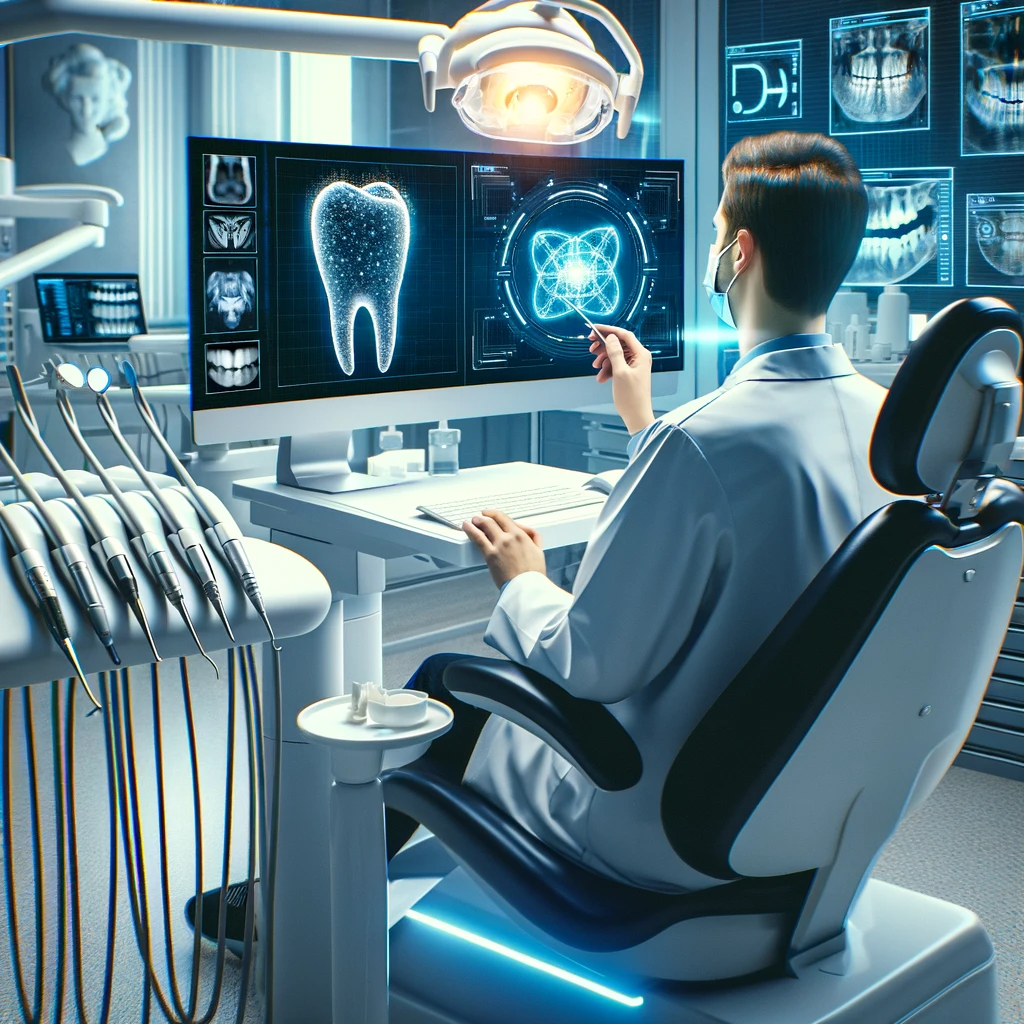
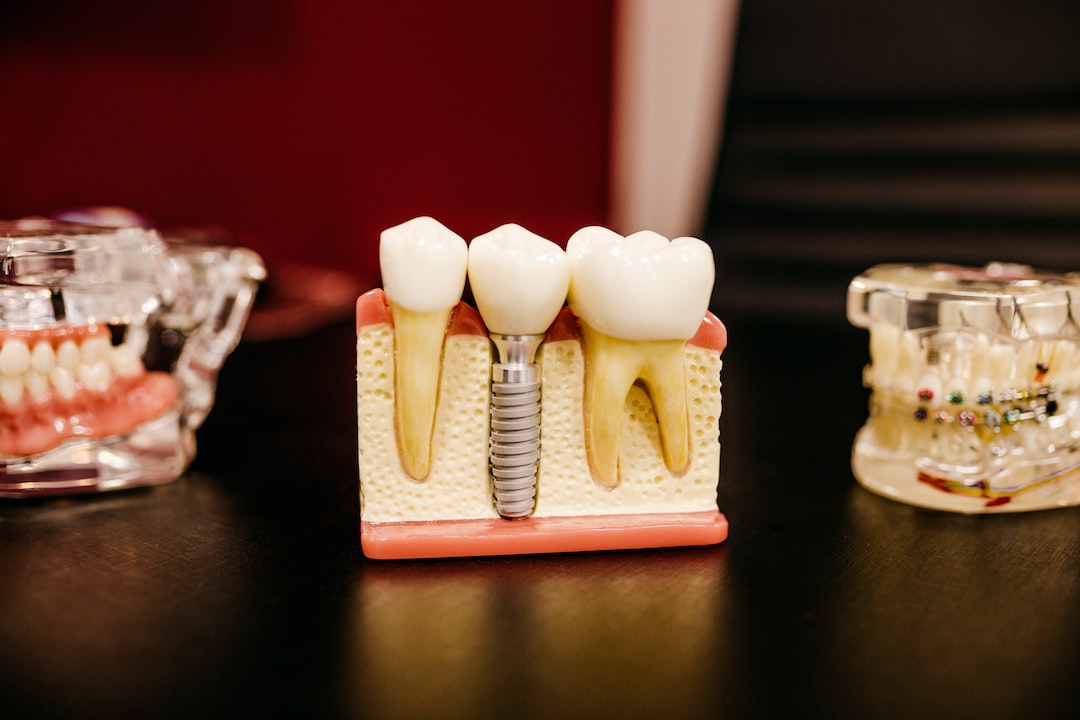
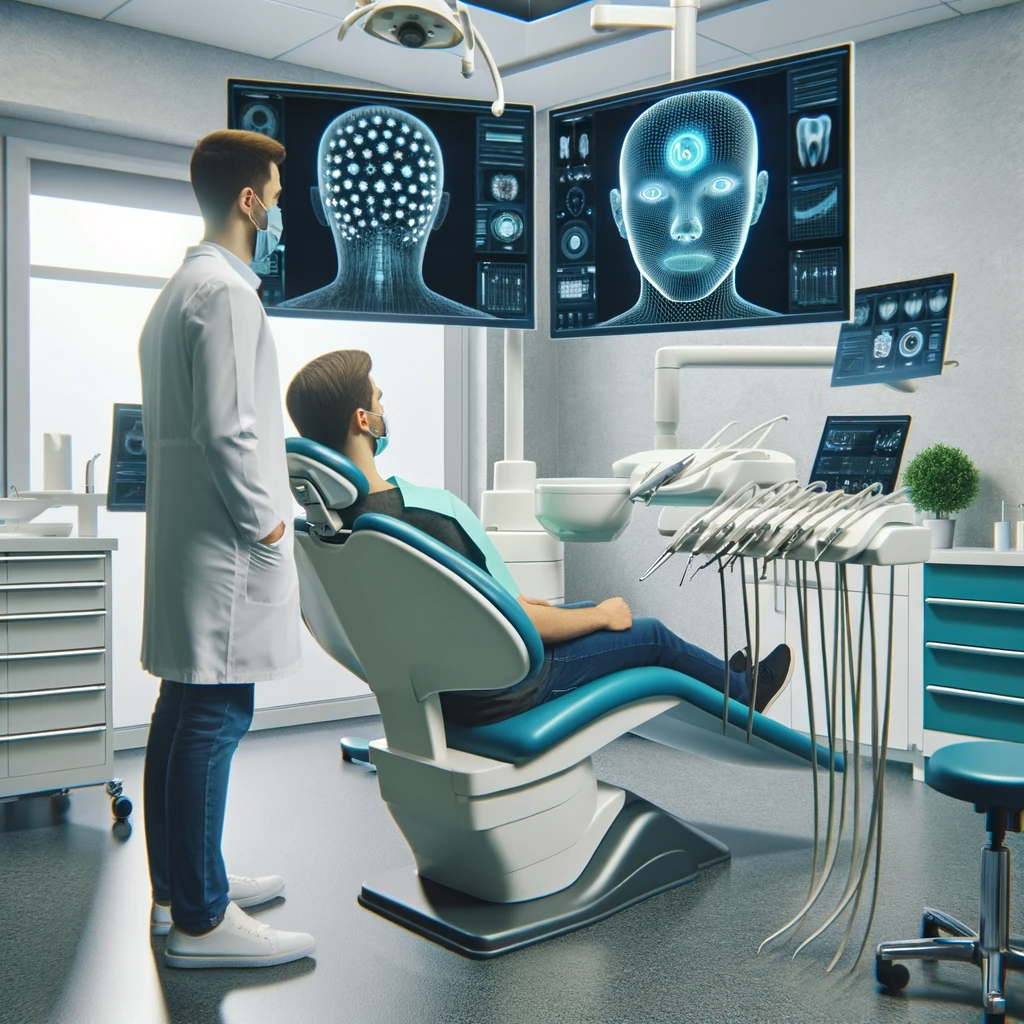




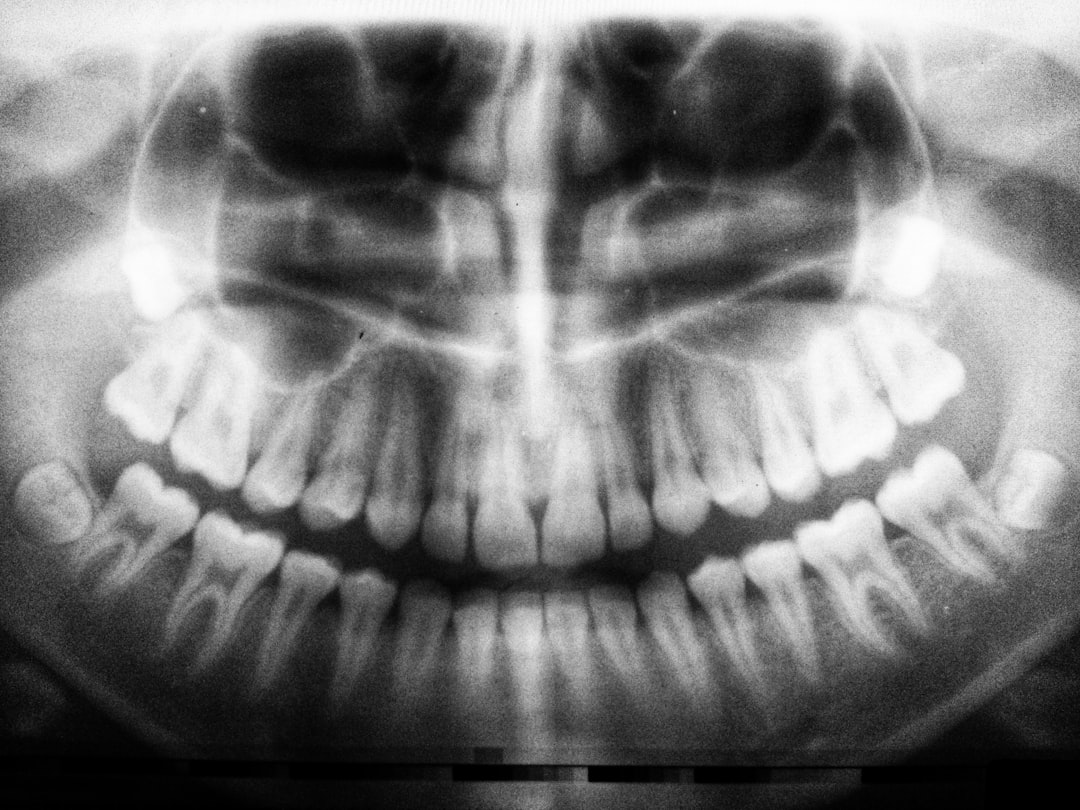 Benefits of Wearable Devices for Dental Monitoring
 Challenges and Future Prospects