This article discusses the significance of work-life balance for young dentists, the impact of poor work-life balance on their well-being, leveraging support networks to achieve balance, building and sustaining effective support networks, inspiring success stories, and encourages readers to explore Cary Ganz Consultings resources for further guidance in their dental careers.
The Significance of Work-Life Balance for Young Dentists
Work-life balance is a critical aspect for young dentists, impacting their overall mental and physical well-being. As new entrants to the professional world, young dentists face numerous challenges, including managing stress, building a patient base, and navigating professional growth. These tasks can be overwhelming, emphasizing the need for a balanced approach to work and life.
Cary Ganz Consulting, a seasoned guide in the dental profession, understands these challenges and offers its services to support young dentists. With over 50 years of experience, they provide guidance and mentorship to help young professionals achieve a healthy work-life balance, providing them with the tools needed to succeed in their careers.
The Impact of Poor Work-Life Balance on Dentists
Poor work-life balance can have serious negative effects on dentists, particularly on mental health. Stress, anxiety, and depression are common issues that dentists face when work-life balance is not achieved. These mental health challenges can impede their ability to provide quality care to patients and can even impact their personal lives.
The dental profession has become more aware of mental health and wellness issues, making it more important than ever to address work-life balance. This increased awareness prompts a call to action for institutions and individuals alike to focus on maintaining a healthy balance between professional and personal life.
Leveraging Support Networks for Work-Life Balance
Support networks play a vital role in promoting work-life balance for young dentists. These networks provide guidance, mentorship, and stress management assistance, helping young dentists navigate the challenging landscape of their profession. By leaning on these networks, dentists can effectively manage their professional responsibilities without sacrificing their personal lives.
Cary Ganz Consulting is a valuable resource in this regard, offering access to their extensive resource library and providing guidance and mentorship through phone or Zoom calls. By leveraging these resources, young dentists can overcome challenges and maintain a healthy work-life balance.
Building and Sustaining Effective Support Networks
For young dentists, creating and maintaining support networks is critical to achieving success in their careers. Effective communication and collaboration are key elements of these networks. Through regular interaction and exchange of ideas, dentists can benefit from shared experiences and collective knowledge.
Cary Ganz Consulting’s resources, such as their eBook library, offer a platform for fostering and sustaining a support network. By accessing these resources, young dentists can gain insights and advice from seasoned professionals, helping them navigate their careers while maintaining a balanced lifestyle.
Inspiring Work-Life Balance Success Stories
There are many success stories of dentists who have achieved work-life balance through support networks. These stories serve as real-life examples of the effectiveness of support networks in promoting mental well-being and career success. Strategies for improving mental well-being include seeking professional help, exercising, evaluating sleep habits, and practicing self-care.
Young dentists are encouraged to explore Cary Ganz Consulting’s website for further resources and support. The shared success stories and the wealth of resources available can inspire young professionals to seek help and strive for a balanced life.
Conclusion and Call to Action
The role of work-life balance and support networks in the professional lives of young dentists is undeniable. As young professionals navigate the challenging landscape of dentistry, support networks serve as a guiding light, helping them manage stress, develop professionally, and maintain a healthy work-life balance. Cary Ganz Consulting’s resources and services provide comprehensive guidance for these young professionals. For anyone seeking assistance in their dental career, exploring the services and resources offered by Cary Ganz Consulting at https://www.caryganzconsulting.com/ can be a significant step towards achieving work-life balance and career success.
This article provides tips and strategies for new dentists navigating the transition from dental school to an associate position, including planning ahead, finding job opportunities, interviewing and negotiating job offers, balancing clinical skills with business acumen, building relationships with colleagues and patients, financial planning, and continued education.
Importance of Planning Ahead for the Transition
As new dentists transition from dental school to an associate position, they encounter various challenges such as limited business knowledge, building a patient base, managing stress, and staying abreast of industry trends. Effective strategic planning and preparation are crucial for a successful transition. New dentists should prioritize time management and stress reduction techniques to navigate this period seamlessly.
One example of a challenge faced by new dentists is the need to build a patient base. This requires a strategic approach, including leveraging networking opportunities and utilizing resources to attract and retain patients. Additionally, embracing mentorship and guidance from experienced professionals, such as through Cary Ganz Consulting, can provide valuable insights and support during this transitional phase.
Navigating the Dental Job Market
Finding dental associate positions after graduating from dental school requires specific strategies and resources. New dentists can utilize job search platforms tailored to the dental industry and actively engage in networking opportunities to discover suitable positions. Overcoming common challenges in the dental job market, such as fierce competition and limited job availability, demands perseverance and a proactive approach.
For instance, networking with established dental professionals and attending industry events can open doors to potential associate positions. Utilizing industry-specific job search platforms can also provide access to a diverse range of opportunities, enhancing the likelihood of securing a desirable position in a competitive market.
Interviewing and Negotiating Job Offers
Navigating the interview process and negotiating job offers in the dental industry necessitates careful consideration of various factors. New dentists should be well-versed in the components of a proper associate agreement and strive to maintain a positive reputation during negotiations. Employing effective negotiation techniques can lead to securing favorable terms and conditions for an associate position.
An example to illustrate this is the importance of understanding the key components of an associate agreement, including compensation, responsibilities, and potential for growth within the practice. By demonstrating professionalism and a thorough understanding of these elements during negotiations, new dentists can position themselves for a successful transition to an associate position.
Balancing Clinical Skills with Business Acumen
Balancing clinical proficiency with a solid understanding of dental practice management is essential for new dentists in associate positions. Seeking guidance from dental consultants, such as Cary Ganz Consulting, can aid in developing business acumen and effective time management within a dental practice. Delegating tasks efficiently and honing time management skills are pivotal in achieving this balance.
For instance, new dentists can benefit from mentorship and guidance provided by experienced consultants, enabling them to streamline administrative tasks and focus on delivering exceptional patient care. By embracing effective delegation and time management strategies, new dentists can enhance their clinical skills while developing essential business acumen.
Building Relationships with Colleagues and Patients
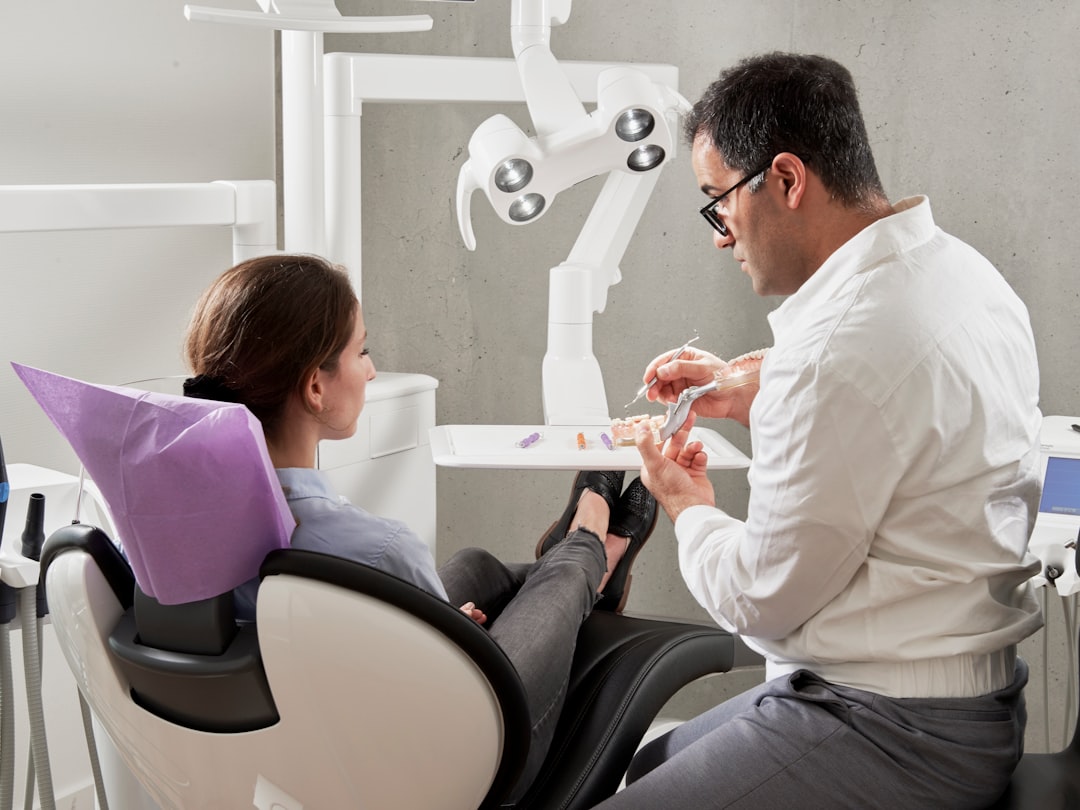
Establishing and nurturing strong relationships with colleagues and patients is a cornerstone of success in a dental associate position. Creating a positive office environment and actively networking with other dentists can significantly impact career development. Continuous improvement in patient care and professional relationships is imperative for sustained success.
An example to highlight this is the significance of fostering a positive office culture, which can contribute to a supportive and collaborative work environment. Furthermore, incorporating feedback and striving for continuous improvement in patient care can foster strong relationships with patients and colleagues, laying a solid foundation for professional growth.
Financial Planning and Continued Education
Understanding the financial considerations for new dentists, including student loans, living expenses, and tax implications, is vital during the transition to an associate position. Seeking financial guidance and emphasizing continued education and skill development are essential for long-term career growth.
An example is the importance of accessing continued education opportunities, such as free CE resources, to expand clinical knowledge and remain updated on industry advancements. Additionally, availing financial planning services can provide new dentists with valuable insights into managing their financial obligations effectively, ensuring a stable transition to an associate position.
Conclusion and Call to Action
As new dentists navigate the transition from dental school to an associate position, meticulous planning and proactive strategies are paramount for a successful integration into the professional landscape. Embracing guidance and support from industry experts, such as Cary Ganz Consulting, can provide invaluable assistance in overcoming challenges and achieving career milestones. Encouraging readers to explore the comprehensive dental consulting services and resources offered by Cary Ganz Consulting can further empower new dentists in their journey towards a rewarding and fulfilling career in dentistry.
Revolutionizing the dental patient experience, this article explores the benefits of virtual reality in dentistry, including enhancing patient education, reducing anxiety, and improving patient compliance with treatment plans.
Virtual reality (VR) has been steadily making its way into various sectors, including dentistry. This technology is changing the way dental procedures are performed, enhancing patient education and experience, and improving operational efficiency in dental practices.
Cary Ganz Consulting, a resource for dentists looking to optimize their practices, aligns with these advancements in VR technology. They understand the importance of staying abreast of industry trends and offer guidance on AI technologies and pain management innovations, among other areas.
Benefits of Virtual Reality in Dental Procedures
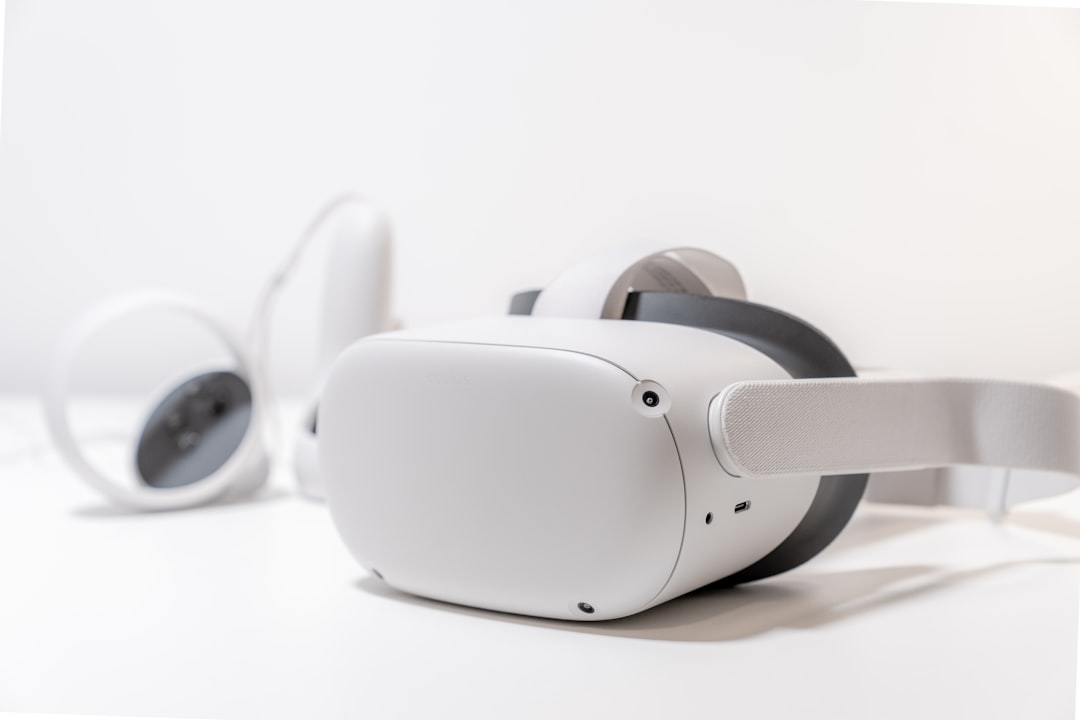
The applications of VR in dentistry are numerous and impactful. One of the primary benefits is enhancing patient education. VR provides a platform for more meaningful information exchange, helping patients understand their dental conditions and treatments more effectively. For instance, a VR simulation can visually demonstrate how a cavity forms or how a root canal procedure is performed, enabling patients to better grasp these concepts compared to traditional explanations.
In addition, VR technology can also be used to diagnose equipment repairs remotely, improving operational efficiency in dental practices. This means, for example, if a dental chair malfunctions, a technician can be virtually guided through the repair process without physically being present, saving time and money.
Enhancing Patient Experience through Virtual Reality
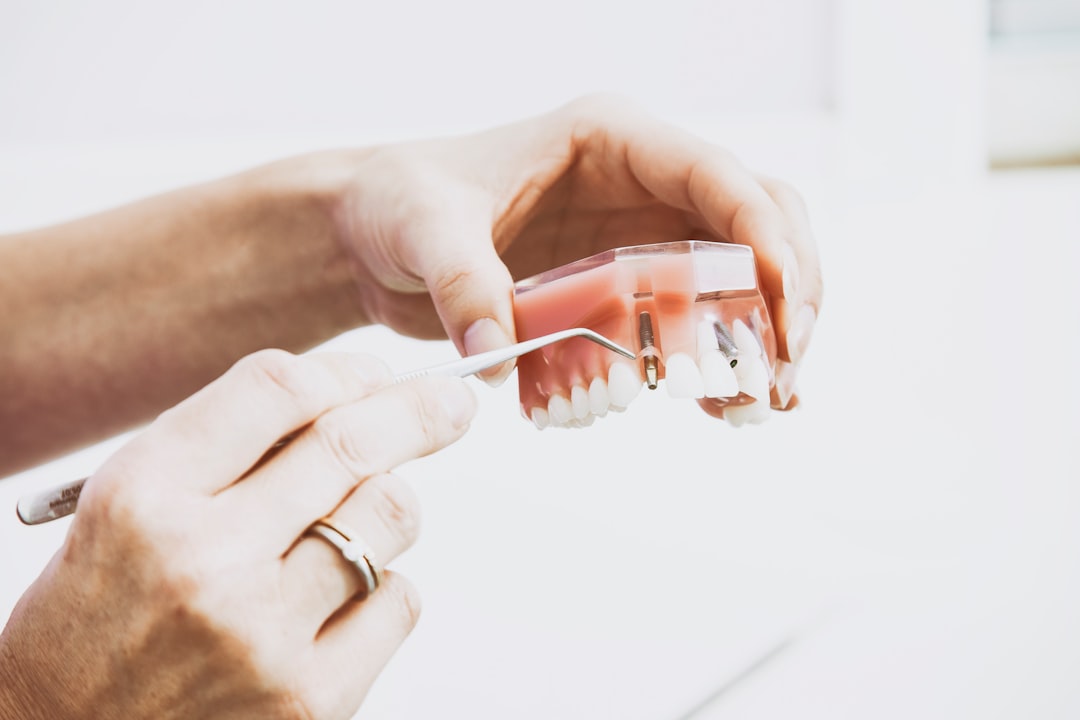
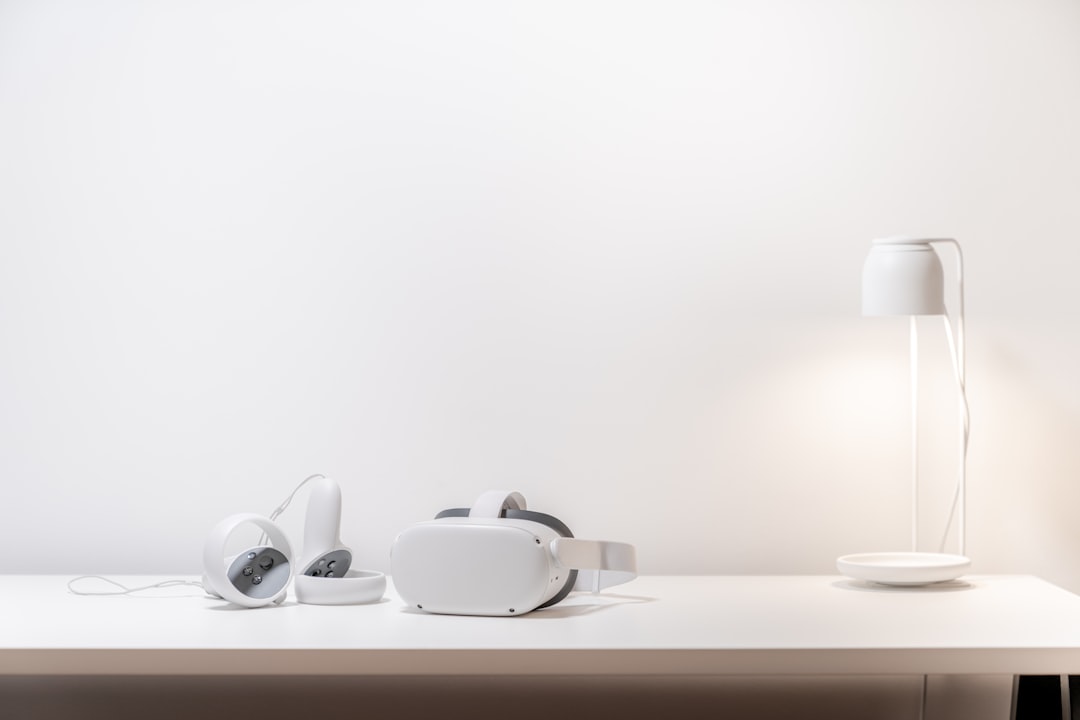
VR is not just a tool for dentists; it is a means of enhancing the patient experience. It can simulate ideal office designs and demystify dental procedures, helping patients understand their treatments better and reducing anxiety.
Moreover, VR in dentistry has been found to be a crucial factor for patient retention and acquisition. Its ability to enhance patient education builds trust and confidence between dentists and patients, leading to better patient satisfaction and loyalty.
Reducing Anxiety with Virtual Reality
A significant portion of the population experiences dental anxiety or phobia, which can lead to avoidance of dental appointments. However, VR technology, particularly Virtual Reality Exposure Therapy (VRET), has been shown to significantly reduce anxiety scores in patients with dental phobia.
OperaVR, developed by Bryan Laskin, provides a drug-free sedation experience that takes patients to different calming environments, reducing the need for nitrous oxide and increasing procedural efficiency. This aligns with Cary Ganz Consulting’s focus on pain management innovations in dentistry.
The Future of Virtual Reality in Dentistry
The future of VR in dentistry looks promising. Augmented and virtual reality is expected to grow significantly, transforming dental practices and improving patient experience and engagement. Cary Ganz Consulting, with its commitment to guiding dentists on industry trends, is a valuable resource for navigating this future.
Conclusion
Virtual reality has the potential to transform the dental patient experience, reduce anxiety, and improve patient compliance with treatment plans. Dentists are encouraged to explore VR technology to enhance their practice and improve patient outcomes. For guidance on adopting VR technology in dental practice and navigating other industry trends, readers are invited to explore Cary Ganz Consulting’s services.
This article explores the integration of virtual reality and augmented reality in dental curriculum, highlighting the benefits of VR in dental education, the applications of AR in dental training, and the potential for enhancing practical skills and improving patient communication and treatment planning.
Introduction
The integration of virtual reality (VR) and augmented reality (AR) in dental curriculum presents an innovative approach to dental education, with the potential to significantly impact traditional teaching methods. Cary Ganz Consulting plays a pivotal role in supporting dental professionals with their innovative services and vision for leadership in the industry [1].
The use of VR and AR in dental education offers several benefits, making it a compelling addition to the traditional teaching methods. One of the key advantages is the ability to provide self-paced learning, allowing students to progress at their own speed and revisit challenging concepts as needed. Additionally, VR and AR systems provide instant feedback, enabling students to correct errors in real-time, which enhances the learning process and reinforces positive behaviors.
Furthermore, the practical applications of VR in dental education extend to enhancing dental training and surgical procedures. For instance, VR aids in motor skill acquisition, providing students with a realistic and immersive learning experience that is crucial for developing the intricate manual dexterity required in dentistry. These advancements have the potential to revolutionize the way dental education is delivered, offering students a more engaging and effective learning experience.
Benefits of Virtual Reality in Dental Education
The benefits of incorporating virtual reality (VR) into dental education are multifaceted and impactful. One of the key advantages is the ability to facilitate self-paced learning, allowing students to progress at their own speed, which can lead to a more comprehensive understanding of the material and practical skills. Moreover, VR provides an environment where students can receive instant feedback on their performance, enabling them to make necessary adjustments and improvements in real-time, ultimately enhancing the learning process.
Furthermore, the practical applications of VR in dental education go beyond conventional teaching methods. VR technology has been instrumental in enhancing dental training and surgical procedures. For instance, it has been utilized to aid in motor skill acquisition, particularly in tasks like cavity preparations and endodontic procedures, providing a realistic and immersive learning experience for students. By simulating real-life scenarios, VR not only enriches the educational experience but also contributes to the development of essential skills required for competent dental practice.
In addition to these benefits, VR has the potential to revolutionize the way dental education is approached, offering an innovative and effective tool for students to develop their clinical skills and knowledge. As the field of dentistry continues to evolve, the integration of VR technology into dental curricula can play a pivotal role in shaping the future of dental education and training.
Applications of Augmented Reality in Dental Training
Augmented reality (AR) has a significant impact on dental training by adding computer-generated output to a person’s view, thereby enhancing various aspects of the educational process. One of the key applications of AR in dental training is its ability to improve surgical accuracy, manual dexterity, and patient care. For instance, AR technology can provide visual guidance to dental students and professionals during surgical procedures, thereby enhancing precision and reducing the margin of error. This practical application of AR not only benefits the skill development of the practitioners but also contributes to improved patient outcomes and satisfaction.
Moreover, AR has been remarkably successful in reducing dental anxiety in pediatric patients. By creating an immersive and engaging learning environment, AR helps alleviate the fear and apprehension often experienced by young dental patients. This reduction in anxiety not only has a positive impact on the overall patient experience but also contributes to a more conducive training environment for dental students, allowing them to develop the skills necessary for compassionate and effective pediatric dental care.
The successful reduction of dental anxiety in pediatric patients highlights the potential of AR in creating a more comfortable and effective training environment, ultimately leading to better patient care and outcomes. As the field of dental education continues to evolve, the integration of AR is poised to play a pivotal role in shaping the future of dental training and clinical practice.
Enhancing Practical Skills through Virtual and Augmented Reality
The integration of virtual reality (VR) and augmented reality (AR) has revolutionized the enhancement of practical skills in dental education. VR and AR have become indispensable tools not only in improving practical skills but also in facilitating motor skill acquisition and enhancing navigation systems within the dental curriculum, [4]. For instance, dental students can now practice cavity preparations and endodontic procedures in a realistic and immersive environment, providing them with valuable hands-on experience in a risk-free setting. This self-paced learning approach allows students to practice repeatedly until they perfect their skills, which is a significant benefit of VR in dental education.
Moreover, VR and AR have been instrumental in boosting the confidence and knowledge of dental students, particularly in operative dentistry residency training. By simulating real-life scenarios, these technologies enable students to gain practical experience and develop the necessary skills to handle complex dental procedures with precision and confidence. For example, the use of VR and AR in operative dentistry residency training allows students to practice dental implant placement and restorative dentistry techniques with haptic feedback, creating a realistic environment for dental operations. This practical exposure significantly contributes to preparing students for the challenges they will encounter in their professional careers. Therefore, the integration of VR and AR in dental education has substantially enhanced the practical skills and competence of future dental professionals.
Improving Patient Communication and Treatment Planning with VR and AR
The integration of VR and AR in dental education holds significant potential for improving patient communication and treatment planning. By leveraging haptic feedback, AR/VR technology creates a realistic environment for dental operations, enhancing the overall patient experience. For example, dental students can use these technologies to simulate patient consultations, allowing them to practice explaining treatment procedures and outcomes to virtual patients. This not only improves their communication skills but also helps them understand the importance of clear and effective patient communication in real-world scenarios.
Moreover, the application of VR and AR in dentistry extends beyond the educational setting. These technologies can be utilized by practicing dentists to virtually plan complex treatments and surgeries, providing a visual representation of the procedures to patients. Patients can then have a better understanding of their treatment options, leading to improved informed consent and a higher level of trust in their dental care providers. As a result, integrating VR and AR in dental curriculum not only enhances the educational experience but also has the potential to positively impact patient care and satisfaction in clinical practice.
In conclusion, the integration of VR and AR in dental education has the potential to revolutionize patient communication and treatment planning in dentistry, leading to improved educational outcomes and enhanced patient experiences. For further guidance and support on incorporating these innovative technologies into dental education and practice, readers are encouraged to explore Cary Ganz Consulting’s dental consulting services and online resources at Cary Ganz Consulting.
Future Implications and Considerations
The future implications of integrating virtual reality (VR) and augmented reality (AR) in dental education are significant, offering a wide range of possibilities for enhancing the learning experience of dental students. As VR and AR technologies continue to advance, they have the potential to revolutionize the way dental education is delivered, providing immersive and interactive learning opportunities for students. For example, VR and AR can be utilized to simulate complex dental procedures, allowing students to practice in a risk-free environment before working on actual patients. This not only enhances practical skills but also boosts the confidence and knowledge of dental students in operative dentistry residency training, [4].
Furthermore, the consideration of addressing the limitations and concerns surrounding the widespread implementation of VR and AR in dentistry is paramount. While the benefits of these technologies are evident, challenges such as high costs, lack of standardization, and technical issues need to be carefully navigated. It is imperative to conduct further research and development to establish scientifically proven AR/VR gadgets tailored specifically for dental practice, [3]. This emphasizes the need for ongoing innovation and evaluation to ensure the effective integration of VR and AR in dental curriculum. To explore how to navigate these considerations and leverage the potential of VR and AR in dental education, dental professionals can seek guidance and support from Cary Ganz Consulting, a leading dental consulting firm dedicated to providing innovative services and resources for the advancement of dental education. For more details, visit the Cary Ganz Consulting website at https://www.caryganzconsulting.com/.
Conclusion
In conclusion, the use of virtual reality (VR) and augmented reality (AR) in dental education presents a myriad of benefits that have the potential to revolutionize traditional teaching methods. The application of VR in dental education offers self-paced learning and instant feedback, allowing students to learn at their own speed and receive real-time evaluations of their performance. For example, VR can be used to simulate dental procedures, such as cavity preparations and endodontic treatments, providing students with a realistic and immersive learning experience. The integration of AR in dental training has shown promise in improving surgical accuracy, manual dexterity, and patient care, particularly in reducing dental anxiety in pediatric patients. An example of this is the use of AR to create a computer-generated overlay of a patient’s oral anatomy, allowing dental students to practice procedures in a controlled and interactive environment.
Furthermore, the combination of VR and AR has been instrumental in enhancing practical skills, motor skill acquisition, and navigation systems in dentistry, [4]. For instance, VR and AR have been utilized in operative dentistry residency training to improve students’ confidence and knowledge, providing them with hands-on experience in a simulated environment, [4]. The potential clinical implications of VR and AR in dentistry, including the benefits of haptic feedback for creating a realistic environment for dental operations, demonstrate the far-reaching impact of these technologies on patient communication and treatment planning. As the field of dentistry continues to embrace technological advancements, the future applications of VR and AR in dental education hold great promise for expanding the scope of learning and training methods.
Readers are encouraged to explore Cary Ganz Consulting’s dental consulting services and online resources for comprehensive guidance and support in navigating the integration of VR and AR in dental education. Visit Cary Ganz Consulting for more details and to access valuable resources that can enhance the understanding and implementation of these cutting-edge technologies.
This article explores the future potential of virtual reality and augmented reality in dentistry, including their use in dental education and training, applications in various specialties of dentistry, challenges and limitations, and their role in patient education and treatment simulation.
The Use of VR and AR in Dental Education and Training
The use of virtual reality (VR) and augmented reality (AR) in dental education and training has significantly transformed the learning experience for dental students and practitioners. These innovative systems provide a realistic and immersive environment that allows users to engage in hands-on learning experiences, enhancing their motor skill acquisition, and providing a platform for self-paced learning. For instance, VR and AR systems have been utilized for cavity preparations and endodontic procedures, allowing students to practice these skills in a simulated environment, thereby reducing the need for constant supervision.
Furthermore, the implementation of VR and AR in dental education has opened up opportunities for continuous research and development to assess the effectiveness of these technologies. Randomized control trials are being conducted to evaluate the impact of VR and AR on dental education, with a focus on understanding their potential to enhance operative skills, surgical procedures, and patient care. These trials aim to provide empirical evidence of the benefits of VR and AR in dental education, paving the way for their widespread integration into dental curriculums and professional development programs.
For those interested in harnessing the benefits of VR and AR in dental education and training, exploring the services and resources offered by Cary Ganz Consulting can provide valuable insights and guidance. Their commitment to innovation and exceptional services makes them a leading resource for incorporating VR and AR technologies into dental education and training. Visit their website at Cary Ganz Consulting to learn more about the groundbreaking opportunities these technologies offer in the field of dentistry.
The Use of VR and AR in Dental Education and Training
Virtual reality (VR) and augmented reality (AR) systems are revolutionizing dental education and training by providing a highly realistic and immersive learning experience. These cutting-edge technologies have been incorporated into dental education to enhance motor skill acquisition, allowing students to learn at their own pace and reducing the need for continuous supervision.
For instance, in undergraduate dental education, VR and AR systems have been used to simulate dental procedures such as cavity preparations and endodontic treatments, providing students with instant feedback and a controlled environment to develop their clinical skills. Additionally, these systems have been instrumental in improving the understanding of complex dental concepts, especially in operative skills, surgical procedures, and patient care. As a result, the integration of VR and AR in dental education has the potential to significantly enhance the learning experience for aspiring dental professionals.
To further validate the efficacy of VR and AR in dental education, ongoing research and randomized control trials are essential to comprehensively evaluate their impact on skill acquisition, knowledge retention, and clinical performance. By gathering empirical evidence, the dental education community can make informed decisions about the integration of VR and AR systems to optimize the training of future dental practitioners.
For more insights on the future potential and effective implementation of VR and AR in dentistry, visit Cary Ganz Consulting to explore valuable resources and guidance for dental professionals.
Applications of VR and AR in Dentistry
The potential applications of VR and AR in dentistry are vast and diverse, with promising opportunities for both patient care and professional practice. For instance, these technologies have demonstrated success in reducing dental anxiety in pediatric patients and enhancing surgical accuracy, duration, and manual dexterity of dental surgeons, thereby improving overall patient outcomes [3]. By providing a more immersive and realistic experience, VR and AR systems have been particularly beneficial in operative dentistry residency training, significantly improving students’ confidence and knowledge in various dental procedures. This not only enhances the quality of education and training but also contributes to the continuous development of skilled dental practitioners.
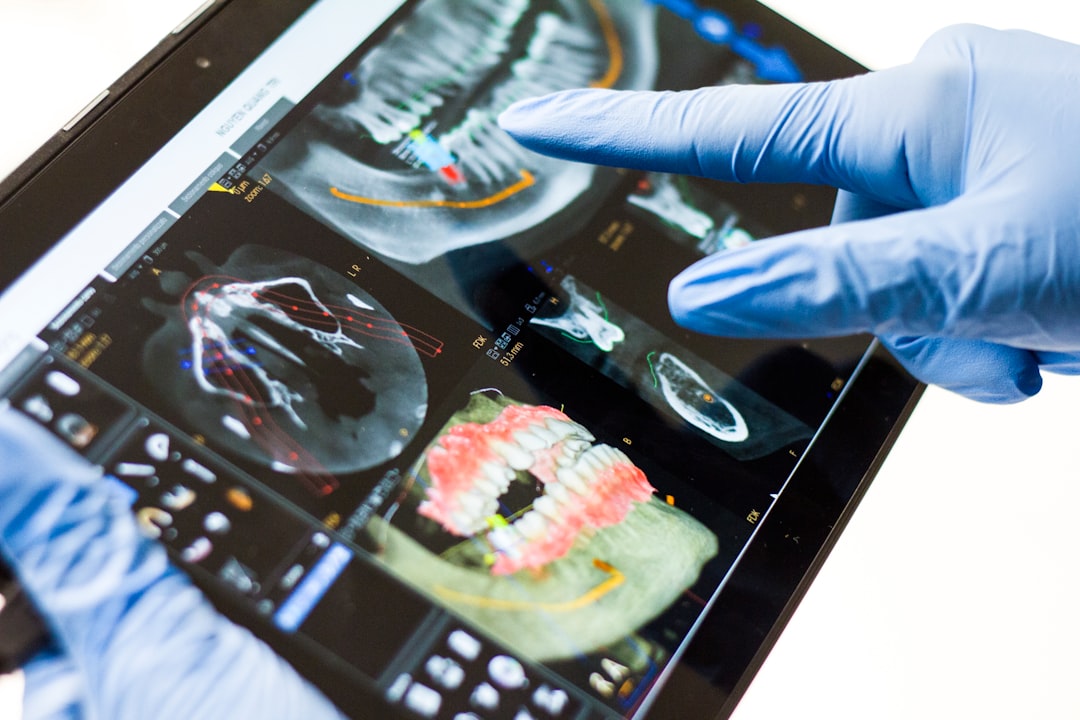
Moreover, these advanced technologies have found utility in various specialties of dentistry such as oral surgery, orthodontics, and dental implantology, where they have been instrumental in improving treatment planning and outcomes. For instance, in the field of dental implantology, VR and AR have played a critical role in the placement of dental implants, endodontic treatments, and restorative dentistry, enabling practitioners to achieve greater precision and success in complex procedures. Looking to the future, the potential for VR and AR in dentistry is extensive, with the capacity to revolutionize pre-surgical planning by allowing dentists to examine dentures in advance and superimpose findings or X-ray images during dental surgeries, ultimately leading to more accurate and efficient treatment processes.
To explore the full spectrum of opportunities and benefits presented by VR and AR in dentistry, it is essential for dental professionals to stay informed and updated on the latest advancements in these technologies. By embracing innovative solutions and integrating VR and AR into their practices, dental professionals can significantly elevate the standard of care, patient experience, and overall efficiency in delivering dental services. For comprehensive guidance on leveraging VR and AR technologies in dentistry, dental practitioners can turn to the expertise and support offered by Cary Ganz Consulting, a leading dental consulting firm dedicated to empowering dental professionals with cutting-edge knowledge and resources. To learn more about how VR and AR can transform the landscape of dentistry, visit the Cary Ganz Consulting website at https://www.caryganzconsulting.com/ and discover the wealth of opportunities awaiting the dental community.
Challenges and Limitations of VR and AR in Dentistry
Although virtual reality (VR) and augmented reality (AR) systems offer tremendous potential in the field of dentistry, they also present certain challenges and limitations. The high cost of implementing VR and AR technologies, the lack of standardization, and technical issues are some of the key hurdles hindering their widespread adoption in dental practices.
For instance, the expense associated with acquiring and maintaining VR and AR equipment can be prohibitive for many dental clinics, especially smaller ones. Additionally, the absence of standardized protocols and guidelines for the integration of these systems into dental education and practice poses a significant barrier to their effective and uniform implementation. Moreover, technical issues such as hardware and software compatibility, as well as the need for specialized training to operate VR and AR devices, further complicate their utilization in the field of dentistry.
Given these challenges, it is crucial for future research to prioritize the development of scientifically proven VR and AR gadgets tailored specifically for dental applications. Moreover, robust evaluation of the practicality and effectiveness of VR and AR in addressing the diverse needs of different dental practitioners is essential to ensure their successful integration into dental education and practice.
To explore how VR and AR can revolutionize dental education and practice, as well as to learn about cutting-edge advancements in the field of dentistry, visit Cary Ganz Consulting for valuable insights and guidance.
VR and AR in Patient Education and Treatment Simulation
The integration of virtual reality (VR) and augmented reality (AR) technologies in dentistry has opened up new avenues for patient education and treatment simulation. These advanced systems are not only revolutionizing the way dental procedures are performed but are also significantly enhancing the patient experience.
One of the most notable applications of VR and AR in dentistry is their use in patient education. Through these technologies, dental professionals can create hyper-realistic 3D images and environments, allowing patients to visualize complex dental procedures and understand the treatment process more comprehensively. For example, VR can be utilized to simulate the process of dental implant placement, providing patients with a virtual experience of the procedure and addressing any concerns or apprehensions they may have. This form of patient education can alleviate anxiety and improve patient confidence in the proposed treatment plan, ultimately leading to better treatment outcomes.
Moreover, VR has proven to be an invaluable tool for illustrating surgical procedures, offering patients a detailed visual representation of the intended treatment. By immersing patients in a virtual environment, dental practitioners can effectively explain the intricacies of the procedure, leading to enhanced patient understanding and cooperation. Additionally, VR can be utilized as a mental support tool for dental patients, helping to reduce anxiety and alleviate any apprehensions they may have about undergoing dental treatments. By creating a calming and immersive experience, VR contributes to a more comfortable and stress-free environment for patients, ultimately improving their overall dental care experience.
To explore the full potential of VR and AR in dentistry, and to discover innovative ways to integrate these technologies into dental practice, dental professionals can reach out to Cary Ganz Consulting. The firm offers comprehensive guidance and support, including insights on adopting new technologies and enhancing patient care through advanced tools and techniques. Visit Cary Ganz Consulting for more details and to explore the possibilities of incorporating VR and AR into dental practice.
The Future Potential of VR and AR in Dentistry
The future potential of virtual reality (VR) and augmented reality (AR) in dentistry is incredibly promising. These advanced technologies offer a wide range of applications that can revolutionize the field of dentistry. For instance, VR can be used to illustrate complex surgical procedures, providing dental professionals with a detailed and immersive view of intricate operations. This not only enhances their understanding but also allows for more comprehensive training and skill development.
Moreover, AR has the potential to serve as an educational tool for dental practitioners. By superimposing virtual information onto the real world, AR can provide real-time visual guidance during dental procedures, leading to improved accuracy and efficiency. For example, it could be used to display X-ray images or important findings directly in the dentist’s field of vision during surgery, thereby enhancing precision and decision-making.
As these technologies continue to evolve, the possibilities for VR and AR in dentistry are virtually endless. They have the potential to significantly impact patient care, education, and treatment outcomes, ushering in a new era of innovation and advancement in the dental industry. For those interested in exploring the full spectrum of possibilities offered by VR and AR in dentistry, further investigation and research are essential. These technologies are poised to shape the future of dental practices, making it imperative for dental professionals to stay informed and consider integrating them into their clinical workflows. To learn more about how VR and AR can transform dental practices, visit Cary Ganz Consulting for valuable insights and guidance.
The Evolution of Dental Service Organizations (DSOs): Explore the history, benefits, and challenges of DSOs in the dental industry, with insights from Cary Ganz Consulting.
Evolution of Dental Service Organizations (DSOs)
The origins and early development of dental service organizations (DSOs) can be traced back to the late 1960s and early 1970s. During this time, DSOs emerged in response to the growing complexities of dental practice management. The initial focus was on consolidating and managing dental practices, which aimed to streamline operations and administrative functions. This consolidation marked a significant shift from traditional solo practices to a more structured approach, introducing new business models and management strategies in the dental industry.
One example of this evolution is the adoption of cloud-based dental practice management systems by DSOs. These systems, such as Denticon, have enabled DSOs to effectively manage growth and improve patient care systems. By leveraging technology, DSOs have been able to enhance their operational capabilities, leading to improved efficiency and patient care. The utilization of advanced systems and tools has become a defining feature of the modern DSO landscape, reflecting the ongoing evolution of these organizations.
The historical significance of DSOs in the dental industry cannot be overstated. As the industry continues to evolve, it is essential to recognize the pivotal role that DSOs have played in transforming the landscape of dental care delivery. For comprehensive guidance on navigating the evolving dental industry, dental professionals can visit Cary Ganz Consulting at Cary Ganz Consulting to stay informed and adapt to these changes effectively.
Origins and Early Development of DSOs The origins of dental service organizations can be traced back to the late 1960s and early 1970s, arising in response to the increasing complexities of dental practice management. Initially, the early development of DSOs focused on the consolidation and management of dental practices, streamlining operations and administrative functions to enhance efficiency. This marked a significant shift from traditional solo practices to a more structured approach, introducing new business models and management strategies in the dental industry. Cary Ganz Consulting aims to be the top dental consulting firm for recent dental graduates.
Factors Contributing to the Growth of DSOs
The growth of Dental Service Organizations (DSOs) in the dental industry has been driven by several key factors. One such factor is the increasing uncertainties in healthcare, which have compelled individual dental practices to seek the support and stability offered by DSOs. This trend can be attributed to the complex and ever-changing landscape of healthcare regulations and insurance requirements, making it challenging for solo practitioners to navigate these intricacies alone.
Furthermore, the mounting stress associated with practice management and the rising overhead costs have also contributed significantly to the appeal of DSOs. Many dentists find it increasingly challenging to manage the administrative and operational aspects of their practices while striving to provide high-quality care. DSOs have emerged as a strategic solution by offering administrative support and business services, allowing dentists to focus on patient care while ensuring the efficient management of their practices.
In addition, the need for viable retirement solutions for aging practitioners has been a driving force behind the growth of DSOs. As more dentists approach retirement age, DSOs provide an attractive option for transitioning out of solo practice while ensuring that their legacy of patient care continues. Cary Ganz Consulting’s insights into how DSOs have managed growth and improved patient care systems offer valuable perspectives on the evolving landscape of the dental industry. These factors collectively underscore the critical role that DSOs play in addressing the challenges faced by dental practices and practitioners in the modern healthcare environment.
Benefits and Challenges of Joining a DSO
Joining a dental service organization (DSO) offers dentists a range of benefits, making it an appealing option for many practitioners. One significant advantage is the promise of financial stability. By affiliating with a DSO, dentists can benefit from the financial resources and business acumen of the organization, potentially leading to greater financial security and reduced economic risk. Moreover, DSOs provide valuable support in administrative functions, allowing dentists to focus more on patient care and less on the operational and managerial aspects of running a practice. This administrative assistance can streamline processes, improve efficiency, and enhance the overall practice experience for both dentists and patients.
In addition to financial and administrative support, joining a DSO grants dentists access to advanced technology and resources that may not have been readily available in their independent practices. This access can lead to enhanced patient care, improved treatment outcomes, and the ability to offer a wider range of services, ultimately benefiting both the practice and its patients. Furthermore, affiliating with a DSO can open up potential opportunities for professional growth, such as continuing education, mentorship programs, and career advancement prospects. However, it is essential for dentists to carefully consider the potential challenges associated with joining a DSO. These may include the loss of autonomy in decision-making, cultural differences between the DSO and the individual practice, and concerns about maintaining the unique identity and patient care philosophy of the practice after affiliating with a larger organization. Dentists contemplating a partnership with a DSO must thoroughly evaluate these factors to make informed decisions about their professional future.
Impact of DSOs on the Dental Industry
The impact of Dental Service Organizations (DSOs) on the dental industry has been significant and multifaceted. One key aspect of their influence is the pivotal role they have played in improving the efficiency, quality, and accessibility of dental care. By consolidating resources and streamlining operations, DSOs have been able to address shortages in dental services, making them more accessible and affordable for a larger population. For example, DSOs have enabled dental practices to adopt cloud-based management systems, enhancing their operational efficiency and patient care systems, ultimately leading to improved service delivery.
However, the growing prominence of DSOs has sparked a debate within the industry. Critics have raised concerns about the potential decrease in the quality of care and the reduction in the autonomy of dentists following their affiliation with DSOs. These concerns have led to ongoing discussions about the overall impact of DSOs on the dental industry, as the traditional model of solo practices gives way to a more structured and corporate approach. Despite these concerns, it is important to note that DSOs have significantly contributed to addressing the challenges faced by individual dental practices, and they continue to shape the landscape of the industry.
Cary Ganz Consulting provides valuable insights into the evolving impact of DSOs on the dental industry, shedding light on the multifaceted nature of their influence. Their comprehensive perspective offers a deeper understanding of the benefits and potential challenges associated with the increasing prevalence of DSOs in the dental sector, serving as a valuable resource for industry professionals seeking to navigate this evolving landscape. For comprehensive guidance on understanding the impact of DSOs on the dental industry, dental professionals can visit Cary Ganz Consulting to gain valuable insights and strategic advice for their practices.
Current Trends and Future Outlook for DSOs
The current landscape of the dental industry points to a sustained upward trajectory for Dental Service Organizations (DSOs). This trend is evidenced by the growing number of individual dental practices actively seeking partnerships with DSOs. The primary drivers of this inclination are the escalating demand for dental care and the infusion of private equity investments into the industry. As a result, DSOs have emerged as a strategic solution for dental practitioners, offering them the opportunity to navigate the evolving landscape of the dental industry while maintaining focus on patient care and professional growth.
Looking ahead, the future outlook for DSOs appears promising, with projections indicating a favorable environment for dentists who prioritize exceptional operations, effective marketing strategies, and sound financial management. According to industry insights provided by Cary Ganz Consulting, dental professionals who are proactive in these areas are likely to have the flexibility to create an exit strategy that aligns with their individual preferences and professional aspirations, irrespective of the prevailing market conditions. The guidance and resources offered by Cary Ganz Consulting serve as a valuable compass for industry practitioners, providing them with the knowledge and tools necessary to navigate the evolving landscape of the dental industry and make informed decisions for their practices. Therefore, for comprehensive guidance and support in adapting to the changing dynamics of the dental industry, dental professionals can leverage the expertise and resources offered by Cary Ganz Consulting to achieve long-term success and sustainability.
Conclusion
In conclusion, the evolution of Dental Service Organizations (DSOs) has significantly reshaped the dental industry, offering both opportunities and challenges for dental professionals. DSOs have revolutionized dental practice management, introducing new business models and management strategies that have streamlined operations and administrative functions. This shift from traditional solo practices to a more structured approach has facilitated the consolidation and management of dental practices, addressing the complexities of modern dental care and practice management.
Furthermore, the impact of DSOs on the dental industry has been substantial. These organizations have played a pivotal role in improving the efficiency, quality, and accessibility of dental care, addressing shortages, and making services more affordable. However, critics argue that DSOs may lead to a decrease in the quality of care and a reduction in the autonomy of dentists, raising concerns about their overall impact on the industry. Therefore, understanding the historical development, current trends, and future outlook of DSOs is essential for all stakeholders, including dental professionals, patients, and investors.
For comprehensive guidance on navigating the evolving dental industry and addressing the opportunities and challenges presented by DSOs, Cary Ganz Consulting offers valuable resources and assistance. With a vision to be the leader in the industry, Cary Ganz Consulting aims to exceed clients’ expectations by constantly innovating and providing exceptional services. Their expertise and commitment make them a key partner for dental professionals seeking to thrive in this evolving landscape. For further details and assistance, dental professionals are encouraged to visit Cary Ganz Consulting at Cary Ganz Consulting.
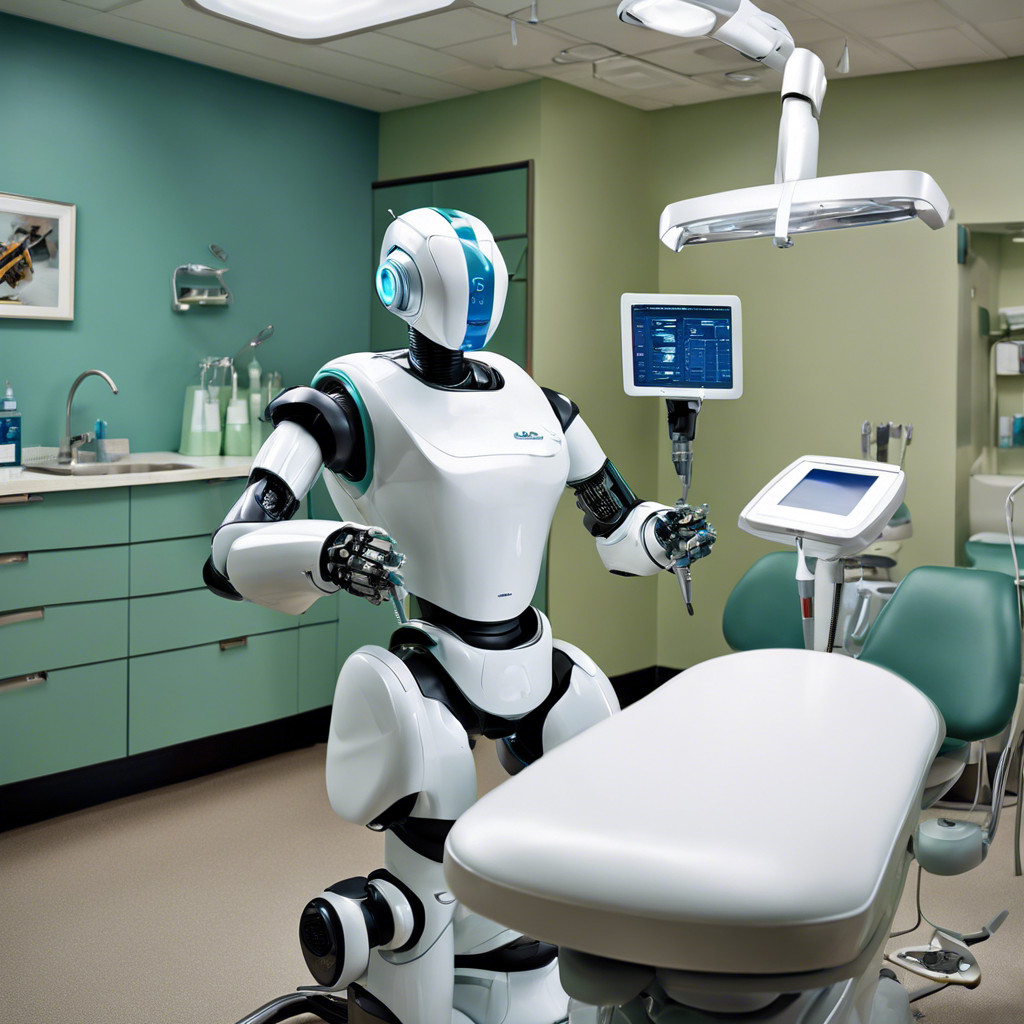
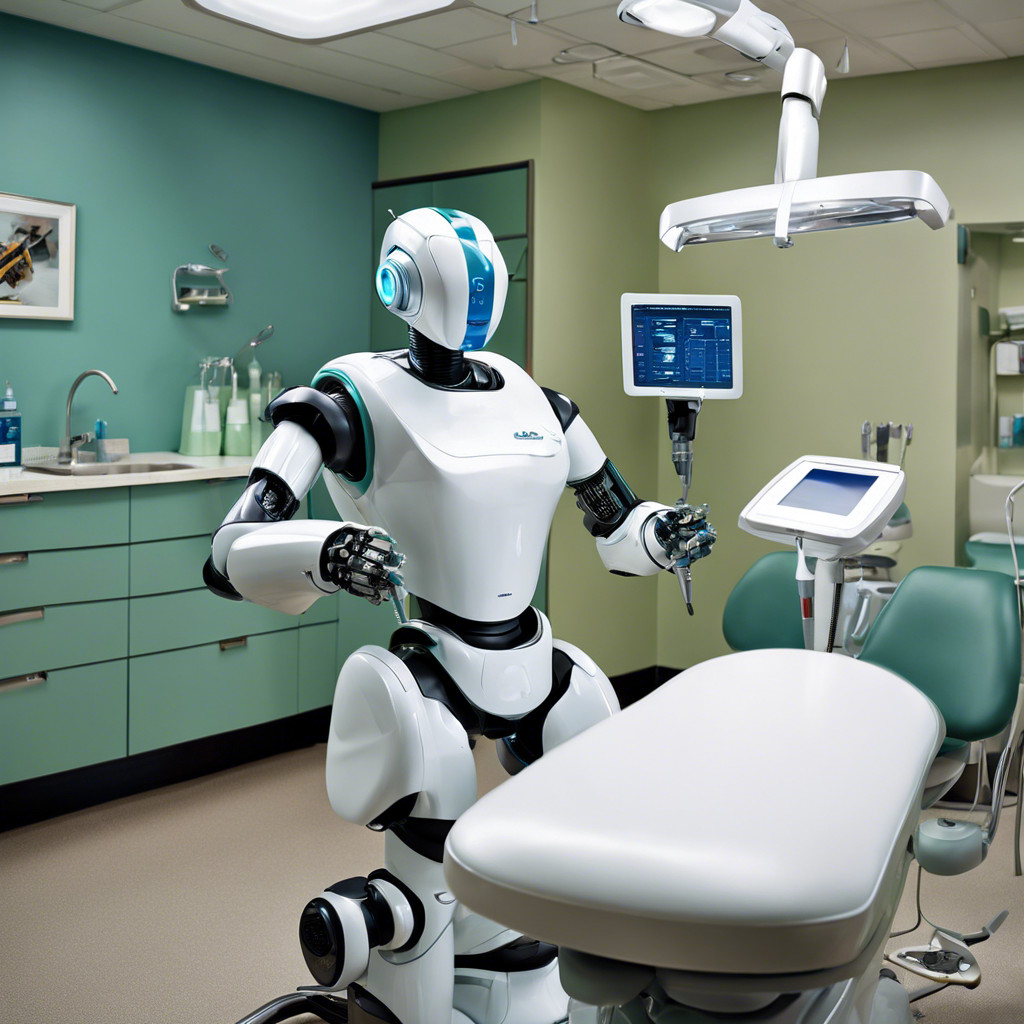
This article explores the evolution, advantages, examples, integration in education, and future prospects of robotics in dental surgery, emphasizing the role of technologies like the Yomi Dental Robot in improving precision, control, and patient outcomes.
The Evolution of Robotics in Dental Surgery
The field of dentistry has undergone a significant transformation over the decades, with advances in digital imaging, 3D printing, and restorative materials revolutionizing the practice. At the forefront of this technological revolution is the incorporation of robotics into dental procedures, a development that is steadily reshaping the dental landscape.
Robotic technology in dentistry, as exemplified by the Yomi Dental Robot, has been particularly impactful in dental implant procedures and bone reduction [3]. The Yomi Dental Robot, which received FDA-clearance for these procedures, has drastically improved the precision and efficiency of such operations.
The term “digital dentistry” has been coined to describe this integration of various digital technologies into dental practice. This includes innovations such as smart toothbrushes, 3-D X-rays, and robotic assistants like Yomi [3].
Advantages of Robotics in Dental Surgery
The benefits of integrating robotics into dental surgery are manifold. Robotic systems offer greater precision and control, reducing invasiveness and improving visualization of the surgical field. These advantages lead to fewer complications and shorter recovery times for patients.
The increased precision offered by robotic technology is particularly beneficial in complex procedures where high accuracy is essential. For instance, in dental implant surgeries, the use of robotics has been associated with improved patient outcomes and cost-effectiveness.
Examples of Robotic Technologies Used in Dental Surgery
Among the robotic technologies employed in dental surgery, the Yomi Dental Robot stands out. Cleared by the FDA for dental implant procedures, full-arch implant treatment, and bone reduction, Yomi has proven a reliable assistant in these complex procedures.
A technician controls Yomi’s movements by typing instructions on a keyboard, enabling precise control over the surgical procedure. The robotic surgery system typically consists of a surgeon console, a patient-side cart, and a set of robotic arms, all of which work in tandem to enhance precision and control during the surgery.
Integration of Robotics in Dental Education
The integration of robotics into dental education is another significant development. At institutions like the School of Dental Medicine (SDM) and New York University (NYU), the Yomi system has been incorporated into the curriculum for student-led implant surgery [3].
This integration of robotics into dental education not only provides safer learning experiences for students but also reshapes dental workflows, leading to improved patient outcomes.
Future Prospects of Robotics in Dental Surgery
The future of robotic dental surgery is promising and is expected to feature continued advancements in systems like Yomi and potential competition in the market. Despite barriers such as cost, return on investment, and the learning curve, the widespread adoption of robotics in dentistry is considered inevitable.
Additionally, the digital technologies used in dentistry, such as smart toothbrushes, are expected to continue evolving and influencing the future of dental robotics. This incorporates a broader vision for a future where digital and robotic technologies seamlessly integrate into dental practices, enhancing patient care and outcomes.
This article explores the impact of 3D printing on dental education, including its integration into the curriculum, benefits in dental training, and applications in dental practice, as well as speculating on the future prospects of 3D printing in the field.
The Impact of 3D Printing on Dental Education
The Role of 3D Printing in Dental Education
3D printing technology is being progressively integrated into dental education, providing an invaluable tool for hands-on learning and simulation. This technology allows students to acquire a deeper understanding of dental procedures and structures through the creation and manipulation of accurate, three-dimensional models. However, as with any new technology, there is a learning curve involved in mastering 3D printing for common dental procedures. For instance, Dr. Chonway Tram, who began 3D printing in 2017, initially faced challenges with finicky and hard-to-calibrate machines. Despite these initial hurdles, the adoption of 3D printing in dental education is reshaping the way dental professionals are trained, transforming traditional techniques and practices.
3D printing brings several specific benefits to dental training, including improved efficiency and treatment outcomes. For example, restorations and prosthetics can now be fabricated more affordably, accurately, and with faster turnaround. Dr. Tram’s dental practice, in particular, has been revolutionized by 3D printing, leading to quicker and more precise restorations. Now, he is able to print a majority of common dental procedures in his office, including veneers, crowns, bridges, and dentures.
Enhancing Dental Curriculum with 3D Printing
The introduction of 3D printing technology into the dental curriculum is enhancing traditional dental techniques and practices. In addition to providing accurate 3D models of patient dentition, 3D printing enables customized dental restorations. This not only enhances the students’ understanding of complex dental structures and procedures but also prepares them for the practical application of these skills in a clinical setting.
The use of 3D printing for simulations and hands-on learning in dental education provides a more practical approach to training. It allows for the creation of tools, prostheses, dental implants, and other essential items for dental medicine at a fraction of the cost of traditional methods.
Applications of 3D Printing in Dental Practice
3D printing technology has a broad range of applications in dental practice, particularly in the areas of oral and maxillofacial surgery, oral implantology, and orthodontics. It is used in the fabrication of occlusal splints, surgical implants, and prostheses, offering improved accuracy, comfort, and efficiency. For example, surgical guides in oral implantology, which ensure precise and accurate positioning of dental implants, can be rapidly and accurately fabricated using 3D printing. This results in improved patient outcomes and efficiency.
The use of 3D printing in the fabrication of complete dentures and removable partial denture frameworks has also shown improved accuracy and efficiency. It offers better detail reproducibility, resulting in a better fit and improved patient comfort. Furthermore, it reduces the need for manual labor and traditional casting techniques, resulting in a more efficient and cost-effective process.
Future Prospects of 3D Printing in Dental Education and Practice
3D printing is revolutionizing the field of dentistry and dental education. From enhancing the dental curriculum to transforming dental practices, its impact is profound and far-reaching. As technology continues to advance, the future of 3D printing in dental education and practice looks promising. With the continued development of materials and technologies, we can expect to see further improvements in accuracy, efficiency, and patient outcomes.
Digital dentistry, a set of technologies for capturing and manipulating patient impressions in a digital format, has revolutionized the dental industry.The integration of 3D printing technology has added a new dimension to this field, offering efficient and cost-effective production of customized dental appliances. The benefits such as improved efficiency, reduced lead times, and enhanced treatment outcomes have made it an integral part of modern dental practices.
Digital dentistry and 3D printing technology have transformed the way dental professionals approach patient care. By digitizing the process of capturing and manipulating patient impressions, dental practices have become more efficient and effective. 3D printing technology, in particular, has revolutionized the production of dental appliances, allowing for the creation of highly customized and precise dental objects.
Digital Dentistry: An Overview
Digital dentistry has significantly improved patient health and care by increasing efficiency and enhancing treatment outcomes. Intraoral scanners and advancements in digital workflows have streamlined the production process, contributing to the growth of the 3D printing market. The use of biocompatible materials specifically designed for dental applications has further expanded the scope of digital dentistry.
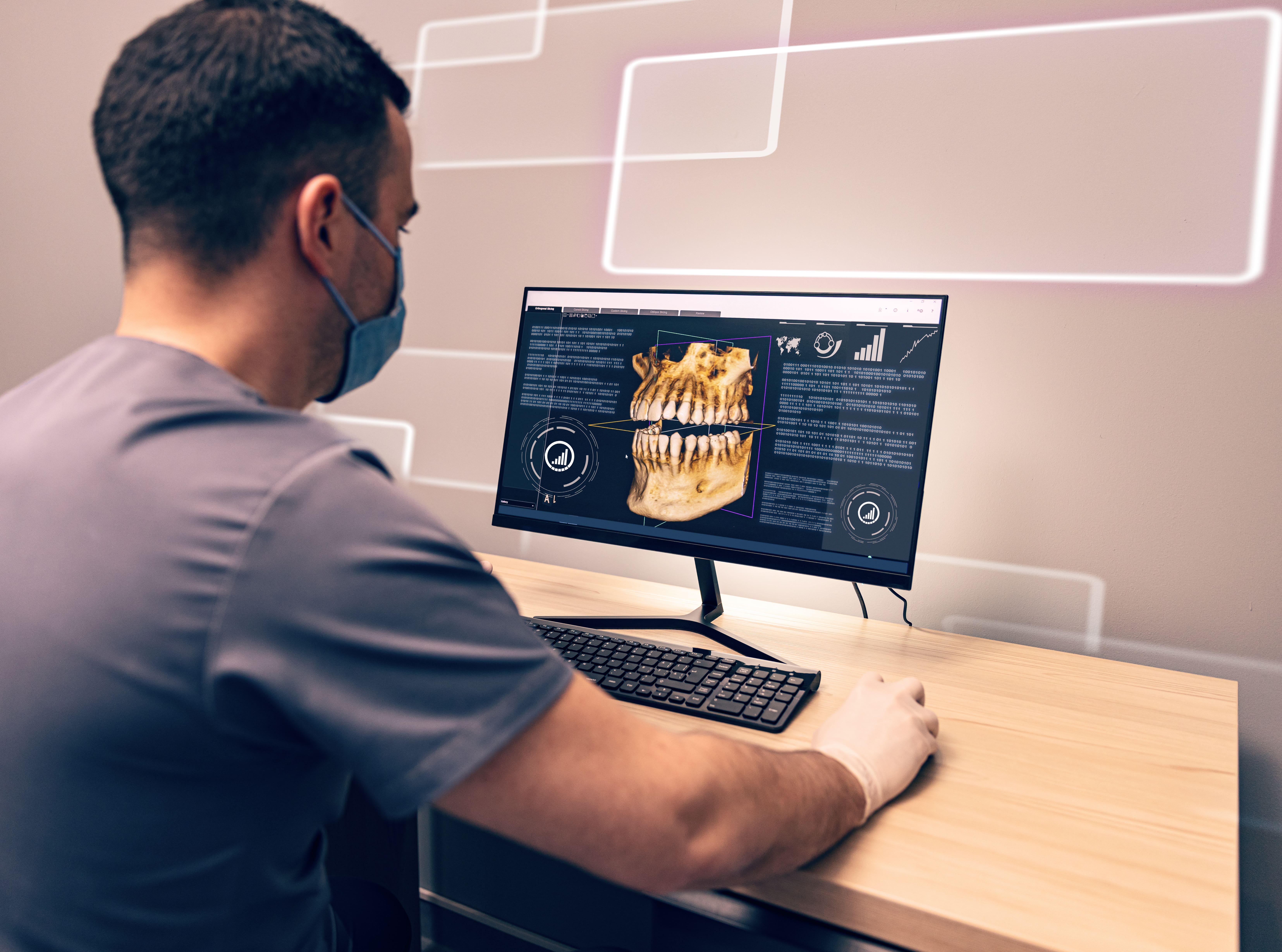
Intraoral scanners have replaced traditional impression-taking methods, eliminating the need for messy and uncomfortable dental impressions. These scanners capture detailed 3D images of the patient’s mouth, which can be used to create digital models for various dental applications. Digital workflows allow for seamless communication between dental professionals, dental labs, and patients, reducing the turnaround time for dental appliances and improving overall treatment outcomes.
The use of biocompatible materials in digital dentistry ensures that the dental appliances created through 3D printing are safe and compatible with the patient’s oral cavity. These materials are specifically designed to withstand the oral environment and provide optimal comfort and functionality.
The Process of 3D Printing in Dentistry
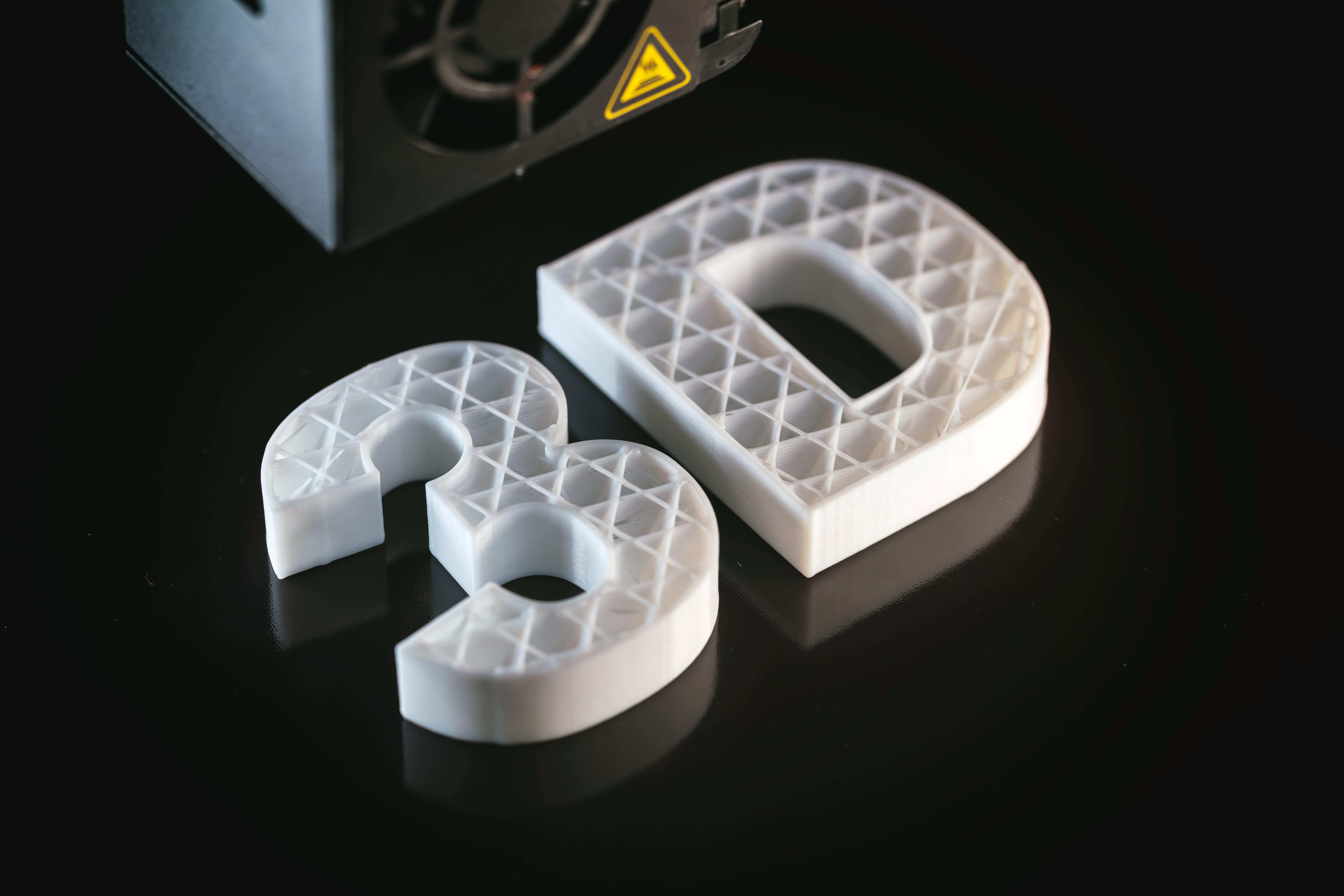
3D printing technology in dentistry uses additive manufacturing to create three-dimensional dental objects.Different 3D printing technologies, such as selective laser sintering, stereolithography, fused deposition modeling, and digital light processing, are employed in the dental field. These technologies, coupled with biocompatible materials, allow for a high degree of precision and customization in dental applications.
Selective laser sintering (SLS) is a 3D printing technology that uses a laser to selectively fuse powdered materials together, layer by layer, to create a dental object. Stereolithography (SLA) uses a laser to solidify liquid resin, layer by layer, to create the desired dental object. Fused deposition modeling (FDM) extrudes a thermoplastic filament, layer by layer, to create the dental object. Digital light processing (DLP) uses a projector to selectively cure a liquid resin, layer by layer, to create the dental object.
The choice of 3D printing technology depends on the specific requirements of the dental application. For example, SLS and SLA are often used for the production of dental models and surgical guides, while FDM and DLP are commonly used for the production of clear aligners and dentures. The use of biocompatible materials ensures that the dental objects created through 3D printing are safe and compatible with the patient’s oral cavity.
Applications of 3D Printing in Dentistry
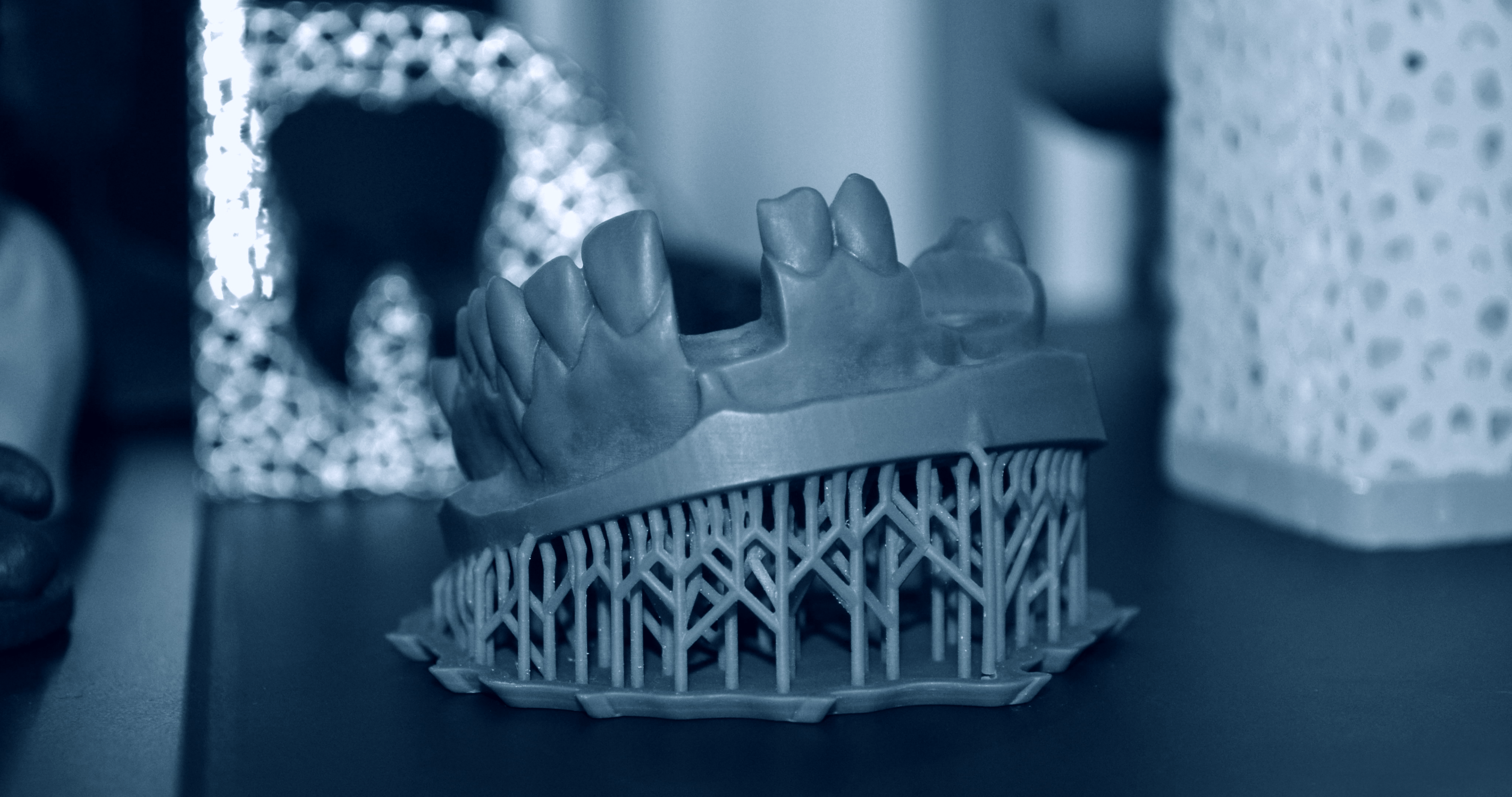
3D printing has several applications in dentistry, including the creation of study and smile design models, surgical guides, clear aligners, dentures, custom trays, and provisional restorations. The technology allows for the creation of highly customized dental implants and surgical guides, significantly improving patient comfort and clinical outcomes. For instance, 3D printing is used in dental implantology to create custom surgical guides, which improve the accuracy and quality of dental work.
Study and smile design models are created through 3D printing to help dental professionals visualize and plan treatment procedures. These models provide a physical representation of the patient’s oral condition, allowing for more accurate diagnosis and treatment planning. Surgical guides, created using 3D printing, aid in the precise placement of dental implants, reducing the risk of complications and enhancing the success rate of the procedure.
Clear aligners, such as Invisalign, are custom-made using 3D printing technology. These aligners gradually move the patient’s teeth into the desired position, providing a more discreet and comfortable alternative to traditional braces. Dentures, custom trays, and provisional restorations are also created through 3D printing, offering patients a more precise and comfortable fit.
The ability to create highly customized dental implants and surgical guides through 3D printing has revolutionized the field of dental implantology. Dental professionals can now design implants that perfectly match the patient’s anatomy, resulting in improved aesthetics and functionality. Custom surgical guides ensure accurate implant placement, reducing the risk of complications and improving overall treatment outcomes.
Advancements and Future Prospects in Digital Dentistry
The field of digital dentistry has seen rapid advancements, especially in the domain of 3D printing technology. Improvements in materials, speed, accuracy, and integrated features have contributed to the expansion of the 3D printing market, with competitive prices and various printers available. The future of 3D printing in dentistry holds immense possibilities with ongoing advancements and transformations set to continue shaping the industry.
Advancements in 3D printing technology have led to the development of more sophisticated printers and materials. Printers are becoming faster, more accurate, and capable of producing highly detailed dental objects. New materials are being introduced that offer improved biocompatibility, strength, and aesthetics. Integrated features, such as color printing and multi-material printing, are also being incorporated into 3D printers, further expanding their capabilities.
The future prospects of 3D printing in dentistry are promising. As technology continues to advance, 3D printing is expected to become even more accessible and affordable for dental practices of all sizes. The ability to create highly customized dental appliances will lead to more personalized and efficient patient care. Additionally, the integration of artificial intelligence and machine learning algorithms into digital dentistry workflows could further enhance treatment outcomes and patient satisfaction.
Training and Implementation of Digital Dentistry in Practice
Incorporating 3D printing into the curriculum of dental schools and training institutes is crucial to prepare future dental professionals for the evolving industry. Companies like SprintRay offer support and resources to help dental professionals integrate digital dentistry and 3D printing into their practice, further easing the implementation process.
Dental schools and training institutes play a vital role in preparing dental professionals for the adoption of digital dentistry and 3D printing technology. By including digital dentistry courses in their curricula, dental schools can ensure that graduates are equipped with the necessary knowledge and skills to leverage these technologies in their future practice. Hands-on training with 3D printers and software will enable dental professionals to confidently incorporate digital dentistry into their workflows.
Companies like SprintRay provide dental professionals with the necessary support and resources to successfully implement digital dentistry and 3D printing in their practice. They offer training programs, technical support, and a wide range of dental-specific materials and printers. By partnering with such companies, dental practices can smoothly transition to a digital workflow and maximize the benefits of 3D printing technology.
In conclusion, digital dentistry and the integration of 3D printing technology have revolutionized the dental industry. The use of intraoral scanners, digital workflows, and biocompatible materials has improved efficiency and treatment outcomes. 3D printing technology allows for the creation of highly customized dental appliances, enhancing patient comfort and clinical outcomes. Advancements in the field of 3D printing and ongoing transformations promise a bright future for digital dentistry. Dental schools and training institutes play a crucial role in preparing dental professionals for the adoption of these technologies. With the support of companies like SprintRay, dental practices can successfully implement digital dentistry and 3D printing into their workflows.
3D printing, or additive manufacturing, has become a game-changer in various industries, including dentistry. This innovative technology allows for the creation of three-dimensional objects by layering materials. In the field of dentistry, 3D printing offers unprecedented advantages such as versatility, precision, and cost-effectiveness. In this article, we will explore the different applications of 3D printing in dentistry and how it has revolutionized the industry.
Evolution of 3D Printing in Dentistry
The use of 3D printing in dentistry has come a long way since its inception. In the past, dentists relied on traditional methods such as scans, radiology, and teeth molds to create images of patients’ teeth. However, these processes were often complex and time-consuming. With the introduction of 3D printing technology, dental providers can now create more customized implants and treat patients more efficiently.
Today, 3D printing plays a crucial role in various dental procedures, including treatment planning, creating dental models, and producing customized crowns, bridges, aligners, and retainers. The impact of 3D printing on dentistry has been significant, improving the accuracy, speed, and customization of dental treatments.
Applications of 3D Printing in Dental Procedures
One of the primary applications of 3D printing in dentistry is in treatment planning. The digital workflow for dental 3D printing begins with 3D scanning, which captures precise digital impressions of a patient’s oral structure. These digital impressions can then be used to produce 3D printed dental models, allowing dentists to visualize and analyze patients’ dental structures more effectively.
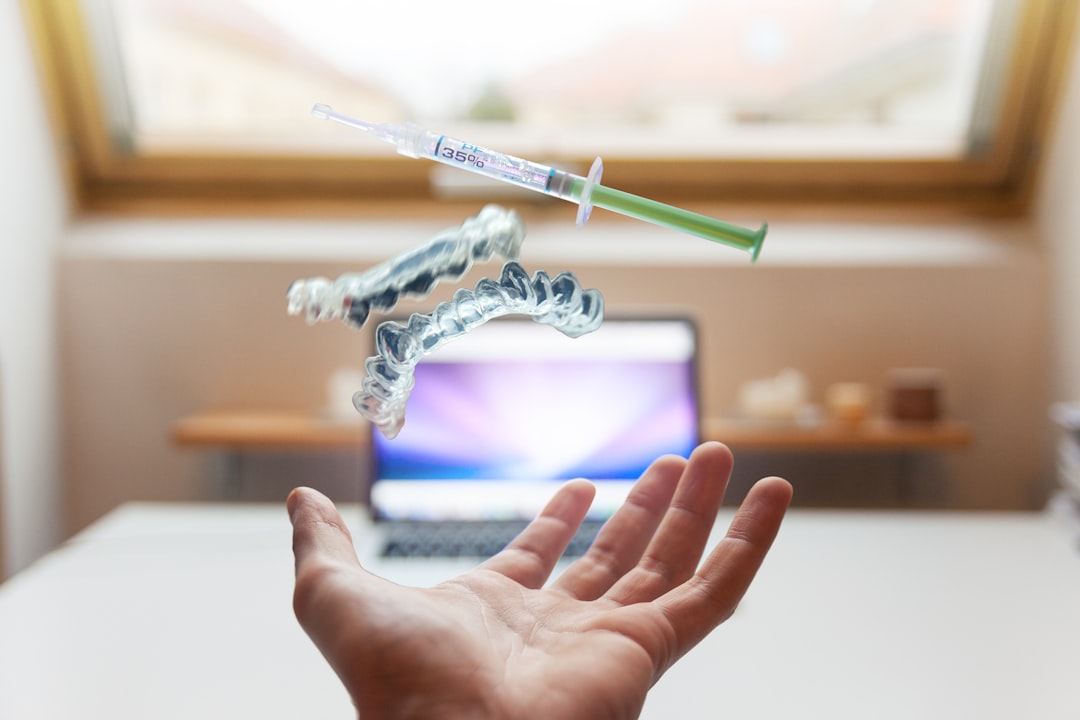
3D printing technology has also revolutionized the production of customized dental restorations. Dental crowns and bridges can now be 3D printed using resin additive manufacturing, offering a cost-effective and faster production process. Aligners and retainers can also be made using resin 3D printing, allowing for greater customization and a better fit for patients.
In the field of orthodontics, 3D printing has been instrumental in the production of surgical guides, splints, and implants. 3D printing technology is also used to create anatomical replicas and models for surgical planning and training purposes, enhancing the efficiency and precision of these processes.
3D Printed Dental Implants and Prosthetics
One of the most significant applications of 3D printing in dentistry is in the production of dental implants. Traditional dental implant procedures often involve standardized implants that may not perfectly fit a patient’s individual needs. However, 3D printing enables the production of individualized dental implants, improving bite ability and chewing function. Additionally, surgical guides for dental implants can be created using 3D printing, enhancing precision and accuracy in dental implant placement.
The use of 3D printing in the manufacturing of dental prosthetics has also been transformative. It offers more affordable and customized solutions, contributing to the democratization of dental care. With 3D printing, dental prosthetics can be tailored to the specific needs of each patient, resulting in better comfort and aesthetics.
Benefits of 3D Printing in Dentistry
The integration of 3D printing technology in dentistry has brought numerous benefits to both dental practitioners and patients. One of the significant advantages is enhanced efficiency. 3D printing eliminates the need for physical impressions, which can be uncomfortable for patients and time-consuming for dentists. By using digital scans and 3D printing, dental professionals can streamline the treatment process and save valuable time.
Additionally, 3D printing is cost-effective in the long run. It minimizes material waste and optimizes resources, making it an attractive solution for dental practices. With 3D printing, dental professionals can produce customized dental restorations and implants more efficiently, reducing costs and improving patient satisfaction.
Limitations of 3D Printing in Dentistry
Despite the numerous advantages, there are limitations to the use of 3D printing in dentistry. One of the current challenges is achieving the desired level of aesthetics and strength in 3D printed dentures. While 3D printing technology has made significant strides in creating dental prosthetics, further advancements are needed to meet the high standards of aesthetics and durability.
Implementing 3D printing technology in dental practices can also be complex and expensive. It requires specialized knowledge and investment in equipment and materials. Dental professionals need to undergo training and stay updated with the latest advancements in 3D printing technology to fully harness its potential.
Future Prospects of 3D Printing in Dentistry
The future prospects of 3D printing in dentistry are promising. With advancements in technology, there is potential for further improvements in the production of dentures. Streamlined production processes and improved precision can contribute to the development of more aesthetically pleasing and durable dentures.
Moreover, 3D printing can be used to create casting patterns for crowns, bridges, and dentures. This can further enhance the efficiency and accuracy of the manufacturing process, leading to better-fitting and longer-lasting dental restorations.
In conclusion, 3D printing technology has made a significant impact on dentistry, transforming treatment planning, production of dental models, implants, and prosthetics. Its benefits of increased efficiency, improved treatment outcomes, and customized solutions are undeniable. As technology continues to evolve, the exploration and adoption of 3D printing in the dental industry are expected to advance patient care and treatment options even further.


 Leveraging Support Networks for Work-Life Balance
 Building and Sustaining Effective Support Networks

 Balancing Clinical Skills with Business Acumen
 Building Relationships with Colleagues and Patients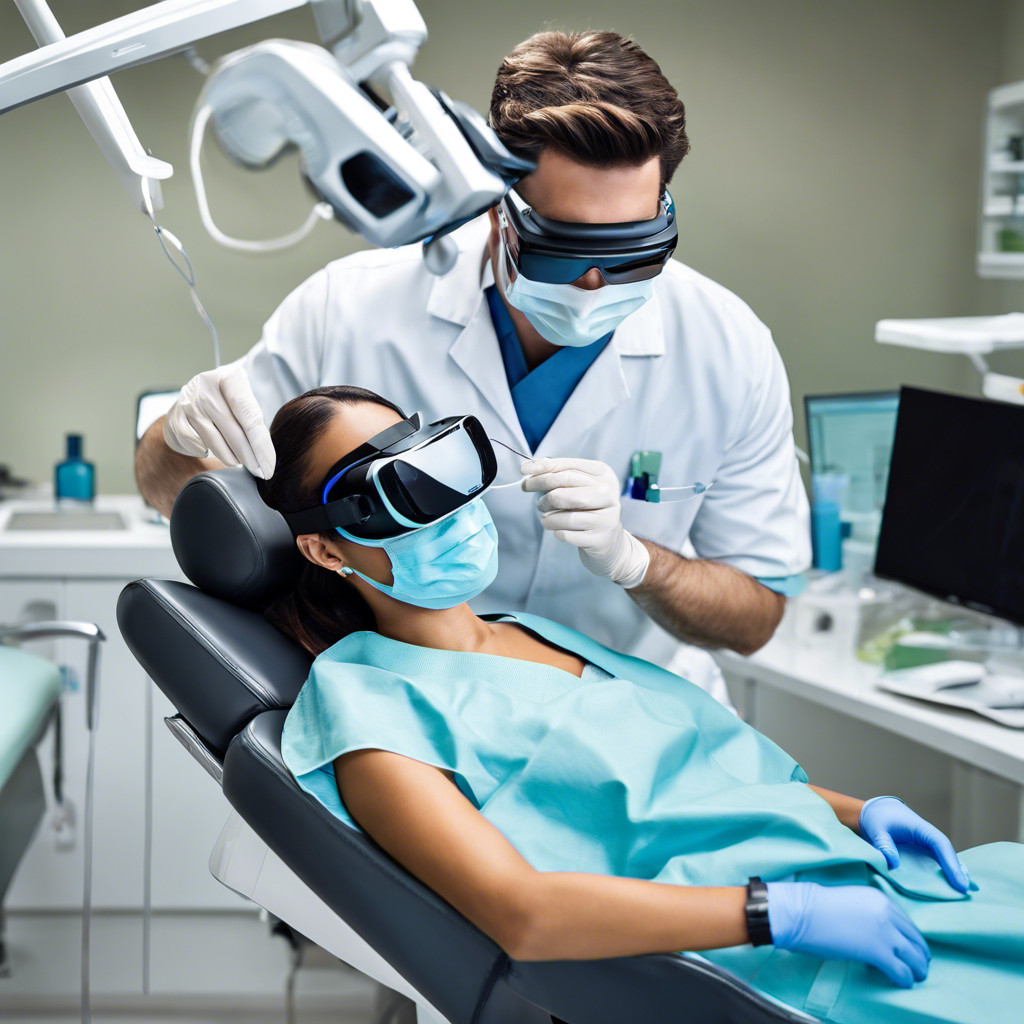

 Benefits of Virtual Reality in Dental Procedures
 Enhancing Patient Experience through Virtual Reality
 Enhancing Practical Skills through Virtual and Augmented Reality
 Future Implications and Considerations

 Challenges and Limitations of VR and AR in Dentistry

 Benefits and Challenges of Joining a DSO
 Conclusion