Life after dental school can bring its own challenges and surprises for new dentists. Here are six tips to remember during your first year of practicing, based on the experiences of a new dentist who has just completed their first year out of dental school1:
Finding the Right Place to Work Can Be a Challenge: Your job search may be more complicated than it would have been a few years ago. You still deserve to find a great launching pad for your new career. Sadly, many first-year dentists need help finding a positive work environment. Large corporate dental entities frequently fail to maintain a culture that will help you achieve a fulfilling career and work-life balance. Becoming an associate in a private practice without at least 3-5 years of experience can be challenging.
Gaining Experience and Learning the Best Way to Run a Practice is Time Well Spent Before You Decide to Become a Practice Owner: For new dentists, gaining experience and learning the best way to run a practice is time well spent before you decide to become a practice owner. Dental school works differently than practicing. Gone are the days of a three-hour block dedicated to a single patient. The reality is that dentists often have to juggle multiple patients and procedures in a day.
Location, Location, Location!: For many new dentists, the long-term goal may be to go into business for yourself. However, you will need experience and guidance in your first few years as a clinician, which is why most dentists start working as an associate. Ideally, you will work for a practice with a great mentor by your side.
Time Management, Clinical Quality, and Patient Case Presentation: My biggest struggles starting out were time management, clinical quality, and patient case presentation. Time management was the biggest challenge because in dental school we had a three-hour block to devote entirely to one patient and only had to focus on one thing at a time. Working with assistants in the office helped improve my efficiency, and I was able to learn how to multi-task better. Treatment time also significantly decreased due to the utilization of CEREC® CAD/CAM technology5.
Develop a Professional Support Network: The acquired skills have proved invaluable in my work as a researcher; for example, I attended a cadaver course on sinus lifting and worked in the clinic with more experienced colleagues as well as with residents. Moreover, as well as practical assistance, this network provided me with emotional support.
Reflect on Your Progress: There is truth to the cliché that dentistry lends itself to a career of lifelong learning. Everyone’s first year in practice inevitably alerts them to countless aspects of their practice that require development, but reflection with other early-career colleagues corroborates an appreciation of how far we’ve all come since our early days as qualified dentists.
For years, ever since I started dental practice decades ago, I “jiggled”. Patients would be amazed how the dental injection just didn’t hurt. I started doing this after having a cortisone injection in my shoulder. Distraction was the solution to a pain-free experience.
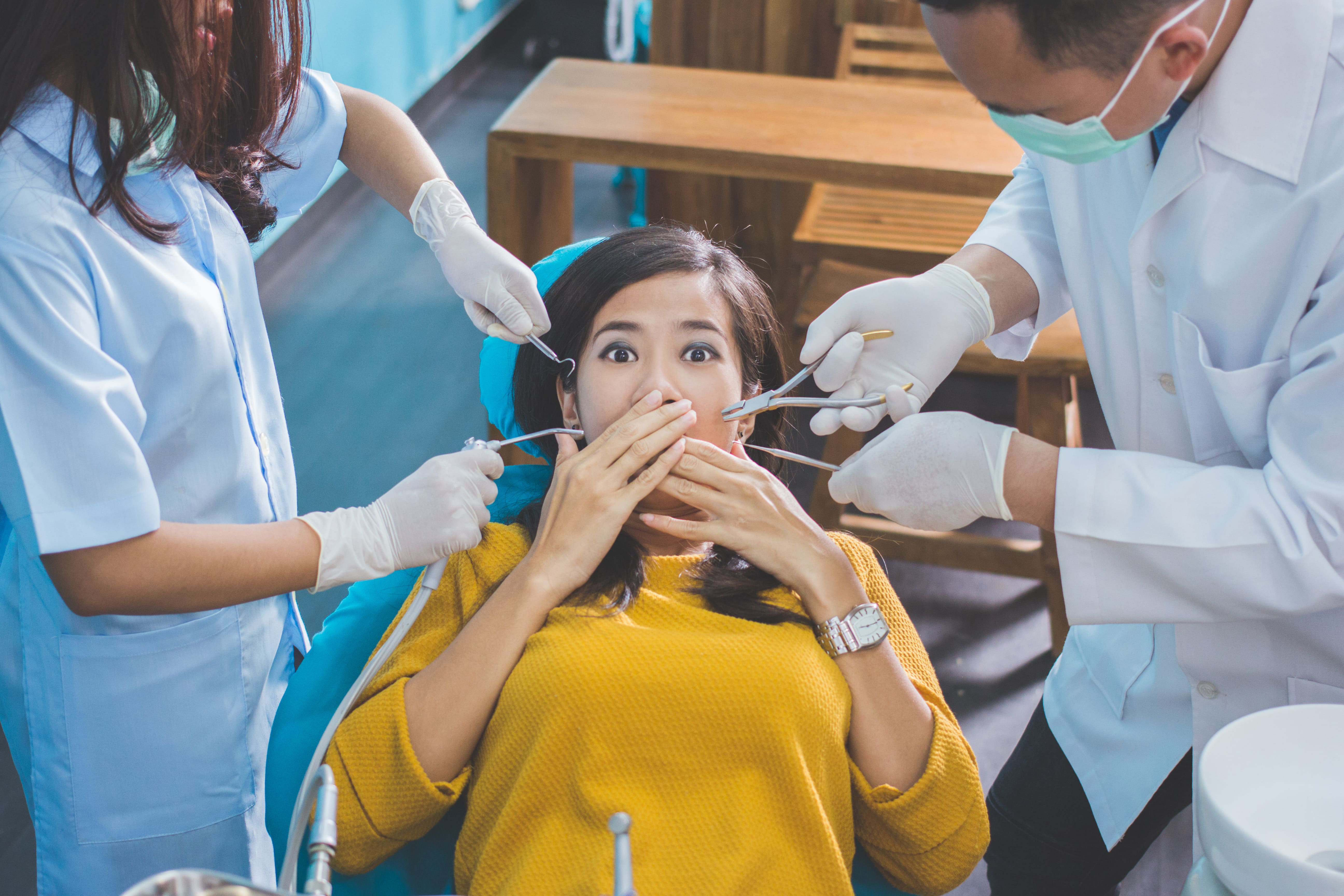
I realized then that being “painless” was a critical part of being a dentist. The fears that patients have experienced typically relate to the “pain” they have had during the dental procedure. So we, as dentists, need to be able to provide a “pain-limited” experience at the very least.
The experience at a dental office has always been closely tied to the notion of pain and discomfort, both physical and psychological. Fortunately, the landscape of dentistry is evolving with significant strides in pain management, making dental visits more comfortable and less daunting for patients. This blog post explores the innovations that are reshaping pain management in dental care.
The Prescription Analgesics Perspective
Dentistry plays a pivotal role in the management of acute pain, especially post-procedural discomfort. However, with the opioid crisis in the United States, there is a conscientious shift in prescribing practices within the dental community. Dentists are now on the frontline of combating this epidemic by leveraging alternative analgesics and multimodal pain management strategies to minimize or eliminate the need for opioids [1].
Embracing Digital Innovations
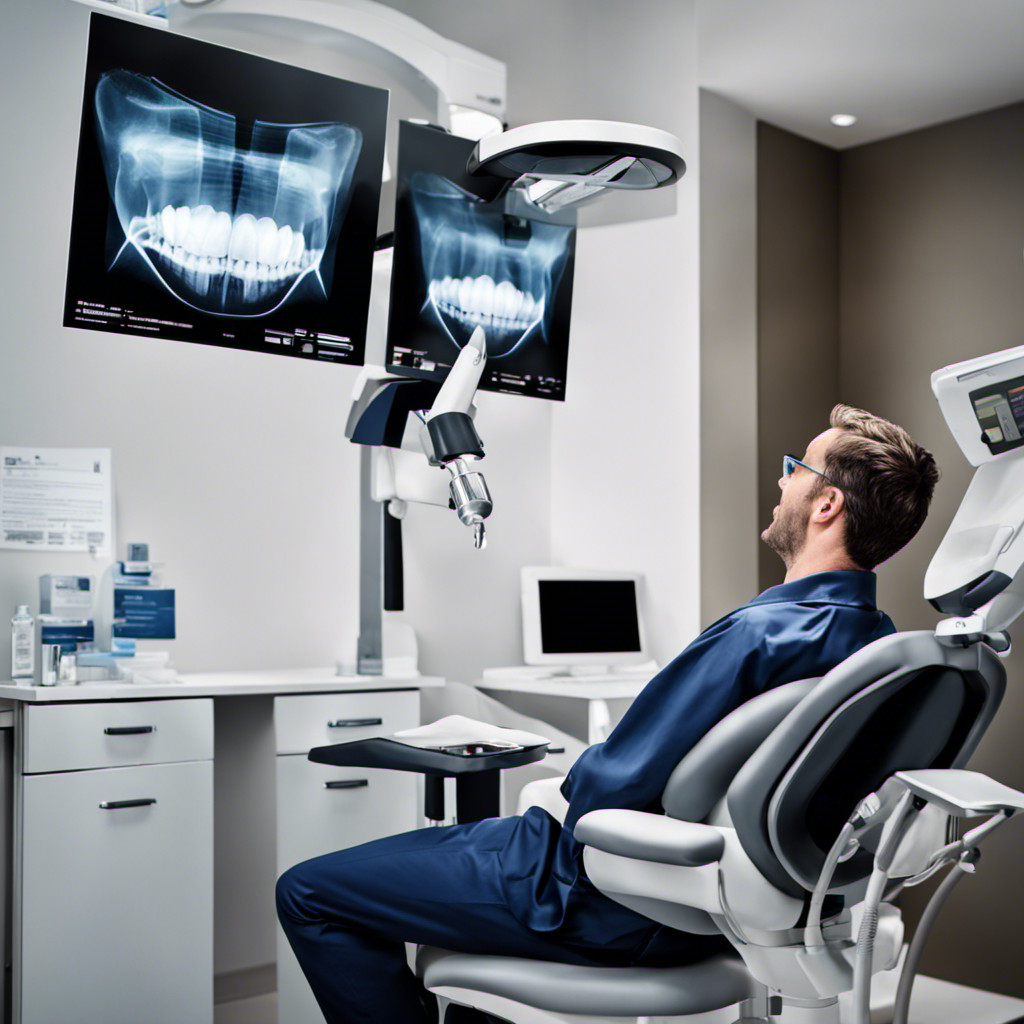
Digital innovations are among the most groundbreaking shifts in dental pain management. With digital dentistry, procedures are planned and executed with greater precision, significantly reducing the invasiveness of treatments. Technologies like 3D imaging and computer-aided design and manufacturing (CAD/CAM) allow for more accurate diagnostics and restorations, which translate to less postoperative pain for patients [4].
Laser Dentistry: A Beam of Relief
Laser technology in dentistry has revolutionized several procedures by offering a less invasive alternative to drills and scalpels. Lasers can be used for cavity detection, dental fillings, and even gum surgeries, resulting in less pain and bleeding, and thereby reducing the need for anesthetics and post-operative pain management [4].
Patient-Centered Care
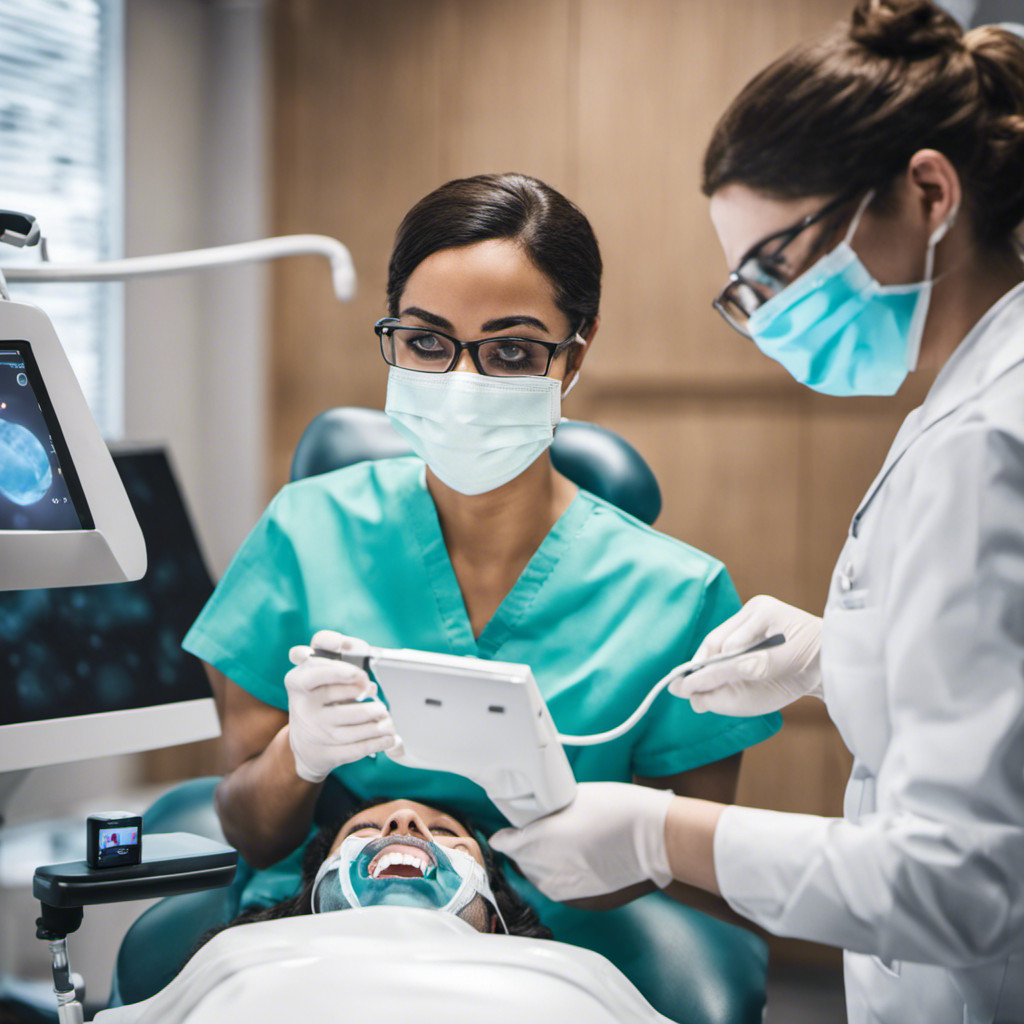
The ethos of patient-centered care is about ensuring comfort and personalized treatment. Advances in this domain include not just pharmacological interventions but also techniques that reduce anxiety and pain perception. Innovations such as virtual reality headsets, noise-cancelling headphones, and even sedation dentistry are employed to create a more relaxing and less painful experience for patients [6].
The Evolution of Local Anesthetics
The backbone of pain-free dental procedures has always been effective local anesthesia. The development of new formulations that have a quicker onset and longer duration of action, as well as methods for delivery that are less painful, such as computer-assisted delivery systems, have improved patient comfort substantially [1].
Achieving Profound Anesthesia
For certain patients, achieving profound anesthesia can be challenging. Innovations in this area focus on techniques and technologies that ensure effective pain control for all patients. This includes targeted nerve blocks using ultrasound guidance and buffering agents that optimize the pH of anesthetics for a more comfortable injection experience [6].
Over-the-Counter Adjuncts
Patients are now encouraged to use over-the-counter pain relievers such as acetaminophen and nonsteroidal anti-inflammatory drugs (NSAIDs) in specified dosages as a first-line approach to manage dental pain. This strategy often helps in adequately controlling pain without the risks associated with prescription opioids [1].
Tailored Pain Management Protocols
Recognizing that each patient’s pain threshold and response to treatment are unique, tailored pain management protocols are being designed. By considering the individual’s medical history, previous experiences with pain, and psychological state, dentists can customize pain management plans that are both effective and sensitive to the patient’s needs [2].
Topical Anesthetics and Comfort Aids
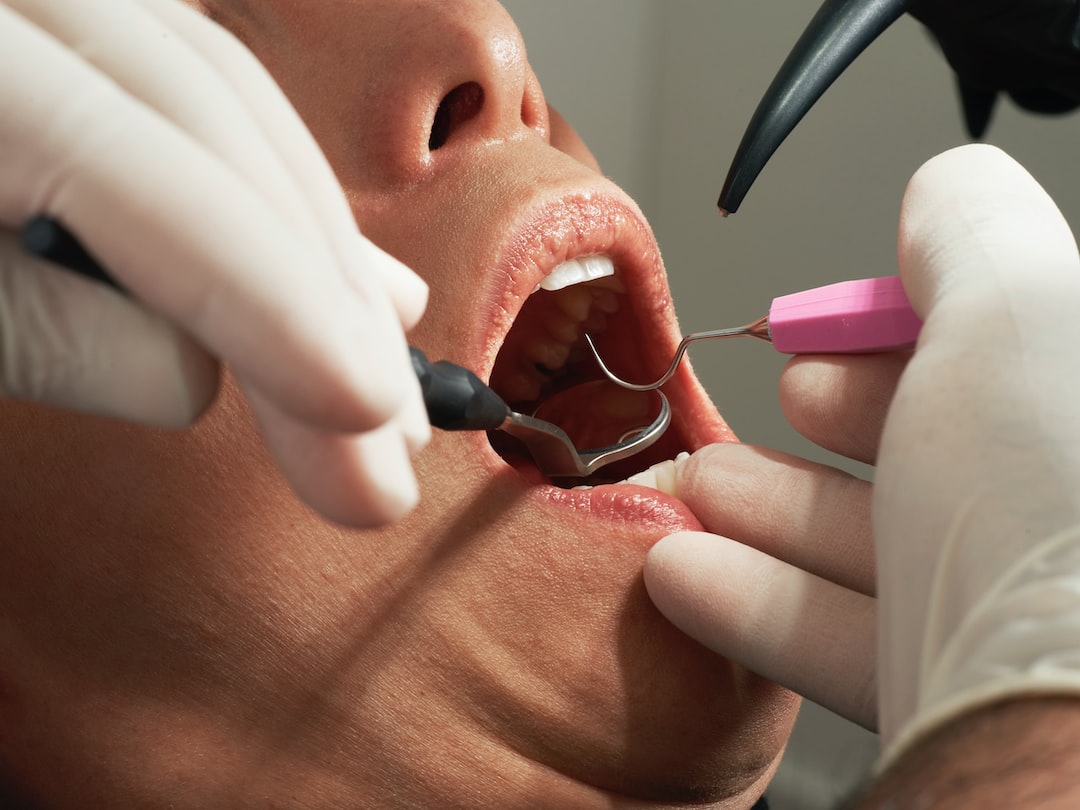
The use of topical anesthetics before injections and procedures has increased in popularity. These anesthetics, when applied to the mucous membranes, can significantly reduce the discomfort of needle insertion. Additionally, comfort aids like dental vibrators can distract from the sensation of the injection, making the process more bearable [3].
Conclusion
In conclusion, staying abreast of the latest developments and integrating innovative practices in dentistry not only enhances the quality of care provided to patients but also establishes your practice as a leading authority in dental health. From embracing digital dentistry’s precision [6] to addressing crucial issues like pain management [4] and substance use disorders, your commitment to continued education and adaptation reflects a dedication to excellence. Moreover, by proactively sharing knowledge through blog posts, you can improve patient engagement and SEO, positioning your practice as a trusted resource for both current and prospective patients [2]. Remember, the journey towards a healthier community begins with informed and compassionate care, one patient at a time.
To determine the purchase price of an existing dental practice, a young dentist can consider several valuation methods:
Capitalized Excess Earnings: This income-based approach considers the practice’s collections and operating expenses to derive value. It calculates the excess earnings by subtracting the expected return on tangible assets from the net income and then capitalizes the result at a rate that reflects the risk of the practice [2].
Discounted Cash Flows: Future cash flows are projected based on historical data and then discounted to present value. This method requires an understanding of the practice’s cash flow potential and the time value of money [3].
Percentage of Collections: A rough rule of thumb is to apply a percentage (e.g., 70%-85%) to the previous year’s collections. This simple method is commonly known but may not always accurately reflect the practice’s true value [6].
Multiples of Earnings: Some may determine valuation by taking a multiple (e.g., 1.5 times) of the past three years’ collections, but this is less common and not as detailed as other methods [4].
When buying a specialty practice, such as a periodontal practice, versus a general dental practice, the valuation may differ due to factors like the nature of the specialty, the client base, referral patterns, and the earnings potential. Specialty practices may command higher prices if they offer unique services that can generate higher revenue and if they have established referral networks.
You’ve graduated from dental school – congratulations! Now it’s time to take the next step in your career and begin practicing dentistry. While you may be eager to jump right into treating patients on your own, participating in a general practice residency (GPR) program can provide immense value as you’re establishing yourself as a dentist. Here’s why new dentists should strongly consider a GPR.
Gain Real-World Experience in a Supportive Setting
Expand Your Skill Set
In dental school you gain extensive theoretical knowledge and clinical skills. However, there is no true substitute for hands-on experience treating patients in a real-world setting. A GPR allows you to apply your abilities and continue developing as a clinician in an established dental office or clinic. You’ll work under the supervision of experienced attending dentists who can provide mentorship and coaching as you manage comprehensive cases. The structured residency environment gives you the chance to further refine techniques and build confidence before working independently.
General practice residencies expose you to procedures and dental issues that you may not have encountered frequently during dental school. By managing a wide scope of patients and conditions, you expand your skill set exponentially. For example, you may gain more experience with endodontic retreatment cases, surgical extractions, pediatric patients, caring for medically complex patients, and handling dental emergencies. The breadth of knowledge you gain in a GPR makes you better prepared for anything that arises in day-to-day private practice.
Learn How to Manage a Dental Practice
While you learned the clinical dentistry component in school, you likely had little exposure to the business and operational side of running a dental practice. In a residency program, you’ll learn skills like managing appointments, interacting with labs and suppliers, using practice management software, handling billing and insurance, marketing your services, and retaining patients. These real-world practice management skills are essential for success but rarely taught in school.
Get Comfortable with New Technology
Dental schools aim to provide training on current dental technology, but the latest tools and techniques are rapidly evolving. Entering a practice straight out of school can mean a steep learning curve getting comfortable with equipment and digital systems you haven’t used before. In a residency you’ll gain experience with the latest advances in areas like digital impressions, CAD/CAM, surgical instrumentation, and radiographic imaging that you can immediately apply in practice.
Build Professional Connections
GPRs allow you to build relationships within the dental community, including peers who may become lifelong friends and valuable professional contacts. Working alongside other residents provides the opportunity to network and learn from each other. GPRs also expose you to many specialists and allow you to get comfortable referring patients and communicating with other dentists. These connections are invaluable for developing your career. Additionally an opportunity for an associateship with one of the attending dentists may become a possibility.
Discover Your Interests
While in school you were exposed to all dental disciplines. A GPR lets you experience different aspects of dentistry up close. For example, you may find you especially enjoy working with children, performing extractions, or providing cosmetic dentistry services. The residency offers the chance to experience areas of dentistry you’re drawn to before fully specializing. This can help guide your career path and areas of focus.
Boost Your Confidence
Transitioning from school to professional practice can be intimidating. Being mentored and gaining experience in a supportive residency environment allows you to build confidence and get comfortable in your new role as a dentist. Working through a wide range of cases prepares you for independent practice so you feel assured in your clinical skills, decision making abilities, and chairside manner.
Stand Out to Employers
Completing a GPR demonstrates your dedication to expanding your education and skills. It shows you are committed to providing excellent patient care, not just doing the minimum required. Many prestigious practices specifically seek out dentists who have completed residency training. The experience can help give you a competitive edge in the job market when searching for the right practice to work in after graduation.
While a general practice residency requires a year of dedicated training, it is one of the most valuable investments you can make in your career. The intensive hands-on experience under mentorship of seasoned dentists will help you hit the ground running when you enter practice. The GPR path is challenging but rewarding, and sets you up for a lifetime of success as a skilled clinician.
Now, or course, there are a limited number of GPR programs in the U.S. (less than 100). With over 6000 new dentists graduating just this year, the competition is great. Still, if the opportunity arises, grab it.
Artificial intelligence (AI) is poised to transform many industries, including healthcare and dentistry. As a new dentist just starting your career, it’s important to have an open mind towards adopting new AI technologies as they emerge. Here are some key reasons why embracing AI is essential for dentists:
Improved Diagnostics – AI can analyze dental scans and radiographs better than the human eye, helping detect oral diseases and abnormalities early when they are most treatable. Algorithms can find patterns and make measurements more precisely than a dentist can manually. This can improve diagnostic accuracy and prevent issues from being overlooked.
Personalized Treatment Plans – AI allows dentists to develop customized treatment plans tailored to each patient’s unique health profile. Factors like genetic risks, pre-existing conditions, and lifestyle can be accounted for when determining the best dental treatments and procedures for the individual.
Predictive Analytics – Sophisticated AI systems can analyze a patient’s medical and dental history to predict the likelihood of certain outcomes. This allows dentists to take preventive measures sooner and intervene early before conditions worsen.
Reduced Administrative Tasks – AI-based software can automate administrative duties such as appointment scheduling, billing, and capturing/organizing electronic dental records. This saves dentists time that can be reallocated to focus more on chairside patient care.
Enhanced Patient Education – AI chatbots and virtual dental assistants can provide patients with personalized education, treatment reminders, and answers to common dental questions any time of day or night. This boosts patient engagement and improves oral health literacy.
While AI may seem intimidating at first, it presents opportunities to greatly enhance dental care and outcomes. Embracing it early in your career will ensure you are prepared to utilize AI-driven innovations as they continue advancing in the years ahead. With an open mindset towards this technology, dentists can help lead the future of smart, personalized dentistry.
AI-Based Virtual Dental Simulations for Skill Development
Artificial Intelligence (AI)-based virtual dental simulations are revolutionizing the field of dental education and skill development. These simulations utilize advanced technologies, such as virtual reality and force feedback, to replicate the clinical training environment and provide a safe and controlled space for dental professionals to enhance their clinical skills. In this article, we will explore the benefits of AI-powered virtual dental simulations, the limitations of traditional teaching methods, the evolution of dental simulators, current disadvantages and future developments, validated effectiveness in dental disciplines, integration of dental simulations in education, advanced technologies used in dental simulators, and how these simulations enhance dental mechanical and treatment skills.
Benefits of AI-Powered Virtual Dental Simulations
Virtual dental simulations offer significant benefits for recent dental graduates and new dentists in enhancing their clinical skills and preparing them for dental careers. These simulations provide a realistic and immersive learning experience that closely replicates the clinical training environment. By utilizing AI and other advanced technologies, virtual dental simulations offer advantages over traditional teaching methods.
For instance, AI-powered virtual dental simulations accurately replicate the look and feel of real dental procedures, allowing recent graduates to practice various skills, such as tooth preparation and instrument handling, in a realistic setting.These simulations provide objective assessment and feedback, helping dental professionals improve their mechanical and treatment skills. The use of hidden Markov models in these simulations allows for skill level classification and effective tutoring feedback, further enhancing the learning experience.
Limitations of Traditional Teaching Methods
Traditional teaching methods for dental skills development have certain limitations that can be overcome by AI-powered virtual dental simulations. One of the challenges is the subjective assessment of skills and limited expert supervision. With traditional methods, it can be difficult to objectively evaluate the proficiency of recent graduates. AI-powered virtual dental simulations provide a standardized assessment and feedback mechanism, reducing the subjectivity in skill evaluation.
Additionally, traditional teaching methods often fall short in replicating realistic clinical scenarios. Dental procedures can vary greatly in complexity, and it may be challenging to provide consistent and diverse training opportunities using traditional approaches.Virtual dental simulations address this limitation by offering a wide range of simulated scenarios, allowing dental professionals to practice various procedures and treatments in a controlled and realistic environment. This exposure to diverse scenarios prepares them for real-world challenges they may encounter in their dental careers.
Evolution of Dental Simulators
Dental simulators have undergone significant evolution, transforming from using real or plastic teeth to incorporating advanced technology. The advancements in dental simulators have revolutionized dental education and skill development. Modern dental simulators utilize haptic models and virtual reality to create a more immersive and realistic learning experience. These simulators replicate both soft and hard oral tissues, enabling dental professionals to practice various procedures in a simulated clinical environment.
For example, dental simulators replicate the texture and resistance of real oral tissues, allowing dental professionals to develop the necessary motor skills and dexterity required in dental procedures. They also provide clinical diagnosis and treatment environments, enabling dental professionals to practice accurate diagnosis and treatment planning. Features such as finger rests and water spray enhance the realism of the simulations, further enhancing the learning experience.
Current Disadvantages and Future Developments
While dental simulators have proven to be valuable tools for dental education and skill development, there are still certain hardware and software limitations that need improvement. These limitations may include issues such as limited haptic feedback or the need for more realistic virtual environments. However, ongoing advancements in technology hold great potential for addressing these disadvantages and further enhancing the capabilities of dental simulators.
Future developments in dental simulators include the use of big data, cloud computing, 5G, and deep learning technology. These advancements can lead to more realistic simulations, improved user experiences, and enhanced learning outcomes. For example, the integration of big data and cloud computing can enable the collection and analysis of vast amounts of dental data, contributing to more accurate and personalized simulations. Additionally, the use of deep learning technology can enhance the intelligence and responsiveness of AI algorithms used in dental simulators, providing more realistic and adaptive virtual environments.
Validated Effectiveness in Dental Disciplines
The effectiveness of dental simulators has been validated in various dental disciplines. These simulations serve as complementary tools to traditional training methods, providing additional opportunities for skill development and assessment. Dental simulators have demonstrated their effectiveness in areas such as dental procedures, diagnosis, and treatment planning.
For instance, dental simulators allow dental professionals to practice tooth extraction, perform virtual x-rays, and manage patient scenarios in a controlled and realistic environment. These simulations provide hands-on practice and synchronous feedback, helping to improve skills and build confidence in different dental disciplines. The effectiveness of dental simulators has been well-documented through research studies, validating their contribution to dental education and skill development.
Integration of Dental Simulations in Education
Dental simulations are integrated into dental education to enhance learning in various areas beyond the development of dental mechanical skills. They contribute to the understanding of subjects such as pharmacology, anatomy, and general health. By incorporating dental simulations into the curriculum, dental students gain practical experience and receive immediate feedback, bridging the gap between theory and clinical practice.
For example, dental students can practice tooth preparation without direct supervision using dental simulators. These simulations provide a platform for students to develop their clinical skills, improve their understanding of dental procedures, and refine their decision-making abilities. The integration of dental simulations in education enhances the overall learning experience and prepares dental professionals for their future dental careers.
Advanced Technologies Used in Dental Simulators
Dental simulators incorporate advanced technologies to create realistic and effective learning experiences. Virtual reality and haptic feedback systems are used to simulate the tactile sensations and visual aspects of dental procedures. These technologies enable dental professionals to interact with virtual dental models and experience a sense of touch and depth perception, closely resembling real-world dental scenarios.
Specific simulators like DentSim, Virtual Education System for Dentistry, and Individual Dental Education Assistant (IDEA) are examples of the advanced technologies used in dental education. These simulators provide a range of features and functionalities that enhance the realism of dental simulations. By integrating these advanced technologies, dental simulators strive to replicate the clinical experience as closely as possible, providing dental professionals with a comprehensive and immersive learning environment.
Providing Clinical Diagnosis and Treatment Environments
Dental simulators are specifically designed to replicate clinical diagnosis and treatment environments. They offer a wide range of simulated scenarios, covering various aspects of dental procedures and patient management. These simulations simulate clinical scenarios such as tooth extraction, x-ray interpretation, and patient management, allowing dental professionals to practice and refine their skills in a controlled and realistic environment.
For example, dental simulators provide realistic tooth models and interactive interfaces, allowing dental professionals to perform dental procedures and treatments virtually. These simulations closely resemble real-world clinical scenarios, enabling students to develop their clinical skills, improve their decision-making abilities, and enhance their overall patient care competencies. The use of interactive interfaces and realistic tooth models further enhances the learning experience, providing dental professionals with a comprehensive and immersive clinical environment.
Enhancing Dental Mechanical and Treatment Skills
AI-powered virtual dental simulations play a crucial role in improving dental mechanical and treatment skills for recent graduates and dental students. These simulations enable dental professionals to practice and refine their dental mechanical skills, such as tooth preparation and instrument handling. The realistic nature of the simulations allows for repetitive practice, allowing dental professionals to develop muscle memory and improve their manual dexterity.
Furthermore, dental simulators assist in the development of accurate diagnosis and treatment planning skills. By providing objective assessment and feedback, dental professionals can identify areas for improvement and enhance their overall clinical performance. The use of AI algorithms and hidden Markov models allows for skill level classification and effective tutoring feedback, further enhancing the learning experience. Dental simulators provide a safe and controlled environment for dental professionals to refine their clinical skills, ultimately leading to improved patient care and outcomes.
Conclusion
AI-based virtual dental simulations offer significant benefits for skill development in recent dental graduates and dental students. By complementing traditional training methods, these simulations enhance clinical skills and improve patient care. The evolution of dental simulators, advancements in technology, and the validated effectiveness of these simulations in dental disciplines have transformed dental education and skill development. The integration of advanced technologies and the continued validation of their effectiveness in dental education will contribute to the advancement of dental professionals’ skills and the improvement of overall patient care. As AI technology and dental simulators continue to evolve, the future of dental education holds promising prospects for enhanced learning experiences and better-equipped dental professionals.
The dental industry is currently undergoing a transformative revolution with the integration of artificial intelligence technologies, including chatbots like ChatGPT. ChatGPT, developed by OpenAI, is a powerful chatbot trained on vast amounts of human knowledge, gaining widespread adoption and popularity. As recent dental school graduates enter their profession, they can greatly benefit from utilizing ChatGPT to enhance their practice and stay up to date with the latest advancements in dentistry.
Benefits of Using CHATGBT for Dental School Graduates
Using ChatGPT offers several advantages for dental school graduates as they embark on their professional journey:
One of the key benefits of utilizing ChatGPT is the automation of routine tasks. Dental school graduates often find themselves burdened with administrative work, such as appointment scheduling and reminders. By leveraging ChatGPT, these routine tasks can be automated, allowing graduates to allocate more time and energy towards patient care. For example, ChatGPT can handle appointment scheduling, send reminders to patients, and even manage administrative paperwork, alleviating the administrative burden on dental school graduates.
Another significant benefit of ChatGPT is its role in assisting with patient communication and consultations. Patients often have various questions and concerns about their dental health. ChatGPT can provide instant responses to common patient queries, offer guidance on treatment options, and improve the overall patient experience. For instance, ChatGPT can provide patients with information about proper oral hygiene practices or explain the different treatment options available for a specific dental condition.
Additionally, ChatGPT can assist dental school graduates in staying updated with the latest research findings. Research papers can be complex and time-consuming to read and understand. However, ChatGPT can help simplify this process by summarizing research papers in a concise and understandable manner. Dental school graduates can rely on ChatGPT to provide them with the key insights and findings from relevant research papers, enabling them to stay informed about the latest advancements in their field.
Furthermore, ChatGPT can play a role in assisting with drug development in the dental industry. Analyzing vast amounts of scientific literature is essential in the development of new dental drugs. ChatGPT can aid in this process by analyzing scientific literature, identifying potential drug targets, and providing valuable insights for drug development. By leveraging ChatGPT’s capabilities, dental school graduates can contribute to advancements in dental pharmaceuticals.
Lastly, ChatGPT can significantly improve the accuracy of diagnosis and prognosis in dental practice. Dental school graduates can rely on ChatGPT to assist in diagnosing diseases and predicting treatment outcomes. By analyzing patient data and providing valuable insights, ChatGPT can contribute to more accurate diagnoses and improved patient outcomes. For example, ChatGPT can analyze dental images and assist in identifying abnormalities such as cavities, fractures, or impacted teeth, aiding dental school graduates in making accurate diagnoses.
How AI Can Assist in Dental Practice
Artificial intelligence (AI) technologies, including ChatGPT, have the potential to greatly assist dental school graduates in various aspects of dental practice. By leveraging AI, dental school graduates can enhance their practice and improve patient care.
One of the primary applications of AI in dental practice is in diagnosing diseases and developing personalized treatment plans. AI algorithms, including ChatGPT, can analyze patient data such as dental images and medical histories to aid in the diagnosis of dental diseases. By utilizing AI, dental school graduates can improve the accuracy and efficiency of disease diagnosis, leading to better treatment outcomes for their patients.
AI algorithms can also predict treatment outcomes by analyzing treatment data and patient characteristics. This predictive capability of AI can assist dental school graduates in making informed decisions when developing treatment plans. By leveraging AI, graduates can evaluate the potential success and potential complications of different treatment options, leading to improved treatment planning and patient satisfaction.
Furthermore, AI techniques, such as neural networks and deep learning methods, have applications in various dental specialties. For example, in restorative dentistry, AI can assist in designing and fabricating dental restorations like crowns, bridges, and implants. In endodontics, AI can aid in root canal treatment planning. In orthodontics, AI can assist in treatment planning by analyzing patient records and predicting tooth movement. These AI applications improve the efficiency and accuracy of dental procedures, benefiting both dental school graduates and their patients.
Examples of AI Applications in Dentistry
AI technologies, including ChatGPT, have already found practical applications in the field of dentistry. These examples showcase the potential of AI to revolutionize dental practice and enhance patient care.
One notable application of AI in dentistry is the detection of dental abnormalities on radiographs. ChatGPT, with its ability to analyze dental radiographs, can aid dental school graduates in identifying abnormalities such as cavities, fractures, or impacted teeth. By leveraging AI, graduates can improve the accuracy of their diagnoses, leading to more effective treatment plans for their patients.
Another example of AI application in dentistry is the identification of different dental restorations. AI algorithms can recognize and classify various dental restorations, such as crowns, bridges, and implants. This capability enables dental school graduates to plan and execute dental restorations with greater precision and efficiency.
Furthermore, ChatGPT can assist dental school graduates in dental diagnosis, treatment planning, and monitoring patient dental health and hygiene. By leveraging AI, graduates can enhance their diagnostic capabilities, develop personalized treatment plans, and monitor patients’ oral health and hygiene practices. This comprehensive support helps dental school graduates provide better care and improves patient outcomes.
Challenges and Limitations of AI in Dentistry
While AI offers numerous benefits to dentistry, there are several challenges and limitations that need to be addressed for its successful integration into dental practice.
Accuracy issues and potential biases of AI chatbots like ChatGPT pose significant challenges. While AI chatbots can provide valuable information, there is a risk of inaccurate or biased responses. It is crucial for dental school graduates to critically evaluate the information provided by ChatGPT to ensure accurate diagnoses and appropriate treatment decisions.
Moreover, the lack of human characteristics in AI chatbots raises concerns. AI chatbots like ChatGPT lack human empathy and may not fully understand complex patient situations. It is essential for dental school graduates to use AI as a tool to complement their expertise and judgment rather than relying solely on AI-generated responses.
Additionally, patient privacy concerns arise when using AI algorithms to analyze and store sensitive health data. Dental school graduates must ensure the privacy and security of patient data when utilizing AI technologies like ChatGPT. Safeguarding patient confidentiality is of utmost importance to maintain patient trust and comply with data protection regulations.
Furthermore, implementing AI technologies in healthcare, including dentistry, can be challenging. Integrating AI into existing dental systems and workflows requires proper training, infrastructure, and addressing legal and ethical considerations. Dental school graduates need to overcome these challenges to effectively leverage AI in their practice.
Enhancing Dental Education and Professional Development with CHATGBT
ChatGPT can play a significant role in enhancing dental education and professional development for dental school graduates. By utilizing ChatGPT, graduates can access valuable resources and improve their skills.
ChatGPT can be utilized as an educational resource for dental school graduates and ongoing professional development. Dental graduates can rely on ChatGPT to provide on-demand access to dental knowledge, answer questions, and offer guidance. This continuous learning resource helps graduates stay updated with the latest advancements in dentistry and enhances their professional growth.
In addition, ChatGPT can assist dental school graduates in improving their academic writing skills. Writing academic papers can be challenging, but ChatGPT can provide suggestions for content, structure, and grammar. By leveraging ChatGPT’s capabilities, dental school graduates can enhance their academic writing fluency and effectively communicate their research and findings.
Moreover, ChatGPT can address challenges in dental telemedicine and administrative work. Dental school graduates can utilize ChatGPT to streamline telehealth experiences by scheduling virtual visits, answering common questions, and aiding in the diagnosis process. This technology enhances the patient experience and expands access to dental care. Furthermore, ChatGPT can handle administrative tasks, reducing the workload for dental school graduates and allowing them to focus on providing quality patient care.
AI Revolution in the Dental Industry – ChatGPT
ChatGPT, developed by OpenAI, is at the forefront of the AI revolution in the dental industry. Its capabilities and widespread adoption have significantly impacted dental practice.
ChatGPT, with its natural language models and machine learning, has gained popularity and recognition in the dental industry. While other chatbots like Google Bard also utilize natural language models and machine learning, ChatGPT offers unique features and capabilities that cater specifically to the needs of dental professionals.
Potential Uses of ChatGPT in Dentistry
ChatGPT has the potential for various applications in the dental field, expanding the possibilities for dental school graduates and improving patient care.
One potential use of ChatGPT is the automation of marketing content generation for dental practices. ChatGPT can generate marketing content quickly, helping dental practices create engaging and informative materials to attract patients. By leveraging ChatGPT’s capabilities, dental school graduates can enhance their practice’s marketing efforts and reach a wider audience.
Furthermore, ChatGPT can aid dentists in confirming diagnoses, suggesting alternatives, and ruling out possibilities. This assistance can significantly improve diagnostic accuracy, especially in telehealth consultations. By leveraging ChatGPT’s capabilities, dental school graduates can streamline the telehealth experience and provide quality care to patients remotely.
Additionally, ChatGPT can be used to schedule virtual visits, answer common questions, and aid in the diagnosis process. This technology enhances the telehealth experience and expands access to dental care, particularly for patients who may face geographical or mobility barriers.
Risks and Limitations of ChatGPT in Dentistry
While ChatGPT offers significant benefits, there are risks and limitations that need to be considered when utilizing AI technologies in dentistry.
One concern is the accuracy and potential misinformation provided by AI chatbots like ChatGPT. While ChatGPT can provide valuable assistance, there is a risk of inaccurate or misleading information. It is crucial for dental school graduates to critically evaluate the information provided by ChatGPT to ensure accurate diagnoses and appropriate treatment decisions.
Moreover, patient data confidentiality and cybersecurity challenges need to be addressed. When using AI technologies like ChatGPT, it is essential to ensure the privacy and security of patient data. Safeguarding patient information is crucial to maintain patient trust and comply with data protection regulations.
Future Implications of ChatGPT and AI in Dentistry
The future of ChatGPT and AI in dentistry holds profound implications for dental school graduates and the dental industry as a whole.
Continuous evaluation of the benefits and drawbacks of AI technologies like ChatGPT is crucial. As AI continues to develop, it is essential to assess its impact on dental practice, patient outcomes, and ethical considerations. Continuous monitoring ensures the responsible and effective use of AI in dentistry.
The development of policies and guidelines is necessary to address ethical concerns and ensure responsible use of AI in dentistry. Guidelines should cover areas such as patient privacy, transparency, and the appropriate integration of AI technologies into dental practice. By establishing clear guidelines, dental school graduates can navigate the ethical challenges associated with AI in dentistry.
Furthermore, AI, including ChatGPT, holds promise in various areas of dentistry, including dental telemedicine, clinical decision support, and patient education. AI technologies have the potential to expand access to dental care, improve clinical decision-making, and enhance patient education. The integration of AI in these areas can revolutionize the dental industry and improve patient outcomes.
Conclusion
The use of ChatGPT and AI in dentistry offers numerous benefits for recent dental school graduates as they enter their profession. Automation of routine tasks, assistance with patient communication and consultations, and improvement in diagnosis and prognosis are among the key benefits. However, challenges such as accuracy issues, patient privacy concerns, and implementation difficulties need to be addressed.
ChatGPT can play a significant role in enhancing dental education and professional development for dental school graduates. It serves as an educational resource, improves academic writing skills, and addresses challenges in dental telemedicine and administrative work.
The AI revolution in the dental industry, led by ChatGPT, holds immense potential. The automation of marketing content generation, disease diagnosis and telehealth assistance, and the scheduling of virtual visits are among the potential uses of ChatGPT.
While ChatGPT offers significant benefits, risks and limitations need to be considered. Accuracy issues, patient data confidentiality, and cybersecurity challenges are areas that require attention.
Looking towards the future, continuous evaluation, the development of policies and guidelines, and further exploration of AI applications are essential. The responsible integration of ChatGPT and AI in dentistry can lead to improved patient care, expanded access to dental services, and advancements in the dental field.
Introduction: Starting a Dental Practice: Avoiding Common Pitfalls
Starting a dental practice can be an exciting and rewarding venture, but it also comes with its fair share of challenges. In order to set yourself up for success, it’s important to be aware of the common pitfalls that many dental practice owners face. By learning from the experiences of others and implementing effective strategies, you can navigate these challenges and build a thriving dental practice.
Common Pitfalls to Avoid
When starting a dental practice, there are several common pitfalls that you should be aware of and take steps to avoid.One common pitfall is delaying practice ownership due to student loan debt and fear of taking on more debt. While it’s important to carefully consider your financial situation, it’s also essential to recognize that owning a practice can provide long-term financial benefits and control over your career path.
Another pitfall to avoid is underestimating the high startup costs and the need for adequate financing options. Building a private dental practice requires significant investment in equipment, technology, and office space. It’s crucial to thoroughly research and plan for these expenses to ensure that you have the necessary funds to get your practice off the ground.
Lack of a clear vision and well-communicated goals for the practice is another pitfall to avoid. Having a clear vision helps guide your decision-making and provides a sense of purpose for your practice. It also allows you to effectively communicate your goals to your team, creating a cohesive and motivated work environment.
Inadequate knowledge and training in practice management is a common pitfall for dental practice owners. Running a successful practice requires not only clinical skills but also business acumen. Consider seeking assistance from a dental CPA or practice management consultant to set up effective systems for financial management, scheduling, and patient communication.
Poor hiring practices and tolerating poor performance can have a significant impact on the success of your practice. Hiring the right people and investing in their growth is crucial for creating a positive and efficient work environment. Implement effective hiring procedures, provide ongoing training, and establish clear performance expectations to ensure that you have a skilled and motivated team.
Failure to conduct a demographic study before choosing a location is another pitfall to avoid. Understanding the surrounding community, competition, and patient demographics can greatly influence the success of your practice. Conduct thorough research and analysis to identify an optimal location that aligns with your target patient population.
Neglecting legal and regulatory compliance is a pitfall that can have serious consequences for your practice. Familiarize yourself with the laws and regulations related to practice ownership, such as licensing requirements, insurance coverage, and patient privacy laws. Take steps to ensure that your practice is in full compliance to avoid legal issues and penalties.
Insufficient insurance coverage for unexpected events is another pitfall to be cautious of. Unforeseen events such as natural disasters or professional liability claims can have a significant financial impact on your practice. Make sure to have appropriate insurance coverage to protect yourself and your practice from potential risks.
Lastly, neglecting involvement in the local community can hinder the growth of your practice. Building strong relationships with patients, referring providers, and community organizations can help establish trust and loyalty. Consider participating in local events, supporting community initiatives, and actively engaging with your patients beyond the dental chair.
Financial Considerations and Budgeting for a Dental Practice
When starting a dental practice, financial considerations and budgeting are of utmost importance. Dental school graduates and young dentists often face the challenge of managing their student loan debt while also financing the establishment of their practice. Here are some key strategies to handle financial considerations effectively:
Secure financing options such as business loans or home equity loans to fund the startup costs of your dental practice. Research different lending options and work with a financial advisor to determine the best approach for your specific situation.
Building an emergency fund and financial buffer is essential to handle unexpected obstacles that may arise in the early stages of your practice. Having a cash reserve can provide peace of mind and ensure that you can navigate any financial challenges that come your way.
Seek assistance from a dental CPA or financial advisor who specializes in working with dental professionals. They can help you set up practice management systems, establish budgets, and track important financial metrics to ensure the financial health of your practice.
Understand important practice metrics and benchmarks for effective financial management. Key metrics such as overhead costs, production per hour, and collection rates can provide valuable insights into the financial performance of your practice. Regularly review and analyze these metrics to identify areas for improvement and make informed decisions.
Effective Marketing and Patient Acquisition Strategies
Marketing and patient acquisition are essential for the success of any dental practice. Here are some effective strategies to consider:
Invest time and effort into marketing and establishing a clear brand for your clinic. Develop a unique value proposition and communicate it consistently across all marketing channels. This will help differentiate your practice and attract the right patients.
Utilize various platforms like dental directories, blogs, and social media for advertising and reaching your target audience. Develop a comprehensive online presence and optimize your website for search engines to increase visibility.Regularly post relevant content, respond to questions and comments, and keep up with your social media presence to engage with potential patients.
Focus on providing a positive patient experience and efficient scheduling. Word-of-mouth recommendations play a significant role in attracting new patients, so prioritize patient satisfaction. Implement systems that ensure a seamless and friendly experience from the moment patients contact your practice to their post-treatment follow-up.
Hiring and Managing Staff in a Dental Practice
Hiring and managing staff is a critical aspect of running a successful dental practice. Here are some key considerations:
Emphasize the importance of hiring the right people and investing in their growth. Develop a structured hiring process, including thorough interviews and reference checks, to ensure that you hire individuals who align with your practice values and have the necessary skills. Once hired, provide ongoing training and create opportunities for professional development to motivate your staff and maintain high performance.
Implement effective training programs to ensure that your staff is well-equipped to handle their responsibilities. Provide comprehensive training on clinical procedures, customer service, and practice protocols. Regularly assess the performance of your staff and provide constructive feedback to address any areas for improvement.
Legal and Regulatory Compliance for Dental Practices
Legal and regulatory compliance is crucial for dental practices. Here are some key considerations:
Understand and comply with regulations related to practice ownership, licensing requirements, insurance coverage, and patient privacy laws. Stay updated with any changes in regulations and seek legal advice when needed. Implement protocols and systems to ensure compliance and protect the privacy and confidentiality of your patients.
Building a Strong Professional Network in Dentistry
Building a strong professional network is essential for the growth and success of your dental practice. Here are some key benefits:
Networking with fellow professionals, industry organizations, and the local community can provide valuable opportunities for collaboration, referrals, and professional growth. Attend dental conferences, join local dental associations, and participate in community events to expand your network. Building relationships with other dental professionals can also provide a support system and a platform for learning and sharing best practices.
Importance of Continuing Education and Professional Development in Dentistry
Continuing education and professional development are vital for dental school graduates and young dentists. Here are some reasons why:
Staying updated with the latest advancements and techniques in dentistry is crucial for providing the highest quality of care to your patients. Continuing education courses, seminars, and workshops can help you enhance your clinical skills and stay abreast of new technologies and treatment modalities.
Continuing education also provides an opportunity to network with other dental professionals and exchange knowledge and experiences. It can broaden your perspective, inspire innovation, and help you develop a well-rounded approach to patient care.
Conclusion: Setting Yourself Up for Success in Your Dental Practice
Starting a dental practice is an exciting endeavor, but it requires careful planning, consideration, and effective management. By avoiding common pitfalls, handling financial considerations wisely, implementing effective marketing strategies, hiring and managing staff effectively, ensuring legal and regulatory compliance, building a strong professional network, and prioritizing continuing education and professional development, you can set yourself up for success in your dental practice. Remember that success takes time, patience, and a commitment to ongoing improvement, so stay focused, adapt to changes, and continuously strive for excellence in your practice.
Introduction: Navigating the Transition from Dental School to Professional Practice
Transitioning from dental school to professional practice is a significant milestone in the career of a dental graduate. This period marks the shift from a structured learning environment to the real-world application of dental knowledge and skills. The successful transition is crucial for dental school graduates to establish themselves as competent and confident dental professionals. This article aims to provide guidance and tips to help dental graduates navigate this transition with ease and thrive in their new roles.
Navigating the transition from dental school to professional practice can be challenging, but with the right mindset and preparation, dental school graduates can successfully transition into the dental profession. The transition involves adapting to a new work environment, managing increased patient load, and refining treatment and communication skills. This article will address some common questions and provide valuable insights to support new dentists in their journey towards professional success.
Challenges and Learning Curve
The transition from dental school to professional practice comes with its own set of challenges. Dental school graduates must adapt to a new work environment, which often includes different patient demographics and practice settings. For example, a dental graduate who trained in a university setting may find themselves working in a private practice with a diverse patient population. This shift requires the ability to understand and cater to the specific needs and expectations of the patients they serve.
Managing an increased patient load and limited time compared to dental school can also be a challenge. In dental school, students may have had more time to dedicate to each patient, whereas in professional practice, efficiency and time management are crucial. New dentists must learn to optimize their time while still providing high-quality care to their patients.
Another challenge in the transition is learning to handle the business and administrative aspects of dental practice. While dental school provides a strong foundation in clinical skills, it may not extensively cover the intricacies of running a dental practice. New dentists must familiarize themselves with practice management systems, insurance and billing procedures, and ethical and legal responsibilities.
The learning curve associated with the transition can be steep. Acquiring clinical experience and refining treatment skills takes time and practice. New dentists may need to build their confidence in decision-making and treatment planning as they encounter a wider range of cases in professional practice. Understanding the dynamics of patient management and communication is also a crucial aspect of the learning curve.
To overcome these challenges, new dentists should approach the transition with a growth mindset and a willingness to learn. Seeking guidance from experienced dentists, attending continuing education courses, and actively seeking feedback from mentors and colleagues can help new dentists navigate the learning curve and build the necessary skills for success in professional practice.
Time Management for New Dentists
Effective time management is crucial for new dentists as they navigate the demands of professional practice. Balancing patient appointments, administrative tasks, and professional development requires careful planning and organization. Prioritizing cases based on urgency and complexity is essential to ensure efficient and quality care for patients.
For example, new dentists can prioritize emergency cases to provide immediate care to patients in pain. By allocating sufficient time for each procedure, new dentists can ensure they deliver high-quality treatment without feeling rushed. This not only benefits the patient but also helps new dentists build their clinical skills and confidence.
To optimize time management, new dentists can utilize scheduling tools and software that streamline appointment scheduling and reminders. These tools can help them stay organized and avoid double bookings or overlapping appointments. Setting realistic expectations and avoiding overbooking can prevent unnecessary stress and ensure adequate time for each procedure.
Developing a daily and weekly schedule can also contribute to better time management. By allocating specific time slots for different tasks, such as patient appointments, administrative work, and professional development, new dentists can create a structured routine that allows them to effectively manage their time.
Accepting Feedback and Continuous Improvement
Accepting feedback is a vital aspect of professional growth for new dentists. Feedback provides valuable insights that can help improve clinical skills and enhance patient care outcomes. It is essential for new dentists to recognize feedback as an opportunity for improvement rather than a personal critique.
For example, if a mentor or colleague provides feedback on a specific treatment technique, new dentists should embrace the opportunity to learn and refine their skills. By actively seeking feedback from mentors, colleagues, and even patients, new dentists can gain different perspectives and identify areas for improvement.
Reflecting on performance and identifying areas for growth is another important step in the process of continuous improvement. By taking the time to analyze their clinical outcomes and patient interactions, new dentists can identify patterns and areas where they can enhance their skills. Implementing feedback into daily practice and tracking progress allows new dentists to monitor their growth and see the positive impact of incorporating feedback.
Additionally, new dentists should develop a growth mindset and be open to learning from mistakes. Embracing constructive criticism and using it as a tool for growth can lead to significant professional development and improved patient care.
Continuing Education and Skill Development
Continuing education plays a crucial role in the growth and development of new dentists. Staying updated with advancements in dental technology, materials, and techniques is essential to provide the best possible care for patients. It also helps new dentists expand their knowledge in specialized areas of dentistry and meet licensure requirements.
Attending conferences, seminars, and workshops is one way new dentists can engage in continuing education. These events provide opportunities to learn from industry experts and stay updated with the latest research and advancements in dental practice. For example, conferences may cover topics such as digital dentistry, advanced restorative techniques, or the latest developments in implant dentistry.
Engaging in online learning platforms and webinars is another convenient way for new dentists to access educational resources. These platforms offer flexibility in terms of timing and allow new dentists to learn at their own pace. Many online courses also provide interactive components, such as case discussions and quizzes, to enhance the learning experience.
Seeking mentorship and guidance from experienced practitioners is invaluable for new dentists. Mentors can provide insights, advice, and support as new dentists navigate their careers. This mentorship may involve observing experienced dentists in practice, seeking guidance on complex cases, or discussing professional challenges and growth opportunities.
By actively participating in continuing education and seeking mentorship, new dentists can continuously develop their clinical skills, stay updated with advancements in the field, and provide the highest standard of care to their patients.
Building Positive Office Relationships
Building positive relationships with colleagues in the dental practice is essential for a harmonious and productive work environment. Fostering a supportive and collaborative atmosphere enhances teamwork and communication within the dental team, ultimately improving patient care.
For example, getting to know colleagues on a personal level can contribute to a positive office environment. Taking the time to engage in conversations and learn about each other’s interests and backgrounds helps build rapport and strengthens relationships. This can lead to better collaboration and communication when working together on patient cases.
Participating in team-building activities and social events is another way to foster positive office relationships. These activities provide opportunities for team members to bond outside of work and strengthen their connections. For instance, organizing a team lunch or outing can create a relaxed and enjoyable atmosphere that promotes camaraderie.
Showing appreciation and recognizing the contributions of colleagues is also important for building positive office relationships. Simple gestures such as expressing gratitude for a job well done or acknowledging a team member’s efforts can go a long way in creating a supportive work environment.
Open and respectful communication is a cornerstone of positive office relationships. Actively engaging in discussions, listening to different perspectives, and offering constructive feedback fosters effective collaboration and teamwork. By creating an environment where everyone feels valued and heard, new dentists can build strong relationships with their colleagues and contribute to a positive office culture.
Networking for Career Development
Networking with other dentists is crucial for career development and professional growth. Building professional connections and referral networks can open doors to new opportunities and collaborations. Mentoring relationships with experienced dentists can provide guidance and support as new dentists navigate their careers.
For example, joining professional organizations and attending local dental meetings allows new dentists to connect with peers and stay updated with industry trends. These events often provide opportunities for networking and learning from experienced practitioners. Engaging in conversations, sharing experiences, and seeking advice from established dentists can offer valuable insights and guidance.
Participating in study clubs and online forums is another avenue for networking and knowledge sharing. These platforms bring together dental professionals with similar interests and provide opportunities to discuss cases, exchange ideas, and learn from each other’s experiences. Actively participating in these communities can help new dentists expand their professional network and gain exposure to different perspectives and approaches.
Seeking mentorship from dentists in desired fields of practice is also beneficial for career development. Mentors can provide guidance on various aspects of professional growth, such as practice management, treatment planning, and career advancement. Building a mentor-mentee relationship allows new dentists to tap into the knowledge and experience of seasoned practitioners, accelerating their learning and career progression.
By actively networking and building relationships with other dentists, new dentists can establish a strong professional presence and create opportunities for future collaboration and growth.
Financial Considerations for New Dentists
New dentists must consider several financial aspects when transitioning from dental school to professional practice. Understanding student loan repayment options and developing a repayment plan is essential to manage debt effectively. Budgeting for personal and professional expenses helps new dentists maintain financial stability during the transition period.
For example, new dentists can explore loan repayment programs specifically designed for healthcare professionals. These programs may offer various repayment options, such as income-driven repayment plans or loan forgiveness programs. By understanding the available options and evaluating their financial situation, new dentists can make informed decisions regarding their student loan repayment.
Seeking financial guidance from professionals with experience in the dental industry is crucial for new dentists. Accountants, financial advisors, and consultants can provide valuable insights and help new dentists navigate the financial aspects of professional practice. They can offer advice on managing personal and practice finances, tax planning, and retirement savings.
Exploring investment opportunities and retirement planning is also important for new dentists. Starting early and setting aside funds for the future can contribute to long-term financial security. New dentists should assess their goals and risk tolerance and seek professional advice to make informed investment decisions.
Managing tax obligations and understanding relevant deductions is another financial consideration for new dentists. By staying updated on tax laws and regulations specific to dental professionals, new dentists can optimize their tax planning and maximize deductions. Consulting with a tax professional who specializes in dentistry can provide valuable guidance in this area.
Evaluating practice financials and seeking advice for practice ownership is crucial for new dentists who aspire to own their own practice. Understanding the financial aspects of practice ownership, such as cash flow management, overhead expenses, and profitability, is essential for long-term success. Working with professionals who specialize in dental practice management can provide valuable insights and support in this process.
By considering the financial aspects of transitioning from dental school to professional practice and seeking professional guidance, new dentists can establish a strong financial foundation for their careers.
Self-Care and Work-Life Balance
Maintaining a healthy work-life balance is crucial for the overall well-being and job satisfaction of new dentists. Preventing burnout and reducing stress levels is essential to sustain long-term career success. Finding time for relaxation, hobbies, and personal well-being is key to achieving a healthy work-life balance.
To prioritize self-care, new dentists should set boundaries and allocate time for personal activities outside of dentistry. This may include engaging in hobbies, spending time with loved ones, or pursuing other interests. By creating a healthy balance between work and personal life, new dentists can recharge and avoid burnout.
Setting realistic expectations and managing workload is essential for maintaining work-life balance. Learning to delegate tasks, seeking support from colleagues, and effectively managing time can help new dentists avoid feeling overwhelmed. By prioritizing tasks and setting achievable goals, new dentists can create a more balanced and fulfilling professional life.
Seeking support from family, friends, and professional networks is also important for self-care. Having a support system that understands the demands of the dental profession can provide emotional and psychological support during challenging times. Engaging in activities outside of dentistry, such as exercise, meditation, or pursuing creative outlets, can also contribute to overall well-being and help new dentists find balance in their lives.
Adapting to Different Practice Settings
New dentists have the opportunity to explore various practice settings, including private practice, group practice, or corporate dentistry. Each setting comes with its own advantages and challenges. Personal preferences and career goals should be considered when choosing a practice setting.
For example, a new dentist who values independence and autonomy may prefer to work in a private practice, where they can make their own clinical and business decisions. On the other hand, a new dentist who values collaboration and shared resources may find a group practice more appealing.
Adapting to different practice settings requires acclimating to the practice culture and workflow. Becoming familiar with practice management systems, treatment protocols, and patient communication strategies specific to each setting is essential. By understanding the unique opportunities and challenges of the chosen practice setting, new dentists can navigate the transition more effectively.
For instance, in a corporate dentistry setting, new dentists may have access to advanced technology and marketing support, but they may also need to adapt to standardized protocols and corporate policies. In a private practice, new dentists may have more autonomy but will be responsible for managing the business aspects of the practice.
By being open-minded, flexible, and willing to adapt, new dentists can navigate the transition to different practice settings with confidence and maximize their professional growth opportunities.
Patient Management and Communication Skills
Effective patient management and communication skills are crucial for new dentists. Building trust and rapport with patients is essential for establishing a strong dentist-patient relationship. Explaining treatment plans, addressing patient concerns, and enhancing patient satisfaction and compliance are important aspects of patient management.
For example, new dentists can prioritize active listening and empathy in patient interactions. Taking the time to understand patients’ needs, concerns, and expectations can help build trust and foster a positive dental experience. Utilizing visual aids and patient-friendly language in treatment explanations can enhance patient understanding and engagement.
Continuously improving chairside manner and communication techniques is an ongoing process for new dentists. Seeking feedback from patients and colleagues can provide valuable insights into areas for improvement. By actively incorporating feedback and learning from patient interactions, new dentists can enhance their patient management skills and deliver personalized care.
Additionally, new dentists should continuously strive to improve their communication skills beyond the chairside. Clear and effective communication with the dental team, specialists, and other healthcare professionals is essential for comprehensive patient care. Collaborating with other healthcare providers and maintaining open lines of communication contributes to better treatment outcomes and patient satisfaction.
Ethical and Legal Considerations
New dentists must be aware of their ethical and legal responsibilities in dental practice. Upholding patient confidentiality and privacy, obtaining informed consent for treatment procedures, and complying with professional codes of conduct and regulations are crucial aspects of ethical and legal practice.
For example, ensuring patient confidentiality involves safeguarding patient information and only disclosing it with appropriate consent or legal requirements. Obtaining informed consent requires explaining treatment options, risks, and benefits to patients and ensuring they have a clear understanding before proceeding with any procedures.
Staying updated on ethical and legal guidelines in dentistry is essential for new dentists. Engaging in regular ethics and jurisprudence education, such as courses offered by professional associations, helps new dentists stay informed and ensure compliance with relevant regulations. In cases where legal advice is needed, new dentists should seek guidance from attorneys who specialize in dental law.
Joining professional associations and organizations dedicated to dental ethics can provide valuable resources and support in navigating ethical and legal considerations. These associations often offer guidelines, educational materials, and forums for discussion to help new dentists navigate complex ethical and legal issues.
By upholding ethical standards and staying informed about legal requirements, new dentists can ensure they provide compassionate and high-quality care to their patients while maintaining professional integrity.
Embracing Technology in Dentistry
Technology plays a significant role in modern dental practice. It improves diagnostic capabilities, treatment outcomes, and patient experience. Staying updated with advancements in dental technology is crucial for new dentists to deliver high-quality care.
For example, digital dental radiography has revolutionized the way dental professionals capture and analyze radiographic images. This technology provides enhanced image quality, reduced radiation exposure, and the ability to manipulate images for better diagnosis and treatment planning.
Attending technology-focused conferences and exhibitions is an excellent way for new dentists to learn about the latest advancements in dental technology. These events bring together industry leaders, researchers, and manufacturers who showcase the latest dental technology innovations. By attending these conferences, new dentists can stay updated with the latest trends, learn about new products, and network with experts in the field.
Exploring continuing education courses on digital dentistry is another avenue for new dentists to expand their knowledge and skills in dental technology. These courses provide in-depth training on specific technologies, such as CAD/CAM systems for digital impression taking and computer-guided implant placement. By acquiring expertise in these technologies, new dentists can enhance their clinical capabilities and provide cutting-edge care to their patients.
Collaborating with dental technology experts and suppliers can also help new dentists integrate technology into their practice. These professionals can provide guidance on selecting the right equipment, optimizing workflows, and troubleshooting any technical issues that may arise. By embracing technology and leveraging its benefits, new dentists can stay at the forefront of dental practice and deliver efficient and effective care to their patients.
Balancing Clinical and Business Aspects
New dentists need to balance their clinical skills with business acumen to ensure the success of their dental practice. Managing practice finances and budgets, implementing effective marketing strategies for practice growth, and cultivating patient loyalty and retention are essential aspects of the business side of dentistry.
For example, understanding practice finances involves monitoring cash flow, managing overhead expenses, and ensuring profitability. New dentists should develop basic financial literacy skills to effectively budget and allocate resources. Hiring professionals such as accountants and consultants who specialize in dental practice management can provide valuable guidance in this area.
Implementing effective marketing strategies is crucial for practice growth and attracting new patients. New dentists should develop a comprehensive marketing plan that includes online and offline channels tailored to their target patient demographic. This may involve creating a professional website, engaging in social media marketing, and implementing patient referral programs.
Cultivating patient loyalty and retention is equally important. By providing exceptional patient experiences and building strong relationships, new dentists can foster patient loyalty. This can be achieved through personalized care, effective communication, and creating a comfortable and welcoming environment.
To effectively balance clinical and business responsibilities, new dentists should consider hiring professional help. Accountants can assist with financial management, tax planning, and practice valuation. Consultants specializing in dental practice management can provide guidance on business strategies, staff training, and streamlining operations. By leveraging the expertise of professionals, new dentists can focus on providing excellent patient care while ensuring the success and growth of their practice.
Conclusion: Thriving in the Transition to Professional Practice
In conclusion, the transition from dental school to professional practice is a significant milestone for dental school graduates. Successfully navigating this transition requires adapting to a new work environment, managing increased patient load, and refining clinical and business skills. By approaching the transition with a growth mindset and seeking support from mentors and colleagues, new dentists can overcome challenges and thrive in their professional careers.
Effective time management allows new dentists to balance patient care, administrative tasks, and professional development. Accepting feedback and continuously improving clinical skills contribute to professional growth and enhanced patient care outcomes. Engaging in continuing education and staying updated with advancements in the field ensures new dentists can provide the highest standard of care. Building positive office relationships and networking with other dentists foster a collaborative and supportive work environment.
New dentists must also consider financial aspects, such as student loan repayment, budgeting, and retirement planning. Prioritizing self-care and maintaining a healthy work-life balance promotes overall well-being and career longevity. Adapting to different practice settings and honing patient management and communication skills are essential for delivering quality care. Upholding ethical and legal responsibilities ensures professional integrity.
By embracing technology and balancing clinical and business aspects, new dentists can provide excellent patient care while building successful dental practices. With the right mindset, continuous learning, and support from the dental community, new dentists can confidently navigate the transition from dental school to professional practice and thrive in their careers.
Your first year as a dentist can be both exciting and challenging. To help you navigate this crucial phase of your career, here are some practical tips for surviving and thriving during your initial year as a dentist:
Continued Learning: Dental school provides a strong foundation, but the real learning begins in practice. Stay open to learning from every patient, case, and experience. Attend continuing education courses to enhance your skills.
Mentorship: Seek out experienced dentists who can serve as mentors. They can provide guidance, share their knowledge, and help you navigate challenges you may encounter.
Time Management: Effective time management is key to maintaining a healthy work-life balance. Prioritize tasks, set boundaries, and allocate time for both work and personal life.
Patient Communication: Developing strong communication skills is essential. Listen to your patients, explain treatments clearly, and build trust. Happy patients are more likely to refer others.
Clinical Decision-Making: Make informed clinical decisions based on evidence and patient needs. Continuously update your knowledge and consult with colleagues when facing complex cases.
Financial Literacy: Understand the financial aspects of your practice, including managing expenses, setting fees, and planning for long-term financial stability.
Self-Care: Don’t neglect your physical and mental well-being. Exercise regularly, eat healthily, and manage stress. A healthy dentist is better equipped to provide quality care.
Marketing: Promote your practice through effective marketing strategies. Create a professional online presence, engage with the community, and consider offering promotions to attract new patients.
Professional Organizations: Join dental associations and professional organizations. They provide networking opportunities, access to resources, and a platform to stay updated on industry trends.
Patient Records: Maintain accurate and organized patient records. Compliance with record-keeping regulations is crucial for patient care and legal protection.
Remember that your first year may come with challenges, but it’s also a period of tremendous growth. Embrace the learning opportunities, seek support from mentors and colleagues, and focus on providing excellent patient care. With dedication and a commitment to continuous improvement, you’ll not only survive your first year but also lay the foundation for a successful dental career.