Posted on

Revolutionizing Dentistry

The Impact of CTScans on Precision Diagnosis and Treatment

This article explores how CTScan technology has revolutionized dentistry, including its impact on dental diagnosis and treatment planning, its benefits in implant dentistry, and how it enhances patient involvement and understanding.
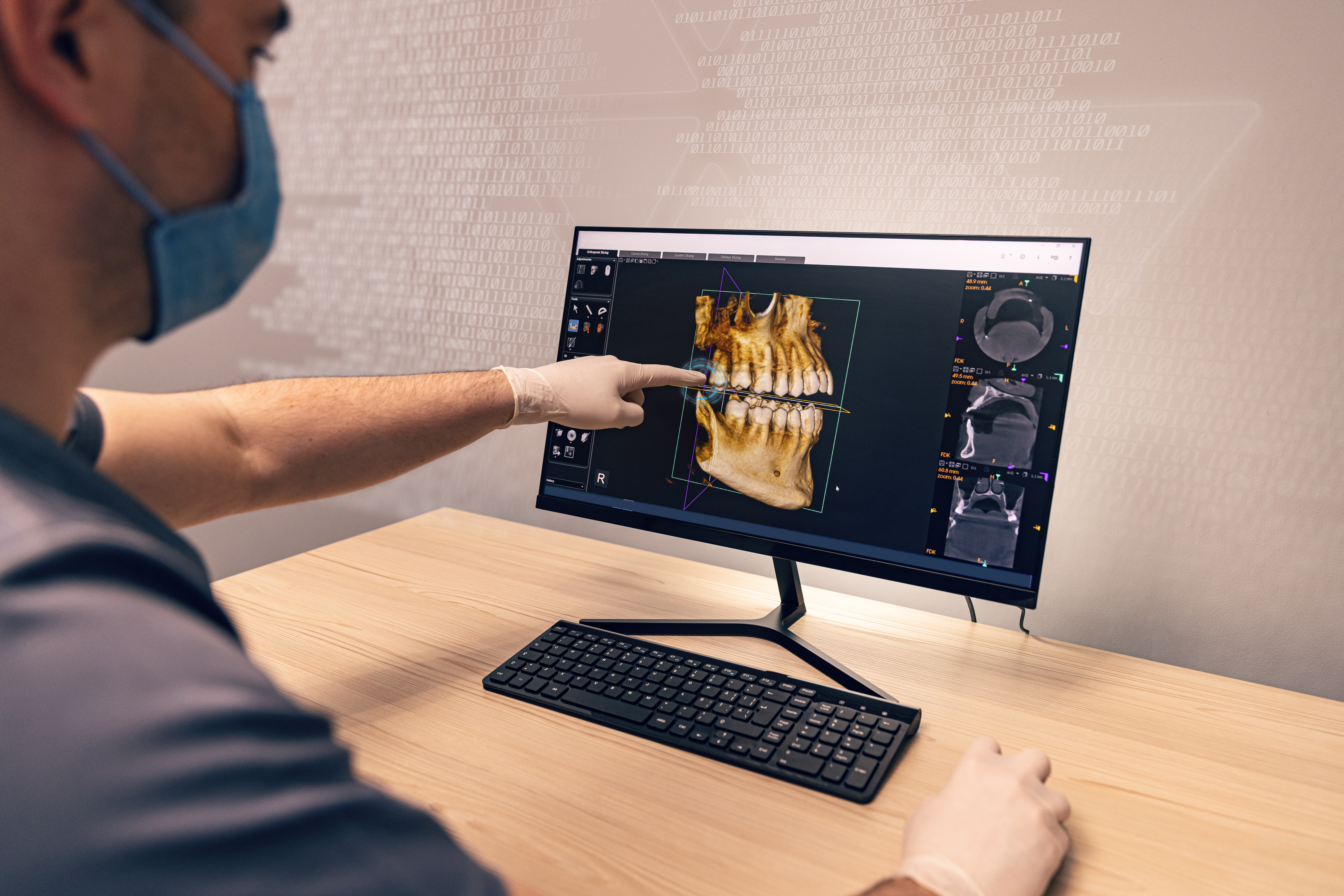
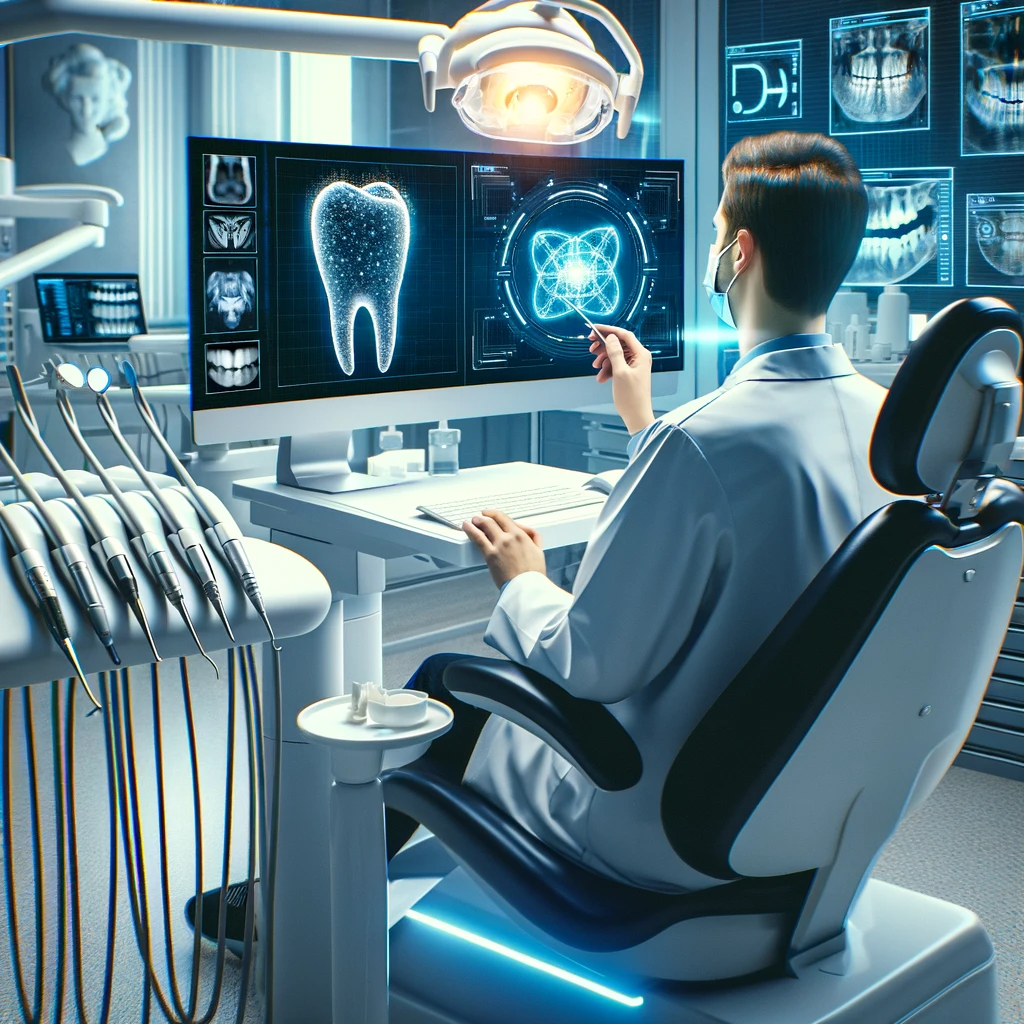
Doctor looking at human teeth x-ray on computer monitor. Modern dental clinic.

CTScan Technology in Dentistry

CTScan technology has revolutionized the field of dentistry, playing a pivotal role in the precise diagnosis and treatment planning of oral conditions. This advanced imaging technology has become an essential tool for dental practitioners, allowing them to obtain detailed 3D images of oral structures, which was not possible with traditional 2D imaging techniques. The impact of CTScan technology on dental diagnosis and treatment planning cannot be overstated, as it has significantly enhanced the ability to identify and address complex dental issues with greater accuracy and efficiency.

For instance, Wilmington Oral Surgery has embraced the use of CTScan technology to achieve precise treatment planning and perform minimally invasive surgery for their patients. The detailed 3D images provided by CTScans have enabled the team at Wilmington Oral Surgery to visualize oral structures from various angles, leading to more accurate diagnoses and treatment plans. This has resulted in improved patient care and successful treatment outcomes, showcasing the tangible impact of CTScan technology in dental practice.

Moreover, Pioneer Greens Dentistry has also leveraged innovative technology like the cone beam CT scanner, which provides a 360-degree, 3D image of the oral cavity. This level of detailed imaging has allowed for greater patient involvement and understanding of treatment options, empowering individuals to make informed decisions about their dental care. Dr. Chris Haag and Dr. Claire Haag, with their advanced training in CEREC crowns and implantology, have utilized CTScan technology to elevate the quality of care provided to their patients, demonstrating the significant role of CTScan in modern dentistry. The distinctive benefits of CTScan technology have reshaped the landscape of dental practice, underscoring its indispensable position in the field of dentistry. [1]

CTScan technology has not only revolutionized the way dental professionals diagnose and plan treatments, but it has also enhanced the patient experience by enabling more comprehensive and personalized care. This transformative technology has empowered both practitioners and patients, setting a new standard for precision and patient-centric dental practice. The evolution of CTScan technology has led to significant advancements in dental care, with its impact reverberating across various facets of dentistry, from diagnosis to treatment planning and patient involvement. The ongoing integration of CTScan technology in dentistry reflects its enduring significance and the profound change it has brought to the field.

Evolution of CTScan in Dentistry

The history of CTScan in dentistry dates back to the 1980s when it was first introduced for dental applications. The initial use of CTScan technology in dentistry marked a significant turning point, as it provided dentists with a new dimension of imaging that was previously unavailable. Over the years, there have been remarkable advancements in CT imaging, particularly tailored to meet the specific needs of dental practice. These advancements have been pivotal in transforming the landscape of dental diagnosis and treatment planning, ultimately enhancing patient care and outcomes [4].

One notable example of the impact of CTScan technology in dentistry is its role in implant dentistry. With the introduction of CTScan imaging, dental professionals gained the ability to precisely visualize the oral structures, facilitating the planning and execution of complex procedures such as implant placement and reconstructive surgery. This level of detailed imaging has revolutionized the way dental implants are approached, leading to more accurate placement and improved long-term success rates for patients undergoing implant treatments.

The evolution of CTScan technology in dentistry has been characterized by a continuous quest for enhanced precision, efficiency, and patient-centered care. As this technology has evolved, it has paved the way for innovative approaches to dental diagnosis and treatment planning. The integration of CTScan technology into dental practice has not only expanded the diagnostic capabilities of dental professionals but has also revolutionized the way complex procedures are conceptualized and executed, leading to enhanced patient outcomes and satisfaction. This evolution underscores the dynamic nature of CTScan technology and its enduring impact on the field of dentistry.

Benefits of Using CTScan in Dentistry

The benefits of incorporating CTScan technology into dental practice are profound and multifaceted. Firstly, CTScan technology offers the provision of highly detailed 3D images of oral structures, which significantly enhances the accuracy and precision of treatment planning and execution. This detailed imaging allows dentists to visualize intricate anatomical details, making it easier to identify potential issues and plan interventions effectively. For example, in the case of dental implant placement, CTScan images provide comprehensive information about bone density, nerve pathways, and sinus proximity, leading to more successful and predictable implant outcomes.

Moreover, CTScan technology plays a crucial role in facilitating minimally invasive surgery in dentistry. By providing comprehensive 3D images, dentists can precisely navigate complex anatomical structures, resulting in reduced trauma to surrounding tissues. This not only enhances patient comfort during and after the procedure but also promotes quicker recovery. For instance, in reconstructive surgery, CTScan images enable surgeons to plan and execute procedures with utmost accuracy, minimizing the need for extensive tissue manipulation and reducing post-operative discomfort for the patient. Therefore, the implementation of CTScan technology has revolutionized dental practice by elevating the standard of care, improving treatment outcomes, and prioritizing patient well-being.

The benefits of CTScan technology extend beyond the realm of clinical applications, influencing the overall landscape of dental practice. The integration of CTScan technology has redefined the approach to treatment planning, enabling practitioners to develop more personalized and precise treatment strategies. This has led to an enhanced patient experience, characterized by tailored treatment plans and improved clinical outcomes. The multifaceted benefits of CTScan technology underscore its pivotal role in shaping the future of dentistry, as it continues to drive advancements in diagnostic accuracy, treatment efficacy, and patient-centered care.

CTScan in Dental Diagnosis

CTScan technology has revolutionized the field of dentistry by significantly improving the process of diagnosing oral diseases. Unlike traditional X-rays, CTScans offer detailed 3D images of oral structures, allowing dentists to visualize the teeth, bone, nerves, and soft tissues from various angles. This level of comprehensive imaging provides valuable insights that can aid in accurate diagnosis and treatment planning. For example, when evaluating a patient for potential dental implants, CTScans can reveal the quality and quantity of available bone, helping dentists determine the feasibility of the procedure and plan the implant placement effectively.

In addition to its superior imaging capabilities, dental cone beam CT technology has further transformed dental diagnosis by offering more detailed and focused imaging of the oral cavity. This advanced imaging technique provides dentists with a 360-degree, 3D view of the oral structures, enabling them to identify issues that may not be visible on traditional X-rays. For instance, when assessing the positioning of impacted teeth or diagnosing complex conditions such as temporomandibular joint disorders, the use of dental cone beam CT can provide a comprehensive understanding of the patient’s oral anatomy, leading to more accurate diagnosis and tailored treatment plans. This level of precision and detail has significantly enhanced the diagnostic capabilities of dental professionals, contributing to improved patient outcomes and satisfaction.

The integration of CTScan technology into dental diagnosis has marked a paradigm shift in the approach to identifying and addressing oral health issues. The comprehensive and detailed imaging provided by CTScans and dental cone beam CT has empowered dental professionals to make more informed and accurate diagnoses, leading to more effective treatment planning and improved patient care. This transformative impact has elevated the standard of dental diagnosis, setting a new benchmark for precision, thoroughness, and patient-centric care in dentistry.

CTScan in Implant Dentistry

Doctor looking at human teeth x-ray on computer monitor. Modern dental clinic.

In implant dentistry, CTScan technology has significantly enhanced the precision and efficacy of procedures such as implant placement and reconstructive surgery. By providing detailed 3D images of oral structures, CTScan has revolutionized the way dentists plan and execute implant procedures. For example, the introduction of dental cone beam CT has allowed for more comprehensive imaging of the oral cavity, enabling dentists to visualize the patient’s anatomy in a 360-degree view. This level of detail is crucial for accurate assessment and planning of implant placement, as well as the evaluation of bone density and quality to determine the most suitable approach for implant treatment.

The advantages of CTScan over traditional imaging techniques in implant dentistry are evident in the improved predictability and success rates of implant procedures. For instance, a study published in the Journal of Oral Implantology demonstrated that the use of CTScan technology significantly reduced the risk of surgical complications and implant failure, leading to more favorable long-term outcomes for patients undergoing implant treatment. Additionally, the ability of CTScan to provide a detailed view of anatomical structures allows for the identification of potential challenges or limitations before the actual implant surgery, enabling dentists to develop precise treatment plans and mitigate potential complications during the procedure. These advancements have not only elevated the standard of care in implant dentistry but have also contributed to greater patient satisfaction and comfort throughout the treatment process.

The integration of CTScan technology into implant dentistry has redefined the approach to treatment planning and execution, leading to more predictable and successful outcomes for patients. This transformative impact has empowered dental professionals to navigate complex anatomical structures with precision, resulting in enhanced patient comfort and satisfaction. The enduring impact of CTScan technology on implant dentistry underscores its pivotal role in shaping the future of dental implant procedures, as it continues to drive advancements in treatment predictability, long-term success, and patient well-being.

Case Studies Showcasing CTScan Impact

Real-life examples serve as compelling evidence of the tangible impact of CTScan in dentistry. For example, a case study conducted at Pioneer Greens Dentistry showcased the successful use of CTScan technology in diagnosing a complex oral disease. The detailed 3D images provided by the CTScan allowed the dental team to accurately visualize the extent of the disease, leading to a precise treatment plan that resulted in a positive outcome for the patient. This case study highlights how CTScan technology significantly contributes to accurate diagnosis and tailored treatment strategies, ultimately benefiting the patient’s oral health.

In another instance, Wilmington Oral Surgery presented a case study illustrating the impact of CTScan in implant dentistry. The detailed 3D images provided by the CTScan facilitated precise implant placement and contributed to the success of a reconstructive surgery procedure. By utilizing CTScan technology, the dental team at Wilmington Oral Surgery achieved optimal results, demonstrating the invaluable role of CTScan in enhancing the precision and efficacy of complex dental procedures. These examples underscore the transformative impact of CTScan technology in elevating the quality of care and treatment outcomes in dentistry.

The use of case studies to showcase the impact of CTScan technology in dentistry reflects its tangible and far-reaching influence on clinical practice and patient outcomes. These real-life examples provide compelling evidence of the transformative role of CTScan technology in enhancing the precision, predictability, and success of dental procedures. By highlighting specific instances where CTScan technology has led to positive treatment outcomes, these case studies underscore its enduring impact on the field of dentistry, reinforcing its indispensable position in modern clinical practice. The integration of CTScan technology into dental care continues to shape the landscape of clinical decision-making, treatment planning, and patient care, setting new standards for precision and patient-centered practice.

Dental Cone Beam CT Technology

Dental cone beam CT technology has revolutionized the way dentists diagnose and plan treatments for their patients. Unlike traditional imaging techniques, dental cone beam CT provides a 360-degree, 3D image of the oral cavity, enabling dentists to visualize and assess oral structures with exceptional detail and accuracy. This advanced imaging capability allows for a more comprehensive understanding of a patient’s oral health, leading to more precise treatment planning and better outcomes.

One notable example of the impact of dental cone beam CT is its use in implant dentistry. By providing detailed 3D images of the jawbone and surrounding structures, dental cone beam CT has significantly improved the accuracy and success rates of dental implant placement. Dentists can now identify the most optimal locations for implant placement, avoiding vital structures and ensuring the long-term stability of the implants. The ability to visualize the oral cavity in 3D has transformed the way implant dentistry is approached, leading to more predictable and successful outcomes for patients.

The integration of dental cone beam CT technology into dental practice has set a new standard for precision and comprehensive imaging, revolutionizing the approach to treatment planning and execution. This advanced imaging capability has empowered dental professionals to make more informed clinical decisions, resulting in tailored treatment plans that prioritize patient well-being and long-term success. The transformative impact of dental cone beam CT technology on implant dentistry underscores its pivotal role in shaping the future of dental implant procedures, as it continues to drive advancements in treatment predictability, precision, and patient satisfaction.

Enhanced Patient Involvement and Understanding

CTScan technology has revolutionized patient involvement and understanding in dental treatment. By providing detailed 3D images of oral structures, CTScans allow patients to gain a comprehensive understanding of their dental conditions and treatment options. For example, Pioneer Greens Dentistry has incorporated innovative technology like the cone beam CT scanner, enabling patients to visualize their oral structures and actively participate in discussions about their treatment plans.

Moreover, CTScan technology enhances patient participation in treatment decisions by offering a clearer view of the dental anatomy and potential treatment outcomes. Patients can actively engage in conversations with their dentists, asking informed questions and expressing their preferences based on a thorough understanding of the visual representations provided by CTScan images. This level of involvement fosters a collaborative approach to treatment, where patients and dental professionals work together to determine the most suitable treatment plans, leading to increased patient satisfaction and improved treatment outcomes. This shift towards more patient-centered care is a testament to the transformative impact of CTScan technology on the field of dentistry.

The integration of CTScan technology into patient care has redefined the patient experience in dentistry, fostering a collaborative and informed approach to treatment decisions. By providing patients with a visual representation of their oral health and treatment options, CTScan technology has empowered individuals to actively participate in their dental care, leading to more personalized and satisfactory treatment experiences. This transformative impact has elevated the standard of patient involvement and understanding in dental practice, setting new benchmarks for patient-centered care, informed decision-making, and treatment satisfaction.

Addressing Limitations of 2D Imaging Techniques

Traditional 2D imaging techniques have long been used in dentistry for diagnosis and treatment planning. However, they come with inherent limitations, particularly in displaying 3D anatomical structures. This can impact the accuracy of diagnosis and treatment planning, especially in complex procedures such as dental implants and reconstructive surgery. For instance, when using traditional X-rays, the inability to visualize complex oral structures in three dimensions may lead to inaccuracies in identifying the optimal placement for dental implants, potentially resulting in suboptimal outcomes for patients.

CTScan technology has revolutionized the field of dentistry by addressing these limitations. By providing detailed 3D images of oral structures, CTScan technology offers a more comprehensive and accurate depiction of the patient’s oral anatomy. This level of detail enables dentists to precisely assess bone density, identify nerve pathways, and evaluate the overall structure of the jaw and teeth, leading to more informed and precise treatment planning. For example, in implant dentistry, the use of CTScan technology allows for the precise identification of the most suitable location for implant placement, ensuring optimal stability and long-term success of the dental implant.

Furthermore, the ability of CTScan technology to capture detailed 3D images of oral structures has significantly improved the overall quality of care in dentistry. Dentists can now diagnose oral diseases with greater accuracy and develop treatment plans that are tailored to each patient’s unique oral anatomy, ultimately leading to more successful treatment outcomes and improved patient satisfaction. This transformative impact has elevated the standard of diagnostic accuracy and treatment planning in dentistry, setting new benchmarks for precision, thoroughness, and patient-centered care.

The integration of CTScan technology into dental practice has not only addressed the limitations of traditional 2D imaging techniques but has also set new standards for precision, accuracy, and patient-centric care in dentistry. This transformative impact has redefined the approach to dental diagnosis and treatment planning, leading to more personalized and effective treatment strategies. The enduring influence of CTScan technology continues to shape the future of dentistry, driving advancements in diagnostic accuracy, treatment predictability, and patient well-being.

Notable Practitioners and Dental Practices

In addition to Dr. Chris Haag and Dr. Claire Haag, many other dental professionals and practices have also recognized the transformative impact of CTScan technology in enhancing dental diagnosis and treatment planning. For instance, Wilmington Oral Surgery is a leading dental practice that has fully embraced CTScan technology to provide patients with precise treatment planning and minimally invasive surgery. By leveraging CTScan technology, Wilmington Oral Surgery has set a new standard for dental care, emphasizing the importance of advanced imaging techniques in delivering optimal treatment outcomes.

Moreover, the commitment of dental practitioners to stay at the forefront of technological advancements is evident in their pursuit of advanced training in CTScan utilization. These practitioners understand that by harnessing the capabilities of CTScan technology, they can offer their patients a higher level of diagnostic accuracy and treatment precision, ultimately leading to improved patient outcomes and satisfaction. Their dedication to incorporating CTScan technology into their practice not only elevates the standard of care but also highlights the pivotal role of innovative imaging technologies in modern dentistry.

The recognition of notable practitioners and dental practices with advanced training in CTScan technology highlights the enduring impact of this transformative imaging technology on the field of dentistry. These practitioners and practices serve as exemplars of the profound change brought about by CTScan technology, setting new benchmarks for clinical excellence, precision, and patient-centered care. Their commitment to leveraging CTScan technology reflects its enduring significance and the transformative role it plays in shaping the future of dental practice, as it continues to drive advancements in diagnostic accuracy, treatment predictability, and patient well-being.
Posted on

The AI Revolution

Transforming Dentistry for Better Diagnosis and Treatment

The Future of AI in Dentistry: Explore the current applications and future advancements of AI in dentistry including improved diagnostic accuracy, personalized treatment planning, and advanced digital impression scanning.

white and yellow wooden condiment shakers

Overview of AI in Dentistry and Its Emerging Trends

Artificial Intelligence (AI) is rapidly gaining traction in the field of dentistry, providing assistance with diagnosis, treatment planning, image analysis, disease prediction, patient communication automation, and even interactive virtual reality simulations for patient education [1]. The fundamental machine hierarchy of Input, Processing, and Output forms the basis of AI’s applications in various dental fields, including endodontics, dental education, radiology, oral and maxillofacial surgery, prosthetic dentistry, orthodontics, and forensic odontology.

Advancements in AI, such as natural language models and face recognition, have led to its implementation in dentistry for clinical decision support, patient management, orthodontics, periodontics, endodontics, and restorative/prosthetic dentistry. By mimicking human cognitive capabilities, AI is poised to bring considerable improvements in diagnosis precision, treatment planning, and outcome prediction.

Current Applications of AI in Dentistry

AI plays a significant role in improving the accuracy and efficiency of diagnosis and treatment in the dental field. By analyzing dental images, automating diagnosis, and predicting the likelihood of dental diseases, AI not only boosts the efficiency of dental practice but also enhances patient outcomes.

Apart from these, AI is also implemented in compiling and saving patient data, processing this data, and extracting vital information for diagnosis. Furthermore, it enhances patient interactions by providing personalized treatment plans, preventing dental diseases, educating patients through virtual reality simulations, and offering convenient access to dental information through chatbots and voice assistants.

Future Advancements in AI Technology for Dental Practice

The future of AI in dentistry appears promising, with numerous potential improvements on the horizon. These advancements include enhanced diagnostic accuracy, advanced predictive analytics, personalized treatment planning, sophisticated dental robots, augmented reality for treatment planning, advanced digital impression scanning, and improved patient communication through AI-powered chatbots and voice assistants.

Additionally, AI models are evolving to provide explanations for their predictions, which can significantly impact dentists by further improving precision in diagnosis, treatment planning, and treatment result prediction.

Benefits and Challenges of Integrating AI in Dentistry

The integration of AI in dentistry comes with multiple benefits, such as increased accuracy and efficiency in diagnosis and treatment, improved patient outcomes and satisfaction, and cost savings for both patients and practitioners. AI can reduce costs by preventing the need for costly procedures, providing more effective treatments, and increasing efficiency during procedures through dental robotics.

However, the adoption of AI in dentistry is not without challenges. These include complexity, expensive setup, data sharing, safety issues, and ambiguous accountability. Nevertheless, a clear understanding and addressing of these challenges are necessary for the successful implementation of AI in dental practice.

Impact of AI on Patient Care and Outcomes in Dentistry

AI has a profound impact on patient care and outcomes in dentistry. Its role in diagnosing oral diseases and periodontal disease, as well as predicting the occurrence of oral cancer, demonstrates its potential to positively impact patient care and outcomes. It can also reduce costs by preventing the need for costly procedures, providing more effective treatments, and increasing efficiency during procedures through dental robotics.

AI’s ability to imitate human cognitive capabilities can lead to improved precision in diagnosis, treatment planning, and treatment result prediction, significantly enhancing patient care outcomes in dentistry.

Ethical Considerations in AI Adoption in Dentistry

AI’s adoption in dentistry comes with its own set of ethical considerations. Since AI supports human interpretation and action, it is essential to verify the generalizability and reliability of AI models for successful implementation [2,4]. The challenges faced by AI in dentistry, such as complexity, expensive setup, data sharing, safety issues, and ambiguous accountability, need to be understood and addressed [3,4].

In conclusion, AI is poised to bring significant advancements in the field of dentistry, from improving diagnostic accuracy to enhancing patient care outcomes. However, the successful integration of AI in dental practice requires a clear understanding of its benefits, challenges, and ethical considerations.

Posted on

Implementing ChatGBT in Dental Practices

Balancing Innovation and Ethics

This article provides an overview of the legal and ethical considerations in implementing ChatGBT in dental practices, including the potential benefits and risks, and offers guidelines for the ethical implementation of this technology.

Introduction

In the evolving landscape of modern healthcare, the integration of artificial intelligence (AI) into various medical practices, including dentistry, has become increasingly prevalent. One such notable AI technology is ChatGBT, which holds promising potential to revolutionize dental care. However, as with any significant technological development, the implementation of ChatGBT in dental practices comes with an array of legal and ethical considerations that must be thoroughly addressed.

Undeniably, these considerations serve as the cornerstone of a successful implementation plan. As such, the importance of ensuring compliance with established laws and regulations cannot be overstated. Alongside adherence to guidelines, the protection of patient privacy and the safeguarding of data security are crucial elements that need to be taken into account when integrating ChatGBT into dental practices. Moreover, these considerations are not merely precautionary measures but rather an integral part of fostering trust and maintaining the integrity of the healthcare provider-patient relationship.

Overview of ChatGBT Technology

ChatGBT, developed by OpenAI, represents a significant leap in the field of artificial intelligence (AI) technology. Standing out among several AI tools, ChatGBT has garnered widespread popularity due to its impressive capabilities. It leverages machine learning in tandem with natural language models to decode and respond to an extensive range of queries. What sets ChatGBT apart is its training, which is rooted in an enormous volume of human knowledge, enabling it to provide insightful and nuanced responses.

This AI chatbot has found its way into diverse industries, one of them being dentistry, where it has shown a promising potential for transforming practice operations. ChatGBT can automate routine tasks, thereby cutting down on administrative burden and allowing dental practitioners to focus more on patient care. Further, it proves to be a valuable tool in enhancing patient communication and consultations, providing a streamlined and efficient process for interaction. The potential of ChatGBT also extends to the realms of research and development, where it can summarize complex research papers and assist with drug development. Furthermore, it can contribute to improving diagnostic and prognostic capacities, thereby aiding in the delivery of quality care.

However, it is crucial to balance the enthusiasm for the benefits of ChatGBT with a consideration of its limitations. These include potential accuracy issues, given that despite its impressive capabilities, it lacks the nuanced understanding and emotional intelligence of a human practitioner. Additionally, there are concerns over patient privacy and the challenges of implementing AI in healthcare, particularly in regard to integrating it seamlessly into existing systems and ensuring compliance with data protection laws. Acknowledging these challenges is the first step towards effectively leveraging the potential of ChatGBT in dental practices, while also mitigating the risks involved.

Legal and Ethical Concerns in Implementing ChatGBT

The implementation of artificial intelligence technologies, such as ChatGBT, in dental practices brings a multitude of legal and ethical considerations to the forefront. The first category of these considerations involves legal ethics. Legal ethics in the context of ChatGBT implementation encompasses a broad range of responsibilities, most notably data privacy and compliance with licensing and regulations. Dental practices must ensure they are adhering to the legal obligations surrounding patient data protection, including the secure storage and handling of personal information. Moreover, compliance with the regulations set by licensing authorities is a legal prerequisite to the adoption of any new technology, including ChatGBT. These regulations often include stipulations about the use of AI in healthcare, and dental practices must ensure they are in full compliance to avoid potential legal ramifications.

In addition to legal considerations, the use of ChatGBT also raises specific ethical issues. These ethical issues can be broadly categorized into humanistic ethics and algorithmic ethics. Humanistic ethics concerns revolve around the provision of compassionate care, respect for the physician-patient relationship, and the maintenance of integrity in the usage of ChatGBT. For instance, dental practices must ensure that the implementation of ChatGBT does not compromise the quality of care provided to patients or infringe on the trust inherent in the physician-patient relationship. Similarly, algorithmic ethics issues involve the potential for algorithmic bias, the need for transparency and explainability of AI functions, and the importance of validating AI-generated content. Dental practices must ensure that the algorithms used in ChatGBT do not inadvertently favor one group of patients over another (algorithmic bias), that the workings of the AI are transparent and can be explained to patients, and that the content or advice generated by the AI is accurate and reliable. These ethical considerations are critical to maintaining the trust and confidence of patients while using advanced AI tools like ChatGBT in dental practices.

Potential Benefits and Risks of Implementing ChatGBT in Dental Practices

ChatGBT holds a wealth of potential benefits that could revolutionize the way dental practices operate. Its ability to automate routine tasks can significantly reduce the administrative burden on dental professionals, allowing them to allocate more time to patient care and complicated cases. For instance, ChatGBT can automate appointment scheduling, patient reminders, and even provide initial screening for dental issues, thus enhancing efficiency in dental practices.

Aside from administrative tasks, ChatGBT also plays a crucial role in enhancing patient communication and consultations. By leveraging its ability to understand and respond to a wide range of queries, dental practices can offer 24/7 patient support, answer common questions, and even provide personalized advice. Moreover, with its capability to process large volumes of data, ChatGBT can assist in improving diagnosis and prognosis, making it an invaluable tool for evidence-based dental care.

Despite the numerous benefits, it’s essential to acknowledge and prepare for the potential risks and limitations associated with the implementation of ChatGBT. One of the primary concerns revolves around accuracy. While AI technology has made remarkable strides, it is not infallible. Errors in AI-generated content could potentially lead to miscommunication or misdiagnosis, which could have serious repercussions in a healthcare setting.

Moreover, the lack of human characteristics in ChatGBT could potentially impact the patient-dentist relationship. The absence of empathy and human understanding in AI responses might lead to a perceived lack of care or understanding, which is crucial in a healthcare context.

Privacy concerns also pose a significant challenge. Dental practices must ensure robust data protection measures are in place to guard patient information, as any breach could lead to legal repercussions and damage the practice’s reputation.

Finally, the implementation of AI in healthcare is not without challenges. These might include resistance from staff, lack of technical expertise, or financial constraints. Therefore, dental practices need to carefully consider these factors before deciding to integrate ChatGBT into their operations.

Best Practices for Implementing ChatGBT in a Legal and Ethical Manner

As the adoption of ChatGBT in dental practices becomes more prevalent, it is imperative for dental professionals to be aware of the best practices for its legal and ethical implementation. The foundation of these best practices lies in the principles of informed consent and maintaining the sanctity of the patient-doctor relationship. Informed consent is particularly crucial when dealing with AI technologies such as ChatGBT. It is not sufficient just to obtain consent for a dental procedure, but it is equally important to inform patients about the role of AI technology in their care. This includes explaining what ChatGBT is, how it will be utilized in their dental care, and what potential benefits and risks may be associated with its use. This approach not only safeguards the rights of the patient but also fosters trust and transparency in the patient-doctor relationship.

In the context of data protection and patient privacy, dental practices need to ensure stringent measures are in place when integrating ChatGBT. Given the extent of personal and health-related data involved in dental care, it is vital to protect this information from potential breaches or misuse. Practices should adopt robust data encryption methods, limit access to patient data, and regularly update their security protocols to prevent breaches. Additionally, patients should be informed about the kind of data ChatGBT will have access to, how it will be stored, and who will have access to it. This reinforces the respect for patient privacy and helps maintain the integrity of the patient-doctor relationship. In conclusion, the ethical and legal implementation of ChatGBT in dental practices requires a comprehensive approach that focuses on patient consent, privacy, and data protection.

The Transformative Impact of AI Tools Like ChatGBT

Artificial Intelligence (AI) technologies, including sophisticated chatbots like ChatGBT, have begun to significantly reshape various sectors, including dental healthcare. Their transformative potential is immense, and their applications are continually expanding, providing both exciting opportunities and new challenges. AI tools could help bridge the gap, for example, by enabling laypeople to generate their own legal documents and obtain basic legal information. The dental industry, for instance, has seen advancements in patient communication, consultation processes, and routine tasks due to the integration of AI tools like ChatGBT. This shift towards digitalization not only improves operational efficiency but also augments the quality of patient care.

However, the development and use of such AI tools also raise important ethical and societal questions that must not be overlooked. For instance, how do we ensure the responsible use of these tools? How do we maintain and protect patient privacy, given the data-centric nature of these technologies? How do we avoid algorithmic bias and ensure the transparency and explainability of AI-generated content? These considerations underscore the need for thoughtful and informed discussions about the ethics of AI tool usage, especially in sensitive sectors like healthcare. On the cusp of this new era, it is critical that we navigate the adoption of AI technologies like ChatGBT in a manner that is both ethically responsible and constructively beneficial for society at large.

Posted on

Empowering Smiles

The Impact of Wearable Technology on Remote Dental Monitoring

Wearable Technology for Remote Dental Monitoring: Enhancing Patient Care – Discover how wearable technology, such as smart toothbrushes and oral health trackers, is revolutionizing the oral healthcare industry and improving patient care through remote dental monitoring.

Wearable Technology in Dentistry: Revolutionizing Oral Healthcare

Wearable technology is significantly reshaping the oral health landscape in the United States. These devices, ranging from smart toothbrushes to oral health trackers, have brought about a revolution in remote dental monitoring, enhancing patient care and convenience.

Smart toothbrushes, for instance, provide real-time feedback, timers, reminders, and data tracking to improve brushing habits. By offering immediate and actionable insights, these devices help individuals take control of their oral hygiene and proactively improve their dental well-being.

Understanding Remote Dental Monitoring

Remote dental monitoring operates via sensors and connectivity options embedded in wearable devices, monitoring treatment progress and providing real-time feedback. For instance, smart dental appliances such as braces and night guards are equipped with sensors that monitor alignment and grinding, respectively, offering immediate feedback and enabling timely interventions.

Oral health trackers present another compelling example of wearable devices in dentistry. These devices can analyze saliva, monitor breath quality, and correct oral habits, offering comprehensive oral health monitoring.

Benefits of Wearable Devices for Dental Monitoring

Wearable devices for dental monitoring offer numerous benefits. They promote improved brushing habits, enable breath quality monitoring, and assist in the correction of adverse oral habits.

More importantly, these devices empower individuals to take control of their oral hygiene. By providing real-time data tracking and reminders, wearable technology enhances dental monitoring and patient care, allowing individuals to proactively improve their dental well-being.

Impact on Patient Care and Convenience

Wearable technology is invaluable for managing patient conditions and gathering real-time data, significantly enhancing patient care in dentistry.

The convenience provided by these devices is unmatched. They offer real-time feedback, reminders, and data tracking, bringing dental care into the comfort of the patient’s home. These features not only make dental care more accessible but also make it more personalized, improving patient outcomes and satisfaction [1, 4].

Challenges and Future Prospects

Despite the promise of wearable technology in dentistry, challenges persist. The primary stumbling block is patient adherence to wearable devices, with factors such as technology complexity and lifestyle compatibility influencing adherence rates.

Strategies to overcome these challenges include the development of easy-to-use interfaces, customization to specific customer needs, integrated reminders, and compliance dashboards. By addressing these barriers, wearable technology can reach its full potential in enhancing dental care.

The future of wearable technology in dentistry is promising, with a focus on the development of oral wearable sensors. These devices offer real-time indicators of physical conditions, heralding a new era in health management.

Conclusion

In conclusion, wearable technology is significantly enhancing remote dental monitoring and improving patient care in dentistry. Through real-time feedback, reminders, and data tracking, wearable devices are empowering individuals to take charge of their oral hygiene. Despite the challenges, with continued innovation and research, wearable technology holds immense potential to reshape the future of oral healthcare [1, 3, 4].

Posted on

The Sleep-Pain Connection: Unraveling the Impact of Sleep Disorders on Temporomandibular Disorders

The article explores the role of sleep disorders in temporomandibular disorders (TMD), highlighting the significant association between sleep dysfunction and the onset and progression of TMD, as well as the implications for diagnosis and treatment.

a woman laying in bed with her head on a pillow

Understanding Temporomandibular Disorders (TMD)

Temporomandibular disorders (TMD) are a group of conditions that affect the temporomandibular joint (TMJ) and have a considerable impact on individuals’ quality of life. These disorders encompass a wide range of symptoms and are estimated to affect 5 to 12% of the population. Some of the prominent symptoms of TMD include joint pain, disk disorders, and degenerative joint diseases like temporomandibular OA (TMJ-OA). The prevalence and impact of TMD make it a significant public health concern, and it is recognized as a leading cause of chronic disease in the TMJ, contributing to musculoskeletal pain in the orofacial region.

For instance, an individual experiencing TMJ-OA may encounter challenges in performing basic functions such as chewing, speaking, and even simple facial movements due to the pain and discomfort associated with the disorder. Moreover, the chronic nature of TMD can lead to long-term impairment, affecting an individual’s overall well-being. The multifaceted nature of TMD symptoms underscores the complexity of managing these disorders effectively, warranting a comprehensive approach that takes into account both the physical and psychological aspects of the condition. Therefore, understanding the diverse manifestations of TMD and its prevalence is crucial for developing targeted interventions and improving the overall care and outcomes for individuals affected by these disorders.

The Role of Sleep Dysfunction in Temporomandibular Disorders

The relationship between sleep disorders and temporomandibular dysfunction (TMD) has been a subject of significant research and analysis. A systematic review and meta-analysis have provided insights into the role of sleep dysfunction in the onset and progression of TMD, demonstrating a clear association between the two. For instance, individuals with TMD may experience disturbances in their sleep patterns that can exacerbate their condition, leading to increased pain and discomfort. This highlights the critical importance of addressing sleep dysfunction as a key aspect of TMD management, as it can significantly impact the overall well-being of individuals with this condition.

Moreover, the implications of poor sleep quality for patients with painful TMD extend beyond the physical symptoms, encompassing the psychological and emotional toll of chronic pain and sleep disturbances. For example, patients with myalgia and mixed temporomandibular disorder pain have been found to have significantly worse sleep quality than those with arthralgia, shedding light on the differential impact of sleep dysfunction based on the origin of pain. This underscores the need for a comprehensive approach to TMD management that takes into account the multifaceted nature of the condition, incorporating interventions to address sleep quality alongside traditional treatments.

Sleep Quality and Temporomandibular Disorders: Research Findings

Research has shown that chronic TMD patients experience significantly poorer sleep quality compared to healthy controls, as evidenced by a study that compared sleep quality between the two groups. Moreover, the study also revealed that TMD patients have a higher likelihood of obstructive sleep apnea and excessive daytime sleepiness, indicating a strong association between sleep dysfunction and temporomandibular disorders. This emphasizes the critical need to address sleep quality in the diagnosis and treatment of individuals with TMD, as sleep disorders can significantly impact their overall well-being and quality of life.

In addition to the association between sleep dysfunction and TMD, there is a notable prevalence of sleep disorders, such as insomnia and apnea, among TMD patients. This further underscores the importance of recognizing and addressing sleep quality as an integral part of the management of temporomandibular disorders. Furthermore, the occurrence of sleep disorders, including sleep bruxism and obstructive sleep apnea, in patients with temporomandibular OA highlights the necessity of considering sleep quality in the care and treatment of these individuals, as sleep-related issues can have a substantial impact on their pain experience and overall health. Therefore, these research findings not only emphasize the significance of sleep quality in the context of TMD but also underscore the need for comprehensive care that addresses both the dental and sleep-related aspects of the condition.

Management and Treatment Strategies

When it comes to managing temporomandibular disorders (TMD), addressing sleep dysfunction through interventions has proven to be beneficial. For instance, a systematic review and meta-analysis highlighted the significant association between sleep dysfunction and the onset and progression of TMD, emphasizing the importance of incorporating sleep interventions in the management of TMD. By specifically targeting sleep quality, healthcare professionals can contribute to the comprehensive treatment of TMD, potentially leading to improved patient outcomes and quality of life.

Furthermore, it’s essential to consider specific factors associated with poor sleep in TMD patients. Research has identified various factors, including older age, female gender, higher Epworth sleepiness scale scores, and the presence of headaches attributed to TMD, as indicators of compromised sleep quality in these patients. This underscores the need to integrate sleep assessment and interventions into the diagnostic and treatment strategies for TMD. By addressing sleep dysfunction as a crucial component of TMD management, healthcare providers can potentially enhance the overall effectiveness of treatment and contribute to improved patient well-being and satisfaction.

Future Research and Implications

Further research is essential to gain a deeper understanding of the intricate mechanisms underlying the relationship between sleep dysfunction and temporomandibular disorders (TMD). For instance, investigating how specific sleep disorders, such as sleep bruxism and obstructive sleep apnea, impact the progression and severity of TMD could provide valuable insights into the interactions between sleep quality and TMD symptoms. Additionally, exploring the potential biological pathways and neurophysiological mechanisms linking sleep dysfunction and TMD could offer new opportunities for targeted interventions and personalized treatment approaches.

Furthermore, the implications of addressing sleep dysfunction in the context of TMD diagnosis and treatment are significant for improving patient outcomes. For example, integrating comprehensive sleep assessments into the diagnostic process for TMD patients could lead to more tailored and effective treatment plans that consider both the underlying sleep disturbances and the TMD symptoms. This approach may contribute to enhanced symptom management, better quality of life, and improved overall health outcomes for individuals grappling with TMD and related sleep issues. Therefore, future research endeavors should prioritize investigating the potential benefits of multidisciplinary interventions that encompass both sleep management and TMD treatment, with the aim of optimizing the holistic care of affected individuals.

Posted on

Unraveling the Genetic Mysteries of TMD

The article provides an overview of the role of genetics in Temporomandibular Disorders (TMD), including the strong association between migraines and TMD, the genetic contributions of genes such as COMT, MTHFR, and ESR1, and the implications of genetics research for diagnosis and treatment of TMD.

grayscale photo of womans face

Overview of Temporomandibular Disorders (TMD)

Temporomandibular disorders (TMD) are multifaceted conditions that encompass various issues affecting the jaw joint and the muscles controlling jaw movement. These disorders are characterized by symptoms such as pain, clicking, and restricted movement of the jaw. Notably, research has revealed a compelling association between migraines and TMD, with both conditions exhibiting significant genetic contributions. This suggests a genetic correlation between the two, underscoring the potential influence of genetic factors on the development and manifestation of TMD.

In recent years, genetic studies have made significant strides in unraveling the genetic landscape of TMD, spotlighting the pivotal roles played by specific genes, including COMT, MTHFR, and ESR1, in shaping the pathogenesis of TMD. For instance, the COMT gene has been identified as a critical player in the development of TMD, offering potential insights into targeted therapeutic interventions. Similarly, the impact of genetic regulation of the MTHFR gene on TMD has been a subject of scientific inquiry, with implications for enhancing the diagnosis and treatment of TMD. Moreover, the influence of the ESR1 gene on the pain pathogenesis of TMD has not only broadened our understanding of the condition but has also paved the way for potential therapeutic applications. This emerging genetic knowledge has the potential to revolutionize the approach to diagnosing and treating TMD, signifying the importance of comprehending the genetic underpinnings of clinical conditions like TMD to improve patient outcomes.

Genetic Contributions to TMD

The genetic landscape of TMD is a complex and intriguing area of study that offers valuable insights into the pathogenesis of this condition. Genes such as COMT, MTHFR, and ESR1 have been the focus of extensive research, revealing their significant contributions to the development and progression of TMD. For example, the COMT gene has emerged as a key player in TMD, with studies demonstrating its critical role in influencing the condition. By regulating the metabolism of neurotransmitters such as dopamine, the COMT gene influences pain perception and sensitivity, which are essential factors in TMD pathogenesis. This genetic insight not only enhances our understanding of the condition but also opens avenues for potential therapeutic interventions targeting the COMT gene to alleviate TMD-related symptoms and improve patient outcomes.

Furthermore, investigations into the MTHFR gene’s involvement in TMD have provided valuable insights into the condition’s personalized diagnosis and treatment. Studies have explored the impact of genetic regulation of the MTHFR gene on TMD, shedding light on the potential for tailored diagnostic and therapeutic approaches based on an individual’s genetic profile. For instance, specific variations in the MTHFR gene may influence an individual’s susceptibility to TMD, paving the way for personalized treatment strategies that consider genetic factors for more effective management of the condition. This personalized approach holds promise for optimizing treatment outcomes and addressing the unique needs of TMD patients based on their genetic predispositions.

Additionally, the ESR1 gene has garnered attention for its involvement in the pain pathogenesis of TMD, underscoring its potential as a therapeutic target for managing TMD-related symptoms. Understanding the genetic influence of the ESR1 gene on TMD not only provides crucial insights into the mechanisms underlying the condition but also offers opportunities for developing targeted interventions aimed at modulating pain perception and sensitivity. By leveraging genetic discoveries related to the ESR1 gene, researchers and clinicians can explore novel therapeutic avenues to address TMD-associated pain and enhance the quality of life for individuals affected by the condition.

Research Collaborations and Contributions

Collaborative efforts from researchers at prestigious institutions such as the University of North Carolina at Chapel Hill, University of Maryland Dental School, University of Florida, University at Buffalo, and others have significantly contributed to the understanding of temporomandibular disorders (TMD) and genetics. These institutions have been at the forefront of publishing articles related to neurosensory disorders, pain sciences, dental ecology, and genome sciences, shedding light on the genetic underpinnings of TMD. For example, researchers like Shad B. Smith, Dylan Maixner, and Joel Greenspan have delved into various genetic aspects of TMD, providing valuable insights into the complex interplay between genetics and this debilitating condition.

The collaborative nature of the research in this domain emphasizes the diverse expertise and perspectives that are essential in advancing the understanding of TMD and genetics. By leveraging the collective knowledge and skills from different academic and research institutions, these collaborative efforts have not only deepened the understanding of the genetic contributions to TMD but have also paved the way for innovative approaches to diagnosis, treatment, and potential therapeutic targets. This multidisciplinary approach has been instrumental in unraveling the complexities of TMD, underscoring the importance of diverse perspectives and collective expertise in addressing the multifaceted nature of genetic influences on TMD.

Genetic Research’s Implications for Diagnosis and Treatment of TMD

Genetics research has uncovered valuable information about the genetic contributions to temporomandibular disorders (TMD), particularly highlighting the significant role of genes such as COMT, MTHFR, and ESR1 in the pathogenesis of this condition. This understanding has significant implications for the diagnosis and treatment of TMD, as it provides opportunities for personalized and targeted interventions.

For instance, the critical role of the COMT gene in TMD pathogenesis has shed light on its potential as a therapeutic target. This means that medications and treatment approaches could be developed to specifically target the pathways influenced by this gene, potentially leading to more effective pain management and symptom control for individuals with TMD. Additionally, the influence of the ESR1 gene in the pain pathogenesis of TMD presents avenues for the development of novel therapeutic strategies aimed at mitigating pain associated with this disorder.

Furthermore, the impact of genetic regulation of the MTHFR gene on TMD has implications for diagnosis and treatment. Understanding the genetic profile of TMD provides an opportunity for clinicians to identify individuals who may be more susceptible to certain symptoms or complications associated with TMD, enabling early intervention and targeted management strategies. This personalized approach to diagnosis and treatment has the potential to significantly improve patient outcomes and overall treatment efficacy, highlighting the transformative impact of genetics research on TMD.

The Future of Genetics in TMD Research

As we delve into the future of genetics in TMD research, it becomes evident that ongoing genetic investigations hold significant promise for furthering the understanding of the genetic underpinnings of temporomandibular disorders (TMD) and paving the way for targeted interventions. For instance, the exploration of the genetic role of genes such as COMT, MTHFR, and ESR1 has already provided valuable insights into the pathogenesis of TMD. This ongoing research is poised to shed light on additional genetic factors that contribute to TMD, which could potentially lead to the identification of novel therapeutic targets.

Moreover, the unraveling of the genetic components of TMD through continued research is anticipated to open up new vistas for refining diagnostic tools and therapeutic strategies. For instance, understanding the genetic contributions to TMD can aid in the development of personalized treatment approaches, tailoring interventions based on an individual’s genetic profile to enhance treatment efficacy and patient outcomes. This personalized approach has the potential to revolutionize the management of TMD, offering more targeted and effective interventions that are tailored to the specific genetic characteristics of each patient.

The importance of ongoing genetic research in enhancing the understanding and management of TMD cannot be overstated. It holds the promise of improved outcomes and a better quality of life for individuals affected by this condition. As researchers continue to delve deeper into the genetic landscape of TMD, it is expected that these findings will not only enhance our understanding of the disorder but also pave the way for the development of innovative therapeutic modalities that could significantly impact the lives of individuals grappling with TMD.

Conclusion

In conclusion, the genetic contributions to temporomandibular disorders (TMD) have been a subject of extensive research, shedding light on the complex interplay of genes in the pathogenesis of this condition. One of the key genes studied in relation to TMD is COMT, which has been found to play a critical role in the pathogenesis of TMD. For example, a systematic review highlighted the significant genetic contributions of COMT, MTHFR, and ESR1 to both TMD and migraines, emphasizing the importance of these genes in the underlying mechanisms of these disorders. This understanding has opened up avenues for potential therapeutic targets, as evidenced by the potential applications of ESR1 and COMT genes in the management of TMD-related symptoms.

Moreover, genetic research has not only provided insights into the pathogenesis of TMD but also holds promise in shaping the future of diagnosis and treatment strategies. By unraveling the genetic profile of TMD, researchers are paving the way for personalized treatment approaches tailored to an individual’s genetic makeup, potentially revolutionizing the management of this condition. This signifies the significance of genetics research in the field of TMD and its potential to enhance the overall quality of care for individuals affected by this disorder.

In essence, the role of genetics in TMD is instrumental in shaping the landscape of diagnosis, treatment, and management of this complex condition. As ongoing research continues to delve deeper into the genetic underpinnings of TMD, the potential for breakthroughs in personalized care and targeted therapies becomes increasingly promising, signifying the profound impact of genetics on the understanding and management of TMD.

Posted on

Utilizing Personalized Ebooks for Enhanced Customer Loyalty

Personalized Ebooks as a Tool for Customer Retention – Discover the benefits of using personalized ebooks in marketing strategies to increase customer loyalty and engagement, and learn how to implement them effectively in your business.

Personalized Ebooks as a Tool for Customer Retention

The Importance of an Exceptional Customer Experience

In today’s competitive business environment, delivering an exceptional customer experience is crucial for growth and efficiency. It not only helps companies set themselves apart from their competition but also fosters customer loyalty, leading to increased revenue. One powerful tool that businesses can leverage to enhance their customer experience and drive productivity is browser-based technology such as personalized ebooks.

Take the ebook “The Future of Exceptional Customer Experience Is Your Browser” as an example. It highlights three key changes in customer experience and the immediate value of browser-based technologies in driving productivity and increasing revenue. The ebook effectively demonstrates how personalized content can be utilized to improve the customer experience and ultimately contribute to business growth.

Personalized Ebooks as a Tool for Customer Retention

Personalization in marketing is a powerful strategy for customer retention. It engages consumers at an individual level, encouraging more purchases and increasing customer satisfaction. Personalized offers not only meet customers’ specific needs but also foster a sense of loyalty, leading to increased customer retention and improved bottom lines.

A prime example of personalization in marketing is the use of personalized ebooks. These ebooks provide targeted content that appeals to specific customer interests and needs, fostering a sense of commitment, trust, and reciprocity, which are key elements in customer loyalty.

Implementing Personalized Ebooks in Marketing Strategies

Incorporating personalized ebooks in your marketing strategy requires careful planning and targeting. It’s crucial to understand your target audience and craft content that appeals to their interests and needs. For instance, the ebook “Insights-led Customer Engagement” provides insights into customer behavior and offers strategies for improving engagement.

Furthermore, the design of your ebook is equally important. An attractive ebook template, eye-catching images, and a well-designed landing page with a short and simple lead generation form can significantly enhance the effectiveness of your personalized ebook.

Personalized Ebooks in Dentistry Marketing

Personalized ebooks can be a powerful tool in dentistry marketing as well. By providing targeted information on dental care and treatment options, these ebooks can attract new patients and foster loyalty among existing customers.

An ebook offering tips on oral health care, for instance, can be a valuable resource for patients and can help establish a dental practice as an authority in the field. Additionally, such ebooks can help in generating leads and improving SEO tactics, contributing to an effective dental marketing strategy.

Measuring the Impact of Personalized Ebooks on Customer Retention

To measure the impact of personalized ebooks on customer retention, it’s important to monitor key metrics such as engagement rates, conversion rates, and customer feedback. Interactive content, such as quizzes and videos, can be particularly effective in increasing customer retention.

Such content not only offers a personalized experience but also satisfies the audience’s needs, thereby increasing customer retention. For instance, interactive videos can boost user activity by nearly 600% and increase click-through rates tenfold.

In conclusion, personalized ebooks, used strategically, can be a powerful tool for customer retention. By offering targeted and engaging content, businesses can enhance customer loyalty, increase satisfaction, and ultimately drive growth and profitability.

Posted on

Revolutionizing Customer Experience: The Power of Social Media

This article explores the impact of social media on customer experience, including the influence of social media usage, strategies for enhancing customer experience through social media, leveraging social media platforms for customer engagement and feedback, online presence and reputation management, effective marketing, and the future of customer experience.

person holding yellow sticky notes

The Impact of Social Media on Customer Experience

The Influence of Social Media Usage

The digital revolution has seen an explosion in the number of social media users, with over 4.There are over 4.55 billion active users globally, making it a crucial channel for brands to connect with customers and provide support. This vast network has transformed the way customers interact with brands, enabling them to share their thoughts, experiences, and feedback with just a click of a button. This shift has turned social media into a significant piece of the customer experience puzzle, providing a platform for customers to learn about brands, share opinions, raise concerns, and give feedback.

For example, Starbucks launched the #RedCupContest on Instagram, inviting customers to share their creative photos with Starbucks’ holiday red cup. The campaign generated thousands of posts, significantly increasing customer engagement and enhancing the overall customer experience.

Strategies for Enhancing Customer Experience through Social Media

The benefits of social media for businesses are manifold, with real-time engagement and accessibility being key advantages. Brands can connect with customers, show they care about their needs, and gather valuable feedback to influence potential customers. Understanding the audience and capturing their feedback are crucial for improving customer experience.

In 2011, KLM Royal Dutch Airlines launched a social media campaign called “KLM Surprise” where they surprised their customers with personalized gifts at the airport. The campaign went viral, and it significantly improved customer experience and brand perception.

Leveraging Social Media Platforms for Customer Engagement and Feedback

The effective use of major social media platforms like Facebook, Twitter, and Instagram is crucial for customer engagement and feedback. In addition, the rise of messaging apps such as Facebook Messenger, WhatsApp, Skype, and Twitter has further enhanced customer experience. Mobile devices have become the preferred medium for customer interaction on social media, with 95% of Facebook visits being made on smartphones and tablets.

For instance, Hyatt uses Twitter for its customer service, with a dedicated team that responds to customer inquiries and complaints. This approach has led to faster resolutions and improved customer satisfaction.

Online Presence, Reputation Management, and Effective Marketing

A strong online presence and reputation management are critical for businesses in the digital age. Effective social media marketing on platforms like Facebook, Twitter, and Instagram can significantly enhance the brand’s image and customer experience. Quick responses, personalized solutions, and a dedicated team are essential elements for improving customer experience.

Consider the case of Zappos, an online retailer known for its exceptional customer service. The company leverages social media to connect with its customers, respond promptly to their inquiries, and manage its online reputation effectively.

Personalization, Automation, and the Future of Customer Experience

The growing trend of personalization and automation in social media customer service is transforming customer experience. Bots and chatbots play a significant role in automating customer care and providing immediate solutions. Businesses that embrace social media and provide personalized experiences are more likely to succeed in this new era of customer experience.

Sephora, a leading beauty retailer, has introduced a chatbot on Facebook Messenger that provides personalized beauty tips and product recommendations to customers. This innovative approach has significantly enhanced the customer experience, setting a new benchmark for customer service in the beauty industry.

Conclusion

Social media has a profound impact on customer experience, shaping how brands interact with their customers. It provides businesses with a platform to engage with their customers, gather valuable feedback, and improve their services. As we move forward, the role of social media in shaping customer experience and brand perception will only continue to grow. It’s imperative for businesses to adapt to these changes and leverage social media for customer engagement and feedback. The future of customer experience lies in personalization, automation, and real-time engagement, with social media leading the way.

Posted on

Leveraging ChatGPT: Revolutionizing Patient Care in Dental Practices

Discover the potential benefits of using ChatGPT, an AI-powered virtual assistant, in your dental practice, including enhanced patient communication, streamlined appointment scheduling, and improved patient satisfaction and loyalty. Explore real-world case studies and consider the challenges and ethical implications of implementing ChatGPT in dentistry.

AI in Dentistry: The Potential of ChatGPT

Understanding ChatGPT

ChatGPT is a large language model developed by OpenAI for natural language processing (NLP). It’s a chatbot that has gained widespread popularity due to its ability to answer a wide range of questions, thanks to the vast amount of human knowledge it has been trained on. Unlike other AI models, ChatGPT stands out due to its extensive training and its ability to engage in human-like conversations.

The application of ChatGPT within dental practices is a game-changer. It has the potential to automate routine tasks, assist with patient communication, and consultations, and even help in summarizing research papers.

Benefits of ChatGPT for Dental Practices

In a dental practice, patient communication is key. ChatGPT can facilitate enhanced patient engagement by providing real-time responses to inquiries, clarifying treatment procedures, and even offering advice on oral hygiene.

ChatGPT can also streamline the appointment scheduling process. As an AI-powered virtual assistant, it can manage appointment reminders, thereby reducing the chance of no-shows and improving the overall efficiency of the practice.

Further, by offering consistent and accurate responses, ChatGPT can contribute significantly to improving patient satisfaction and loyalty. Patients appreciate quick and accurate responses, and an AI-powered assistant like ChatGPT can deliver just that.

Case Studies of ChatGPT in Dental Practices

ChatGPT has been successfully implemented in various dental practices. For example, it has been used to provide dental health information, personalized patient care, and assist in diagnosing and treatment planning.

By leveraging AI, dental practices can offer a more personalized care approach. ChatGPT can analyze patient data to provide personalized treatment plans, thereby enhancing the patient experience and ensuring optimal health outcomes.

Challenges and Ethical Implications of ChatGPT in Dentistry

However, there are challenges and ethical implications attached to the use of ChatGPT in dental practices. One of the primary concerns is accuracy. While ChatGPT is trained on a vast array of data, it may not always provide accurate information.

Moreover, while ChatGPT can mimic human conversation, it lacks the human characteristics that are often necessary for empathic patient communication. Patient privacy is another concern, as the implementation of AI technologies often involves handling sensitive patient information.

Ethical and societal implications, including potential plagiarism, bias, and legal issues, are also crucial considerations when implementing AI technologies like ChatGPT in dentistry.

Conclusion

While AI technologies like ChatGPT offer exciting possibilities for dental practices, it is essential to remain aware of their limitations, especially when creating personalized treatment plans. Despite these challenges, the potential benefits of such technologies are significant, and dental practices should explore them while being mindful of the ethical considerations involved. By striking a balance between leveraging AI and maintaining high ethical standards, dental practices can significantly enhance their practice management and patient care.

Posted on

The Ultimate Guide to Personalized eBooks for Modern Business Success

Discover the importance and benefits of personalized ebooks for modern business owners, including how to create your own, showcasing successful examples, effective marketing strategies, and challenges in using ebooks in eCommerce strategies.

white book page on white textile

The Importance of Personalized Ebooks for Modern Business Owners

In today’s digital age, personalized ebooks have emerged as a critical asset for modern business owners, offering a multitude of benefits and opportunities. One of the key advantages of personalized ebooks is their ability to significantly enhance customer experiences and foster stronger, more meaningful relationships with the audience. By tailoring content to the specific interests and needs of individual readers, businesses can create a sense of personal connection, ultimately leading to increased engagement and loyalty.

Moreover, personalized ebooks provide a platform for businesses to showcase their expertise and credibility within their respective industries. By offering in-depth, valuable information in a convenient digital format, businesses can position themselves as thought leaders, further solidifying their brand image and reputation. This not only helps in attracting new customers but also in retaining existing ones by consistently delivering high-quality, personalized content.

Additionally, the insights gleaned from recommended books on personalized experiences offer invaluable guidance to modern business owners, shedding light on the evolving landscape of customer expectations and the role personalization plays in meeting these demands. Understanding the impact of personalized ebooks in the digital era is crucial for business owners to harness the full potential of this technology and adapt to the changing dynamics of customer engagement and marketing strategies. As such, personalized ebooks are not just a trend but a strategic necessity for businesses looking to thrive in the modern marketplace.

Understanding the Benefits of Personalized Ebooks

Personalized ebooks offer a wide array of benefits for modern business owners, making them a crucial tool in their marketing arsenal. Firstly, they are highly effective in lead generation and customer engagement, providing valuable and tailored content that resonates with the target audience. For example, a company in the software industry may create a personalized ebook that addresses specific pain points of its audience, such as streamlining workflow processes or maximizing software utilization. This targeted approach not only attracts potential leads but also fosters engagement as the content directly addresses the audience’s needs and challenges.

Moreover, personalized ebooks play a significant role in establishing expertise, improving brand image, and enhancing credibility in the eyes of customers. By offering in-depth and tailored information, businesses can showcase their industry knowledge and thought leadership. For instance, a financial consultancy firm can create personalized ebooks that delve into complex financial strategies or provide insights into market trends. This expertise not only positions the business as a trusted authority but also instills confidence in potential clients, ultimately strengthening the business’s reputation and credibility.

In summary, the multifaceted benefits of personalized ebooks encompass lead generation, customer engagement, and the establishment of expertise, brand image, and credibility. By leveraging the power of personalization, modern business owners can create a lasting impact on their audience and drive meaningful results for their business.

Creating Your Own Personalized Ebook

When it comes to creating a personalized ebook for business purposes, it’s essential to understand that the content should be tailored to resonate with the specific target audience. This involves a strategic approach that takes into account the unique needs and preferences of the readers. A step-by-step guide can be immensely helpful in this process, ensuring that the personalized ebook is not only well-crafted but also aligns with the interests of the intended audience.

For instance, a successful example of creating a personalized ebook could be seen in the repurposing of popular blog posts and existing content for an eBook-reading audience. By leveraging the knowledge and insights already present in these materials, businesses can effectively develop compelling and valuable content that speaks directly to the reader’s interests and concerns. Additionally, understanding the technological tools available for personalized content creation, along with a deep understanding of customer needs, is crucial to the success of the personalized ebook. These elements are pivotal in ensuring that the ebook is not only personalized but also genuinely valuable to the audience it seeks to engage.

By taking these factors into consideration, business owners can create personalized ebooks that not only provide valuable information but also resonate deeply with their target audience, ultimately leading to stronger engagement and enhanced customer experiences.

Showcasing Successful Examples of Personalized Ebooks

Showcasing successful examples of personalized ebooks is essential to understand their impact on modern business owners. One such successful example is the use of personalized ebooks by a leading e-commerce company to boost customer engagement and loyalty. By implementing personalized recommendations and tailored content in their ebooks, the company was able to significantly enhance the customer experience. This resulted in higher customer satisfaction, increased retention rates, and ultimately, a positive impact on the company’s bottom line.

Another compelling example is a software company that created a series of personalized ebooks catering to different segments of their target audience. These ebooks were tailored to address the specific pain points and needs of each customer segment, providing highly relevant and valuable content. As a result, the company saw a substantial increase in lead generation, with prospects expressing a higher level of interest and engagement with the personalized content. This not only positioned the company as an authority in their industry but also contributed to a notable uptick in customer conversions and sales.

These examples clearly demonstrate the tangible benefits of personalized ebooks for businesses. They showcase how personalized content can effectively resonate with target audiences, resulting in improved customer engagement, enhanced brand perception, and ultimately, a competitive edge in the market. By leveraging these successful examples, modern business owners can gain valuable insights into the potential of personalized ebooks as a powerful marketing and customer engagement tool.

Effective Marketing Strategies for Personalized Ebooks

Personalized ebook marketing is crucial for businesses looking to connect with their audience in a meaningful way. In the digital era, the importance of personalized ebooks cannot be overstated. They offer a unique opportunity to engage with customers on a deeper level by providing tailored content that addresses their specific needs and interests. This level of personalization enhances the customer experience, ultimately leading to stronger relationships and brand loyalty.

One successful example of personalized ebook marketing is the case of a software company that created personalized ebooks targeting different segments of their audience. By leveraging customer data and insights, they were able to tailor the content of their ebooks to address the unique pain points and challenges faced by each segment. This approach not only led to a significant increase in lead generation but also improved customer engagement and satisfaction. The personalized ebooks effectively showcased the company’s expertise and understanding of its customers’ needs, positioning them as a trusted resource in their industry.

Furthermore, integrating personalization across multiple channels is essential for successful personalized ebook marketing. This includes personalized email campaigns, targeted content on websites, and tailored experiences on mobile apps. By creating a cohesive and personalized experience across various touchpoints, businesses can effectively capture and retain the attention of their audience, leading to improved engagement and conversion rates. Therefore, modern business owners must recognize the power of personalized ebooks in their marketing strategies and leverage them to create impactful and meaningful connections with their target audience.

Challenges and Considerations for Using Ebooks in eCommerce Strategy

In the context of eCommerce strategy, it’s important to recognize the multifaceted nature of utilizing ebooks as a marketing tool. One of the key considerations is the substantial investment of time and resources required to create high-quality, personalized ebooks. While ebooks are undeniably effective for lead generation and impressing potential customers, it’s essential to acknowledge the commitment involved in their production and the potential variability in the quality of leads generated [2].

Moreover, businesses should carefully evaluate the success rates of follow-up messages associated with ebooks. It’s crucial to understand that while ebooks can yield significant returns, the effectiveness of subsequent communication efforts can vary. This variability emphasizes the need for a well-structured and personalized approach to engaging with leads and customers who have interacted with the ebook content. By recognizing these challenges and considerations, business owners can make informed decisions about the integration of ebooks into their eCommerce strategy, ensuring that their approach aligns with the overarching marketing objectives and customer engagement goals.