Patient acquisition strategies are essential for healthcare practices to attract and retain patients. These strategies focus on reaching new patients and making them aware of the services offered. Here’s a deeper dive into some effective patient acquisition strategies:
Use Internet Ads: Utilize online advertising platforms like Google Ads or social media ads to target potential patients in your area.
SEO-Friendly Web Content: Create content that is optimized for search engines to improve your website’s visibility. This includes using relevant keywords, producing quality content, and ensuring your site is mobile-friendly.
Online Reputation Management: Monitor and respond to reviews on platforms like Google, Yelp, and health-specific review sites. Positive reviews can significantly influence potential patients’ decisions.
Develop a Strong Online Presence: Ensure your website is informative and user-friendly. Regularly update your social media channels with relevant content to engage with your audience.
Offer Online Appointment Scheduling: Simplify the appointment scheduling process by offering online booking. This convenience can be a deciding factor for new patients.
Respond to Patient Reviews: Actively respond to both positive and negative reviews to show that you value patient feedback.
Expand Digital Access Points: Ensure that your practice is easily findable online through various channels like social media, healthcare directories, and your own website.
Publish High-Quality Healthcare Content: Provide valuable and informative content related to healthcare on your blog or social media. This positions your practice as a knowledgeable and trustworthy source.
Target Audience Definition: Clearly identify the specific patient demographics you want to reach, based on factors like age, location, and health interests.
Advertising and Promotion: Invest in advertising campaigns that resonate with your target audience. This could include both digital and traditional advertising methods.
Implementing these strategies requires a combination of digital marketing skills, an understanding of the healthcare industry, and a patient-centric approach. Regularly reviewing and adjusting these strategies based on patient feedback and changing trends is also vital for ongoing success.
The Impact of Burnout on Dental Professionals: Learn about the symptoms, causes, and consequences of burnout in the dental profession, and discover strategies for prevention and management, including the role of the COVID-19 pandemic, with support and guidance from Cary Ganz Consulting.
Understanding Burnout in Dental Professionals
Burnout in dental professionals is a significant concern that affects not only the individual but also the quality of care provided to patients. Symptoms of burnout include emotional exhaustion, prolonged fatigue, cynicism, decreased sense of accomplishment, irritability, and physical symptoms such as headaches or gastrointestinal issues. It’s a condition that is often ignored or unnoticed until it becomes severe, causing a significant impact on both personal and professional lives.
The dental profession, with its unique set of challenges, is particularly susceptible to burnout. These challenges include the demands of running a practice, maintaining a patient base, staying informed of industry trends, and managing stress and work-life balance. New dentists face additional challenges such as lack of business knowledge, navigating professional growth, and confidence issues. Cary Ganz Consulting, leveraging 50 years of experience, provides guidance and mentorship to both new and experienced dentists, addressing these challenges through phone or Zoom calls and providing access to valuable resources like The Library, an online repository of ebooks.
Impact of Burnout on Dental Professionals
Burnout in dental professionals can lead to a variety of physical and psychological conditions, such as depression, anxiety, and other health issues. The stress and exhaustion that come with burnout can result in decreased productivity, higher rates of mistakes, and strained relationships, affecting both their personal lives and careers.
A survey conducted during the COVID-19 pandemic found that 71% of oral health providers reported increased burnout since the start of the pandemic. This demonstrates the significant impact of burnout on dental professionals, an issue that requires immediate attention and effective measures for mitigation.
The Role of the Pandemic in Dental Professional Burnout
The COVID-19 pandemic has significantly exacerbated burnout among dental professionals. A staggering 71% of providers reported higher levels of burnout during the pandemic, with younger providers (aged 18-34) reporting the highest levels. Dental professionals, already under stress due to reduced patient visits, a backlog of patients, and the long hours and administrative tasks involved in running a practice, have seen their stress levels further exacerbated by the pandemic.
Strategies for Preventing and Managing Burnout
Preventing and managing burnout in the dental profession requires a multi-faceted approach. Effective strategies include setting realistic expectations, taking regular breaks, automating tasks, prioritizing hobbies, and seeking professional help when needed. In a dental practice, addressing signs of burnout, providing training, arranging shifts to avoid fatigue, promoting open communication, and showing appreciation can help prevent burnout.
The Importance of Self-care and Work-life Balance
Self-care and maintaining a healthy work-life balance are crucial for dental professionals to prevent and address burnout. Ignoring signs of burnout can have severe repercussions on both personal lives and careers.
Preventive strategies for burnout in dental professionals include maintaining a consistent sleep schedule, eating properly, and decluttering the home to reduce stress.
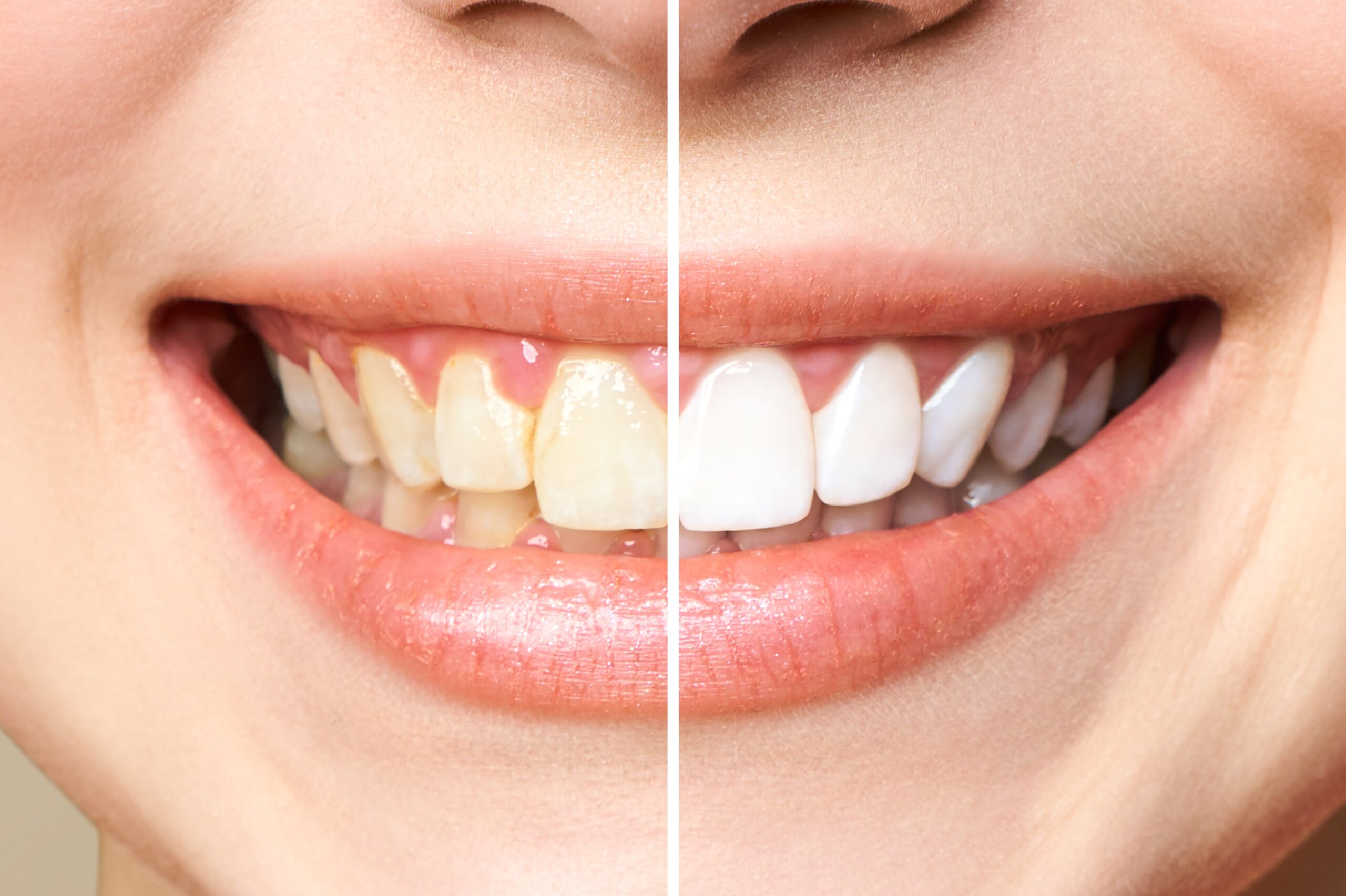
An in-depth look at tooth whitening, including the process, various methods, benefits and risks, professional vs. at-home methods, and tips for maintaining whiter teeth.
Tooth Whitening: An In-Depth Look
Understanding the Tooth Whitening Process
Tooth whitening is a procedure aimed at lightening the natural color of teeth without removing any of the tooth surface. The procedure involves the use of peroxide-based bleaching agents that come in varied concentrations. At-home systems usually contain 3% to 20% peroxide while in-office systems contain 15% to 43% peroxide. For example, a typical at-home tooth bleaching kit will contain a lower concentration of peroxide, making it safe for use without professional supervision.
There are different methods of tooth whitening, including treatments at the dentist’s office, over-the-counter kits, whitening toothpastes, gels, rinses, and strips. Each method has its own unique mechanism, but they all aim to remove extrinsic and intrinsic stains that result from environmental factors like tobacco use or pigmented foods.
Various Methods for Tooth Whitening
Professional bleaching is the most common method of tooth whitening, and the active ingredient in tooth whitening products is usually hydrogen peroxide or carbamide peroxide. Over-the-counter whitening strips and gels are thin strips or clear gels coated with a peroxide-based whitening gel, while whitening rinses can take up to 12 weeks to show results [3].
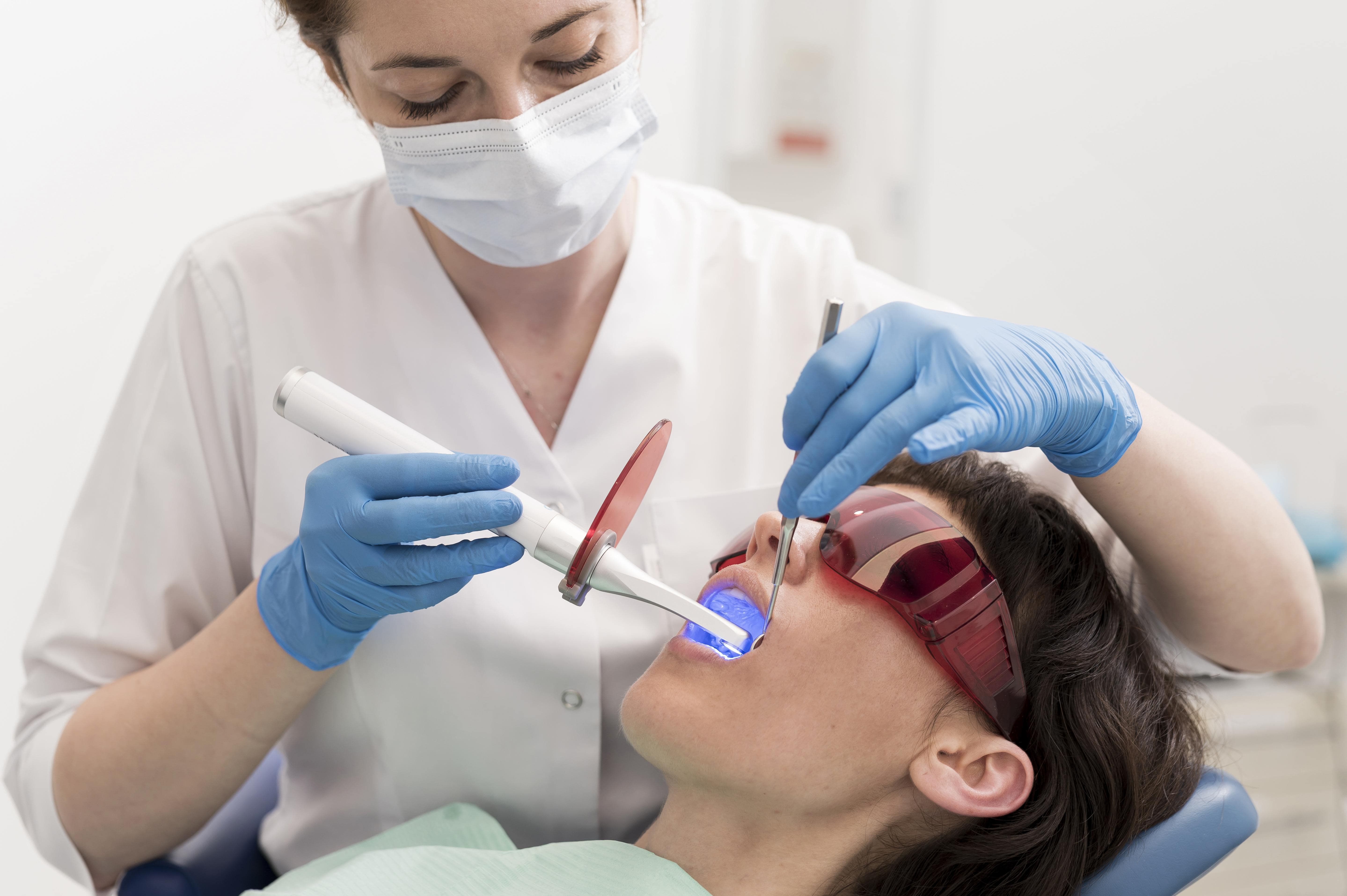

Laser whitening is a procedure that uses a light or laser to activate the bleaching product, making teeth up to five or six shades lighter. Tray-based tooth whitening systems involve filling a mouth guard-like tray with a gel whitening solution. The total treatment can usually be done within three to four weeks, and the cost of tooth whitening varies, with laser or power whitening being more expensive than professional bleaching.
Benefits and Risks of Tooth Whitening
The benefits of tooth whitening include aesthetic improvements and increased confidence. For instance, having a brighter smile can significantly boost a person’s self-esteem and make them feel more confident in social situations. However, the procedure also carries certain risks and side effects. These may include tooth sensitivity, gum discomfort, sore throat, and white patches on the gum line [2].
Studies have shown that teeth whitening products do not damage dental restorations or a tooth’s nerve, and the effects of whitening are thought to last up to three years, varying from person to person. However, adverse effects of tooth whitening include tooth sensitivity and gingival irritation, and it is important to consider the individual characteristics that can influence the success of the treatment.
Professional Teeth Whitening Vs. At-Home Methods
In-office bleaching provides the quickest way to whiten teeth, but it is the most expensive, whereas at-home systems are cost-effective alternatives with varying concentrations of peroxide. Before trying at-home tooth-bleaching kits, it’s important to talk to your dentist, as not everyone will see good results, and certain dental work may not be affected by the bleaching process.
Over-the-counter whitening products like toothpastes and strips rely on peroxide to bleach teeth, and they are among the newest whitening products available. The American Dental Association supports educating the public on the need to consult with a licensed dentist for tooth whitening, emphasizing the importance of professional guidance.
Tips for Maintaining Whiter Teeth
After tooth whitening, it is important to cut down on food and drinks that can stain teeth, brush teeth regularly, and visit the dental team as recommended. Whitening may not be recommended for children under 16, pregnant or lactating women, individuals with sensitive teeth and allergies, gum disease, worn enamel, cavities, and exposed roots, and those with numerous restorations, indicating the importance of considering individual circumstances before undergoing whitening procedures.
Only licensed dentists or their supervised dental auxiliaries should make impressions for appliances used with tooth whitening products, emphasizing the need for professional oversight in tooth whitening processes. In the end, the importance of consulting with a dentist before and after tooth whitening is crucial for ensuring the best outcomes and minimizing potential risks [1].
This article explores the impact of dental anxiety on patient retention, discussing its causes, prevalence, and negative consequences on oral health and quality of life, as well as strategies and approaches for managing dental anxiety.
Dental anxiety, also known as dental phobia, is a prevalent psychological condition that affects a significant portion of the adult population. It is characterized by an intense fear and stress associated with dental treatment, leading to avoidance of dental appointments and compromised oral health. The causes of dental anxiety are multifaceted, often stemming from past traumatic experiences, fear of pain, negative perceptions of dental treatment, and a sense of loss of control during dental procedures. Individuals who have had distressing encounters with dental care, such as painful treatments or feelings of being rushed or unheard, are more likely to develop dental anxiety.
Moreover, studies have consistently shown a correlation between dental anxiety and poor oral health conditions, emphasizing the urgent need for effective management strategies. For instance, a study on dental anxiety and oral health in adult patients at Suleyman Demirel University found that individuals with higher dental anxiety levels may have a higher incidence of decayed teeth. This highlights the potential link between dental anxiety and oral health deterioration, as untreated dental issues can lead to more severe oral health problems over time. Furthermore, the same study found that those with elevated levels of dental anxiety were more likely to avoid dental appointments, which could result in a cycle of deteriorating dental health and increased anxiety about seeking dental care.
Research on the prevalence of dental anxiety has utilized various scales and indices, with the Modified Dental Anxiety Scale (MDAS) being a commonly used tool. For example, a study conducted at Suleyman Demirel University involved 500 adult subjects and found that the median MDAS value was 9.00, indicating a moderate level of dental anxiety within the participant group. Furthermore, the study revealed that individuals with higher levels of dental anxiety were more likely to postpone their dental appointments, which can have detrimental effects on their oral health and overall well-being.
In addition to the MDAS, other indices have been employed to measure dental anxiety and its impact on oral health conditions. These indices have been instrumental in identifying the correlation between dental anxiety and oral health, shedding light on the need for effective strategies to manage and alleviate dental anxiety for the betterment of patient retention and oral health outcomes.
Impact of Dental Anxiety on Patient Retention
Dental anxiety is a significant factor that affects patient retention in dental practices. It is a common issue that can lead to the avoidance of dental appointments, resulting in poorer oral health outcomes. Research has shown that individuals with high levels of dental anxiety are more likely to have worse dental hygiene practices, increased incidence of decayed teeth, and a lower frequency of dental appointments. This avoidance behavior can ultimately lead to compromised oral health, affecting not only the physical well-being of the patient but also their overall quality of life due to potential discomfort or pain associated with dental problems.
Furthermore, dental anxiety can also have social implications, as poor dental status due to anxiety can lead to diminished social interaction. Patients experiencing dental anxiety may avoid social situations due to concerns about their oral health or the appearance of their teeth, impacting their confidence and overall well-being. Therefore, it is essential for dental practices to recognize the impact of dental anxiety on patient retention and implement effective strategies to address and manage this issue. By doing so, dental professionals can help patients overcome their fears, improve their oral health, and enhance their overall quality of life, ultimately leading to better patient retention and satisfaction.
Moreover, a study in Poland found that the mean dental anxiety level was 9.41 and higher in women than men. Dental anxiety correlated with the number of decayed teeth, frequency of dental appointments, and dental treatment index value. Despite advancements in dental care, dental anxiety remains a significant reason for avoiding dental appointments and deteriorating dental health. High dental anxiety can lead to worse dental hygiene practices, further emphasizing the need for comprehensive strategies to address dental anxiety and its impact on patient retention in dental practices.
Consequences of Dental Anxiety
The negative consequences of dental anxiety on oral health and quality of life are profound and far-reaching. Dental anxiety not only impacts a person’s oral health but can also have significant implications for their overall well-being and social interactions. Studies have consistently demonstrated the correlation between dental anxiety and poor oral health conditions, highlighting the urgent need for effective management strategies.
For example, a study on dental anxiety and oral health in adult patients at Suleyman Demirel University revealed that individuals with higher dental anxiety levels may have a higher incidence of decayed teeth. This highlights the potential link between dental anxiety and oral health deterioration, as untreated dental issues can lead to more severe oral health problems over time. Moreover, the same study found that those with elevated levels of dental anxiety were more likely to avoid dental appointments, which could result in a cycle of deteriorating dental health and increased anxiety about seeking dental care.
In addition to the impact on oral health, dental anxiety can also lead to diminished social interaction and reduced quality of life. Avoidance of social situations due to concerns about the appearance or condition of one’s teeth can have a detrimental effect on an individual’s confidence and mental well-being. Therefore, addressing dental anxiety is not only crucial for maintaining good oral health but also for promoting overall psychological and emotional wellness. These insights underscore the significance of developing comprehensive strategies to manage dental anxiety and minimize its negative consequences on patients’ lives.
Furthermore, dental phobia affects a significant portion of the adult population and has negative consequences for oral health and quality of life. Minimum intervention oral healthcare (MIOC) offers a comprehensive approach for managing dental phobia, involving detection, prevention, minimally invasive operative interventions, and review/recall. The MIOC pathway includes a clinical assessment, prevention and control of oral disease, minimally invasive operative intervention, and recall/review consultations. The MIOC pathway has potential benefits for individuals with dental phobia, including the use of conscious sedation and cognitive-behavioral therapy. However, there may be barriers to implementing the MIOC pathway, such as the availability of services, time constraints, and financial limitations. Further research and education are needed to support the implementation of MIOC for individuals with dental phobia.
Measuring Dental Anxiety
The Modified Dental Anxiety Scale (MDAS) is an essential tool in assessing the levels of dental anxiety in patients. It consists of five questions that individuals answer based on their subjective feelings and experiences related to dental treatment. The total score on the MDAS can range from 5 to 25, with higher scores indicating higher levels of dental anxiety. In addition to the MDAS, other indices such as the Dental Fear Survey (DFS) and Corah’s Dental Anxiety Scale (DAS) are also used to measure dental anxiety.
Recent studies have utilized these scales and indices to investigate the prevalence of dental anxiety and its correlation with various oral health conditions. For instance, a study on dental anxiety and oral health in adult patients at Suleyman Demirel University found that individuals who did not remember the reason for their dental visit had higher MDAS values, emphasizing the association between anxiety and patient behavior. These research findings are crucial in highlighting the impact of dental anxiety on patient behavior and oral health outcomes, providing valuable insights for dental professionals and researchers.
Moreover, the use of standardized scales and indices not only enables the quantification of dental anxiety levels but also facilitates the identification of at-risk individuals who may require tailored interventions to manage their anxiety and improve their overall oral health. By understanding the intricate relationship between dental anxiety and oral health, dental practitioners can implement targeted strategies to address patient anxiety and enhance their experience during dental appointments.
Additionally, a study in Poland found that the median MDAS value was 9.00, and women had higher median MDAS values than men. Those who postponed their appointment had higher MDAS values, highlighting the impact of anxiety on patient behavior and the importance of addressing dental anxiety for patient retention and satisfaction. These insights further emphasize the critical role of measuring dental anxiety in understanding its prevalence and impact, providing a foundation for developing effective strategies to manage and alleviate patient anxiety within dental practices.
Managing Dental Anxiety: Professional Role and Strategies
The management of dental anxiety is a vital aspect of ensuring that patients receive the best possible dental care. Dental professionals, especially dental nurses, play a pivotal role in creating a comfortable environment for patients with anxiety. They achieve this by employing a variety of strategies, including creating a calm and welcoming atmosphere in the dental practice. For instance, they use clear and empathetic communication to help patients understand the procedures and alleviate any fears or concerns they may have. Additionally, dental nurses educate patients about different options for managing patient anxiety, providing them with the knowledge and tools to cope with their dental fears effectively.
Furthermore, dental nurses are trained to utilize relaxation techniques and distraction methods to help anxious patients feel more at ease during their dental visits. By implementing these strategies, they contribute to reducing the stress and fear experienced by patients, making the overall dental experience more manageable and less intimidating. Moreover, through collaborative efforts with other members of the dental team, such as dentists and hygienists, dental nurses ensure that patients receive continuous support and reassurance throughout their time at the dental practice. This comprehensive approach aims to create a positive and supportive environment for individuals with dental anxiety, ultimately improving patient retention and satisfaction.
Moreover, dental nurses play a crucial role in managing patient anxiety, as they can help by creating a calm and welcoming environment, providing clear and empathetic communication, educating patients about procedures and options for managing anxiety, offering support and reassurance throughout the dental visit, and utilizing relaxation techniques and distraction methods. These strategies are essential in addressing patient anxiety and creating a positive dental experience, ultimately contributing to improved patient retention and satisfaction within dental practices.
The Minimum Intervention Oral Healthcare (MIOC) approach is a patient-centered strategy that aims to address dental phobia and anxiety comprehensively. It involves a multi-disciplinary team-delivered approach focused on maintaining long-term oral health and preventing dental diseases. This approach encompasses various stages, including clinical assessment, prevention and control of oral disease, minimally invasive operative intervention, and recall/review consultations. For individuals with dental phobia, MIOC offers the option of conscious sedation and cognitive-behavioral therapy, providing a holistic approach to addressing their anxiety and ensuring their oral health needs are met effectively.
To illustrate the potential benefits of the MIOC approach, consider a case study where a patient with severe dental phobia avoided dental visits for several years due to anxiety and fear of judgment. Upon being introduced to a dental practice that implemented the MIOC approach, the patient received a thorough clinical assessment and was provided with clear explanations about each step of the treatment process. This transparent communication, coupled with the option of conscious sedation, allowed the patient to undergo necessary dental procedures comfortably, ultimately leading to improved oral health outcomes and a significant reduction in dental anxiety.
However, despite the promising benefits of the MIOC approach, its implementation can be hindered by several barriers, including limited availability of services, time constraints in practice settings, and financial limitations for both patients and dental practices. These barriers emphasize the need for continued research and education to support the effective implementation of the MIOC approach for individuals with dental phobia. By addressing these challenges, dental professionals can ensure that patients with dental anxiety receive the necessary care and support, ultimately improving patient retention and satisfaction within dental practices.
Furthermore, a study published in the British Dental Journal highlighted the potential benefits of the MIOC approach in managing dental phobia and anxiety, emphasizing the need for a patient-focused, team-delivered approach to maintain long-term oral health and prevent disease. The study emphasized the comprehensive nature of MIOC, involving detection, prevention, minimally invasive operative interventions, and review/recall consultations, which are essential in addressing the needs of patients with dental phobia. These insights underscore the potential of the MIOC approach in improving patient retention and satisfaction within dental practices, providing opportunities for individuals with dental anxiety to receive the necessary support and care to address their oral health needs effectively.
An excellent example of a successful patient retention strategy for anxious dental patients is the implementation of a comprehensive approach to managing dental anxiety. For instance, a dental practice in a study published by the British Dental Journal utilized a combination of relaxation techniques, clear communication, and empathetic support to create a calm and welcoming environment for anxious patients. By incorporating these strategies, the practice witnessed a significant improvement in patient satisfaction and loyalty. Patients reported feeling more at ease during their visits and were more likely to schedule regular dental appointments, leading to better oral health outcomes.
Another compelling case study involved the use of cognitive-behavioral therapy (CBT) in managing dental phobia. A dental clinic in a research article from the Journal of Dental Research and Review successfully integrated CBT as part of their patient-centered approach to address dental anxiety. The results demonstrated a noticeable reduction in patients’ anxiety levels, leading to improved patient retention and compliance with dental treatment plans. This approach not only benefited patients in managing their anxiety but also contributed to the overall success of the dental practice by fostering a loyal patient base.
Furthermore, a study on dental anxiety and oral health in adult patients at Suleyman Demirel University highlighted the impact of anxiety on patient behavior and the importance of addressing dental anxiety for patient retention and satisfaction. The study found that individuals who did not remember the reason for their dental visit had higher MDAS values, emphasizing the association between anxiety and patient behavior. These examples underscore the pivotal role of effective patient retention strategies in addressing dental anxiety. By understanding the specific needs of anxious patients and tailoring interventions to alleviate their fears, dental practices can significantly impact patient satisfaction and loyalty, ultimately improving oral health outcomes. Such case studies highlight the tangible benefits of implementing patient-centric approaches to manage dental anxiety, emphasizing the importance of addressing this issue for the overall success of dental practices.
Conclusion
In conclusion, the impact of dental anxiety on patient retention and oral health is profound, underscoring the critical need to address anxiety for the satisfaction and loyalty of patients. The causes of dental anxiety, such as past traumatic experiences and negative perceptions of dental treatment, significantly affect patient behavior and retention within dental practices. Research findings have shown a clear correlation between dental anxiety and its negative consequences on oral health and overall quality of life, emphasizing the urgency of effective management strategies.
For instance, a study at Suleyman Demirel University revealed that individuals with higher levels of dental anxiety were more likely to postpone their dental appointments, leading to poorer oral health outcomes. This underscores the direct impact of anxiety on patient retention within dental practices. By understanding these causes and consequences, dental professionals can implement various strategies to manage dental anxiety, such as creating a calm and welcoming environment, clear communication, patient education, and the use of relaxation techniques. These strategies play a crucial role in alleviating anxiety and promoting patient retention and satisfaction.
In light of these findings, it is imperative to encourage further research and education on dental anxiety management to ensure that dental practices can effectively support patients with anxiety, ultimately enhancing patient care and satisfaction. This will contribute to the establishment of a more patient-centered approach within dental practices, leading to improved patient retention and better oral health outcomes.
Enhance patient satisfaction and improve the overall experience in dental practices by implementing strategies such as creating a welcoming environment, effective communication, personalized care, and incorporating technology.
Several technologies can be used to enhance a patient’s dental appointment, including:
Digital X-rays: Digital X-rays are faster, more comfortable, and expose patients to less radiation than traditional X-rays.
Intraoral cameras: Intraoral cameras allow patients to see what the dentist sees, making it easier to understand their oral health and treatment options.
Laser dentistry: Lasers can be used for a variety of dental procedures, including gum disease treatment, cavity removal, and teeth whitening.
CAD/CAM technology: Computer-aided design and manufacturing technology can be used to create same-day dental restorations, such as crowns or veneers.
Electronic health records: Electronic health records make it easier for dentists to access and share patient information, improving communication and coordination of care.
3D printing: 3D printing technology can be used to create custom dental appliances, such as dentures or orthodontic aligners.
Virtual reality: Virtual reality can be used to help patients relax during dental procedures by providing a distraction and reducing anxiety.
Telehealth: Telehealth technology allows dentists to consult with patients remotely, improving access to care and reducing the need for in-person appointments.
By incorporating these technologies into their practice, dentists can improve patient comfort, communication, and outcomes.
Improving Patient Experience in Dental Practices
Significance of Patient Experience in Dental Practices
Dental visits can be stressful for many patients, contributing to dental anxiety or fear. This anxiety can lead to decreased patient retention and negative word-of-mouth referrals, impacting the overall success of a dental practice.
However, by prioritizing and enhancing the patient experience, dental practices can significantly improve patient satisfaction and attract new patients. Studies have shown that improved patient satisfaction can result in a positive impact on practice efficiency and revenue.
Strategies to Enhance Patient Satisfaction
Improving dental patient experience involves various strategies aimed at creating a comfortable and welcoming environment. Simple tips include ensuring the office is clean and inviting, providing refreshments, minimizing wait times, and offering entertainment in waiting rooms.
Additionally, the integration of digital dentistry technology can alleviate patient discomfort and contribute to enhanced satisfaction. Consulting services, such as those offered by Cary Ganz Consulting, can provide valuable support and resources to assist dental professionals in implementing these strategies and enhancing patient satisfaction.
Creating a Welcoming and Comfortable Environment
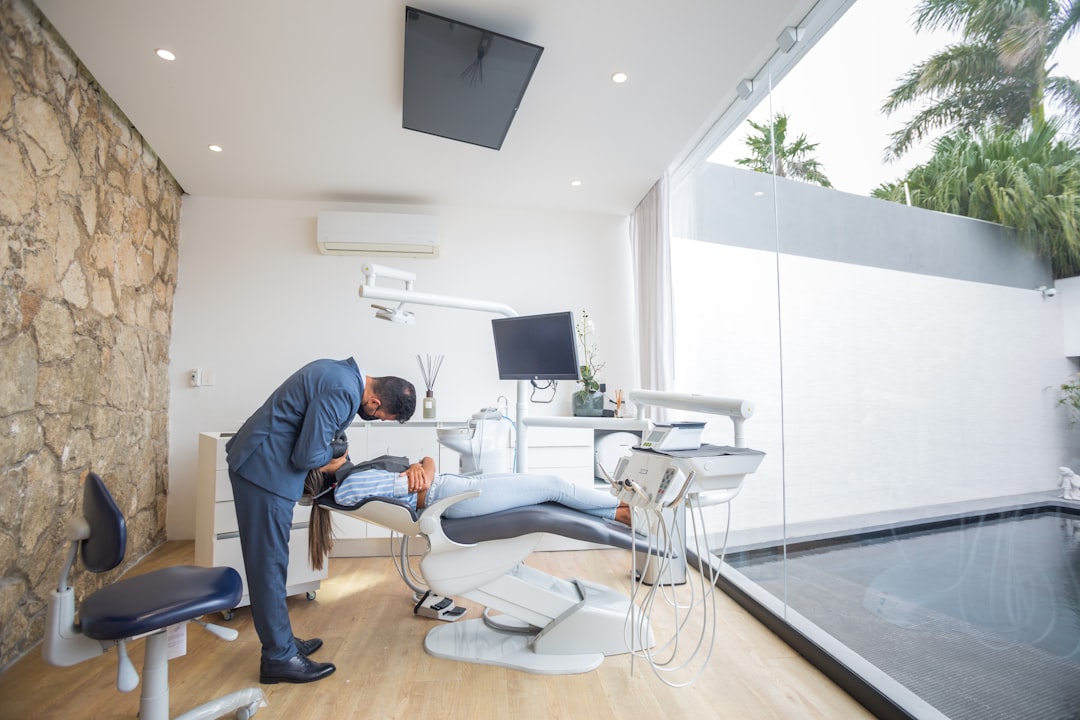
To enhance patient satisfaction, dental clinics can focus on creating a welcoming and comfortable environment. This can be achieved through the incorporation of calming elements such as nature-inspired designs, peaceful color schemes, and entertainment options in waiting areas.
Additionally, providing a relaxing atmosphere with soothing music, comfortable seating, and refreshments can help alleviate patient anxieties and contribute to a more comfortable experience.
Ten Ways to Create A More Welcoming Patient Environment
Provide a warm and friendly greeting to patients upon arrival.
Offer comfortable seating and a pleasant waiting area with calming decor.
Play soothing background music to create a relaxing atmosphere.
Offer amenities such as water, coffee, or tea to make patients feel at ease.
Use calming scents or essential oils to create a pleasant aroma in the office.
Provide reading materials or entertainment options in the waiting area.
Ensure the dental chair is comfortable and offer pillows or blankets if needed.
Use gentle and reassuring communication with patients during the appointment.
Offer distraction techniques, such as TV screens or headphones, during procedures.
Follow up with patients after the appointment to ensure they are comfortable and satisfied with their experience.
Effective Communication and Personalized Care
Effective communication with patients is crucial in addressing their concerns and building trust, ultimately leading to an improved patient experience. Involving patients in their care by discussing images and problem areas, as well as providing personalized care tailored to their specific needs, can further contribute to enhanced patient satisfaction and overall experience.
Incorporating Technology for a Better Patient Experience
Technology plays a significant role in enhancing the patient experience within dental practices. The integration of digital dentistry technology and digital signage can help alleviate wait times and enhance the overall patient experience. Advanced technology, such as the intraoral scanner and CAD/CAM dentistry technology, has the potential to significantly improve the patient experience in dental practices.
Ten Ways to Enhance Effective Communication Between Dentist and Pateint
Actively listen to the patient’s concerns and address them with empathy.
Use clear and simple language to explain dental procedures and treatment options.
Encourage patients to ask questions and provide thorough, understandable answers.
Use visual aids, such as diagrams or models, to help patients understand their oral health.
Provide written instructions or educational materials for patients to take home.
Personalize communication based on the patient’s individual needs and preferences.
Follow up with patients after procedures to check on their well-being and address any concerns.
Use non-verbal communication, such as maintaining eye contact and positive body language, to convey attentiveness and care.
Respect the patient’s time and schedule by minimizing wait times and being punctual for appointments.
Seek feedback from patients to continually improve communication and the overall patient experience.
Discover the 10 must-have things for oral health, including toothbrushes, toothpaste, flossing tools, tongue scrapers, mouthwash, and more, and learn how to take charge of your oral hygiene practices with expert guidance from Cary Ganz Consulting.
Oral Hygiene Essentials
Good oral health starts with the basics: brushing and flossing. A toothbrush is the foundational tool for oral hygiene, effectively cleaning teeth and gums with regular use. However, it’s crucial to replace your toothbrushevery three to four months, or sooner if the bristles become frayed, to ensure effective cleaning and prevent bacterial buildup.
Toothpaste is another key player in oral hygiene. It not only cleans your teeth but also helps prevent cavities, especially when it contains fluoride. Proper brushing technique is also crucial. It’s recommended to brush at a 45-degree angle to your gums and use short, tooth-wide strokes.
Flossing and Beyond
Flossing is an essential part of oral health care that should not be overlooked. Dental floss helps remove plaque and food particles from between your teeth, areas that a toothbrush can’t reach. Daily flossing is recommended to maintain good oral health.
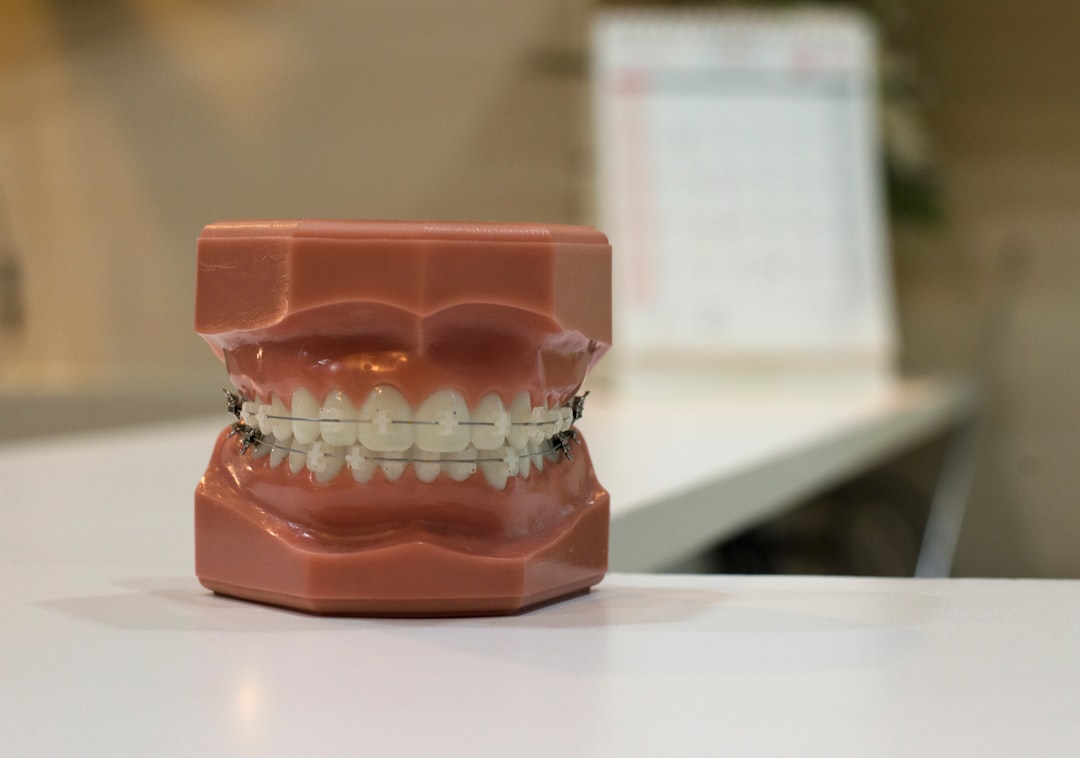
For those hard-to-reach areas, dental picks and interdental brushes can be very useful. They’re especially beneficial for people with braces or other orthodontic appliances.
Water flossers are another great tool for maintaining oral hygiene. They’re effective in removing plaque and reducing the risk of gum disease, serving as a suitable alternative to traditional flossing for those who struggle with it.
Additional Tools for Comprehensive Oral Health
A tongue scraper is another valuable tool in your oral hygiene arsenal. It helps remove bacteria and debris from your tongue, which can contribute to bad breath if left unchecked. Regular use of a tongue scraper is an effective way to maintain oral hygiene and freshen your breath.
Mouthwash is more than just a breath freshener. It helps kill bacteria in your mouth and can reduce plaque and gingivitis. Using mouthwash regularly, along with brushing and flossing, can significantly improve your oral health.
Chewing sugar-free gum can also contribute to oral health. It stimulates saliva production, which can help prevent tooth decay. It’s a convenient oral hygiene aid that you can use anytime, anywhere.
Lifestyle Choices and Dental Visits
Diet plays a significant role in oral health. Limiting sugary and acidic foods can protect your teeth and prevent tooth decay [3]. Regular dental visits are also necessary for maintaining oral health. Professional cleanings and check-ups can detect potential issues early and ensure your oral hygiene routine is effective.
A typical dental visit may include services like oral cancer screening, teeth cleaning, and more, providing comprehensive care for your oral health.
Taking Charge of Your Oral Health
Good oral hygiene is more than just a beautiful smile; it’s a significant part of your overall well-being. Small changes in brushing technique and timing can make a big difference in your oral health.
For more guidance and support on various topics related to dentistry, including oral hygiene practices, you can explore Cary Ganz Consulting, a leader in dental consulting services for new dentists and dental professionals.
Call to Action
Take control of your oral health with these must-have items and a proactive approach to oral hygiene. For additional resources and guidance on oral health, visit Cary Ganz Consulting‘s website for valuable insights and support for your dental career.
In the digital age, online reviews serve as a cornerstone for building trust and credibility for businesses, including dental practices. They significantly impact local search engine optimization (SEO) and influence potential patients’ decisions. Studies have shown that 94% of patients use online reviews to assess dental providers and 72% consider reviews as the first step in their search for a dental provider.Positive reviews help prospective patients gain trust and confidence in a dental practice, fostering patient loyalty and repeat visits. Moreover, these reviews are viewed by Google as evidence of a business’s expertise, authority, and trustworthiness (EAT), enhancing the practice’s SEO and improving its visibility organically.Implementing a well-optimized website and a strategic Google Ads plan can help showcase these positive reviews, creating a one-stop platform for prospective patients to learn about the practice and read current patients’ reviews. Consulting services like Cary Ganz Consulting can provide essential support for dental professionals, assisting them in leveraging online reviews and enhancing their overall online presence.
The Impact of Online Reviews on Dental Practices
With 91% of individuals reading online reviews and 84% trusting them as much as personal recommendations, online reviews hold immense influence over a business’s reputation, including that of dental practices. Positive reviews not only attract new patients but also increase organic traffic to a dental practice’s website, subsequently improving its ranking on search engine sites like Google.Market research, too, plays a vital role in determining the success of a dental practice, and online reviews significantly contribute to the practice’s growth. In the current digital era, emerging technologies like AI and social media platforms are crucial tools for dental practices to boost growth and connect with patients. Companies like Cary Ganz Consulting, with their expertise in AI technologies and social media strategies, can aid dental professionals in effectively leveraging these tools.
Building Trust through Reviews
Online reviews provide social proof and build trust with patients, propelling sales and improving SEO by using keywords associated with dental practices. Fresh reviews are more trusted by potential patients, therefore, managing online reputation is essential for building trust with patients.Negative reviews, too, can be turned into positive experiences, and developing a proactive reviews strategy is important for improving EAT, acquiring new patients, and building reputation. Cary Ganz Consulting’s guidance can help dental professionals in not only managing but also leveraging online reviews to build and maintain trust with patients.
Managing and Responding to Online Reviews
Effective management of online reviews involves using strategies such as using signs around the office, asking verbally, sending out surveys, and using a review booster service to gain real reviews from patients. It is crucial to identify team members responsible for managing the reviews program and consider incentives for gaining positive reviews. Promoting awareness of the review program to patients through various tactics like adding live reviews to the dental website is essential. Cary Ganz Consulting can provide guidance and support in developing a review monitoring and response strategy, handling reviews, and maintaining a positive online reputation.
Encouraging Patient Reviews
Only 2% of consumers leave reviews, often negative ones, making it essential for dentists to encourage patients to leave reviews by exceeding expectations and asking for feedback. Encouraging patients to leave reviews can be achieved through various methods such as using signs around the office, asking verbally, and using a review booster service. Cary Ganz Consulting’s guidance can assist in converting prospective patients into actual patients, providing an opportunity to ask for reviews and add to the practice’s repertoire.
Discover the impact of video marketing on dental practices, including how it improves patient engagement, enhances SEO, and builds trust, with guidance from Cary Ganz Consulting.
Video marketing has emerged as a pivotal tool in transforming the landscape of modern dentistry. This medium allows dental practices to engage patients more effectively and educate them about oral health in a visually appealing and easy-to-understand format. It is an effective strategy to increase patient engagement, improve SEO, and enhance patient trust, thereby helping practices stand out and make a lasting impact.
The Role of Video Marketing in Dental Practices
Video marketing serves a crucial role in helping dental practices improve their online visibility. By creating engaging videos, practices can enhance their SEO and boost patient engagement. Additionally, video marketing aids in demonstrating professional expertise and creating a unique brand identity.
Creating engaging videos requires a clear understanding of the target audience, highlighting the benefits of the services offered, and using storytelling techniques to make the content more relatable and impactful. Cary Ganz Consulting can assist dental practices in navigating these complexities and optimizing their video marketing efforts.
Leveraging YouTube for Dental Marketing
YouTube offers significant benefits for dental marketing. It not only improves search rankings but also attracts new leads. Dental practices can use YouTube to share marketing videos and drive traffic to their websites, thereby increasing their visibility and patient base.
Cary Ganz Consulting can guide dental practices in optimizing their YouTube presence, ensuring that they utilize the platform effectively to achieve their marketing objectives.
Enhancing Patient Education Through Engaging Videos
Video content can significantly enhance patient education. Practice overviews, patient testimonials, and educational videos provide vital information to patients in an engaging and accessible manner.
Patient education plays a crucial role in dental practices. By effectively communicating vital information through video content, practices can better inform patients about their oral health and the services offered. Cary Ganz Consulting’s eBook library serves as a valuable resource for dental professionals, offering additional educational materials.
Creating Compelling and Effective Dental Marketing Videos
Creating compelling dental marketing videos requires a strategic approach. Keeping videos short, investing in quality equipment, and providing a clear call to action can significantly enhance the effectiveness of the video.
Making videos accessible to a wide audience is equally important, as it broadens the potential reach of the content. Cary Ganz Consulting can support dental practices in creating effective marketing videos, ensuring they reach and resonate with their target audience.
Measuring the Success of Dental Video Marketing
Key metrics for measuring the success of video marketing include video views, engagement rates, and website traffic. Video marketing can improve SEO value and increase the time spent on the practice’s website, further enhancing its effectiveness.
Cary Ganz Consulting’s expertise in helping dental practices optimize their video marketing strategies ensures that they can effectively measure and leverage these metrics for continued success.
Conclusion and Call-to-Action
Video marketing offers immense benefits for dental practices, enhancing patient engagement, improving SEO, and increasing brand recognition. Cary Ganz Consulting can assist dental practices in optimizing their video marketing efforts, offering guidance and support based on a wealth of experience and industry knowledge.
Dental practices seeking to leverage the power of video marketing are encouraged to explore Cary Ganz Consulting’s services on their website for more guidance and support.
This article discusses the importance of dental marketing strategies for practice growth and how Cary Ganz Consulting provides valuable resources and guidance to enhance dental professionals’ marketing strategies.
Dental Marketing Strategies for Practice Growth
Dental marketing is a critical component of any dental practice’s growth strategy. It plays a vital role in attracting new patients and retaining existing ones, thereby ensuring the long-term success of the practice. In today’s digital age, patients rely heavily on online research to choose a dentist, underscoring the need for effective online marketing strategies.Cary Ganz Consulting aims to guide dental professionals in understanding the evolving landscape of dental marketing. They offer valuable resources and guidance to help professionals enhance their marketing strategies and achieve their practice growth objectives.
Understanding Effective Strategies for Building a Strong Online Presence
In the digital era, having a strong online presence is a necessity for dental practices. A modern, user-friendly, and SEO-optimized website is often the first point of interaction between a potential patient and a dental practice, therefore it is crucial to make a positive impression [2,3,5].Optimizing a Google My Business Page is another essential strategy for increasing online visibility and attracting potential patients. This tool allows practices to control their online presence across Google, including Search and Maps.Lastly, HIPAA compliance is critical for protecting patient information and maintaining their trust. By ensuring that your website is HIPAA compliant, you are demonstrating your commitment to patient privacy.For dental professionals seeking insights into building a strong online presence, Cary Ganz Consulting provides resources and courses tailored to their needs.
Leveraging Social Media and Content Marketing for Dental Practices
Social media platforms like Instagram, TikTok, and Facebook are essential tools for maintaining patient engagement and attracting new patients. By regularly posting informative and engaging content, dental practices can showcase their expertise and connect with their audience on a personal level.Engaging with local social media influencers can also increase brand awareness and attract potential patients. This strategy allows practices to reach a wider audience and gain credibility through endorsements from trusted local figures.Content marketing, including starting a dental blog and publishing relevant content, enhances a practice’s online visibility and credibility. This strategy demonstrates the practice’s expertise and provides value to potential patients [2,3,5].For content ideas and strategies, Cary Ganz Consulting offers an eBook library with valuable resources.
Implementing Other Effective Marketing Strategies for Patient Acquisition
Referral programs, paid search campaigns, and email campaigns are effective strategies for acquiring new patients and maintaining patient engagement [3,4]. These strategies allow dental practices to reach a wide audience and directly communicate their offerings.Attending dental marketing conferences can also contribute to practice growth by expanding skills and making professional connections.Cary Ganz Consulting provides online courses and resources to guide dental professionals in implementing these marketing strategies.
Measuring Success and Adapting Strategies for Dental Marketing
Tracking and analyzing marketing efforts are crucial for understanding the effectiveness of various strategies and making informed decisions [3,4]. Metrics such as patient acquisition numbers, retention rates, and web traffic provide valuable insights into the success of marketing strategies.Online reputation management and obtaining more 5-star online reviews contribute to building trust and attracting new patients. Cary Ganz Consulting offers personalized guidance for dental professionals to adapt their strategies based on the measured success.
Conclusion and Call to Action
In conclusion, effective dental marketing strategies are essential for dental practice growth. From building a strong online presence to leveraging social media and implementing other effective marketing strategies, there are numerous ways to attract new patients and retain existing ones. By measuring success and adapting strategies accordingly, dental practices can ensure they are effectively utilizing their marketing efforts.For personalized guidance and support in enhancing your dental marketing strategies, explore Cary Ganz Consulting‘s offerings on their website.
This article explores the pros and cons of pursuing dental education, the cost of dental school and student debt, earning potential and job market for dentists, long-term benefits and career opportunities in dentistry, and strategies for managing student debt and financial planning.
Introduction
Dental education demands a substantial financial investment, and it’s crucial for individuals to comprehend the long-term implications of this commitment. Aspiring dentists need to weigh the pros and cons of pursuing a career in dentistry, taking into account the financial challenges and potential rewards associated with this path. Understanding the intricacies of dental education is essential for making informed decisions about future career prospects. This article endeavors to provide a comprehensive overview of the multifaceted nature of dental education, shedding light on its financial aspects and long-term implications. By delving into this topic, individuals can gain valuable insights to support their decision-making process.
An example of the long-term implications of pursuing dental education is the potential for a lucrative and fulfilling career. Dentistry offers the opportunity for individuals to make a meaningful impact on people’s lives by providing essential oral healthcare services. Additionally, the field of dentistry provides diverse career opportunities beyond traditional dental practice, such as research, academia, and public health. However, it’s essential to navigate the financial challenges associated with dental education effectively to fully capitalize on these long-term benefits. Cary Ganz Consulting’s expertise in providing financial guidance for new dentists can play a pivotal role in equipping individuals for a successful and sustainable career in dentistry. By leveraging the insights and support offered by industry experts, aspiring dentists can make informed decisions and navigate the financial landscape of dental education with confidence.
In conclusion, understanding the financial investment and long-term implications of dental education is paramount for individuals considering a career in dentistry. By providing a comprehensive overview of this topic, individuals can gain valuable insights to support their decision-making process. Cary Ganz Consulting’s expertise in providing financial guidance for new dentists further reinforces the significance of informed decision-making in pursuing a career in dentistry. For those seeking comprehensive support and guidance, Cary Ganz Consulting’s services can be instrumental in ensuring a financially sound and rewarding journey into the field of dentistry.
Pros and Cons of Pursuing Dental Education
Pursuing dental education presents a range of potential benefits that make it an appealing career choice for many individuals. One significant advantage is the potential for a stable and rewarding career. Dentistry offers the opportunity to establish a successful practice and make a positive impact on the oral health and overall well-being of patients. Additionally, the field provides room for professional growth, allowing dentists to pursue specializations such as orthodontics, oral surgery, or pediatric dentistry, which can enhance their expertise and earning potential over time.
On the other hand, it’s important to consider the potential drawbacks of pursuing dental education. One of the most prominent challenges is the substantial financial investment required to complete dental school. The high tuition costs and associated student debt can create a significant financial burden for new dentists as they begin their careers. Furthermore, the academic requirements for dental education are rigorous, demanding a strong academic foundation and a considerable time commitment. The demanding nature of dental practice, especially in the early years of a dentist’s career, can also be overwhelming, requiring a balance between patient care, practice management, and ongoing professional development.
Despite these challenges, the diverse career opportunities available in the field of dentistry make it a compelling choice for those passionate about oral health and patient care. With the right strategies and support, new dentists can navigate the initial obstacles and build successful, fulfilling careers in dentistry.
The Cost of Dental School and Student Debt
The cost of attending dental school is a significant financial investment, often requiring students to take on substantial student loan debt. According to recent data, the average student debt for dental graduates is around $293,900. This staggering amount of debt can have a profound impact on the financial well-being of new dentists as they embark on their careers. It’s essential for individuals considering a career in dentistry to carefully weigh the potential benefits against the financial implications, especially in relation to the amount of student debt they may accrue.
Managing student debt is a critical aspect of financial planning for new dentists. The burden of student loans can be daunting, and it’s important to explore available strategies for effective debt management. This may include income-driven repayment plans, loan forgiveness programs, student loan refinancing, or seeking financial guidance from professional consulting services such as Cary Ganz Consulting, which specializes in providing support and guidance to new dentists in managing their financial obligations as they navigate the early stages of their dental careers [1]. By understanding the financial implications of dental education and utilizing appropriate strategies to manage student debt, aspiring dentists can better position themselves for long-term financial stability and success in their chosen profession.
Earning Potential and Job Market for Dentists
The earning potential for dentists is a significant consideration when evaluating the investment in dental education. On average, dentists earn around $172,290 annually, making it a lucrative profession in terms of financial compensation. It’s important for aspiring dentists to weigh this potential income against the cost of dental school and the student debt they may incur. Specialists as well as general dentists can earn significantly more but that depends a great deal on location etc.
Moreover, the job market outlook for dentists is quite promising. Employment opportunities for dentists are expected to grow by 6 percent by 2031, with an average of 5,100 new job openings yearly. This growth demonstrates the continued demand for dental services, indicating a stable and favorable job market for dentists in the coming years. On the other hand, thee are approximately 4100 new graduates every year. Competition can be great for desirable associate positions.
Understanding the factors that influence financial stability in the early years of their careers is essential for new dentists as they embark on their professional journey. While the initial student debt burden may be daunting, the potential for a substantial income and the positive job market outlook provide a balanced perspective for evaluating the long-term financial benefits of pursuing a career in dentistry. It’s crucial for new dentists to consider these aspects when making informed decisions about their professional paths and financial planning.
Long-Term Benefits and Career Opportunities in Dentistry
Dentistry is a profession that goes beyond financial rewards, offering numerous long-term benefits and diverse career opportunities. One of the most rewarding aspects of a career in dentistry is the opportunity to build lasting relationships with patients. Over the years, dentists develop strong connections with their patients, becoming an integral part of their oral health journey. These relationships not only provide a sense of fulfillment but also contribute to the overall well-being of the community.
Furthermore, dentistry offers the chance to make a significant impact on public health. By providing essential dental care and education, dentists play a crucial role in promoting good oral hygiene practices within their communities. This contribution to public health allows dentists to establish themselves as vital healthcare providers, making a positive difference in the lives of many individuals.
Moreover, the field of dentistry presents various opportunities for specialization, enabling dentists to pursue specific areas of interest such as orthodontics, oral surgery, pediatric dentistry, and more. These specialties not only open doors to advanced clinical skills but also provide avenues for professional growth and development. Dentists can tailor their careers to align with their passions and interests, creating a fulfilling and dynamic professional journey.
Cary Ganz Consulting recognizes the multifaceted nature of the dental profession and offers online courses and an eBook library, providing dental professionals with the necessary tools and knowledge to navigate the diverse career opportunities within the field. Through these resources, dentists can gain insights into different specializations, practice management, and patient care strategies, empowering them to excel in their careers and make informed decisions about their professional paths.
Managing Student Debt and Financial Planning
New dentists can employ various strategies to manage and reduce the financial burden of student debt. One effective approach is to explore income-driven repayment plans, which allow dentists to make payments based on their income, providing more manageable monthly installments while considering their financial situation. Additionally, dentists may also consider loan forgiveness programs, which can alleviate a significant portion of their student debt in exchange for fulfilling specific employment obligations, such as working in underserved communities or public service. These programs can significantly reduce the long-term financial impact of student debt and provide dentists with greater financial flexibility as they progress in their careers.
Furthermore, effective financial planning is essential for new dentists to establish a solid foundation for their financial well-being. By working with financial experts, dentists can gain valuable insights into structuring their finances, making sound investments, and planning for future expenses, thereby ensuring a more secure financial future. This proactive approach to financial planning can help dentists navigate the initial challenges of student debt repayment while preparing for long-term financial stability in their careers.
In conclusion, managing student debt and effective financial planning are crucial components of a new dentist’s career journey. By leveraging income-driven repayment plans, exploring loan forgiveness programs, and seeking expert financial guidance, dentists can mitigate the impact of student debt and pave the way for a financially rewarding career in dentistry. For additional support and personalized financial advice, new dentists can benefit from the expertise offered by Cary Ganz Consulting, guiding them toward a financially successful future in the field of dentistry. Visit Cary Ganz Consulting to explore valuable resources and expert guidance for managing student debt and financial planning.
Conclusion
In conclusion, the decision to pursue dental education is a significant investment that necessitates thorough evaluation. The long-term implications, financial commitments, and potential career rewards must be carefully weighed by aspiring dentists. It’s crucial to consider the average student debt, which is close to $450,000 for dental school only, alongside the average salary of $170,000 for dentists, as this debt-to-income ratio can significantly impact financial stability. If one adds in the cost of undergraduate education and interest payments, debt can easily reach $800,000 or more.
One of the key factors to consider is the job market outlook and demand for dentists. Employment for new dentists is expected to grow by 6 percent by 2031, with an average of 5,100 new job openings yearly. Additionally, the diverse career opportunities in dentistry beyond financial considerations should be taken into account. Dentists have a moderate to high level of job satisfaction, despite points of dissatisfaction such as stress, income, and practice management.
Additionally, when considering available job opportunities, most dental offices are looking for graduates who have participated in at least a one or two year residency. Residency programs are limited to about 100 and therefore not available to every dental school graduate.
Cary Ganz Consulting provides valuable guidance and support for new dentists, offering assistance in navigating the financial landscape of dental careers. Their expertise in financial planning and management, along with their online courses and eBook library, can empower aspiring dentists to make informed decisions about their career paths. For further assistance and resources, readers are encouraged to explore Cary Ganz Consulting’s services at https://www.caryganzconsulting.com/.




 Impact of Burnout on Dental Professionals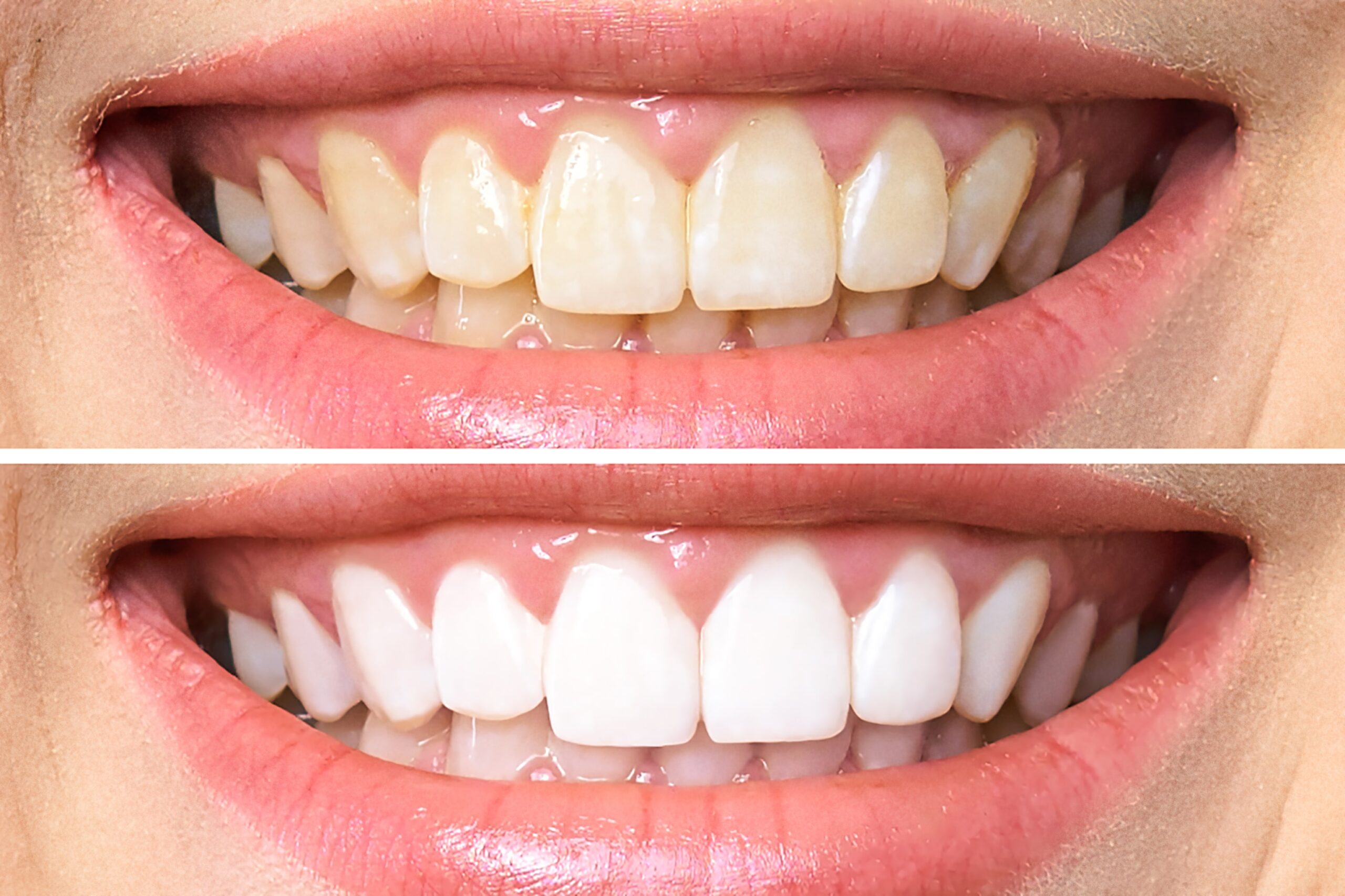





 Creating a Welcoming and Comfortable Environment
 Incorporating Technology for a Better Patient Experience

 Additional Tools for Comprehensive Oral Health
 Taking Charge of Your Oral Health



 The Role of Video Marketing in Dental Practices
 Creating Compelling and Effective Dental Marketing Videos
 Measuring the Success of Dental Video Marketing

 Understanding Effective Strategies for Building a Strong Online Presence
 Measuring Success and Adapting Strategies for Dental Marketing
 Conclusion and Call to Action

 Pros and Cons of Pursuing Dental Education
 The Cost of Dental School and Student Debt
 Managing Student Debt and Financial Planning