This article highlights the importance of utilizing social media for dental practice promotion, including strategies for successful marketing, leveraging the right platforms, creating engaging content, and the choice between in-house management and hiring a dental social media marketing agency.
The Importance of Social Media for Dental Practice Promotion
Today, social media serves as a powerful marketing tool for dental practices. It provides opportunities to build brand awareness, generate referrals, and drive website traffic. Social media platforms like Facebook, Instagram, and Twitter offer insights that help in better understanding the target audience. This invaluable data can assist in tailoring content and services to meet the specific needs and preferences of potential patients.
Utilizing social media can lead to an increase in patient acquisition and brand visibility [3]. For instance, a dental practice can leverage Instagram to showcase before-and-after transformations, thereby attracting potential patients by demonstrating the effectiveness of their treatments. Moreover, social media allows for engaging with potential patients and establishing a professional online presence. making it an essential tool in the modern dental practice’s marketing toolkit.
Leveraging the Right Social Media Platforms
Different social media platforms cater to different audiences and types of content. For dental practices, platforms such as Facebook, Instagram, Twitter, YouTube, TikTok, LinkedIn, and Pinterest are suitable for promoting services and engaging with potential patients. Each platform offers unique features that can be utilized to showcase dental services effectively. For example, YouTube can be used to share educational videos about dental health and procedures, while Pinterest can be a platform to share infographics on the same topics.
Choosing the right platforms is essential for reaching the target demographic and maximizing impact. For instance, if a dental practice aims to attract young adults, it might find Instagram and TikTok as effective platforms due to their popularity among this demographic.
Strategies for Successful Social Media Marketing
Creating a compelling content calendar and leveraging video content are crucial strategies for dental practice promotion. Consistency in posting and a defined brand voice are key to maintaining audience engagement and building brand recognition.
Other effective strategies include utilizing influencers, promoting customer reviews and feedback, and running contests and giveaways to enhance engagement. For instance, a dental practice might collaborate with a local lifestyle influencer to reach a wider audience. Moreover, encouraging patients to follow the practice’s social media pages, creating timeless content, and equipping staff with social media knowledge contribute to effective marketing.
Monitoring, tracking, and measuring performance are essential for optimizing marketing strategies [2, 4]. This could involve using social media analytics tools to understand which types of content resonate best with the audience and drive the most engagement.
Creating Engaging Content for Dental Practice Promotion
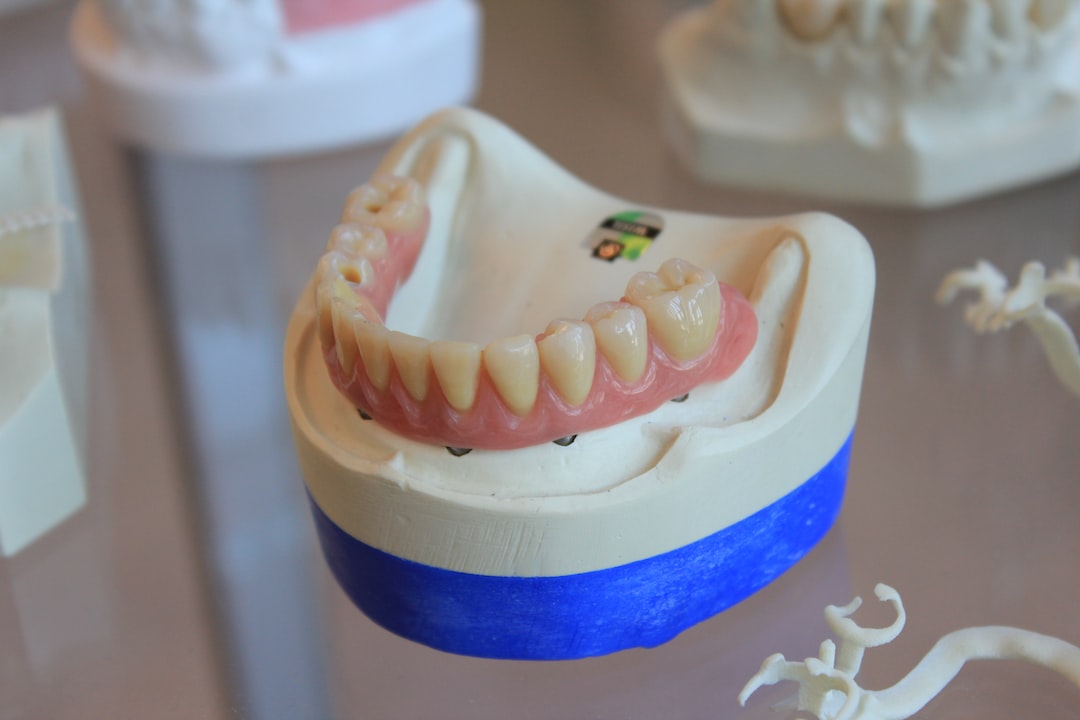
Content ideas including before and after photos, patient success stories, educational videos, and charitable initiatives help in engaging the audience. Sharing dental health tips, showcasing awards, and providing helpful resources establish the practice as an expert in the field.
Visual content, such as infographics, and interactive content, like polls or surveys, can create a more engaging social media presence. Utilizing trending conversations or hashtags helps in staying relevant and reaching a wider audience. For example, a dental practice might create a post around a trending hashtag related to oral health awareness to engage with a broader audience.
In-House Management vs. Dental Social Media Marketing Agency
Dental practices can choose between managing social media in-house or hiring a dental social media marketing agency. In-house management allows for more control over content and engagement, but it requires dedicated resources and expertise. For example, the dental practice staff would need to understand how to capture engaging content, follow patient engagement rules, and analyze social media metrics.
On the other hand, dental social media marketing agencies offer expertise in creating a content calendar, audience engagement, and results-driven strategies. They can help build the audience, generate engagement, and deliver results, making them a valuable partner for dental practices wanting to improve their online presence.
Conclusion
Emphasizing the significance of utilizing social media for dental practice promotion, it’s clear that this tool is crucial in today’s digital world. From selecting the right platforms to crafting engaging content and measuring success, every aspect plays a vital role in building an effective social media strategy. By proactively engaging in social media marketing, dental practices can enhance their online presence, attract more patients, and ultimately, drive their practice’s success.
Learn how to effectively manage the finances of your dental practice with financial management tips and strategies from Cary Ganz Consulting.
Financial Management Tips for Dental Practices
Financial Management Challenges Faced by Dental Practices
Dental practices, especially those run by new dentists, face a multitude of challenges. These include building a patient base, managing stress and work-life balance, staying informed of industry trends, and maintaining confidence [1]. One of the critical challenges is the lack of financial expertise, which can affect the sustainable growth of dental practices. For example, a new dentist may struggle to balance the costs of equipment, staff salaries, and office rent while trying to increase patient numbers and manage insurance billing.
To help overcome these challenges, seasoned dentists like Cary Ganz offer guidance and mentorship to new and experienced dentists alike. Through resources such as phone calls, Zoom meetings, and access to an extensive library of eBooks, Cary Ganz Consulting provides valuable business knowledge to dental professionals.
Effective Budgeting for Sustainable Revenue Growth
Creating a detailed budget is vital for tracking revenue and expenditures in dental practices. It’s crucial for dentists to track every dollar coming in and going out of their practice to better understand their finances. For instance, a practice might budget for staff salaries, dental supplies, and office rent while monitoring income from patient services.
Cary Ganz Consulting offers guidance to dentists in understanding financial metrics and establishing effective budgeting strategies. Their approach helps dentists keep a close eye on their financial health, enabling them to make informed decisions about investments, cost-cutting, and pricing strategies.
Strategies for Revenue Growth in Dental Practices
One strategy for growing revenue is identifying and promoting a unique selling proposition (USP). This could be a specialized service, such as orthodontic treatments, that sets the practice apart and attracts a broader patient base. Another strategy is offering dental membership plans, which can attract new patients and foster loyalty. For example, a dental practice might offer a membership plan that includes regular check-ups, cleanings, and discounts on treatments, encouraging patients to return for regular care and promoting revenue stability.
Cary Ganz Consulting guides dentists in identifying and leveraging their USPs for revenue growth, offering insights based on 50 years of experience in the dental field.
Techniques for Efficient Expense Control
Controlling expenses is just as important as growing revenue in maintaining a profitable dental practice. Techniques for efficient expense control include controlling inventory costs, avoiding overstaffing, and developing relationships with full-service suppliers [2]. For instance, by maintaining a lean inventory of dental supplies, a practice can reduce storage costs and minimize waste from expired products.
Avoiding additional loans or reliance on credit cards also helps maintain financial stability. Cary Ganz Consulting supports dentists in implementing these and other efficient expense control techniques, contributing to the overall financial health of the practice.
Role of a Virtual CFO in Optimizing Dental Business Finances
A virtual CFO can play a crucial role in optimizing the financial side of a dental business. They serve as a money strategist, providing insights and uncovering areas where fiscal hygiene could be a problem. For example, a virtual CFO might identify overspending in certain areas or suggest strategies for improving revenue.
Cary Ganz Consulting provides similar strategic financial insights and support to dental practices, offering guidance to optimize fiscal outcomes.
Conclusion and Call to Action
Effective financial management, strategic budgeting, revenue growth strategies, and efficient expense control are key to the success of dental practices. Guidance from experienced consultants like Cary Ganz can help dentists navigate these financial challenges and build successful, profitable practices.
For further guidance and support, readers are encouraged to contact Cary Ganz Consulting. Visit the Cary Ganz Consulting website (https://www.caryganzconsulting.com/%29 for more details and resources.
This article provides an overview and practical techniques for dental professionals to effectively manage their time, prioritize tasks, maintain focus, optimize scheduling, delegate tasks, and leverage time-saving tools and technologies, with the support and resources available through Cary Ganz Consulting.
Overview of Time Management for Dental Professionals
The impact of effective time management on the productivity and overall well-being of dental professionals cannot be overstated. It is a crucial skill that, when mastered, can lead to improved efficiency, reduced stress, and improved patient care. However, dental professionals often encounter unique challenges that can disrupt their time management efforts. These challenges include a lack of business knowledge, difficulties in stress management, the struggle to maintain a work-life balance, and dealing with the pressures associated with building a patient base [1][3]. Such obstacles can lead to increased stress, reduced productivity, and even burnout if not adequately addressed.
To help dental professionals overcome these challenges, this article will delve into a variety of practical time management techniques. These strategies, backed by research and industry best practices, are designed to help dental professionals streamline their work processes, manage their time more effectively, and achieve a healthy work-life balance. Furthermore, for those new to the profession, guidance and mentorship can prove invaluable. Cary Ganz Consulting, for example, provides a wealth of resources for both recent dental graduates and experienced dentists, offering 50 years of industry experience to help dental professionals succeed in their careers. In this journey, we will provide an overview of the key areas affecting time management in dental practices and discuss actionable strategies that can be implemented to enhance productivity and create a more balanced work environment.
Prioritizing Tasks and Setting SMART Goals
The practice of prioritizing tasks and establishing SMART goals – Specific, Measurable, Achievable, Relevant, and Time-bound objectives – is a universally acknowledged technique for successful time management and is particularly relevant within dental practices. Prioritization begins with comprehending the urgency and importance of each task, followed by a realistic estimation of the time required for completion. This is translated into a well-structured daily or weekly to-do list. By doing so, dental professionals can strategically allocate their time and energy in a manner that maximizes productivity and reduces stress.
In conjunction with this, the implementation of the 80/20 rule, also known as the Pareto Principle, can significantly enhance efficiency. The principle proposes that 80% of results are generated from a mere 20% of efforts, emphasizing the importance of focusing on the most impactful tasks. For instance, a dentist might find that a particular procedure or patient interaction consumes a disproportionate amount of their time. By identifying and addressing these high-impact activities, they can optimize their schedule and ensure effective utilization of their work hours. This combination of prioritizing tasks and setting SMART goals provides a strong foundation for dental professionals seeking to improve their time management skills.
Strategies for Maintaining Focus and Minimizing Distractions
In the dynamic environment of a dental practice, maintaining focus and concentration can be quite challenging. The hustle and bustle, coupled with the demands of patient care and administrative tasks, can make it difficult to stay on course. However, with the application of certain strategies, dental professionals can minimize distractions and maintain an optimal focus.
One such strategy is the application of Parkinson’s Law. This principle suggests that work expands to fill the time available for its completion. In essence, tasks will take as much time as we allow them to take. By setting clear and defined deadlines, dental professionals can manage their tasks more efficiently, thereby increasing productivity. For instance, instead of leaving the entire day open for a particular task, setting a specific timeframe can encourage a more focused and efficient approach.
Moreover, creating a quiet and organized workspace can contribute significantly to reducing distractions. A clutter-free environment promotes a clear mind, making it easier to concentrate on the task at hand. Dental professionals can also limit the use of personal devices during work hours, as these can often serve as major distractions. Instead, they can dedicate specific time slots for checking emails, messages, and other non-urgent communications. This way, they can maintain their focus on their patients and other critical tasks, ensuring that their time is utilized effectively and efficiently.
Utilizing these strategies can greatly enhance focus and productivity in dental practice, ultimately leading to better patient care and a more rewarding professional experience.
Optimizing Scheduling and Workflow Efficiency
Scheduling, when executed effectively, can act as a linchpin in the daily operations of a dental office. The process of scheduling not only involves managing patient appointments but also extends to coordinating different tasks and responsibilities within the team. By planning and organizing these elements proficiently, dental professionals can significantly enhance their workflow efficiency, ultimately leading to improved patient satisfaction and productivity.
One of the practical approaches to streamline workflow is conducting regular morning huddles and monthly meetings. Morning huddles provide an opportunity to discuss the day’s patient appointments and anticipate any potential obstacles or special needs. This proactive approach allows the team to prepare in advance, reducing stress and the potential for unforeseen delays. On the other hand, monthly meetings serve as a platform to address larger issues impacting the office workflow. These meetings can help identify bottlenecks or areas of inefficiency, set production and collection goals, facilitate team building, and provide additional training opportunities.
Moreover, effective scheduling can help in preventing delays that can throw off the entire day’s appointments. By allocating appropriate time slots to patients based on the complexity of their dental needs and ensuring a buffer time between appointments, dental professionals can manage their time more efficiently. This not only ensures smooth operations but also enhances the overall patient experience, as patients appreciate prompt and timely service [5].
In addition to these strategies, dental professionals can benefit from the guidance and mentorship offered by Cary Ganz Consulting. With 50 years of experience in the field, they provide valuable insights and practical advice on optimizing scheduling and workflow efficiency, thereby enabling dental practices to improve their time management and productivity.
Delegation and Team Management in Dental Practices
In the high-pressure environment of a dental practice, delegation plays an invaluable role. A well-executed delegation strategy can allow dental professionals to lighten their workload and increase their focus on critical patient care tasks, thereby enhancing efficiency and the overall quality of patient care. Delegation is not merely about offloading tasks; it also empowers team members, fostering a sense of responsibility and ownership that can significantly improve job satisfaction and team morale. For example, assigning record-keeping duties to administrative staff or having dental hygienists handle preliminary patient assessments can free up dentists to concentrate on more complex procedures.
However, effective delegation is not a one-size-fits-all process. It requires a clear understanding of the strengths, skills, and capacities of each team member. This is where the clear assignment of duties within the dental team becomes crucial. By clearly defining roles and responsibilities, dental professionals can ensure that tasks are assigned to those best equipped to handle them, leading to improved efficiency and productivity. Learn more about time management in your dental practice.
Moreover, a well-structured team with clear roles can foster a collaborative work environment, enhancing the overall functioning of the dental office. Regular team meetings can provide a platform for discussing workflow issues, setting collective goals, and addressing any concerns, contributing to a harmonious and productive workspace.
For dental professionals seeking guidance on effective delegation and team management, resources like Cary Ganz Consulting can offer valuable insights. With its wealth of experience and a comprehensive library of eBooks on various aspects of dental practice management, Cary Ganz Consulting is well-equipped to provide guidance on creating and managing efficient, high-performing dental teams. As we navigate the often complex dynamics of dental practice management, remember that effective delegation and team management are key components of a successful and productive dental practice.
Leveraging Time-Saving Tools and Technologies
In an era where technology is revolutionizing every sector, the dental field is no exception. Many dental professionals are finding ways to integrate various technological tools into their practice, thereby enhancing their time management capabilities. One such tool is electronic health records (EHRs), which have proven to be a game-changer for many dental practices. EHRs can consolidate patient information into one accessible and organized system, reducing the time spent on administrative tasks. This allows dental professionals to allocate more time to patient care, thus improving workflow efficiency significantly.
In addition to electronic systems, there are several other practical tools that are equally effective in saving time. For instance, using detailed note templates for patient communication can drastically cut down the time spent on drafting individual notes, allowing dental professionals to communicate more effectively and efficiently. Similarly, the practice of color-coding supplies can boost efficiency by reducing the time spent on searching for specific instruments, while investing in sharpen-free instruments can save time and improve patient care.
Another valuable resource for dental professionals is Cary Ganz Consulting, which offers an eBook library with beneficial insights into time-saving tools and technologies. This resource can be an excellent guide for dental professionals looking to improve their time management skills and enhance their productivity. By leveraging these tools and technologies, dental professionals can transform their practices into more efficient and thriving establishments.
Conclusion and Call to Action
The significance of effective time management within a dental practice environment is undeniable. With its direct impact on patient care, overall workflow, and the creation of a positive work environment, mastering time management skills is pivotal for both emerging and established dental professionals. By incorporating the strategies and techniques outlined in this article, practitioners can significantly advance their abilities to manage time efficiently, leading to improved productivity and professional growth. This, in turn, can lead to happier patients, enhanced team morale, and a more streamlined practice [2][3].
However, understanding the theory behind time management is only the first step towards mastering this vital skill. It’s equally important to actively apply these techniques and continually seek avenues for improvement. For those seeking further guidance, Cary Ganz Consulting provides invaluable resources and mentoring services. With over 50 years of experience in the field, Cary Ganz Consulting is uniquely positioned to provide practical, tailored advice that can help dental professionals navigate the challenges of time management effectively.
So, don’t hesitate to take the next step in your professional journey. Visit Cary Ganz Consulting to explore their wide range of services and resources, designed to support dental professionals in achieving their career ambitions. The journey towards effective time management begins with a single step, make that step now!
The Impact of Burnout on Dental Professionals: Learn about the symptoms, causes, and consequences of burnout in the dental profession, and discover strategies for prevention and management, including the role of the COVID-19 pandemic, with support and guidance from Cary Ganz Consulting.
Understanding Burnout in Dental Professionals
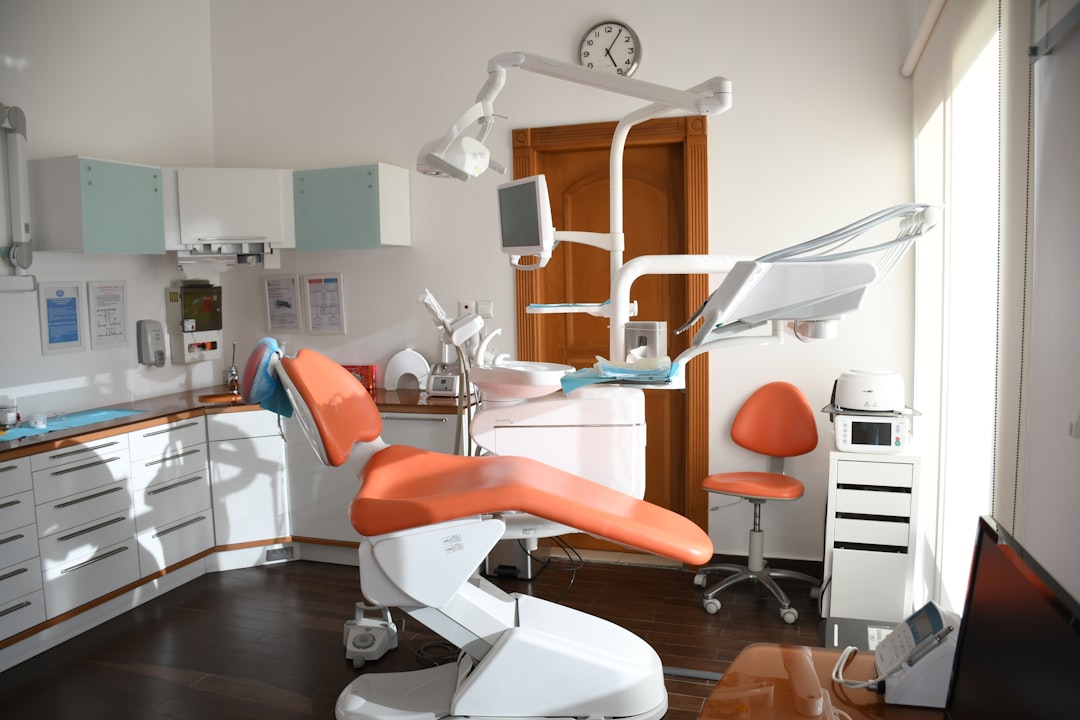
Burnout in dental professionals is a significant concern that affects not only the individual but also the quality of care provided to patients. Symptoms of burnout include emotional exhaustion, prolonged fatigue, cynicism, decreased sense of accomplishment, irritability, and physical symptoms such as headaches or gastrointestinal issues. It’s a condition that is often ignored or unnoticed until it becomes severe, causing a significant impact on both personal and professional lives.
The dental profession, with its unique set of challenges, is particularly susceptible to burnout. These challenges include the demands of running a practice, maintaining a patient base, staying informed of industry trends, and managing stress and work-life balance. New dentists face additional challenges such as lack of business knowledge, navigating professional growth, and confidence issues. Cary Ganz Consulting, leveraging 50 years of experience, provides guidance and mentorship to both new and experienced dentists, addressing these challenges through phone or Zoom calls and providing access to valuable resources like The Library, an online repository of ebooks.
Impact of Burnout on Dental Professionals
Burnout in dental professionals can lead to a variety of physical and psychological conditions, such as depression, anxiety, and other health issues. The stress and exhaustion that come with burnout can result in decreased productivity, higher rates of mistakes, and strained relationships, affecting both their personal lives and careers.
A survey conducted during the COVID-19 pandemic found that 71% of oral health providers reported increased burnout since the start of the pandemic. This demonstrates the significant impact of burnout on dental professionals, an issue that requires immediate attention and effective measures for mitigation.
The Role of the Pandemic in Dental Professional Burnout
The COVID-19 pandemic has significantly exacerbated burnout among dental professionals. A staggering 71% of providers reported higher levels of burnout during the pandemic, with younger providers (aged 18-34) reporting the highest levels. Dental professionals, already under stress due to reduced patient visits, a backlog of patients, and the long hours and administrative tasks involved in running a practice, have seen their stress levels further exacerbated by the pandemic.
During such challenging times, Cary Ganz Consulting’s consulting services offer support to dental professionals. They help navigate the challenges posed by the pandemic, providing resources and guidance to overcome burnout.
Strategies for Preventing and Managing Burnout
Preventing and managing burnout in the dental profession requires a multi-faceted approach. Effective strategies include setting realistic expectations, taking regular breaks, automating tasks, prioritizing hobbies, and seeking professional help when needed. In a dental practice, addressing signs of burnout, providing training, arranging shifts to avoid fatigue, promoting open communication, and showing appreciation can help prevent burnout.
Cary Ganz Consulting supports these strategies through their consulting services. They offer guidance and support to dental professionals in implementing preventive measures and managing burnout effectively.
The Importance of Self-care and Work-life Balance
Self-care and maintaining a healthy work-life balance are crucial for dental professionals to prevent and address burnout. Ignoring signs of burnout can have severe repercussions on both personal lives and careers.
Preventive strategies for burnout in dental professionals include maintaining a consistent sleep schedule, eating properly, and decluttering the home to reduce stress. Cary Ganz Consulting’s resources and online courses provide valuable insights and support for dental professionals in implementing self-care strategies and maintaining a healthy work-life balance.
This article discusses the significance of work-life balance for young dentists, the impact of poor work-life balance on their well-being, leveraging support networks to achieve balance, building and sustaining effective support networks, inspiring success stories, and encourages readers to explore Cary Ganz Consultings resources for further guidance in their dental careers.
The Significance of Work-Life Balance for Young Dentists
Work-life balance is a critical aspect for young dentists, impacting their overall mental and physical well-being. As new entrants to the professional world, young dentists face numerous challenges, including managing stress, building a patient base, and navigating professional growth. These tasks can be overwhelming, emphasizing the need for a balanced approach to work and life.
Cary Ganz Consulting, a seasoned guide in the dental profession, understands these challenges and offers its services to support young dentists. With over 50 years of experience, they provide guidance and mentorship to help young professionals achieve a healthy work-life balance, providing them with the tools needed to succeed in their careers.
The Impact of Poor Work-Life Balance on Dentists
Poor work-life balance can have serious negative effects on dentists, particularly on mental health. Stress, anxiety, and depression are common issues that dentists face when work-life balance is not achieved. These mental health challenges can impede their ability to provide quality care to patients and can even impact their personal lives.
The dental profession has become more aware of mental health and wellness issues, making it more important than ever to address work-life balance. This increased awareness prompts a call to action for institutions and individuals alike to focus on maintaining a healthy balance between professional and personal life.
Leveraging Support Networks for Work-Life Balance
Support networks play a vital role in promoting work-life balance for young dentists. These networks provide guidance, mentorship, and stress management assistance, helping young dentists navigate the challenging landscape of their profession. By leaning on these networks, dentists can effectively manage their professional responsibilities without sacrificing their personal lives.
Cary Ganz Consulting is a valuable resource in this regard, offering access to their extensive resource library and providing guidance and mentorship through phone or Zoom calls. By leveraging these resources, young dentists can overcome challenges and maintain a healthy work-life balance.
Building and Sustaining Effective Support Networks
For young dentists, creating and maintaining support networks is critical to achieving success in their careers. Effective communication and collaboration are key elements of these networks. Through regular interaction and exchange of ideas, dentists can benefit from shared experiences and collective knowledge.
Cary Ganz Consulting’s resources, such as their eBook library, offer a platform for fostering and sustaining a support network. By accessing these resources, young dentists can gain insights and advice from seasoned professionals, helping them navigate their careers while maintaining a balanced lifestyle.
Inspiring Work-Life Balance Success Stories
There are many success stories of dentists who have achieved work-life balance through support networks. These stories serve as real-life examples of the effectiveness of support networks in promoting mental well-being and career success. Strategies for improving mental well-being include seeking professional help, exercising, evaluating sleep habits, and practicing self-care.
Young dentists are encouraged to explore Cary Ganz Consulting’s website for further resources and support. The shared success stories and the wealth of resources available can inspire young professionals to seek help and strive for a balanced life.
Conclusion and Call to Action
The role of work-life balance and support networks in the professional lives of young dentists is undeniable. As young professionals navigate the challenging landscape of dentistry, support networks serve as a guiding light, helping them manage stress, develop professionally, and maintain a healthy work-life balance. Cary Ganz Consulting’s resources and services provide comprehensive guidance for these young professionals. For anyone seeking assistance in their dental career, exploring the services and resources offered by Cary Ganz Consulting at https://www.caryganzconsulting.com/ can be a significant step towards achieving work-life balance and career success.
This article provides tips and strategies for new dentists navigating the transition from dental school to an associate position, including planning ahead, finding job opportunities, interviewing and negotiating job offers, balancing clinical skills with business acumen, building relationships with colleagues and patients, financial planning, and continued education.
Importance of Planning Ahead for the Transition
As new dentists transition from dental school to an associate position, they encounter various challenges such as limited business knowledge, building a patient base, managing stress, and staying abreast of industry trends. Effective strategic planning and preparation are crucial for a successful transition. New dentists should prioritize time management and stress reduction techniques to navigate this period seamlessly.
One example of a challenge faced by new dentists is the need to build a patient base. This requires a strategic approach, including leveraging networking opportunities and utilizing resources to attract and retain patients. Additionally, embracing mentorship and guidance from experienced professionals, such as through Cary Ganz Consulting, can provide valuable insights and support during this transitional phase.
Navigating the Dental Job Market
Finding dental associate positions after graduating from dental school requires specific strategies and resources. New dentists can utilize job search platforms tailored to the dental industry and actively engage in networking opportunities to discover suitable positions. Overcoming common challenges in the dental job market, such as fierce competition and limited job availability, demands perseverance and a proactive approach.
For instance, networking with established dental professionals and attending industry events can open doors to potential associate positions. Utilizing industry-specific job search platforms can also provide access to a diverse range of opportunities, enhancing the likelihood of securing a desirable position in a competitive market.
Interviewing and Negotiating Job Offers
Navigating the interview process and negotiating job offers in the dental industry necessitates careful consideration of various factors. New dentists should be well-versed in the components of a proper associate agreement and strive to maintain a positive reputation during negotiations. Employing effective negotiation techniques can lead to securing favorable terms and conditions for an associate position.
An example to illustrate this is the importance of understanding the key components of an associate agreement, including compensation, responsibilities, and potential for growth within the practice. By demonstrating professionalism and a thorough understanding of these elements during negotiations, new dentists can position themselves for a successful transition to an associate position.
Balancing Clinical Skills with Business Acumen
Balancing clinical proficiency with a solid understanding of dental practice management is essential for new dentists in associate positions. Seeking guidance from dental consultants, such as Cary Ganz Consulting, can aid in developing business acumen and effective time management within a dental practice. Delegating tasks efficiently and honing time management skills are pivotal in achieving this balance.
For instance, new dentists can benefit from mentorship and guidance provided by experienced consultants, enabling them to streamline administrative tasks and focus on delivering exceptional patient care. By embracing effective delegation and time management strategies, new dentists can enhance their clinical skills while developing essential business acumen.
Building Relationships with Colleagues and Patients
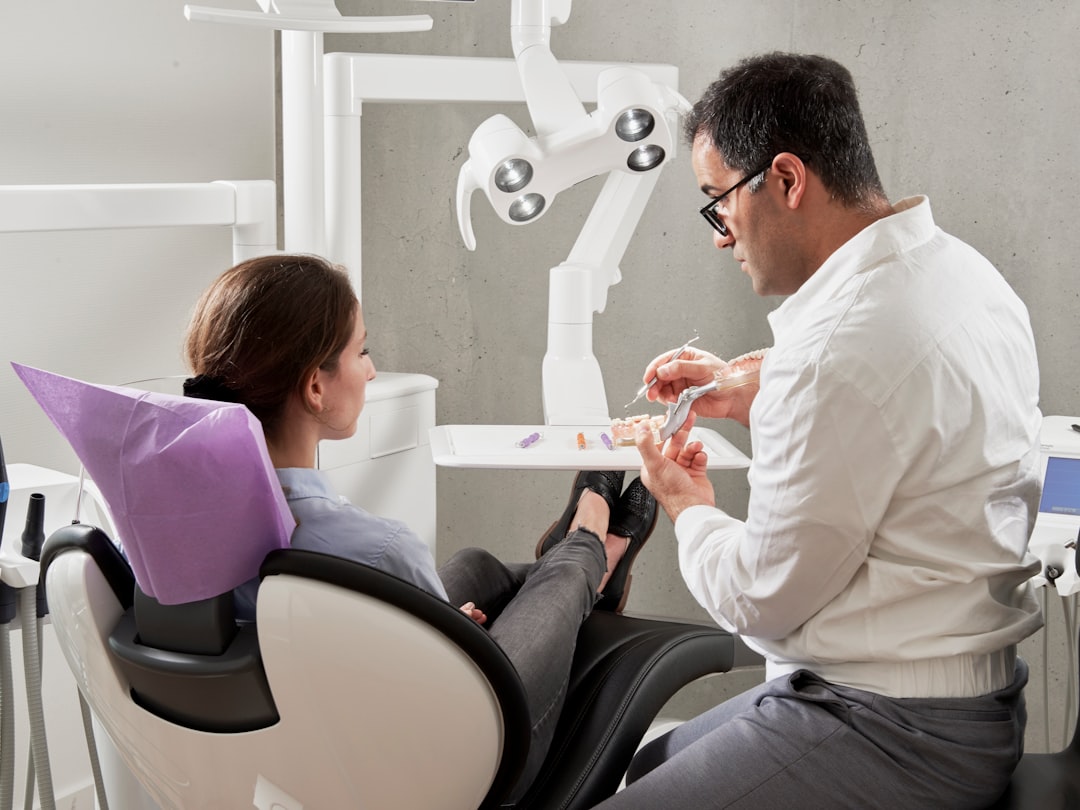
Establishing and nurturing strong relationships with colleagues and patients is a cornerstone of success in a dental associate position. Creating a positive office environment and actively networking with other dentists can significantly impact career development. Continuous improvement in patient care and professional relationships is imperative for sustained success.
An example to highlight this is the significance of fostering a positive office culture, which can contribute to a supportive and collaborative work environment. Furthermore, incorporating feedback and striving for continuous improvement in patient care can foster strong relationships with patients and colleagues, laying a solid foundation for professional growth.
Financial Planning and Continued Education
Understanding the financial considerations for new dentists, including student loans, living expenses, and tax implications, is vital during the transition to an associate position. Seeking financial guidance and emphasizing continued education and skill development are essential for long-term career growth.
An example is the importance of accessing continued education opportunities, such as free CE resources, to expand clinical knowledge and remain updated on industry advancements. Additionally, availing financial planning services can provide new dentists with valuable insights into managing their financial obligations effectively, ensuring a stable transition to an associate position.
Conclusion and Call to Action
As new dentists navigate the transition from dental school to an associate position, meticulous planning and proactive strategies are paramount for a successful integration into the professional landscape. Embracing guidance and support from industry experts, such as Cary Ganz Consulting, can provide invaluable assistance in overcoming challenges and achieving career milestones. Encouraging readers to explore the comprehensive dental consulting services and resources offered by Cary Ganz Consulting can further empower new dentists in their journey towards a rewarding and fulfilling career in dentistry.
Revolutionizing the dental patient experience, this article explores the benefits of virtual reality in dentistry, including enhancing patient education, reducing anxiety, and improving patient compliance with treatment plans.
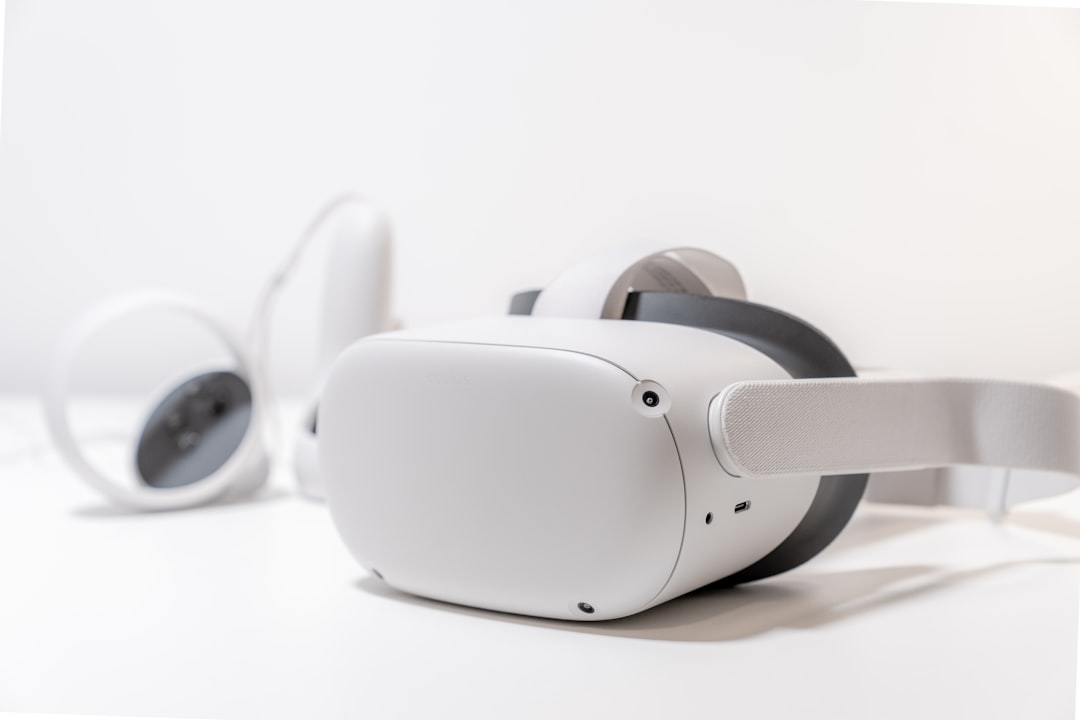
Virtual reality (VR) has been steadily making its way into various sectors, including dentistry. This technology is changing the way dental procedures are performed, enhancing patient education and experience, and improving operational efficiency in dental practices.
Cary Ganz Consulting, a resource for dentists looking to optimize their practices, aligns with these advancements in VR technology. They understand the importance of staying abreast of industry trends and offer guidance on AI technologies and pain management innovations, among other areas.
Benefits of Virtual Reality in Dental Procedures
The applications of VR in dentistry are numerous and impactful. One of the primary benefits is enhancing patient education. VR provides a platform for more meaningful information exchange, helping patients understand their dental conditions and treatments more effectively. For instance, a VR simulation can visually demonstrate how a cavity forms or how a root canal procedure is performed, enabling patients to better grasp these concepts compared to traditional explanations.
In addition, VR technology can also be used to diagnose equipment repairs remotely, improving operational efficiency in dental practices. This means, for example, if a dental chair malfunctions, a technician can be virtually guided through the repair process without physically being present, saving time and money.
Enhancing Patient Experience through Virtual Reality
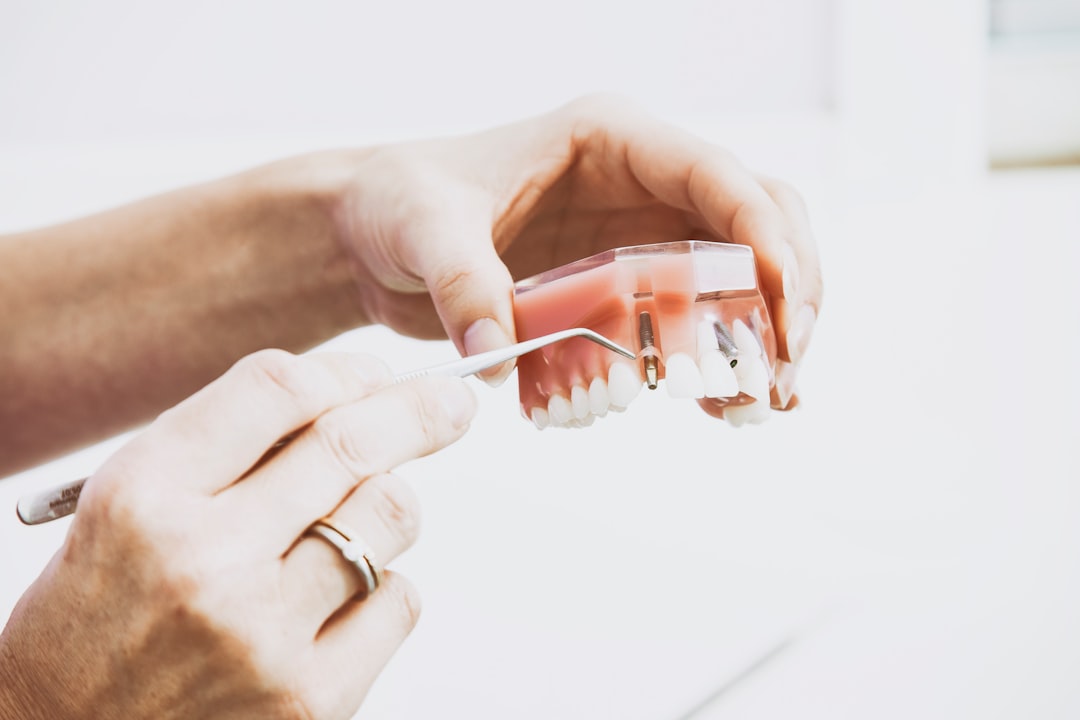
VR is not just a tool for dentists; it is a means of enhancing the patient experience. It can simulate ideal office designs and demystify dental procedures, helping patients understand their treatments better and reducing anxiety.
Moreover, VR in dentistry has been found to be a crucial factor for patient retention and acquisition. Its ability to enhance patient education builds trust and confidence between dentists and patients, leading to better patient satisfaction and loyalty.
Reducing Anxiety with Virtual Reality
A significant portion of the population experiences dental anxiety or phobia, which can lead to avoidance of dental appointments. However, VR technology, particularly Virtual Reality Exposure Therapy (VRET), has been shown to significantly reduce anxiety scores in patients with dental phobia.
OperaVR, developed by Bryan Laskin, provides a drug-free sedation experience that takes patients to different calming environments, reducing the need for nitrous oxide and increasing procedural efficiency. This aligns with Cary Ganz Consulting’s focus on pain management innovations in dentistry.
The Future of Virtual Reality in Dentistry
The future of VR in dentistry looks promising. Augmented and virtual reality is expected to grow significantly, transforming dental practices and improving patient experience and engagement. Cary Ganz Consulting, with its commitment to guiding dentists on industry trends, is a valuable resource for navigating this future.
Conclusion
Virtual reality has the potential to transform the dental patient experience, reduce anxiety, and improve patient compliance with treatment plans. Dentists are encouraged to explore VR technology to enhance their practice and improve patient outcomes. For guidance on adopting VR technology in dental practice and navigating other industry trends, readers are invited to explore Cary Ganz Consulting’s services.
This article explores the integration of virtual reality and augmented reality in dental curriculum, highlighting the benefits of VR in dental education, the applications of AR in dental training, and the potential for enhancing practical skills and improving patient communication and treatment planning.
Introduction
The integration of virtual reality (VR) and augmented reality (AR) in dental curriculum presents an innovative approach to dental education, with the potential to significantly impact traditional teaching methods. Cary Ganz Consulting plays a pivotal role in supporting dental professionals with their innovative services and vision for leadership in the industry [1].
The use of VR and AR in dental education offers several benefits, making it a compelling addition to the traditional teaching methods. One of the key advantages is the ability to provide self-paced learning, allowing students to progress at their own speed and revisit challenging concepts as needed. Additionally, VR and AR systems provide instant feedback, enabling students to correct errors in real-time, which enhances the learning process and reinforces positive behaviors.
Furthermore, the practical applications of VR in dental education extend to enhancing dental training and surgical procedures. For instance, VR aids in motor skill acquisition, providing students with a realistic and immersive learning experience that is crucial for developing the intricate manual dexterity required in dentistry. These advancements have the potential to revolutionize the way dental education is delivered, offering students a more engaging and effective learning experience.
Benefits of Virtual Reality in Dental Education
The benefits of incorporating virtual reality (VR) into dental education are multifaceted and impactful. One of the key advantages is the ability to facilitate self-paced learning, allowing students to progress at their own speed, which can lead to a more comprehensive understanding of the material and practical skills. Moreover, VR provides an environment where students can receive instant feedback on their performance, enabling them to make necessary adjustments and improvements in real-time, ultimately enhancing the learning process.
Furthermore, the practical applications of VR in dental education go beyond conventional teaching methods. VR technology has been instrumental in enhancing dental training and surgical procedures. For instance, it has been utilized to aid in motor skill acquisition, particularly in tasks like cavity preparations and endodontic procedures, providing a realistic and immersive learning experience for students. By simulating real-life scenarios, VR not only enriches the educational experience but also contributes to the development of essential skills required for competent dental practice.
In addition to these benefits, VR has the potential to revolutionize the way dental education is approached, offering an innovative and effective tool for students to develop their clinical skills and knowledge. As the field of dentistry continues to evolve, the integration of VR technology into dental curricula can play a pivotal role in shaping the future of dental education and training.
Applications of Augmented Reality in Dental Training
Augmented reality (AR) has a significant impact on dental training by adding computer-generated output to a person’s view, thereby enhancing various aspects of the educational process. One of the key applications of AR in dental training is its ability to improve surgical accuracy, manual dexterity, and patient care. For instance, AR technology can provide visual guidance to dental students and professionals during surgical procedures, thereby enhancing precision and reducing the margin of error. This practical application of AR not only benefits the skill development of the practitioners but also contributes to improved patient outcomes and satisfaction.
Moreover, AR has been remarkably successful in reducing dental anxiety in pediatric patients. By creating an immersive and engaging learning environment, AR helps alleviate the fear and apprehension often experienced by young dental patients. This reduction in anxiety not only has a positive impact on the overall patient experience but also contributes to a more conducive training environment for dental students, allowing them to develop the skills necessary for compassionate and effective pediatric dental care.
The successful reduction of dental anxiety in pediatric patients highlights the potential of AR in creating a more comfortable and effective training environment, ultimately leading to better patient care and outcomes. As the field of dental education continues to evolve, the integration of AR is poised to play a pivotal role in shaping the future of dental training and clinical practice.
Enhancing Practical Skills through Virtual and Augmented Reality
The integration of virtual reality (VR) and augmented reality (AR) has revolutionized the enhancement of practical skills in dental education. VR and AR have become indispensable tools not only in improving practical skills but also in facilitating motor skill acquisition and enhancing navigation systems within the dental curriculum, [4]. For instance, dental students can now practice cavity preparations and endodontic procedures in a realistic and immersive environment, providing them with valuable hands-on experience in a risk-free setting. This self-paced learning approach allows students to practice repeatedly until they perfect their skills, which is a significant benefit of VR in dental education.
Moreover, VR and AR have been instrumental in boosting the confidence and knowledge of dental students, particularly in operative dentistry residency training. By simulating real-life scenarios, these technologies enable students to gain practical experience and develop the necessary skills to handle complex dental procedures with precision and confidence. For example, the use of VR and AR in operative dentistry residency training allows students to practice dental implant placement and restorative dentistry techniques with haptic feedback, creating a realistic environment for dental operations. This practical exposure significantly contributes to preparing students for the challenges they will encounter in their professional careers. Therefore, the integration of VR and AR in dental education has substantially enhanced the practical skills and competence of future dental professionals.
Improving Patient Communication and Treatment Planning with VR and AR
The integration of VR and AR in dental education holds significant potential for improving patient communication and treatment planning. By leveraging haptic feedback, AR/VR technology creates a realistic environment for dental operations, enhancing the overall patient experience. For example, dental students can use these technologies to simulate patient consultations, allowing them to practice explaining treatment procedures and outcomes to virtual patients. This not only improves their communication skills but also helps them understand the importance of clear and effective patient communication in real-world scenarios.
Moreover, the application of VR and AR in dentistry extends beyond the educational setting. These technologies can be utilized by practicing dentists to virtually plan complex treatments and surgeries, providing a visual representation of the procedures to patients. Patients can then have a better understanding of their treatment options, leading to improved informed consent and a higher level of trust in their dental care providers. As a result, integrating VR and AR in dental curriculum not only enhances the educational experience but also has the potential to positively impact patient care and satisfaction in clinical practice.
In conclusion, the integration of VR and AR in dental education has the potential to revolutionize patient communication and treatment planning in dentistry, leading to improved educational outcomes and enhanced patient experiences. For further guidance and support on incorporating these innovative technologies into dental education and practice, readers are encouraged to explore Cary Ganz Consulting’s dental consulting services and online resources at Cary Ganz Consulting.
Future Implications and Considerations
The future implications of integrating virtual reality (VR) and augmented reality (AR) in dental education are significant, offering a wide range of possibilities for enhancing the learning experience of dental students. As VR and AR technologies continue to advance, they have the potential to revolutionize the way dental education is delivered, providing immersive and interactive learning opportunities for students. For example, VR and AR can be utilized to simulate complex dental procedures, allowing students to practice in a risk-free environment before working on actual patients. This not only enhances practical skills but also boosts the confidence and knowledge of dental students in operative dentistry residency training, [4].
Furthermore, the consideration of addressing the limitations and concerns surrounding the widespread implementation of VR and AR in dentistry is paramount. While the benefits of these technologies are evident, challenges such as high costs, lack of standardization, and technical issues need to be carefully navigated. It is imperative to conduct further research and development to establish scientifically proven AR/VR gadgets tailored specifically for dental practice, [3]. This emphasizes the need for ongoing innovation and evaluation to ensure the effective integration of VR and AR in dental curriculum. To explore how to navigate these considerations and leverage the potential of VR and AR in dental education, dental professionals can seek guidance and support from Cary Ganz Consulting, a leading dental consulting firm dedicated to providing innovative services and resources for the advancement of dental education. For more details, visit the Cary Ganz Consulting website at https://www.caryganzconsulting.com/.
Conclusion
In conclusion, the use of virtual reality (VR) and augmented reality (AR) in dental education presents a myriad of benefits that have the potential to revolutionize traditional teaching methods. The application of VR in dental education offers self-paced learning and instant feedback, allowing students to learn at their own speed and receive real-time evaluations of their performance. For example, VR can be used to simulate dental procedures, such as cavity preparations and endodontic treatments, providing students with a realistic and immersive learning experience. The integration of AR in dental training has shown promise in improving surgical accuracy, manual dexterity, and patient care, particularly in reducing dental anxiety in pediatric patients. An example of this is the use of AR to create a computer-generated overlay of a patient’s oral anatomy, allowing dental students to practice procedures in a controlled and interactive environment.
Furthermore, the combination of VR and AR has been instrumental in enhancing practical skills, motor skill acquisition, and navigation systems in dentistry, [4]. For instance, VR and AR have been utilized in operative dentistry residency training to improve students’ confidence and knowledge, providing them with hands-on experience in a simulated environment, [4]. The potential clinical implications of VR and AR in dentistry, including the benefits of haptic feedback for creating a realistic environment for dental operations, demonstrate the far-reaching impact of these technologies on patient communication and treatment planning. As the field of dentistry continues to embrace technological advancements, the future applications of VR and AR in dental education hold great promise for expanding the scope of learning and training methods.
Readers are encouraged to explore Cary Ganz Consulting’s dental consulting services and online resources for comprehensive guidance and support in navigating the integration of VR and AR in dental education. Visit Cary Ganz Consulting for more details and to access valuable resources that can enhance the understanding and implementation of these cutting-edge technologies.
This article explores the future potential of virtual reality and augmented reality in dentistry, including their use in dental education and training, applications in various specialties of dentistry, challenges and limitations, and their role in patient education and treatment simulation.
The Use of VR and AR in Dental Education and Training
The use of virtual reality (VR) and augmented reality (AR) in dental education and training has significantly transformed the learning experience for dental students and practitioners. These innovative systems provide a realistic and immersive environment that allows users to engage in hands-on learning experiences, enhancing their motor skill acquisition, and providing a platform for self-paced learning. For instance, VR and AR systems have been utilized for cavity preparations and endodontic procedures, allowing students to practice these skills in a simulated environment, thereby reducing the need for constant supervision.
Furthermore, the implementation of VR and AR in dental education has opened up opportunities for continuous research and development to assess the effectiveness of these technologies. Randomized control trials are being conducted to evaluate the impact of VR and AR on dental education, with a focus on understanding their potential to enhance operative skills, surgical procedures, and patient care. These trials aim to provide empirical evidence of the benefits of VR and AR in dental education, paving the way for their widespread integration into dental curriculums and professional development programs.
For those interested in harnessing the benefits of VR and AR in dental education and training, exploring the services and resources offered by Cary Ganz Consulting can provide valuable insights and guidance. Their commitment to innovation and exceptional services makes them a leading resource for incorporating VR and AR technologies into dental education and training. Visit their website at Cary Ganz Consulting to learn more about the groundbreaking opportunities these technologies offer in the field of dentistry.
The Use of VR and AR in Dental Education and Training
Virtual reality (VR) and augmented reality (AR) systems are revolutionizing dental education and training by providing a highly realistic and immersive learning experience. These cutting-edge technologies have been incorporated into dental education to enhance motor skill acquisition, allowing students to learn at their own pace and reducing the need for continuous supervision.
For instance, in undergraduate dental education, VR and AR systems have been used to simulate dental procedures such as cavity preparations and endodontic treatments, providing students with instant feedback and a controlled environment to develop their clinical skills. Additionally, these systems have been instrumental in improving the understanding of complex dental concepts, especially in operative skills, surgical procedures, and patient care. As a result, the integration of VR and AR in dental education has the potential to significantly enhance the learning experience for aspiring dental professionals.
To further validate the efficacy of VR and AR in dental education, ongoing research and randomized control trials are essential to comprehensively evaluate their impact on skill acquisition, knowledge retention, and clinical performance. By gathering empirical evidence, the dental education community can make informed decisions about the integration of VR and AR systems to optimize the training of future dental practitioners.
For more insights on the future potential and effective implementation of VR and AR in dentistry, visit Cary Ganz Consulting to explore valuable resources and guidance for dental professionals.
Applications of VR and AR in Dentistry
The potential applications of VR and AR in dentistry are vast and diverse, with promising opportunities for both patient care and professional practice. For instance, these technologies have demonstrated success in reducing dental anxiety in pediatric patients and enhancing surgical accuracy, duration, and manual dexterity of dental surgeons, thereby improving overall patient outcomes [3]. By providing a more immersive and realistic experience, VR and AR systems have been particularly beneficial in operative dentistry residency training, significantly improving students’ confidence and knowledge in various dental procedures. This not only enhances the quality of education and training but also contributes to the continuous development of skilled dental practitioners.
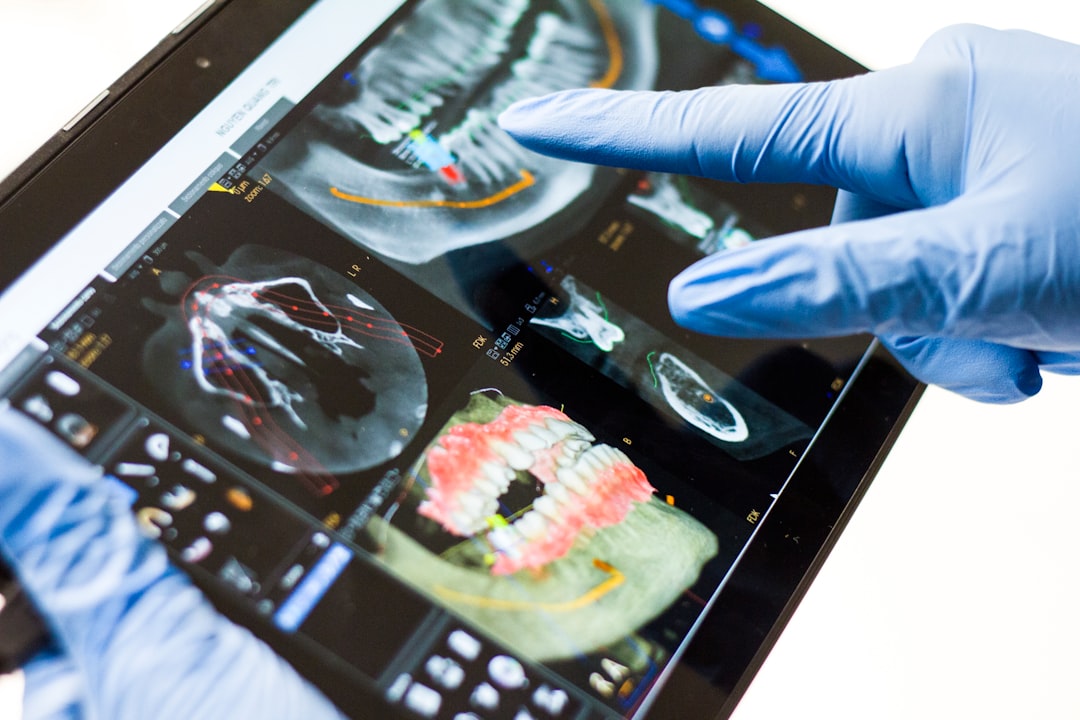
Moreover, these advanced technologies have found utility in various specialties of dentistry such as oral surgery, orthodontics, and dental implantology, where they have been instrumental in improving treatment planning and outcomes. For instance, in the field of dental implantology, VR and AR have played a critical role in the placement of dental implants, endodontic treatments, and restorative dentistry, enabling practitioners to achieve greater precision and success in complex procedures. Looking to the future, the potential for VR and AR in dentistry is extensive, with the capacity to revolutionize pre-surgical planning by allowing dentists to examine dentures in advance and superimpose findings or X-ray images during dental surgeries, ultimately leading to more accurate and efficient treatment processes.
To explore the full spectrum of opportunities and benefits presented by VR and AR in dentistry, it is essential for dental professionals to stay informed and updated on the latest advancements in these technologies. By embracing innovative solutions and integrating VR and AR into their practices, dental professionals can significantly elevate the standard of care, patient experience, and overall efficiency in delivering dental services. For comprehensive guidance on leveraging VR and AR technologies in dentistry, dental practitioners can turn to the expertise and support offered by Cary Ganz Consulting, a leading dental consulting firm dedicated to empowering dental professionals with cutting-edge knowledge and resources. To learn more about how VR and AR can transform the landscape of dentistry, visit the Cary Ganz Consulting website at https://www.caryganzconsulting.com/ and discover the wealth of opportunities awaiting the dental community.
Challenges and Limitations of VR and AR in Dentistry
Although virtual reality (VR) and augmented reality (AR) systems offer tremendous potential in the field of dentistry, they also present certain challenges and limitations. The high cost of implementing VR and AR technologies, the lack of standardization, and technical issues are some of the key hurdles hindering their widespread adoption in dental practices.
For instance, the expense associated with acquiring and maintaining VR and AR equipment can be prohibitive for many dental clinics, especially smaller ones. Additionally, the absence of standardized protocols and guidelines for the integration of these systems into dental education and practice poses a significant barrier to their effective and uniform implementation. Moreover, technical issues such as hardware and software compatibility, as well as the need for specialized training to operate VR and AR devices, further complicate their utilization in the field of dentistry.
Given these challenges, it is crucial for future research to prioritize the development of scientifically proven VR and AR gadgets tailored specifically for dental applications. Moreover, robust evaluation of the practicality and effectiveness of VR and AR in addressing the diverse needs of different dental practitioners is essential to ensure their successful integration into dental education and practice.
To explore how VR and AR can revolutionize dental education and practice, as well as to learn about cutting-edge advancements in the field of dentistry, visit Cary Ganz Consulting for valuable insights and guidance.
VR and AR in Patient Education and Treatment Simulation
The integration of virtual reality (VR) and augmented reality (AR) technologies in dentistry has opened up new avenues for patient education and treatment simulation. These advanced systems are not only revolutionizing the way dental procedures are performed but are also significantly enhancing the patient experience.
One of the most notable applications of VR and AR in dentistry is their use in patient education. Through these technologies, dental professionals can create hyper-realistic 3D images and environments, allowing patients to visualize complex dental procedures and understand the treatment process more comprehensively. For example, VR can be utilized to simulate the process of dental implant placement, providing patients with a virtual experience of the procedure and addressing any concerns or apprehensions they may have. This form of patient education can alleviate anxiety and improve patient confidence in the proposed treatment plan, ultimately leading to better treatment outcomes.
Moreover, VR has proven to be an invaluable tool for illustrating surgical procedures, offering patients a detailed visual representation of the intended treatment. By immersing patients in a virtual environment, dental practitioners can effectively explain the intricacies of the procedure, leading to enhanced patient understanding and cooperation. Additionally, VR can be utilized as a mental support tool for dental patients, helping to reduce anxiety and alleviate any apprehensions they may have about undergoing dental treatments. By creating a calming and immersive experience, VR contributes to a more comfortable and stress-free environment for patients, ultimately improving their overall dental care experience.
To explore the full potential of VR and AR in dentistry, and to discover innovative ways to integrate these technologies into dental practice, dental professionals can reach out to Cary Ganz Consulting. The firm offers comprehensive guidance and support, including insights on adopting new technologies and enhancing patient care through advanced tools and techniques. Visit Cary Ganz Consulting for more details and to explore the possibilities of incorporating VR and AR into dental practice.
The Future Potential of VR and AR in Dentistry
The future potential of virtual reality (VR) and augmented reality (AR) in dentistry is incredibly promising. These advanced technologies offer a wide range of applications that can revolutionize the field of dentistry. For instance, VR can be used to illustrate complex surgical procedures, providing dental professionals with a detailed and immersive view of intricate operations. This not only enhances their understanding but also allows for more comprehensive training and skill development.
Moreover, AR has the potential to serve as an educational tool for dental practitioners. By superimposing virtual information onto the real world, AR can provide real-time visual guidance during dental procedures, leading to improved accuracy and efficiency. For example, it could be used to display X-ray images or important findings directly in the dentist’s field of vision during surgery, thereby enhancing precision and decision-making.
As these technologies continue to evolve, the possibilities for VR and AR in dentistry are virtually endless. They have the potential to significantly impact patient care, education, and treatment outcomes, ushering in a new era of innovation and advancement in the dental industry. For those interested in exploring the full spectrum of possibilities offered by VR and AR in dentistry, further investigation and research are essential. These technologies are poised to shape the future of dental practices, making it imperative for dental professionals to stay informed and consider integrating them into their clinical workflows. To learn more about how VR and AR can transform dental practices, visit Cary Ganz Consulting for valuable insights and guidance.
The Evolution of Dental Service Organizations (DSOs): Explore the history, benefits, and challenges of DSOs in the dental industry, with insights from Cary Ganz Consulting.
Evolution of Dental Service Organizations (DSOs)
The origins and early development of dental service organizations (DSOs) can be traced back to the late 1960s and early 1970s. During this time, DSOs emerged in response to the growing complexities of dental practice management. The initial focus was on consolidating and managing dental practices, which aimed to streamline operations and administrative functions. This consolidation marked a significant shift from traditional solo practices to a more structured approach, introducing new business models and management strategies in the dental industry.
One example of this evolution is the adoption of cloud-based dental practice management systems by DSOs. These systems, such as Denticon, have enabled DSOs to effectively manage growth and improve patient care systems. By leveraging technology, DSOs have been able to enhance their operational capabilities, leading to improved efficiency and patient care. The utilization of advanced systems and tools has become a defining feature of the modern DSO landscape, reflecting the ongoing evolution of these organizations.
The historical significance of DSOs in the dental industry cannot be overstated. As the industry continues to evolve, it is essential to recognize the pivotal role that DSOs have played in transforming the landscape of dental care delivery. For comprehensive guidance on navigating the evolving dental industry, dental professionals can visit Cary Ganz Consulting at Cary Ganz Consulting to stay informed and adapt to these changes effectively.
Origins and Early Development of DSOs The origins of dental service organizations can be traced back to the late 1960s and early 1970s, arising in response to the increasing complexities of dental practice management. Initially, the early development of DSOs focused on the consolidation and management of dental practices, streamlining operations and administrative functions to enhance efficiency. This marked a significant shift from traditional solo practices to a more structured approach, introducing new business models and management strategies in the dental industry. Cary Ganz Consulting aims to be the top dental consulting firm for recent dental graduates.
Factors Contributing to the Growth of DSOs
The growth of Dental Service Organizations (DSOs) in the dental industry has been driven by several key factors. One such factor is the increasing uncertainties in healthcare, which have compelled individual dental practices to seek the support and stability offered by DSOs. This trend can be attributed to the complex and ever-changing landscape of healthcare regulations and insurance requirements, making it challenging for solo practitioners to navigate these intricacies alone.
Furthermore, the mounting stress associated with practice management and the rising overhead costs have also contributed significantly to the appeal of DSOs. Many dentists find it increasingly challenging to manage the administrative and operational aspects of their practices while striving to provide high-quality care. DSOs have emerged as a strategic solution by offering administrative support and business services, allowing dentists to focus on patient care while ensuring the efficient management of their practices.
In addition, the need for viable retirement solutions for aging practitioners has been a driving force behind the growth of DSOs. As more dentists approach retirement age, DSOs provide an attractive option for transitioning out of solo practice while ensuring that their legacy of patient care continues. Cary Ganz Consulting’s insights into how DSOs have managed growth and improved patient care systems offer valuable perspectives on the evolving landscape of the dental industry. These factors collectively underscore the critical role that DSOs play in addressing the challenges faced by dental practices and practitioners in the modern healthcare environment.
Benefits and Challenges of Joining a DSO
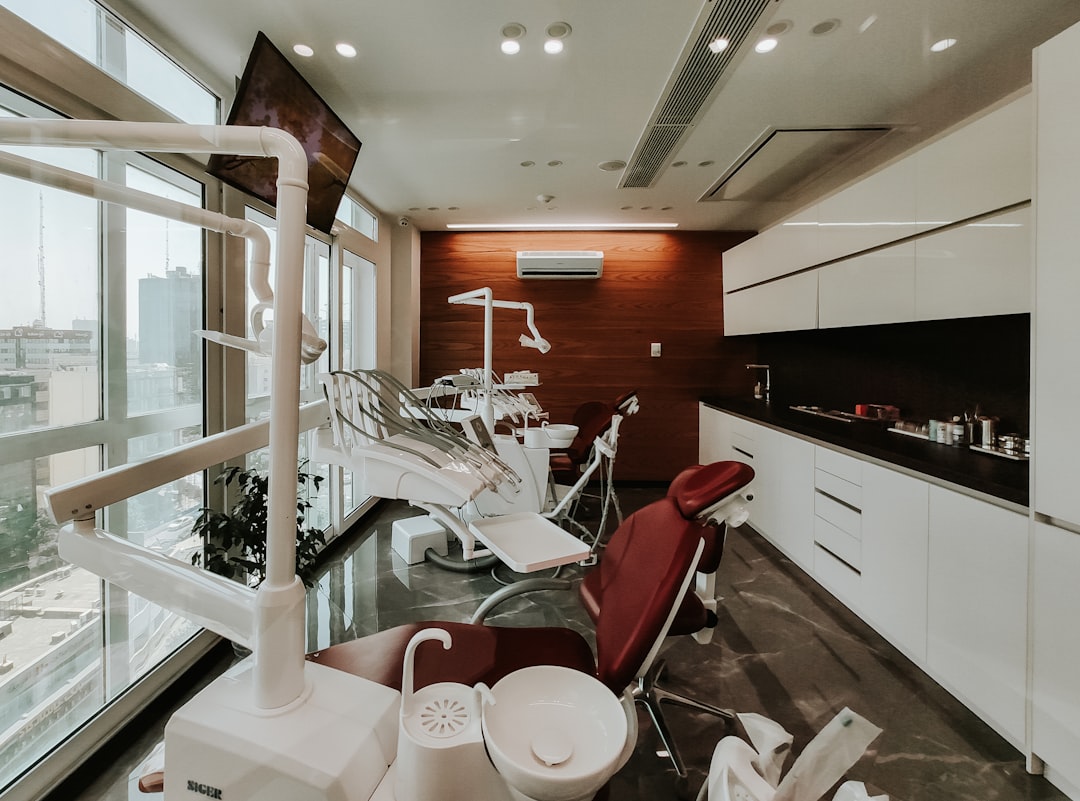
Joining a dental service organization (DSO) offers dentists a range of benefits, making it an appealing option for many practitioners. One significant advantage is the promise of financial stability. By affiliating with a DSO, dentists can benefit from the financial resources and business acumen of the organization, potentially leading to greater financial security and reduced economic risk. Moreover, DSOs provide valuable support in administrative functions, allowing dentists to focus more on patient care and less on the operational and managerial aspects of running a practice. This administrative assistance can streamline processes, improve efficiency, and enhance the overall practice experience for both dentists and patients.
In addition to financial and administrative support, joining a DSO grants dentists access to advanced technology and resources that may not have been readily available in their independent practices. This access can lead to enhanced patient care, improved treatment outcomes, and the ability to offer a wider range of services, ultimately benefiting both the practice and its patients. Furthermore, affiliating with a DSO can open up potential opportunities for professional growth, such as continuing education, mentorship programs, and career advancement prospects. However, it is essential for dentists to carefully consider the potential challenges associated with joining a DSO. These may include the loss of autonomy in decision-making, cultural differences between the DSO and the individual practice, and concerns about maintaining the unique identity and patient care philosophy of the practice after affiliating with a larger organization. Dentists contemplating a partnership with a DSO must thoroughly evaluate these factors to make informed decisions about their professional future.
Impact of DSOs on the Dental Industry
The impact of Dental Service Organizations (DSOs) on the dental industry has been significant and multifaceted. One key aspect of their influence is the pivotal role they have played in improving the efficiency, quality, and accessibility of dental care. By consolidating resources and streamlining operations, DSOs have been able to address shortages in dental services, making them more accessible and affordable for a larger population. For example, DSOs have enabled dental practices to adopt cloud-based management systems, enhancing their operational efficiency and patient care systems, ultimately leading to improved service delivery.
However, the growing prominence of DSOs has sparked a debate within the industry. Critics have raised concerns about the potential decrease in the quality of care and the reduction in the autonomy of dentists following their affiliation with DSOs. These concerns have led to ongoing discussions about the overall impact of DSOs on the dental industry, as the traditional model of solo practices gives way to a more structured and corporate approach. Despite these concerns, it is important to note that DSOs have significantly contributed to addressing the challenges faced by individual dental practices, and they continue to shape the landscape of the industry.
Cary Ganz Consulting provides valuable insights into the evolving impact of DSOs on the dental industry, shedding light on the multifaceted nature of their influence. Their comprehensive perspective offers a deeper understanding of the benefits and potential challenges associated with the increasing prevalence of DSOs in the dental sector, serving as a valuable resource for industry professionals seeking to navigate this evolving landscape. For comprehensive guidance on understanding the impact of DSOs on the dental industry, dental professionals can visit Cary Ganz Consulting to gain valuable insights and strategic advice for their practices.
Current Trends and Future Outlook for DSOs
The current landscape of the dental industry points to a sustained upward trajectory for Dental Service Organizations (DSOs). This trend is evidenced by the growing number of individual dental practices actively seeking partnerships with DSOs. The primary drivers of this inclination are the escalating demand for dental care and the infusion of private equity investments into the industry. As a result, DSOs have emerged as a strategic solution for dental practitioners, offering them the opportunity to navigate the evolving landscape of the dental industry while maintaining focus on patient care and professional growth.
Looking ahead, the future outlook for DSOs appears promising, with projections indicating a favorable environment for dentists who prioritize exceptional operations, effective marketing strategies, and sound financial management. According to industry insights provided by Cary Ganz Consulting, dental professionals who are proactive in these areas are likely to have the flexibility to create an exit strategy that aligns with their individual preferences and professional aspirations, irrespective of the prevailing market conditions. The guidance and resources offered by Cary Ganz Consulting serve as a valuable compass for industry practitioners, providing them with the knowledge and tools necessary to navigate the evolving landscape of the dental industry and make informed decisions for their practices. Therefore, for comprehensive guidance and support in adapting to the changing dynamics of the dental industry, dental professionals can leverage the expertise and resources offered by Cary Ganz Consulting to achieve long-term success and sustainability.
Conclusion
In conclusion, the evolution of Dental Service Organizations (DSOs) has significantly reshaped the dental industry, offering both opportunities and challenges for dental professionals. DSOs have revolutionized dental practice management, introducing new business models and management strategies that have streamlined operations and administrative functions. This shift from traditional solo practices to a more structured approach has facilitated the consolidation and management of dental practices, addressing the complexities of modern dental care and practice management.
Furthermore, the impact of DSOs on the dental industry has been substantial. These organizations have played a pivotal role in improving the efficiency, quality, and accessibility of dental care, addressing shortages, and making services more affordable. However, critics argue that DSOs may lead to a decrease in the quality of care and a reduction in the autonomy of dentists, raising concerns about their overall impact on the industry. Therefore, understanding the historical development, current trends, and future outlook of DSOs is essential for all stakeholders, including dental professionals, patients, and investors.
For comprehensive guidance on navigating the evolving dental industry and addressing the opportunities and challenges presented by DSOs, Cary Ganz Consulting offers valuable resources and assistance. With a vision to be the leader in the industry, Cary Ganz Consulting aims to exceed clients’ expectations by constantly innovating and providing exceptional services. Their expertise and commitment make them a key partner for dental professionals seeking to thrive in this evolving landscape. For further details and assistance, dental professionals are encouraged to visit Cary Ganz Consulting at Cary Ganz Consulting.

 Creating Engaging Content for Dental Practice Promotion

 Effective Budgeting for Sustainable Revenue Growth
 Role of a Virtual CFO in Optimizing Dental Business Finances
 Conclusion and Call to Action
 Prioritizing Tasks and Setting SMART Goals
 Strategies for Maintaining Focus and Minimizing Distractions
 Delegation and Team Management in Dental Practices

 Impact of Burnout on Dental Professionals
 The Importance of Self-care and Work-life Balance

 Leveraging Support Networks for Work-Life Balance
 Building and Sustaining Effective Support Networks

 Balancing Clinical Skills with Business Acumen
 Building Relationships with Colleagues and Patients

 Benefits of Virtual Reality in Dental Procedures
 Enhancing Patient Experience through Virtual Reality

 Enhancing Practical Skills through Virtual and Augmented Reality
 Future Implications and Considerations

 Challenges and Limitations of VR and AR in Dentistry

 Benefits and Challenges of Joining a DSO
 Conclusion