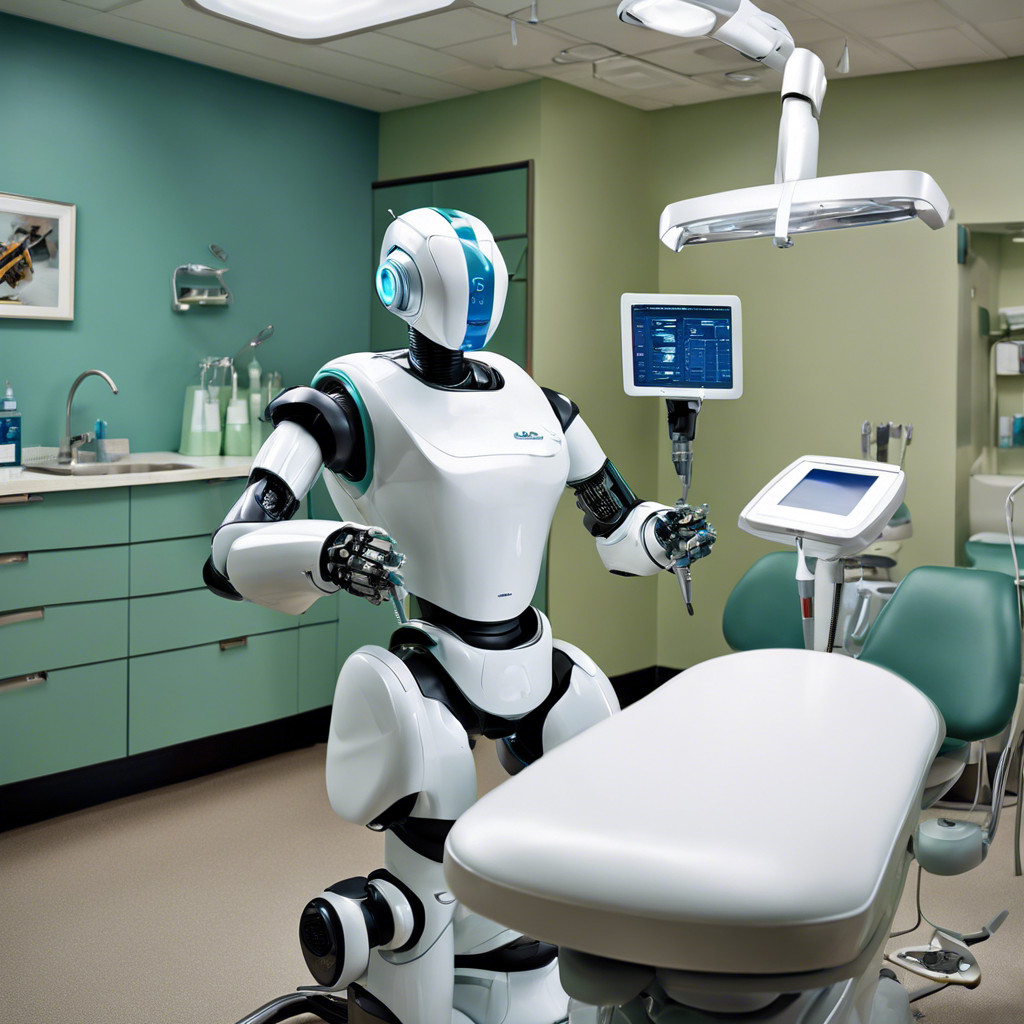
This article explores the evolution, advantages, examples, integration in education, and future prospects of robotics in dental surgery, emphasizing the role of technologies like the Yomi Dental Robot in improving precision, control, and patient outcomes.
The Evolution of Robotics in Dental Surgery
The field of dentistry has undergone a significant transformation over the decades, with advances in digital imaging, 3D printing, and restorative materials revolutionizing the practice. At the forefront of this technological revolution is the incorporation of robotics into dental procedures, a development that is steadily reshaping the dental landscape.
Robotic technology in dentistry, as exemplified by the Yomi Dental Robot, has been particularly impactful in dental implant procedures and bone reduction [3]. The Yomi Dental Robot, which received FDA-clearance for these procedures, has drastically improved the precision and efficiency of such operations.
The term “digital dentistry” has been coined to describe this integration of various digital technologies into dental practice. This includes innovations such as smart toothbrushes, 3-D X-rays, and robotic assistants like Yomi [3].
Advantages of Robotics in Dental Surgery
The benefits of integrating robotics into dental surgery are manifold. Robotic systems offer greater precision and control, reducing invasiveness and improving visualization of the surgical field. These advantages lead to fewer complications and shorter recovery times for patients.
The increased precision offered by robotic technology is particularly beneficial in complex procedures where high accuracy is essential. For instance, in dental implant surgeries, the use of robotics has been associated with improved patient outcomes and cost-effectiveness.
Examples of Robotic Technologies Used in Dental Surgery
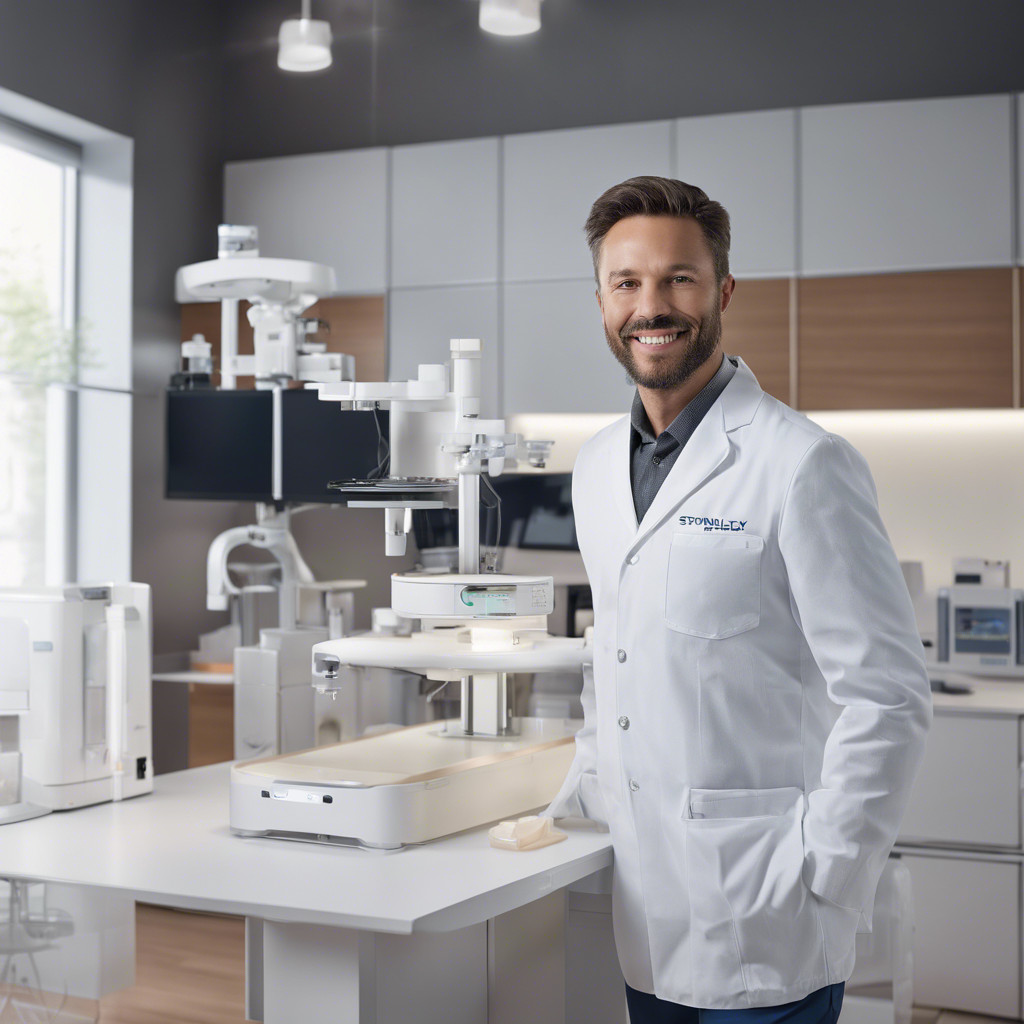
Among the robotic technologies employed in dental surgery, the Yomi Dental Robot stands out. Cleared by the FDA for dental implant procedures, full-arch implant treatment, and bone reduction, Yomi has proven a reliable assistant in these complex procedures.
A technician controls Yomi’s movements by typing instructions on a keyboard, enabling precise control over the surgical procedure. The robotic surgery system typically consists of a surgeon console, a patient-side cart, and a set of robotic arms, all of which work in tandem to enhance precision and control during the surgery.
Integration of Robotics in Dental Education
The integration of robotics into dental education is another significant development. At institutions like the School of Dental Medicine (SDM) and New York University (NYU), the Yomi system has been incorporated into the curriculum for student-led implant surgery [3].
This integration of robotics into dental education not only provides safer learning experiences for students but also reshapes dental workflows, leading to improved patient outcomes.
Future Prospects of Robotics in Dental Surgery
The future of robotic dental surgery is promising and is expected to feature continued advancements in systems like Yomi and potential competition in the market. Despite barriers such as cost, return on investment, and the learning curve, the widespread adoption of robotics in dentistry is considered inevitable.
Additionally, the digital technologies used in dentistry, such as smart toothbrushes, are expected to continue evolving and influencing the future of dental robotics. This incorporates a broader vision for a future where digital and robotic technologies seamlessly integrate into dental practices, enhancing patient care and outcomes.
This article explores the impact of 3D printing on dental education, including its integration into the curriculum, benefits in dental training, and applications in dental practice, as well as speculating on the future prospects of 3D printing in the field.
The Impact of 3D Printing on Dental Education
The Role of 3D Printing in Dental Education
3D printing technology is being progressively integrated into dental education, providing an invaluable tool for hands-on learning and simulation. This technology allows students to acquire a deeper understanding of dental procedures and structures through the creation and manipulation of accurate, three-dimensional models. However, as with any new technology, there is a learning curve involved in mastering 3D printing for common dental procedures. For instance, Dr. Chonway Tram, who began 3D printing in 2017, initially faced challenges with finicky and hard-to-calibrate machines. Despite these initial hurdles, the adoption of 3D printing in dental education is reshaping the way dental professionals are trained, transforming traditional techniques and practices.
3D printing brings several specific benefits to dental training, including improved efficiency and treatment outcomes. For example, restorations and prosthetics can now be fabricated more affordably, accurately, and with faster turnaround. Dr. Tram’s dental practice, in particular, has been revolutionized by 3D printing, leading to quicker and more precise restorations. Now, he is able to print a majority of common dental procedures in his office, including veneers, crowns, bridges, and dentures.
Enhancing Dental Curriculum with 3D Printing
The introduction of 3D printing technology into the dental curriculum is enhancing traditional dental techniques and practices. In addition to providing accurate 3D models of patient dentition, 3D printing enables customized dental restorations. This not only enhances the students’ understanding of complex dental structures and procedures but also prepares them for the practical application of these skills in a clinical setting.
The use of 3D printing for simulations and hands-on learning in dental education provides a more practical approach to training. It allows for the creation of tools, prostheses, dental implants, and other essential items for dental medicine at a fraction of the cost of traditional methods.
Applications of 3D Printing in Dental Practice
3D printing technology has a broad range of applications in dental practice, particularly in the areas of oral and maxillofacial surgery, oral implantology, and orthodontics. It is used in the fabrication of occlusal splints, surgical implants, and prostheses, offering improved accuracy, comfort, and efficiency. For example, surgical guides in oral implantology, which ensure precise and accurate positioning of dental implants, can be rapidly and accurately fabricated using 3D printing. This results in improved patient outcomes and efficiency.
The use of 3D printing in the fabrication of complete dentures and removable partial denture frameworks has also shown improved accuracy and efficiency. It offers better detail reproducibility, resulting in a better fit and improved patient comfort. Furthermore, it reduces the need for manual labor and traditional casting techniques, resulting in a more efficient and cost-effective process.
Future Prospects of 3D Printing in Dental Education and Practice
3D printing is revolutionizing the field of dentistry and dental education. From enhancing the dental curriculum to transforming dental practices, its impact is profound and far-reaching. As technology continues to advance, the future of 3D printing in dental education and practice looks promising. With the continued development of materials and technologies, we can expect to see further improvements in accuracy, efficiency, and patient outcomes.
Digital dentistry, a set of technologies for capturing and manipulating patient impressions in a digital format, has revolutionized the dental industry.The integration of 3D printing technology has added a new dimension to this field, offering efficient and cost-effective production of customized dental appliances. The benefits such as improved efficiency, reduced lead times, and enhanced treatment outcomes have made it an integral part of modern dental practices.
Digital dentistry and 3D printing technology have transformed the way dental professionals approach patient care. By digitizing the process of capturing and manipulating patient impressions, dental practices have become more efficient and effective. 3D printing technology, in particular, has revolutionized the production of dental appliances, allowing for the creation of highly customized and precise dental objects.
Digital Dentistry: An Overview
Digital dentistry has significantly improved patient health and care by increasing efficiency and enhancing treatment outcomes. Intraoral scanners and advancements in digital workflows have streamlined the production process, contributing to the growth of the 3D printing market. The use of biocompatible materials specifically designed for dental applications has further expanded the scope of digital dentistry.
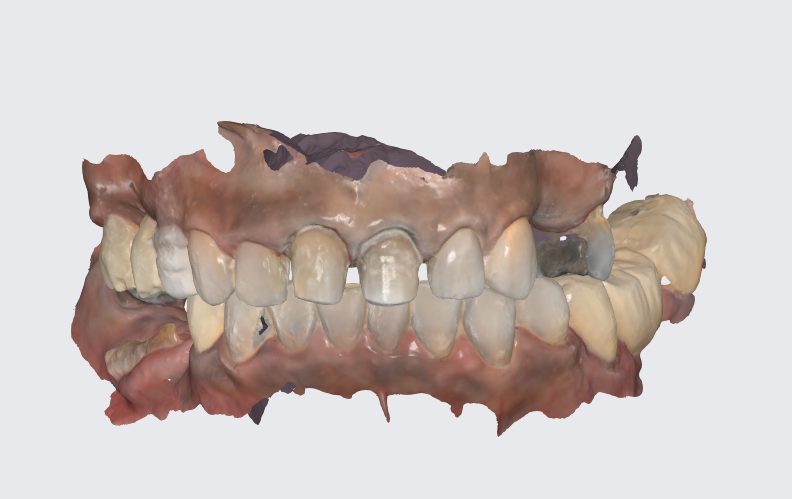
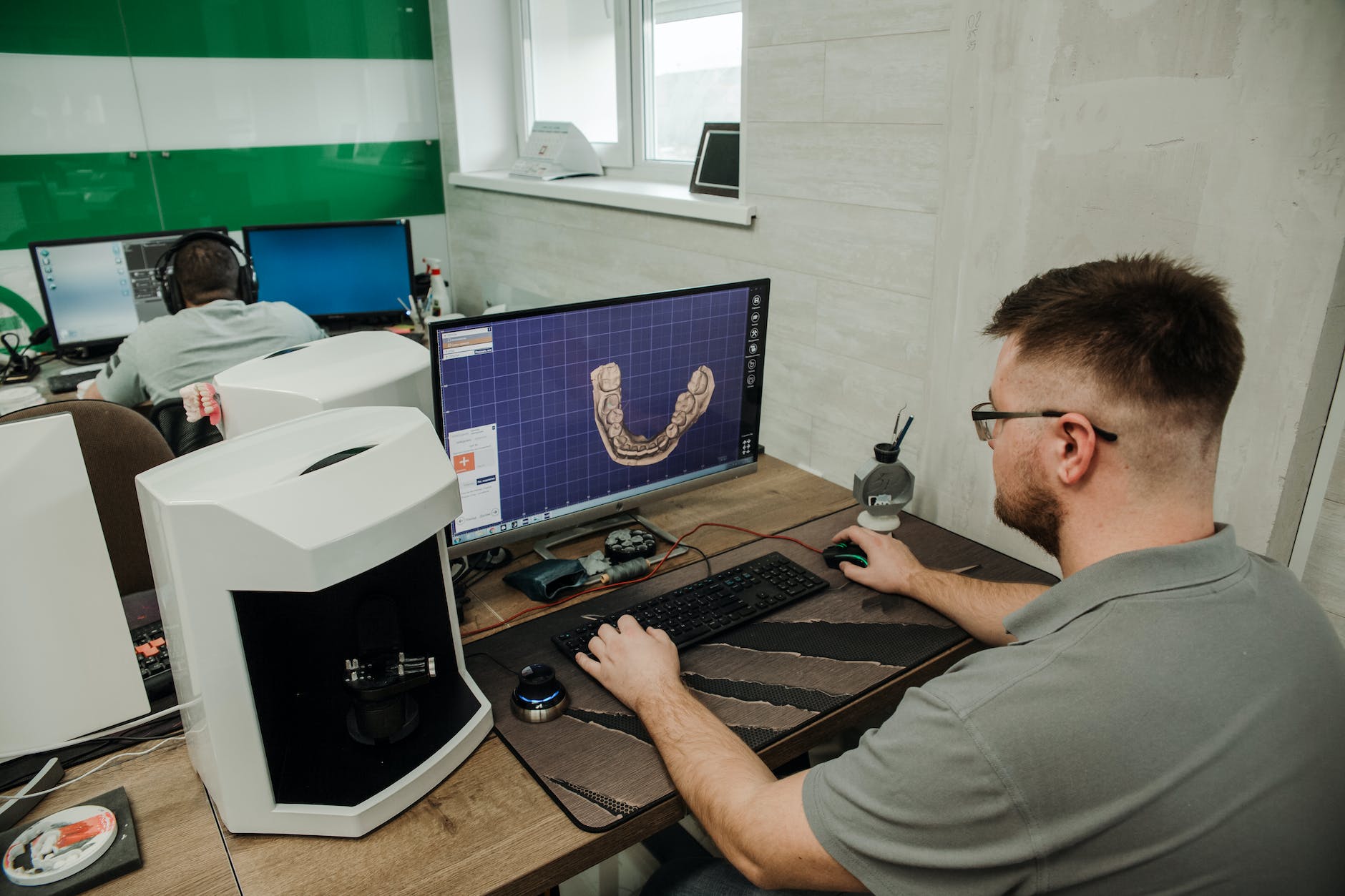
Intraoral scanners have replaced traditional impression-taking methods, eliminating the need for messy and uncomfortable dental impressions. These scanners capture detailed 3D images of the patient’s mouth, which can be used to create digital models for various dental applications. Digital workflows allow for seamless communication between dental professionals, dental labs, and patients, reducing the turnaround time for dental appliances and improving overall treatment outcomes.
The use of biocompatible materials in digital dentistry ensures that the dental appliances created through 3D printing are safe and compatible with the patient’s oral cavity. These materials are specifically designed to withstand the oral environment and provide optimal comfort and functionality.
The Process of 3D Printing in Dentistry
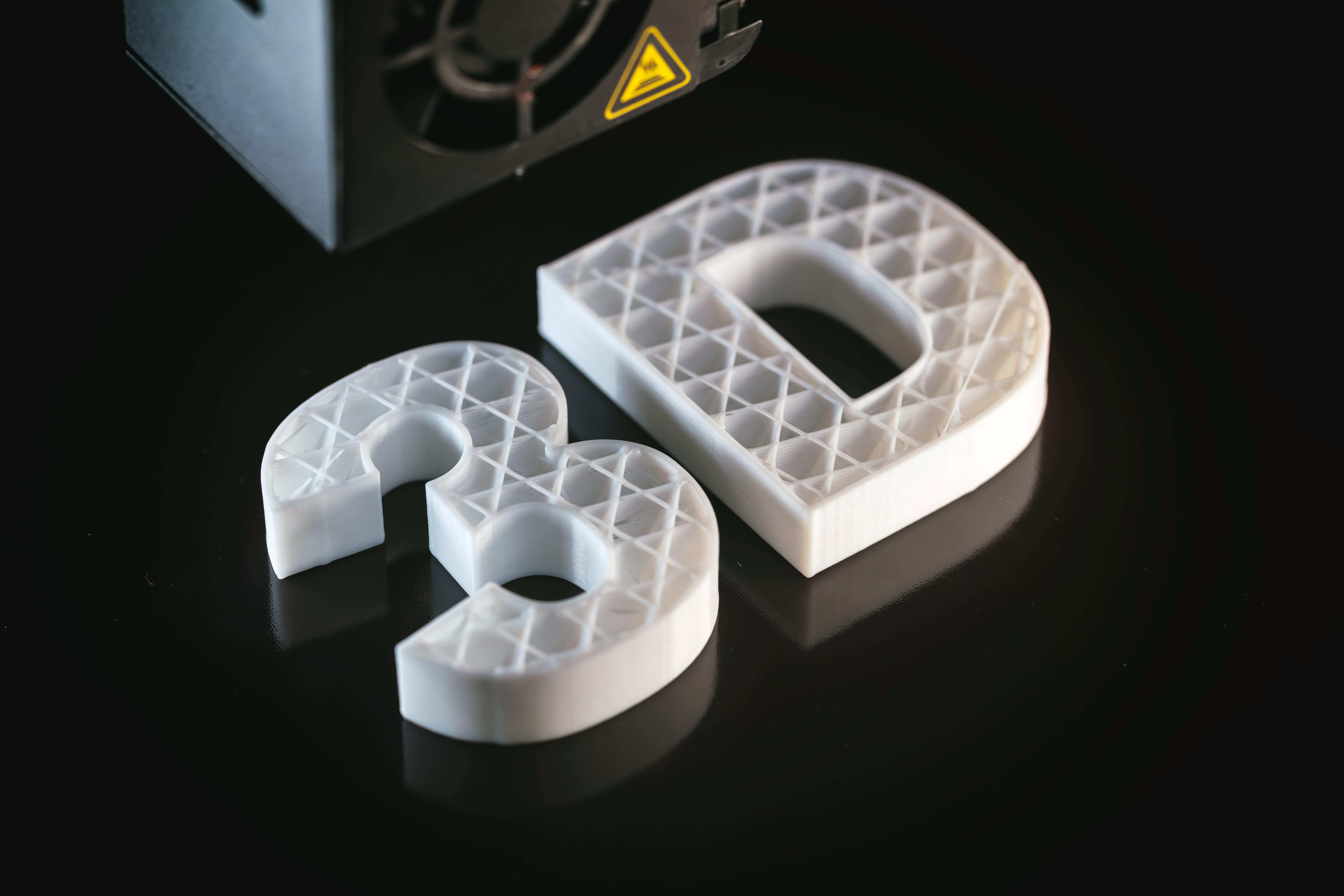
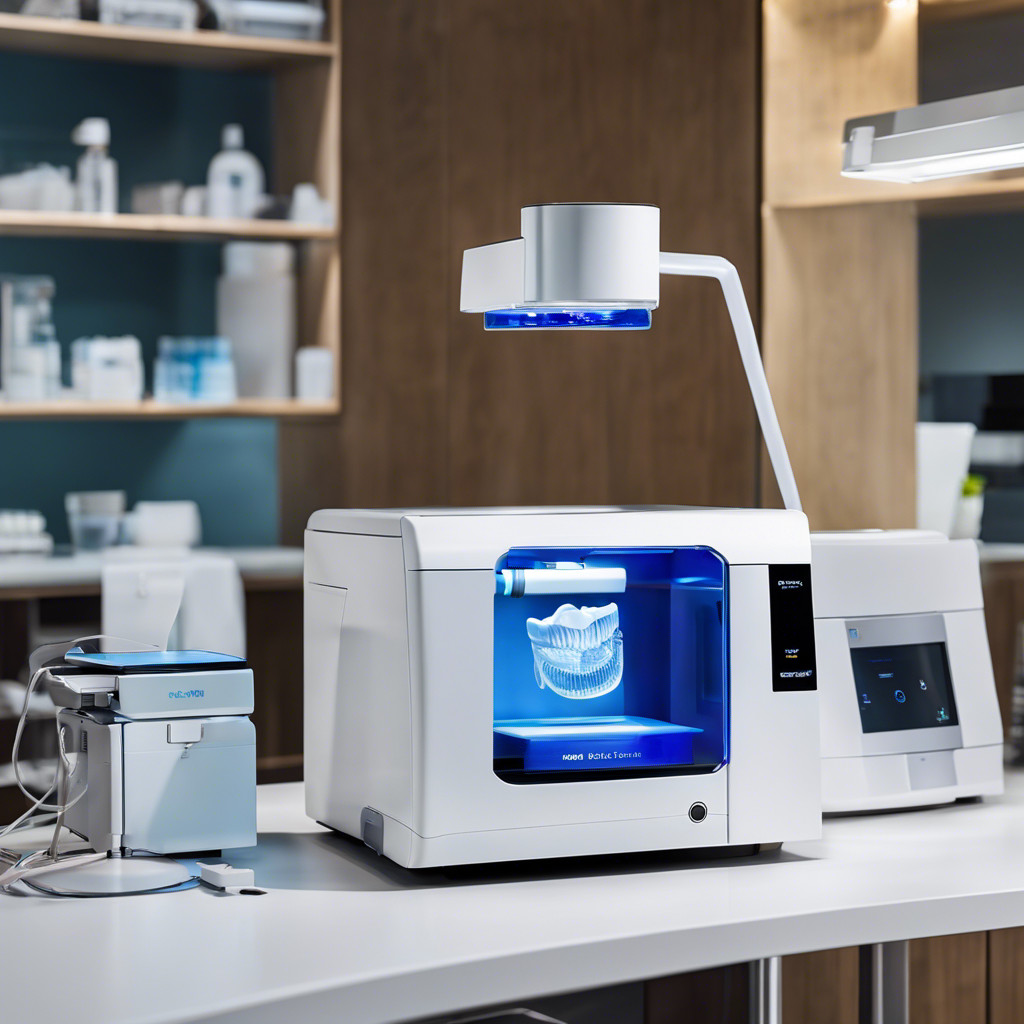
3D printing technology in dentistry uses additive manufacturing to create three-dimensional dental objects.Different 3D printing technologies, such as selective laser sintering, stereolithography, fused deposition modeling, and digital light processing, are employed in the dental field. These technologies, coupled with biocompatible materials, allow for a high degree of precision and customization in dental applications.
Selective laser sintering (SLS) is a 3D printing technology that uses a laser to selectively fuse powdered materials together, layer by layer, to create a dental object. Stereolithography (SLA) uses a laser to solidify liquid resin, layer by layer, to create the desired dental object. Fused deposition modeling (FDM) extrudes a thermoplastic filament, layer by layer, to create the dental object. Digital light processing (DLP) uses a projector to selectively cure a liquid resin, layer by layer, to create the dental object.
The choice of 3D printing technology depends on the specific requirements of the dental application. For example, SLS and SLA are often used for the production of dental models and surgical guides, while FDM and DLP are commonly used for the production of clear aligners and dentures. The use of biocompatible materials ensures that the dental objects created through 3D printing are safe and compatible with the patient’s oral cavity.
Applications of 3D Printing in Dentistry
3D printing has several applications in dentistry, including the creation of study and smile design models, surgical guides, clear aligners, dentures, custom trays, and provisional restorations. The technology allows for the creation of highly customized dental implants and surgical guides, significantly improving patient comfort and clinical outcomes. For instance, 3D printing is used in dental implantology to create custom surgical guides, which improve the accuracy and quality of dental work.
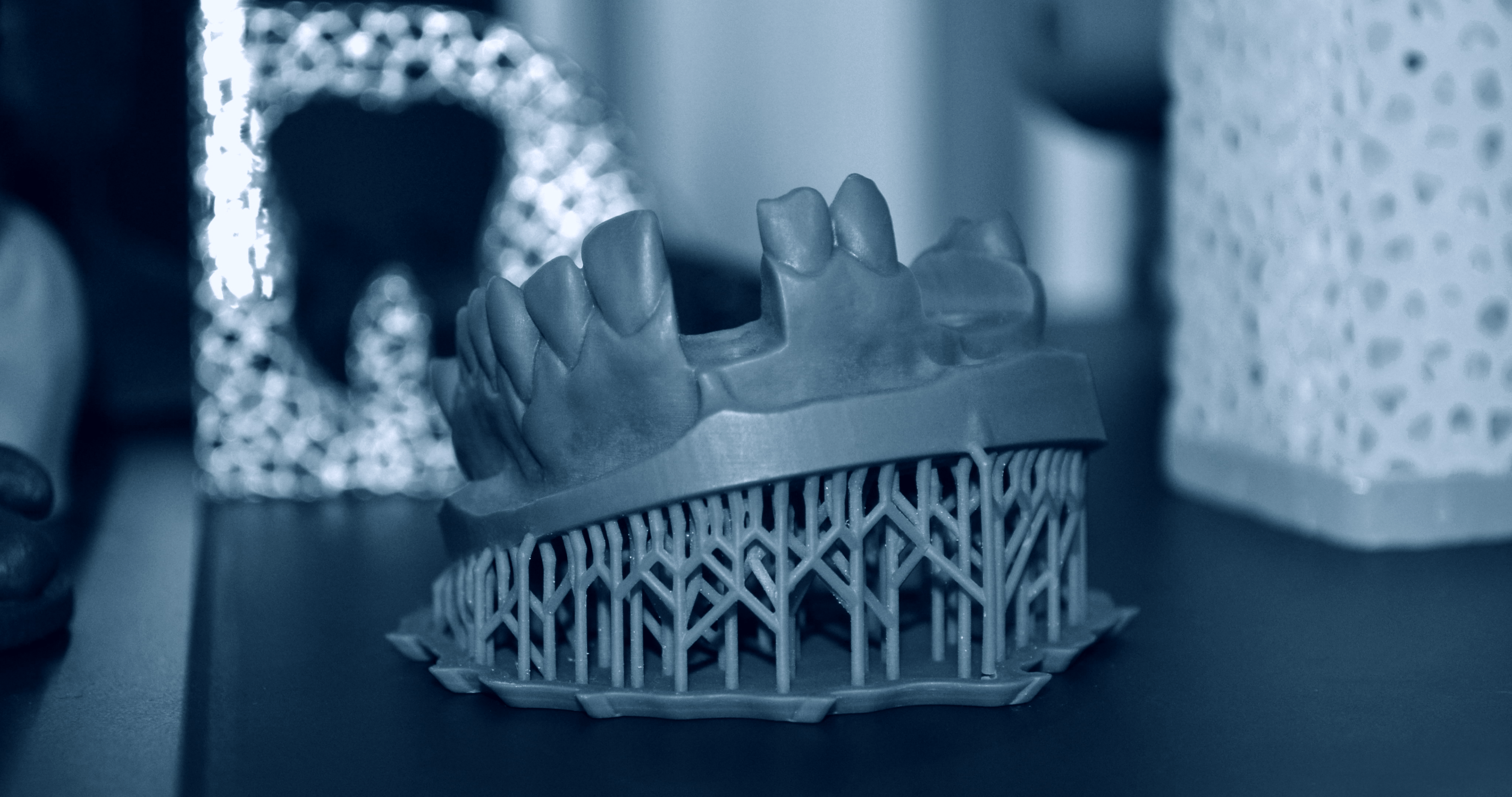
Study and smile design models are created through 3D printing to help dental professionals visualize and plan treatment procedures. These models provide a physical representation of the patient’s oral condition, allowing for more accurate diagnosis and treatment planning. Surgical guides, created using 3D printing, aid in the precise placement of dental implants, reducing the risk of complications and enhancing the success rate of the procedure.
Clear aligners, such as Invisalign, are custom-made using 3D printing technology. These aligners gradually move the patient’s teeth into the desired position, providing a more discreet and comfortable alternative to traditional braces. Dentures, custom trays, and provisional restorations are also created through 3D printing, offering patients a more precise and comfortable fit.
The ability to create highly customized dental implants and surgical guides through 3D printing has revolutionized the field of dental implantology. Dental professionals can now design implants that perfectly match the patient’s anatomy, resulting in improved aesthetics and functionality. Custom surgical guides ensure accurate implant placement, reducing the risk of complications and improving overall treatment outcomes.
Advancements and Future Prospects in Digital Dentistry
The field of digital dentistry has seen rapid advancements, especially in the domain of 3D printing technology. Improvements in materials, speed, accuracy, and integrated features have contributed to the expansion of the 3D printing market, with competitive prices and various printers available. The future of 3D printing in dentistry holds immense possibilities with ongoing advancements and transformations set to continue shaping the industry.
Advancements in 3D printing technology have led to the development of more sophisticated printers and materials. Printers are becoming faster, more accurate, and capable of producing highly detailed dental objects. New materials are being introduced that offer improved biocompatibility, strength, and aesthetics. Integrated features, such as color printing and multi-material printing, are also being incorporated into 3D printers, further expanding their capabilities.
The future prospects of 3D printing in dentistry are promising. As technology continues to advance, 3D printing is expected to become even more accessible and affordable for dental practices of all sizes. The ability to create highly customized dental appliances will lead to more personalized and efficient patient care. Additionally, the integration of artificial intelligence and machine learning algorithms into digital dentistry workflows could further enhance treatment outcomes and patient satisfaction.
Training and Implementation of Digital Dentistry in Practice
Incorporating 3D printing into the curriculum of dental schools and training institutes is crucial to prepare future dental professionals for the evolving industry. Companies like SprintRay offer support and resources to help dental professionals integrate digital dentistry and 3D printing into their practice, further easing the implementation process.
Dental schools and training institutes play a vital role in preparing dental professionals for the adoption of digital dentistry and 3D printing technology. By including digital dentistry courses in their curricula, dental schools can ensure that graduates are equipped with the necessary knowledge and skills to leverage these technologies in their future practice. Hands-on training with 3D printers and software will enable dental professionals to confidently incorporate digital dentistry into their workflows.
Companies like SprintRay provide dental professionals with the necessary support and resources to successfully implement digital dentistry and 3D printing in their practice. They offer training programs, technical support, and a wide range of dental-specific materials and printers. By partnering with such companies, dental practices can smoothly transition to a digital workflow and maximize the benefits of 3D printing technology.
In conclusion, digital dentistry and the integration of 3D printing technology have revolutionized the dental industry. The use of intraoral scanners, digital workflows, and biocompatible materials has improved efficiency and treatment outcomes. 3D printing technology allows for the creation of highly customized dental appliances, enhancing patient comfort and clinical outcomes. Advancements in the field of 3D printing and ongoing transformations promise a bright future for digital dentistry. Dental schools and training institutes play a crucial role in preparing dental professionals for the adoption of these technologies. With the support of companies like SprintRay, dental practices can successfully implement digital dentistry and 3D printing into their workflows.
3D printing, or additive manufacturing, has become a game-changer in various industries, including dentistry. This innovative technology allows for the creation of three-dimensional objects by layering materials. In the field of dentistry, 3D printing offers unprecedented advantages such as versatility, precision, and cost-effectiveness. In this article, we will explore the different applications of 3D printing in dentistry and how it has revolutionized the industry.
Evolution of 3D Printing in Dentistry
The use of 3D printing in dentistry has come a long way since its inception. In the past, dentists relied on traditional methods such as scans, radiology, and teeth molds to create images of patients’ teeth. However, these processes were often complex and time-consuming. With the introduction of 3D printing technology, dental providers can now create more customized implants and treat patients more efficiently.
Today, 3D printing plays a crucial role in various dental procedures, including treatment planning, creating dental models, and producing customized crowns, bridges, aligners, and retainers. The impact of 3D printing on dentistry has been significant, improving the accuracy, speed, and customization of dental treatments.
Applications of 3D Printing in Dental Procedures
One of the primary applications of 3D printing in dentistry is in treatment planning. The digital workflow for dental 3D printing begins with 3D scanning, which captures precise digital impressions of a patient’s oral structure. These digital impressions can then be used to produce 3D printed dental models, allowing dentists to visualize and analyze patients’ dental structures more effectively.
3D printing technology has also revolutionized the production of customized dental restorations. Dental crowns and bridges can now be 3D printed using resin additive manufacturing, offering a cost-effective and faster production process. Aligners and retainers can also be made using resin 3D printing, allowing for greater customization and a better fit for patients.
In the field of orthodontics, 3D printing has been instrumental in the production of surgical guides, splints, and implants. 3D printing technology is also used to create anatomical replicas and models for surgical planning and training purposes, enhancing the efficiency and precision of these processes.
3D Printed Dental Implants and Prosthetics
One of the most significant applications of 3D printing in dentistry is in the production of dental implants. Traditional dental implant procedures often involve standardized implants that may not perfectly fit a patient’s individual needs. However, 3D printing enables the production of individualized dental implants, improving bite ability and chewing function. Additionally, surgical guides for dental implants can be created using 3D printing, enhancing precision and accuracy in dental implant placement.
The use of 3D printing in the manufacturing of dental prosthetics has also been transformative. It offers more affordable and customized solutions, contributing to the democratization of dental care. With 3D printing, dental prosthetics can be tailored to the specific needs of each patient, resulting in better comfort and aesthetics.
Benefits of 3D Printing in Dentistry
The integration of 3D printing technology in dentistry has brought numerous benefits to both dental practitioners and patients. One of the significant advantages is enhanced efficiency. 3D printing eliminates the need for physical impressions, which can be uncomfortable for patients and time-consuming for dentists. By using digital scans and 3D printing, dental professionals can streamline the treatment process and save valuable time.
Additionally, 3D printing is cost-effective in the long run. It minimizes material waste and optimizes resources, making it an attractive solution for dental practices. With 3D printing, dental professionals can produce customized dental restorations and implants more efficiently, reducing costs and improving patient satisfaction.
Limitations of 3D Printing in Dentistry
Despite the numerous advantages, there are limitations to the use of 3D printing in dentistry. One of the current challenges is achieving the desired level of aesthetics and strength in 3D printed dentures. While 3D printing technology has made significant strides in creating dental prosthetics, further advancements are needed to meet the high standards of aesthetics and durability.
Implementing 3D printing technology in dental practices can also be complex and expensive. It requires specialized knowledge and investment in equipment and materials. Dental professionals need to undergo training and stay updated with the latest advancements in 3D printing technology to fully harness its potential.
Future Prospects of 3D Printing in Dentistry
The future prospects of 3D printing in dentistry are promising. With advancements in technology, there is potential for further improvements in the production of dentures. Streamlined production processes and improved precision can contribute to the development of more aesthetically pleasing and durable dentures.
Moreover, 3D printing can be used to create casting patterns for crowns, bridges, and dentures. This can further enhance the efficiency and accuracy of the manufacturing process, leading to better-fitting and longer-lasting dental restorations.
In conclusion, 3D printing technology has made a significant impact on dentistry, transforming treatment planning, production of dental models, implants, and prosthetics. Its benefits of increased efficiency, improved treatment outcomes, and customized solutions are undeniable. As technology continues to evolve, the exploration and adoption of 3D printing in the dental industry are expected to advance patient care and treatment options even further.
Helping Children Overcome Fear of the Dentist: Strategies for a Positive Dental Experience
Fear of the dentist is a common issue among children that can cause stress and anxiety for both the child and their parents. However, there are strategies and techniques that can help children overcome their dental fears and have a positive dental experience. By understanding the reasons behind children’s fear of the dentist and implementing appropriate strategies, parents can help their children feel more comfortable and confident during dental visits.
Reasons for Children’s Fear of the Dentist
There are several factors that contribute to children’s fear of the dentist. Previous painful experiences during dental visits can create negative associations and increase anxiety. The appearance and noise of dental instruments can also be intimidating for children. Additionally, the unfamiliar environment of the dental office can be overwhelming and contribute to fear and anxiety.
To address these fears, it is important for parents and dental professionals to create a supportive and reassuring environment that helps children feel safe and comfortable during dental appointments.
Importance of Early Dental Visits
Early dental visits play a crucial role in alleviating dental fears in children. Regular dental check-ups from an early age help children develop good oral hygiene habits and familiarize them with the dental environment. By introducing children to the dentist and dental procedures at a young age, anxiety can be reduced for future visits.
Pediatric dentistry specializes in providing age-appropriate care and creating a comfortable experience for children [3]. Pediatric dentists are trained to understand and address the unique needs and fears of young patients, making them an ideal choice for children with dental anxiety.
Strategies for Preparing Children for a Dental Visit
Preparing children for a dental visit is essential in helping them feel more at ease and less anxious. Parents can discuss the procedure with their child beforehand, using comforting and reassuring language to explain what will happen during the visit. Showing children images of the dental office and explaining the role of the dentist and dental hygienist can also help familiarize them with the environment and reduce fear.
Using videos of favorite characters at the dentist can be a helpful tool in familiarizing children with the dental process. Engaging in dramatic play with stuffed animals, acting out a dental visit, can also help children practice what to expect and reduce fears.
Creating a Positive Dental Experience
Creating a positive dental experience is key to helping children overcome their fear of the dentist. Pediatric dental offices are designed to be child-friendly, with colorful and welcoming environments that help children feel more comfortable. Positive reinforcement during the dental visit, such as praise and rewards, can also contribute to a positive association with dental care.
Allowing children to bring comforting items or toys to the appointment can alleviate anxiety and provide a sense of familiarity and security.Cary Ganz DDS Consulting aims to be the top dental consulting firm for recent dental graduates.
Role of Pediatric Dentistry
Pediatric dentistry plays a crucial role in addressing children’s dental fears. Pediatric dentists have specialized training in treating children and are experienced in creating a child-friendly environment. They use techniques to help children feel comfortable and at ease during dental visits.
When seeking a pediatric dentist, it is important to choose one who has experience in treating children with dental phobia. These specialized dentists can provide the extra care and attention needed to ensure a fear-free experience for children.
Conclusion
Helping children overcome their fear of the dentist is possible with the right strategies and support. By understanding the reasons behind children’s dental fears and implementing appropriate techniques, parents can help their children have a positive dental experience. Early dental visits, preparation, and the child-friendly environment provided by pediatric dentistry all contribute to overcoming dental anxiety. Encouraging parents to take a proactive role in addressing dental fears and promoting good oral health habits is essential for the long-term well-being of their children.
3D printing technology has transformed various sectors, including dentistry. It is particularly instrumental in creating custom dental prosthetics. The additive manufacturing technology allows dental professionals to design and create custom-made dental prosthetics with improved accuracy and efficiency [1].
The Significance of 3D Printing in Dentistry
Recent advancements in additive manufacturing have significantly impacted digital prosthetic dentistry.The technology facilitates the production of custom-made dental prostheses, catering to the unique needs of individual patients. Over the years, the application of 3D printing in dental practices has seen a steady increase, highlighting its growing importance.
The efficiency and customization benefits offered by 3D printing technology make it a preferred choice for creating dental prosthetics. For instance, the ability to create a dental prosthetic that perfectly fits a patient’s oral cavity enhances the comfort and overall experience of the patient.An example of this is the fabrication of tailor-made dental crowns using 3D printing technology.
Benefits of Using 3D Printing for Custom Dental Prosthetics
The use of 3D printing in the creation of custom dental prosthetics offers numerous benefits, including reduced production time, improved accuracy, and cost savings for both dental providers and patients. For instance, 3D printing enables the quick production of dental implants, allowing dental practitioners to serve more patients efficiently.
Moreover, this technology enhances patient care and improves treatment outcomes by providing dental prosthetics that accurately fit the patient’s oral structure. Additionally, 3D printing is environmentally friendly as it reduces waste compared to traditional manufacturing processes.
Process of Creating Custom Dental Prosthetics with 3D Printing
The process of creating custom dental prosthetics using 3D printing begins with designing the dental product using software and exporting it as an STL file. This file is then submitted to a lab equipped with 3D printing technology.
The next step involves choosing suitable materials for 3D printing, such as ceramics and polymers, based on the strength, durability, and aesthetic requirements of the dental prosthetic. Then, the Gcode containing instructions for the 3D printer is created. Finally, the dental prosthetic is printed using a 3D printer onto wax paper.
Materials Used in 3D Printing Dental Prosthetics
Various materials can be used in 3D printing for dental prosthetics, including ceramics and polymers. The choice of material depends on factors such as the strength, durability, and aesthetic requirements of the dental prosthetic. Advances in material science have expanded the range of options available for 3D printing dental prosthetics.
Advancements and Innovations in Digital Dentistry
The integration of digital workflows and CAD/CAM technology is vital for the successful use of 3D printing in dental prosthetics.3D-printed models enable precise treatment planning and improved treatment outcomes. For instance, surgical guides fabricated using 3D printing technology assist in precise implant placement, ensuring optimal functionality and aesthetics.
Moreover, personalized dental prosthetics can be created with unmatched precision and aesthetics using 3D printing. Companies like Whip Mix offer advanced 3D printer models specifically designed for dental practices, further empowering digital dentistry.
The Future of 3D Printing in Dental Prosthetic Dentistry
The use of 3D printing in dental prosthetic dentistry is continuously evolving, and further research is needed for its optimal use. Dental practices looking to integrate 3D printing technology need to invest in the required equipment and training. The impact of 3D printing on the dental industry is profound, improving patient care and expanding treatment options. The future looks promising with 3D printing paving the way for advanced, efficient, and personalized dental care.
Nanotechnology, the manipulation of matter on a molecular and atomic scale, is revolutionizing the field of dentistry.This cutting-edge technology has led to the development of materials and treatments that are significantly improving oral health care.The potential benefits include advanced diagnostics, better prosthetics, and more effective treatments for oral diseases.The various applications of nanotechnology in dentistry range from the development of new dental materials to the creation of innovative drug delivery systems.
Nanotechnology has the potential to bring about major advancements in dentistry. By manipulating matter at the nanoscale, scientists and researchers are able to develop materials and treatments that offer enhanced properties and improved outcomes. This technology holds great promise for the future of oral health care.
Nanotechnology in Improving Dental Materials and Treatments
Nanotechnology has led to the development of nanomaterials with improved properties due to their increased surface area and quantum effects. These materials are used to enhance root canal sealers, bonding enamel, and orthodontic realignment. For example, nanocomposites with nano-sized filler particles have improved aesthetic and mechanical properties compared to traditional composites, providing stronger and more visually appealing dental fillings. Nanostructures also play a role in enamel biomineralization and can be used in the formation of other mineralized tissues. Additionally, nanomaterials can be used for targeted drug delivery in periodontal therapy and remineralization of early enamel lesions, offering a precise and effective treatment approach.
One example of the application of nanotechnology in dental materials is the development of nanomaterial-based dental adhesives.These adhesives have shown improved bonding strength and durability compared to conventional adhesives, resulting in better retention of dental restorations. The incorporation of nanofillers in the adhesive matrix allows for better adaptation to the tooth structure and improved mechanical properties. This technology has the potential to revolutionize restorative dentistry by providing more reliable and long-lasting dental restorations.
Nanoparticles in Dental Implants and Bone Augmentation
Nanotechnology is reshaping the field of dental implants and bone augmentation. Nanostructured surface coatings on dental implants can enhance bone growth and osseointegration, the process where the bone fuses with the implant, leading to improved implant stability. Bio-nano surface technology is used to enhance dental implants by improving osteoblast proliferation, the process of forming new bone. Furthermore, nanotechnology has the potential to develop bone replacement materials that mimic the natural structure of bone. Nanoparticles used in dental implants can also reduce the risk of infection, improving the longevity and success of the implant.
In addition to dental implants, nanotechnology is also being applied to bone augmentation procedures. The use of nanomaterials in bone grafts and scaffolds can promote bone regeneration and improve the success rate of these procedures. Nanoscale particles can provide a high surface area for cell attachment and growth, facilitating the formation of new bone tissue. This technology has the potential to revolutionize the field of oral and maxillofacial surgery by providing more effective and predictable outcomes for patients requiring bone augmentation procedures.
Nanotechnology in Oral Health Care and Diagnostics
Nanodiagnostics have emerged as a powerful tool for early disease identification in dentistry, enabling early intervention and better prognosis. Additionally, nanotechnology has found applications in oral and maxillofacial surgery, particularly in tumor tissue surgery. Another significant application is the use of nanorobots in dentifrices and mouthwashes. These tiny devices can prevent the accumulation of calculus and destroy pathogenic bacteria, promoting overall oral health. Nanophosphor scintillators, another nanotechnology-based innovation, can enhance digital dental imaging techniques, offering better diagnostics.
One example of nanotechnology in oral health care is the development of nanoscale antimicrobial agents. These agents can be incorporated into oral care products such as toothpaste and mouthwash, providing a more effective way to combat oral infections and maintain oral hygiene. The nanoparticles in these products can penetrate the biofilm and target the bacteria more efficiently, reducing the risk of dental caries and periodontal diseases. This technology has the potential to improve oral health outcomes and reduce the need for invasive dental procedures.
Tissue Engineering and Stem Cell Research in Dentistry
Tissue engineering and stem cell research, aided by nanotechnology, have potential applications in dentistry for bone augmentation, periodontal ligament regeneration, and pulp repair. Nanoscale fibers can enhance the mechanical properties of bone tissue engineering materials, making them more robust and effective. Nanotechnology can also be used to develop bioactive scaffolds for tissue regeneration in dentistry, offering new treatment options for diseases like periodontitis.
One example of nanotechnology in tissue engineering is the development of nanofiber scaffolds for periodontal tissue regeneration. These scaffolds provide a three-dimensional structure that supports the growth of new periodontal tissue and facilitates the regeneration of damaged tissue. The nanoscale fibers in the scaffold mimic the natural extracellular matrix, allowing for better cell adhesion and proliferation. This technology has the potential to revolutionize the treatment of periodontal diseases by promoting the regeneration of lost tissue and improving the long-term outcomes for patients.
Nanotechnology in Anesthesia and Drug Delivery Systems
Nanotechnology has also found its application in anesthesia in dentistry. For instance, nanorobots can be used to induce anesthesia, providing a highly controlled and effective method of pain management. Nanoparticles can also be used for targeted drug delivery in periodontal therapy and local anesthesia, allowing for precise and effective treatments. This innovative technology enables the development of drug delivery systems with improved efficacy and reduced side effects.
One example of nanotechnology in drug delivery is the development of nanocarriers for local anesthesia. These nanocarriers can encapsulate local anesthetics and deliver them to the target site in a controlled manner, prolonging the duration of anesthesia and reducing the need for additional injections. The use of nanocarriers can also minimize the systemic absorption of the anesthetic, reducing the risk of adverse effects. This technology has the potential to improve patient comfort and satisfaction during dental procedures.
Nanotechnology in the Development of Dental Products
Nanotechnology is playing a significant role in the development of dental products. For instance, nanoparticles are used in bonding agents and sterilizing solutions in dentistry, improving their effectiveness. Nanomaterials, including nanocomposites and nanosolutions, are used in restoration, adhesion, and impression materials. Nanostructures are used to enhance the durability and resistance to abrasion of artificial teeth, improving their longevity and wear resistance.
One example of nanotechnology in the development of dental products is the use of nanomaterials in dental adhesives. These adhesives have shown improved bond strength and durability, leading to better retention of dental restorations. The incorporation of nanoparticles in the adhesive matrix allows for better adaptation to the tooth structure and improved mechanical properties. This technology has the potential to improve the longevity and success rate of dental restorations, reducing the need for frequent replacements.
Safety Concerns and Ethical Implications of Nanotechnology in Dentistry
While nanotechnology holds immense potential, concerns about the absorption and accumulation of nanoparticles in the body have been raised. Ethical, social, and health implications of nanotechnology need to be considered before its widespread application. Safety measures should be implemented to ensure the responsible use of nanotechnology in dentistry.
It is crucial to address the safety concerns associated with nanotechnology in dentistry. Research should be conducted to evaluate the potential risks and develop appropriate safety protocols for the use of nanomaterials in dental applications. Additionally, ethical considerations should be taken into account when implementing nanotechnology in dentistry, including issues related to informed consent, privacy, and equitable access to these technologies.
Future Prospects of Nanotechnology in Dentistry
Nanotechnology holds promising future prospects in dentistry, including advancements in diagnostics, treatments, and preventive care. Further research and development are needed to address challenges related to mass production, molecular engineering methods, and human safety. Integration of nanotechnology into dental practices requires consideration of public acceptance, ethics, regulation, and safety.
The future of dentistry is likely to be shaped by nanotechnology. Continued research and development in this field will pave the way for new and innovative approaches to oral health care. By harnessing the full potential of nanotechnology, dentistry can achieve improved outcomes and offer more effective and personalized treatments to patients.
Conclusion
Nanotechnology is playing a significant role in revolutionizing the field of dentistry, from improving dental materials to enhancing diagnostics and treatments. Despite the potential challenges and safety concerns, the benefits of incorporating nanotechnology in various aspects of dental practice are immense. The future of dentistry lies in harnessing the full potential of nanotechnology, backed by rigorous research and development. With continued advancements in nanotechnology, oral health care is poised to enter a new era of precision, effectiveness, and patient-centered care.
Digital Dentistry: Revolutionizing Dental Implants
Introduction
Digital dentistry refers to the use of digital technologies in various aspects of dentistry, including diagnosis, treatment planning, and restoration. With advancements in technology, digital dentistry has revolutionized the field of dental implants, transforming the way implant planning and placement are approached.
Benefits of Digital Dentistry in Implant Planning and Placement
The use of digital dentistry in implant planning and placement offers several benefits that contribute to improved outcomes and patient satisfaction.
Firstly, digital dentistry enhances accuracy and precision in implant procedures.Through the use of digital imaging and planning tools, dentists can create precise treatment plans, leading to more accurate implant placement. This reduces the margin for human error and ensures optimal positioning of the implant.
Secondly, digital dentistry allows for the creation of custom-made dental implants using computer-aided design and manufacturing (CAD/CAM) systems. These implants are designed to fit the patient’s unique anatomy, resulting in better aesthetics and improved fit.
Lastly, patients experience increased satisfaction with personalized treatment plans and improved implant outcomes. Digital dentistry enables dentists to communicate and visualize the treatment plan with the patient, resulting in a more collaborative and informed decision-making process.
Advanced Technologies in Digital Dentistry for Dental Implants
Digital dentistry relies on advanced technologies to optimize dental implant procedures and outcomes.
CAD/CAM technology plays a crucial role in digital dentistry for dental implants. It allows dentists to create precise treatment plans and design custom-made implants that perfectly match the patient’s oral anatomy. This level of customization ensures a better fit and long-term success of the implant.
Another significant technology in digital dentistry is 3D printing. It enables the production of patient-specific surgical guides and implants, improving accuracy and efficiency in implant placement. With 3D printing, dentists can create highly detailed and customized surgical guides that assist in the precise positioning of the implant.
Artificial intelligence (AI) is also making its way into digital dentistry. AI-based caries detection systems aid in early diagnosis and treatment planning, allowing dentists to intervene at an early stage and prevent further dental issues. Additionally, teledentistry, which utilizes AI and digital communication, facilitates remote consultations and follow-ups, expanding access to specialized care.
Improved Accuracy and Precision in Implant Procedures
Digital dentistry has significantly improved the accuracy and precision of implant procedures.
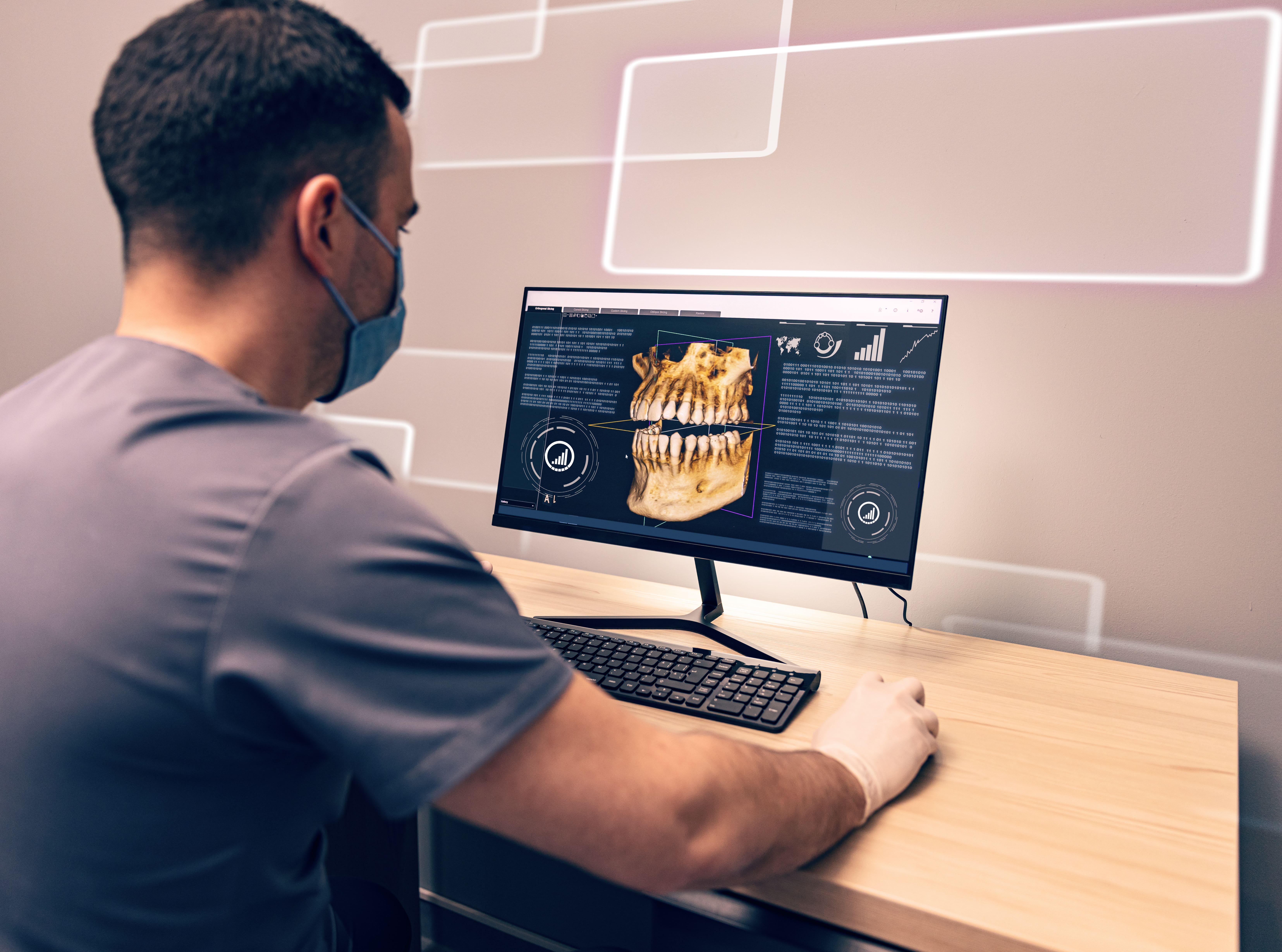
Advanced imaging techniques, such as cone-beam computed tomography (CBCT), provide detailed 3D images of the patient’s oral structures. These images aid in precise implant placement by allowing dentists to assess bone quality, quantity, and anatomical structures. This detailed information ensures that the implant is placed in the optimal position.
Computer-guided implant surgeries take accuracy to the next level. Dentists utilize virtual planning and navigation systems to enhance the precision of implant placement. By digitally planning the procedure and using real-time guidance during surgery, dentists can achieve highly accurate and predictable results.
Furthermore, 3D printing technology plays a vital role in improving accuracy. It enables the creation of accurate and personalized surgical guides that ensure proper implant positioning. The surgical guides act as a template during the surgery, guiding the dentist to precisely place the implant in the predetermined position.
Potential Future Developments in Digital Dentistry for Dental Implants
The future of digital dentistry for dental implants holds exciting possibilities for further enhancing patient care and outcomes.
AI-powered treatment planning and diagnostics have the potential to optimize implant procedures. AI algorithms can analyze patient data, such as CBCT scans and intraoral scans, to generate personalized treatment plans that consider various factors, including bone density and anatomical structures. This technology can improve the accuracy and efficiency of implant procedures.
The use of 3D printed biocompatible implants is another area of potential future development. Researchers are exploring the use of advanced materials and 3D printing techniques to create implants that offer enhanced functionality and aesthetics, promoting better long-term success. These implants may provide improved osseointegration and better integration with natural teeth.
Teledentistry is also expected to continue advancing. With the integration of AI, augmented reality (AR), and machine learning (ML) technologies, remote consultations and treatment planning can become even more comprehensive. This would allow patients in remote locations to access specialized care and receive accurate treatment recommendations.
Revolutionary Dental Implants: The Future of Tooth Replacement
Revolutionary dental implants differ from traditional implants in terms of materials, technology, and surgical techniques.Traditional dental implants, typically made of titanium, have a success rate exceeding 95% and provide a reliable tooth replacement solution. However, revolutionary dental implants leverage advancements in these areas to offer enhanced durability, preservation of bone health, and enhanced comfort.
For example, 3D printed implants are a revolutionary advancement in dental implant technology. These implants are created using 3D printing technology, allowing for precise customization and improved osseointegration. They offer the potential for better functional and aesthetic outcomes compared to traditional implants.
Computer-guided implant surgeries are another revolutionary approach. By utilizing virtual planning and navigation systems, dentists can achieve more accurate implant placement, leading to improved long-term success. These guided surgeries minimize the margin for error and ensure optimal positioning of the implant.
Revolutionary dental implants provide a permanent and natural-looking tooth replacement option. They offer improved durability, preservation of bone health, and enhanced comfort, contributing to overall patient satisfaction.
Conclusion
Digital dentistry has revolutionized dental implantology by improving accuracy, efficiency, and patient satisfaction. The use of digital imaging, planning tools, and advanced technologies such as CAD/CAM and 3D printing has transformed the way implant procedures are approached. The future of digital dentistry and dental implants holds exciting possibilities for further enhancing patient care and outcomes. As technology continues to advance, we can expect AI-powered treatment planning, 3D printed biocompatible implants, and advancements in teledentistry to further shape the field. With revolutionary dental implants offering improved durability and aesthetics, the future of tooth replacement looks promising.
References
[1] Cary Ganz DDS Consulting: source\ [2] Revolutionary Dental Implants: Are They the Future of Dentistry?: source\ [3] Revolutionary Dental Implants: The Future of Tooth Replacement: source\ [4] The Role of Digital Dentistry in the Future of Dental Implants: source\ [5] Going Digital: The Future of Dental Implantology: source
The field of dentistry is experiencing a remarkable transformation with the integration of artificial intelligence (AI) and 3D printing technologies. The combination of these advanced technologies has the potential to revolutionize dental procedures, enhance patient care, and streamline dental practice administration. This article explores the significance of incorporating AI and 3D printing in dentistry, the benefits and challenges associated with this integration, and future advancements in the field.
Artificial Intelligence in Dentistry
Artificial intelligence plays a crucial role in various aspects of dentistry. AI-powered imaging systems analyze radiographs, scans, and images, enabling dentists to make more accurate diagnoses. These systems can detect abnormalities and assist in identifying dental conditions that may be challenging to detect with the naked eye. For example, AI algorithms can analyze dental images and identify early signs of tooth decay or periodontal disease that may not be visible to the human eye.By alerting the dentist to these issues, AI technology allows for earlier intervention and more effective treatment.
AI-driven robots are being developed to assist dentists during surgeries and automate repetitive tasks. These robots can enhance the precision and efficiency of dental procedures, reducing the risk of human error. For instance, robotic systems can be used to place dental implants with greater accuracy, ensuring optimal positioning and alignment. This not only improves the success rate of implant surgeries but also reduces the time required for the procedure, allowing for faster recovery and improved patient satisfaction.
Furthermore, virtual dental assistants powered by AI streamline administrative tasks in dental practices, allowing dentists to focus more on patient care. These assistants can handle appointment scheduling, billing, and insurance claims, freeing up valuable time for dentists to spend with their patients. AI predictive analytics models analyze large datasets and identify patterns, enabling early detection and prediction of oral health conditions. This can help dentists develop personalized treatment plans and preventive strategies tailored to each patient’s specific needs.
3D Printing in Dentistry
The emergence of 3D printing technology has revolutionized dental procedures, contributing to improved diagnosis and treatment planning. AI-based models assist in automated cephalometric landmark identification and orthognathic surgery planning, enhancing the accuracy and efficiency of these procedures. 3D printing technology enables the customization of orthodontic appliances, such as clear aligners, retainers, and surgical guides, resulting in better treatment outcomes.
By manufacturing dental models, customized brackets, wires, and surgical templates, 3D printing minimizes the required workforce and speeds up the diagnosis and treatment process. For example, a dentist can use a 3D printer to create a surgical guide for a complex dental implant procedure. This guide will ensure precise placement of the implant, reducing the risk of complications and improving the overall success of the procedure. Additionally, AI can assess facial attractiveness and predict the growth and development of patients, aiding in orthodontic treatment planning.By using AI algorithms to analyze facial features and predict future changes, dentists can develop treatment plans that take into account the patient’s unique facial structure and growth patterns.
Benefits and Applications of AI and 3D Printing in Dentistry
The integration of AI and 3D printing in dentistry offers numerous benefits and applications. These technologies enhance efficiency, productivity, accuracy, and precision in dental procedures, leading to improved patient outcomes. By streamlining workflow and improving communication in dental laboratories, the integration of AI and 3D printing facilitates seamless collaboration between clinicians and technicians. Customized treatment plans based on patient data, generated by AI algorithms, ensure personalized care and optimal treatment outcomes.
Furthermore, the utilization of AI and 3D printing technology improves diagnosis and treatment planning for orthodontic procedures, resulting in more precise and effective interventions. The manufacturing of personalized orthodontic appliances, such as aligners and retainers, ensures better fit and comfort for patients. Additionally, the integration of AI and 3D printing technology reduces the workload in dental practice, enhancing accuracy and efficiency in various aspects of dental administration.For example, AI can automate the process of insurance claims, reducing the time and effort required for dental office staff to complete paperwork and increasing the accuracy of claims submissions.
Examples of AI and 3D Printing Technologies in Dentistry
AI and 3D printing technologies have already made significant advancements in the field of dentistry. AI-powered imaging systems improve dental diagnostics and analysis by analyzing radiographs, scans, and images. These systems aid in the detection of oral diseases, abnormalities, and dental conditions that may require intervention. For instance, AI algorithms can analyze dental X-rays and identify areas of bone loss or decay that may not be visible to the naked eye. This allows dentists to make more accurate diagnoses and develop appropriate treatment plans.
3D printing technology is widely used to manufacture orthodontic appliances, such as aligners, retainers, and surgical guides, ensuring precise fit and optimal treatment outcomes. For example, a dentist can use a 3D printer to create a customized set of clear aligners for a patient undergoing orthodontic treatment. These aligners are designed to gradually move the teeth into their desired position, resulting in a straighter smile. The use of 3D printing technology allows for a more efficient and accurate manufacturing process, leading to better treatment outcomes.
AI-driven robots are also being developed to assist dentists during surgeries and automate tasks, enhancing precision and efficiency. These robots can perform tasks such as drilling, suturing, and placing dental implants with greater accuracy than human hands. This not only reduces the risk of complications but also shortens the duration of surgeries, resulting in faster recovery times for patients.
Future Advancements in the Integration of AI and 3D Printing in Dentistry
The integration of AI and 3D printing in dentistry holds immense potential for future advancements. Continuous progress in AI and 3D printing technologies will lead to further improvements in diagnosis, treatment planning, and patient care. The integration of AI with Evidence-Based Dentistry can enhance clinical decision-making by combining the expertise of clinicians with the analysis of large datasets. This will allow dentists to make more informed and evidence-based treatment decisions, resulting in better patient outcomes.
Future advancements will also focus on addressing limitations, such as biases in training data and the lack of interoperability of healthcare systems. AI algorithms are only as good as the data they are trained on, and if the data is biased, the algorithms may produce biased results. It is crucial for researchers and developers to ensure that AI algorithms are trained on diverse and representative datasets to avoid biases in dental diagnostics and treatment planning.
Additionally, research on explainable AI and data privacy protection will be essential to ensure the ethical and secure use of AI in dentistry. Patients must have confidence that their personal information is being protected and that the AI algorithms used in their treatment are transparent and explainable. This will be particularly important as AI technology becomes more integrated into routine dental practice.
The applications of AI and 3D printing technology are expected to expand into various fields of dentistry, offering new possibilities for improved patient outcomes and efficiency in dental practice. As technology continues to evolve, dentists and dental professionals must stay updated with the latest advancements and embrace the potential of AI and 3D printing in dentistry to harness the benefits they offer. By incorporating these technologies into routine practice, dentists can enhance patient care, improve treatment outcomes, and streamline dental practice administration.
Challenges in Adopting 3D Printing Technology in Dental Clinics
Overview of 3D Printing Technology in Dental Clinics
3D printing in dentistry involves a process known as additive manufacturing, where materials are layered to create objects. This innovative technology has been applied across various industries, including healthcare, where it has revolutionized many practices. In dentistry, there are five different printing technologies commonly used, each with its unique strengths and weaknesses.
For instance, a dental clinic might use one type of 3D printer for creating precise patient-specific implants, while another type might be more suitable for producing surgical guides. Despite the advantages, many dentists and dental technicians face challenges when approaching 3D printing, ranging from cost considerations to quality control issues.
Benefits of Using 3D Printing in Dentistry
The benefits of using 3D printing in dental clinics are numerous.The technology allows for a high level of customization, meeting the specific needs of individual patients. Compared to traditional methods, 3D printing is a digital process that provides precise and accurate solutions.
Moreover, 3D printing is cost-effective as it eliminates the need for molds and reduces waste, translating into significant cost savings for dental clinics. It also takes less time compared to traditional technology, making the process highly efficient. Thanks to automation and precision, 3D printing in dentistry saves on labor costs, making it an attractive option for dental practices.
Challenges Faced by Dental Clinics in Adopting 3D Printing Technology
Despite the many benefits, dental clinics face several challenges in adopting 3D printing technology.One of the primary issues is the limited availability of high-quality liquid resin, a material often used in 3D printing.
Furthermore, there are unclear regulations and quality control challenges that need to be addressed to ensure patient safety and satisfaction. There’s also a lack of skilled staff and low confidence among dentists when it comes to using this new technology. To accommodate 3D printing technology, modifications in the supply chain are necessary.
For example, Dr.Jennifer Bell, a dental professional, initially had concerns about how the adoption of 3D printing might disrupt her workflow and patient experience.
Cost Considerations and Investment Required
While 3D printing technology has the potential to reduce costs in dental clinics, there are important factors to consider when it comes to implementation. The diffusion process of additive manufacturing in dentistry depends on factors like awareness, communication, innovativeness, investment, and complementary costs.
For instance, dental clinics need to invest in 3D printing equipment, which can be a significant upfront cost. They also need to account for ongoing costs such as materials, maintenance, and staff training.
Training and Skill Development for Dental Professionals
Training and skill development for dental professionals is another crucial aspect of successful 3D printing implementation. Investing in staff upskilling is vital to ensure that the technology is used effectively and safely. Spreading knowledge about the process can help increase confidence among dentists.
For instance, Dr. Jennifer Bell explored 3D printing and digital dentistry workflows during the COVID-19 pandemic to improve her business and address patient needs.
Integration with Existing Workflows and Systems
Integrating 3D printing technology with existing workflows and systems in dental clinics can be a complex process. The supply chain needs to be modified to accommodate the new technology.
For instance, Dr. Jennifer Bell’s experience in integrating 3D printing into her practice sheds light on the challenges and rewards of this process.
Regulatory and Quality Control Challenges
Regulatory and quality control challenges are other significant issues to consider when implementing 3D printing in dental clinics. Clear regulations need to be established to ensure patient safety and satisfaction.
Quality control is equally critical in producing safe and effective dental products. Developing a global supply chain network for resin is one potential solution to overcoming these challenges.
Conclusion
In conclusion, while the adoption of 3D printing technology in dental clinics presents numerous benefits, it also poses significant challenges such as limited availability of high-quality resin, unclear regulations, unskilled staff, and the need for alterations to existing workflows.
However, solutions are being developed to address these issues, and 3D printing is expected to play a significant role in dentistry in the future. Case studies like Dr. Jennifer Bell’s experience showcase the benefits and possibilities of integrating 3D printing into dental practice.