Posted on

The Ultimate Guide to Dental Implants and Prosthodontics: Restoring Your Smile and Oral Health

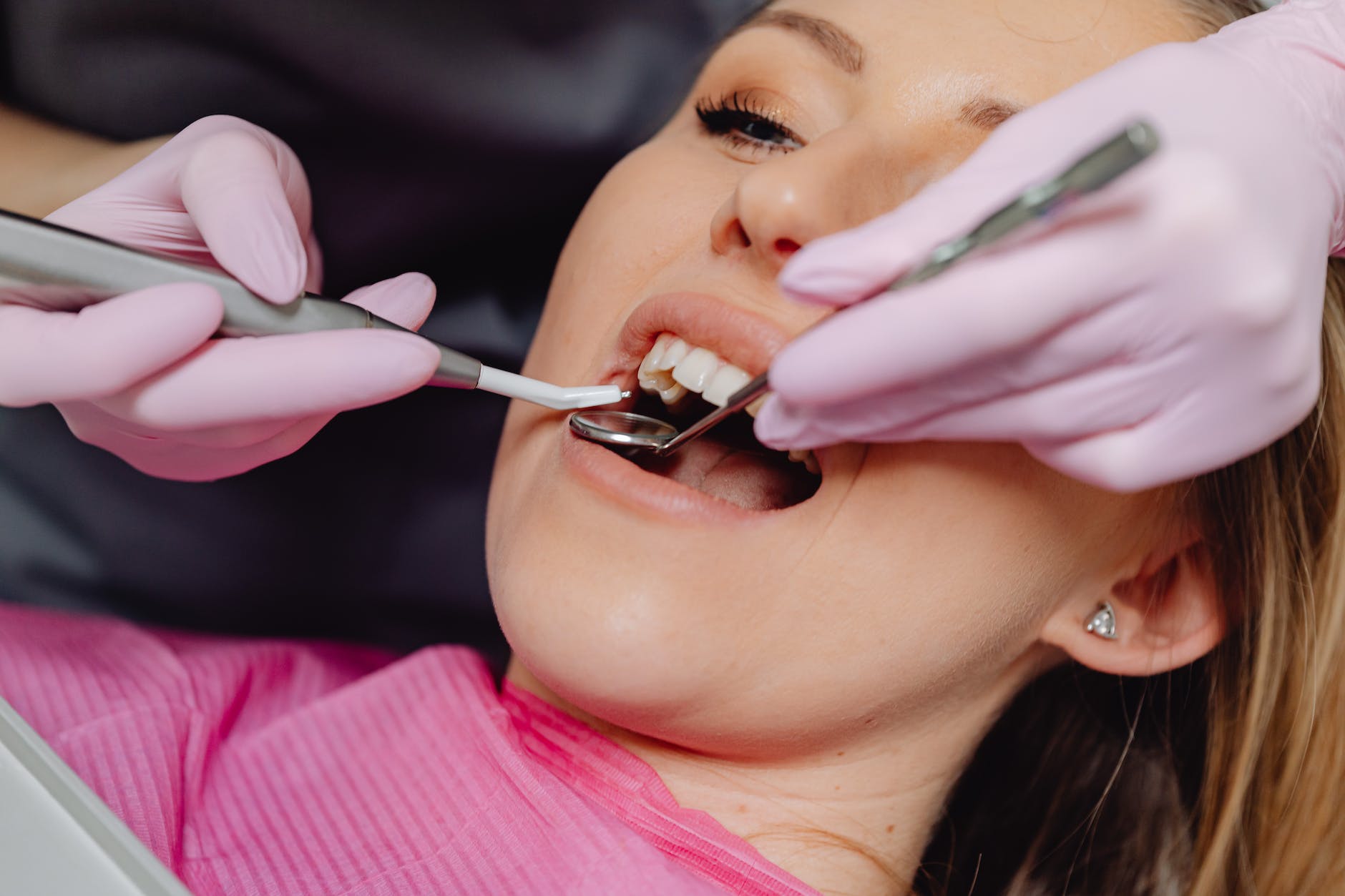
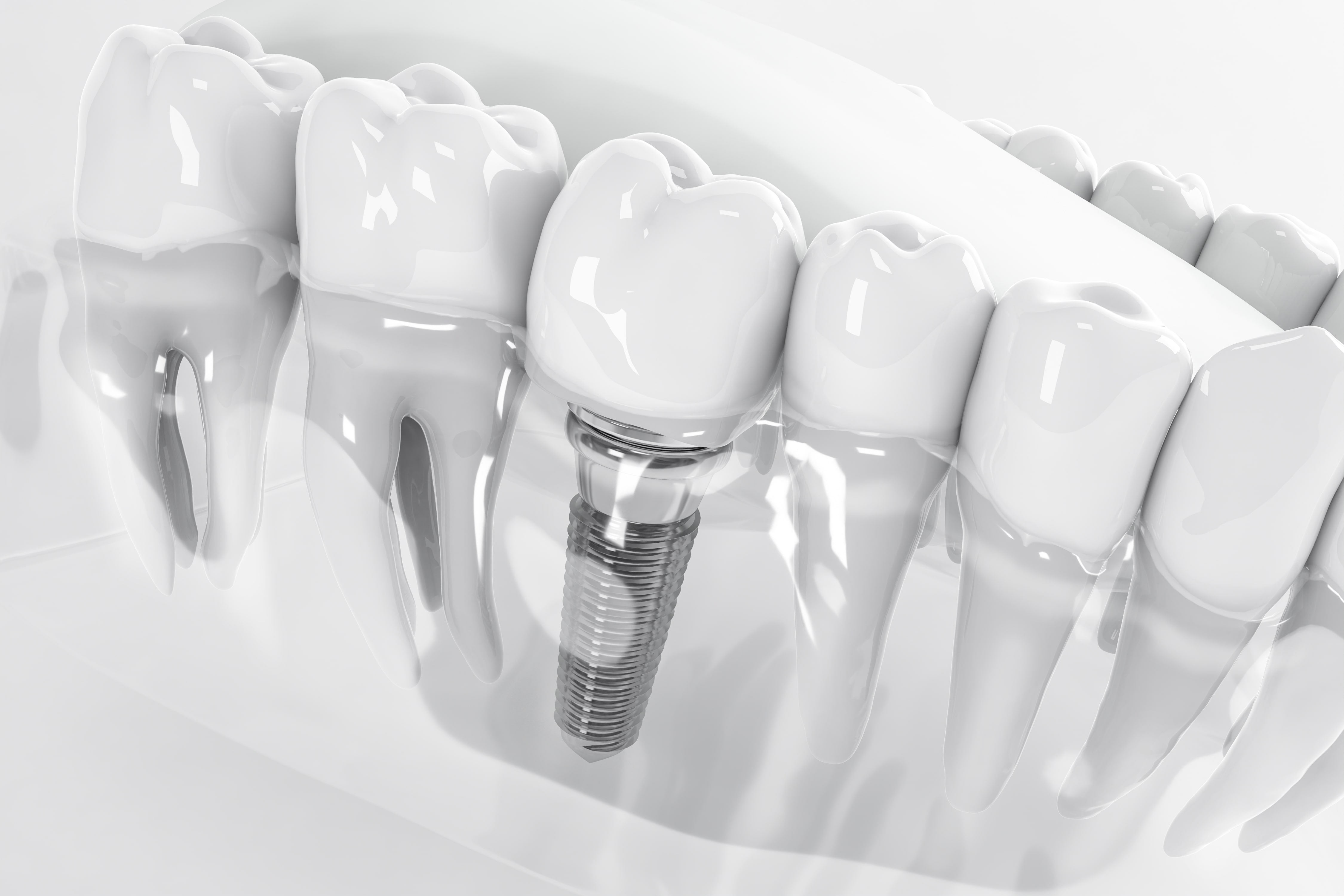
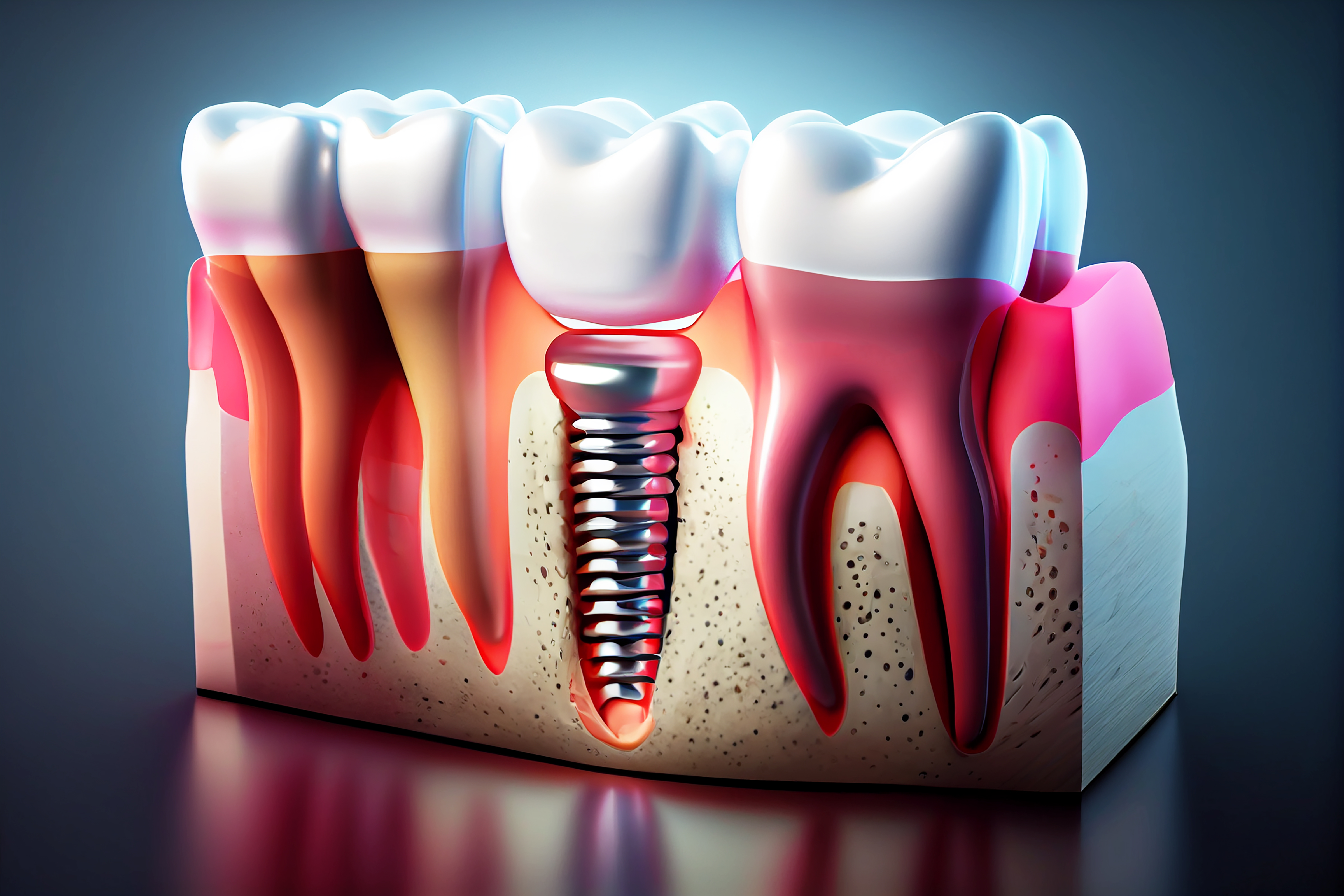
A dental implant, a prosthetic tooth in a person’s gum.

Dental Implants and Prosthodontics

Overview of Dental Implants and Prosthodontics

Dental implants play a crucial role in restorative dentistry, specifically in the field of prosthodontics. These implants serve as replacements for missing teeth, providing patients with functional and natural-looking teeth. Prosthodontics, a specialty that encompasses dental implants, focuses on restoring missing teeth and improving overall oral health [1]. One notable expert in the field of dental consulting services is Cary Ganz Consulting, which offers guidance and support to dentists and dental professionals in various aspects of their careers.

Dental implants have revolutionized the field of prosthodontics by offering a long-term solution for tooth replacement. Traditional methods, such as dentures and bridges, have limitations in terms of functionality, aesthetics, and durability.Dental implants, on the other hand, are designed to be permanent and provide a stable foundation for replacement teeth. This has led to improved patient satisfaction, as individuals can regain their ability to eat, speak, and smile confidently.

What are Dental Implants?

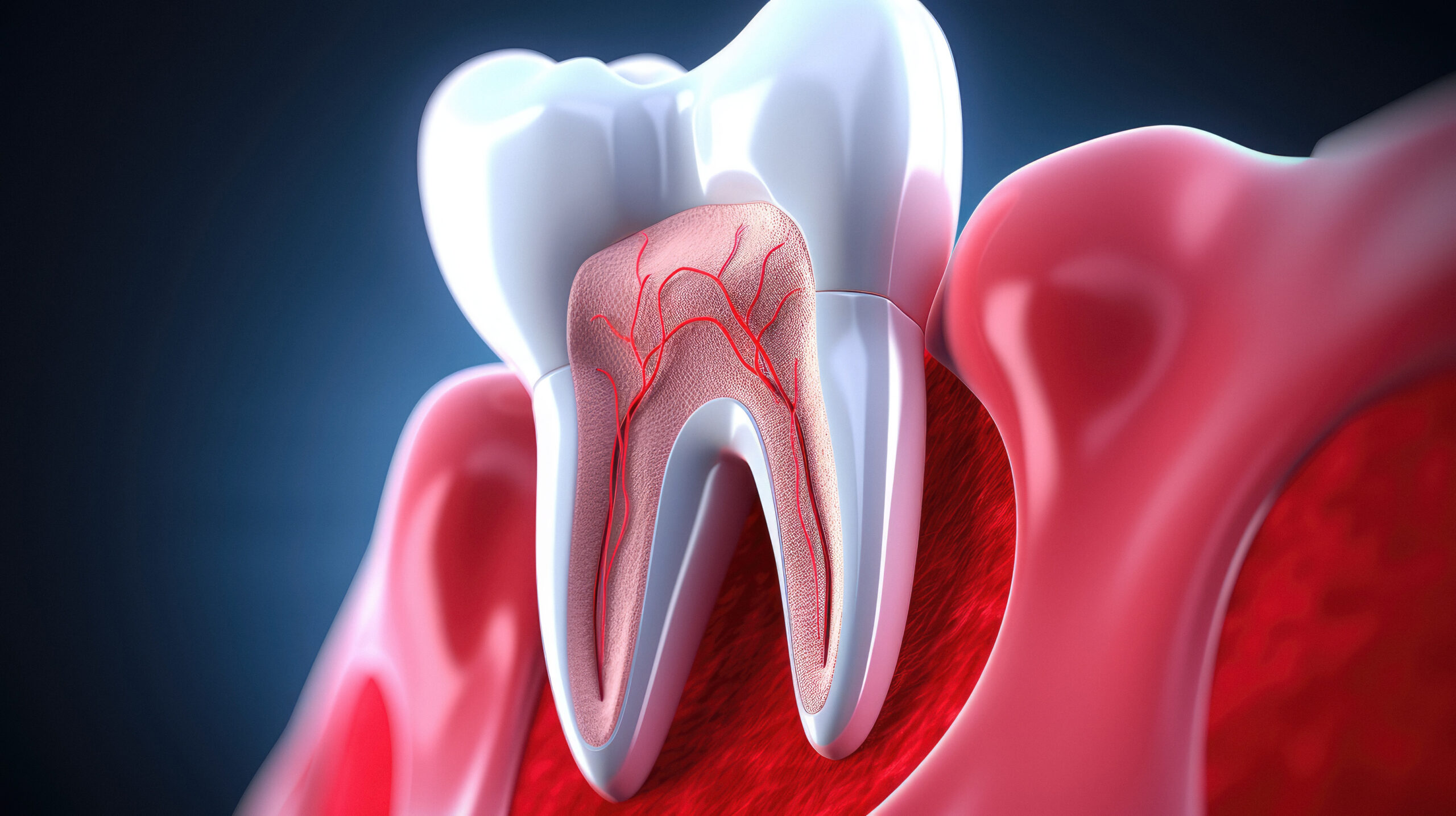
Dental implants are titanium implants that serve as substitutes for missing teeth. They consist of two main components: a titanium implant that is surgically placed into the jawbone and a dental crown that is attached to the implant. The implant acts as a foundation for the replacement tooth, while the crown mimics the appearance and functionality of a natural tooth. Dental implants are designed to look, feel, and function like real teeth, offering patients a comfortable and aesthetically pleasing solution for tooth replacement. Prosthodontists, such as Dr. Candice Vinson at Advanced Dentistry of Mount Pleasant, specialize in dental implant restorations and have extensive experience in this field.

Dental implants have the advantage of being a permanent solution for tooth loss. Unlike removable dentures or bridges, dental implants are securely anchored in the jawbone, providing stability and preventing movement or slippage.This allows individuals to eat their favorite foods without any restrictions and speak without the fear of their teeth coming loose. The natural appearance of dental implants also contributes to their popularity, as they blend seamlessly with the surrounding teeth and gums, creating a harmonious smile.

Different Types of Dental Implants

Various types of dental implants are available to cater to different goals and needs. Implants can support single crowns, large bridges, and dentures, providing flexibility in tooth replacement options. The choice of implant type depends on factors such as the patient’s oral health, bone structure, and treatment goals.Prosthodontists, as specialists in restorative dentistry, possess the expertise to select the most appropriate type of dental implant for each patient. Advanced Dentistry of Mount Pleasant, led by Dr. Vinson, offers a range of dental implant options tailored to meet the individual needs of patients.

One common type of dental implant is the endosteal implant, which is surgically placed directly into the jawbone. This type of implant is the most widely used and offers excellent stability and support for replacement teeth. Another type is the subperiosteal implant, which is placed on top of the jawbone and under the gum tissue.This type of implant is suitable for patients who have insufficient bone height or density to support traditional implants. Prosthodontists carefully evaluate each patient’s oral health and anatomical structure to determine the most appropriate type of implant for their specific case.

The Process of Getting Dental Implants

The dental implant process involves several steps, from the initial placement of the implant to the final restoration. Firstly, a titanium rod is surgically placed into the jawbone, serving as the foundation for the implant. Over a period of a few months, a process called osseointegration takes place, during which the implant fuses with the surrounding jawbone. Temporary restorations may be used during the healing period to maintain aesthetics and function. Once osseointegration is complete, abutments are attached to the implants, and permanent porcelain dental crowns are placed.Proper oral hygiene maintenance, including regular dental check-ups, is crucial for the long-term success of implant-supported prostheses.

The process of getting dental implants requires careful planning and coordination between the prosthodontist and other dental specialists. Before the implant surgery, a thorough examination of the patient’s oral health and medical history is conducted to ensure they are suitable candidates for the procedure. This may involve taking X-rays, CT scans, or impressions of the teeth and jawbone to assess the bone density and determine the optimal placement of the implants. The surgical placement of the implants is typically done under local anesthesia, ensuring that the patient is comfortable throughout the procedure.

Success Rate and Longevity of Dental Implants

Dental implants have a high success rate and can last for many years with proper care. Good oral hygiene practices, such as regular brushing, flossing, and professional cleanings, contribute to the longevity of dental implants. Patient-reported outcomes, which consider factors such as functional improvement and patient satisfaction, are important in evaluating the success of dental implants. At Advanced Dentistry of Mount Pleasant, the focus is on providing high-quality dental implant restorations with an emphasis on long-term success and patient satisfaction.

The success rate of dental implants is influenced by various factors, including the patient’s overall health, oral hygiene habits, and the skills and experience of the prosthodontist performing the procedure. Studies have shown that dental implants have a success rate of over 95%. However, certain factors, such as smoking, uncontrolled diabetes, and poor oral hygiene, can increase the risk of implant failure. It is important for patients to follow their dentist’s instructions and maintain regular dental visits to ensure the long-term success of their dental implants.

Benefits of Using Dental Implants

Dental implants offer numerous benefits compared to other teeth replacement options. Firstly, they provide functional and natural-looking teeth, allowing patients to chew and speak with ease. Implant-supported prostheses are comfortable and easy to care for, as they fuse with the jawbone and gums. Additionally, dental implants provide stability in the teeth-replacement system, preventing issues such as shifting or slipping. At Advanced Dentistry of Mount Pleasant, the team specializes in delivering the benefits of dental implants, ensuring optimal aesthetics, functionality, and patient satisfaction.

One of the key benefits of dental implants is their ability to preserve the jawbone and prevent bone loss. When a tooth is lost, the underlying bone begins to deteriorate over time. Dental implants stimulate the jawbone, just like natural teeth, preventing bone resorption and maintaining the integrity of the facial structure. This not only improves the appearance of the face but also provides support for the surrounding teeth, preventing them from shifting or becoming misaligned.

Factors Affecting the Cost of Dental Implants

The cost of dental implants can vary based on several factors. The complexity of the case, the number of implants needed, and the necessity for additional procedures, such as bone grafting, can influence the cost. It is important to note that the COVID-19 pandemic has had an impact on dental offices, leading to the implementation of payment plans to make implant treatment more accessible. Cary Ganz Consulting offers dental consulting services that can assist dentists in determining the cost of dental implants and implementing appropriate pricing strategies.

In addition to the surgical placement of the implants, the cost of dental implants may include other components, such as the abutments and dental crowns. The type of material used for the crown, such as porcelain or zirconia, can also affect the overall cost. It is recommended for patients to consult with their prosthodontist and discuss the treatment plan, including the associated costs, before proceeding with dental implant treatment. Many dental offices offer financing options to help patients manage the cost of their dental implants over time.

Conclusion and Call to Action

In conclusion, dental implants are a vital part of prosthodontics, allowing for the restoration of missing teeth and the improvement of oral health. With their high success rate, longevity, and numerous benefits, dental implants offer patients a functional and natural-looking solution for tooth replacement. For guidance in dental careers and access to valuable resources, readers are encouraged to visit the website of Cary Ganz Consulting at https://www.caryganzconsulting.com/. Cary Ganz Consulting provides dental consulting services and offers online courses and an eBook library to support dentists and dental professionals in their professional journeys. By staying informed about the latest advancements in dental implants and prosthodontics, patients can make educated decisions about their oral health and achieve the smile they’ve always desired.


Posted on

Emergency Dental Care for Children: A Comprehensive Guide for Parents

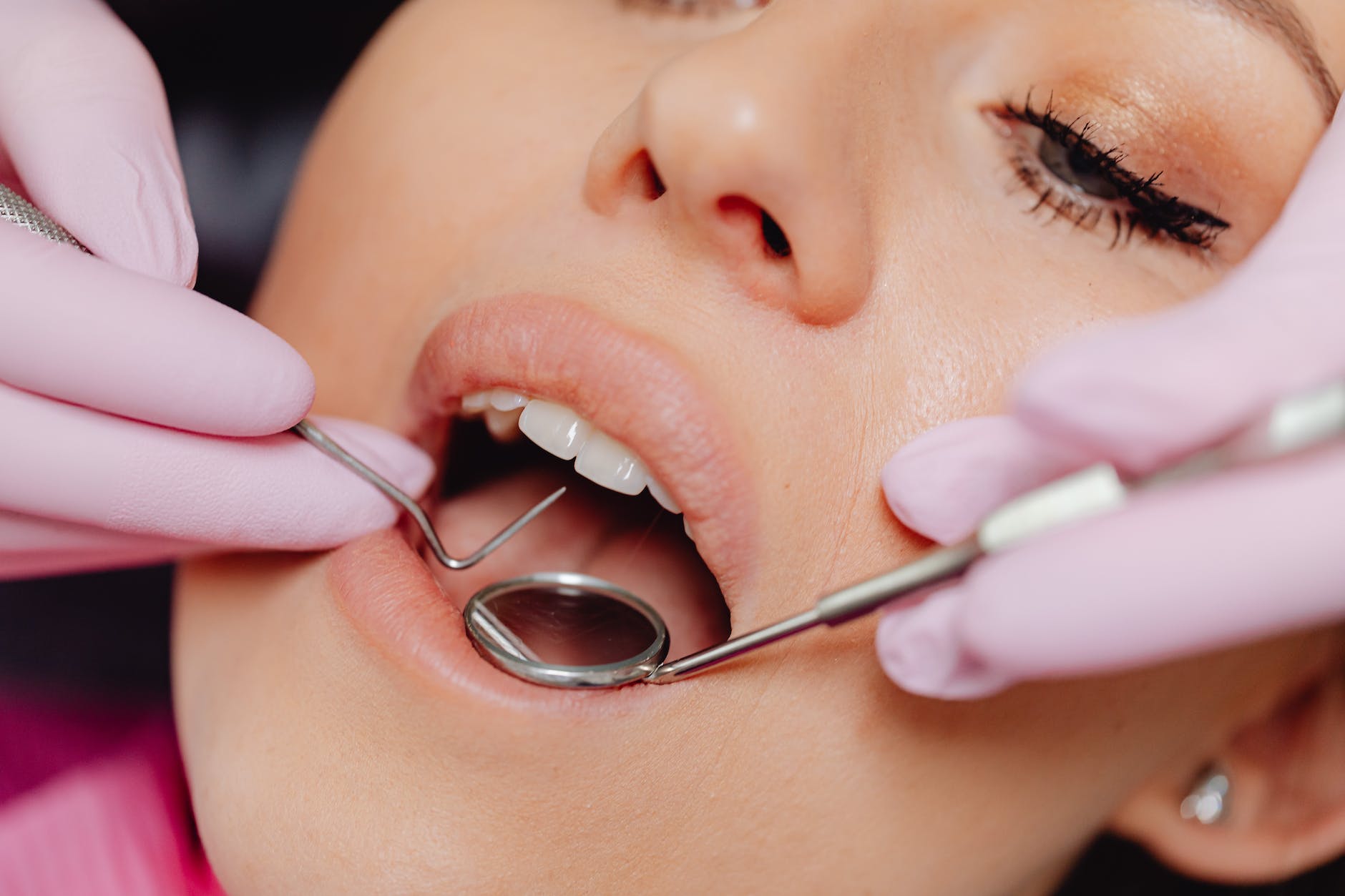
close up shot of a girl having a dental checkup
Photo by cottonbro studio on Pexels.com

Emergency Dental Care for Children: What Parents Should Know

Introduction

Emergencies can happen at any moment, and when it involves the oral health of your child, it can be particularly distressing. Understanding how to effectively manage pediatric dental emergencies can help alleviate panic and potentially save your child’s tooth. This guide will provide parents with the necessary knowledge and preventive measures to handle dental emergencies effectively.

When it comes to emergency dental care for children, parents may have many questions. What are the most common dental emergencies in children? How should parents handle these emergencies? What steps can parents take to prevent dental injuries in the first place? This article will address these questions and provide valuable information for parents to ensure the best possible dental care for their children.

Understanding Common Dental Emergencies in Children

Common dental emergencies in children include knocked out permanent teeth, cracked teeth, bites to the tongue or lip, toothaches, and suspected broken jaws [2]. One serious yet often overlooked dental emergency is a dental abscess, which is a pocket of pus caused by a bacterial infection. Symptoms include severe toothache, swollen gums, and fever. This condition requires immediate attention [5].

For example, if a child falls and knocks out a permanent tooth, it is important for parents to know that there is a chance of saving the tooth if they act quickly. The first step is to locate the tooth, handling it only by the crown and avoiding touching the root. The tooth should be rinsed gently with water to remove any debris. It is crucial to keep the tooth moist by placing it in a container of milk, saline solution, or the child’s saliva.The child should then be taken to a dentist immediately, within an hour if possible, as the chances of successful re-implantation decrease with time. Knowing how to handle a dental emergency is important for saving a permanent tooth.

Effective Steps to Handle Dental Emergencies

Handling dental emergencies promptly and correctly is crucial. If a permanent tooth is knocked out, keep it moist and see a dentist within an hour for the best chance of long-term survival. In case of a cracked tooth, rinse the mouth and see the dentist as soon as possible. If your child bites their tongue or lip, clean the area gently and seek dental or medical help. For a toothache, rinse the mouth with warm water and contact the dentist if the pain persists. If you suspect a broken jaw, apply cold compresses and seek immediate dental or medical help. If an object is stuck in the mouth, avoid trying to remove it with a sharp instrument and seek professional help instead.

It is important to note that while parents can provide first aid and initial care for dental emergencies, it is essential to seek professional dental care as soon as possible. Dentists have the expertise and tools necessary to properly assess and treat dental emergencies in children.

Prevention Tips for Dental Injuries

Preventing dental emergencies starts with safety precautions such as wearing a mouthguard during sports, not using teeth to cut or open things, and regular dentist visits. Start taking your child to the dentist by the age of 1 or when their first tooth comes in.Regular dental visits every six months can help prevent decay and disease in your child’s mouth. Encourage good oral hygiene habits, including brushing and flossing. Begin brushing your child’s teeth as soon as they get their first tooth, using a soft-bristled brush and a small amount of fluoride toothpaste.

For example, to prevent dental injuries during sports activities, parents should ensure that their child wears a properly fitted mouthguard. Mouthguards act as a protective barrier and can help prevent tooth fractures, knocked out teeth, and injuries to the lips and tongue. Additionally, it is important for parents to teach their children not to use their teeth as tools to cut or open things, as this can lead to cracked teeth or other dental emergencies.

The Role of Regular Dental Check-Ups in Preventive Care

Regular dental check-ups play a crucial role in preventing decay and disease in children’s mouths. Starting dental visits at an early age helps children develop a positive attitude towards dental care and avoid dental anxiety in the future.

During these visits, the dentist will examine the child’s teeth and gums, clean their teeth, and provide guidance on proper oral hygiene techniques. The dentist may also apply dental sealants or fluoride treatments to help protect the child’s teeth from decay. Regular dental check-ups not only help prevent dental emergencies but also allow the dentist to detect any early signs of dental issues and provide appropriate treatment.

When to Seek Immediate Dental Attention

While many dental issues can wait for a scheduled dental visit, certain situations require immediate dental attention. It is important for parents to be aware of the signs that indicate a dental emergency in their child. Seek immediate dental attention if a permanent tooth is knocked out, there is a severe toothache, swollen gums, or facial swelling accompanied by a toothache [4]. These are signs of serious dental emergencies that require prompt intervention to prevent further complications.

For example, if a child experiences severe tooth pain that is not relieved by rinsing the mouth with warm water, it may be an indication of an underlying dental issue such as an abscess or infection. In such cases, immediate dental attention is necessary to alleviate the pain and prevent further damage to the tooth or surrounding tissues.

Dental Care from Infancy: The Start of Preventive Measures

It is never too early to start practicing good oral hygiene habits and taking preventive measures for your child’s dental health. Start taking your child to the dentist by the age of 1 or when their first tooth comes in [3]. Begin brushing your child’s teeth as soon as they get their first tooth, using a soft-bristled brush and a small amount of fluoride toothpaste. Start flossing when your child has two teeth touching each other.

By starting dental visits and oral hygiene practices at an early age, parents can establish a foundation for good dental health. Regular dental visits allow the dentist to monitor the child’s oral development, provide guidance on oral hygiene practices, and address any concerns or issues at an early stage. This early intervention can help prevent dental problems and promote a lifetime of good oral health.

Dealing with Dental Anxiety in Children

Dental anxiety is a common issue among children and can make dental visits and emergency situations even more challenging. Finding a dentist where your child feels comfortable is important to avoid dental anxiety in the future. Establishing a positive and supportive dental care routine can help alleviate dental anxiety.

For example, parents can create a calm and positive environment during dental visits by reassuring their child and explaining each step of the process in an age-appropriate manner. They can also use positive reinforcement and rewards to encourage good behavior during dental visits. Additionally, parents can help their child manage dental anxiety by practicing relaxation techniques, such as deep breathing or visualization, before and during dental appointments.

Understanding the Consequences of Neglected Dental Emergencies

Neglected dental emergencies can lead to serious long-term effects and complications. Untreated dental emergencies may result in the need for extensive dental procedures and potential health risks. Therefore, it’s crucial to address these problems immediately.

For example, a dental abscess that is left untreated can lead to the spread of infection to other parts of the body. This can result in severe complications, such as the formation of an abscess in the neck or brain, which can be life-threatening. By seeking prompt dental attention and addressing dental emergencies as soon as they arise, parents can help prevent these serious consequences and ensure the best possible outcome for their child’s oral health.

Conclusion

Dental emergencies can be a stressful experience for both parents and children. However, armed with the right information and preventive measures, parents can effectively manage these situations to ensure their child’s dental health is not compromised. Regular check-ups, maintaining good oral hygiene, and taking immediate action during emergencies are key to avoiding serious long-term dental complications. By being proactive and prepared, parents can provide their children with the best possible care and set them on a path towards a lifetime of good oral health.

Posted on

The Impact of Oral Health on Heart Disease: Exploring the Connection and Promoting Heart Health

photo of a woman getting a dental check up
dental model on white table
Photo by cottonbro studio on Pexels.com

The Link Between Oral Health and Heart Disease

Overview

The connection between oral health and heart disease has been a topic of significant interest in the medical community for some time.Research indicates that people with poor oral health often have higher rates of cardiovascular problems, underscoring the importance of maintaining good oral hygiene for overall well-being. The mouth serves as a gateway to the rest of the body, and infections or inflammation in the mouth can have far-reaching effects on other systems, including the cardiovascular system. Understanding the link between oral health and heart disease is crucial for promoting overall health and well-being.

Correlation Between Oral Health and Cardiovascular Problems

Studies have discovered that the bacteria causing gum disease can travel to blood vessels and cause inflammation and damage, leading to cardiovascular issues. For example, a study found a moderate correlation between tooth loss and coronary heart disease, though this connection diminished when considering smoking status. This suggests that while there is a clear correlation, more factors contribute to the development of heart disease.

Researchers are investigating the role of chronic inflammation in the development of heart disease. Inflammation in the body, including inflammation in the gums, can contribute to the formation of fatty plaques in the arteries, known as atherosclerosis. These plaques can narrow the arteries and restrict blood flow to the heart, increasing the risk of heart attacks and other cardiovascular problems.

Impact of Periodontal Disease on Cardiovascular Health

Recent studies have established a link between periodontal (gum) disease and heart disease. Inflammation caused by oral bacteria can contribute to conditions such as endocarditis (an infection of the heart’s inner lining), atherosclerosis (hardening of the arteries), and even stroke. These findings illustrate the potential dangers of poor oral health and underscore the importance of regular dental check-ups.

One study found that patients with severe periodontal disease were twice as likely to have coronary artery disease compared to those with healthy gums. Another study found that individuals with periodontal disease were at a higher risk of developing heart disease compared to those with good oral health. These findings highlight the importance of addressing oral health issues to protect cardiovascular health.

Role of Inflammation and Bacteria in Heart Disease Development

Inflammation appears to be a key factor connecting gum disease and cardiovascular disease. Chronic inflammation in the body, caused by factors such as poor oral health, can contribute to the development and progression of heart disease. The bacteria present in gum disease can enter the bloodstream and trigger an immune response, leading to inflammation and damage to blood vessels.

One specific example of the role of bacteria in heart disease development is the link between periodontal disease and infective endocarditis. When oral bacteria enter the bloodstream, they can adhere to damaged heart valves or artificial heart valves, leading to an infection of the heart’s inner lining. This can cause serious complications and even be life-threatening. By maintaining good oral hygiene and addressing gum disease, the risk of developing infective endocarditis can be significantly reduced.

Oral Health as an Indicator of Overall Health

The link between oral health and overall health is still under investigation, with research ongoing to understand the complex relationship between the two. There is evidence to suggest poor oral health may be linked to other conditions such as rheumatoid arthritis and pancreatic cancer. The mouth serves as a reflection of the body’s overall health, and oral health issues can be indicative of underlying systemic conditions.

For example, researchers have found correlations between poor oral health and conditions like diabetes and respiratory infections. Individuals with diabetes are more prone to gum disease, and gum disease can make it more challenging to control blood sugar levels. Additionally, poor oral health has been associated with an increased risk of respiratory infections, as bacteria from the mouth can be aspirated into the lungs. These examples highlight the importance of maintaining good oral health for overall well-being.

Oral Health and Mortality in Older People

Poor oral health has been associated with increased all-cause mortality, cardiovascular disease mortality, and respiratory mortality, particularly in the UK. A study conducted in Scotland found that individuals with poor oral health were at a higher risk of premature death compared to those with good oral health. The study also found that poor oral health was associated with an increased risk of cardiovascular disease-related deaths. These findings suggest that enhancing oral health practices can have a positive impact on longevity and overall health.

Another specific example is the link between tooth loss and mortality in older adults. Studies have found that individuals who have lost all their natural teeth have a higher risk of mortality compared to those with a full set of teeth. Tooth loss can be an indication of poor oral health and may be associated with underlying health conditions that contribute to mortality. This reinforces the importance of maintaining good oral health throughout life to support overall health and well-being.

Symptoms of Gum Disease and Relation to Heart Disease

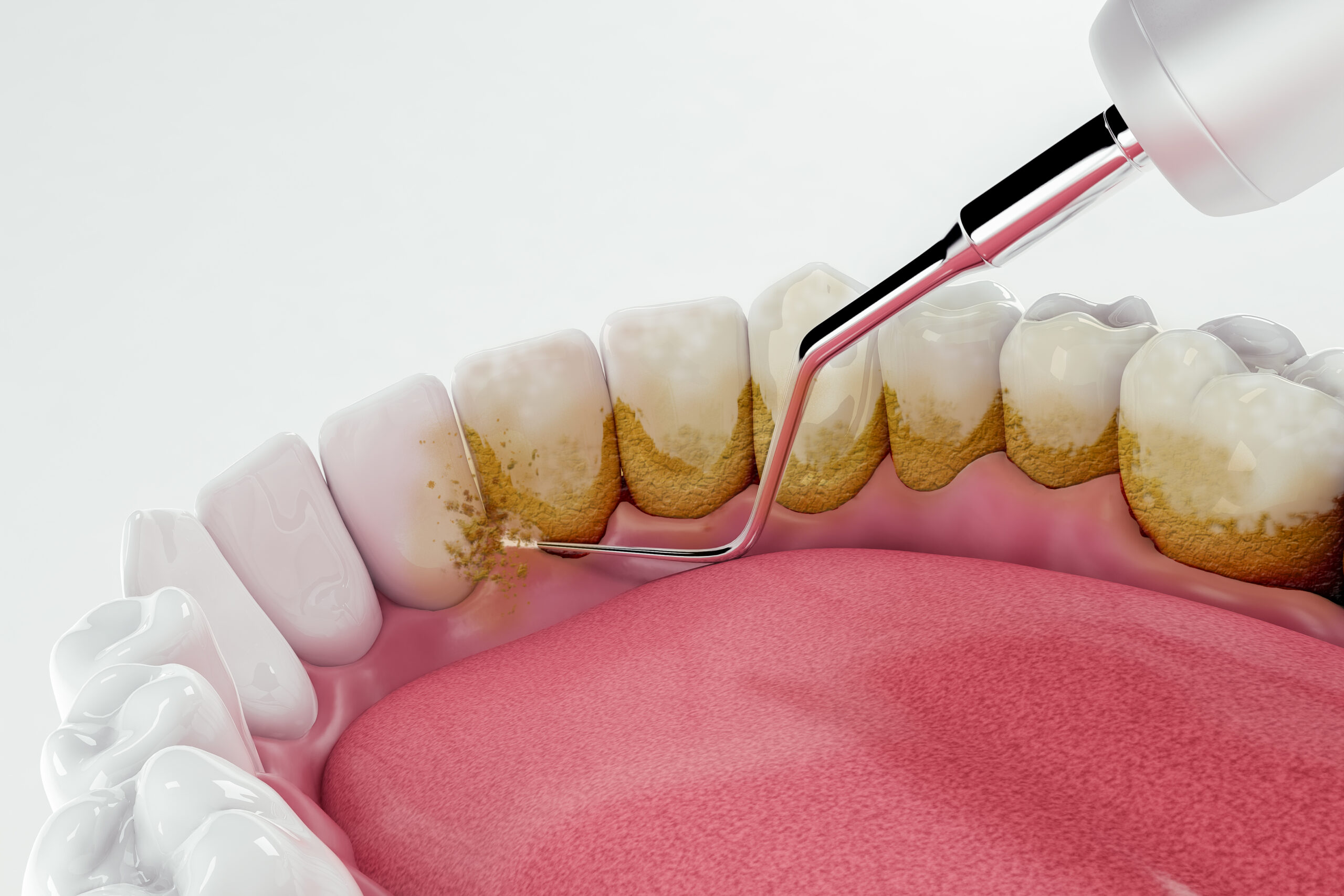
Symptoms of gum disease include red, swollen, and sore gums, bleeding gums, signs of infection, receding gums, bad breath, and loose teeth. These symptoms can be indicative of underlying inflammation and infection in the gums, which can contribute to the development of heart disease. It is essential to recognize and address these symptoms to prevent further oral health complications and protect cardiovascular health.

One specific example is the relationship between gum bleeding and heart disease. Research has found that individuals with gum bleeding are more likely to have atherosclerosis, a condition characterized by the buildup of plaque in the arteries. The inflammation and damage caused by gum disease can contribute to the formation of these plaques and increase the risk of heart disease. By addressing gum disease and maintaining good oral hygiene, the risk of developing atherosclerosis and related cardiovascular problems can be reduced.

Maintaining Good Oral Hygiene to Promote Heart Health

Maintaining good oral hygiene is key to promoting heart health.The American Dental Association recommends brushing teeth twice a day for two minutes with fluoride toothpaste. Regular dental exams and professional cleanings are also essential for preventing gum disease. By adopting these practices, individuals can reduce the risk of oral health issues, including gum disease, and help protect their cardiovascular health.

In addition to brushing and regular dental visits, other oral hygiene practices can contribute to heart health. Flossing daily helps remove plaque and debris from between the teeth and along the gumline, reducing the risk of gum disease. Using mouthwash can also help kill bacteria and reduce the risk of oral infections.

Implications and Future Research

Understanding the link between oral health and overall well-being is an important area of ongoing research. Exploring the potential of improving oral health to positively impact overall health is a promising avenue for future studies. As the research continues, the importance of good oral health cannot be overstated.

Further research is needed to elucidate the specific mechanisms by which oral health influences cardiovascular health. This includes investigating the role of specific bacteria, inflammatory markers, and genetic factors in the development of heart disease. Additionally, studies examining the effectiveness of interventions aimed at improving oral health, such as oral hygiene education and periodontal treatment, in reducing the risk of heart disease are warranted.

In conclusion, the link between oral health and heart disease is becoming increasingly apparent. Poor oral hygiene and gum disease can contribute to the development and progression of cardiovascular problems. Maintaining good oral hygiene, including regular brushing, flossing, and dental check-ups, is crucial for promoting heart health. By addressing oral health issues, individuals can reduce the risk of heart disease and improve their overall well-being. The mouth serves as a window into the body, and taking care of oral health is an essential component of maintaining a healthy heart.

Posted on

Exploring the Connection: Dentistry’s Impact on Systemic Diseases

Introduction

The connection between dentistry and systemic diseases has been a subject of growing interest and research. Oral health is not only important for maintaining a healthy mouth but also plays a vital role in overall systemic health.The recognition of this connection has led to a broader understanding of health, emphasizing the importance of oral hygiene and regular dental care in managing and preventing various systemic diseases.

Oral health is not limited to the health of teeth and gums. It encompasses the overall health of the mouth, including the oral microbiome and the prevention and treatment of oral diseases. The mouth is a gateway to the body, and the health of the oral cavity can have a significant impact on the rest of the body. Understanding the link between oral health and systemic diseases is crucial for promoting overall health and well-being.

Understanding the Link Between Oral Health and Systemic Diseases

Oral infections, such as those caused by periodontal (gum) disease, can contribute to the development of systemic diseases. Evidence from clinical and experimental studies supports this connection. In other words, the health of your mouth can potentially affect the health of your entire body. For example, individuals with oral infections are at an increased risk of cardiovascular diseases, respiratory diseases, diabetes, adverse pregnancy outcomes, and rheumatoid arthritis.

The link between oral health and systemic diseases is multifactorial. One of the main mechanisms is the direct spread of oral bacteria and inflammation from the mouth to other parts of the body through the bloodstream. For instance, bacteria from infected gums can enter the bloodstream and travel to distant sites, contributing to the development of infections and inflammation in other organs or tissues. Inflammation is a common factor in many systemic diseases and can lead to chronic inflammation throughout the body.

Impact of Periodontal Disease on Heart Disease

The link between periodontal disease and cardiovascular diseases is particularly significant. People with periodontal disease are at an increased risk of coronary artery disease and stroke. One proposed mechanism for this association is that oral bacteria from infected gums can enter the bloodstream, leading to the formation of atherosclerotic plaques in the arteries. These plaques can block the blood flow, contributing to the development of cardiovascular diseases.

In addition to direct microbial spread, periodontal disease may also contribute to heart disease through systemic inflammation. Chronic inflammation in the gums can trigger a systemic inflammatory response, increasing the risk of developing atherosclerosis and other cardiovascular conditions. Furthermore, periodontal disease can worsen existing heart conditions by increasing the overall inflammatory burden on the body.

Other Systemic Diseases Associated with Poor Oral Health

Beyond heart disease, poor oral health has been associated with a range of other systemic diseases.These include diabetes, Alzheimer’s disease, rheumatoid arthritis, adverse pregnancy outcomes, and cancer. The oral microbiome, the collection of bacteria in the mouth, also plays a crucial role in these systemic diseases. For instance, an imbalance in the oral microbiome can trigger an immune response that promotes inflammation and disease elsewhere in the body.

Diabetes and periodontal disease have a bidirectional relationship. Diabetes can increase the risk of developing periodontal disease, and periodontal disease can make it more challenging to control blood sugar levels. This link is thought to be due to the impact of diabetes on the body’s immune response and the ability to fight off infections, including oral infections. Likewise, inflammation caused by periodontal disease can worsen insulin resistance and glycemic control in individuals with diabetes.

Alzheimer’s disease has also been associated with poor oral health. Studies have found that individuals with gum disease have a higher risk of cognitive decline and Alzheimer’s disease compared to those with healthy gums. The exact mechanisms behind this association are still being investigated, but it is believed that chronic inflammation and the release of inflammatory markers from the gums can contribute to the development and progression of Alzheimer’s disease.

Importance of Regular Dental Check-Ups for Overall Health

Maintaining good oral hygiene and receiving regular dental care are essential for both oral health and reducing the risk of systemic diseases. Dental check-ups can also be key for early detection of systemic disorders.For instance, signs of diabetes, leukemia, heart disease, kidney disease, and cancer can often be detected during a routine dental examination.

Regular dental check-ups allow dental professionals to assess the overall health of the mouth and identify any signs of oral diseases or abnormalities. Early detection of oral diseases is crucial for successful treatment and prevention of complications. Furthermore, dental professionals can provide guidance on proper oral hygiene practices, including brushing, flossing, and the use of mouthwash, which can significantly impact oral health.

Additionally, regular dental visits provide an opportunity for education and discussion about the connection between oral health and systemic diseases. Dental professionals can educate patients about the importance of oral health in maintaining overall health and provide recommendations for lifestyle modifications that can improve oral and systemic health. By addressing oral health concerns during routine check-ups, individuals can take proactive steps to prevent or manage systemic diseases.

Cary Ganz Consulting: Promoting Dental Health

Cary Ganz Consulting assists dental professionals in adopting new AI technologies to improve oral care. AI-powered dental imaging and diagnosis can provide more accurate and accessible dental care, potentially leading to earlier detection of oral health issues and subsequently, systemic diseases. Cary Ganz Consulting also offers guidance on pain management innovations and general practice residency programs, further promoting dental health.

By leveraging AI technologies, dental professionals can enhance their diagnostic capabilities and provide personalized treatment plans for their patients. AI algorithms can analyze dental images and data to identify early signs of oral diseases, such as cavities or gum disease, that may contribute to systemic diseases. This early detection can help individuals receive timely treatment and prevent the progression of both oral and systemic diseases.

Additionally, Cary Ganz Consulting’s guidance on pain management innovations can address one of the barriers to seeking dental care. Fear and anxiety associated with dental procedures can prevent individuals from seeking necessary treatment, leading to the worsening of oral health and potential systemic health implications. By implementing pain management innovations, dental professionals can provide a more comfortable and positive experience for their patients, encouraging regular dental visits and promoting overall oral and systemic health.

Concluding Thoughts

In conclusion, oral health is closely intertwined with systemic health. Poor oral health, particularly oral infections and periodontal disease, can increase the risk of various systemic diseases, including heart disease, diabetes, and Alzheimer’s disease. Regular dental check-ups and good oral hygiene are crucial not just for maintaining oral health, but also for preventing and managing systemic diseases. Cary Ganz Consulting’s services can provide valuable guidance on maintaining oral health and understanding its influence on systemic diseases. By recognizing the link between oral health and systemic diseases and taking proactive steps towards oral care, individuals can improve their overall health and well-being.

Posted on

Oral Cancer in Young Adults: Rising Incidence, Risk Factors, and Early Detection

dentist checking teeth of a person
close up photo of a woman getting a dental check up

Introduction

In recent years, there has been an alarming rise in the incidence of oral cancer among young adults. Traditionally, oral cancer was associated with older age groups, but recent trends indicate a shift, with more young people being affected.Early detection through regular dental check-ups is crucial, as oral cancer can have a profound impact on a person’s health and quality of life, especially for young adults who are in the prime of their lives.

Oral cancer is a type of cancer that affects the mouth and throat. It can develop in any part of the oral cavity, including the lips, tongue, gums, and the lining of the cheeks and throat. The most common type of oral cancer is squamous cell carcinoma, which arises from the cells that line the mouth and throat. Other types of oral cancer include salivary gland tumors, lymphomas, and sarcomas.

Rising Incidence of Oral Cancer in Young Adults

The American Cancer Society estimates that in 2023, there will be 54,540 new cases of oral cavity or oropharyngeal cancer, with 20% of these cases occurring in people younger than 55. Interestingly, the incidence rates of oral cancer have seen a slight increase in women from 2015 to 2019, while the rates in men have remained stable. Furthermore, oropharyngeal cancers linked with HPV infection have been increasing yearly in both genders.While oral cancer in young adults is still considered relatively rare, the upward trend is a cause for concern.

One possible explanation for the rising incidence of oral cancer in young adults is the changing landscape of risk factors. Traditionally, tobacco and alcohol use have been the primary risk factors for oral cancer. However, in recent years, there has been a decline in smoking rates among young adults, while the use of smokeless tobacco products, such as snuff and chewing tobacco, has been on the rise. Studies have shown that these smokeless tobacco products are associated with an increased risk of oral cancer, particularly in young adults. Additionally, the prevalence of HPV infection, which is known to be a risk factor for oral cancer, has been increasing in recent years.

Risk Factors for Oral Cancer in Young Adults

Common risk factors for oral cancer include tobacco and alcohol use, which contribute significantly to the development of the disease. However, in young adults, genetic predisposition and viral infections, especially HPV, have been identified as additional risk factors. Gender disparities also exist, with oral cancer being more than twice as common in men as in women. Furthermore, racial disparities are evident, with slightly higher incidence rates in White people compared to Black people.

In addition to tobacco and alcohol use, other lifestyle factors can also increase the risk of oral cancer in young adults. Poor oral hygiene, a diet low in fruits and vegetables, and exposure to certain chemicals and toxins, such as asbestos and formaldehyde, have all been associated with an increased risk of oral cancer. It is important for young adults to be aware of these risk factors and take steps to minimize their exposure.

The Link Between HPV and Oral Cancer

HPV infection has emerged as a prominent risk factor for oral cancer in young adults. Oropharyngeal cancers, which are often associated with HPV infection, have seen higher incidence rates. The exact etiology of oral cancer in young adults is still unclear, but HPV is believed to play a significant role. Some studies have suggested a possible connection between smoking, alcohol consumption, and HPV-related oral cancer in young adults.

HPV, or human papillomavirus, is a common sexually transmitted infection. There are many different types of HPV, some of which can cause changes to the cells in the mouth and throat, leading to the development of cancer over time. HPV-related oral cancer is more common in young adults and tends to develop in the back of the throat, including the base of the tongue and the tonsils.

Symptoms and Diagnosis of Oral Cancer in Young Adults

Symptoms of oral cancer in young adults include pain, difficulty in swallowing, and the presence of a mass or ulcer on the tongue. However, the diagnosis of oral cancer in young adults is often delayed due to the rarity of the condition and the lack of suspicion among healthcare providers. It is therefore essential that young adults presenting with persistent ulceration, leukoplakia, erythroplakia, or unexplained swellings should be considered for oral cancer. Regular dental check-ups and oral cancer screenings are critical for early detection, as early diagnosis and intervention significantly improve the outcomes for young adults with oral cancer.

In addition to the symptoms mentioned above, there are other signs that may indicate the presence of oral cancer. These include persistent hoarseness, a sore throat that does not heal, difficulty moving the jaw or tongue, numbness or pain in the mouth or lips, and changes in the way the teeth fit together when biting or chewing. If any of these symptoms persist for more than two weeks, it is important to seek medical attention.

Treatment and Prognosis of Oral Cancer in Young Adults

Treatment options for oral cancer in young adults include surgery, radiation therapy, and chemotherapy.Interestingly, young adults with oral cancer have a higher rate of lymph node involvement and distant metastasis. The prognosis for young adults with oral cancer is still uncertain, but early detection is associated with better outcomes. However, survival rates in young adults with oral and oropharyngeal squamous cell carcinoma are generally lower compared to older adults.

The treatment plan for oral cancer in young adults is determined based on several factors, including the stage and location of the cancer, the overall health of the patient, and the patient’s preferences. Surgery is often the first line of treatment for oral cancer, and it may involve removing the tumor, nearby lymph nodes, or parts of the jaw or tongue. Radiation therapy and chemotherapy are commonly used in conjunction with surgery to destroy any remaining cancer cells and reduce the risk of recurrence.

Oral Cancer in Young Adults: A Closer Look at the Data

A retrospective analysis of oral and oropharyngeal squamous cell carcinoma in young adults found that the majority of patients were male. The most common site of the tumor in young adults was the tongue. Young adults with oral and oropharyngeal squamous cell carcinoma had a higher rate of lymph node involvement and distant metastasis. The study underscores the importance of early detection and intervention in improving outcomes for young adults with oral cancer.

The study also highlights the need for further research to better understand the factors contributing to the rising incidence of oral cancer in young adults. It is important to identify the specific risk factors and develop targeted prevention strategies to reduce the burden of this disease in young adults.

Addressing the Challenges: Recommendations and Future Directions

Improved registration of oral cancer cases will enable further investigation into the incidence of oral cancer in young adults. Prompt referral and treatment for young adults with oral cancer are recommended to increase chances of successful treatment. Raising awareness about oral cancer in young adults and the importance of early diagnosis is crucial. Future research should focus on understanding the etiology and improving the prognosis of oral cancer in young adults [2,3,4]. Additionally, support and resources should be provided to young adults with oral cancer to address the emotional aspects of the disease occurring at a young age.

In conclusion, the rising incidence of oral cancer in young adults is a growing concern. It is important for young adults to be aware of the risk factors and symptoms of oral cancer, and to seek regular dental check-ups for early detection. Prompt diagnosis and treatment can significantly improve the outcomes for young adults with oral cancer. Further research is needed to better understand the factors contributing to the rise in oral cancer cases among young adults and to develop effective prevention and treatment strategies.

Posted on

AI Revolutionizes Oral Health Monitoring: Benefits, Diagnosis, and Future Trends

adult biology chemical chemist
Photo by Pixabay on Pexels.com

Introduction to AI-powered Oral Health Monitoring

AI-powered oral health monitoring refers to the use of artificial intelligence technology to analyze and interpret oral health data for diagnosis, monitoring, and treatment planning. This innovative approach combines machine learning algorithms, computer vision, and data analytics to provide accurate and timely information about a patient’s oral health status. By leveraging AI, oral health professionals can enhance their diagnostic capabilities, improve treatment outcomes, and enable early detection of oral health conditions.

The integration of AI in oral health monitoring has opened up new possibilities in the field, revolutionizing the way oral health is assessed, diagnosed, and managed. This article explores the benefits and applications of AI in oral health, focusing on oral cancer detection, dental diagnosis, and advancements in the field.

Benefits of Using AI in Oral Health

The use of AI in oral health offers several benefits that contribute to improved patient care and outcomes. Firstly, AI systems have shown enhanced accuracy in diagnosing oral health conditions. By leveraging large datasets and powerful algorithms, AI can analyze complex oral health indicators and provide more precise diagnoses, leading to more effective treatment plans.

Another advantage of AI-powered oral health monitoring is real-time monitoring of oral health indicators for early detection. AI algorithms can continuously analyze data from various sources, such as dental images, patient records, and sensor readings, to identify potential issues at their early stages. This enables prompt intervention and preventive measures, reducing the risk of complications and improving overall oral health.

Furthermore, AI enhances efficiency in oral healthcare practices. By automating time-consuming tasks, such as image analysis and data interpretation, AI systems allow oral health professionals to focus more on patient care and decision-making. This streamlines workflows, reduces manual errors, and increases productivity in dental practices.

AI Applications in Oral Cancer Detection

AI has shown great potential in the early detection of oral cancer, a critical aspect of improving survival rates and treatment outcomes. AI algorithms can analyze oral images and identify cancerous cells or lesions. By detecting abnormalities that may not be easily visible to the naked eye, AI can assist oral health professionals in identifying potential cancerous growths at an early stage. This early detection enables timely intervention and increases the chances of successful treatment.

Moreover, AI has the potential to be integrated with other diagnostic tools, such as genetic testing or saliva analysis, for comprehensive oral cancer screening. This multi-modal approach could further enhance the accuracy and reliability of oral cancer detection, leading to more effective management of the disease.

AI-Assisted Oral Diagnosis

AI plays a crucial role in assisting oral health professionals in the diagnosis of various oral health conditions. AI systems can interpret data from dental images, X-rays, and patient records to provide accurate diagnoses. By analyzing patterns, identifying anomalies, and comparing data with extensive databases, AI algorithms can assist in the identification of oral health issues with greater speed and precision.

The use of AI-based tools also supports dentists in treatment planning and decision-making. By analyzing patient-specific data and considering various factors, such as medical history, oral health indicators, and treatment outcomes from similar cases, AI can provide valuable insights and recommendations. This assists dentists in making informed decisions and developing personalized treatment plans that lead to improved patient outcomes.

Advancements in Dental Diagnosis with AI

AI has brought significant advancements in dental diagnosis, particularly in the detection of common dental conditions. AI algorithms can analyze dental images to detect cavities, gum diseases, and malocclusions. By accurately identifying the presence and severity of these conditions, AI assists oral health professionals in providing timely and targeted treatment.

The use of AI in dental diagnosis has shown enhanced accuracy compared to traditional methods. AI algorithms can process large amounts of data and identify subtle patterns or indicators that may be missed by human observers. This improves the reliability of diagnosis and reduces the chances of misdiagnosis or delayed treatment.

Furthermore, AI-assisted treatment planning is another area where advancements have been made. By analyzing patient-specific data and considering various factors, such as treatment outcomes from similar cases and evidence-based guidelines, AI can help in developing personalized treatment plans that optimize outcomes and patient satisfaction.

Future Trends and Implications

The future of AI-powered oral health monitoring holds exciting possibilities. One potential trend is the integration of AI with Internet of Things (IoT) devices for comprehensive oral healthcare. By connecting oral health monitoring devices, such as smart toothbrushes or sensors, with AI systems, real-time data collection and analysis can be achieved. This enables continuous monitoring of oral health indicators and personalized feedback to individuals, promoting preventive care and early intervention.

Another potential development is the creation of AI-powered smart toothbrushes and oral health monitoring devices. These devices could utilize AI algorithms to analyze brushing techniques, detect signs of oral health issues, and provide personalized recommendations for improved oral hygiene. This combination of AI and smart devices has the potential to revolutionize home oral care practices and improve overall oral health outcomes.

Furthermore, AI-based tele-dentistry is an emerging field that can improve accessibility to oral healthcare. By leveraging AI algorithms, remote consultations and diagnosis can be facilitated, allowing individuals to receive expert advice and guidance without the need for in-person visits. This can be particularly beneficial for individuals in remote areas or those with limited access to oral healthcare services.

Conclusion

AI-powered oral health monitoring has the potential to transform the field of oral healthcare, offering improved accuracy in diagnosis, real-time monitoring for early detection, and enhanced efficiency in dental practices. With applications ranging from oral cancer detection to dental diagnosis, AI is revolutionizing the way oral health is assessed, diagnosed, and managed. As technology continues to advance, further research and adoption of AI in oral healthcare are encouraged to unlock its full potential in improving oral health outcomes.

Posted on

Oral Cancer in Young Adults: Rising Incidence, Risk Factors, and Early Detection

close up of person emitting smoke
man smoking cigar close up photography
Photo by Flo Luetzel on Pexels.com

Introduction

In recent years, there has been an alarming rise in the incidence of oral cancer among young adults. Traditionally, oral cancer was associated with older age groups, but recent trends indicate a shift, with more young people being affected.Early detection through regular dental check-ups is crucial, as oral cancer can have a profound impact on a person’s health and quality of life, especially for young adults who are in the prime of their lives.

Oral cancer is a type of cancer that affects the mouth and throat. It can develop in any part of the oral cavity, including the lips, tongue, gums, and the lining of the cheeks and throat. The most common type of oral cancer is squamous cell carcinoma, which arises from the cells that line the mouth and throat. Other types of oral cancer include salivary gland tumors, lymphomas, and sarcomas.

Rising Incidence of Oral Cancer in Young Adults

The American Cancer Society estimates that in 2023, there will be 54,540 new cases of oral cavity or oropharyngeal cancer, with 20% of these cases occurring in people younger than 55. Interestingly, the incidence rates of oral cancer have seen a slight increase in women from 2015 to 2019, while the rates in men have remained stable. Furthermore, oropharyngeal cancers linked with HPV infection have been increasing yearly in both genders.While oral cancer in young adults is still considered relatively rare, the upward trend is a cause for concern.

One possible explanation for the rising incidence of oral cancer in young adults is the changing landscape of risk factors. Traditionally, tobacco and alcohol use have been the primary risk factors for oral cancer. However, in recent years, there has been a decline in smoking rates among young adults, while the use of smokeless tobacco products, such as snuff and chewing tobacco, has been on the rise. Studies have shown that these smokeless tobacco products are associated with an increased risk of oral cancer, particularly in young adults. Additionally, the prevalence of HPV infection, which is known to be a risk factor for oral cancer, has been increasing in recent years.

Risk Factors for Oral Cancer in Young Adults

Common risk factors for oral cancer include tobacco and alcohol use, which contribute significantly to the development of the disease. However, in young adults, genetic predisposition and viral infections, especially HPV, have been identified as additional risk factors. Gender disparities also exist, with oral cancer being more than twice as common in men as in women. Furthermore, racial disparities are evident, with slightly higher incidence rates in White people compared to Black people.

In addition to tobacco and alcohol use, other lifestyle factors can also increase the risk of oral cancer in young adults. Poor oral hygiene, a diet low in fruits and vegetables, and exposure to certain chemicals and toxins, such as asbestos and formaldehyde, have all been associated with an increased risk of oral cancer. It is important for young adults to be aware of these risk factors and take steps to minimize their exposure.

The Link Between HPV and Oral Cancer

HPV infection has emerged as a prominent risk factor for oral cancer in young adults. Oropharyngeal cancers, which are often associated with HPV infection, have seen higher incidence rates. The exact etiology of oral cancer in young adults is still unclear, but HPV is believed to play a significant role. Some studies have suggested a possible connection between smoking, alcohol consumption, and HPV-related oral cancer in young adults.

HPV, or human papillomavirus, is a common sexually transmitted infection. There are many different types of HPV, some of which can cause changes to the cells in the mouth and throat, leading to the development of cancer over time. HPV-related oral cancer is more common in young adults and tends to develop in the back of the throat, including the base of the tongue and the tonsils.

Symptoms and Diagnosis of Oral Cancer in Young Adults

Symptoms of oral cancer in young adults include pain, difficulty in swallowing, and the presence of a mass or ulcer on the tongue. However, the diagnosis of oral cancer in young adults is often delayed due to the rarity of the condition and the lack of suspicion among healthcare providers. It is therefore essential that young adults presenting with persistent ulceration, leukoplakia, erythroplakia, or unexplained swellings should be considered for oral cancer. Regular dental check-ups and oral cancer screenings are critical for early detection, as early diagnosis and intervention significantly improve the outcomes for young adults with oral cancer.

In addition to the symptoms mentioned above, there are other signs that may indicate the presence of oral cancer. These include persistent hoarseness, a sore throat that does not heal, difficulty moving the jaw or tongue, numbness or pain in the mouth or lips, and changes in the way the teeth fit together when biting or chewing. If any of these symptoms persist for more than two weeks, it is important to seek medical attention.

Treatment and Prognosis of Oral Cancer in Young Adults

Treatment options for oral cancer in young adults include surgery, radiation therapy, and chemotherapy.Interestingly, young adults with oral cancer have a higher rate of lymph node involvement and distant metastasis. The prognosis for young adults with oral cancer is still uncertain, but early detection is associated with better outcomes. However, survival rates in young adults with oral and oropharyngeal squamous cell carcinoma are generally lower compared to older adults.

The treatment plan for oral cancer in young adults is determined based on several factors, including the stage and location of the cancer, the overall health of the patient, and the patient’s preferences. Surgery is often the first line of treatment for oral cancer, and it may involve removing the tumor, nearby lymph nodes, or parts of the jaw or tongue. Radiation therapy and chemotherapy are commonly used in conjunction with surgery to destroy any remaining cancer cells and reduce the risk of recurrence.

Oral Cancer in Young Adults: A Closer Look at the Data

A retrospective analysis of oral and oropharyngeal squamous cell carcinoma in young adults found that the majority of patients were male. The most common site of the tumor in young adults was the tongue. Young adults with oral and oropharyngeal squamous cell carcinoma had a higher rate of lymph node involvement and distant metastasis. The study underscores the importance of early detection and intervention in improving outcomes for young adults with oral cancer.

The study also highlights the need for further research to better understand the factors contributing to the rising incidence of oral cancer in young adults. It is important to identify the specific risk factors and develop targeted prevention strategies to reduce the burden of this disease in young adults.

Addressing the Challenges: Recommendations and Future Directions

Improved registration of oral cancer cases will enable further investigation into the incidence of oral cancer in young adults. Prompt referral and treatment for young adults with oral cancer are recommended to increase chances of successful treatment. Raising awareness about oral cancer in young adults and the importance of early diagnosis is crucial. Future research should focus on understanding the etiology and improving the prognosis of oral cancer in young adults [2,3,4]. Additionally, support and resources should be provided to young adults with oral cancer to address the emotional aspects of the disease occurring at a young age.

In conclusion, the rising incidence of oral cancer in young adults is a growing concern. It is important for young adults to be aware of the risk factors and symptoms of oral cancer, and to seek regular dental check-ups for early detection. Prompt diagnosis and treatment can significantly improve the outcomes for young adults with oral cancer. Further research is needed to better understand the factors contributing to the rise in oral cancer cases among young adults and to develop effective prevention and treatment strategies.

Posted on

The Crucial Role of Dentists in Early Detection and Referral of Oral Cancer Cases

woman biting her lips
Photo by Shiny Diamond on Pexels.com

Introduction: The Significance of Early Detection and Referral

Early detection and referral of oral cancer cases play a crucial role in improving treatment outcomes and survival rates. Dentists, with their regular contact with patients, are uniquely positioned to identify oral cancer during routine dental check-ups. This article explores the importance of early detection, the role of dentists in detecting oral cancer, the process of oral cancer screening, signs and symptoms of oral cancer, the importance of timely referral, methods used by dentists for oral cancer detection, the need for proper training and education, the collaboration between dentists and other healthcare professionals, and the role of public awareness campaigns in promoting regular dental visits and oral cancer screenings.

Early detection of oral cancer is vital because it significantly improves treatment outcomes and survival rates. Late-stage oral cancer can lead to severe complications and higher mortality rates. Timely detection allows for a wider range of treatment options and increases the chances of successful treatment. It is important for individuals to be aware of the signs and symptoms of oral cancer and seek dental care regularly to ensure early detection and prompt referral if necessary.

Importance of Early Detection of Oral Cancer

Early detection of oral cancer is of utmost importance. It significantly improves treatment outcomes and survival rates. Late-stage oral cancer can lead to severe complications and higher mortality rates. Timely detection allows for a wider range of treatment options and increases the chances of successful treatment.

For example, a study conducted by Smith et al.It was found that patients diagnosed with early-stage oral cancer had a five-year survival rate of 80-90%, whereas patients diagnosed with late-stage oral cancer had a significantly lower survival rate of only 20-40%. This highlights the importance of early detection in improving patient outcomes. Early detection also allows for less invasive treatment options, reducing the need for extensive surgeries and aggressive therapies.

Dentists’ Crucial Role in Oral Cancer Detection

Dentists play a crucial role in the early detection of oral cancer. Their regular contact with patients enables them to detect abnormalities and refer them for further evaluation. Proper training and education ensure that dentists are equipped to recognize oral cancer symptoms and risk factors. Dentists use various methods for oral cancer detection, including visual examination, palpation, and advanced imaging techniques.

For example, during a routine dental visit, dentists conduct a comprehensive examination of the oral cavity, looking for any abnormalities or suspicious lesions. Thorough oral examinations help in the identification of precancerous conditions and potential oral cancer symptoms. Depending on the findings, additional tests such as biopsies or imaging may be recommended.

Dentists also play a vital role in educating their patients about the risk factors associated with oral cancer and the importance of regular dental visits. By raising awareness and providing information, dentists empower individuals to take control of their oral health and seek early detection and treatment.

Process of Oral Cancer Screening

Oral cancer screening is an essential part of routine dental visits. Dentists perform a comprehensive examination of the oral cavity, looking for any signs or symptoms of oral cancer. This includes checking for persistent mouth sores, difficulty swallowing, unexplained bleeding, lumps or thickening in the mouth, persistent hoarseness, and changes in oral sensation.

During the screening process, dentists carefully examine the lips, gums, tongue, cheeks, and other oral tissues for any abnormalities. They may also use special tools such as a VELscope, which emits a blue light to detect abnormal cells that may not be visible to the naked eye. If any suspicious lesions or abnormalities are found, dentists may recommend further diagnostic tests, such as a biopsy, to confirm the presence of oral cancer.

Early detection through regular oral cancer screenings allows for early intervention and improves the chances of successful treatment. It is important for individuals to understand the significance of oral cancer screenings and prioritize regular dental visits to ensure early detection and timely referral if needed.

Signs and Symptoms of Oral Cancer

Recognizing the signs and symptoms of oral cancer is crucial for early detection and timely referral. Common signs and symptoms include persistent mouth sores, difficulty swallowing, unexplained bleeding, lumps or thickening in the mouth, persistent hoarseness, and changes in oral sensation. If any of these symptoms are present, it is important to consult a dentist for further evaluation.

For example, a patient may notice a persistent mouth sore that does not heal within two weeks. This could be a potential sign of oral cancer. Other symptoms, such as difficulty swallowing or persistent hoarseness, may also indicate the presence of oral cancer. It is important not to ignore these symptoms and seek dental care promptly to ensure early detection and proper management.

Timely Referral for Diagnosis and Treatment

Dentists play a vital role in referring patients to specialists for further diagnosis and evaluation. Collaboration between dentists and other healthcare professionals ensures comprehensive management of oral cancer. Early referral allows for timely initiation of treatment, leading to better patient outcomes. Treatment may involve surgical removal of the cancerous tissue, radiation therapy, or chemotherapy.

For instance, if a dentist suspects the presence of oral cancer during a routine examination, they may refer the patient to an oral and maxillofacial surgeon or an oncologist for further evaluation. These specialists will conduct additional tests, such as a biopsy or imaging, to confirm the diagnosis and determine the appropriate treatment plan.

Timely referral is crucial for ensuring that patients receive the necessary care and treatment as early as possible. The collaboration between dentists and other healthcare professionals plays a significant role in providing comprehensive and coordinated care for individuals with oral cancer.

Conclusion: Dentists’ Crucial Role in Oral Cancer Detection and Referral

Dentists play a crucial role in the early detection and referral of oral cancer cases. Their regular contact with patients enables them to identify early signs of oral cancer during routine dental check-ups. Through proper training and education, dentists are equipped to recognize oral cancer symptoms and risk factors. Collaboration between dentists and other healthcare professionals is essential for effective oral cancer detection and management. Public awareness campaigns can educate people about the importance of regular dental visits and oral cancer screenings, ultimately contributing to early detection and improved outcomes. Early detection and timely referral significantly improve treatment outcomes and survival rates for individuals with oral cancer. It is vital for individuals to prioritize regular dental visits and be aware of the signs and symptoms of oral cancer to ensure early detection and prompt referral if necessary.

Posted on

Addressing the Financial Challenges: A Guide for Recent Dental School Graduates

MacBook Pro near white open book

Introduction: Addressing the Financial Challenges for Recent Dental School Graduates

Recent dental school graduates face a myriad of financial challenges as they embark on their professional careers. These challenges include high student loan debt, the financial demands of starting a new practice, and limited income during the initial years. It is crucial for dental professionals to effectively manage their student loan debt and build a strong financial foundation to ensure long-term success.

One of the main financial challenges for recent dental school graduates is the burden of student loan debt. The cost of dental school tuition continues to rise, leaving many graduates with substantial loan balances. According to the American Dental Education Association, the average debt for dental school graduates ranges from $200,000 to $400,000. This debt can take years, if not decades, to repay and can significantly impact a dentist’s financial well-being. Additionally, the high interest rates on these loans can further exacerbate the financial strain.

Another significant challenge arises when graduates decide to start their own dental practices. This endeavor requires substantial financial investment in equipment, office space, and marketing. Building a successful dental practice takes time and dedication, and the initial years can be financially challenging. Limited income during this period can make it difficult for graduates to cover expenses and make loan repayments. Therefore, it is crucial for recent dental school graduates to have a clear understanding of their financial situation and develop effective strategies to overcome these challenges.

Common Financial Challenges Faced by Dental School Graduates

One of the most significant financial hurdles for recent dental school graduates is the burden of student loan debt. The average debt for dental school graduates ranges from $200,000 to $400,000. This debt can take years, if not decades, to repay and can significantly impact a dentist’s financial well-being. Many graduates find themselves struggling to make loan payments while also trying to cover their living expenses and other financial obligations.

Starting a new dental practice is another common challenge for recent dental school graduates. This requires a significant financial investment in equipment, office space, and marketing. Additionally, there are ongoing expenses such as rent, utilities, and staff salaries that need to be considered. The initial years of practice are often financially challenging, as the practice may not be generating enough income to cover all these expenses. This can create a stressful financial situation for new graduates, as they try to balance their personal and professional financial responsibilities.

Furthermore, the limited income during the initial years of practice can make it challenging to cover expenses and make loan repayments. Many dental professionals experience a decrease in income during the first few years of practice as they build their patient base and establish their reputation. This can make it difficult to meet financial obligations and can further contribute to the financial challenges faced by recent dental school graduates.

Strategies for Managing Student Loan Debt

To effectively manage student loan debt, recent dental school graduates can consider several strategies. One option is to explore income-driven repayment plans, which calculate monthly loan payments based on income and family size. This can help make loan payments more manageable, especially during the early stages of a dental career. Graduates should also evaluate loan consolidation options, which can simplify repayment and potentially reduce interest rates. Loan consolidation involves combining multiple loans into one, which can make it easier to keep track of payments and potentially lower the overall monthly payment amount.

Another strategy is to explore loan refinancing opportunities to secure lower interest rates, potentially saving money over the life of the loan. Refinancing involves taking out a new loan with a lower interest rate to pay off the existing loan. This can help reduce the overall interest paid over time and make the loan more manageable. However, it is important to carefully consider the terms and conditions of the refinanced loan, as well as any potential fees or penalties involved.

Additionally, recent dental school graduates can consider making extra payments towards their student loans whenever possible. By allocating additional funds towards loan repayment, graduates can reduce the principal balance and decrease the overall interest paid over time. It is important to communicate with loan servicers to ensure that any extra payments are applied correctly and to track progress towards becoming debt-free.

Budgeting Tips for Dental Professionals

Creating a realistic monthly budget is essential for dental professionals. This budget should include fixed expenses such as rent, utilities, and loan payments, as well as variable expenses like groceries and entertainment. Tracking expenses diligently can help identify areas where spending can be reduced or optimized. It is crucial to prioritize repaying high-interest debt and building an emergency fund to protect against unexpected expenses.

In addition to tracking expenses, dental professionals should also consider implementing strategies to increase their income. This can include taking on additional patients, offering specialized services, or participating in continuing education courses to enhance skills and attract more clients. By increasing income and effectively managing expenses, dental professionals can create a more stable financial foundation.

Another important aspect of budgeting for dental professionals is setting aside funds for professional development and continuing education. Staying up-to-date with the latest advancements in the field is crucial for providing quality care to patients and maintaining a competitive edge in the industry. By allocating a portion of their budget towards continuing education, dental professionals can invest in their professional growth and long-term success.

Options for Loan Repayment and Forgiveness

Dental school graduates have various options for loan repayment and forgiveness. Programs such as Public Service Loan Forgiveness (PSLF) are available for those working in underserved areas or qualifying non-profit organizations. Graduates should also research loan repayment assistance programs (LRAPs) offered by states, dental associations, or employers to support loan repayment. These programs provide financial assistance to graduates in exchange for a commitment to work in specific areas or settings.

Additionally, exploring loan forgiveness opportunities through military service or participation in research programs can be worthwhile. The military offers loan forgiveness programs for dentists who serve in the Armed Forces, which can help reduce or eliminate student loan debt. Research programs, such as the National Institutes of Health Loan Repayment Program, provide loan repayment assistance to dental professionals who conduct research in specific areas of need.

It is important for dental school graduates to thoroughly research and understand the eligibility requirements and terms of these loan repayment and forgiveness programs. Each program has its own unique set of criteria and benefits, and it is essential to determine which options align with individual goals and circumstances.

Financial Planning for Long-Term Success

Financial planning is crucial for long-term success after dental school. Setting specific financial goals, such as paying off student loans, saving for retirement, and investing in a dental practice, is important. Consulting with a financial advisor who specializes in working with dental professionals can help develop a comprehensive financial plan tailored to individual circumstances. Building an emergency fund is also essential to cover unexpected expenses and provide a safety net during times of economic uncertainty.

In addition to setting financial goals, dental professionals should prioritize establishing a retirement savings plan. Contributing to a retirement account from the early stages of their career can help dental professionals take advantage of compound interest and potentially grow their savings significantly over time. It is important to consult with a financial advisor to determine the best retirement savings options, such as a 401(k) or an Individual Retirement Account (IRA), and to develop a strategy that aligns with individual goals and risk tolerance.

Furthermore, dental professionals should consider the potential benefits of investing in their own dental practice. Owning a practice can provide greater control over income and career trajectory, as well as the opportunity to build equity. However, it is essential to carefully evaluate the financial implications and risks associated with practice ownership. Consulting with a dental practice management consultant or a financial advisor can help navigate the complexities of practice ownership and make informed decisions.

In conclusion, recent dental school graduates face significant financial challenges, including high student loan debt, starting a new practice, and limited income during the initial years. By effectively managing student loan debt, creating a budget, exploring loan repayment and forgiveness options, and engaging in financial planning, dental professionals can overcome these challenges and lay a strong foundation for their financial future. It is crucial for graduates to proactively address their financial challenges, seek professional guidance when needed, and implement effective financial management techniques to ensure long-term success in their dental careers.

Posted on

5 Ways AI is Revolutionizing Dentistry: From Diagnosis to Patient Communication

photo of people leaning on wooden table
black rotary telephone on white surface

Introduction

Artificial Intelligence (AI) has emerged as a transformative technology across various industries, and the dental industry is no exception. With its ability to process large amounts of data, analyze images, and perform complex tasks, AI is revolutionizing dentistry and improving patient care. In this article, we will explore the ways in which AI is transforming the dental industry and its impact on various aspects of dental practices.

AI-Powered Diagnosis and Treatment Planning

AI-powered algorithms are playing a crucial role in the diagnosis and treatment planning process in dentistry. By analyzing dental images, these algorithms can provide accurate diagnoses. Machine learning models help in predicting treatment outcomes based on patient data, allowing dentists to make informed decisions. AI technology also enables dentists to efficiently plan treatment procedures, leading to improved patient care. Moreover, AI can aid in the early detection of oral diseases by identifying subtle signs that may not be easily noticeable. Additionally, AI algorithms can detect abnormalities in dental X-rays, assisting dentists in providing accurate diagnoses. These advancements in AI-powered diagnosis and treatment planning contribute to more precise and effective dental care.

For example, AI algorithms can analyze dental images such as X-rays and identify patterns or anomalies that may indicate the presence of oral diseases or conditions. This can help dentists detect issues at an early stage, leading to more successful treatment outcomes. By leveraging AI-powered algorithms, dentists can improve the accuracy and efficiency of their diagnoses, ultimately enhancing patient care.

Furthermore, AI can also assist in treatment planning by analyzing patient data and predicting the most suitable treatment options. For instance, AI algorithms can analyze a patient’s dental history, medical records, and other relevant data to recommend personalized treatment plans. This not only ensures that the treatment is tailored to the individual’s needs but also improves the overall success rate of the procedures.

Robotics and Automation in Dental Procedures

The integration of robotics and automation with AI is revolutionizing dental procedures. Robotic systems are assisting dentists in performing precise surgeries, reducing the margin of error. AI-powered robots can perform tasks such as tooth restoration and implant placement, ensuring accuracy and enhancing patient outcomes. Automation of routine tasks through AI reduces the workload on dental professionals, allowing them to focus more on complex procedures. Robotics also enable minimally invasive procedures, resulting in faster recovery times for patients. AI-integrated dental instruments enhance the accuracy of procedures like root canal treatments, ensuring optimal results. The combination of AI, robotics, and automation is transforming the field of dentistry by improving the precision and efficiency of dental procedures.

For example, AI-integrated robotic systems can assist dentists in performing complex procedures such as dental implant placement. These systems use AI algorithms to precisely map the patient’s jawbone and identify the optimal location for implant placement. The robotic arm then performs the procedure with a high level of accuracy, minimizing the risk of errors. This not only improves the success rate of dental implant procedures but also reduces the time required for the surgery.

Moreover, automation through AI is streamlining routine tasks in dental practices. For instance, AI-powered software can automate appointment scheduling, patient record management, and billing processes. This reduces the administrative burden on dental professionals, allowing them to dedicate more time to patient care. By automating repetitive tasks, AI frees up valuable time and resources, ultimately improving the overall efficiency of dental practices.

Virtual Reality and Augmented Reality in Dental Education

Virtual Reality (VR) and Augmented Reality (AR) technologies are being harnessed to enhance dental education. VR simulators provide dental students with immersive training experiences, allowing them to practice procedures in a virtual environment. AR assists in visualizing dental structures during educational sessions, enabling students to have a better understanding of complex dental concepts. Dental students can practice virtual procedures, improving their skills and confidence before performing them on real patients. The use of VR and AR in dental education reduces the need for cadaveric and clinical training, offering a safe and cost-effective alternative. These technologies enhance interactive learning, making dental education more engaging and effective.

For example, dental students can use VR simulators to practice procedures such as tooth extraction or crown placement in a realistic virtual environment. This allows them to gain hands-on experience and develop their skills before performing these procedures on actual patients. VR simulators also provide a safe learning environment where students can make mistakes and learn from them without any risk to patients.

Additionally, AR technology can be used to visualize complex dental structures during educational sessions. For instance, dental students can use AR-enabled devices to overlay digital models of teeth or oral structures onto real patients, helping them better understand the anatomy and visualize the treatment process. This interactive learning experience enhances students’ comprehension and retention of dental concepts, ultimately improving their clinical skills.

AI Chatbots for Patient Communication

AI chatbots are transforming patient communication in the dental industry. These chatbots provide instant responses to patient queries regarding dental procedures, appointments, and oral health concerns. Automated appointment scheduling through AI chatbots improves efficiency and convenience for both patients and dental professionals. AI chatbots can also offer personalized oral hygiene recommendations based on individual needs, promoting proactive dental care. Furthermore, chatbots can collect patient information, allowing dental professionals to provide tailored advice and recommendations. By offering round-the-clock availability for patient communication, AI chatbots enhance patient satisfaction levels and streamline the overall patient experience.

For example, AI chatbots can be integrated into dental practice websites or mobile apps to provide instant responses to patient inquiries. Patients can ask questions about dental procedures, seek appointment availability, or get oral health advice, and the chatbot can provide accurate and timely responses. This not only improves patient satisfaction by providing immediate assistance but also reduces the workload on dental staff, allowing them to focus on more complex tasks.

Moreover, AI chatbots can collect and analyze patient information such as medical history, symptoms, and treatment preferences. This data can then be used to provide personalized recommendations and advice to patients. For instance, a chatbot can suggest oral hygiene practices based on an individual’s specific needs or recommend suitable dental products. By leveraging AI chatbots for patient communication, dental practices can enhance patient engagement, improve oral health outcomes, and streamline administrative processes.

Data Analytics and Predictive Modeling in Dental Practice Management

Data analytics and predictive modeling are playing a crucial role in dental practice management with the help of AI. Through data analytics, patterns and trends in patient data can be identified, leading to better treatment planning and decision-making. Predictive modeling assists in forecasting patient demand and optimizing resource allocation, ensuring efficient dental practice management. AI algorithms can analyze patient records to identify potential oral health risks and develop personalized care plans. Data-driven insights enable dental practices to improve operational efficiency and profitability. Predictive modeling aids in predicting treatment outcomes and recommending personalized care plans, contributing to better patient outcomes. The integration of data analytics and predictive modeling with AI offers dental practices valuable tools for enhancing patient care and practice management.

For example, data analytics can be used to analyze patient records, appointment schedules, and treatment outcomes to identify patterns or trends that can inform decision-making. By analyzing this data, dental practices can gain insights into patient preferences, treatment success rates, and resource allocation. This allows practices to optimize their operations, improve patient satisfaction, and enhance overall practice management.

Additionally, predictive modeling can help dental practices forecast patient demand and allocate resources accordingly. By analyzing historical data and external factors, such as population demographics and oral health trends, AI algorithms can predict future patient needs. This enables practices to optimize their staffing, equipment, and inventory to meet patient demand efficiently. By leveraging predictive modeling, dental practices can ensure that they are adequately prepared to meet patient needs, enhance operational efficiency, and maximize profitability.

Concluding Remarks

AI is revolutionizing the dental industry by transforming various aspects of dental practices. From AI-powered diagnosis and treatment planning to robotics, virtual reality, AI chatbots, and data analytics, the impact of AI in dentistry is far-reaching. The adoption of AI technologies in the dental industry brings numerous benefits, including improved accuracy, efficiency, patient experience, and overall dental practice management. Dental professionals are encouraged to embrace AI to stay at the forefront of the industry and leverage its transformative potential. The integration of AI in dentistry is paving the way for a future of advanced dental care and improved patient outcomes.