Posted on

Elevating Your Dental Practice

Engaging Social Media in Dentistry

Mastering Personal Branding on Social Media

This article explores the significance of personal branding for young dentists and provides tips on utilizing social media platforms to build a strong online presence, engage with patients and followers, showcase expertise and services, leverage content and collaborations, and monitor and optimize social media efforts.

Engaging with Patients and Followers

Engaging with patients and followers on social media is a crucial aspect of building a strong personal brand as a young dentist. By networking with other professionals in the dental industry, young dentists can create valuable collaborations that not only enhance their credibility but also expand their reach to a broader audience. For instance, collaborating with dental hygienists to create informative posts about oral health can showcase a young dentist’s commitment to comprehensive patient care and education, fostering trust among followers.

Moreover, establishing a robust online presence through a well-designed website is essential for attracting new patients and increasing treatment acceptance. By regularly updating the website with engaging content, such as blog posts on dental innovations or patient success stories, young dentists can demonstrate their expertise and commitment to patient satisfaction. This not only helps in showcasing the range of services offered but also provides a platform for patients to learn more about the dentist’s approach and values, ultimately strengthening the personal brand. Additionally, promptly responding to patient inquiries and feedback on social media platforms is crucial for maintaining a positive brand image and fostering a sense of trust and reliability among the audience. By engaging with patients in a professional and empathetic manner, young dentists can showcase their dedication to patient care and build lasting relationships with their followers.

Introduction: Significance of Personal Branding for Young Dentists

In today’s competitive market, personal branding has become increasingly important for young dentists striving to stand out and make a lasting impression. By creating a distinct brand identity, these young professionals can not only differentiate themselves from competitors but also resonate with patients on a deeper level, building trust and credibility. For instance, a young dentist specializing in pediatric dentistry can leverage their passion for working with children to showcase a warm and friendly brand image, appealing to parents seeking a comforting dental experience for their kids.

Furthermore, the significance of personal branding extends beyond just attracting patients; it also plays a vital role in establishing a strong online presence for young dentists. Through strategic branding efforts on social media platforms and professional networking sites, these individuals can showcase their expertise, share valuable insights, and engage with a broader audience beyond their immediate community. By consistently portraying themselves as knowledgeable and approachable professionals in the dental field, young dentists can cultivate a loyal following of patients who not only trust their skills but also feel connected to them on a personal level.

Building a Strong Online Presence

When young dentists incorporate eBooks into their marketing strategy, they open up a world of opportunities to connect with their audience on a deeper level. For instance, by creating personalized eBooks that offer insights into various dental procedures, oral health tips, or even patient testimonials, dentists can showcase their expertise and educate their followers. This not only helps in building credibility but also strengthens the trust that patients have in their dentists. Moreover, eBooks serve as lead magnets, attracting potential clients to the dental practice and setting the foundation for a long-term relationship.

Furthermore, the cost-effectiveness of eBooks as a marketing tool is particularly beneficial for young dentists starting their careers. Instead of investing heavily in traditional advertising methods, creating eBooks offers a more affordable yet impactful way to reach a broad audience. This cost-effective approach allows young dentists to allocate their resources wisely, focusing on establishing a solid online presence that resonates with their target market. As a result, the use of eBooks not only enhances brand credibility but also sets young dentists apart in a competitive market, positioning them as go-to professionals in the dental industry.

Utilizing Various Social Media Platforms

In the realm of social media, young dentists have a plethora of opportunities to strengthen their personal brand. One effective method is by leveraging user-generated content, where patients share their positive experiences and testimonials about the dental services received. By showcasing real-life stories and feedback, these dentists can establish credibility and authenticity, which are crucial in gaining the trust of potential patients in a competitive market.

Moreover, a strategic approach involves growing an email list through targeted promotions and advertisements. By offering valuable incentives such as informative newsletters or exclusive discounts, young dentists can not only expand their reach to a broader audience but also establish direct communication channels with potential patients. This personalized interaction can foster a sense of connection and trust, ultimately enhancing the dentist’s personal brand in the eyes of the public.

Additionally, young dentists can elevate their online presence by engaging followers with educational content that showcases their expertise in the dental field. By sharing insights, tips, and updates on oral health, these professionals can position themselves as thought leaders and go-to sources for dental-related information. This proactive engagement not only demonstrates their knowledge and passion for dentistry but also sets them apart as trustworthy and reliable practitioners in the digital landscape.

Engaging with Patients and Followers

Networking with other professionals in the dental industry is a strategic way for young dentists to broaden their horizons and form collaborations that can significantly enhance their personal brand. For instance, collaborating with dental specialists on educational webinars or community events not only showcases expertise but also creates a network of trust among peers and patients alike. These collaborations can lead to increased referrals, exposure, and a positive reputation within the dental community.

In addition to networking, having a robust online presence through a well-crafted website is paramount for young dentists aiming to establish credibility and attract a wider patient base. By incorporating patient testimonials, educational content, and interactive features on their website, young dentists can engage visitors and instill confidence in their services. Furthermore, promptly addressing patient inquiries and feedback on social media platforms demonstrates attentiveness and care, reinforcing the positive brand image and fostering patient loyalty. This proactive approach to engagement not only builds trust but also sets the stage for meaningful patient relationships that can translate into long-term practice success.

Showcasing Expertise and Services

Showcasing expertise and services as a young dentist on social media goes beyond just promotional content; it involves offering valuable resources and educational material that position you as an authority in the field. For instance, creating personalized eBooks can be an effective way to share in-depth knowledge about specific dental procedures, oral health tips, or even insights into advanced dental technologies. By providing such resources, young dentists not only demonstrate their expertise but also educate their audience, establishing trust and credibility.

Moreover, video marketing has become a powerful tool for young dentists to visually showcase their services and expertise. Through videos that feature dental procedures, patient testimonials, or even behind-the-scenes glimpses of the practice, dentists can engage with their audience on a more personal level. For example, sharing a video highlighting the steps of a dental implant procedure or a patient sharing their positive experience can help build trust and familiarity with potential patients. Visual content like this not only educates and informs but also humanizes the dental practice, making it more relatable to the audience. Additionally, creating evergreen content, such as tips for maintaining oral hygiene or facts about common dental issues, ensures a steady stream of valuable information for followers, reinforcing the young dentist’s commitment to promoting good oral health practices.

Leveraging Content and Collaborations

When it comes to enhancing engagement and attracting a broader audience, young dentists can leverage content marketing strategies such as running engaging giveaways and contests on social media platforms. For instance, organizing a contest where followers share their oral health tips or hosting a giveaway for a free dental check-up can not only boost interaction but also create a buzz around the dentist’s brand. By actively involving the audience in such activities, dentists can foster a sense of community and loyalty among their followers, ultimately strengthening their online presence and visibility.

Moreover, collaborating with influencers within the dental industry can significantly benefit young dentists looking to expand their reach and credibility. Partnering with well-known dental professionals or oral health advocates can help dentists tap into new demographics and gain the trust of potential patients. For example, a collaboration with a dental hygienist who endorses the dentist’s services can lend authenticity to the brand and attract followers who value the hygienist’s recommendations. By strategically choosing the right influencers to collaborate with, young dentists can amplify their brand’s message and establish themselves as authoritative figures in the field, ultimately setting themselves apart in the competitive market.

Monitoring and Optimizing Social Media Efforts

Monitoring and optimizing social media efforts are pivotal steps for young dentists looking to enhance their personal brand and attract a wider audience. By delving into key metrics such as the number of followers, post reach, and engagement levels, dentists can gain valuable insights into the impact of their branding strategies. For instance, tracking the growth in followers over time can indicate the effectiveness of content and engagement with the audience, guiding dentists on the type of posts that resonate best with their followers.

Moreover, optimizing social media content based on performance data is a proactive approach that allows young dentists to tailor their messaging to meet the preferences of their online community. For example, analyzing engagement metrics like the number of likes, comments, and shares can help dentists understand which content generates the most interaction, enabling them to create more of such compelling posts. By aligning their branding efforts with specific business objectives and setting SMART targets, young dentists can ensure that their social media strategies are not only purposeful but also measurable, leading to a more focused and successful personal branding journey.

Conclusion: The Future of Personal Branding in Dentistry

Personal branding through social media is an ever-evolving and essential aspect of marketing for young dentists entering the field. By staying informed about the latest trends and technologies in social media marketing, young dentists can position themselves competitively and remain relevant in the digital landscape, ultimately driving success in their dental practice.

With the increasing reliance on technology and online presence, young dentists must adapt to the changing landscape of marketing strategies. For instance, utilizing virtual consultations and showcasing these interactions on social media can highlight the personalized care approach of a dental practice, attracting tech-savvy patients seeking convenience and quality service. Moreover, collaborating with influencers in the dental industry, such as renowned dental surgeons or oral health advocates, can not only expand the reach of a young dentist’s brand but also enhance credibility and trust among followers. These collaborations can lead to increased patient referrals and a broader network within the dental community, establishing a strong foundation for long-term success in the field.

As the digital environment continues to evolve, young dentists need to embrace innovative ways to engage with their audience effectively. For example, incorporating interactive elements like live Q&A sessions on social media platforms can foster direct communication with patients, address their concerns in real-time, and showcase the expertise and interpersonal skills of the dentist. By consistently refining their social media strategies based on data-driven insights and feedback from followers, young dentists can build a robust online presence, nurture patient relationships, and position themselves as leaders in the dental industry. Embracing these dynamic approaches to personal branding will not only differentiate young dentists from their competitors but also pave the way for a successful and fulfilling career in dentistry.
Posted on

The Ultimate Guide to Dental Implants

Enhancing Your Smile and Oral Health

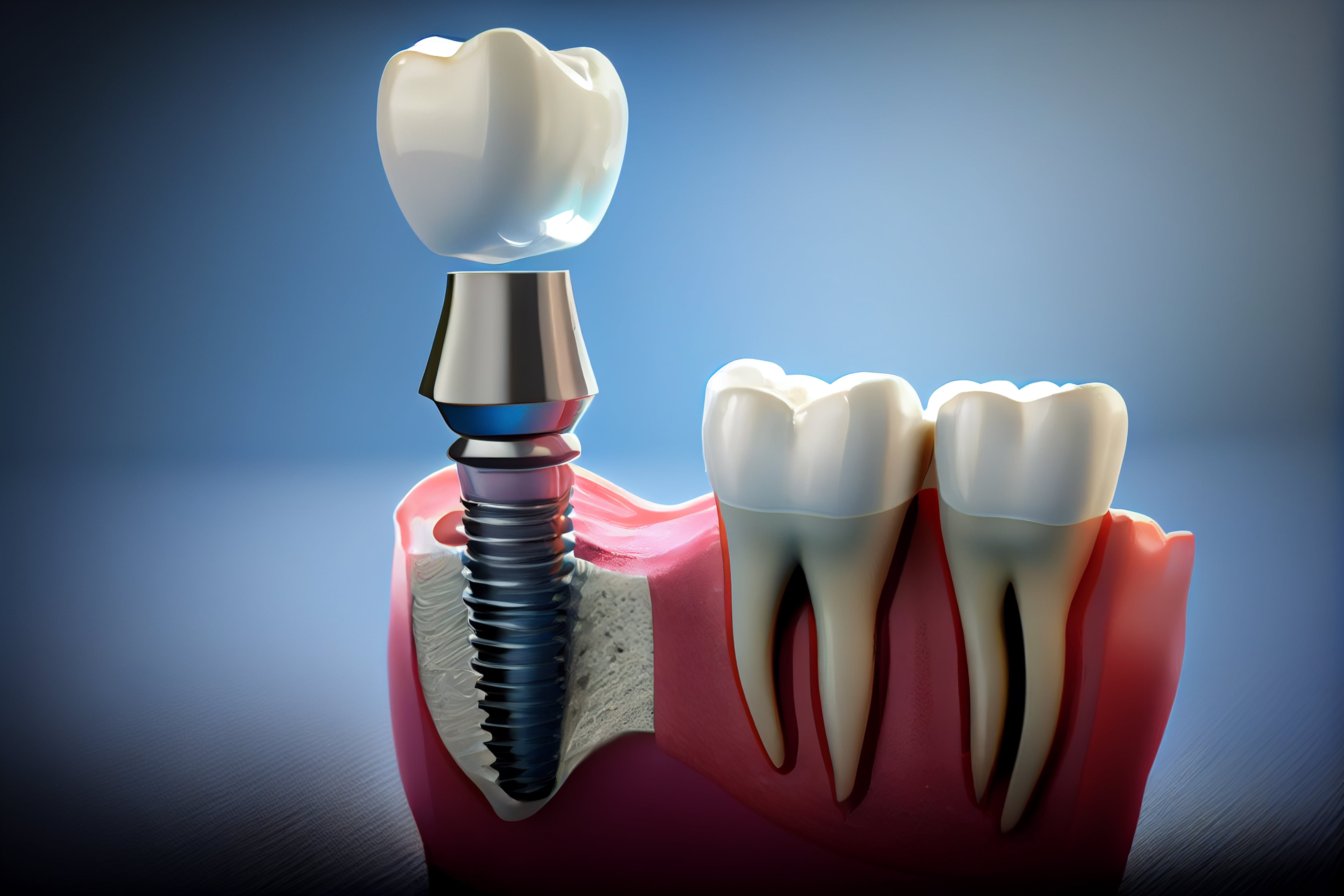
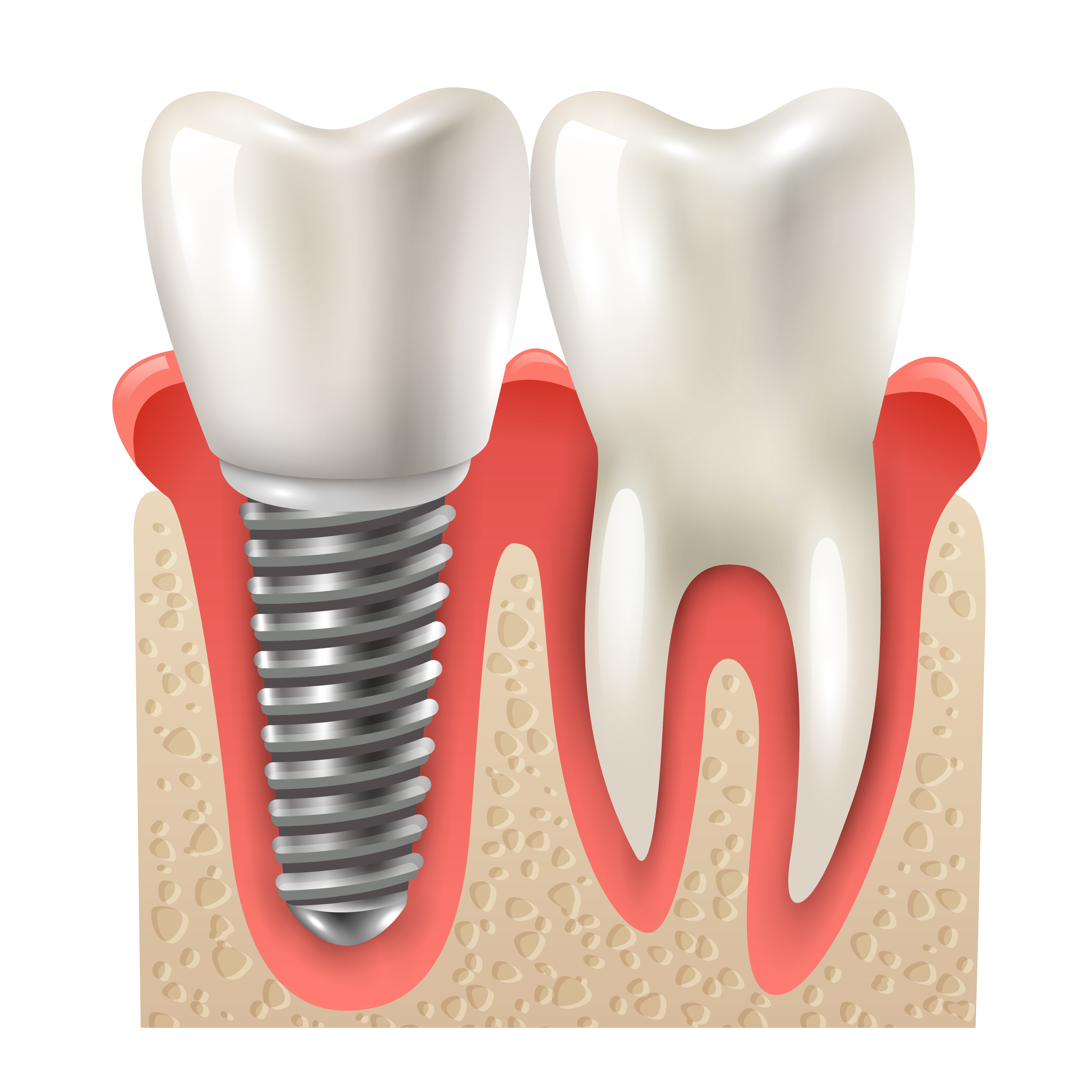
Dental implants and tooth set model closeup side view realistic image vector illustration

Introduction to Dental Implants

Dental implants have revolutionized restorative dentistry, offering a durable and aesthetically pleasing solution for missing teeth. These small, titanium posts are surgically placed into the jawbone, serving as a stable foundation for replacement teeth. This guide delves into the world of dental implants, exploring their types, benefits, and the procedure itself, providing you with the information needed to make an informed decision.

What Are Dental Implants?

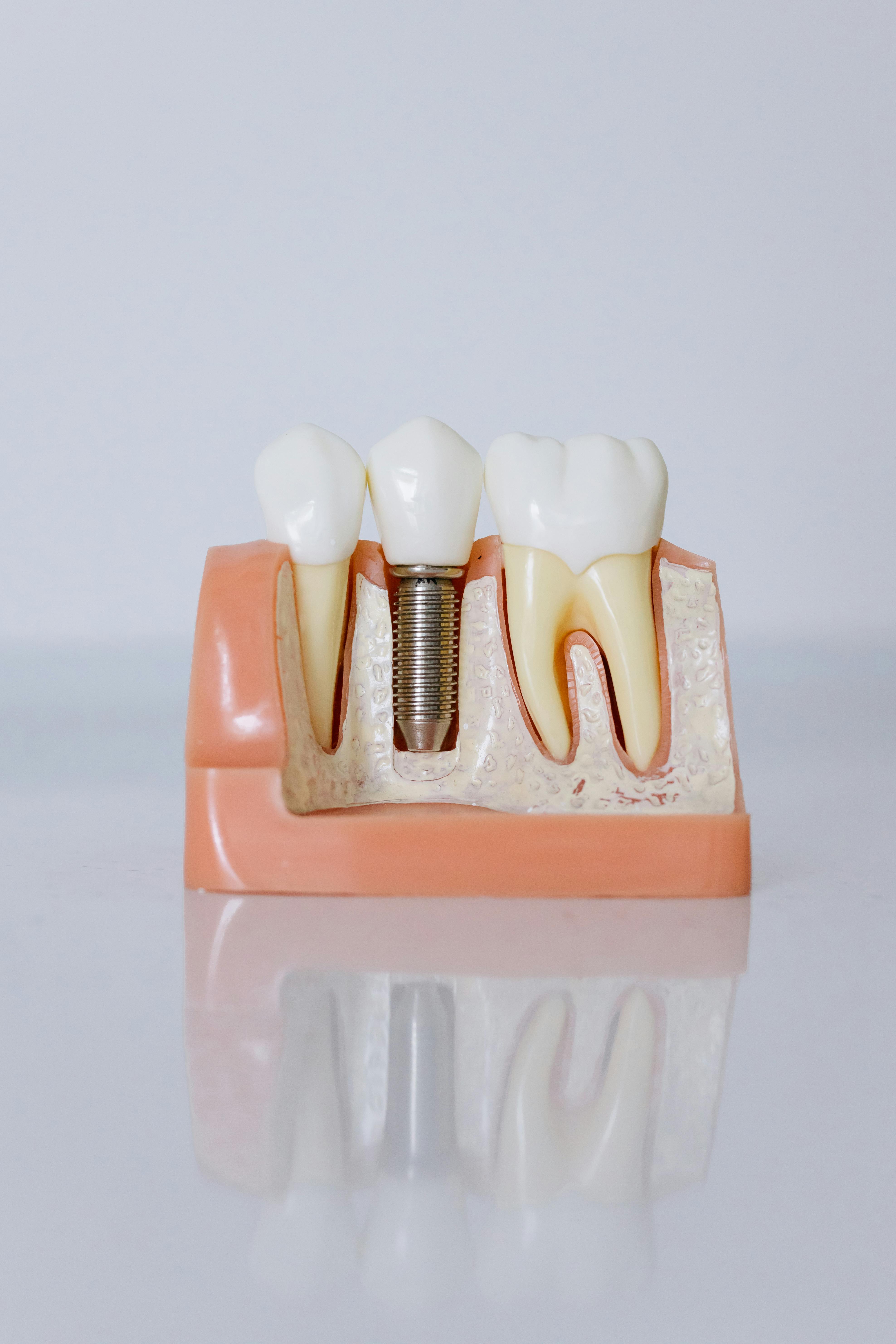
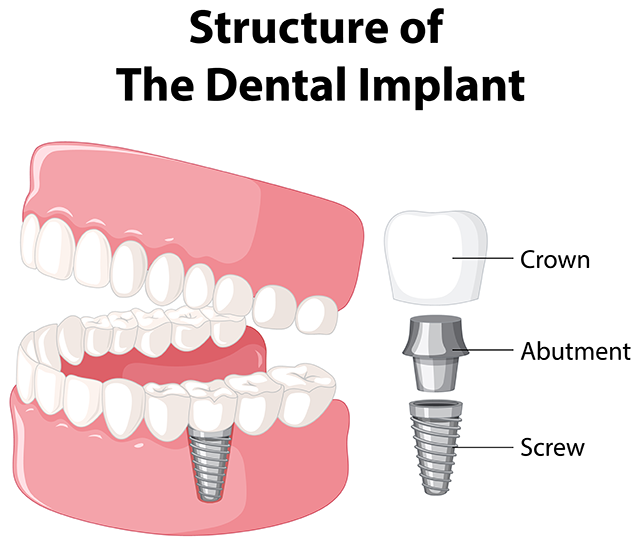
Dental implants are a cornerstone of modern dentistry, designed to mimic the structure of natural teeth. They consist of a titanium post that fuses with the jawbone, an abutment that connects the post to the replacement tooth, and the crown, which is custom-made to match your natural teeth. Unlike other tooth replacement options, implants offer unparalleled stability and prevent jawbone deterioration.

Importance of Dental Implants

The significance of dental implants cannot be overstated. They not only restore functionality and aesthetics but also preserve facial structure and prevent bone loss. By replacing missing teeth, implants contribute to overall oral health, allowing for normal eating, speaking, and smiling without the inconvenience of traditional dentures.

Brief History of Dental Implants

The concept of dental implants dates back thousands of years, but modern titanium implants were invented in the 1950s by Per-Ingvar Brånemark, a Swedish orthopedic surgeon. His discovery of titanium’s ability to osseointegrate, or fuse with bone, laid the foundation for dental implants as we know them today.

Types of Dental Implants

Dental implants come in various types, each suited to different needs. Endosteal implants, the most common type, are placed directly into the jawbone. Subperiosteal implants rest on top of the jawbone under the gum tissue, ideal for patients with insufficient bone height. Zygomatic implants, the least common, are anchored in the cheekbone.

The Dental Implant Procedure

The dental implant process involves several steps, starting with an initial consultation to determine eligibility. The surgery is performed under local anesthesia, where the implant is placed into the jawbone. Recovery varies among individuals, but proper aftercare ensures successful healing and integration of the implant.

Benefits of Dental Implants

Dental implants offer numerous advantages, including improved oral health, enhanced comfort, and durability. They function and feel like natural teeth, providing a permanent solution to tooth loss. Moreover, implants support facial structure and prevent bone loss, contributing to a youthful appearance.

Considerations Before Getting Implants

Before opting for dental implants, it’s crucial to consider eligibility criteria, potential risks, and complications. A thorough evaluation by a dental professional will determine if implants are the right choice for you, considering factors such as bone density and overall health.

The Cost of Dental Implants

The cost of dental implants varies widely, influenced by factors such as the type of implant, the number of teeth being replaced, and geographic location. While implants can be a significant investment, financing options and insurance coverage can help manage the expenses.

Alternatives to Dental Implants

For those who may not be candidates for dental implants, alternatives like bridges and dentures offer viable solutions. However, implants are often preferred for their stability, longevity, and ability to preserve bone health.

Choosing the Right Dental Implant Provider

Selecting a qualified and experienced dental implant provider is crucial for a successful outcome. Look for a provider with specialized training and ask questions about their experience, success rates, and patient testimonials.

Dental Implant Care and Maintenance

Proper care and maintenance are essential for the longevity of dental implants. Daily brushing and flossing, along with regular dental checkups, will keep your implants and natural teeth in excellent condition.

Success Rates of Dental Implants

Dental implants boast high success rates, influenced by factors such as the patient’s overall health and adherence to post-operative care. With proper care, implants can last a lifetime, making them an excellent investment in your oral health.

Dental Implants and Aesthetics

One of the most appealing aspects of dental implants is their ability to improve smile aesthetics. Custom-made to match your natural teeth, implants restore the beauty of your smile, enhancing confidence and quality of life.

The Impact of Dental Implants on Overall Health

Beyond their oral health benefits, dental implants positively impact overall health. They allow for a balanced diet, improving nutrition and well-being. Research also suggests a link between oral health and systemic health, highlighting the importance of dental implants in maintaining overall health.

Technological Advances in Dental Implants

The field of dental implants continues to evolve, with advances in materials, techniques, and digital dentistry enhancing the precision and success of implant procedures. These innovations promise a future where dental implants are more accessible and effective for a wider range of patients.

Patient Testimonials

Hearing from patients who have undergone dental implant surgery can provide valuable insights into the process and outcomes. Success stories highlight the life-changing benefits of dental implants, from improved oral health to restored confidence.

Dental Implants FAQ

  1. How long do dental implants last?
  2. Are dental implants painful?
  3. Can anyone get dental implants?
  4. How do I care for my dental implants?
  5. What is the success rate of dental implants?
  6. Are dental implants covered by insurance?

Conclusion

Dental implants represent a significant advancement in dental care, offering a permanent solution for missing teeth. With their numerous benefits, high success rates, and positive impact on overall health, implants are an excellent investment in your oral health and quality of life. If you’re considering dental implants, consult with a dental professional to explore your options and take the first step toward restoring your smile and confidence.

Posted on

Dental Health for Diabetics: How to Protect Your Smile

Title: Dental Health for Diabetics: How to Protect Your Smile

Diabetes is a chronic medical condition affecting millions of people worldwide. It places the human body under remarkable levels of physical and oral health strains that no patient should endure alone. Understanding the importance of comprehensive oral health, I am committed to explaining the relationship between dental health and diabetes and to providing numerous recommendations for improved dental care.I’d like to start by discussing the connection between oral health and diabetes. Diabetes is essentially a metabolic disorder characterized by unstable blood sugar levels due to lack of insulin, inadequate insulin utilization or both.

Elevating blood sugar levels this way can have profoundly negative oral health implications. Not only can diabetics be more susceptible to developing gum disease, but their dental health risks can also include tooth decay, oral infections and dry mouth. Low saliva production, diminished immunity and poorly controlled blood sugars often are the reasons why these issues are so common among diabetics.Undoubtedly, diabetes’s most prevalent dental health issue is gum disease (also known as periodontal disease).

Periodontal Disease:

Gum disease occurs when oral bacteria create plaque and tarter that cause the gums to become inflamed and infected. High blood sugars can weaken the human body’s immune response to that infection, making it more difficult for the body to battle this gum infection. If not treated, gum disease can become more and more severe and eventually causes teeth to become lost and other associated risks to happen.

Tooth decay and dry mouth:

Diabetes can also increase the risk of tooth decay and dry mouth. High levels of blood sugar can create an environment for bacteria to thrive in the mouth, leading to an increase in plaque production and a greater likelihood of tooth decay. Dry mouth may also develop for someone with diabetes due to side effects of medications or from not well-controlled blood sugar. This can cause oral discomfort, trouble chewing and swallowing, and an increase in tooth decay and oral infections. Practical strategies for protecting your smile: Although managing your dental health with diabetes may be more challenging, these practical steps can help you to protect your smile:

  • Maintain good blood sugar control. This is the most important step for controlling diabetes and reducing your risk of dental complications. Work with your healthcare provider to develop a personalized diabetes management plan that includes monitoring your blood sugar, following a healthy diet and taking your prescribed medications.
  • Follow thorough oral hygiene. Thorough oral hygiene is an essential step to preventing dental problems and preserving a healthy smile. Brush your teeth at least twice a day with fluoride toothpaste, floss daily to remove plaque and food debris from between your teeth and use an over-the-counter antimicrobial mouthwash to help control the bacteria in your mouth. Be sure to clean your dentures or dental appliance daily, as well.
  • Schedule regular dental checkups. Regular dental checkups and cleanings are important for monitoring your oral health and catching early signs of dental problems. Schedule dental appointments every six months, or more if your dentist advises, and let them know if you have diabetes and what medications you are taking.

Monitor and Manage Dry Mouth:

If diabetes causes dry mouth or you experience symptoms as a side effect of medication, you can treat symptom and prevent complications. Stay hydrated by drinking water throughout the day, and stimulate saliva production by chewing sugar-free gum or sucking on sugar-free candies. Use saliva substitutes and moisturizing mouth rinses as needed. Quit Smoking: Smoking is harmful to oral health and can worsen dental problems in individuals with diabetes. If you need help to quit smoking, talk to your healthcare provider to learn about nicotine replacement therapy and other methods to help you quit and reduce the risk of dental complications.

Conclusion:

As a dentist, I’m dedicated to helping individuals with diabetes protect their smiles and maintain excellent oral health. By recognizing the link between diabetes and dental health, and taking steps to prevent and manage dental problems, individuals can reduce their risk of dental complications and enjoy a lifetime of healthy smiles. Make sure to prioritize blood sugar control, practice good oral hygiene habits, schedule regular dental appointments, and seek professional dental care when needed. With active management and support from dental professionals, individuals with diabetes can guard their smiles and look forward to a brighter, healthier future.

Posted on

The Importance of Dental Care Before, During, and After Pregnancy

Nurturing Smiles: The Importance of Dental Care Before, During, and After Pregnancy

Introduction:
As a dentist with a passion for maternal oral health, I am deeply committed to educating expectant mothers about the importance of dental care throughout the journey of pregnancy. From preconception to postpartum, maintaining optimal oral health plays a crucial role in ensuring the well-being of both mother and baby. In this comprehensive blog post, we’ll explore the significance of dental care before, during, and after pregnancy, empowering mothers-to-be with the knowledge and tools to prioritize their oral health and nurture their smiles throughout this transformative period.

Dental Care Before Pregnancy:
Preconception dental care lays the foundation for a healthy pregnancy and sets the stage for optimal maternal and fetal outcomes. Before conceiving, it is essential for women to undergo a comprehensive dental examination and address any existing dental issues. This includes treating cavities, gum disease, and other oral health concerns to reduce the risk of complications during pregnancy. Additionally, preconception dental visits provide an opportunity for dental professionals to educate women about the importance of oral hygiene, nutrition, and lifestyle factors in promoting dental and overall health.

Dental Care During Pregnancy:
Pregnancy is a time of profound physiological changes, including hormonal fluctuations that can impact oral health. Expectant mothers may experience an increased risk of dental problems such as gingivitis, periodontal disease, and pregnancy tumors. It is essential for pregnant women to prioritize regular dental check-ups and cleanings throughout pregnancy to monitor and manage their oral health effectively. Dental professionals can provide tailored guidance on oral hygiene practices, nutrition, and lifestyle modifications to support maternal oral health and promote a healthy pregnancy.

Importance of Coordinated Care:
Coordinated care between dental professionals and the medical care team involved in prenatal care is essential for comprehensive maternal health. By fostering collaboration and communication between healthcare providers, expectant mothers can receive holistic care that addresses both their dental health needs and overall well-being. Dental professionals can work in tandem with obstetricians and other healthcare providers to ensure safe and effective dental treatment during pregnancy, taking into account the unique needs and considerations of expectant mothers.

Addressing Dental Concerns Safely:
One common concern among pregnant women is the safety of dental treatment during pregnancy. It is important to reassure expectant mothers that many routine dental procedures, including cleanings, fillings, and root canals, can be performed safely during pregnancy. However, elective procedures and non-emergency treatments may be deferred until after delivery to minimize potential risks. Dental professionals can work closely with pregnant patients to develop individualized treatment plans that prioritize maternal and fetal health while addressing dental concerns in a timely and appropriate manner.

Dental Care After Pregnancy:
Postpartum dental care is often overlooked but is equally important for maternal health and well-being. The postpartum period presents unique challenges, including sleep deprivation, hormonal changes, and adjusting to the demands of caring for a newborn. It is essential for new mothers to prioritize self-care, including dental check-ups and cleanings, to maintain their oral health amidst the demands of motherhood. By continuing to prioritize dental care after pregnancy, women can safeguard their smiles and set a positive example for their children’s oral health.

Conclusion:
As a dentist with expertise in maternal oral health, I am passionate about educating expectant mothers about the importance of dental care before, during, and after pregnancy. By prioritizing oral health throughout the journey of pregnancy, women can support their own well-being and promote a healthy start for their babies. From preconception dental visits to postpartum check-ups, dental care plays a vital role in nurturing smiles and ensuring the overall health and happiness of mother and child. Let us embark on this journey together, empowering expectant mothers with the knowledge and resources to prioritize their oral health and embrace the transformative power of a healthy smile.

Posted on

Caring for Your Dentures

Tips for a Comfortable Fit and Proper Maintenance

Dentures are a valuable solution for those who’ve lost some or all of their natural teeth, offering a way to restore the appearance and functionality of their smile. However, like natural teeth, dentures require proper care to ensure they remain comfortable, functional, and aesthetically pleasing. This comprehensive guide will cover essential tips for maintaining your dentures, ensuring they fit comfortably and last as long as possible.

Understanding Your Dentures

Dentures are custom-made replacements for missing teeth and can be taken out and put back into your mouth. While dentures take some getting used to, and will never feel exactly the same as one’s natural teeth, today’s dentures are natural-looking and more comfortable than ever.

There are two main types of dentures: full and partial. Full dentures are used when all the teeth are missing, while partial dentures are used when some natural teeth remain. No matter which type of denture you have, all require the same level of care to ensure their longevity and your comfort.

Ensuring a Comfortable Fit

1. Regular Dental Visits

One of the keys to a comfortable denture fit is regular visits to your dentist. Your mouth naturally changes over time, which can affect the fit of your dentures. Your dentist can adjust your dentures to ensure a comfortable fit and check for any areas that might need repair.

2. Proper Insertion and Removal

Learning the correct way to insert and remove your dentures is crucial. Incorrect techniques can cause damage to your dentures or irritation to your gums. Your dental professional can provide you with guidance on the proper method to avoid unnecessary discomfort.

3. Use of Adhesives

For some, denture adhesives enhance the stability of dentures. However, they should not be used to fix ill-fitting or old dentures. When used, they should be applied sparingly. Always follow the product’s instructions or consult with your dentist for recommendations.

Proper Maintenance of Your Dentures

Maintaining your dentures is just as important as caring for natural teeth. Proper maintenance not only ensures that your dentures last longer but also that your oral health remains in top condition.

1. Daily Cleaning

Dentures need to be brushed daily to remove food particles and plaque, preventing staining. Use a soft-bristled brush and a non-abrasive denture cleanser. Avoid using regular toothpaste, as it can be too harsh for the denture material.

2. Soaking Overnight

Most dentures need to remain moist to keep their shape. Place them in water or a mild denture-soaking solution overnight. Check with your dentist about the best soaking solution for your dentures as certain materials may have specific requirements.

3. Rinsing After Meals

Rinse your dentures after meals to remove food debris and other loose particles. This simple practice can go a long way in maintaining the cleanliness and longevity of your dentures.

4. Handling With Care

Be cautious when handling your dentures. They are delicate and can break if dropped. Always fill the sink with water or lay a towel down when handling your dentures over a hard surface.

Dealing with Denture Irritation and Soreness

New dentures may feel awkward for a few weeks until you become accustomed to them. Initial irritation and soreness are common and should diminish as your mouth adjusts. If discomfort persists, consult your dentist as your dentures may need an adjustment.

When to See Your Dentist

Regular checkups are essential for maintaining the health of your mouth and the condition of your dentures. Visit your dentist if your dentures break, crack, chip, or if one of the teeth becomes loose. Your dentist can often make the necessary adjustments or repairs on the same day. Additionally, if your dentures begin to feel loose or cause pronounced discomfort, it’s time for a visit to ensure they fit properly and do not need to be adjusted or replaced.

Conclusion

Caring for your dentures is crucial for your overall oral health and comfort. By following these tips for a comfortable fit and proper maintenance, you can ensure your dentures serve you well for many years. Remember, your dentures are an investment in your health and quality of life, so taking the time to care for them properly is worth the effort. Always consult with your dental professional for personalized advice and solutions tailored to your unique needs. With the right care, your smile can remain bright and your dentures comfortable and functional.

Posted on

Dentist Implants For Patients Only!

Dental implants are a highly effective and widely used solution for replacing missing teeth. As a dentist, let me explain what dental implants are, how they are done, their benefits, and the process involved.

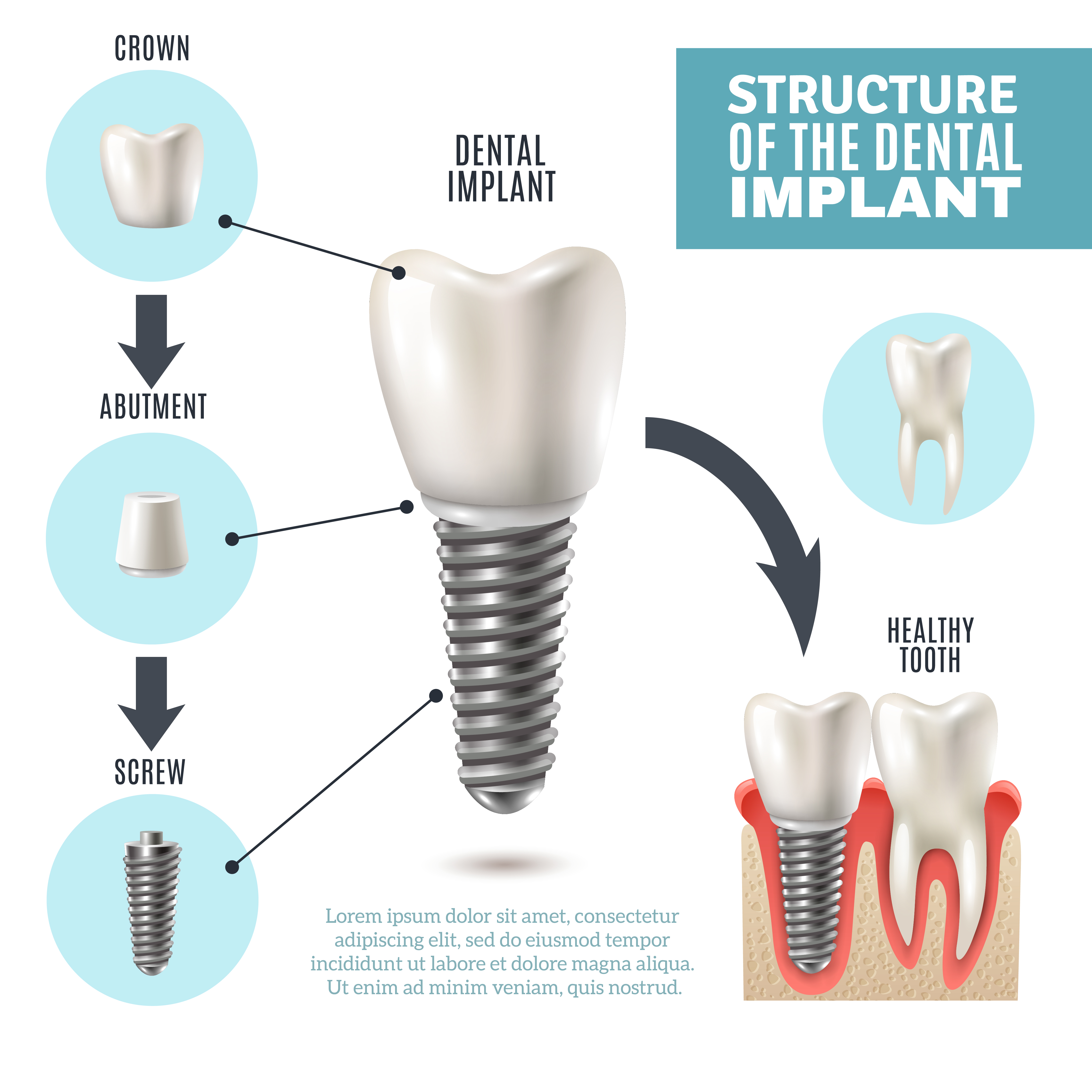
Dental implant structure medical pictorial educative infographic poster with molar replacement end healthy tools models vector illustration

What are Dental Implants?

Dental implants are artificial tooth roots, typically made from titanium, that are surgically placed into the jawbone beneath the gums. Once in place, they allow your dentist to mount replacement teeth onto them. Because implants fuse to your jawbone, they provide stable support for artificial teeth, such as crowns, bridges, or dentures.

How are Dental Implants Done?

The process of getting a dental implant involves several steps and is typically spread out over a few months to allow for healing between procedures.

  1. Initial Assessment: First, a thorough examination is conducted, including X-rays or 3D images, and a review of your medical history to ensure dental implants are suitable for you.
  2. Bone Grafting (If Necessary): If your jawbone isn’t thick enough or is too soft, you may need bone grafting. This process involves transplanting bone to your jaw to ensure it can support the implant. Healing from this procedure can take several months.
  3. Implant Placement: During this surgery, the dental implant (a titanium post) is placed into the bone socket of the missing tooth. As the jawbone heals, it grows around the implanted metal post, anchoring it securely in the jaw. This healing process can take from 6 to 12 weeks.
  4. Abutment Placement: Once the implant has bonded with the jawbone, a small connector post called an abutment is attached to the post to securely hold the new tooth.
  5. Artificial Tooth Placement: After your gums heal, more impressions of your mouth and remaining teeth are made to create the crown (artificial tooth). The crown is then attached to the abutment.

Benefits of Dental Implants

  • Improved Appearance: Dental implants look and feel like your own teeth. Because they are designed to fuse with bone, they become permanent.
  • Improved Speech: With poor-fitting dentures, teeth can slip within the mouth, causing you to mumble or slur your words. Dental implants allow you to speak without the worry that teeth might slip.
  • Improved Comfort: Because they become part of you, implants eliminate the discomfort of removable dentures.
  • Easier Eating: Sliding dentures can make chewing difficult. Dental implants function like your own teeth, allowing you to eat your favorite foods with confidence and without pain.
  • Improved Oral Health: Unlike a tooth-supported bridge, dental implants don’t require reducing other teeth. More of your own teeth are left intact, improving long-term oral health. Individual implants also allow easier access between teeth, improving oral hygiene.
  • Durability: Implants are very durable and will last many years. With good care, many implants last a lifetime.
  • Convenience: Removable dentures are just that; removable. Dental implants eliminate the embarrassing inconvenience of removing dentures, as well as the need for messy adhesives to keep them in place.

The Process Involved

The process of getting implants requires a number of visits to the dentist over several months. After the initial assessment, the process involves surgical placement of the implant, a period of healing, and the placement of the abutment and artificial tooth. Throughout the process, you’ll have several follow-up visits to check on the implant’s progress and to ensure the fit and color of the artificial tooth.

Dental implants require the same care as real teeth, including brushing, flossing, rinsing with an antibacterial mouthwash, and regular dental check-ups.

By choosing dental implants, you’re opting for a solution that not only improves your oral health but also enhances your quality of life by restoring your smile and the functionality of your teeth.

Posted on

Understanding and Managing Dry Mouth: Your Comprehensive Guide

Introduction:
Dry mouth, also known as xerostomia, is a common condition that affects millions of people worldwide. While it may seem like a minor inconvenience, persistent dry mouth can have a significant impact on oral health and overall well-being. In this blog post, we’ll delve into the causes, symptoms, and treatment options for dry mouth, empowering you with the knowledge and tools to effectively manage this condition and reclaim your comfort and oral health.

Understanding Dry Mouth:
Dry mouth occurs when the salivary glands fail to produce enough saliva to keep the mouth adequately moist. Saliva plays a crucial role in oral health, serving to lubricate the mouth, neutralize acids, wash away food particles, and prevent tooth decay and gum disease. When saliva production is reduced, the mouth becomes dry and uncomfortable, increasing the risk of dental problems and oral infections.

Causes of Dry Mouth:
Dry mouth can be caused by a variety of factors, including:

  1. Medications: Certain medications, such as antihistamines, antidepressants, and diuretics, can decrease saliva production as a side effect.
  2. Medical Conditions: Health conditions such as diabetes, Sjögren’s syndrome, HIV/AIDS, and Parkinson’s disease can contribute to dry mouth.
  3. Lifestyle Factors: Smoking, excessive alcohol consumption, and breathing through the mouth can exacerbate dry mouth symptoms.
  4. Aging: Saliva production naturally decreases with age, leading to an increased prevalence of dry mouth among older adults.

Symptoms of Dry Mouth:
Common symptoms of dry mouth may include:

  • Persistent dryness or feeling of stickiness in the mouth
  • Sore throat or hoarseness
  • Difficulty chewing, swallowing, or speaking
  • Bad breath
  • Dry, cracked lips
  • Increased susceptibility to cavities and gum disease

Treatment Options for Dry Mouth:
Effective management of dry mouth involves addressing the underlying causes and implementing strategies to alleviate symptoms. Here are some treatment options to consider:

  1. Stay Hydrated: Drink plenty of water throughout the day to help keep the mouth moist and hydrated.
  2. Avoid Irritants: Limit consumption of caffeine, alcohol, and tobacco, as these substances can exacerbate dry mouth symptoms.
  3. Use Saliva Substitutes: Over-the-counter saliva substitutes or artificial saliva products can help moisturize the mouth and provide temporary relief from dryness.
  4. Practice Good Oral Hygiene: Maintain meticulous oral hygiene habits, including brushing twice daily with fluoride toothpaste, flossing daily, and using alcohol-free mouthwash.
  5. Chew Sugar-Free Gum: Chewing sugar-free gum can stimulate saliva production and alleviate dry mouth symptoms.
  6. Adjust Medications: If dry mouth is a side effect of medication, consult with your healthcare provider to explore alternative medications or adjust dosage.
  7. Moisturize the Air: Use a humidifier in your home, especially during sleep, to add moisture to the air and prevent dryness.
  8. Seek Professional Care: Consult with your dentist or healthcare provider for personalized recommendations and treatment options tailored to your specific needs.

Conclusion:
Dry mouth is a common yet often overlooked condition that can have a significant impact on oral health and quality of life. By understanding the causes, symptoms, and treatment options for dry mouth, you can take proactive steps to manage this condition effectively and maintain a healthy, comfortable mouth. Remember to stay hydrated, practice good oral hygiene, and seek professional care when needed to ensure optimal oral health and well-being. With the right knowledge and strategies, you can overcome dry mouth and reclaim your comfort and confidence in your smile.