Posted on

Gum Disease: Don’t Ignore the Signs

As a dentist, one of the most common oral health issues I treat is gum disease. It’s incredibly widespread, affecting nearly half of adults over age 30 in the United States. And those are just the reported cases—many people live with gum disease without even realizing they have it.

That’s because gum disease can be insidious, progressing slowly with subtle, hard-to-notice symptoms in the early stages. However, letting it go undetected and untreated can ultimately lead to tooth loss and increased risk of other systemic health complications.

That’s why it’s so important to know what to watch out for and take action at the first signs of a gum problem. In this post, I’ll go over the symptoms of gum disease and how it’s treated, so you can be an empowered partner in protecting your oral health.
The Stages of Gum Disease

Gum disease is an infection caused by bacteria in plaque and tartar buildup on your teeth. If not removed through brushing, flossing and professional cleanings, it can progress through two main stages:

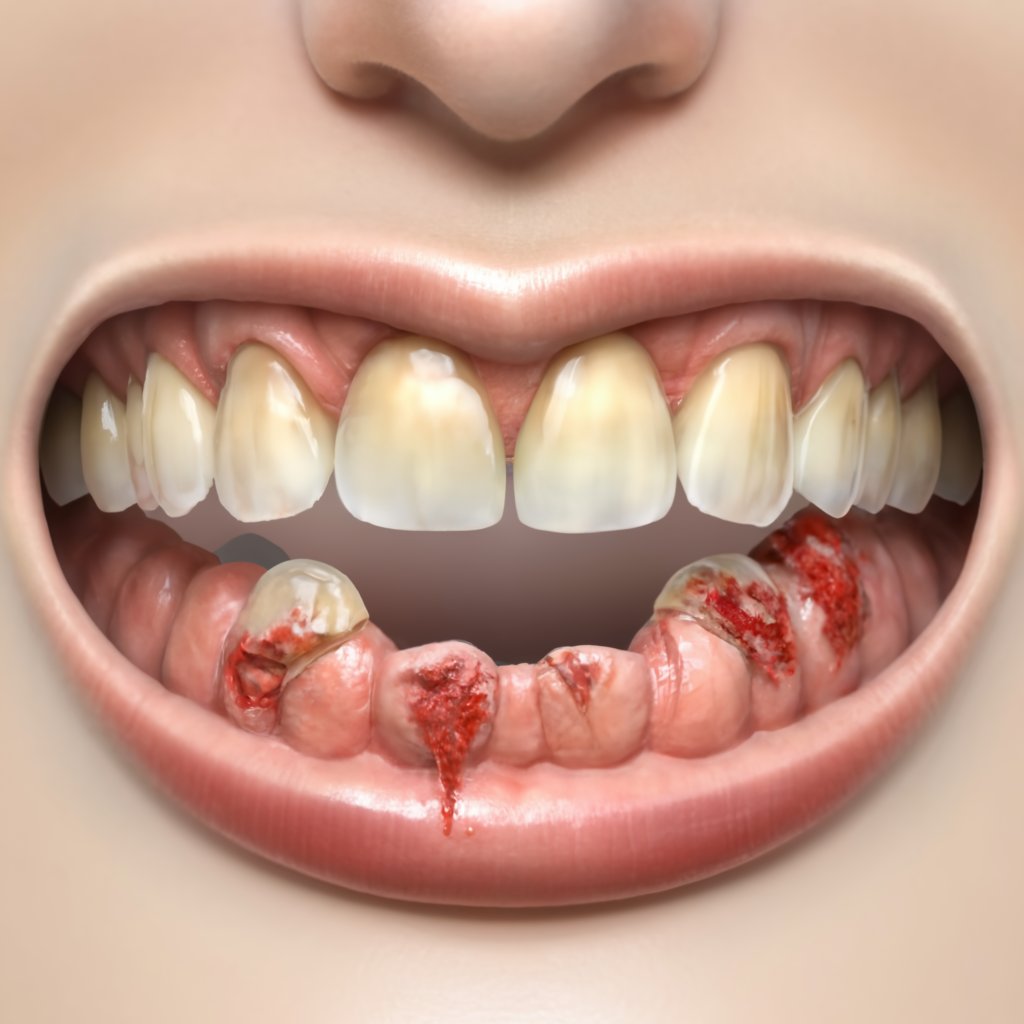
Gingivitis This earliest stage is characterized by inflamed, red, swollen or bleeding gums, especially after brushing or flossing. You may also experience persistent bad breath. Gingivitis is reversible through improved oral hygiene and professional dental cleanings to remove plaque and tartar.

Periodontitis If left untreated, gingivitis can advance to periodontitis, where the bacterial infection causes the gums to pull away from the teeth. This creates pockets where more plaque collects and bone loss can occur around the tooth roots. Signs include loose teeth, painful chewing, and pus between the gums and teeth.

Other Signs to Watch For Beyond swollen, red, tender or bleeding gums, there are some other potential gum disease symptoms to be aware of, including:

  • Receding gums that make your teeth look longer
  • Persistent bad breath or bad taste in your mouth
  • Teeth that are loose or separating
  • Changes in your bite or fit of dentures

Any of these could potentially signal gum disease that requires prompt attention.

Treating Gum Disease

The good news is that gum disease is largely preventable through quality home care and regular professional cleanings and checkups. Catching it early gives you the best chance of reversing damage and avoiding more invasive procedures.

Gingivitis Treatment If we catch gum inflammation in the gingivitis stage, treatment focuses on controlling the bacterial infection through:

  • Improved oral hygiene – Reviewing and upgrading your daily brushing and flossing technique is crucial to remove plaque and tartar buildup. I may also recommend an antimicrobial mouthwash.
  • Professional dental cleaning – I’ll perform a deep cleaning called scaling and root planing to remove hardened plaque from above and below the gumline. This smooths root surfaces to help gums reattach to the teeth.

With dedication to meticulous homecare and a few follow-up cleanings, we can usually reverse gingivitis within a few weeks to a few months.

Periodontitis Treatment When gum disease progresses to periodontitis, we have to take a more aggressive treatment approach:

  • Scaling and root planing – As noted above, this is a significant deep cleaning to remove plaque, tartar and bacterial toxins from the deep pockets.
  • Antibiotic treatment – I may prescribe oral antibiotics or place topical antibiotics in the periodontal pockets to help control the infection.
  • Surgery – If inflammation persists or you have severe bone loss, periodontal surgery like pocket reduction or gum grafting may be needed to rebuild bone and facilitate healing.

The Importance of Maintenance Even after successfully treating periodontitis, you’re still at risk for recurring infections due to the bacteria that inevitably recolonize over time. To maintain your healthy gums long-term:

  • Stick to proper daily brushing, flossing and any other homecare
  • Get regular cleanings every 3-4 months or per my recommendation
  • Don’t smoke or use tobacco, which worsens gum disease
  • Maintain a nutritious, low-sugar diet
  • Manage any other health conditions that negatively impact gum health

By staying vigilant with these maintenance steps and watching closely for any signs of recurrence, you greatly reduce your future risk of gum disease progression and tooth loss.

Don’t Wait Until It’s Too Late My biggest piece of advice is to take action at the first red flag—whether it’s swollen, tender gums or any other symptom I described. The earlier we catch gum disease, the easier it is to bring under control before you face bigger problems.

Keeping your regularly scheduled cleaning appointments is also key, as I may detect issues before you even notice symptoms. But if anything seems off in between visits, don’t hesitate to come see me right away.

Preserving your healthy gums and teeth involves a lifelong commitment to daily care, regular professional cleanings, and making gum disease treatment a top priority at the first sign of trouble. With some vigilance and my professional help, we can keep gum disease at bay and protect your smile for many years to come.


Posted on

Do I Really Need This Dental Treatment? A Dentist Explains

Dental treatment necessity
Questions to ask your dentist about treatment

As a dentist, one of the most frequent questions I get from patients is “Do I really need this treatment or procedure you’re recommending?” It’s an understandable question. Dental work can be expensive, time-consuming, and sometimes uncomfortable. No one wants to go through unnecessary treatment.

However, it’s important to understand that I only recommend treatments that are truly necessary for protecting and improving your oral and overall health. I don’t take that responsibility lightly. Here’s some insight into my decision-making process when it comes to treatment plans.

Preventing Bigger Problems
Very often, the treatments I recommend are aimed at preventing far bigger issues down the road. For example, getting a small cavity filled is a straightforward procedure that stops tooth decay from spreading and causing more extensive damage. Leaving a cavity untreated can lead to the need for a root canal or even extraction of the tooth.

Similarly, gum disease treatments like scaling and root planing may be recommended to stop the progression of periodontal disease. This harmful bacterial infection can ultimately cause tooth loss and has been linked to other systemic inflammatory conditions if left unchecked.

Fixing Pre-Existing Issues
Other times, the recommended treatment is meant to fix a pre-existing issue that is already causing problems. A cracked, chipped or severely decayed tooth may need a crown to seal it and prevent further breakage. Or a tooth with an infected nerve may require a root canal to eliminate pain and infection.

Cosmetic treatments like teeth whitening, veneers or Invisalign may be suggested to address esthetic concerns with discolored, misaligned or irregular teeth. While these are technically “elective” procedures, they can still provide an important emotional and psychological boost in self-confidence.

The Dreaded “Watch and Wait”
Of course, there are also times when “watch and wait” is the most prudent approach—at least for the time being. Maybe a cracked tooth isn’t yet causing pain or compromising function. Or perhaps some initial gum disease is detected, but can potentially be reversed with improved homecare before bigger interventions are needed.

In scenarios like these, I’m upfront that treatment can be postponed as long as the situation remains stable and the patient is committed to proper oral hygiene and re-evaluation on a reasonable schedule. I would never push for treatment that I don’t believe is necessary yet.

Getting a Second Opinion
If you’re ever unsure about a recommended dental treatment, I wholeheartedly encourage you to get a second opinion from another trusted dentist. There can sometimes be multiple ways to manage a particular case, and it never hurts to gather more input before making a decision—especially for complex or expensive treatment plans.

Ultimately, my role is to be an educator and provider of clinical information to my patients. But you deserve to have full understanding and be a willing participant in your own care. I’m always happy to take the time to explain my reasoning, discuss any concerns, and ensure we’re on the same page about your needs.

Building a Partnership
Maintaining good oral health is an ongoing process that requires teamwork between you and your dental team. My hope is to build a long-term partnership of communication, trust and prevention. If we can catch and treat small issues before they become big problems, it benefits everyone involved.

Sometimes that means finding a manageable way to address current areas of concern through phased treatment plans if needed. Other times, it truly is in your best interest to move forward with more comprehensive treatment right away to get your oral health back on track.

Whatever path we choose, you have my assurance that I will only recommend what I believe is absolutely necessary based on the clinical evidence and my professional experience. I have no incentive to “over-treat” or provide anything beyond my honest assessment of your needs. My biggest motivator is keeping you healthy and smiling for years to come.

So if you ever find yourself wondering “Do I really need this?”—just ask! I’m always happy to reiterate my reasoning and ensure we’re mutually making the most informed decision for your healthand well-being.

Posted on

Top 10 Key Factors to Consider in Associate Dentist Contract Reviews

Remember,

Navigating the path of an associate dentist involves several key milestones, one of the most significant being the moment you’re presented with a contract for a new position. This document not only outlines your responsibilities and rights but also lays the foundation for your professional growth and work-life balance. Understanding the crucial elements of an associate dentist contract can help you make informed decisions that align with your career goals and personal values. Here, we explore the most important things to look for when reviewing associate dentist contracts.

1. Compensation Structure

One of the primary considerations is understanding how you will be compensated. Contracts may offer a fixed salary, a percentage of the collections or production, or a combination of both. Ensure the contract clearly outlines the calculation method, including any nuances such as lab fee deductions. If your compensation is based on collections, understand the practice’s collection rate to gauge your potential earnings realistically.

2. Schedule and Hours

The contract should specify your work hours, days of the week, and any expectations for weekend or emergency coverage. Clarity on this front helps you assess work-life balance and understand your commitment level. Additionally, inquire about flexibility and any requirements for overtime, as this could significantly impact your personal life.

3. Scope of Practice

Ensure the contract clearly defines the types of procedures you’ll be expected to perform and whether there’s room for growth in your scope of practice. This is particularly important for those looking to expand their skills in specialties such as cosmetic dentistry or orthodontics. Understanding the available support for continuing education or specialization can also influence your decision.

4. Term and Termination Clauses

Pay close attention to the duration of the contract and the conditions under which either party can terminate the agreement. Look for reasonable notice periods (typically 30 to 90 days) and be wary of contracts with overly restrictive termination clauses. Understanding these terms is crucial for ensuring job security and flexibility.

5. Non-Compete Clauses

Non-compete clauses are common in dental contracts to protect the practice’s patient base if an associate leaves. However, these clauses should be reasonable in terms of geographic radius and duration. Excessively restrictive non-compete clauses can limit your ability to practice dentistry within your community if the job doesn’t work out. Legal advice is particularly important in understanding and negotiating these terms.

6. Benefits and Perquisites

Beyond salary, your contract should outline any benefits such as health insurance, professional liability insurance, retirement plans, paid time off, and allowances for continuing education. These benefits are a significant part of your total compensation and can greatly affect your job satisfaction and financial well-being.

7. Path to Partnership

If you’re interested in eventually becoming a partner in the practice, the contract should outline a clear and achievable path to partnership, including any benchmarks or timelines for consideration. Understanding this aspect can help you align your career trajectory with the practice’s long-term goals.

8. Malpractice Insurance

Determine whether the practice provides malpractice insurance or if you’re expected to secure your own policy. If the practice covers it, clarify whether it’s a claims-made or occurrence-based policy and who is responsible for the tail coverage if you leave the practice.

9. Support Staff and Resources

The contract should specify the level of support you’ll receive, including access to dental assistants, hygienists, and office staff. Additionally, understand what resources will be available to you, including equipment, technology, and lab services. These factors can significantly impact your ability to provide quality care and achieve productivity goals.

10. Conflict Resolution and Grievance Procedures

Effective conflict resolution mechanisms can help address any disputes that arise during your tenure. Look for contracts that outline clear grievance procedures, ensuring you have a voice in the practice and a process for resolving issues professionally.

11. Professional Development Opportunities

Opportunities for professional growth can greatly enhance job satisfaction. Contracts should mention support for continuing education, professional association dues, and other development opportunities. This not only benefits you but also adds value to the practice by keeping skills and knowledge up to date.

Navigating Your Contract Review

While this list highlights key areas to focus on, it’s important to approach contract review holistically. Each clause and provision can have implications for your career and personal life. Here are a few additional tips:

  • Seek Legal and Financial Advice: Consulting with professionals who specialize in dental contracts can provide valuable insights and help negotiate favorable terms.
  • Understand Your Priorities: Reflect on what matters most to you in a job—whether it’s compensation, work-life balance, professional growth, or other factors—and evaluate the contract accordingly.
  • Ask Questions and Negotiate: Don’t hesitate to ask for clarification on any contract terms and negotiate changes that align with your interests and goals.

Conclusion

An associate dentist contract is more than just a formal agreement—it’s the blueprint for your professional journey within a practice. By thoroughly reviewing and understanding its terms, you can ensure that this journey is rewarding, both personally and professionally.

Remember, the goal is to find a position that not only meets your immediate needs but also aligns with your long-term career aspirations. By paying attention to compensation, work schedule, scope of practice, and other critical aspects of the contract, you position yourself for success and satisfaction in your role as an associate dentist.

A well-negotiated contract paves the way for a fruitful relationship between you and the practice, fostering a supportive environment where you can thrive professionally and personally. Remember, the terms of your contract will significantly influence your daily work life and professional growth, making it imperative to approach this process with diligence and clarity.

In conclusion, as you step into the world of dentistry, armed with knowledge and insight into the intricacies of associate dentist contracts, you empower yourself to make informed decisions. These decisions will not only shape your career trajectory but also ensure that you contribute to the dental profession in a meaningful and fulfilling way. Embrace this opportunity to advocate for your professional needs and aspirations, setting the stage for a rewarding career in dentistry.

Posted on

Tooth Staining: Causes, Prevention and Treatment Options

Tooth Staining: Causes, Prevention and Treatment Options

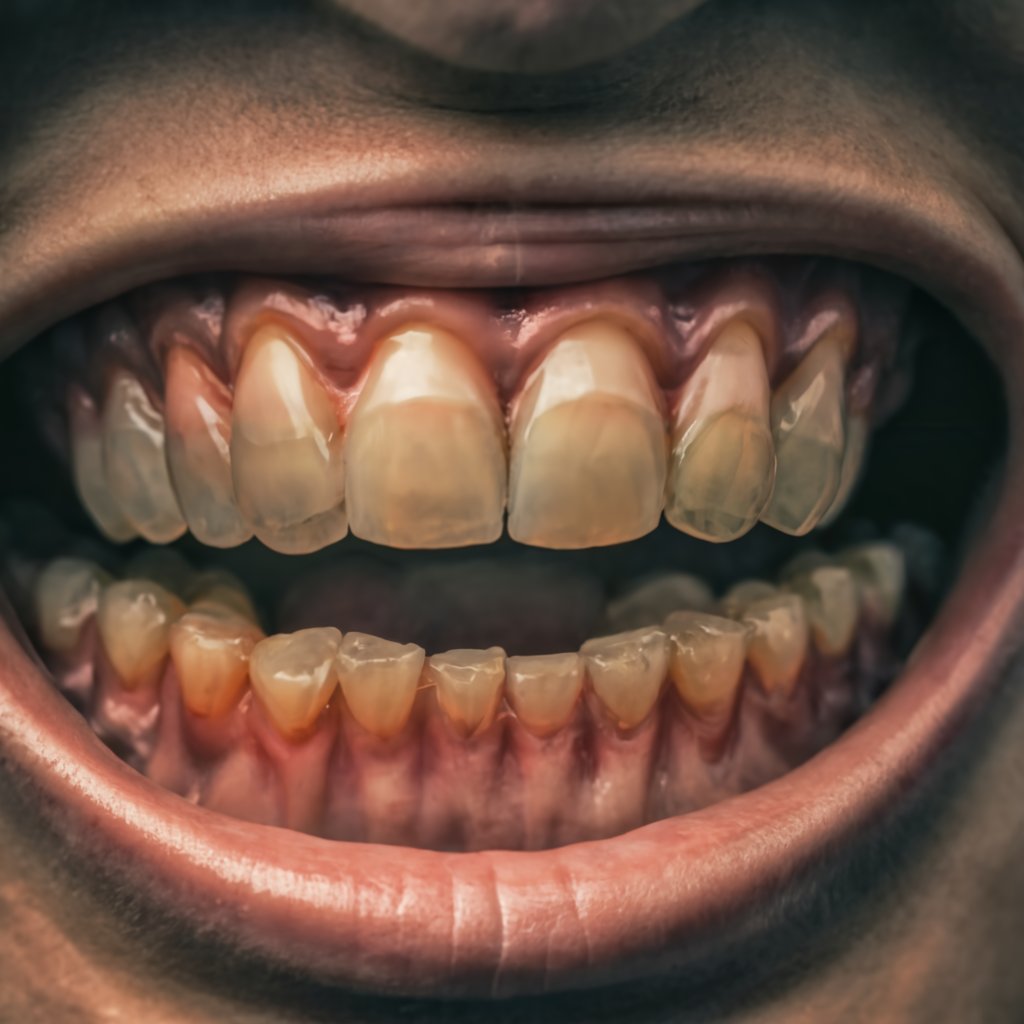
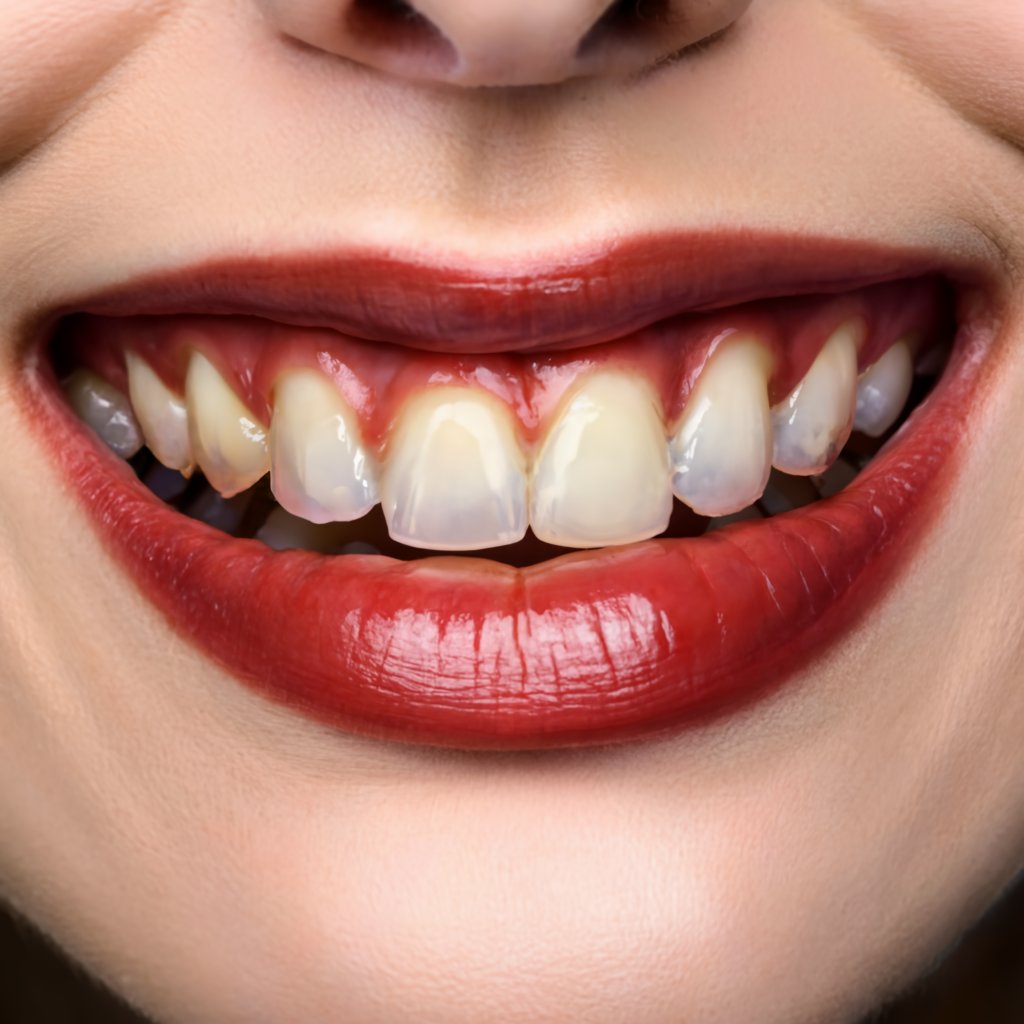
As a dentist, one of the most common cosmetic concerns I get from patients is stained or discolored teeth. While it’s perfectly normal for teeth to pick up stains over time, many people feel self-conscious about yellowed, dull or discolored teeth. If you’re unhappy with the shade of your smile, it’s helpful to understand the various causes of tooth staining as well as what prevention and treatment options are available.

What Causes Tooth Staining and Discoloration?

There are two main types of tooth staining – extrinsic and intrinsic stains. Extrinsic stains affect the outer tooth enamel, while intrinsic stains occur within the inner tooth structure.

Common causes of extrinsic stains include:

  • Food and Drinks: Beverages like coffee, tea, red wine and cola, as well as foods like blueberries, soy sauce and curry can deposit stains on enamel over time.
  • Tobacco Use: Smoking or chewing tobacco products can rapidly yellow and stain teeth.
  • Poor Oral Hygiene: Inadequate brushing and flossing allows plaque and stains to accumulate.

Intrinsic stains have a variety of potential causes:

  • Medications: Antibiotic drugs like tetracycline can cause permanent grayish discoloration of developing teeth when taken during pregnancy or childhood.
  • Fluoride: While beneficial in modest amounts, excessive fluoride consumption in childhood can cause fluorosis staining.
  • Trauma: Injuries that damage the inner tooth pulp can cause a darkened tooth over time.
  • Aging: Over the years, the outer enamel thins, exposing more of the yellowish dentin underneath.
  • Genetics: Some people simply produce more pigmented enamel and dentin.

Preventing Tooth Staining

While it’s unrealistic to avoid all tooth staining, there are some effective prevention strategies I recommend to patients:

  • Maintain good oral hygiene by brushing twice daily and flossing once a day
  • Use whitening toothpaste and mouthwash occasionally to help remove stains
  • Consume stain-causing foods/drinks in moderation and brush soon after consuming
  • Drink dark beverages like coffee and tea through a straw to minimize direct contact with teeth
  • Don’t smoke or use tobacco products which severely stain teeth over time
  • Get routine dental cleanings every 6 months to remove built-up staining

Treatment Options for Stained Teeth

Even with good prevention, staining on teeth is still fairly common over time. Fortunately, there are a number of effective treatment options depending on the type and severity of the staining:

Teeth Whitening – This affordable and non-invasive treatment uses bleaching gels to lift away extrinsic stains and make teeth brighter. Take-home whitening kits from your dentist allow you to whiten at your convenience over a period of days or weeks. In-office whitening can whiten teeth by several shades in single visit.

Microabrasion – This procedure removes surface enamel stains and discoloration through chemical abrasion. It’s effective for superficial defects like fluorosis staining.

Veneers – These thin shells of porcelain are bonded to the front of teeth. Veneers can dramatically change the color of stained teeth as well as the shape. This is a permanent but pricey solution.

Dental Bonding – In this process, tooth-colored resin material is applied over stained teeth to conceal discoloration. More affordable than veneers but not as durable.

Crowns – In severe cases of intrinsic discoloration, a full dental crown may be needed to cap the tooth to change its color entirely.

Teeth Whitening Precautions

While whitening products are very popular and can produce excellent results, it’s important for patients to only use whitening products approved by their dentist. Over-the-counter whitening treatments from unknown sources can be ineffective or even damage tooth enamel and irritate gums. Professional whitening is always the safest bet.

Whitening isn’t recommended for patients with exposed root surfaces, very sensitive teeth, deep staining from certain medications/injuries, or dental restorations like crowns or veneers. I always do a consultation to determine if bleaching is suitable and to what extent based on your specific needs and concerns.

Don’t Let Stained Teeth Dull Your Smile

While staining is a very common issue, there’s no reason to feel self-conscious about your smile when there are so many affordable treatment options available today. If you’re unhappy with the color of your teeth, schedule a consultation so we can determine the right teeth whitening or stain removal approach for you.

With a little care and maintenance, it’s absolutely possible to maintain a bright, white smile well into adulthood. Having confidence in your smile can make a world of difference in your self-esteem and overall appearance!

Posted on

10 Common Questions From Recently Graduating Dentists

  1. How do I go about finding an associate dentist position or buying into an existing practice?

Look on dental job boards, connect with classmates/alumni, attend dental society meetings, and work with practice transition consultants. For associate roles, have a great CV highlighting skills/experience and be prepared to do working interviews. For purchasing a practice, work with a qualified broker, get financing pre-approval, and thoroughly evaluate production, equipment, staff, and growth potential.

  1. What are typical salary ranges and compensation models for associate dentists?

This can vary greatly, but most associates earn $100K-$200K annually based on daily/production-based rates of $400-$700+. Common models include straight salary, daily rate, percentage of production, or a combination. Benefit packages are negotiable. City/region, specialization, and experience level impact pay.

  1. How can I effectively market myself and build a patient base as a new dentist?

Have an active online presence with a modern website and social media promoting your background/personality. Network locally with other healthcare pros for referrals. Consider internal marketing like patient newsletters. Offer consultations or promotions for new patients. Consistently deliver outstanding chairside manner.

  1. What are the pros and cons of starting a solo practice right out of dental school?

Pros: Being your own boss, keeping all profits, customizing your ideal practice environment. Cons: Substantial startup costs for equipment/staff, solo burden of costs/liability, navigating business management, building a patient base from scratch. Most advisors suggest associating first.

  1. How do I evaluate which type of practice setting is the best fit for me?

Consider your personality, skills, priorities and lifestyle. Do you want employees/liability or prefer being an associated employee? Urban, rural or suburban location? General dentistry or a specialty? Larger group practice or smaller? Corporate or private owner? Desired hours and work-life balance?

  1. What are good strategies for paying off my substantial dental school debt?

Live very frugally those first few years and make paying highest interest loans the priority after setting aside an emergency fund. Explore options like income-based repayment, military programs, public service loan forgiveness. Over time, seek opportunities to increase income or achieve loan forgiveness.

  1. What are the most important things to look for when reviewing associate dentist contracts?

Key items include compensation model specifics, clinical autonomy and oversight, schedule and time off expectations, patient acquisition, non-compete terms, potential paths to partnership/ownership, termination details, malpractice liability, and any restrictive covenants.

  1. How can I stay up-to-date on the latest dental technologies, techniques and continuing education?

Attend annual conferences and hands-on courses. Read industry journals/publications and join online dental communities. Participate in practice study clubs. Consider specialty training, residencies or advanced degrees over time. Set an annual CE budget.

  1. What types of insurance plans, disability coverage, etc. should I have in place?

At minimum, have a disability insurance policy in case you cannot practice, professional liability coverage for malpractice claims, and health insurance for you and staff. Other policies to evaluate include life, office overhead expense, and umbrella personal liability coverage.

  1. How can I maintain a good work-life balance and avoid burnout, especially early in my career?

Set clear boundaries between work and personal time. Manage your schedule intentionally by blocking time for hobbies, exercise, family etc. Optimize your team and systems for efficiency. Consider options like four 10-hour day weeks. Take vacations, practice mindfulness, and get enough rest.

Posted on

Is It Too Late For Adults To Get Braces?

adult braces

As a dentist, I get asked this question a lot by adult patients – “Is it too late for me to get braces? Is there an adult braces guide? The short answer is no, it’s definitely not too late! While most people associate braces with adolescence, adult orthodontic treatment is becoming increasingly common. There’s no age limit for achieving a confident, healthy smile with properly aligned teeth.

It’s a misconception that braces are only for children and teenagers. According to the American Association of Orthodontists, around 1 in 5 orthodontic patients today are adults. More and more adults are pursuing orthodontic treatment to correct longstanding issues like crowded or crooked teeth, overbites, underbites, crossbites, gaps between teeth, and jaw alignment problems.

Why Do Adults Get Braces?

There are a variety of reasons why adults choose to get braces later in life:

Cosmetic Reasons – Let’s face it, a straight, beautiful smile boosts confidence and self-esteem. Many adults feel self-conscious about their smiles and want to improve their appearance.

Dental Health – Crooked, overlapping teeth are harder to clean properly, increasing the risk for cavities, gum disease, excessive wear on tooth enamel, and other dental issues. Properly aligned teeth are easier to maintain.

Job Enhancement – For career paths where physical appearance matters, such as acting, modeling, public speaking, sales, etc. well-aligned teeth make a positive impression.

Preparing for Dental Work – Sometimes orthodontic treatment is needed prior to other dental procedures like crowns, bridges or dental implants to ensure ideal placement.

Pain/Discomfort – Misaligned jaws or bite problems can cause chronic jaw pain, headaches, TMJ issues, excessive tooth wear, and difficulty chewing properly.

In most cases, the problems that lead adults to seek orthodontic care could have been addressed earlier but were not for various reasons. But it’s never too late to invest in a healthy, aligned smile!

What to Expect with Adult Braces

The process of getting braces as an adult is generally the same as it is for adolescents. After an initial consultation, treatment typically involves:

  • Taking x-rays, teeth impressions and facial/jaw measurements
  • Getting brackets, wires and other orthodontic appliances attached to the teeth
  • Adjustments of wires every 4-8 weeks to gradually shift teeth into alignment
  • Wearing elastics or headgear in some cases to help guide jaw alignment
  • Treatment time averaging 18-36 months, sometimes with a retainer afterward

One of the biggest concerns for adults is the aesthetic aspect of having a “metal mouth” full of brackets and wires. Luckily, there are more discreet options available today like:

Ceramic Braces – Tooth-colored ceramic brackets that blend in better with teeth
Lingual Braces – Brackets attached to the inside/tongue-side of teeth
Clear Aligners – Removable, clear plastic trays (like Invisalign) that straighten teeth

While adult treatment may take a bit longer due to denser jawbones, orthodontic technology has made it more comfortable and effective than ever before.

It’s Worth It For a Healthy, Beautiful Smile

I always remind my adult patients that a beautiful smile has many advantages beyond just aesthetics. Well-aligned teeth reduce the risk of other dental problems down the road and can boost your overall confidence immensely.

Yes, getting braces as an adult requires an investment of time, money and temporary cosmetic sacrifices. However, most of my patients feel it’s a small price to pay for a lifetime of feeling proud to smile without holding back.

If you’re self-conscious about your smile, don’t resign yourself to living with misaligned teeth. It’s never too late to take that first step towards the confident, healthy smile you’ve always wanted. Schedule a consultation with an orthodontist – the transformation may just change your life!

Posted on

Understanding Cavities: Causes and Prevention Strategies

tooth with cavity

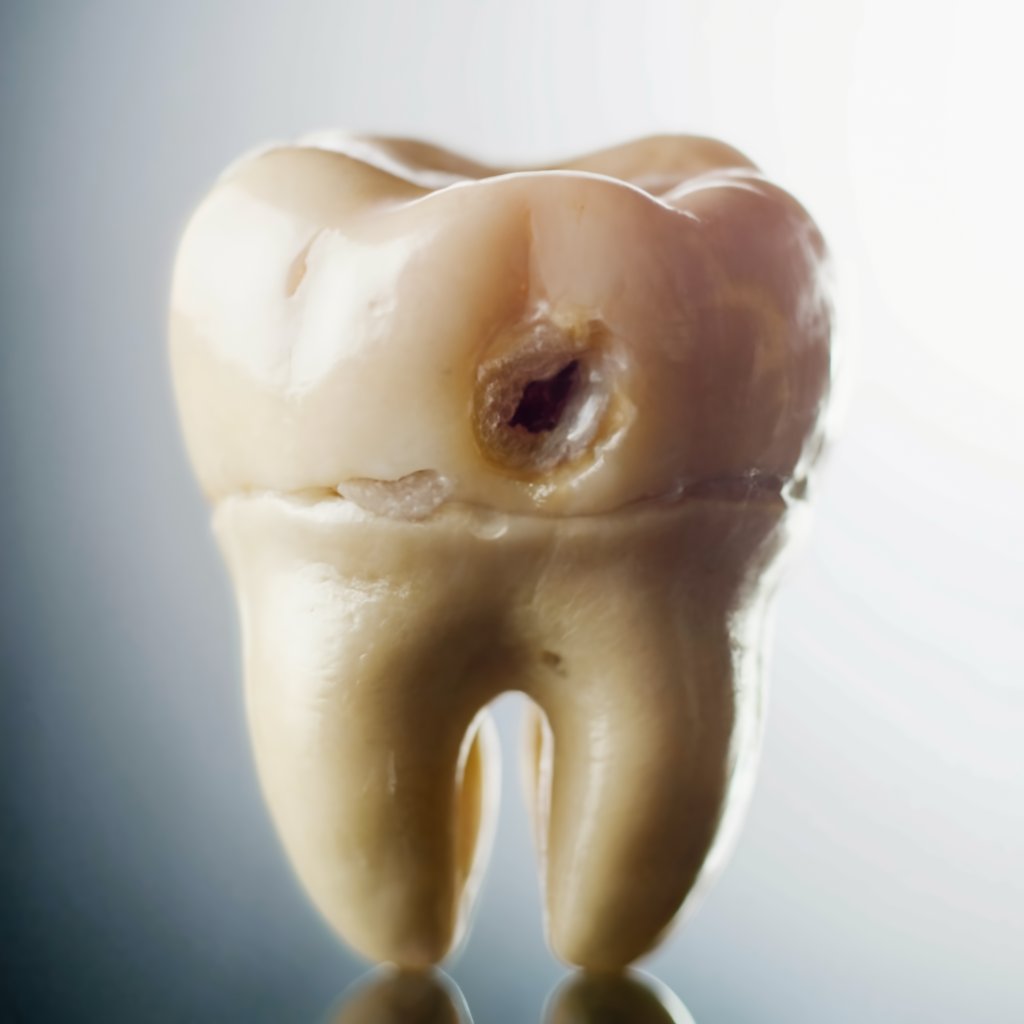
As a dentist, one of the most common concerns I hear from patients is about cavities, also known as tooth decay or caries. Cavities are areas of permanent damage to the hard surface of your teeth, and they can lead to pain, infection, and even tooth loss if left untreated. In this blog post, I’ll explain the causes of cavities and provide practical strategies to help you prevent them.

What Causes Cavities?

Cavities are primarily caused by a combination of factors involving bacteria, sugary and acidic foods, and a lack of proper oral hygiene. Here’s a closer look at the main contributors:

  1. Plaque and Bacteria: Your mouth is home to hundreds of different types of bacteria, some of which are harmless, while others can cause tooth decay. When you consume sugary or starchy foods, the bacteria in your mouth feed on these substances and produce acids as a byproduct. These acids can then attack and weaken the enamel (the hard outer layer of your teeth), creating cavities.
  2. Sugary and Acidic Foods and Drinks: Sugary foods and drinks, such as candies, cookies, sodas, and juices, are prime targets for the bacteria in your mouth. The longer these substances remain on your teeth, the more time the bacteria have to produce acids that can erode your enamel. Additionally, acidic foods and drinks, like citrus fruits, sports drinks, and wine, can also contribute to enamel erosion and increase your risk of cavities.
  3. Poor Oral Hygiene: Failing to brush and floss regularly can allow plaque (a sticky film of bacteria) to accumulate on your teeth. This buildup provides an ideal environment for bacteria to thrive and produce acids that can lead to cavities.
  4. Dry Mouth: Saliva plays a crucial role in neutralizing acids and washing away food particles. When you have a dry mouth (a condition known as xerostomia), you may be at a higher risk of developing cavities because there is less saliva to protect your teeth.

Preventing Cavities: Tips and Strategies

While cavities are common, they are also largely preventable. Here are some effective strategies you can implement to reduce your risk of tooth decay:

  1. Practice Good Oral Hygiene:
  • Brush your teeth twice a day (morning and night) for at least two minutes each time, using a soft-bristled toothbrush and fluoride toothpaste.
  • Floss once a day to remove plaque and food particles from areas your toothbrush can’t reach.
  • Consider using an antimicrobial mouthwash to help reduce bacteria in your mouth.
  1. Watch Your Diet:
  • Limit your intake of sugary and acidic foods and drinks, or consume them in moderation.
  • Drink water after consuming sugary or acidic beverages to help rinse away residual sugars and acids.
  • Avoid snacking frequently throughout the day, as this gives bacteria more opportunities to produce acids.
  1. Use Fluoride Products:
  • Fluoride is a mineral that helps strengthen your enamel and make it more resistant to acid attacks.
  • Use fluoride toothpaste and consider using a fluoride mouthwash or receiving professional fluoride treatments from your dentist.
  1. Maintain Good Saliva Flow:
  • Stay hydrated by drinking plenty of water throughout the day.
  • Chew sugar-free gum or suck on sugar-free candies to stimulate saliva production.
  • If you have a chronic dry mouth condition, consult your dentist about using saliva substitutes or medications to help manage it.
  1. Visit Your Dentist Regularly:
  • Schedule regular dental check-ups and cleanings, typically every six months.
  • Your dentist can detect and treat cavities in their early stages, as well as provide personalized advice on cavity prevention based on your individual risk factors.
  1. Consider Dental Sealants (for Children and Adults):
  • Dental sealants are thin, plastic coatings applied to the chewing surfaces of back teeth to protect them from decay.
  • They create a barrier that prevents food particles and bacteria from getting stuck in the grooves and crevices of the teeth.

By implementing these strategies consistently, you can significantly reduce your risk of developing cavities and maintain a healthy, beautiful smile for years to come.

Remember, cavities are a common problem, but they are also highly preventable with proper oral hygiene, a balanced diet, and regular dental care. If you have any concerns or questions about cavities or your risk factors, don’t hesitate to consult with me or another dental professional.

Posted on

Understanding Dental Fillings: Types and Choosing the Best Option

Understanding Dental Fillings: Types and Choosing the Best Option

As a dentist, one of the most common questions I receive from patients is about dental fillings: what are the different types, and which ones are best? Dental fillings are a crucial part of restorative dentistry, helping to repair and protect teeth that have been damaged by decay, cracks, or fractures. In this post, I’ll provide a comprehensive overview of the different types of dental fillings and help you make an informed decision about which option may be best suited for your needs.

Understanding Dental Fillings: Types and Choosing the Best Option

Types of Dental Fillings:

  1. Amalgam Fillings (Silver Fillings):
    Amalgam fillings have been used in dentistry for over 150 years and are among the most durable and cost-effective options. They are made from a mixture of metals, including silver, tin, copper, and mercury. While they are strong and long-lasting, amalgam fillings are more noticeable due to their silver-gray color and may require the removal of more tooth structure during placement.
  2. Composite Resin Fillings (Tooth-Colored Fillings):
    Composite resin fillings, also known as tooth-colored fillings, are made from a mixture of plastic and glass materials. They are designed to match the natural color of your teeth, making them an attractive cosmetic option. Composite fillings are also more conservative in terms of tooth preparation, as they require less removal of tooth structure compared to amalgam fillings.
  3. Glass Ionomer Cement Fillings:
    Glass ionomer cement fillings are made from a combination of glass and acrylic materials. They are primarily used for small fillings or as a temporary solution. While they are not as durable as other options, glass ionomer fillings have the advantage of releasing fluoride, which can help prevent further tooth decay.
  4. Ceramic Fillings (Inlays and Onlays):
    Ceramic fillings, such as inlays and onlays, are made from porcelain or other ceramic materials. They are designed to match the color of your teeth and are highly durable and resistant to staining. Inlays are used to fill cavities within the cusps (raised areas) of a tooth, while onlays cover a larger area, including one or more cusps.
  5. Gold Fillings:
    Gold fillings, although less common nowadays, are still used in some cases. They are highly durable and can last for many years, but they are also the most expensive option. Gold fillings are primarily used for large fillings or when a significant portion of the tooth needs to be restored.

Choosing the Best Dental Filling:

When it comes to choosing the best dental filling for your needs, there are several factors to consider:

  1. Location of the Filling: The location of the filling in your mouth can influence the type of material used. For example, amalgam fillings are often preferred for posterior (back) teeth due to their strength and durability, while composite resin fillings are more commonly used for visible front teeth for aesthetic reasons.
  2. Extent of Tooth Damage: The size and severity of the cavity or tooth damage will also play a role in determining the most suitable filling material. Larger fillings may require a stronger and more durable material, such as amalgam or ceramic.
  3. Cosmetic Considerations: If the appearance of the filling is a concern, composite resin or ceramic fillings may be the better choice as they can be closely matched to the color of your natural teeth.
  4. Cost: Dental fillings can vary in cost, with amalgam fillings generally being the most affordable option, while ceramic and gold fillings are more expensive.
  5. Longevity: The expected lifespan of the filling is also an important consideration. Amalgam and ceramic fillings tend to have a longer lifespan compared to composite resin fillings, which may need replacement more frequently.

It’s important to discuss your specific needs and preferences with your dentist, who can provide personalized recommendations based on your individual situation. They will consider factors such as the location and size of the cavity, your bite forces, and any cosmetic concerns you may have.

In summary, there are several types of dental fillings available, each with its own advantages and drawbacks. By understanding the different options and consulting with your dentist, you can make an informed decision and choose the filling material that best suits your needs, ensuring a successful and long-lasting restoration.

Posted on

Gum Disease: Recognizing the Signs and Understanding Treatment Options

gum disease

Gum disease, also known as periodontal disease, is a common oral health issue that affects millions of people worldwide. It is a progressive condition that, if left untreated, can lead to tooth loss and other serious complications. Understanding the signs of gum disease and knowing the available treatment options is crucial for maintaining good oral health and preventing further complications.

Signs of Gum Disease

Gum disease often develops gradually, and many people may not even be aware of its early stages. However, it’s essential to recognize the warning signs so that you can seek prompt treatment. Here are some common signs of gum disease:

  1. Bleeding Gums: One of the earliest and most noticeable signs of gum disease is bleeding gums, especially when brushing or flossing. Healthy gums should not bleed.
  2. Swollen or Tender Gums: Inflamed, swollen, or tender gums can be an indication of gum disease. This swelling may be localized or widespread, depending on the severity of the condition.
  3. Receding Gums: As gum disease progresses, the gums may start to pull away from the teeth, exposing more of the tooth surface and creating pockets where bacteria can accumulate.
  4. Persistent Bad Breath: Persistent bad breath (halitosis) can be a symptom of gum disease, as the bacteria that cause gum disease can also produce unpleasant odors.
  5. Loose Teeth: In advanced stages of gum disease, the supporting bone and tissues around the teeth can become severely damaged, leading to loose or shifting teeth.
  6. Pus or Abscess Formation: In some cases, pus or abscesses may form around the affected teeth, indicating a more severe infection.

If you notice any of these signs, it’s essential to schedule an appointment with your dentist as soon as possible for a proper evaluation and treatment.

Treatment Options for Gum Disease

The treatment for gum disease depends on the severity of the condition and may involve a combination of approaches. Here are some common treatment options:

  1. Professional Dental Cleanings: For mild cases of gum disease (gingivitis), a thorough professional cleaning by a dental hygienist or dentist may be sufficient to remove plaque and tartar buildup, allowing the gums to heal.
  2. Scaling and Root Planing: In more advanced cases of gum disease (periodontitis), a deep cleaning procedure called scaling and root planing may be necessary. This involves removing plaque, tartar, and bacteria from the tooth surfaces and root surfaces below the gum line.
  3. Antibiotic Therapy: In some cases, your dentist may prescribe antibiotic medications, either as a topical application or in pill form, to help control the bacterial infection associated with gum disease.
  4. Surgical Treatments: For severe cases of gum disease or when non-surgical treatments are ineffective, surgical interventions may be required. These can include:
  • Pocket Reduction Surgery: This procedure involves folding back the gum tissue to remove bacteria and smoothing the tooth root surfaces, making it easier to keep the area clean.
  • Regenerative Procedures: These techniques aim to regenerate the bone and tissues that have been damaged by gum disease, using grafts or other materials.
  • Gum Graft Surgery: If there is significant gum recession, a gum graft may be performed to cover the exposed tooth roots and protect them from further damage.
  1. Ongoing Maintenance: After the initial treatment, regular follow-up visits and meticulous oral hygiene are crucial to prevent a recurrence of gum disease. Your dentist may recommend more frequent cleanings and check-ups to monitor your progress.

Preventing Gum Disease

While gum disease can be treated, it’s always better to prevent it from occurring in the first place. Here are some tips to help maintain good gum health:

  1. Practice Good Oral Hygiene: Brush your teeth twice a day with a soft-bristled toothbrush and fluoride toothpaste, and floss daily to remove plaque and food particles.
  2. Quit Smoking: Smoking is a significant risk factor for gum disease, as it weakens the immune system and impairs the body’s ability to fight off infections.
  3. Maintain a Healthy Diet: A diet rich in nutrients, such as vitamin C, can help support gum health and the body’s ability to fight infections.
  4. Visit Your Dentist Regularly: Regular dental check-ups and professional cleanings can help detect and prevent gum disease in its early stages.
  5. Manage Existing Medical Conditions: Certain medical conditions, such as diabetes, can increase the risk of gum disease. Work closely with your healthcare providers to manage these conditions effectively.

Gum disease is a serious oral health issue that should not be ignored. By recognizing the signs and seeking prompt treatment, you can prevent further complications and maintain a healthy, beautiful smile for years to come. Remember, prevention is key, and practicing good oral hygiene habits, combined with regular dental visits, is the best way to keep your gums in optimal condition.

Posted on

The Importance of Regular Dental Cleanings

How Often Should You Get Your Teeth Cleaned?

Good oral hygiene is essential for maintaining healthy teeth and gums, but even with diligent brushing and flossing, it’s still essential to visit your dentist regularly for professional cleanings. Regular dental cleanings are crucial for removing plaque and tartar buildup, preventing gum disease, and catching potential dental issues early on. But how often should you get your teeth cleaned? Let’s explore the recommended frequency and the benefits of regular dental cleanings.

The Standard Recommendation: Every 6 Months

The American Dental Association (ADA) and most dentists recommend getting your teeth professionally cleaned every six months. This biannual cleaning schedule is considered the standard for individuals with generally good oral health and no significant dental issues. However, the ideal frequency may vary depending on your specific circumstances and oral health needs.

Why Every 6 Months?

The primary reason for the six-month recommendation is that plaque and tartar can accumulate quickly, even with proper brushing and flossing. Plaque is a sticky film of bacteria that constantly forms on your teeth, and if not removed, it can harden into tartar (calculus). Tartar buildup provides an ideal environment for bacteria to thrive, leading to gum inflammation, gum disease (periodontal disease), and potential tooth decay.

Professional dental cleanings involve the use of specialized tools and techniques to remove plaque, tartar, and stains from areas that are difficult to reach with regular brushing and flossing. This thorough cleaning helps to prevent gum disease, cavities, and other oral health problems.

Factors That May Require More Frequent Cleanings

While the six-month interval is a general guideline, some individuals may need more frequent dental cleanings based on their unique circumstances. Here are a few factors that may warrant more frequent visits:

  1. Periodontal (Gum) Disease: If you have been diagnosed with gum disease, your dentist may recommend cleanings every three to four months to better manage the condition and prevent further progression.
  2. Smoking: Smoking increases the risk of gum disease, staining, and other oral health issues, so smokers may need more frequent cleanings to combat these effects.
  3. Dry Mouth: Individuals with dry mouth (xerostomia) have a reduced flow of saliva, which can lead to an increased buildup of plaque and bacteria. More frequent cleanings may be recommended in these cases.
  4. Diabetes: Poorly controlled diabetes can increase the risk of gum disease and other dental problems, necessitating more frequent cleanings.
  5. Pregnancy: During pregnancy, hormonal changes can make some women more susceptible to gum disease, so additional cleanings may be advised.
  6. Certain Medical Conditions or Medications: Some medical conditions or medications can affect oral health, potentially requiring more frequent dental cleanings.

The Benefits of Regular Dental Cleanings

Regular dental cleanings offer numerous benefits beyond just removing plaque and tartar. Here are some of the key advantages:

  1. Preventing Gum Disease: Gum disease is a leading cause of tooth loss in adults, and regular cleanings can help prevent or manage this condition effectively.
  2. Early Detection of Dental Issues: During your cleaning appointment, your dentist will also perform a comprehensive oral examination, which can help detect any potential issues, such as cavities, tooth decay, or oral cancer, at an early stage when they are easier to treat.
  3. Fresher Breath: Professional cleanings remove bacteria and debris that can cause bad breath (halitosis), leaving your mouth feeling fresh and clean.
  4. Brighter Smile: Regular cleanings can help remove surface stains and discoloration, enhancing the appearance of your teeth and giving you a brighter smile.
  5. Improved Overall Health: Research has shown a link between poor oral health and various systemic diseases, such as heart disease, diabetes, and respiratory issues. Maintaining good oral hygiene through regular cleanings can contribute to better overall health.

Remember, while professional dental cleanings are essential, they should not replace your daily oral hygiene routine. Proper brushing and flossing at home, combined with regular dental visits, are the keys to maintaining a healthy, beautiful smile for years to come.

In conclusion, the standard recommendation for dental cleanings is every six months, but your specific needs may vary based on your individual risk factors and oral health status. By working closely with your dentist and adhering to their recommended cleaning schedule, you can prevent dental issues, maintain good oral health, and enjoy a bright, confident smile for life.