Introduction: Tooth decay, also known as dental caries or cavities, is one of the most common chronic diseases affecting people of all ages worldwide. Despite being largely preventable, tooth decay continues to be a prevalent oral health concern, leading to discomfort, pain, and, if left untreated, tooth loss. In this comprehensive blog post, we will delve into the causes, symptoms, and prevention strategies for tooth decay, empowering you with the knowledge and tools to protect your smile and maintain optimal oral health.
Causes of Tooth Decay: Tooth decay occurs when bacteria in the mouth produce acids that erode the enamel, the protective outer layer of the tooth. Several factors can contribute to the development of tooth decay, including:
Poor Oral Hygiene: Inadequate brushing and flossing allow plaque, a sticky film of bacteria, to accumulate on the teeth, leading to decay.
Sugary and Starchy Foods: Foods and beverages high in sugar and carbohydrates provide fuel for bacteria to produce acids that attack tooth enamel.
Acidic Foods and Drinks: Acidic foods and beverages, such as citrus fruits, soda, and sports drinks, can weaken enamel and increase the risk of decay.
Dry Mouth: Reduced saliva flow due to factors such as medication use or medical conditions can contribute to tooth decay by limiting the mouth’s natural ability to neutralize acids and wash away food particles.
Genetics: Some individuals may be more susceptible to tooth decay due to genetic factors that affect the strength and composition of their tooth enamel.
Symptoms of Tooth Decay: In the early stages, tooth decay may not cause any noticeable symptoms. However, as the condition progresses, you may experience the following signs:
Tooth Sensitivity: Sensitivity to hot, cold, sweet, or sour foods and beverages may indicate tooth decay.
Toothache: Persistent or throbbing pain in a specific tooth or area of the mouth may be a sign of advanced decay or an infected tooth pulp.
Visible Holes or Pits in Teeth: Visible cavities or dark spots on the surface of the teeth are indicative of decay and should be evaluated by a dentist.
Tooth Discoloration: Changes in tooth color, such as white, brown, or black spots, may indicate decay or enamel erosion.
Bad Breath: Persistent bad breath or a foul taste in the mouth may be associated with decay and bacterial buildup in the mouth.
Prevention of Tooth Decay: Preventing tooth decay starts with a commitment to maintaining good oral hygiene habits and making healthy lifestyle choices. Here are some effective strategies for preventing tooth decay:
Brush Twice Daily: Brush your teeth with fluoride toothpaste for at least two minutes each time, paying special attention to all tooth surfaces and along the gumline.
Floss Daily: Clean between your teeth with dental floss or interdental brushes to remove plaque and food debris that your toothbrush cannot reach.
Limit Sugary and Starchy Foods: Minimize consumption of sugary snacks, candies, sodas, and starchy carbohydrates, as these foods promote bacterial growth and acid production in the mouth.
Choose Tooth-Friendly Snacks: Opt for tooth-friendly snacks such as fresh fruits, vegetables, cheese, yogurt, and nuts, which are less likely to contribute to decay.
Drink Water: Drink plenty of water throughout the day to help rinse away food particles and bacteria, and to promote saliva production, which helps protect tooth enamel.
Visit Your Dentist Regularly: Schedule routine dental check-ups and cleanings every six months, or as recommended by your dentist, to detect and treat tooth decay early and to receive personalized oral hygiene guidance.
Consider Dental Sealants: Dental sealants are thin plastic coatings applied to the chewing surfaces of molars and premolars to protect them from decay. Discuss with your dentist whether sealants are appropriate for you or your child.
Use Fluoride: Use fluoride toothpaste and mouthwash, and consider fluoride treatments or varnishes provided by your dentist to strengthen tooth enamel and prevent decay.
Conclusion: Tooth decay is a common oral health condition that can have significant consequences if left untreated. By understanding the causes, symptoms, and prevention strategies for tooth decay, you can take proactive steps to protect your smile and maintain optimal oral health. Remember to prioritize good oral hygiene habits, make healthy dietary choices, and visit your dentist regularly for preventive care and early intervention. With proper care and attention, you can enjoy a lifetime of healthy, cavity-free teeth and a confident smile.
Ethics and Professionalism in Dentistry: An overview of the importance of ethical principles and professional conduct in maintaining the dentist-patient relationship and dental practice standards, including the role of ethics in dentistry, professional conduct and behavior, the ADA Code of Ethics, ethical dilemmas in dentistry and decision making, maintaining patient trust and confidentiality, and the role of education in promoting ethics and professionalism.
Ethics and Professionalism in Dentistry: An Overview
Ethics and professionalism are the bedrock upon which the dentist-patient relationship is built, playing a pivotal role in upholding the highest standards within dental practice. These core principles not only guide dentists in making decisions that honor the dignity, rights, and well-being of their patients but also ensure the integrity of the profession itself. The realm of dentistry is fraught with situations that require careful ethical consideration and decision-making. For instance, when faced with a patient requesting an unnecessary procedure for cosmetic reasons, a dentist must weigh the potential benefits against ethical principles like nonmaleficence and beneficence. This article aims to unpack the essential ethical principles that underpin dental practice, elucidate the complex interplay between ethics and law in the dental profession, and highlight the critical nature of maintaining patient trust and confidentiality. Moreover, it will explore the ethical obligations delineated in the American Dental Association (ADA) Code of Ethics, dissect common ethical dilemmas encountered in dentistry, and underscore the importance of ongoing education in fostering ethical practices and professionalism among dentists. Through this exploration, the article seeks to provide a comprehensive overview of the integral role that ethics and professionalism play in ensuring not only the success of dental practices but also the health and satisfaction of patients.
The Role of Ethics in Dentistry
Ethics in dentistry serves as the cornerstone for establishing trust and integrity within the dentist-patient relationship and the broader dental community. While the legal framework provides a boundary for acceptable conduct, ethical considerations delve deeper into the moral fiber of dental practice, guiding dentists to exceed mere compliance with laws. This distinction highlights that ethical obligations often surpass legal requirements, urging dentists to prioritize moral considerations in their practice. For instance, while it might be legally permissible to withhold certain non-critical information from patients to avoid causing unnecessary worry, ethically, the principle of autonomy mandates that patients should be fully informed to make voluntary decisions regarding their treatment.
The ethical principles that govern dental practice—autonomy, nonmaleficence, beneficence, and justice—serve as a moral compass for dentists. Autonomy respects the patient’s right to self-determination, enabling them to make informed choices about their dental care. Nonmaleficence and beneficence are complementary principles where dentists commit to causing no harm and actively work for the patient’s benefit, respectively. For example, recommending preventative measures that could spare the patient from future discomfort or complications embodies these principles. Justice, the fourth pillar, ensures that dentists treat all patients with fairness and without prejudice, regardless of their background or circumstances. This principle is particularly relevant in decisions regarding the allocation of limited resources or providing care to underserved populations, where ethical considerations help navigate complex dilemmas. These ethical guidelines not only frame the day-to-day decision-making in dental practices but also foster a culture of respect, compassion, and equity in the dental profession.
Professional Conduct and Behavior in Dentistry
In dentistry, professional conduct extends beyond mere compliance with regulations; it is fundamentally about cultivating a trusting and positive relationship between dentists and their patients. This involves a steadfast commitment to delivering care that is not only of high quality but also timely, always taking into consideration the unique needs and values of each patient. The American Dental Association (ADA) has underscored this commitment through its patient-first promise, setting a standard for the level of professionalism and conduct that is expected within the dental community. This promise acts as a guiding principle, ensuring that patients are not only heard but are also active participants in the decision-making process regarding their treatment plans.
The impact of adhering to such high standards of professional conduct is profound, influencing not just the immediate health outcomes but also the long-term dentist-patient rapport. For instance, when dental professionals prioritize the patient’s perspective, it leads to increased satisfaction and trust, which are cornerstone elements of a successful dental practice. This approach is particularly crucial in scenarios where sensitive treatment decisions are required, as it reassures patients that their well-being is the paramount concern. By embodying this ethos, dentists not only uphold the integrity of their profession but also contribute to a healthcare environment where patients feel genuinely cared for and valued.
The ADA Code of Ethics
The ADA Code of Ethics serves as a cornerstone for professional behavior and ethical conduct within the dental community, establishing a formal declaration of the duties and responsibilities that dentists owe to their patients, the public, and each other. This comprehensive document is the culmination of extensive discussions and revisions, intended to evolve alongside societal changes and emerging ethical challenges within the field of dentistry. It underscores the belief that the ethical responsibilities of dentists extend well beyond legal mandates, emphasizing the importance of moral judgment and integrity in every decision and action taken by dental professionals. Through its guidelines, the ADA Code encourages dentists to weigh ethical principles alongside the needs of their patients and the applicable laws when faced with situations not explicitly detailed within the code itself.
Moreover, the ADA Code of Ethics acts as a navigational tool for dentists, aiding them in the resolution of ethical dilemmas that they may encounter in their practice. For instance, the code addresses the issue of patient confidentiality, a fundamental aspect of the dentist-patient relationship, by setting forth clear expectations for safeguarding patient information, thus fostering trust and ensuring privacy. This principle, among others outlined in the code, illustrates how the ADA seeks to instill a uniform standard of ethical behavior and professionalism across the dental profession. By adhering to these guidelines, dentists not only uphold the integrity of their profession but also enhance the quality of care provided to their patients, thereby reinforcing the trust and respect that form the foundation of their practice.
Ethical Dilemmas in Dentistry and Decision-Making
In the field of dentistry, practitioners regularly confront ethical dilemmas that test their commitment to moral principles and professional integrity. Such dilemmas may involve complex situations where the dentist must balance respect for patient autonomy with the imperative to do no harm (nonmaleficence) and to promote the patient’s welfare (beneficence). Additionally, ensuring fairness and justice in the treatment of patients adds another layer of ethical consideration. For example, a dentist might face a situation where a patient refuses a necessary procedure due to fear or financial constraints. In this scenario, the dentist must navigate the patient’s autonomy in decision-making while advocating for the best possible outcome for the patient’s health.
The resolution of these ethical dilemmas requires a structured approach to decision-making that incorporates the core ethical principles of dentistry. This involves not only a thorough evaluation of the clinical facts but also a careful consideration of the patient’s values and preferences. By engaging in open and honest communication, dentists can better understand their patients’ perspectives, thereby facilitating shared decision-making that respects patient autonomy while striving to achieve beneficence and justice. Case studies serve as invaluable tools in this process by illustrating how dentists can apply ethical principles to resolve real-life dilemmas. For instance, a case study might explore how a dentist dealt with a situation where a patient requested an unnecessary cosmetic procedure that posed potential risks. Through such examples, dental professionals can gain insights into effective strategies for ethical decision-making that align with the profession’s commitment to patient welfare and equity.
Maintaining Patient Trust and Confidentiality
Trust and confidentiality form the cornerstone of the dentist-patient relationship, ensuring a foundation of mutual respect and understanding. Dentists are entrusted not only with the personal health information of their patients but also with their emotional well-being, as dental treatments can often be a source of anxiety. This dual responsibility necessitates a careful balance between being a healthcare provider and a confidant. For instance, involving patients in their treatment decisions not only respects their autonomy but also reinforces their trust in the dentist’s professional judgment. Such participatory decision-making processes highlight the dentist’s commitment to prioritizing patient needs and values, thereby fostering a stronger, more trusting relationship.
Furthermore, maintaining patient confidentiality is not just a matter of ethical practice but also a legal requirement in many jurisdictions. A breach of this confidentiality, whether intentional or accidental, can lead to severe consequences for both the patient and the dentist. It can result in loss of patient trust, damage to the dentist’s reputation, and potentially legal repercussions. For example, an inadvertent discussion of a patient’s treatment details without their consent, even if well-intentioned, could undermine the patient’s trust and confidence in the dental practice. Thus, dentists must employ stringent measures to safeguard patient information, such as secure record-keeping systems and staff training on privacy policies. By demonstrating a steadfast commitment to confidentiality, dentists not only adhere to professional and legal standards but also reinforce the trust patients place in their care.
The Role of Education in Promoting Ethics and Professionalism
Education plays a pivotal role in instilling and enhancing ethical and professional standards within the dental community. The American College of Dentists, recognizing the complexity and the dynamic nature of ethical dilemmas in dental practice, offers specialized courses aimed at strengthening the ethical decision-making capabilities of dental professionals. These courses delve into an array of ethical concerns, including but not limited to, patient confidentiality, the rights of patients, advertising, and equitable access to dental care. Through a comprehensive curriculum, these educational programs aim not only to impart knowledge but also to stimulate critical thinking and ethical reasoning among dentists, enabling them to make informed decisions that align with professional ethics and the well-being of their patients.
Moreover, the core values promoted by the American College of Dentists, such as autonomy, beneficence, compassion, competence, integrity, justice, professionalism, tolerance, and veracity, serve as the foundation for these educational endeavors. By emphasizing these values, the College underscores the significance of ethics in the dental profession, not just as theoretical concepts, but as practical guides that shape the decision-making process and professional behavior of dentists. For example, the principle of autonomy supports the importance of respecting patients’ rights to make informed decisions about their own healthcare, a critical aspect of ethical dental practice. Through such targeted education, dentists are better equipped to navigate the ethical challenges they face, ensuring that their practice not only meets the highest standards of care but also upholds the dignity and rights of their patients.
Conclusion
Ethics and professionalism serve as the cornerstone for not only preserving the sanctity of the dentist-patient relationship but also for steering the dental profession towards greater heights of credibility and trust. The intricate balance between maintaining high ethical standards and demonstrating unwavering professionalism underpins the success of dental practices and ensures the well-being of patients. Dentists are thus encouraged to engage in continual professional development and to rigorously apply the ethical principles and professional standards that are at the heart of their practice. This commitment is vital for navigating the multifaceted challenges that arise in modern dental care, ensuring that patient trust is never compromised and that the profession continues to evolve in a manner that is both ethical and beneficial to society.
Moreover, the integration of ethics and professionalism into the fabric of dental practice not only enhances the quality of care provided to patients but also fosters a culture of respect, integrity, and compassion within the dental community. By prioritizing these values, dentists affirm their dedication to their patient’s health and well-being and contribute significantly to the advancement and reputation of the dental profession as a whole. In doing so, they set a standard for excellence that inspires trust among patients and respect among peers, thereby elevating the profession to new levels of ethical practice and professional conduct.
Develop essential leadership and management skills necessary for running a successful dental practice, including effective communication, financial management, team building, time management, and continuous learning.
Overview of Leadership and Management Skills in Dentistry
The success of a dental practice doesn’t solely depend on the dentists’ clinical expertise, but also on their ability to effectively lead and manage their team. Effective leadership and management skills are crucial in running a successful dental practice, and these skills can be developed through consistent practice and following certain steps. For instance, creating momentum by getting staff buy-in and sharing the reason for changes can help in propelling the dental practice forward. Being the example by leading by example and modeling the appropriate behavior can instill a sense of responsibility and professionalism among the team members.
In addition, celebrating wins, providing constructive criticism, and investing in the team by providing training and the skills needed for success can boost the morale and encourage growth among the team members. A dentist’s ability to inspire and motivate the team by establishing open lines of communication and creating a candid office culture can significantly impact the productivity of the dental practice. Furthermore, a commitment to continuous learning and seeking industry experts for advice can help dentists develop and refine their leadership skills, thereby equipping them for guiding their team to success.
Importance of Effective Communication and Interpersonal Skills
Effective communication and interpersonal skills are another vital aspect of successful dental practice management. The ability to communicate effectively with patients, staff, and other stakeholders can significantly impact patient satisfaction and service quality. For instance, a dental practice manager who can effectively communicate treatment plans and procedures to patients can help in alleviating any fears or anxiety they might be having, thereby improving patient satisfaction.
Interpersonal skills, on the other hand, are crucial for building meaningful work relationships and maintaining relationships with patients. A dental practice manager with excellent interpersonal skills can interact and work with others both in-person and over the phone, creating a conducive working environment and strengthening the bonds between team members. Strong interpersonal communication also enables dental practice managers to establish a strong bond with their team and strengthen the company culture. This, in turn, can lead to improved service delivery, leading to increased patient satisfaction and a successful dental practice.
Overview of Leadership and Management Skills in Dentistry
The heart of a successful dental practice beats to the rhythm of effective leadership and robust management skills. These are not just desirable traits, but essential components that drive the success and growth of the practice. A dentist, as the leader, needs to foster an environment of continuous learning, open communication, and shared vision to ensure the overall success of the practice.
Dentists, often seen primarily as healthcare providers, are also leaders and managers within their practices. Their leadership skills can certainly be developed and honed, much like their clinical skills, through practice and following tried and tested steps. These steps might include garnering staff buy-in through transparent communication, setting the right example through ethical and professional behavior, and fostering growth by providing constructive criticism when necessary. By doing so, dentists can effectively guide their team towards achieving common goals and establishing a thriving dental practice.
Importance of Effective Communication and Interpersonal Skills
Effective communication is a cornerstone skill in managing and running a successful dental practice. It is a skill that influences various aspects of a dental practice, from patient satisfaction to service quality. Regular, open, and transparent communication with the team can foster trust and cultivate a positive work environment. For instance, sharing practice numbers transparently with the team can create a strong commitment from staff members, thereby increasing overall practice production and decreasing stress.
Interpersonal skills, which are closely tied to effective communication, are equally important in running a dental practice. These skills enable dental practice managers to build meaningful work relationships with both the team and patients. Strong interpersonal communication allows dental practice managers to interact and work with others both in person and over the phone, creating a sense of camaraderie and mutual respect. Good interpersonal skills also play a vital role in maintaining a healthy relationship with patients, which directly contributes to patient retention and satisfaction. Ultimately, these two skill sets, when used effectively, can significantly contribute to the success and growth of a dental practice. [3]
Financial Management and Budgeting in Dental Practice
Understanding financial management and budgeting is an essential part of running a successful dental practice. It’s more than just a matter of balancing the books or keeping track of income and expenses. It’s about strategic planning, informed decision-making, and ensuring the long-term stability and growth of the practice.
A well-structured budget is a powerful tool in this process. It provides a roadmap for resource allocation, guiding where and when to invest in equipment, personnel, and marketing efforts. A budget also helps in setting and tracking financial goals, managing cash flow, and preparing for unforeseen expenses, thereby reducing financial risks. It’s through this careful fiscal planning and management that a dental practice can thrive and grow, even in a challenging economic environment.
Moreover, financial management involves analyzing financial reports and performance indicators, which can offer valuable insights into the profitability of different services and operations within the practice. This analysis can help identify areas of improvement and growth potential, supporting informed decision-making and strategic planning. In essence, effective financial management and budgeting contribute significantly to the successful operation of a dental practice, ensuring it remains profitable and sustainable in the long run.
Strategies for Team Building and Motivation
In the realm of dental practice, a cohesive and motivated team is a cornerstone for success. An effective leader understands the importance of creating staff buy-in, which involves getting the team to understand and commit to the vision and goals of the dental practice. This can be accomplished through transparent communication about any changes, their reasons, and the expected outcomes. It’s about creating a momentum where every team member feels like a valuable part of the practice and is motivated to contribute their best.
In addition to creating buy-in, leaders should also focus on celebrating wins. This can be as simple as acknowledging a team member’s contribution or as elaborate as organizing a small event to celebrate a significant milestone. Celebrating wins not only boosts morale but also reinforces the behaviors that lead to success. It’s a way of showing appreciation and fostering a positive work environment.
Furthermore, providing constructive criticism is another vital aspect of team building and motivation. Constructive feedback helps team members identify their areas of improvement and guides them towards better performance. It’s crucial to deliver this feedback in a supportive manner that encourages growth without damaging morale.
Investing in the team by providing them with the necessary training and skills for success is another effective strategy. By focusing on professional development, leaders not only enhance the team’s capabilities but also demonstrate their commitment to the team’s growth. This in turn motivates the team members, as they feel valued and see opportunities for their personal growth within the practice.
In conclusion, effective team building and motivation strategies are not an optional luxury but a necessity in running a successful dental practice. Dental practices led by individuals who understand and implement these strategies are more likely to have engaged, productive, and satisfied teams, which ultimately contribute to the overall success of the practice.
Developing Essential Dental Practice Management Skills
In the dynamic world of dentistry, the continuous enhancement of skills isn’t just a bonus but a necessity for dental practice managers who aspire for career growth. This need for skill development is not confined to the realm of dentistry and general health care but extends to a variety of other areas that are instrumental in running a successful dental practice.
One of the key areas that dental practice managers need to focus on is the development of technical skills. These skills are essential as they enable managers to effectively communicate with dental professionals. They also provide the proficiency necessary to operate different instruments, making managers more versatile and capable in their roles. Moreover, technical skills help in bridging the gap between the management and the technical teams, fostering better understanding and cooperation.
On the other hand, conceptual skills play a crucial role in problem-solving and innovation. These skills allow managers to understand the bigger picture, identify challenges, and come up with innovative solutions. This strategic thinking capability is essential in navigating the complexities of running a dental practice.
Moreover, marketing skills are invaluable in the competitive world of dentistry. With an effective marketing strategy, a dental practice can attract new patients and retain existing ones. Thus, having a good grasp of marketing concepts and strategies is a significant asset for dental practice managers.
Additionally, decision-making, diagnostic, and analytical skills are vital. Effective decision-making can lead to better outcomes and improved patient satisfaction. Diagnostic and analytical skills, on the other hand, are important for assessing problems and presenting solutions in a dental practice. These skills can help in the early detection of issues, timely intervention, and the prevention of problems from escalating.
Developing these skills doesn’t just contribute to individual career growth but also to the overall success of the dental practice. As dental practice managers grow and improve, they establish a strong bond with their team, thereby strengthening the practice’s culture. This commitment to continuous learning and skill enhancement is a testament to the manager’s dedication not just to personal growth but also to the success of the dental practice.
Importance of Time Management and Organization
Time management and organization are fundamental pillars in running an efficient and successful dental practice. The ability to manage time effectively is not only beneficial to the dentists and their staff, but it also impacts the overall patient experience. Successful time management involves prioritizing tasks, planning work schedules, and making the best use of available time. This skill allows dental professionals to handle multiple responsibilities, from patient consultations to administrative duties, without feeling overwhelmed. Consequently, an efficient time management strategy can significantly reduce stress levels in the workplace, improve productivity, and enhance the quality of care provided to patients.
On the other hand, organization is another essential aspect that goes hand in hand with time management. An organized dental practice is one that has streamlined workflows, systematic patient records management, and clear communication channels. This level of organization allows for smooth operations, minimizes errors, and contributes to a professional and reassuring environment for patients. With a well-structured system in place, dental practitioners can focus more on delivering quality dental care and less on administrative concerns. Furthermore, a well-organized practice also fosters effective teamwork and collaboration, as everyone knows their roles, responsibilities, and how they contribute to the overall success of the practice.
In essence, both time management and organization are significant factors that can lead to the overall efficiency of a dental practice, and by extension, the career growth of dental practice managers. As these skills are honed and implemented, dental practices can expect to see improvements in their operations, patient satisfaction rates, and ultimately, their success.
Continuous Learning and Professional Development for Dental Professionals
In the ever-evolving field of dentistry, it is crucial for dental professionals to be lifelong learners and to continuously seek professional development opportunities. This not only keeps practitioners at the forefront of dental technological and procedural advancements but also allows them to refine their leadership skills over time. Dental professionals who are committed to continuous learning often display a heightened ability to adapt to changes, implement innovative solutions, and lead their teams effectively.
The process of professional development often involves seeking guidance and insights from industry experts. These experts, with their extensive experience and specialized knowledge, can provide valuable perspectives and practical advice that can significantly enhance a dentist’s leadership capabilities. Moreover, they can help dental professionals learn and adapt best practices that have been proven successful in managing and leading dental practices. By investing time and effort in continuous learning and development, dental professionals can ensure a successful and thriving practice, as well as personal career growth.
It’s worth noting that this commitment to learning should not be limited to dental and leadership skills. Aspiring for excellence in areas such as communication, financial management, and team building can also contribute to the overall success of a dental practice. In essence, the pursuit of knowledge and improvement is a journey that never ends but continues to reward those who embark on it, with professional success and personal satisfaction.
Impact of Leadership Principles on Dental Practice Culture
Leadership principles hold a significant influence over the culture within a dental practice. A strong foundation of dental leadership principles can instill a positive office environment, creating an atmosphere conducive to both professional growth and exceptional patient care. Among the top ten dental leadership principles are aligning leadership with a vision and mission, empowering the team, fostering trust, managing emotions, prioritizing top quality work, encouraging collaboration, promoting excellent communication, creating opportunities for ongoing training, and leading by example.
These principles, when effectively implemented, not only inspire the team but also cultivate a culture of care, collaboration, and continuous learning. For example, by aligning leadership with a practice’s vision and mission, dental leaders can guide their teams towards a unified goal, fostering a sense of purpose and direction. Similarly, by promoting excellent communication and creating opportunities for ongoing training, dental leaders can ensure that their teams are well-equipped to handle various situations and challenges, thus promoting a culture of lifelong learning.
Moreover, these leadership principles can also impact the way everyone, not just the senior members, works in the practice. They can become an integral part of daily operations, creating an environment where everyone feels valued and empowered. This can in turn improve staff morale, job satisfaction, and productivity, ultimately leading to better patient care and a successful dental practice.
Conclusion
Running a successful dental practice goes beyond the technical expertise in dentistry. It necessitates a broad range of leadership and management skills that, when effectively applied, can significantly enhance the quality of service and overall success of the practice. Effective communication is one of these critical skills, as it fosters a better understanding between the dental professionals and their patients, leading to improved patient satisfaction and service quality.
Financial management is another essential skill, as it contributes to the overall financial health and sustainability of the practice. Efficient budgeting enables the practice to allocate resources appropriately, minimizing wastage and optimizing profits. Team building is also a vital component of dental practice management. By creating staff buy-in and celebrating wins, dental professionals can foster a positive work environment, which in turn boosts staff morale and productivity.
Moreover, the need for continuous learning and professional development cannot be overemphasized. Being lifelong learners enables dental professionals to stay abreast of industry advancements and refine their leadership skills. It also places them in a better position to offer top-notch services to their patients.
In addition, adhering to established dental leadership principles fosters a conducive working environment and a positive practice culture. These principles, such as leading by example and prioritizing top-quality work, can significantly improve practice operations and patient satisfaction.
In essence, the success of a dental practice is heavily reliant on the leadership and management skills of its professionals. Therefore, constant refinement and application of these skills are critical for any dental practice aiming for success. As we have seen, these skills impact various aspects of the practice, from patient satisfaction and service quality to financial management and team morale. Thus, for a dental practice to thrive, these skills must be at the forefront of its operations. It is through the effective application of these skills that a dental practice can achieve its full potential. [1][2][3]
Welcome to the golden age of dental technology! Gone are the days when a visit to the dentist was synonymous with discomfort and the dreaded sound of the drill. Today, cutting-edge advancements are transforming dental visits into experiences that are not only less intimidating but often downright fascinating. Let’s dive into how the latest technologies in dentistry, such as digital X-rays, laser treatments, and CAD/CAM dentistry, are revolutionizing patient care, making treatments faster, more efficient, and, most importantly, more comfortable.
Digital X-rays: A Clearer View into Your Oral Health
Remember the old X-ray process? The cumbersome bite down on film, the waiting time, and the uncertainty? Digital X-rays have changed the game entirely. This technology allows dentists to get a clearer, more detailed view of your teeth and underlying bone structure instantly. The images can be zoomed in and enhanced to diagnose issues more accurately than ever before. Plus, digital X-rays expose patients to significantly less radiation, making them a safer option all around. It’s like comparing a vintage tube TV to the latest 4K ultra-high-definition screen—the details are just that much clearer.
Laser Treatments: The High-Tech Way to a Healthier Smile
Lasers might sound like something out of a sci-fi movie, but they’re a reality in modern dental offices. Laser treatments can be used for a variety of procedures, from removing decay and preparing the surrounding enamel for fillings, to non-surgical treatment of gum disease, and even whitening teeth more efficiently. The beauty of laser dentistry? It’s often painless, reducing the need for anesthesia. It also minimizes bleeding and swelling for procedures involving soft tissues, and it can be more precise than traditional methods. Imagine getting gum treatment without the need for stitches or significantly reducing the discomfort of a root canal—lasers make it possible.
CAD/CAM Dentistry: Custom Crowns and Veneers in a Snap
CAD/CAM dentistry is like the 3D printing revolution of the dental world. CAD (Computer-Aided Design) and CAM (Computer-Aided Manufacturing) technology enables dentists to design and create dental restorations, like crowns and veneers, right in the office during a single visit. Gone are the days of biting into gooey impression material and wearing a temporary crown for weeks. Now, a digital scanner captures a detailed 3D image of your tooth, and within minutes, a custom-fitted, durable restoration is milled right there in the clinic. It’s faster, incredibly precise, and eliminates the need for multiple appointments—saving you time and ensuring a perfect fit.
The Human Touch in a High-Tech World
While these technological advancements are exciting, what truly makes modern dentistry remarkable is how they enhance the human aspect of dental care. Dentists can now spend more time communicating with patients, understanding their needs, and providing personalized care. Technology has not replaced the human touch; it has empowered it, allowing dental professionals to offer treatments that are not just effective but also empathetic.
Embracing the Future of Dentistry
The evolution of dental technology is not just about the cool gadgets and the wow factor. It’s about improving the quality of patient care, making treatments more accessible, and reducing the anxiety associated with dental visits. These advancements represent a leap forward in our ability to maintain oral health, restore smiles, and prevent future problems with unprecedented precision and comfort.
So, the next time you visit your dentist, you’re not just stepping into an office; you’re stepping into the future of dental care. A future where discomfort is minimized, results are maximized, and the health of your smile is in the best hands—both human and robotic. With these technological advancements, the future of dentistry is bright, and it’s tailored to make your experience better, safer, and more enjoyable. Welcome to the new era of dental care, where technology and compassion meet to create the ultimate patient experience.
As your family dentist, I understand the anxiety and fear that can accompany a dental emergency. Whether it’s a knocked-out tooth, a broken tooth, or a sudden, severe toothache, knowing what steps to take can not only alleviate your stress but can also significantly affect the outcome of your dental emergency. In this blog post, I’ll guide you through the appropriate actions to take in these situations and how to secure immediate care, ensuring you’re prepared for these unexpected events.
Knocked-Out Tooth
A knocked-out tooth is one of the most urgent dental emergencies. The key to saving your tooth is speed and proper handling.
Pick up the tooth by the crown (the part that is visible in the mouth), not by the root. Handling the tooth by the root can damage cells necessary for bone reattachment.
Gently rinse the tooth with water to remove dirt. Do not scrub it or remove any attached tissue fragments.
Try to reinsert the tooth into the socket. If possible, gently push it back with your fingers, holding it by the crown, or position it above the socket and close your mouth slowly. If reinsertion isn’t possible, keep the tooth moist by placing it in a container of milk or a saline solution. You can also use emergency tooth preservation kits available in pharmacies.
Visit a dentist immediately. Time is critical in saving a knocked-out tooth. Ideally, you should see a dentist within 30 minutes of the injury.
Broken Tooth
A broken or chipped tooth, while less dramatic than a knocked-out tooth, still requires prompt attention from a dentist to prevent further damage or infection.
Rinse your mouth with warm water to clean the area and remove any debris.
Apply a cold compress to your face near the broken tooth. This helps reduce swelling and alleviate pain.
Collect any pieces of the broken tooth you can find and bring them with you to the dentist.
Visit your dentist as soon as possible. Your dentist will evaluate the extent of the damage and determine the best course of action, which may include smoothing the chip out, applying a filling, or, for more severe breaks, placing a crown.
Sudden Severe Toothache
A sudden toothache can be debilitating and is often a sign of underlying issues that require immediate attention. Here’s how to manage the pain before you can see a dentist:
Rinse your mouth with warm water to clean it out. Gently use dental floss to remove any food caught between your teeth.
Avoid applying aspirin directly to the aching tooth or gum tissue, as this can burn the gum tissue.
Take over-the-counter pain relief if necessary, but be aware that pain relief is only temporary and not a solution to the problem.
Apply a cold compress to the outside of your mouth to alleviate pain and swelling.
See your dentist as soon as possible. A severe toothache requires urgent professional evaluation to determine the root cause and appropriate treatment, which could range from a cavity filling to root canal therapy.
How to Get Immediate Care
In the event of a dental emergency, it’s crucial to contact your dentist immediately. Most dental offices offer emergency contact numbers for after-hours situations. If you’re unable to reach your dentist or if you don’t have one, visiting an emergency room may be necessary, especially if you’re experiencing severe pain, bleeding, or swelling.
Preventing Dental Emergencies
While not all dental emergencies can be prevented, you can minimize your risk by:
Wearing a mouthguard during sports and recreational activities.
Avoiding chewing ice, hard candies, and other hard foods that can crack your teeth.
Using scissors, not your teeth, to cut things.
Maintaining regular dental check-ups and cleanings.
Conclusion
Dental emergencies can be stressful, but knowing how to respond can make a significant difference in the outcome. Remember, quick action and immediate care are your best allies in preserving your dental health in emergencies. Always keep your dentist’s contact information handy, and don’t hesitate to seek immediate help when faced with a dental emergency. Your smile and well-being are too important to wait.
This article explores the significance of personal branding for young dentists and provides tips on utilizing social media platforms to build a strong online presence, engage with patients and followers, showcase expertise and services, leverage content and collaborations, and monitor and optimize social media efforts.
Engaging with Patients and Followers
Engaging with patients and followers on social media is a crucial aspect of building a strong personal brand as a young dentist. By networking with other professionals in the dental industry, young dentists can create valuable collaborations that not only enhance their credibility but also expand their reach to a broader audience. For instance, collaborating with dental hygienists to create informative posts about oral health can showcase a young dentist’s commitment to comprehensive patient care and education, fostering trust among followers.
Moreover, establishing a robust online presence through a well-designed website is essential for attracting new patients and increasing treatment acceptance. By regularly updating the website with engaging content, such as blog posts on dental innovations or patient success stories, young dentists can demonstrate their expertise and commitment to patient satisfaction. This not only helps in showcasing the range of services offered but also provides a platform for patients to learn more about the dentist’s approach and values, ultimately strengthening the personal brand. Additionally, promptly responding to patient inquiries and feedback on social media platforms is crucial for maintaining a positive brand image and fostering a sense of trust and reliability among the audience. By engaging with patients in a professional and empathetic manner, young dentists can showcase their dedication to patient care and build lasting relationships with their followers.
Introduction: Significance of Personal Branding for Young Dentists
In today’s competitive market, personal branding has become increasingly important for young dentists striving to stand out and make a lasting impression. By creating a distinct brand identity, these young professionals can not only differentiate themselves from competitors but also resonate with patients on a deeper level, building trust and credibility. For instance, a young dentist specializing in pediatric dentistry can leverage their passion for working with children to showcase a warm and friendly brand image, appealing to parents seeking a comforting dental experience for their kids.
Furthermore, the significance of personal branding extends beyond just attracting patients; it also plays a vital role in establishing a strong online presence for young dentists. Through strategic branding efforts on social media platforms and professional networking sites, these individuals can showcase their expertise, share valuable insights, and engage with a broader audience beyond their immediate community. By consistently portraying themselves as knowledgeable and approachable professionals in the dental field, young dentists can cultivate a loyal following of patients who not only trust their skills but also feel connected to them on a personal level.
Building a Strong Online Presence
When young dentists incorporate eBooks into their marketing strategy, they open up a world of opportunities to connect with their audience on a deeper level. For instance, by creating personalized eBooks that offer insights into various dental procedures, oral health tips, or even patient testimonials, dentists can showcase their expertise and educate their followers. This not only helps in building credibility but also strengthens the trust that patients have in their dentists. Moreover, eBooks serve as lead magnets, attracting potential clients to the dental practice and setting the foundation for a long-term relationship.
Furthermore, the cost-effectiveness of eBooks as a marketing tool is particularly beneficial for young dentists starting their careers. Instead of investing heavily in traditional advertising methods, creating eBooks offers a more affordable yet impactful way to reach a broad audience. This cost-effective approach allows young dentists to allocate their resources wisely, focusing on establishing a solid online presence that resonates with their target market. As a result, the use of eBooks not only enhances brand credibility but also sets young dentists apart in a competitive market, positioning them as go-to professionals in the dental industry.
Utilizing Various Social Media Platforms
In the realm of social media, young dentists have a plethora of opportunities to strengthen their personal brand. One effective method is by leveraging user-generated content, where patients share their positive experiences and testimonials about the dental services received. By showcasing real-life stories and feedback, these dentists can establish credibility and authenticity, which are crucial in gaining the trust of potential patients in a competitive market.
Moreover, a strategic approach involves growing an email list through targeted promotions and advertisements. By offering valuable incentives such as informative newsletters or exclusive discounts, young dentists can not only expand their reach to a broader audience but also establish direct communication channels with potential patients. This personalized interaction can foster a sense of connection and trust, ultimately enhancing the dentist’s personal brand in the eyes of the public.
Additionally, young dentists can elevate their online presence by engaging followers with educational content that showcases their expertise in the dental field. By sharing insights, tips, and updates on oral health, these professionals can position themselves as thought leaders and go-to sources for dental-related information. This proactive engagement not only demonstrates their knowledge and passion for dentistry but also sets them apart as trustworthy and reliable practitioners in the digital landscape.
Engaging with Patients and Followers
Networking with other professionals in the dental industry is a strategic way for young dentists to broaden their horizons and form collaborations that can significantly enhance their personal brand. For instance, collaborating with dental specialists on educational webinars or community events not only showcases expertise but also creates a network of trust among peers and patients alike. These collaborations can lead to increased referrals, exposure, and a positive reputation within the dental community.
In addition to networking, having a robust online presence through a well-crafted website is paramount for young dentists aiming to establish credibility and attract a wider patient base. By incorporating patient testimonials, educational content, and interactive features on their website, young dentists can engage visitors and instill confidence in their services. Furthermore, promptly addressing patient inquiries and feedback on social media platforms demonstrates attentiveness and care, reinforcing the positive brand image and fostering patient loyalty. This proactive approach to engagement not only builds trust but also sets the stage for meaningful patient relationships that can translate into long-term practice success.
Showcasing Expertise and Services
Showcasing expertise and services as a young dentist on social media goes beyond just promotional content; it involves offering valuable resources and educational material that position you as an authority in the field. For instance, creating personalized eBooks can be an effective way to share in-depth knowledge about specific dental procedures, oral health tips, or even insights into advanced dental technologies. By providing such resources, young dentists not only demonstrate their expertise but also educate their audience, establishing trust and credibility.
Moreover, video marketing has become a powerful tool for young dentists to visually showcase their services and expertise. Through videos that feature dental procedures, patient testimonials, or even behind-the-scenes glimpses of the practice, dentists can engage with their audience on a more personal level. For example, sharing a video highlighting the steps of a dental implant procedure or a patient sharing their positive experience can help build trust and familiarity with potential patients. Visual content like this not only educates and informs but also humanizes the dental practice, making it more relatable to the audience. Additionally, creating evergreen content, such as tips for maintaining oral hygiene or facts about common dental issues, ensures a steady stream of valuable information for followers, reinforcing the young dentist’s commitment to promoting good oral health practices.
Leveraging Content and Collaborations
When it comes to enhancing engagement and attracting a broader audience, young dentists can leverage content marketing strategies such as running engaging giveaways and contests on social media platforms. For instance, organizing a contest where followers share their oral health tips or hosting a giveaway for a free dental check-up can not only boost interaction but also create a buzz around the dentist’s brand. By actively involving the audience in such activities, dentists can foster a sense of community and loyalty among their followers, ultimately strengthening their online presence and visibility.
Moreover, collaborating with influencers within the dental industry can significantly benefit young dentists looking to expand their reach and credibility. Partnering with well-known dental professionals or oral health advocates can help dentists tap into new demographics and gain the trust of potential patients. For example, a collaboration with a dental hygienist who endorses the dentist’s services can lend authenticity to the brand and attract followers who value the hygienist’s recommendations. By strategically choosing the right influencers to collaborate with, young dentists can amplify their brand’s message and establish themselves as authoritative figures in the field, ultimately setting themselves apart in the competitive market.
Monitoring and Optimizing Social Media Efforts
Monitoring and optimizing social media efforts are pivotal steps for young dentists looking to enhance their personal brand and attract a wider audience. By delving into key metrics such as the number of followers, post reach, and engagement levels, dentists can gain valuable insights into the impact of their branding strategies. For instance, tracking the growth in followers over time can indicate the effectiveness of content and engagement with the audience, guiding dentists on the type of posts that resonate best with their followers.
Moreover, optimizing social media content based on performance data is a proactive approach that allows young dentists to tailor their messaging to meet the preferences of their online community. For example, analyzing engagement metrics like the number of likes, comments, and shares can help dentists understand which content generates the most interaction, enabling them to create more of such compelling posts. By aligning their branding efforts with specific business objectives and setting SMART targets, young dentists can ensure that their social media strategies are not only purposeful but also measurable, leading to a more focused and successful personal branding journey.
Conclusion: The Future of Personal Branding in Dentistry
Personal branding through social media is an ever-evolving and essential aspect of marketing for young dentists entering the field. By staying informed about the latest trends and technologies in social media marketing, young dentists can position themselves competitively and remain relevant in the digital landscape, ultimately driving success in their dental practice.
With the increasing reliance on technology and online presence, young dentists must adapt to the changing landscape of marketing strategies. For instance, utilizing virtual consultations and showcasing these interactions on social media can highlight the personalized care approach of a dental practice, attracting tech-savvy patients seeking convenience and quality service. Moreover, collaborating with influencers in the dental industry, such as renowned dental surgeons or oral health advocates, can not only expand the reach of a young dentist’s brand but also enhance credibility and trust among followers. These collaborations can lead to increased patient referrals and a broader network within the dental community, establishing a strong foundation for long-term success in the field.
As the digital environment continues to evolve, young dentists need to embrace innovative ways to engage with their audience effectively. For example, incorporating interactive elements like live Q&A sessions on social media platforms can foster direct communication with patients, address their concerns in real-time, and showcase the expertise and interpersonal skills of the dentist. By consistently refining their social media strategies based on data-driven insights and feedback from followers, young dentists can build a robust online presence, nurture patient relationships, and position themselves as leaders in the dental industry. Embracing these dynamic approaches to personal branding will not only differentiate young dentists from their competitors but also pave the way for a successful and fulfilling career in dentistry.
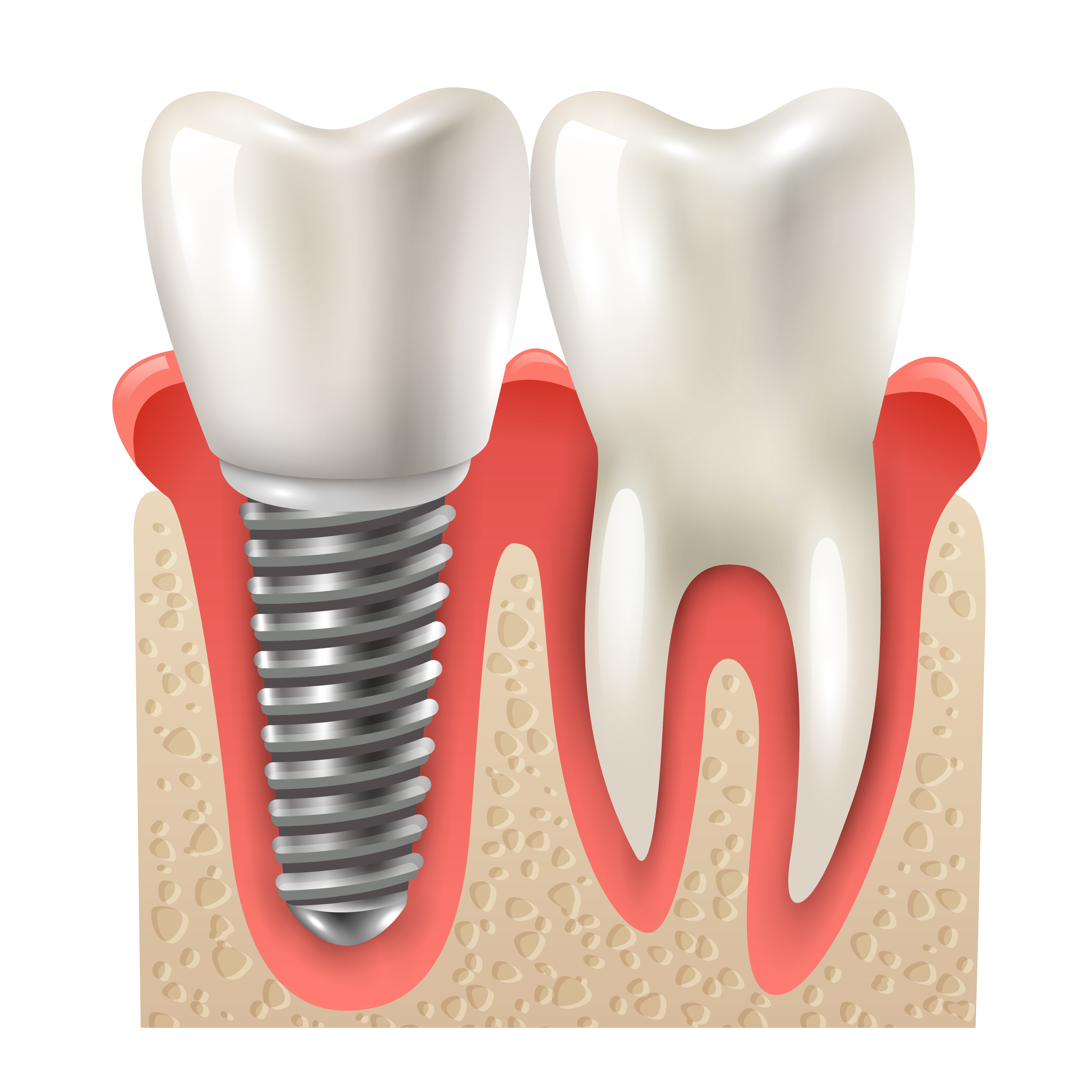
Dental implants and tooth set model closeup side view realistic image vector illustration
Introduction to Dental Implants
Dental implants have revolutionized restorative dentistry, offering a durable and aesthetically pleasing solution for missing teeth. These small, titanium posts are surgically placed into the jawbone, serving as a stable foundation for replacement teeth. This guide delves into the world of dental implants, exploring their types, benefits, and the procedure itself, providing you with the information needed to make an informed decision.
What Are Dental Implants?
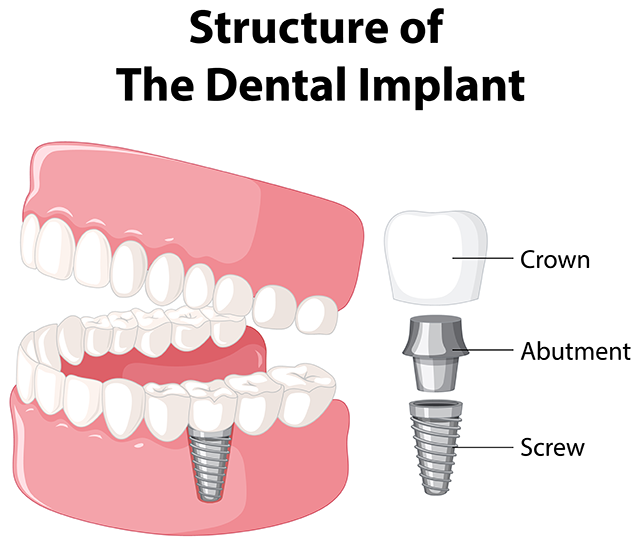
Dental implants are a cornerstone of modern dentistry, designed to mimic the structure of natural teeth. They consist of a titanium post that fuses with the jawbone, an abutment that connects the post to the replacement tooth, and the crown, which is custom-made to match your natural teeth. Unlike other tooth replacement options, implants offer unparalleled stability and prevent jawbone deterioration.
Importance of Dental Implants
The significance of dental implants cannot be overstated. They not only restore functionality and aesthetics but also preserve facial structure and prevent bone loss. By replacing missing teeth, implants contribute to overall oral health, allowing for normal eating, speaking, and smiling without the inconvenience of traditional dentures.
Brief History of Dental Implants
The concept of dental implants dates back thousands of years, but modern titanium implants were invented in the 1950s by Per-Ingvar Brånemark, a Swedish orthopedic surgeon. His discovery of titanium’s ability to osseointegrate, or fuse with bone, laid the foundation for dental implants as we know them today.
Types of Dental Implants
Dental implants come in various types, each suited to different needs. Endosteal implants, the most common type, are placed directly into the jawbone. Subperiosteal implants rest on top of the jawbone under the gum tissue, ideal for patients with insufficient bone height. Zygomatic implants, the least common, are anchored in the cheekbone.
The Dental Implant Procedure
The dental implant process involves several steps, starting with an initial consultation to determine eligibility. The surgery is performed under local anesthesia, where the implant is placed into the jawbone. Recovery varies among individuals, but proper aftercare ensures successful healing and integration of the implant.
Benefits of Dental Implants
Dental implants offer numerous advantages, including improved oral health, enhanced comfort, and durability. They function and feel like natural teeth, providing a permanent solution to tooth loss. Moreover, implants support facial structure and prevent bone loss, contributing to a youthful appearance.
Considerations Before Getting Implants
Before opting for dental implants, it’s crucial to consider eligibility criteria, potential risks, and complications. A thorough evaluation by a dental professional will determine if implants are the right choice for you, considering factors such as bone density and overall health.
The Cost of Dental Implants
The cost of dental implants varies widely, influenced by factors such as the type of implant, the number of teeth being replaced, and geographic location. While implants can be a significant investment, financing options and insurance coverage can help manage the expenses.
Alternatives to Dental Implants
For those who may not be candidates for dental implants, alternatives like bridges and dentures offer viable solutions. However, implants are often preferred for their stability, longevity, and ability to preserve bone health.
Choosing the Right Dental Implant Provider
Selecting a qualified and experienced dental implant provider is crucial for a successful outcome. Look for a provider with specialized training and ask questions about their experience, success rates, and patient testimonials.
Dental Implant Care and Maintenance
Proper care and maintenance are essential for the longevity of dental implants. Daily brushing and flossing, along with regular dental checkups, will keep your implants and natural teeth in excellent condition.
Success Rates of Dental Implants
Dental implants boast high success rates, influenced by factors such as the patient’s overall health and adherence to post-operative care. With proper care, implants can last a lifetime, making them an excellent investment in your oral health.
Dental Implants and Aesthetics
One of the most appealing aspects of dental implants is their ability to improve smile aesthetics. Custom-made to match your natural teeth, implants restore the beauty of your smile, enhancing confidence and quality of life.
The Impact of Dental Implants on Overall Health
Beyond their oral health benefits, dental implants positively impact overall health. They allow for a balanced diet, improving nutrition and well-being. Research also suggests a link between oral health and systemic health, highlighting the importance of dental implants in maintaining overall health.
Technological Advances in Dental Implants
The field of dental implants continues to evolve, with advances in materials, techniques, and digital dentistry enhancing the precision and success of implant procedures. These innovations promise a future where dental implants are more accessible and effective for a wider range of patients.
Patient Testimonials
Hearing from patients who have undergone dental implant surgery can provide valuable insights into the process and outcomes. Success stories highlight the life-changing benefits of dental implants, from improved oral health to restored confidence.
Dental Implants FAQ
How long do dental implants last?
Are dental implants painful?
Can anyone get dental implants?
How do I care for my dental implants?
What is the success rate of dental implants?
Are dental implants covered by insurance?
Conclusion
Dental implants represent a significant advancement in dental care, offering a permanent solution for missing teeth. With their numerous benefits, high success rates, and positive impact on overall health, implants are an excellent investment in your oral health and quality of life. If you’re considering dental implants, consult with a dental professional to explore your options and take the first step toward restoring your smile and confidence.
Diabetes is a chronic medical condition affecting millions of people worldwide. It places the human body under remarkable levels of physical and oral health strains that no patient should endure alone. Understanding the importance of comprehensive oral health, I am committed to explaining the relationship between dental health and diabetes and to providing numerous recommendations for improved dental care.I’d like to start by discussing the connection between oral health and diabetes. Diabetes is essentially a metabolic disorder characterized by unstable blood sugar levels due to lack of insulin, inadequate insulin utilization or both.
Elevating blood sugar levels this way can have profoundly negative oral health implications. Not only can diabetics be more susceptible to developing gum disease, but their dental health risks can also include tooth decay, oral infections and dry mouth. Low saliva production, diminished immunity and poorly controlled blood sugars often are the reasons why these issues are so common among diabetics.Undoubtedly, diabetes’s most prevalent dental health issue is gum disease (also known as periodontal disease).
Periodontal Disease:
Gum disease occurs when oral bacteria create plaque and tarter that cause the gums to become inflamed and infected. High blood sugars can weaken the human body’s immune response to that infection, making it more difficult for the body to battle this gum infection. If not treated, gum disease can become more and more severe and eventually causes teeth to become lost and other associated risks to happen.
Tooth decay and dry mouth:
Diabetes can also increase the risk of tooth decay and dry mouth. High levels of blood sugar can create an environment for bacteria to thrive in the mouth, leading to an increase in plaque production and a greater likelihood of tooth decay. Dry mouth may also develop for someone with diabetes due to side effects of medications or from not well-controlled blood sugar. This can cause oral discomfort, trouble chewing and swallowing, and an increase in tooth decay and oral infections. Practical strategies for protecting your smile: Although managing your dental health with diabetes may be more challenging, these practical steps can help you to protect your smile:
Maintain good blood sugar control. This is the most important step for controlling diabetes and reducing your risk of dental complications. Work with your healthcare provider to develop a personalized diabetes management plan that includes monitoring your blood sugar, following a healthy diet and taking your prescribed medications.
Follow thorough oral hygiene. Thorough oral hygiene is an essential step to preventing dental problems and preserving a healthy smile. Brush your teeth at least twice a day with fluoride toothpaste, floss daily to remove plaque and food debris from between your teeth and use an over-the-counter antimicrobial mouthwash to help control the bacteria in your mouth. Be sure to clean your dentures or dental appliance daily, as well.
Schedule regular dental checkups. Regular dental checkups and cleanings are important for monitoring your oral health and catching early signs of dental problems. Schedule dental appointments every six months, or more if your dentist advises, and let them know if you have diabetes and what medications you are taking.
Monitor and Manage Dry Mouth:
If diabetes causes dry mouth or you experience symptoms as a side effect of medication, you can treat symptom and prevent complications. Stay hydrated by drinking water throughout the day, and stimulate saliva production by chewing sugar-free gum or sucking on sugar-free candies. Use saliva substitutes and moisturizing mouth rinses as needed. Quit Smoking: Smoking is harmful to oral health and can worsen dental problems in individuals with diabetes. If you need help to quit smoking, talk to your healthcare provider to learn about nicotine replacement therapy and other methods to help you quit and reduce the risk of dental complications.
Conclusion:
As a dentist, I’m dedicated to helping individuals with diabetes protect their smiles and maintain excellent oral health. By recognizing the link between diabetes and dental health, and taking steps to prevent and manage dental problems, individuals can reduce their risk of dental complications and enjoy a lifetime of healthy smiles. Make sure to prioritize blood sugar control, practice good oral hygiene habits, schedule regular dental appointments, and seek professional dental care when needed. With active management and support from dental professionals, individuals with diabetes can guard their smiles and look forward to a brighter, healthier future.
Introduction: As a dentist with a passion for maternal oral health, I am deeply committed to educating expectant mothers about the importance of dental care throughout the journey of pregnancy. From preconception to postpartum, maintaining optimal oral health plays a crucial role in ensuring the well-being of both mother and baby. In this comprehensive blog post, we’ll explore the significance of dental care before, during, and after pregnancy, empowering mothers-to-be with the knowledge and tools to prioritize their oral health and nurture their smiles throughout this transformative period.
Dental Care Before Pregnancy: Preconception dental care lays the foundation for a healthy pregnancy and sets the stage for optimal maternal and fetal outcomes. Before conceiving, it is essential for women to undergo a comprehensive dental examination and address any existing dental issues. This includes treating cavities, gum disease, and other oral health concerns to reduce the risk of complications during pregnancy. Additionally, preconception dental visits provide an opportunity for dental professionals to educate women about the importance of oral hygiene, nutrition, and lifestyle factors in promoting dental and overall health.
Dental Care During Pregnancy: Pregnancy is a time of profound physiological changes, including hormonal fluctuations that can impact oral health. Expectant mothers may experience an increased risk of dental problems such as gingivitis, periodontal disease, and pregnancy tumors. It is essential for pregnant women to prioritize regular dental check-ups and cleanings throughout pregnancy to monitor and manage their oral health effectively. Dental professionals can provide tailored guidance on oral hygiene practices, nutrition, and lifestyle modifications to support maternal oral health and promote a healthy pregnancy.
Importance of Coordinated Care: Coordinated care between dental professionals and the medical care team involved in prenatal care is essential for comprehensive maternal health. By fostering collaboration and communication between healthcare providers, expectant mothers can receive holistic care that addresses both their dental health needs and overall well-being. Dental professionals can work in tandem with obstetricians and other healthcare providers to ensure safe and effective dental treatment during pregnancy, taking into account the unique needs and considerations of expectant mothers.
Addressing Dental Concerns Safely: One common concern among pregnant women is the safety of dental treatment during pregnancy. It is important to reassure expectant mothers that many routine dental procedures, including cleanings, fillings, and root canals, can be performed safely during pregnancy. However, elective procedures and non-emergency treatments may be deferred until after delivery to minimize potential risks. Dental professionals can work closely with pregnant patients to develop individualized treatment plans that prioritize maternal and fetal health while addressing dental concerns in a timely and appropriate manner.
Dental Care After Pregnancy: Postpartum dental care is often overlooked but is equally important for maternal health and well-being. The postpartum period presents unique challenges, including sleep deprivation, hormonal changes, and adjusting to the demands of caring for a newborn. It is essential for new mothers to prioritize self-care, including dental check-ups and cleanings, to maintain their oral health amidst the demands of motherhood. By continuing to prioritize dental care after pregnancy, women can safeguard their smiles and set a positive example for their children’s oral health.
Conclusion: As a dentist with expertise in maternal oral health, I am passionate about educating expectant mothers about the importance of dental care before, during, and after pregnancy. By prioritizing oral health throughout the journey of pregnancy, women can support their own well-being and promote a healthy start for their babies. From preconception dental visits to postpartum check-ups, dental care plays a vital role in nurturing smiles and ensuring the overall health and happiness of mother and child. Let us embark on this journey together, empowering expectant mothers with the knowledge and resources to prioritize their oral health and embrace the transformative power of a healthy smile.
Dentures are a valuable solution for those who’ve lost some or all of their natural teeth, offering a way to restore the appearance and functionality of their smile. However, like natural teeth, dentures require proper care to ensure they remain comfortable, functional, and aesthetically pleasing. This comprehensive guide will cover essential tips for maintaining your dentures, ensuring they fit comfortably and last as long as possible.
Understanding Your Dentures
Dentures are custom-made replacements for missing teeth and can be taken out and put back into your mouth. While dentures take some getting used to, and will never feel exactly the same as one’s natural teeth, today’s dentures are natural-looking and more comfortable than ever.
There are two main types of dentures: full and partial. Full dentures are used when all the teeth are missing, while partial dentures are used when some natural teeth remain. No matter which type of denture you have, all require the same level of care to ensure their longevity and your comfort.
Ensuring a Comfortable Fit
1. Regular Dental Visits
One of the keys to a comfortable denture fit is regular visits to your dentist. Your mouth naturally changes over time, which can affect the fit of your dentures. Your dentist can adjust your dentures to ensure a comfortable fit and check for any areas that might need repair.
2. Proper Insertion and Removal
Learning the correct way to insert and remove your dentures is crucial. Incorrect techniques can cause damage to your dentures or irritation to your gums. Your dental professional can provide you with guidance on the proper method to avoid unnecessary discomfort.
3. Use of Adhesives
For some, denture adhesives enhance the stability of dentures. However, they should not be used to fix ill-fitting or old dentures. When used, they should be applied sparingly. Always follow the product’s instructions or consult with your dentist for recommendations.
Proper Maintenance of Your Dentures
Maintaining your dentures is just as important as caring for natural teeth. Proper maintenance not only ensures that your dentures last longer but also that your oral health remains in top condition.
1. Daily Cleaning
Dentures need to be brushed daily to remove food particles and plaque, preventing staining. Use a soft-bristled brush and a non-abrasive denture cleanser. Avoid using regular toothpaste, as it can be too harsh for the denture material.
2. Soaking Overnight
Most dentures need to remain moist to keep their shape. Place them in water or a mild denture-soaking solution overnight. Check with your dentist about the best soaking solution for your dentures as certain materials may have specific requirements.
3. Rinsing After Meals
Rinse your dentures after meals to remove food debris and other loose particles. This simple practice can go a long way in maintaining the cleanliness and longevity of your dentures.
4. Handling With Care
Be cautious when handling your dentures. They are delicate and can break if dropped. Always fill the sink with water or lay a towel down when handling your dentures over a hard surface.
Dealing with Denture Irritation and Soreness
New dentures may feel awkward for a few weeks until you become accustomed to them. Initial irritation and soreness are common and should diminish as your mouth adjusts. If discomfort persists, consult your dentist as your dentures may need an adjustment.
When to See Your Dentist
Regular checkups are essential for maintaining the health of your mouth and the condition of your dentures. Visit your dentist if your dentures break, crack, chip, or if one of the teeth becomes loose. Your dentist can often make the necessary adjustments or repairs on the same day. Additionally, if your dentures begin to feel loose or cause pronounced discomfort, it’s time for a visit to ensure they fit properly and do not need to be adjusted or replaced.
Conclusion
Caring for your dentures is crucial for your overall oral health and comfort. By following these tips for a comfortable fit and proper maintenance, you can ensure your dentures serve you well for many years. Remember, your dentures are an investment in your health and quality of life, so taking the time to care for them properly is worth the effort. Always consult with your dental professional for personalized advice and solutions tailored to your unique needs. With the right care, your smile can remain bright and your dentures comfortable and functional.

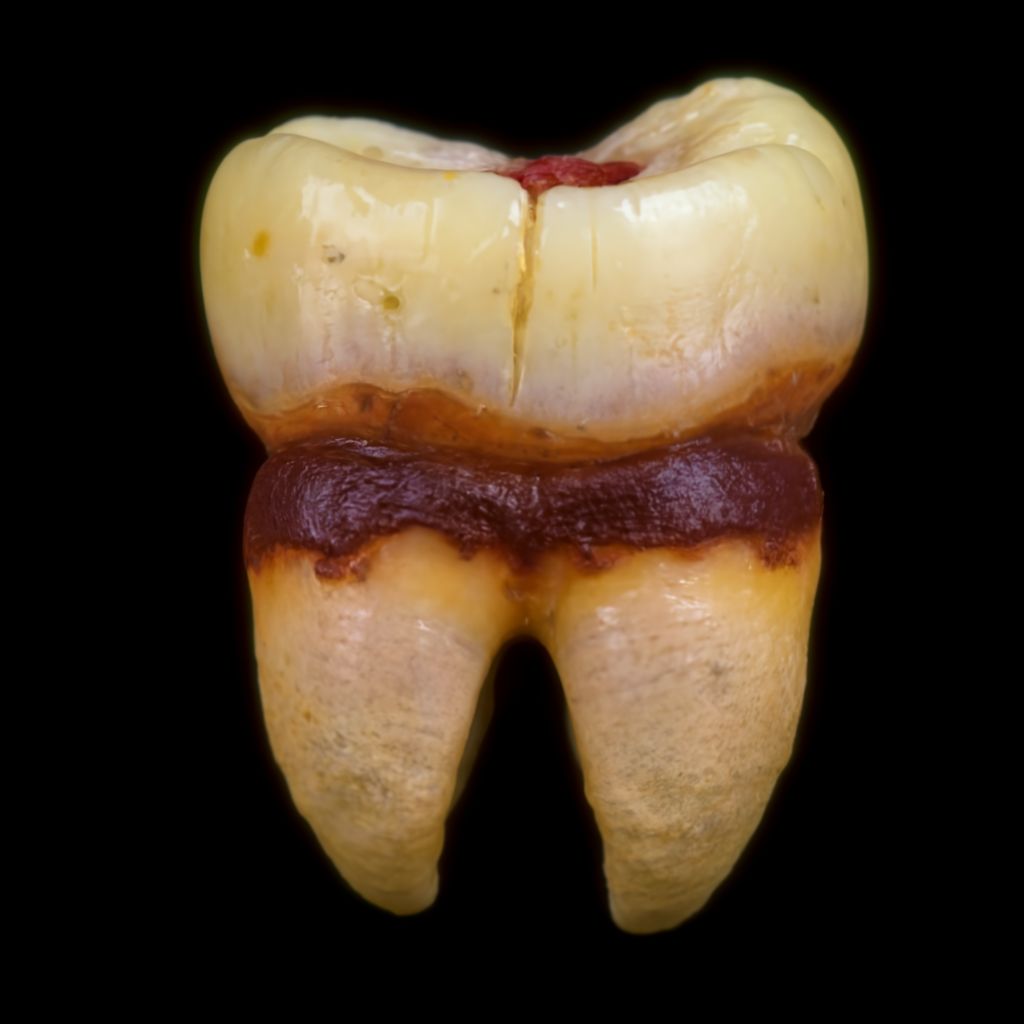












 Engaging with Patients and Followers
 Showcasing Expertise and Services