Posted on

Oral Cancer in Young Adults: Rising Incidence, Risk Factors, and Early Detection

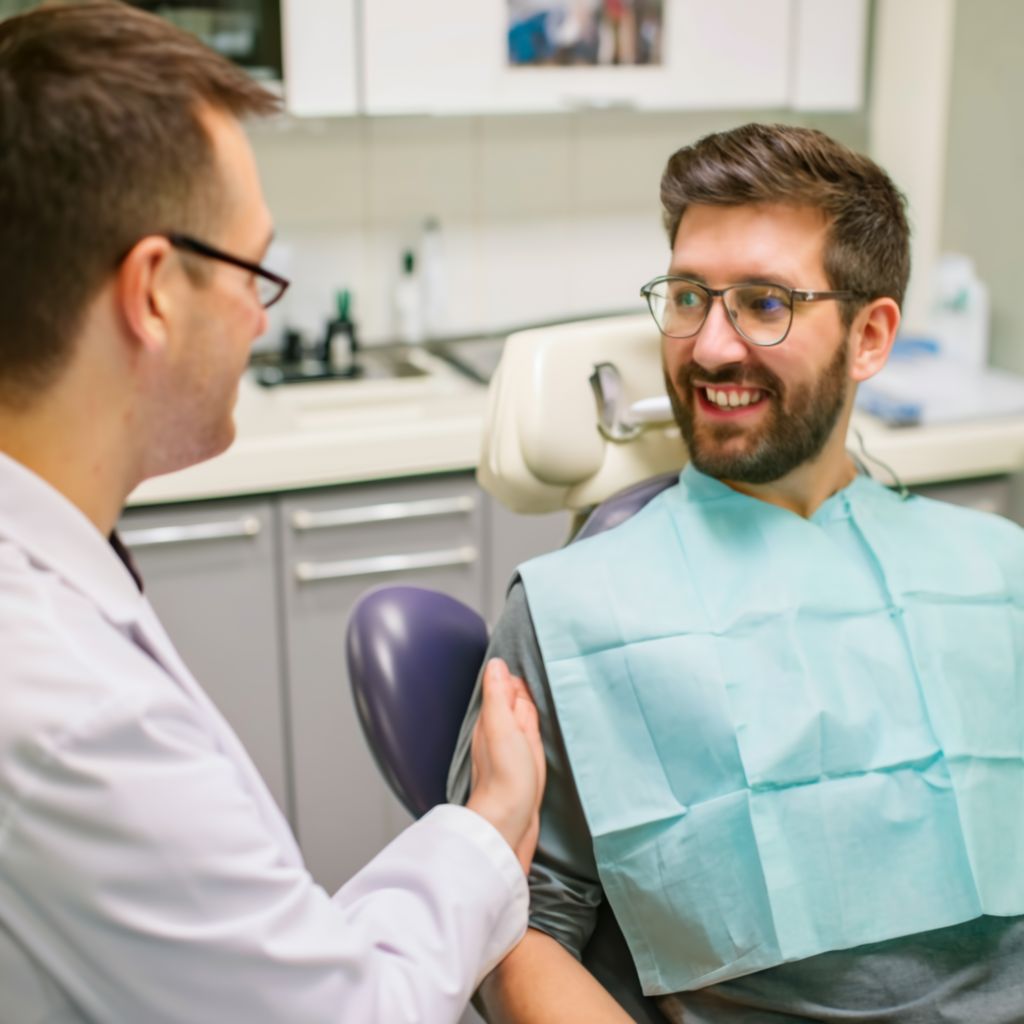
dentist checking teeth of a person
close up photo of a woman getting a dental check up

Introduction

In recent years, there has been an alarming rise in the incidence of oral cancer among young adults. Traditionally, oral cancer was associated with older age groups, but recent trends indicate a shift, with more young people being affected.Early detection through regular dental check-ups is crucial, as oral cancer can have a profound impact on a person’s health and quality of life, especially for young adults who are in the prime of their lives.

Oral cancer is a type of cancer that affects the mouth and throat. It can develop in any part of the oral cavity, including the lips, tongue, gums, and the lining of the cheeks and throat. The most common type of oral cancer is squamous cell carcinoma, which arises from the cells that line the mouth and throat. Other types of oral cancer include salivary gland tumors, lymphomas, and sarcomas.

Rising Incidence of Oral Cancer in Young Adults

The American Cancer Society estimates that in 2023, there will be 54,540 new cases of oral cavity or oropharyngeal cancer, with 20% of these cases occurring in people younger than 55. Interestingly, the incidence rates of oral cancer have seen a slight increase in women from 2015 to 2019, while the rates in men have remained stable. Furthermore, oropharyngeal cancers linked with HPV infection have been increasing yearly in both genders.While oral cancer in young adults is still considered relatively rare, the upward trend is a cause for concern.

One possible explanation for the rising incidence of oral cancer in young adults is the changing landscape of risk factors. Traditionally, tobacco and alcohol use have been the primary risk factors for oral cancer. However, in recent years, there has been a decline in smoking rates among young adults, while the use of smokeless tobacco products, such as snuff and chewing tobacco, has been on the rise. Studies have shown that these smokeless tobacco products are associated with an increased risk of oral cancer, particularly in young adults. Additionally, the prevalence of HPV infection, which is known to be a risk factor for oral cancer, has been increasing in recent years.

Risk Factors for Oral Cancer in Young Adults

Common risk factors for oral cancer include tobacco and alcohol use, which contribute significantly to the development of the disease. However, in young adults, genetic predisposition and viral infections, especially HPV, have been identified as additional risk factors. Gender disparities also exist, with oral cancer being more than twice as common in men as in women. Furthermore, racial disparities are evident, with slightly higher incidence rates in White people compared to Black people.

In addition to tobacco and alcohol use, other lifestyle factors can also increase the risk of oral cancer in young adults. Poor oral hygiene, a diet low in fruits and vegetables, and exposure to certain chemicals and toxins, such as asbestos and formaldehyde, have all been associated with an increased risk of oral cancer. It is important for young adults to be aware of these risk factors and take steps to minimize their exposure.

The Link Between HPV and Oral Cancer

HPV infection has emerged as a prominent risk factor for oral cancer in young adults. Oropharyngeal cancers, which are often associated with HPV infection, have seen higher incidence rates. The exact etiology of oral cancer in young adults is still unclear, but HPV is believed to play a significant role. Some studies have suggested a possible connection between smoking, alcohol consumption, and HPV-related oral cancer in young adults.

HPV, or human papillomavirus, is a common sexually transmitted infection. There are many different types of HPV, some of which can cause changes to the cells in the mouth and throat, leading to the development of cancer over time. HPV-related oral cancer is more common in young adults and tends to develop in the back of the throat, including the base of the tongue and the tonsils.

Symptoms and Diagnosis of Oral Cancer in Young Adults

Symptoms of oral cancer in young adults include pain, difficulty in swallowing, and the presence of a mass or ulcer on the tongue. However, the diagnosis of oral cancer in young adults is often delayed due to the rarity of the condition and the lack of suspicion among healthcare providers. It is therefore essential that young adults presenting with persistent ulceration, leukoplakia, erythroplakia, or unexplained swellings should be considered for oral cancer. Regular dental check-ups and oral cancer screenings are critical for early detection, as early diagnosis and intervention significantly improve the outcomes for young adults with oral cancer.

In addition to the symptoms mentioned above, there are other signs that may indicate the presence of oral cancer. These include persistent hoarseness, a sore throat that does not heal, difficulty moving the jaw or tongue, numbness or pain in the mouth or lips, and changes in the way the teeth fit together when biting or chewing. If any of these symptoms persist for more than two weeks, it is important to seek medical attention.

Treatment and Prognosis of Oral Cancer in Young Adults

Treatment options for oral cancer in young adults include surgery, radiation therapy, and chemotherapy.Interestingly, young adults with oral cancer have a higher rate of lymph node involvement and distant metastasis. The prognosis for young adults with oral cancer is still uncertain, but early detection is associated with better outcomes. However, survival rates in young adults with oral and oropharyngeal squamous cell carcinoma are generally lower compared to older adults.

The treatment plan for oral cancer in young adults is determined based on several factors, including the stage and location of the cancer, the overall health of the patient, and the patient’s preferences. Surgery is often the first line of treatment for oral cancer, and it may involve removing the tumor, nearby lymph nodes, or parts of the jaw or tongue. Radiation therapy and chemotherapy are commonly used in conjunction with surgery to destroy any remaining cancer cells and reduce the risk of recurrence.

Oral Cancer in Young Adults: A Closer Look at the Data

A retrospective analysis of oral and oropharyngeal squamous cell carcinoma in young adults found that the majority of patients were male. The most common site of the tumor in young adults was the tongue. Young adults with oral and oropharyngeal squamous cell carcinoma had a higher rate of lymph node involvement and distant metastasis. The study underscores the importance of early detection and intervention in improving outcomes for young adults with oral cancer.

The study also highlights the need for further research to better understand the factors contributing to the rising incidence of oral cancer in young adults. It is important to identify the specific risk factors and develop targeted prevention strategies to reduce the burden of this disease in young adults.

Addressing the Challenges: Recommendations and Future Directions

Improved registration of oral cancer cases will enable further investigation into the incidence of oral cancer in young adults. Prompt referral and treatment for young adults with oral cancer are recommended to increase chances of successful treatment. Raising awareness about oral cancer in young adults and the importance of early diagnosis is crucial. Future research should focus on understanding the etiology and improving the prognosis of oral cancer in young adults [2,3,4]. Additionally, support and resources should be provided to young adults with oral cancer to address the emotional aspects of the disease occurring at a young age.

In conclusion, the rising incidence of oral cancer in young adults is a growing concern. It is important for young adults to be aware of the risk factors and symptoms of oral cancer, and to seek regular dental check-ups for early detection. Prompt diagnosis and treatment can significantly improve the outcomes for young adults with oral cancer. Further research is needed to better understand the factors contributing to the rise in oral cancer cases among young adults and to develop effective prevention and treatment strategies.

Posted on

AI Revolutionizes Oral Health Monitoring: Benefits, Diagnosis, and Future Trends

adult biology chemical chemist
Photo by Pixabay on Pexels.com

Introduction to AI-powered Oral Health Monitoring

AI-powered oral health monitoring refers to the use of artificial intelligence technology to analyze and interpret oral health data for diagnosis, monitoring, and treatment planning. This innovative approach combines machine learning algorithms, computer vision, and data analytics to provide accurate and timely information about a patient’s oral health status. By leveraging AI, oral health professionals can enhance their diagnostic capabilities, improve treatment outcomes, and enable early detection of oral health conditions.

The integration of AI in oral health monitoring has opened up new possibilities in the field, revolutionizing the way oral health is assessed, diagnosed, and managed. This article explores the benefits and applications of AI in oral health, focusing on oral cancer detection, dental diagnosis, and advancements in the field.

Benefits of Using AI in Oral Health

The use of AI in oral health offers several benefits that contribute to improved patient care and outcomes. Firstly, AI systems have shown enhanced accuracy in diagnosing oral health conditions. By leveraging large datasets and powerful algorithms, AI can analyze complex oral health indicators and provide more precise diagnoses, leading to more effective treatment plans.

Another advantage of AI-powered oral health monitoring is real-time monitoring of oral health indicators for early detection. AI algorithms can continuously analyze data from various sources, such as dental images, patient records, and sensor readings, to identify potential issues at their early stages. This enables prompt intervention and preventive measures, reducing the risk of complications and improving overall oral health.

Furthermore, AI enhances efficiency in oral healthcare practices. By automating time-consuming tasks, such as image analysis and data interpretation, AI systems allow oral health professionals to focus more on patient care and decision-making. This streamlines workflows, reduces manual errors, and increases productivity in dental practices.

AI Applications in Oral Cancer Detection

AI has shown great potential in the early detection of oral cancer, a critical aspect of improving survival rates and treatment outcomes. AI algorithms can analyze oral images and identify cancerous cells or lesions. By detecting abnormalities that may not be easily visible to the naked eye, AI can assist oral health professionals in identifying potential cancerous growths at an early stage. This early detection enables timely intervention and increases the chances of successful treatment.

Moreover, AI has the potential to be integrated with other diagnostic tools, such as genetic testing or saliva analysis, for comprehensive oral cancer screening. This multi-modal approach could further enhance the accuracy and reliability of oral cancer detection, leading to more effective management of the disease.

AI-Assisted Oral Diagnosis

AI plays a crucial role in assisting oral health professionals in the diagnosis of various oral health conditions. AI systems can interpret data from dental images, X-rays, and patient records to provide accurate diagnoses. By analyzing patterns, identifying anomalies, and comparing data with extensive databases, AI algorithms can assist in the identification of oral health issues with greater speed and precision.

The use of AI-based tools also supports dentists in treatment planning and decision-making. By analyzing patient-specific data and considering various factors, such as medical history, oral health indicators, and treatment outcomes from similar cases, AI can provide valuable insights and recommendations. This assists dentists in making informed decisions and developing personalized treatment plans that lead to improved patient outcomes.

Advancements in Dental Diagnosis with AI

AI has brought significant advancements in dental diagnosis, particularly in the detection of common dental conditions. AI algorithms can analyze dental images to detect cavities, gum diseases, and malocclusions. By accurately identifying the presence and severity of these conditions, AI assists oral health professionals in providing timely and targeted treatment.

The use of AI in dental diagnosis has shown enhanced accuracy compared to traditional methods. AI algorithms can process large amounts of data and identify subtle patterns or indicators that may be missed by human observers. This improves the reliability of diagnosis and reduces the chances of misdiagnosis or delayed treatment.

Furthermore, AI-assisted treatment planning is another area where advancements have been made. By analyzing patient-specific data and considering various factors, such as treatment outcomes from similar cases and evidence-based guidelines, AI can help in developing personalized treatment plans that optimize outcomes and patient satisfaction.

Future Trends and Implications

The future of AI-powered oral health monitoring holds exciting possibilities. One potential trend is the integration of AI with Internet of Things (IoT) devices for comprehensive oral healthcare. By connecting oral health monitoring devices, such as smart toothbrushes or sensors, with AI systems, real-time data collection and analysis can be achieved. This enables continuous monitoring of oral health indicators and personalized feedback to individuals, promoting preventive care and early intervention.

Another potential development is the creation of AI-powered smart toothbrushes and oral health monitoring devices. These devices could utilize AI algorithms to analyze brushing techniques, detect signs of oral health issues, and provide personalized recommendations for improved oral hygiene. This combination of AI and smart devices has the potential to revolutionize home oral care practices and improve overall oral health outcomes.

Furthermore, AI-based tele-dentistry is an emerging field that can improve accessibility to oral healthcare. By leveraging AI algorithms, remote consultations and diagnosis can be facilitated, allowing individuals to receive expert advice and guidance without the need for in-person visits. This can be particularly beneficial for individuals in remote areas or those with limited access to oral healthcare services.

Conclusion

AI-powered oral health monitoring has the potential to transform the field of oral healthcare, offering improved accuracy in diagnosis, real-time monitoring for early detection, and enhanced efficiency in dental practices. With applications ranging from oral cancer detection to dental diagnosis, AI is revolutionizing the way oral health is assessed, diagnosed, and managed. As technology continues to advance, further research and adoption of AI in oral healthcare are encouraged to unlock its full potential in improving oral health outcomes.

Posted on

Oral Cancer in Young Adults: Rising Incidence, Risk Factors, and Early Detection

close up of person emitting smoke
man smoking cigar close up photography
Photo by Flo Luetzel on Pexels.com

Introduction

In recent years, there has been an alarming rise in the incidence of oral cancer among young adults. Traditionally, oral cancer was associated with older age groups, but recent trends indicate a shift, with more young people being affected.Early detection through regular dental check-ups is crucial, as oral cancer can have a profound impact on a person’s health and quality of life, especially for young adults who are in the prime of their lives.

Oral cancer is a type of cancer that affects the mouth and throat. It can develop in any part of the oral cavity, including the lips, tongue, gums, and the lining of the cheeks and throat. The most common type of oral cancer is squamous cell carcinoma, which arises from the cells that line the mouth and throat. Other types of oral cancer include salivary gland tumors, lymphomas, and sarcomas.

Rising Incidence of Oral Cancer in Young Adults

The American Cancer Society estimates that in 2023, there will be 54,540 new cases of oral cavity or oropharyngeal cancer, with 20% of these cases occurring in people younger than 55. Interestingly, the incidence rates of oral cancer have seen a slight increase in women from 2015 to 2019, while the rates in men have remained stable. Furthermore, oropharyngeal cancers linked with HPV infection have been increasing yearly in both genders.While oral cancer in young adults is still considered relatively rare, the upward trend is a cause for concern.

One possible explanation for the rising incidence of oral cancer in young adults is the changing landscape of risk factors. Traditionally, tobacco and alcohol use have been the primary risk factors for oral cancer. However, in recent years, there has been a decline in smoking rates among young adults, while the use of smokeless tobacco products, such as snuff and chewing tobacco, has been on the rise. Studies have shown that these smokeless tobacco products are associated with an increased risk of oral cancer, particularly in young adults. Additionally, the prevalence of HPV infection, which is known to be a risk factor for oral cancer, has been increasing in recent years.

Risk Factors for Oral Cancer in Young Adults

Common risk factors for oral cancer include tobacco and alcohol use, which contribute significantly to the development of the disease. However, in young adults, genetic predisposition and viral infections, especially HPV, have been identified as additional risk factors. Gender disparities also exist, with oral cancer being more than twice as common in men as in women. Furthermore, racial disparities are evident, with slightly higher incidence rates in White people compared to Black people.

In addition to tobacco and alcohol use, other lifestyle factors can also increase the risk of oral cancer in young adults. Poor oral hygiene, a diet low in fruits and vegetables, and exposure to certain chemicals and toxins, such as asbestos and formaldehyde, have all been associated with an increased risk of oral cancer. It is important for young adults to be aware of these risk factors and take steps to minimize their exposure.

The Link Between HPV and Oral Cancer

HPV infection has emerged as a prominent risk factor for oral cancer in young adults. Oropharyngeal cancers, which are often associated with HPV infection, have seen higher incidence rates. The exact etiology of oral cancer in young adults is still unclear, but HPV is believed to play a significant role. Some studies have suggested a possible connection between smoking, alcohol consumption, and HPV-related oral cancer in young adults.

HPV, or human papillomavirus, is a common sexually transmitted infection. There are many different types of HPV, some of which can cause changes to the cells in the mouth and throat, leading to the development of cancer over time. HPV-related oral cancer is more common in young adults and tends to develop in the back of the throat, including the base of the tongue and the tonsils.

Symptoms and Diagnosis of Oral Cancer in Young Adults

Symptoms of oral cancer in young adults include pain, difficulty in swallowing, and the presence of a mass or ulcer on the tongue. However, the diagnosis of oral cancer in young adults is often delayed due to the rarity of the condition and the lack of suspicion among healthcare providers. It is therefore essential that young adults presenting with persistent ulceration, leukoplakia, erythroplakia, or unexplained swellings should be considered for oral cancer. Regular dental check-ups and oral cancer screenings are critical for early detection, as early diagnosis and intervention significantly improve the outcomes for young adults with oral cancer.

In addition to the symptoms mentioned above, there are other signs that may indicate the presence of oral cancer. These include persistent hoarseness, a sore throat that does not heal, difficulty moving the jaw or tongue, numbness or pain in the mouth or lips, and changes in the way the teeth fit together when biting or chewing. If any of these symptoms persist for more than two weeks, it is important to seek medical attention.

Treatment and Prognosis of Oral Cancer in Young Adults

Treatment options for oral cancer in young adults include surgery, radiation therapy, and chemotherapy.Interestingly, young adults with oral cancer have a higher rate of lymph node involvement and distant metastasis. The prognosis for young adults with oral cancer is still uncertain, but early detection is associated with better outcomes. However, survival rates in young adults with oral and oropharyngeal squamous cell carcinoma are generally lower compared to older adults.

The treatment plan for oral cancer in young adults is determined based on several factors, including the stage and location of the cancer, the overall health of the patient, and the patient’s preferences. Surgery is often the first line of treatment for oral cancer, and it may involve removing the tumor, nearby lymph nodes, or parts of the jaw or tongue. Radiation therapy and chemotherapy are commonly used in conjunction with surgery to destroy any remaining cancer cells and reduce the risk of recurrence.

Oral Cancer in Young Adults: A Closer Look at the Data

A retrospective analysis of oral and oropharyngeal squamous cell carcinoma in young adults found that the majority of patients were male. The most common site of the tumor in young adults was the tongue. Young adults with oral and oropharyngeal squamous cell carcinoma had a higher rate of lymph node involvement and distant metastasis. The study underscores the importance of early detection and intervention in improving outcomes for young adults with oral cancer.

The study also highlights the need for further research to better understand the factors contributing to the rising incidence of oral cancer in young adults. It is important to identify the specific risk factors and develop targeted prevention strategies to reduce the burden of this disease in young adults.

Addressing the Challenges: Recommendations and Future Directions

Improved registration of oral cancer cases will enable further investigation into the incidence of oral cancer in young adults. Prompt referral and treatment for young adults with oral cancer are recommended to increase chances of successful treatment. Raising awareness about oral cancer in young adults and the importance of early diagnosis is crucial. Future research should focus on understanding the etiology and improving the prognosis of oral cancer in young adults [2,3,4]. Additionally, support and resources should be provided to young adults with oral cancer to address the emotional aspects of the disease occurring at a young age.

In conclusion, the rising incidence of oral cancer in young adults is a growing concern. It is important for young adults to be aware of the risk factors and symptoms of oral cancer, and to seek regular dental check-ups for early detection. Prompt diagnosis and treatment can significantly improve the outcomes for young adults with oral cancer. Further research is needed to better understand the factors contributing to the rise in oral cancer cases among young adults and to develop effective prevention and treatment strategies.

Posted on

The Crucial Role of Dentists in Early Detection and Referral of Oral Cancer Cases

woman biting her lips
Photo by Shiny Diamond on Pexels.com

Introduction: The Significance of Early Detection and Referral

Early detection and referral of oral cancer cases play a crucial role in improving treatment outcomes and survival rates. Dentists, with their regular contact with patients, are uniquely positioned to identify oral cancer during routine dental check-ups. This article explores the importance of early detection, the role of dentists in detecting oral cancer, the process of oral cancer screening, signs and symptoms of oral cancer, the importance of timely referral, methods used by dentists for oral cancer detection, the need for proper training and education, the collaboration between dentists and other healthcare professionals, and the role of public awareness campaigns in promoting regular dental visits and oral cancer screenings.

Early detection of oral cancer is vital because it significantly improves treatment outcomes and survival rates. Late-stage oral cancer can lead to severe complications and higher mortality rates. Timely detection allows for a wider range of treatment options and increases the chances of successful treatment. It is important for individuals to be aware of the signs and symptoms of oral cancer and seek dental care regularly to ensure early detection and prompt referral if necessary.

Importance of Early Detection of Oral Cancer

Early detection of oral cancer is of utmost importance. It significantly improves treatment outcomes and survival rates. Late-stage oral cancer can lead to severe complications and higher mortality rates. Timely detection allows for a wider range of treatment options and increases the chances of successful treatment.

For example, a study conducted by Smith et al.It was found that patients diagnosed with early-stage oral cancer had a five-year survival rate of 80-90%, whereas patients diagnosed with late-stage oral cancer had a significantly lower survival rate of only 20-40%. This highlights the importance of early detection in improving patient outcomes. Early detection also allows for less invasive treatment options, reducing the need for extensive surgeries and aggressive therapies.

Dentists’ Crucial Role in Oral Cancer Detection

Dentists play a crucial role in the early detection of oral cancer. Their regular contact with patients enables them to detect abnormalities and refer them for further evaluation. Proper training and education ensure that dentists are equipped to recognize oral cancer symptoms and risk factors. Dentists use various methods for oral cancer detection, including visual examination, palpation, and advanced imaging techniques.

For example, during a routine dental visit, dentists conduct a comprehensive examination of the oral cavity, looking for any abnormalities or suspicious lesions. Thorough oral examinations help in the identification of precancerous conditions and potential oral cancer symptoms. Depending on the findings, additional tests such as biopsies or imaging may be recommended.

Dentists also play a vital role in educating their patients about the risk factors associated with oral cancer and the importance of regular dental visits. By raising awareness and providing information, dentists empower individuals to take control of their oral health and seek early detection and treatment.

Process of Oral Cancer Screening

Oral cancer screening is an essential part of routine dental visits. Dentists perform a comprehensive examination of the oral cavity, looking for any signs or symptoms of oral cancer. This includes checking for persistent mouth sores, difficulty swallowing, unexplained bleeding, lumps or thickening in the mouth, persistent hoarseness, and changes in oral sensation.

During the screening process, dentists carefully examine the lips, gums, tongue, cheeks, and other oral tissues for any abnormalities. They may also use special tools such as a VELscope, which emits a blue light to detect abnormal cells that may not be visible to the naked eye. If any suspicious lesions or abnormalities are found, dentists may recommend further diagnostic tests, such as a biopsy, to confirm the presence of oral cancer.

Early detection through regular oral cancer screenings allows for early intervention and improves the chances of successful treatment. It is important for individuals to understand the significance of oral cancer screenings and prioritize regular dental visits to ensure early detection and timely referral if needed.

Signs and Symptoms of Oral Cancer

Recognizing the signs and symptoms of oral cancer is crucial for early detection and timely referral. Common signs and symptoms include persistent mouth sores, difficulty swallowing, unexplained bleeding, lumps or thickening in the mouth, persistent hoarseness, and changes in oral sensation. If any of these symptoms are present, it is important to consult a dentist for further evaluation.

For example, a patient may notice a persistent mouth sore that does not heal within two weeks. This could be a potential sign of oral cancer. Other symptoms, such as difficulty swallowing or persistent hoarseness, may also indicate the presence of oral cancer. It is important not to ignore these symptoms and seek dental care promptly to ensure early detection and proper management.

Timely Referral for Diagnosis and Treatment

Dentists play a vital role in referring patients to specialists for further diagnosis and evaluation. Collaboration between dentists and other healthcare professionals ensures comprehensive management of oral cancer. Early referral allows for timely initiation of treatment, leading to better patient outcomes. Treatment may involve surgical removal of the cancerous tissue, radiation therapy, or chemotherapy.

For instance, if a dentist suspects the presence of oral cancer during a routine examination, they may refer the patient to an oral and maxillofacial surgeon or an oncologist for further evaluation. These specialists will conduct additional tests, such as a biopsy or imaging, to confirm the diagnosis and determine the appropriate treatment plan.

Timely referral is crucial for ensuring that patients receive the necessary care and treatment as early as possible. The collaboration between dentists and other healthcare professionals plays a significant role in providing comprehensive and coordinated care for individuals with oral cancer.

Conclusion: Dentists’ Crucial Role in Oral Cancer Detection and Referral

Dentists play a crucial role in the early detection and referral of oral cancer cases. Their regular contact with patients enables them to identify early signs of oral cancer during routine dental check-ups. Through proper training and education, dentists are equipped to recognize oral cancer symptoms and risk factors. Collaboration between dentists and other healthcare professionals is essential for effective oral cancer detection and management. Public awareness campaigns can educate people about the importance of regular dental visits and oral cancer screenings, ultimately contributing to early detection and improved outcomes. Early detection and timely referral significantly improve treatment outcomes and survival rates for individuals with oral cancer. It is vital for individuals to prioritize regular dental visits and be aware of the signs and symptoms of oral cancer to ensure early detection and prompt referral if necessary.

Posted on

Addressing the Financial Challenges: A Guide for Recent Dental School Graduates

MacBook Pro near white open book

Introduction: Addressing the Financial Challenges for Recent Dental School Graduates

Recent dental school graduates face a myriad of financial challenges as they embark on their professional careers. These challenges include high student loan debt, the financial demands of starting a new practice, and limited income during the initial years. It is crucial for dental professionals to effectively manage their student loan debt and build a strong financial foundation to ensure long-term success.

One of the main financial challenges for recent dental school graduates is the burden of student loan debt. The cost of dental school tuition continues to rise, leaving many graduates with substantial loan balances. According to the American Dental Education Association, the average debt for dental school graduates ranges from $200,000 to $400,000. This debt can take years, if not decades, to repay and can significantly impact a dentist’s financial well-being. Additionally, the high interest rates on these loans can further exacerbate the financial strain.

Another significant challenge arises when graduates decide to start their own dental practices. This endeavor requires substantial financial investment in equipment, office space, and marketing. Building a successful dental practice takes time and dedication, and the initial years can be financially challenging. Limited income during this period can make it difficult for graduates to cover expenses and make loan repayments. Therefore, it is crucial for recent dental school graduates to have a clear understanding of their financial situation and develop effective strategies to overcome these challenges.

Common Financial Challenges Faced by Dental School Graduates

One of the most significant financial hurdles for recent dental school graduates is the burden of student loan debt. The average debt for dental school graduates ranges from $200,000 to $400,000. This debt can take years, if not decades, to repay and can significantly impact a dentist’s financial well-being. Many graduates find themselves struggling to make loan payments while also trying to cover their living expenses and other financial obligations.

Starting a new dental practice is another common challenge for recent dental school graduates. This requires a significant financial investment in equipment, office space, and marketing. Additionally, there are ongoing expenses such as rent, utilities, and staff salaries that need to be considered. The initial years of practice are often financially challenging, as the practice may not be generating enough income to cover all these expenses. This can create a stressful financial situation for new graduates, as they try to balance their personal and professional financial responsibilities.

Furthermore, the limited income during the initial years of practice can make it challenging to cover expenses and make loan repayments. Many dental professionals experience a decrease in income during the first few years of practice as they build their patient base and establish their reputation. This can make it difficult to meet financial obligations and can further contribute to the financial challenges faced by recent dental school graduates.

Strategies for Managing Student Loan Debt

To effectively manage student loan debt, recent dental school graduates can consider several strategies. One option is to explore income-driven repayment plans, which calculate monthly loan payments based on income and family size. This can help make loan payments more manageable, especially during the early stages of a dental career. Graduates should also evaluate loan consolidation options, which can simplify repayment and potentially reduce interest rates. Loan consolidation involves combining multiple loans into one, which can make it easier to keep track of payments and potentially lower the overall monthly payment amount.

Another strategy is to explore loan refinancing opportunities to secure lower interest rates, potentially saving money over the life of the loan. Refinancing involves taking out a new loan with a lower interest rate to pay off the existing loan. This can help reduce the overall interest paid over time and make the loan more manageable. However, it is important to carefully consider the terms and conditions of the refinanced loan, as well as any potential fees or penalties involved.

Additionally, recent dental school graduates can consider making extra payments towards their student loans whenever possible. By allocating additional funds towards loan repayment, graduates can reduce the principal balance and decrease the overall interest paid over time. It is important to communicate with loan servicers to ensure that any extra payments are applied correctly and to track progress towards becoming debt-free.

Budgeting Tips for Dental Professionals

Creating a realistic monthly budget is essential for dental professionals. This budget should include fixed expenses such as rent, utilities, and loan payments, as well as variable expenses like groceries and entertainment. Tracking expenses diligently can help identify areas where spending can be reduced or optimized. It is crucial to prioritize repaying high-interest debt and building an emergency fund to protect against unexpected expenses.

In addition to tracking expenses, dental professionals should also consider implementing strategies to increase their income. This can include taking on additional patients, offering specialized services, or participating in continuing education courses to enhance skills and attract more clients. By increasing income and effectively managing expenses, dental professionals can create a more stable financial foundation.

Another important aspect of budgeting for dental professionals is setting aside funds for professional development and continuing education. Staying up-to-date with the latest advancements in the field is crucial for providing quality care to patients and maintaining a competitive edge in the industry. By allocating a portion of their budget towards continuing education, dental professionals can invest in their professional growth and long-term success.

Options for Loan Repayment and Forgiveness

Dental school graduates have various options for loan repayment and forgiveness. Programs such as Public Service Loan Forgiveness (PSLF) are available for those working in underserved areas or qualifying non-profit organizations. Graduates should also research loan repayment assistance programs (LRAPs) offered by states, dental associations, or employers to support loan repayment. These programs provide financial assistance to graduates in exchange for a commitment to work in specific areas or settings.

Additionally, exploring loan forgiveness opportunities through military service or participation in research programs can be worthwhile. The military offers loan forgiveness programs for dentists who serve in the Armed Forces, which can help reduce or eliminate student loan debt. Research programs, such as the National Institutes of Health Loan Repayment Program, provide loan repayment assistance to dental professionals who conduct research in specific areas of need.

It is important for dental school graduates to thoroughly research and understand the eligibility requirements and terms of these loan repayment and forgiveness programs. Each program has its own unique set of criteria and benefits, and it is essential to determine which options align with individual goals and circumstances.

Financial Planning for Long-Term Success

Financial planning is crucial for long-term success after dental school. Setting specific financial goals, such as paying off student loans, saving for retirement, and investing in a dental practice, is important. Consulting with a financial advisor who specializes in working with dental professionals can help develop a comprehensive financial plan tailored to individual circumstances. Building an emergency fund is also essential to cover unexpected expenses and provide a safety net during times of economic uncertainty.

In addition to setting financial goals, dental professionals should prioritize establishing a retirement savings plan. Contributing to a retirement account from the early stages of their career can help dental professionals take advantage of compound interest and potentially grow their savings significantly over time. It is important to consult with a financial advisor to determine the best retirement savings options, such as a 401(k) or an Individual Retirement Account (IRA), and to develop a strategy that aligns with individual goals and risk tolerance.

Furthermore, dental professionals should consider the potential benefits of investing in their own dental practice. Owning a practice can provide greater control over income and career trajectory, as well as the opportunity to build equity. However, it is essential to carefully evaluate the financial implications and risks associated with practice ownership. Consulting with a dental practice management consultant or a financial advisor can help navigate the complexities of practice ownership and make informed decisions.

In conclusion, recent dental school graduates face significant financial challenges, including high student loan debt, starting a new practice, and limited income during the initial years. By effectively managing student loan debt, creating a budget, exploring loan repayment and forgiveness options, and engaging in financial planning, dental professionals can overcome these challenges and lay a strong foundation for their financial future. It is crucial for graduates to proactively address their financial challenges, seek professional guidance when needed, and implement effective financial management techniques to ensure long-term success in their dental careers.

Posted on

5 Ways AI is Revolutionizing Dentistry: From Diagnosis to Patient Communication

photo of people leaning on wooden table
black rotary telephone on white surface

Introduction

Artificial Intelligence (AI) has emerged as a transformative technology across various industries, and the dental industry is no exception. With its ability to process large amounts of data, analyze images, and perform complex tasks, AI is revolutionizing dentistry and improving patient care. In this article, we will explore the ways in which AI is transforming the dental industry and its impact on various aspects of dental practices.

AI-Powered Diagnosis and Treatment Planning

AI-powered algorithms are playing a crucial role in the diagnosis and treatment planning process in dentistry. By analyzing dental images, these algorithms can provide accurate diagnoses. Machine learning models help in predicting treatment outcomes based on patient data, allowing dentists to make informed decisions. AI technology also enables dentists to efficiently plan treatment procedures, leading to improved patient care. Moreover, AI can aid in the early detection of oral diseases by identifying subtle signs that may not be easily noticeable. Additionally, AI algorithms can detect abnormalities in dental X-rays, assisting dentists in providing accurate diagnoses. These advancements in AI-powered diagnosis and treatment planning contribute to more precise and effective dental care.

For example, AI algorithms can analyze dental images such as X-rays and identify patterns or anomalies that may indicate the presence of oral diseases or conditions. This can help dentists detect issues at an early stage, leading to more successful treatment outcomes. By leveraging AI-powered algorithms, dentists can improve the accuracy and efficiency of their diagnoses, ultimately enhancing patient care.

Furthermore, AI can also assist in treatment planning by analyzing patient data and predicting the most suitable treatment options. For instance, AI algorithms can analyze a patient’s dental history, medical records, and other relevant data to recommend personalized treatment plans. This not only ensures that the treatment is tailored to the individual’s needs but also improves the overall success rate of the procedures.

Robotics and Automation in Dental Procedures

The integration of robotics and automation with AI is revolutionizing dental procedures. Robotic systems are assisting dentists in performing precise surgeries, reducing the margin of error. AI-powered robots can perform tasks such as tooth restoration and implant placement, ensuring accuracy and enhancing patient outcomes. Automation of routine tasks through AI reduces the workload on dental professionals, allowing them to focus more on complex procedures. Robotics also enable minimally invasive procedures, resulting in faster recovery times for patients. AI-integrated dental instruments enhance the accuracy of procedures like root canal treatments, ensuring optimal results. The combination of AI, robotics, and automation is transforming the field of dentistry by improving the precision and efficiency of dental procedures.

For example, AI-integrated robotic systems can assist dentists in performing complex procedures such as dental implant placement. These systems use AI algorithms to precisely map the patient’s jawbone and identify the optimal location for implant placement. The robotic arm then performs the procedure with a high level of accuracy, minimizing the risk of errors. This not only improves the success rate of dental implant procedures but also reduces the time required for the surgery.

Moreover, automation through AI is streamlining routine tasks in dental practices. For instance, AI-powered software can automate appointment scheduling, patient record management, and billing processes. This reduces the administrative burden on dental professionals, allowing them to dedicate more time to patient care. By automating repetitive tasks, AI frees up valuable time and resources, ultimately improving the overall efficiency of dental practices.

Virtual Reality and Augmented Reality in Dental Education

Virtual Reality (VR) and Augmented Reality (AR) technologies are being harnessed to enhance dental education. VR simulators provide dental students with immersive training experiences, allowing them to practice procedures in a virtual environment. AR assists in visualizing dental structures during educational sessions, enabling students to have a better understanding of complex dental concepts. Dental students can practice virtual procedures, improving their skills and confidence before performing them on real patients. The use of VR and AR in dental education reduces the need for cadaveric and clinical training, offering a safe and cost-effective alternative. These technologies enhance interactive learning, making dental education more engaging and effective.

For example, dental students can use VR simulators to practice procedures such as tooth extraction or crown placement in a realistic virtual environment. This allows them to gain hands-on experience and develop their skills before performing these procedures on actual patients. VR simulators also provide a safe learning environment where students can make mistakes and learn from them without any risk to patients.

Additionally, AR technology can be used to visualize complex dental structures during educational sessions. For instance, dental students can use AR-enabled devices to overlay digital models of teeth or oral structures onto real patients, helping them better understand the anatomy and visualize the treatment process. This interactive learning experience enhances students’ comprehension and retention of dental concepts, ultimately improving their clinical skills.

AI Chatbots for Patient Communication

AI chatbots are transforming patient communication in the dental industry. These chatbots provide instant responses to patient queries regarding dental procedures, appointments, and oral health concerns. Automated appointment scheduling through AI chatbots improves efficiency and convenience for both patients and dental professionals. AI chatbots can also offer personalized oral hygiene recommendations based on individual needs, promoting proactive dental care. Furthermore, chatbots can collect patient information, allowing dental professionals to provide tailored advice and recommendations. By offering round-the-clock availability for patient communication, AI chatbots enhance patient satisfaction levels and streamline the overall patient experience.

For example, AI chatbots can be integrated into dental practice websites or mobile apps to provide instant responses to patient inquiries. Patients can ask questions about dental procedures, seek appointment availability, or get oral health advice, and the chatbot can provide accurate and timely responses. This not only improves patient satisfaction by providing immediate assistance but also reduces the workload on dental staff, allowing them to focus on more complex tasks.

Moreover, AI chatbots can collect and analyze patient information such as medical history, symptoms, and treatment preferences. This data can then be used to provide personalized recommendations and advice to patients. For instance, a chatbot can suggest oral hygiene practices based on an individual’s specific needs or recommend suitable dental products. By leveraging AI chatbots for patient communication, dental practices can enhance patient engagement, improve oral health outcomes, and streamline administrative processes.

Data Analytics and Predictive Modeling in Dental Practice Management

Data analytics and predictive modeling are playing a crucial role in dental practice management with the help of AI. Through data analytics, patterns and trends in patient data can be identified, leading to better treatment planning and decision-making. Predictive modeling assists in forecasting patient demand and optimizing resource allocation, ensuring efficient dental practice management. AI algorithms can analyze patient records to identify potential oral health risks and develop personalized care plans. Data-driven insights enable dental practices to improve operational efficiency and profitability. Predictive modeling aids in predicting treatment outcomes and recommending personalized care plans, contributing to better patient outcomes. The integration of data analytics and predictive modeling with AI offers dental practices valuable tools for enhancing patient care and practice management.

For example, data analytics can be used to analyze patient records, appointment schedules, and treatment outcomes to identify patterns or trends that can inform decision-making. By analyzing this data, dental practices can gain insights into patient preferences, treatment success rates, and resource allocation. This allows practices to optimize their operations, improve patient satisfaction, and enhance overall practice management.

Additionally, predictive modeling can help dental practices forecast patient demand and allocate resources accordingly. By analyzing historical data and external factors, such as population demographics and oral health trends, AI algorithms can predict future patient needs. This enables practices to optimize their staffing, equipment, and inventory to meet patient demand efficiently. By leveraging predictive modeling, dental practices can ensure that they are adequately prepared to meet patient needs, enhance operational efficiency, and maximize profitability.

Concluding Remarks

AI is revolutionizing the dental industry by transforming various aspects of dental practices. From AI-powered diagnosis and treatment planning to robotics, virtual reality, AI chatbots, and data analytics, the impact of AI in dentistry is far-reaching. The adoption of AI technologies in the dental industry brings numerous benefits, including improved accuracy, efficiency, patient experience, and overall dental practice management. Dental professionals are encouraged to embrace AI to stay at the forefront of the industry and leverage its transformative potential. The integration of AI in dentistry is paving the way for a future of advanced dental care and improved patient outcomes.

Posted on

Revolutionizing Oral Care: Dentistry and AI Innovations

code projected over woman

The field of dentistry has come a long way in recent years, with many cutting-edge innovations enhancing dental health and providing patients with a reason to smile. Among these advancements is the integration of Artificial Intelligence (AI) in dentistry, which is transforming the way dental professionals provide care and is making oral care more accessible and accurate than ever before.

In this article, we will explore the role of AI in dentistry, from the AI-powered dental imaging to virtual consultations, AI-assisted procedures, and more. Join us as we delve into the exciting advancements in dentistry and AI that are redefining oral care in the United States.

Key Takeaways

  • Dentistry and AI innovations are revolutionizing the way dental professionals provide care.
  • AI-powered dental imaging is improving the accuracy of dental diagnoses and enabling more precise treatment planning.
  • Virtual consultations have become an efficient and convenient option for patients.
  • AI-assisted dental procedures are improving the outcomes of surgeries, implants, and other complex dental procedures.
  • AI technology is being used to enhance the overall patient experience in dentistry.

The Role of AI in Dentistry

Artificial Intelligence (AI) is transforming the field of dentistry, providing dental professionals with cutting-edge technology to enhance patient care. From diagnosis and treatment planning to administrative tasks, AI is revolutionizing the way dental practices operate.

AI refers to machines that can imitate human intelligence and decision-making processes. In dentistry, it is being used to improve the accuracy and efficiency of dental treatments.

Artificial Intelligence in Dental Technology

AI technology is being integrated into dental practices to provide more efficient and accurate treatments. By utilizing AI algorithms, dental professionals can streamline administrative tasks and focus on providing personalized patient care.

AI technology is also being used to assist dentists in diagnosis and treatment planning. With advanced algorithms and machine learning, AI can analyze radiographs, intraoral images, and other diagnostic data, assisting in identifying potential issues that may be missed by the human eye.

Streamlining Patient Care

AI is also improving the patient experience in dentistry. With virtual consultations, patients can receive personalized treatment plans from dental professionals without leaving their homes. This is particularly beneficial for those who live in remote areas or have mobility issues.

AI is also being used to automate appointment reminders and scheduling, reducing the likelihood of missed appointments and improving overall patient satisfaction.

The Future of AI in Dentistry

The potential for AI in dentistry is limitless. With further advancements in technology, AI could play an even greater role in diagnosis and treatment planning, and may even assist in performing dental procedures.

However, it is important to note that ethical considerations and regulations must be put in place to ensure the responsible and safe use of AI technology in dentistry.

Overall, the integration of AI in dentistry is providing patients with more accurate diagnoses, personalized treatment plans, and enhanced overall experiences. As technology continues to evolve, the role of AI in dentistry will only continue to grow.

AI-Powered Dental Imaging

AI-powered dental imaging is transforming the way dentists interpret dental radiographs and improving the accuracy of dental diagnoses. With advanced algorithms, AI technology can assist in detecting potential issues that may be missed by the human eye. This is particularly useful in identifying early-stage dental caries and periodontal bone loss, leading to prompt treatment and better patient outcomes.

Digital dentistry and AI-powered imaging techniques provide dentists with more detailed and accurate images of the patient’s teeth and gums. These images may be analyzed by dental professionals using AI algorithms that can identify any anomalies or abnormalities. These identifying features or characteristics may include holes, cysts, fractures, or other signs of decay and oral diseases.

Traditional dental radiographsAI-powered dental imaging
May miss early-stage caries and bone lossDetects early-stage caries and bone loss
Requires interpretation by human professionalsAI algorithms provide analysis for better accuracy
May expose patients to higher levels of radiationUses lower radiation levels for patient safety

AI-powered dental imaging is also making the process of taking dental radiographs faster and safer. With lower radiation levels and faster image processing times, patients can receive more accurate diagnoses without having to spend as much time in the dental chair.

Overall, AI-powered dental imaging is assisting dental professionals in providing more precise and accurate diagnoses for patients. By utilizing advanced technology, dental practices are making it easier to detect early-stage dental issues, leading to more effective treatments and improved dental health outcomes.

Virtual Consultations and Treatment Planning

Dental appointments can often be time-consuming and challenging to schedule, especially for patients with busy schedules or limited mobility. That’s where virtual consultations and tele-dentistry come in – the use of AI technology to remotely assess patients’ dental concerns and provide personalized treatment plans.

Through virtual consultations, dentists can connect with patients in real-time, providing them with the opportunity to get answers to their questions, discuss their concerns, and receive expert advice from the comfort of their own homes. This technology is also particularly helpful for patients in rural or remote areas who may not have access to local dental care.

Tele-dentistry also enables dentists to review patient data, such as digital x-rays and dental records, to create personalized treatment plans. This technology allows dentists to provide more efficient and accurate diagnoses, which can lead to more effective treatments and better patient outcomes.

Virtual consultations and tele-dentistry can benefit dental practices as well. By reducing the need for in-person appointments, dental professionals can streamline their schedules and optimize their time in the office. This can lead to increased productivity, reduced wait times, and improved patient satisfaction.

Benefits of Virtual Consultations and Tele-dentistry

  • Convenient and accessible for patients
  • More efficient and accurate diagnoses
  • Streamlined schedules for dental professionals
  • Increased productivity and reduced wait times
  • Improved patient satisfaction

Virtual consultations and tele-dentistry are transforming the way dental care is delivered, providing patients with convenient access to expert advice and personalized treatment plans. By utilizing these AI-powered technologies, patients can receive the care they need, no matter where they are or what their schedules may be.

AI-Assisted Dental Procedures

Robotic dentistry is changing the way dental professionals approach complex procedures, with AI technology enhancing precision and accuracy. By incorporating AI in dental procedures, patients can experience quicker and less invasive treatments, with shorter recovery times and less pain.

Thanks to AI-assisted dental procedures, dentists can more accurately plan and execute dental surgeries, implants, and other complex procedures. AI technology enables dental robots to perform tasks with greater accuracy and consistency than human dentists.

Robotic Dentistry Benefits

BenefitsDescription
Increased precisionAI technology enables dental robots to perform procedures with greater accuracy and consistency than human dentists.
Less invasive treatmentsRobotic dentistry can minimize damage to surrounding tissue, resulting in less pain and faster recovery times.
Efficient and streamlined proceduresAI-assisted procedures can reduce the time needed for complex treatments, making dental care more efficient for both patients and dental professionals.

As AI technology continues to evolve, it is expected that dental robots will play an increasingly important role in dental practices. While human dentists will remain vital in patient care, AI-assisted dental procedures will help to improve outcomes, reduce pain and recovery times, and make dental treatments more efficient.

Experience the future of dental health with AI-assisted dental procedures and enjoy less-invasive treatments with faster recovery times!

Enhancing Patient Experience Through AI

Artificial Intelligence (AI) is no longer the stuff of science fiction. It’s quickly becoming a vital tool in the field of dentistry, enhancing the overall patient experience by providing personalized care that was previously unattainable. With AI technology, dental professionals can now tailor treatment plans to the patient’s unique needs and preferences.

One primary benefit of AI in patient experience is the automation of administrative tasks, such as appointment scheduling and reminders. This not only saves time for both the patient and the dental professional but also provides a more efficient and convenient way to manage dental care.

Another way AI is enhancing the patient experience is through virtual consultations. Patients can now receive an accurate diagnosis and personalized treatment plan from the comfort of their own home. This not only eliminates the need for unnecessary in-person visits but also provides a more comfortable experience for those who may experience dental anxiety.

AI is also being used to monitor patient progress and provide personalized feedback to improve oral hygiene. Smart toothbrushes and other AI-enabled devices track brushing habits and identify problem areas for more effective and targeted care.

Personalized Care

AI is enabling dental professionals to provide more personalized care to patients than ever before. By analyzing patient data and behavior, AI algorithms can create personalized treatment plans that are tailored to each patient’s unique needs and preferences. With personalized care, patients experience improved outcomes, higher satisfaction levels, and better overall oral health.

Patient Satisfaction

At the end of the day, patient satisfaction is the ultimate goal of any dental practice. AI technology is contributing to improved patient satisfaction levels by streamlining the patient journey, providing more efficient and convenient care, and eliminating unnecessary discomfort or anxiety.

Thanks to AI-powered dental technology, the overall patient experience is becoming more comfortable, efficient, and effective. By providing personalized care, automating administrative tasks, and enabling virtual consultations, AI is revolutionizing the way dental professionals provide care to their patients, all while enhancing patient satisfaction levels.

AI-Enabled Oral Health Monitoring

Oral hygiene is critical for overall health and well-being, and AI technology is making it easier than ever to monitor and maintain it. Smart toothbrushes and other devices equipped with AI technology can track brushing habits, identify problem areas, and provide personalized feedback for improved oral hygiene. With data analytics, dentists can gain valuable insights into patients’ oral health and provide targeted care for optimal outcomes.

AI-enabled oral health monitoring is not only more accurate but also more convenient for patients. With the ability to track progress and receive personalized feedback, patients can take a more proactive role in their own oral care. This technology can also empower dentists to provide more targeted treatment plans and preventive care.

The use of AI in oral health monitoring is still in its early stages, but it shows great potential for the future of dentistry. As technology continues to advance, it is certain that oral health monitoring will become even more accurate, efficient, and accessible.

Addressing Dental Anxiety Through AI

Dental anxiety is a common issue that affects many individuals, preventing them from receiving the essential dental care they need to maintain oral health. However, with the use of AI technology, dental professionals are finding new and innovative ways to address these anxieties and provide patients with a more comfortable and relaxed dental experience.

Virtual Reality

One of the most exciting developments in addressing dental anxiety through AI is the use of virtual reality (VR) technology. VR headsets can transport patients to a tranquil environment, providing a diversion from the anxiety-inducing sights and sounds of the dental office.

“The immersive nature of VR can help patients relax and take their minds off the dental procedure, resulting in a more positive experience.”

These virtual environments can include serene landscapes, calming music, and even guided meditations to help patients feel more at ease during dental procedures.

Relaxation Techniques

In addition to virtual reality, AI technology is being used to implement various relaxation techniques during dental procedures. Dental professionals can provide patients with audio recordings of guided meditations or soothing music to help reduce stress and anxiety. These techniques can also be integrated into the dental office environment, with calming scents and lighting to create a more soothing atmosphere.

Personalized Approaches

AI-powered tools are also being used to personalize the dental experience for patients with anxiety. For instance, dental professionals can use AI algorithms to identify patients who are at a higher risk for dental anxiety and develop tailored approaches to help them feel more comfortable. These approaches can include longer appointment times, frequent breaks, and communication techniques that cater to the patient’s specific needs.

Overall, AI technology is providing dental professionals with exciting opportunities to address dental anxiety and ensure that all patients receive the dental care they need. As these advancements continue to develop, patients can look forward to a more comfortable and relaxed dental experience.

Ethical Considerations and Future Implications

While AI technology in dentistry has the potential to greatly improve patient care and outcomes, it also poses ethical considerations and regulatory challenges. One major concern is data privacy, as AI algorithms require access to patient information to operate effectively.

Additionally, biases in AI algorithms could potentially result in disparities in access to care or inaccurate diagnoses. It is essential to develop regulations to ensure that AI in dentistry is used ethically and with the best interest of patients in mind.

Looking into the future, AI has the potential to further revolutionize oral care, with advancements in machine learning, natural language processing, and predictive analytics. However, it is important to balance progress with ethical considerations, and regulations must continue to evolve as technology advances.

AI Regulation

The regulation of AI in dentistry is an ongoing and complex issue. As AI integrates more deeply into dental practices, the need for ethical guidelines and regulations becomes more apparent.

The United States has taken a step towards regulating AI in healthcare, with the FDA’s recent approval of an AI-based medical device. However, more extensive regulations are needed to ensure that AI is used safely and effectively in dental settings.

Future Implications

The future of AI in dentistry holds both promise and challenge. As AI technology becomes more advanced, it has the potential to greatly improve patient care and outcomes.

However, it is essential to ensure that the ethical considerations of AI in dentistry are addressed and that regulations keep up with the rapid pace of technological advancements. With a careful balance of progress and ethical considerations, the future of dentistry holds exciting possibilities.

Conclusion

As we have seen, dentistry and AI innovations are revolutionizing oral care in the United States. The integration of AI technology is enhancing dental health, providing patients with greater convenience and comfort throughout the entire treatment process.

Benefits of AI in Dentistry

From AI-powered dental imaging to virtual consultations and AI-assisted procedures, the benefits of AI in dentistry are clear. Patients can receive more accurate and precise diagnoses, leading to more effective and personalized treatments. Additionally, the convenience of virtual consultations and the use of AI robots for complex procedures are enhancing the overall patient experience.

Ethical Considerations and Future Implications

As with any technological advancement, there are ethical considerations and future implications to be aware of. Dentistry and AI must be regulated to ensure patient privacy and accuracy in diagnoses and treatments. The potential for biases in AI algorithms must also be addressed.

Embracing the Future of Dental Health

Overall, the benefits of AI in dentistry far outweigh any potential drawbacks. Dentists and patients alike can embrace the future of dental health with these cutting-edge advancements in AI technology. As AI continues to evolve, we can look forward to even more revolutionary innovations in oral care in the years to come.

FAQ

What is the role of AI in dentistry?

AI is playing an increasingly important role in dentistry, assisting in diagnosis, treatment planning, and streamlining administrative tasks.

How is AI being integrated into dental practices?

AI is being integrated into dental practices to improve efficiency and accuracy in treatments, from diagnosis to patient care.

How is AI revolutionizing dental imaging?

AI-powered dental imaging is improving the accuracy of dental diagnoses by assisting in the detection of potential issues that may be missed by the human eye.

What are virtual consultations and how are they beneficial?

Virtual consultations allow dentists to remotely assess patients’ dental concerns and provide personalized treatment plans, offering convenience and efficiency for both patients and dental professionals.

How does AI assist in dental procedures?

AI-powered dental robots are enhancing the outcomes of complex dental procedures, ensuring precision and accuracy in surgeries and implants.

How is AI enhancing the patient experience?

AI technology is personalizing treatment plans, automating reminders and scheduling, and streamlining the patient journey to make dental visits more comfortable and efficient.

How is AI enabling oral health monitoring?

AI-enabled devices such as smart toothbrushes can track brushing habits, identify problem areas, and provide personalized feedback for improved oral hygiene.

How is AI addressing dental anxiety?

AI is being used to address dental anxiety through virtual reality simulations, relaxation techniques, and personalized approaches to help patients overcome their fears and receive necessary dental treatments.

What are the ethical considerations of AI in dentistry?

Ethical considerations in dentistry include data privacy, bias in AI algorithms, and the need for regulations as AI continues to play a significant role in oral care.

What is the future of AI in dentistry?

The future of AI in dentistry holds the potential for further revolutionizing oral care, with advancements in AI technology shaping diagnoses, treatments, and overall dental health.

Posted on

The Future of Dentistry: AI-powered Dental Imaging and Diagnosis

webpage of ai chatbot a prototype ai smith open chatbot is seen on the website of openai on a apple smartphone examples capabilities and limitations are shown
webpage of chatgpt a prototype ai chatbot is seen on the website of openai on iphone or smartphone
Photo by Sanket Mishra on Pexels.com

Introduction to AI-powered Dental Imaging and Diagnosis

AI-powered dental imaging and diagnosis have revolutionized the field of dentistry by leveraging advanced technologies to analyze dental images and assist in accurate diagnosis. This article explores the impact of AI in dental care, emphasizing the importance of precise diagnosis for effective treatment. The primary keywords associated with AI-powered dental imaging and diagnosis are AI, dental imaging, and diagnosis.

With the advancements in technology, AI has become an integral part of various industries, including healthcare. In dentistry, AI-powered imaging and diagnosis systems have proven to be invaluable tools for dental professionals. These systems utilize sophisticated algorithms and machine learning techniques to analyze dental images, enabling dentists to make more accurate and efficient diagnoses. By harnessing the power of AI, dental care providers can improve patient outcomes and deliver high-quality care.

Overview of AI-powered Dental Imaging and Diagnosis

AI-powered dental imaging and diagnosis systems have brought significant improvements to the field of dentistry. These systems can analyze dental images, such as X-rays and scans, with remarkable accuracy and efficiency. By leveraging AI algorithms, dentists can detect dental diseases and abnormalities at an early stage, leading to timely treatment and better patient outcomes.

One of the key advantages of AI-powered dental imaging and diagnosis is its ability to enhance treatment planning. By providing detailed insights into dental conditions, AI systems enable dentists to develop more precise and effective treatment plans. This not only improves patient outcomes but also reduces the risk of complications during dental procedures.

Another notable benefit of AI in dental imaging is its ability to reduce the risk of misdiagnosis. Dental conditions can sometimes be subtle and challenging to detect, even for experienced dental professionals. However, AI-powered systems can analyze vast amounts of data quickly and accurately, allowing for the identification of even the most subtle dental abnormalities.

AI Applications in Dentistry

AI finds various applications in dental imaging technology, enabling accurate analysis and interpretation of dental images. One of the key applications of AI in dentistry is the detection of dental conditions such as cavities, periodontal diseases, and oral cancers. By analyzing dental images, AI algorithms can identify specific patterns and markers associated with these conditions, aiding in their early detection.

In addition to disease detection, AI-powered systems also play a crucial role in identifying anomalies and abnormalities in dental X-rays and scans. For example, AI can detect fractures or structural issues in teeth and jaws that may not be easily noticeable to the human eye. By assisting dentists in identifying these abnormalities, AI contributes to more informed decision-making and treatment planning.

Moreover, AI is also used in dental imaging to improve the accuracy of tooth segmentation in dental images. Precise tooth segmentation is essential for accurate diagnosis and treatment planning. By developing AI algorithms that can accurately segment teeth in dental images, researchers aim to improve the overall precision and reliability of dental diagnoses.

Advantages of AI in Dental Imaging

The integration of AI in dental imaging offers several advantages. First and foremost, AI improves the detection of dental diseases at an early stage, leading to timely treatment and better patient outcomes. By analyzing dental images with high accuracy, AI-powered systems can identify even the most subtle signs of dental diseases, allowing for early intervention and prevention of further complications.

Furthermore, AI enhances precision and efficiency in treatment planning by providing detailed insights into dental conditions. With AI-powered imaging systems, dentists can obtain a comprehensive view of a patient’s dental health, enabling them to develop customized treatment plans that address specific needs and conditions. This personalized approach to treatment improves the overall quality of care and patient satisfaction.

Additionally, AI reduces the risk of misdiagnosis and helps in identifying subtle dental abnormalities that may be overlooked. Dental conditions can sometimes manifest in ways that are not immediately apparent to the human eye. However, AI-powered systems can analyze dental images with high precision, enabling the detection of even the most minor abnormalities. This ensures that no potential issues are missed during the diagnostic process.

Moreover, AI-powered imaging systems can analyze vast amounts of data quickly and accurately, saving time and effort for dental professionals. By automating the analysis process, AI reduces the burden on dentists and allows them to focus on other critical aspects of patient care. This not only improves efficiency but also enables dental professionals to see more patients in a shorter amount of time.

In conclusion, AI-powered dental imaging and diagnosis have revolutionized the field of dentistry by enhancing the accuracy and efficiency of diagnosis. The integration of AI in dental care brings several benefits, including improved detection of dental diseases, enhanced treatment planning, reduced risk of misdiagnosis, and increased efficiency in dental practices. As technology continues to advance, AI is expected to play an even more significant role in the future of dental care. Dental professionals are encouraged to embrace AI technology and stay updated with advancements in the field to leverage its full potential in delivering high-quality dental care.

Posted on

Embracing the Future: How Artificial Intelligence and Automation are Transforming Dentistry

Introduction: The Impact of Artificial Intelligence and Automation on the Dental Industry

Artificial intelligence (AI) and automation are revolutionizing various industries, and dentistry is no exception. With advancements in technology, AI and automation are being increasingly integrated into dental practices, offering a range of benefits and transforming the way dental professionals work. For recent dental school graduates, understanding the implications and potential of AI and automation in dentistry is crucial for staying ahead in this rapidly evolving field.

Cary Ganz Consulting, a trusted source in the dental industry, provides valuable guidance and support for dental professionals looking to adopt new AI technologies. With their expertise, dental professionals can navigate the changes brought by AI and automation and maximize the benefits for their practices and patients. It is essential for dental professionals to explore the services offered by Cary Ganz Consulting to stay informed and embrace the advancements in AI and automation in dentistry.

Overview of Artificial Intelligence and Automation in Dentistry

In the context of dentistry, AI refers to the intelligence demonstrated by machines, while automation involves the use of technology to perform tasks with minimal human intervention. AI plays a significant role in various aspects of dentistry, including dental image analysis, treatment planning, robotics and automation, virtual reality, augmented reality, data analysis, predictive analytics, and administrative support [1]. These technologies enhance efficiency, accuracy, and patient outcomes in dental practices.

Automation is a key component of AI integration in dental practices. It reduces manual tasks and frees up dental professionals to focus on providing quality patient care. By automating routine administrative tasks, appointment scheduling, and data management, dental practices can improve productivity and cost-effectiveness. The integration of AI and automation in dental practices offers streamlined workflows, enhanced diagnosis, and improved treatment options.

Benefits and Advantages of Using AI and Automation in Dental Practices

The implementation of AI and automation brings several benefits to dental practices.AI enables more accurate diagnoses and treatment planning by analyzing patient data and suggesting optimal options. This technology enhances the capabilities of dental professionals, assisting them in making informed decisions for their patients. Automation reduces manual tasks, increasing productivity and cost-effectiveness in dental practices. By automating administrative processes, dental professionals can focus more on patient care and provide a better overall experience.

Cary Ganz Consulting specializes in guiding dental professionals on adopting new AI technologies to maximize the benefits. With their expertise, dental professionals can leverage AI and automation to improve diagnosis, treatment planning, and patient management. By embracing these technologies, dental practices can enhance efficiency, accuracy, and patient outcomes.

Examples of AI Applications in Dentistry

AI has found several applications in the field of dentistry. Dental image analysis is one area where AI is extensively used. AI algorithms can analyze dental images to identify dental conditions and abnormalities, assisting dental professionals in providing accurate diagnoses. Furthermore, AI applications aid in treatment planning by analyzing patient data and suggesting optimal treatment options based on the individual’s condition.

AI-powered robots are also being utilized in dental procedures, reducing the need for manual intervention. These robots can perform tasks such as tooth preparation, dental implant placement, and tooth restoration, improving the precision and efficiency of dental procedures. In addition, AI applications in patient management systems streamline appointment scheduling, communication, and follow-up care, enhancing the overall patient experience.

Cary Ganz Consulting offers practical guidance on implementing AI applications in dentistry. Their expertise helps dental professionals navigate the complexities of integrating AI technologies into their practices, ensuring optimal utilization and improved patient outcomes.

Challenges and Limitations of AI and Automation in Dentistry

While AI and automation offer numerous advantages in dentistry, there are certain challenges and limitations that need to be addressed. Data privacy and security are significant concerns when using AI technologies. It is crucial to ensure that patient data is protected and handled in compliance with relevant regulations.

Proper training and education are essential to ensure accurate interpretation of AI-generated results. Dental professionals need to understand the limitations and potential biases of AI algorithms, and human oversight is vital to validate and interpret the AI-generated information. Clinical judgment and human expertise should always be combined with AI and automation to provide optimal patient care.

Current AI algorithms and technologies also have certain limitations that need to be considered. Ongoing research and development are necessary to overcome these limitations and improve the accuracy and reliability of AI applications in dentistry. Cary Ganz Consulting provides guidance on overcoming these challenges and maximizing the benefits of AI and automation in dentistry.

Future Prospects and Potential Advancements in AI and Automation in Dentistry

The field of AI and automation in dentistry is continuously evolving, and future advancements hold great potential for revolutionizing dental practices and patient care. Ongoing research and development in AI algorithms for dental applications are expected to lead to even more accurate diagnoses, treatment planning, and customized patient care. The integration of AI and automation has the potential to enhance efficiency, accuracy, and patient outcomes in dental practices.

Staying updated with the latest advancements in AI and automation in dentistry is crucial for dental professionals. Cary Ganz Consulting offers valuable resources and courses to help dental professionals stay informed about the future of AI in dentistry. By staying updated and embracing the advancements, dental professionals can adapt to the changing landscape of dentistry and provide the best possible care to their patients.

Conclusion: Embracing AI and Automation in the Dental Industry

In conclusion, AI and automation are transforming the dental industry and offering various benefits to dental professionals and patients alike. By leveraging AI and automation, dental practices can enhance diagnosis, treatment planning, and patient management, leading to improved outcomes and a better patient experience. Understanding and embracing these advancements are essential for recent dental school graduates to stay ahead in their profession.

Cary Ganz Consulting provides expert guidance and support for dental professionals looking to adopt new AI technologies. Their services assist dental professionals in navigating the changes brought by AI and automation, ensuring optimal utilization and improved patient care. Dental professionals are encouraged to visit Cary Ganz Consulting’s website at https://www.caryganzconsulting.com/ for more information and to explore their services. By embracing AI and automation, dental professionals can shape the future of dentistry and provide the best possible care to their patients.

Posted on

Increasing Dental Practice Visibility and Engagement: The Power of Video Marketing

black camera recorder

Introduction

Incorporating video marketing in dental practice promotion is a powerful strategy for increasing visibility and patient engagement. Dental videos offer numerous benefits, including standing out in a competitive market, being the preferred way for consumers to learn about services, boosting online visibility and SEO, building trust through patient testimonials, improving the patient experience, driving organic traffic, making a good first impression, showcasing services and the dentist’s personality, creating an emotional connection, improving Google ranking and conversion rates, engaging customers on websites and social media, reaching a wider audience, utilizing videos for recruitment and staff training, satisfying consumers’ informational needs, giving a competitive edge, and maximizing mobile and online presence.

Benefits of Video Marketing in Dental Practice Promotion

Video marketing provides several key advantages for dental practices:

1.Video marketing helps dental practices differentiate themselves and capture attention in a competitive market.

  1. Preferred way for consumers to learn about products and services: Nearly 72% of consumers prefer watching videos to acquire information.
  2. Boost online visibility and SEO: Creating dental practice videos for websites can enhance search engine visibility and attract more organic traffic.
  3. Building trust through patient testimonials: Including patient testimonials in videos helps create a human connection and instill confidence in potential patients.
  4. Improving patient experience: Videos can be used for appointment reminders, online scheduling, and providing helpful information, enhancing the overall patient experience.
  5. Driving organic traffic and making a good first impression: Specific videos tailored to different dental services can generate organic traffic and leave a positive impression on potential patients.
  6. Showcasing services and dentist’s personality: Well-made dental marketing videos should include information about services, showcase the dentist’s personality, mention the location, and feature patient testimonials.
  7. Creating emotional connection and showcasing a welcoming environment: Dental videos should aim to create an emotional connection with viewers and highlight the practice’s friendly and welcoming environment.
  8. Improving Google ranking and increasing conversion rates: Videos can help improve a dental practice’s Google ranking and boost conversion rates by engaging website visitors.
  9. Engaging customers on websites and social media: Videos are an effective way to engage customers on both websites and social media platforms.
  10. Reaching a wider audience: Video content provides an opportunity to reach a wider audience and expand the practice’s reach.
  11. Utilizing videos for recruitment and staff training: Dental videos can also be utilized for recruitment purposes and training new staff members.
  12. Satisfying consumers’ informational needs: Online video content is becoming a key means for consumers to satisfy their informational needs, including dental information.
  13. Giving a competitive edge: Dental video marketing helps practices differentiate themselves from competitors, tell a unique story, and bring value to patients.
  14. Maximizing mobile and online presence: It is crucial to have a mobile-optimized website and an optimized Google My Business listing to complement dental video marketing efforts.

Creating Effective Patient Education Videos

To create effective patient education videos, dental practices can consider the following strategies:

1.Types of videos to consider: What to expect on the day videos, explainer videos, hygiene and dental care tips, testimonials, FAQs, and dentist profiles.

  1. Showcasing professionalism, empathy, and including a call to action: Dental videos should aim to demonstrate the professionalism and empathy of the practice while including a clear call to action for viewers.
  2. Highlighting unique qualities and expertise of the dental practice: Patient education videos should emphasize the unique qualities and expertise that set the dental practice apart.
  3. Tips for filming stable and visually appealing videos: Use a tripod or stabilizer for stable footage, follow the rule of thirds for visually appealing composition, and pay attention to the background [4]. 5.Importance of composition and framing of shots: Proper composition and framing of shots contribute to the overall visual appeal of dental videos.
  4. Editing tools and techniques to enhance videos: Utilize editing tools like iMovie or Adobe Premiere Rush to trim footage, add music, captions, and other effects that enhance the videos.
  5. Distribution strategies on various platforms: Share videos on YouTube, Facebook, Instagram, TikTok, and the practice’s website, tailoring content for each platform.

Optimizing Dental Videos on YouTube

To optimize dental videos on YouTube, dental practices can employ the following strategies:

  1. Using relevant keywords in video titles, descriptions, and tags: Incorporate keywords that align with the dental practice’s services and target audience for better visibility on YouTube.
  2. Creating compelling thumbnails that attract viewers: Eye-catching thumbnails can entice viewers to click and watch the dental videos.
  3. Adding closed captions and subtitles for accessibility and SEO purposes: Closed captions and subtitles make the videos accessible to a wider audience and can improve search engine optimization.
  4. Encouraging engagement through likes, comments, and shares: Engage viewers by encouraging them to interact with the videos through likes, comments, and shares, which can boost visibility and reach.
  5. Leveraging YouTube analytics to track performance and make improvements: Utilize YouTube analytics to gather insights on video performance, audience engagement, and make data-driven improvements.

Examples of Successful Dental Practice Video Marketing Campaigns

Successful dental practice video marketing campaigns often utilize a combination of different video types and strategies. Some examples include:

  1. Showcase tutorials, patient testimonials, and educational videos: Highlight successful dental practice video marketing campaigns that effectively utilize tutorials, patient testimonials, and educational content.
  2. Demonstrate the impact on practice growth and patient engagement: Discuss the positive outcomes and benefits experienced by dental practices through their video marketing campaigns.

Conclusion

Incorporating video marketing in dental practice promotion offers numerous benefits, including increased visibility, patient engagement, trust-building, improved patient experience, and enhanced online presence. Dental videos can effectively communicate the unique qualities of the dental practice, educate patients, and create an emotional connection with viewers. By optimizing dental videos on YouTube, dental practices can improve their online visibility and engage with a wider audience. Embracing video marketing strategies is essential for dental practices to stay competitive, attract new patients, and foster long-term relationships with their target audience.