Recent dental school graduates face several challenges as they transition from academic training to professional practice. Here are some common hurdles: Debt Management: Dental education is often expensive, leaving many graduates with significant student loan debt. Managing this debt while starting a career can be challenging.
Clinical Experience: While dental school provides a solid foundation, real-world clinical experience is different. New graduates often face a learning curve in handling diverse and complex cases. Building a Patient Base: For those starting their own practice or joining an existing one, attracting and retaining patients is crucial.
This requires good communication skills and marketing acumen. Keeping Up with Technological Advances: Dentistry is continuously evolving, with new technologies and techniques emerging regularly. Staying current with these advancements is essential but can be overwhelming. Work-Life Balance: Establishing a healthy work-life balance is crucial for long-term career satisfaction.
New dentists often struggle with long hours and the demands of running a practice. Professional Networking and Continuing Education: Building a professional network and pursuing continuing education are vital for career growth but can be time-consuming and expensive. Regulatory Compliance and Legal Issues:
Understanding and complying with healthcare laws and regulations is essential but can be complex, especially for those running their own practice.
Financial Management of a Practice: For those who open their own practices, financial management, including budgeting, billing, and dealing with insurance companies, is a significant challenge.
Dealing with Patient Anxiety and Fear: Dentists often treat patients who are anxious or fearful about dental procedures, requiring excellent communication and empathetic skills.
Personal Stress and Burnout: The high-stress nature of dental work, combined with the challenges mentioned above, can lead to burnout if not managed effectively. Each of these challenges requires a combination of professional skills, personal resilience, and ongoing learning and adaptation.
Learn how to design user-friendly navigation for dental practice eBooks to enhance the overall patient experience and attract new patients to your dental practice.
Importance of User-Friendly Navigation in Dental Practice eBooks
A well-designed, user-friendly website is crucial for dental practices in reaching new patients and setting themselves apart from the competition. Dental websites often serve as the first impression of a practice and play a significant role in attracting potential patients. For instance, mobile-friendly websites are important for engaging users and converting them into patients.
User-friendly navigation and responsive design are key elements to consider when designing dental practice websites. Captivating content such as detailed services and treatments, patient testimonials, and oral health tips, is essential to keep visitors engaged. For instance, a dental practice might include a blog section on their website that provides tips for maintaining oral health, in addition to patient testimonials that highlight successful treatments.
Best Practices for Designing User-Friendly Navigation
Simplifying dental medical forms by minimizing the number of questions and removing unnecessary language can greatly enhance the patient experience. For example, a form that only asks for essential health information from patients would be less daunting and time-consuming to complete. Grouping similar sections together can make the forms more intuitive and easier to navigate.
Website optimization for search engines, such as keyword research, local SEO, page speed optimization, and mobile-friendly experience, is crucial for visibility and organic traffic. Calls to action are essential for converting users into patients, and real photography of the dental team and environment can build trust. For instance, placing a clear and visible call to action button like ‘Book an Appointment’ can guide patients to take the desired action.
Enhancing User Experience in Dental Practice eBooks
Allowing patients to complete forms at home can save time and provide a stress-free experience. Offering both digital and paper forms in the office can cater to different patient preferences. For instance, some patients might prefer to fill out forms in advance at home, while others might prefer to do it in person at the dental office.
Maintaining a mobile-friendly site is significant for a consistent user experience. Showcasing the practice’s brand with a compelling story and values on the eBook can engage and educate potential patients. For example, discussing the practice’s commitment to providing personalized and high-quality dental care can help to connect with potential patients on a personal level.
Examples of Successful Dental Practice eBook Navigation Designs
Making information easy to find with clear navigation and accessible content on dental websites can enhance the user experience. For instance, a website with a clear menu that categorizes different sections such as ‘Services’, ‘About Us’, and ‘Contact’ can help patients find the information they need effortlessly.
Showcasing the practice’s brand with a captivating story and values on the website can engage and educate potential patients. For example, a dental practice might share their mission to provide affordable dental care in a comfortable environment to build trust and credibility.
Conclusion
User-friendly navigation in dental practice eBooks is immensely important in reaching new patients and standing out from the competition. Dental practices are encouraged to continually improve their eBook designs for a better user experience. The role of user-friendly navigation in enhancing the overall patient experience and credibility of dental practices cannot be overstated.
Digital Dentistry: A Transformative Approach to Modern Dental Care – Explore the role of digital technology in dentistry, the key digital dental technologies and their applications, the benefits of digital dentistry, the impact on prosthodontics and implant dentistry, the importance of manual skills alongside digital processes, the costs and investments in digital dental technology, emerging trends and future advancements, and the training and education required to effectively utilize digital dental technologies.
Digital Dentistry: A Transformative Approach to Modern Dental Care
Digital dentistry has rapidly evolved, revolutionizing the traditional methods of dental care. The integration of advanced digital technologies has significantly enhanced the precision, efficiency, and overall patient experience in dental practices. This article delves into the various aspects of dental technology and digital dentistry, exploring its benefits, applications, impact on prosthodontics and implant dentistry, the role of manual skills and experience, costs and investments, emerging trends, and the importance of training and education in this transformative field.
The Role of Digital Technology in Modern Dentistry
In the modern landscape of dentistry, digital technology plays a pivotal role in transforming the way dental practices operate. From scanning to manufacturing restorative work, digital workflows have become essential, covering all facets of dental care. It has not only improved the accuracy and efficiency of various procedures but also facilitated seamless integration between different disciplines within dental practices. For instance, the utilization of digital technology in dental laboratories has led to increased productivity, allowing technicians and clinicians to work more productively and deliver enhanced patient experiences.
The adoption of digital processes in dental practices has been a game-changer, leading to a significant shift from traditional methods to more advanced and streamlined approaches. This transition has been evident in various aspects, such as the implementation of digital impressions, treatment planning, and product manufacturing, which have all benefited from the precision and automation offered by digital workflows. For instance, dentists like Dr. Park have integrated full chairside CAD/CAM systems, including intraoral scanners, milling machines, furnaces, and 3D printers, drastically reducing the time required for processes that once took an entire day to just about an hour. These examples underscore the transformative impact of digital technology in modern dentistry, setting new standards for patient care and treatment outcomes.
Key Digital Dental Technologies and Their Applications
Digital dental technologies encompass a wide array of tools and systems that have revolutionized the landscape of dental treatments. Among these, CAD/CAM systems, intraoral scanners, and 3D printing stand out as key examples that have reshaped the way dental procedures are carried out. Intraoral scanners, for instance, have revolutionized the process of taking digital impressions for various dental treatments, eliminating the need for traditional impression materials and significantly reducing chair time. Furthermore, the utilization of 3D printing has enabled the production of a variety of dental items and models, offering a cost-effective and efficient approach to manufacturing dental prostheses and restorative solutions.
The impact of digital dental technologies extends beyond mere efficiency and precision. It has also played a vital role in transforming treatment outcomes and patient experiences in various branches of dentistry. For instance, digital orthodontic care technologies have significantly improved the accuracy and efficiency of treating mal-positioned teeth, ultimately enhancing the quality of orthodontic treatments. These examples underscore the versatility and transformative potential of digital dental technologies, showcasing their diverse applications and positive impact on the field of dentistry.
Benefits of Digital Dentistry
The benefits of digital dentistry over traditional methods are multifaceted, encompassing improvements in accuracy, efficiency, and productivity within dental practices. These digital tools have not only enhanced diagnostic processes and clinical practices but have also facilitated better communication with patients and streamlined treatment planning [4]. Additionally, the implementation of innovative restorative solutions and prostheses with a full digital workflow has opened up new possibilities for dental care, offering more precise and effective treatment options.
The transformative impact of digital dentistry is evident in its ability to significantly improve patient experiences, treatment outcomes, and the overall efficiency of dental practices. This has been made possible through the introduction of digital workflows that have streamlined various processes, reducing the time required for certain procedures and enhancing the overall quality of care. For example, the utilization of digital technology has facilitated standardized, easier, and repeatable clinical procedures, ultimately benefiting both dental practitioners and their patients. These advancements highlight the pivotal role of digital dentistry in shaping the future of dental care and its potential to further enhance patient outcomes and treatment experiences.
Impact of Digital Technology on Prosthodontics and Implant Dentistry
The impact of digital technology on prosthodontics and implant dentistry has been profound, leading to improved treatment outcomes and patient experiences. One notable example is the introduction of intraoral scanners and advanced fabrication processes, which have enabled the implementation of innovative metal-free dental materials like PEEK. This has expanded the possibilities for dental restorations and prostheses, offering patients more durable and aesthetically pleasing treatment options. Additionally, digital tools have significantly transformed communication, sharing, acquisition, design, and production processes, ultimately enhancing the comfort and satisfaction of dental patients.
The advancements in digital technology have paved the way for more precise and predictable treatment outcomes in prosthodontics and implant dentistry. For instance, implant surgical guide technology and virtual smile design have played a crucial role in revolutionizing treatment planning and execution, offering dental practitioners more accurate and efficient methods for delivering optimal patient care. These examples underscore the transformative impact of digital technology on prosthodontics and implant dentistry, highlighting its potential to further enhance treatment outcomes and patient experiences in these specialized fields of dentistry.
The Role of Manual Skills and Experience in Digital Dentistry
While digital processes have revolutionized modern dentistry, the role of manual skills, experience, and human judgment remains essential in ensuring the quality and effectiveness of dental treatments. Clinicians must make informed operative choices based on a comprehensive understanding of the biological, technical, and clinical aspects of dental care, emphasizing the continued importance of manual expertise alongside digital advancements. This integrated approach ensures that the benefits of digital dentistry are maximized while upholding the highest standards of patient care and treatment outcomes.
The integration of manual skills and experience alongside digital processes is crucial in maintaining a patient-centered approach to dental care. For instance, the ability of clinicians to adapt and apply their expertise in conjunction with digital technologies enables them to address the unique needs and preferences of individual patients, ensuring that each treatment is personalized and tailored to deliver the best possible outcomes. This integrated approach underscores the complementary nature of manual skills and digital technologies in modern dentistry, highlighting their collective impact on enhancing patient care and treatment experiences.
The Costs and Investments in Digital Dental Technology
The integration of digital dental technology requires careful consideration of costs and investments to ensure optimal utilization and efficiency. Intraoral scanners, essential for digital impressions, can cost between $5,000 and $23,000, necessitating training to manage variables that can impact scanning accuracy. Similarly, CBCT devices, vital for treatment planning and diagnostics, can cost between $50,000 and $100,000, emphasizing the need for appropriate training and continuing education before investment. Therefore, dentists and dental professionals must undergo continuous education and training to effectively utilize digital dental technologies, ensuring accurate and efficient implementation.
The investments associated with digital dental technology extend beyond the initial costs of acquiring the necessary equipment. It also encompasses the need for ongoing training and education to keep abreast of the latest advancements and best practices in utilizing digital technologies in dental practices. For instance, dentists can take continuing education courses on introducing 3D printing into their workflows, emphasizing the importance of staying updated and informed in this rapidly evolving field. These investments in training and education are essential in maximizing the potential of digital dental technologies, ultimately benefiting both dental practitioners and their patients.
Emerging Trends and Future Advancements in Dental Technology
The landscape of dental technology is continuously evolving, with constant updates of clinical tools, techniques, and scientific data shaping its future development. Future trends and advancements in dental technology are expected to further enhance patient care, treatment outcomes, and the overall efficiency of dental practices, emphasizing the importance of staying updated and informed in this rapidly evolving field. The integration of digital technologies in dentistry is poised to usher in new possibilities and treatment options, ultimately benefiting both dental practitioners and their patients.
The future of dental technology holds promising advancements that are set to redefine the landscape of dental care. For instance, the continued development of digital workflows and clinical tools is expected to offer more precise and efficient methods for diagnosing and treating dental conditions, ultimately leading to improved patient outcomes and experiences. Additionally, the integration of innovative materials and fabrication processes is likely to expand the scope of restorative solutions and prostheses, offering patients more durable and aesthetically pleasing treatment options. These emerging trends underscore the potential for digital dentistry to continue shaping the future of dental care, with constant updates and ongoing education playing a crucial role in harnessing these advancements for the benefit of both dental practitioners and their patients.
Training and Education in Digital Dentistry
Appropriate training and continuing education are imperative for dentists and dental professionals to effectively utilize digital dental technologies. This ensures accurate and efficient implementation, ultimately benefiting both the practitioners and their patients. The ongoing updates of clinical tools, techniques, and scientific data will be crucial for understanding the potential development of digital dentistry in the coming decades, highlighting the significance of continuous education and skill development in this transformative field. The integration of digital technologies in dentistry necessitates a commitment to ongoing education and skill development to ensure that dental practitioners can effectively leverage these advancements for the benefit of their patients.
The importance of training and education in digital dentistry extends beyond the technical aspects of utilizing digital technologies. It also encompasses the need for dental practitioners to stay abreast of the latest advancements, best practices, and emerging trends in the field. For instance, constant updates of clinical tools, techniques, and scientific data will be necessary to understand the potential development of digital dentistry in the following decades, highlighting the importance of ongoing education and skill development. This commitment to ongoing education and skill development is essential in ensuring that dental practitioners are well-equipped to leverage the full potential of digital dental technologies, ultimately benefiting both the practitioners and their patients.
Conclusion
In conclusion, digital dentistry has revolutionized modern dental care, offering a transformative approach that enhances patient experiences and treatment outcomes. The integration of digital technology in dentistry has paved the way for more accurate, efficient, and innovative dental practices, shaping the future of dental care.
Frequently Asked Questions (FAQs)
What are the benefits of digital dentistry over traditional methods? Digital dentistry offers enhanced accuracy, efficiency, and productivity in dental practices, leading to improved diagnostic processes, better communication with patients, and streamlined treatment planning.
How does digital technology improve accuracy and efficiency in dentistry? Digital technology enhances accuracy, automation, speed, and integration between disciplines in dental practices, leading to more precise and predictable treatment outcomes.
What are some examples of digital dental technologies used in modern dentistry? Examples of digital dental technologies include CAD/CAM systems, intraoral scanners, and 3D printing, which have revolutionized dental treatments and procedures.
What are the latest advancements in digital dentistry and dental technology? Digital dentistry has seen advancements in digital restorative solutions, implant surgical guide technology, and virtual smile design, leading to improved treatment outcomes and patient experiences.
How do digital workflows impact the productivity of dental laboratories and practices? Digital workflows have improved productivity in dental laboratories and practices, leading to more efficient processes and enhanced patient experiences.
What role do manual skills, experience, and human judgment play alongside digital processes in dentistry? Manual skills, experience, and human judgment remain essential alongside digital processes, ensuring the quality and effectiveness of dental treatments. Clinicians must make informed choices based on a comprehensive understanding of dental care.
What factors should be considered when entering the digital world of dentistry? Dentists and dental professionals must carefully analyze and evaluate the costs, investments, and training requirements associated with digital dental technologies before their integration into dental practices.
How has digital technology revolutionized prosthodontics and implant dentistry? Digital technology has revolutionized prosthodontics and implant dentistry, leading to improved treatment outcomes, the implementation of innovative dental materials, and enhanced communication and production processes.
What are the costs and training requirements associated with intraoral scanners and 3D printing in dentistry? Intraoral scanners and 3D printing in dentistry require investments ranging from $5,000 to $23,000 and necessitate training to manage variables that can impact accuracy. Similarly, dentists need appropriate training and education to effectively introduce 3D printing into their workflows.
How has digital dentistry impacted treatment planning, communication with patients, and clinical practices in dentistry? Digital dentistry has significantly improved treatment planning, communication with patients, and clinical practices, offering more precise diagnostic processes, streamlined workflows, and innovative restorative solutions.
This article explores the future trends in dental technology, including the evolution and impact of digital dentistry, the rise of AI-powered products, the potential incorporation of robot assistants and regenerative dentistry, the growth of teledentistry, the role of augmented reality, advancements in dental imaging, and the benefits and challenges of adopting new dental technology.
Evolution of Dental Technology
The evolution of dental technology has been marked by groundbreaking advancements that have reshaped the landscape of oral healthcare. For instance, 3D printing and digital models have not only revolutionized dental procedures but have also improved the accuracy and precision of various treatment processes. This technology allows for the creation of custom presurgical guides, leading to better outcomes for patients undergoing complex dental procedures.
In addition to this, the widespread adoption of cone-beam computed tomography (CBCT) scans across different dental specialties, such as orthodontics and oral surgery, has significantly enhanced the diagnostic capabilities of dental professionals. These scans provide detailed three-dimensional images, enabling practitioners to plan treatments with a higher degree of accuracy, ultimately improving patient outcomes.
Moreover, the integration of intraoral scanners has not only streamlined data collection for digital impressions but has also contributed to a more comfortable and efficient dental experience for patients. These scanners offer a non-invasive and faster alternative to traditional impression-taking methods, reducing patient discomfort and allowing practitioners to provide a higher level of care.
These technological advancements are indicative of the ongoing transformation within the dental industry, where innovation continues to play a pivotal role in improving patient care and treatment outcomes.
One specific example of the impact of 3D printing in dentistry is its application in the fabrication of dental implants. By utilizing 3D printing technology, dental professionals can create customized dental implants that precisely fit the patient’s unique oral anatomy, leading to improved functionality and aesthetic outcomes.
Current Trends in Dental Technology
The current trends in dental technology are shaping the landscape of oral healthcare and patient experience. One of the significant advancements is the increasing use of AI-powered auto-charting products, which are revolutionizing the way dental professionals interpret intraoral and extraoral 2D x-ray images. These AI-powered tools are designed to provide dental practitioners with enhanced accuracy and efficiency in the diagnosis and treatment planning process. For example, the FDA has recently cleared the first AI-powered auto-charting product, highlighting the increasing role of artificial intelligence in improving dental diagnostics and patient care.
In addition to AI, another notable trend is the integration of smart toothbrushes equipped with Bluetooth technology and sensors into oral healthcare practices. These innovative toothbrushes go beyond traditional brushing by offering features such as real-time tracking, personalized feedback, and data sharing with dental professionals. This technology not only enhances patient engagement and motivation for better oral hygiene but also contributes to improved treatment outcomes by providing valuable insights into patients’ brushing habits and oral health.
These current trends underscore the rapid evolution of dental technology, showcasing a shift towards more precise diagnostics, personalized care, and enhanced patient engagement in the field of dentistry. As these technologies continue to advance, they hold the potential to significantly improve patient outcomes and overall oral health.
An example of the impact of AI in dental technology is its use in predictive analytics for oral health. AI algorithms can analyze large datasets of patient information to identify patterns and predict potential oral health issues, allowing for proactive and personalized treatment plans.
Impact of Artificial Intelligence on Dentistry
Artificial intelligence (AI) has significantly enhanced diagnosis and patient care within the field of dentistry, with the FDA’s clearance of the first AI-powered auto-charting product for dental professionals underscoring the pivotal role of AI in dental diagnostics. This advancement in AI technology is streamlining the interpretation of diagnostic images and contributing to more precise treatment planning, ultimately improving patient outcomes and experiences.
Furthermore, AI is revolutionizing the process of analyzing patient data, leading to more accurate and efficient diagnoses. For instance, AI algorithms can quickly detect patterns in dental x-rays, enabling dentists to identify issues such as cavities, periodontal disease, and oral cancers with greater accuracy and speed. This not only enhances the diagnostic process but also allows for early intervention and treatment, potentially improving patient prognosis and overall oral health.
Moreover, AI is playing a crucial role in personalized treatment plans by analyzing a patient’s historical data, including dental records, medical history, and genetic predispositions. By leveraging this information, AI can assist dentists in developing tailored treatment strategies that consider each patient’s unique oral health needs, leading to more effective and personalized care. This personalized approach has the potential to significantly enhance the patient experience and satisfaction, as it demonstrates a proactive and individualized approach to oral healthcare.
An example of the impact of AI in dentistry is its use in virtual dental assistants. AI-powered virtual assistants can interact with patients, provide education on oral health, and offer personalized recommendations for dental care, enhancing patient engagement and empowerment.
Future Advancements in Dental Technology
The future of dental technology is poised to bring about groundbreaking advancements that will significantly impact patient care and treatment outcomes. One of the most anticipated developments is the potential integration of robot assistants in dental implant surgery. These robots are expected to assist in tasks such as bone reduction, offering greater precision and efficiency in complex surgical procedures. By working alongside dental professionals, robot assistants have the potential to streamline processes and improve the overall success rates of dental implant surgeries, ultimately benefiting patients and practitioners alike.
In addition to the integration of robotics, regenerative dentistry represents a revolutionary path for the future of dental care. This emerging field explores biological therapies that can stimulate the regeneration of damaged teeth, offering a promising alternative to traditional restorative procedures. For instance, researchers are exploring the use of stem cells and other biological agents to promote tooth regeneration, potentially transforming the landscape of dental treatments and providing patients with innovative and more natural options for addressing dental issues [2]. These potential advancements in regenerative dentistry have the capacity to reshape the field of dentistry by offering new avenues for oral health restoration and rejuvenation.
The incorporation of nanotechnology in dentistry is another area that holds promise for future advancements. Nanomaterials can be utilized for applications such as dental implants, drug delivery systems, and diagnostic tools, offering the potential for more targeted and effective treatments. For example, nanomaterials can enhance the osseointegration of dental implants, leading to improved implant success rates and long-term patient outcomes.
The Rise of Teledentistry
The rise of teledentistry has been a transformative force in the field of dentistry, particularly during the Covid-19 pandemic. It has provided patients with convenient and accessible oral healthcare options through virtual consultations and remote monitoring, thereby overcoming barriers to traditional in-person care [2][3].
For example, teledentistry has allowed patients in remote or underserved areas to receive expert dental advice and consultations without the need for physical travel to a dental office. This has not only increased access to care for these populations but has also facilitated early intervention and preventive dental services, ultimately contributing to improved oral health outcomes.
Furthermore, the integration of teledentistry into dental practices has enhanced patient engagement and satisfaction by offering flexible appointment scheduling and reducing wait times for consultations. Patients can now receive timely guidance on oral health concerns and access ongoing dental care remotely, leading to a more personalized and convenient experience [2][3]. As technology continues to advance, the potential for teledentistry to revolutionize the delivery of oral healthcare remains promising, with the likelihood of expanded services and improved patient outcomes.
Teledentistry has also opened up opportunities for telediagnosis and telemonitoring of oral health conditions. By utilizing digital tools and telecommunication technologies, dental professionals can remotely assess patients’ oral health, provide virtual diagnoses, and monitor treatment progress. This not only offers convenience for patients but also allows for early detection and management of oral health issues, potentially improving overall patient outcomes.
The Role of Augmented Reality in Dental Technology
Augmented reality (AR) has significantly transformed the landscape of dental education and practice. By providing dental students with the opportunity to practice procedures on a “virtual mouth,” AR serves as a valuable training tool that enhances their skills and confidence. This immersive technology allows students to gain practical experience in a simulated environment, preparing them for real-life clinical scenarios. For example, students can use AR to perform virtual dental surgeries, practice crown placements, or simulate complex root canal procedures, thereby honing their technical abilities and decision-making skills [3].
Moreover, AR is not only revolutionizing dental education but is also enhancing the efficiency of dental procedures. Dentists can utilize AR technology to visualize treatment plans in a three-dimensional virtual space, allowing for precise and accurate pre-operative planning. By overlaying digital images of a patient’s oral anatomy onto the actual treatment area, dentists can achieve a deeper understanding of the patient’s unique dental structure and develop personalized treatment strategies. This not only results in improved treatment outcomes but also enhances patient satisfaction by providing a clearer understanding of proposed dental interventions. Through these capabilities, AR is showcasing its potential in shaping the future of dental technology, offering innovative training and treatment visualization tools that elevate the standard of care in dentistry [3].
The integration of AR in teledentistry is another area of development that holds promise for the future. By incorporating AR technology into virtual consultations, dental professionals can provide patients with interactive and immersive experiences, allowing for a more comprehensive understanding of proposed treatment plans and procedures. This not only enhances patient engagement but also contributes to improved treatment acceptance and satisfaction, ultimately leading to better patient outcomes.
Advancements in Dental Imaging
The advancements in dental imaging have not only enhanced the clarity of dental examinations but have also significantly improved patient acceptance of treatments. For instance, intraoral cameras have revolutionized the way dentists examine patients’ teeth, providing clear and detailed images that aid in more precise diagnoses [2][3]. This has resulted in enhanced treatment planning and higher patient satisfaction, as individuals can better understand the necessity of specific procedures and the proposed treatment outcomes.
Moreover, these technological advancements in dental imaging are also streamlining the workflow for dental practitioners. By providing clear visuals and detailed insights into oral health, intraoral cameras are expediting the diagnostic process, allowing for more efficient and accurate treatment plans. This not only benefits the dental professionals by saving time but also ensures that patients receive the most appropriate and effective care for their dental needs [2][3]. As a result, the overall patient experience is greatly enhanced, contributing to a positive and comfortable atmosphere within the dental practice.
In addition to intraoral cameras, the integration of 3D printing for dental models and presurgical guides is also transforming dental imaging. This technology allows for precise and customized models that aid in accurate diagnoses and treatment planning, ultimately leading to improved patient outcomes and experiences. These technological breakthroughs in dental imaging are paving the way for a future where dental care is not only more effective but also more patient-centric, setting new standards for the industry.
The use of advanced imaging techniques such as optical coherence tomography (OCT) in dentistry is another area of development that offers potential for enhancing diagnostic capabilities. By providing high-resolution cross-sectional images of oral tissues, OCT enables dentists to visualize and diagnose conditions such as caries, periodontal diseases, and oral lesions with greater accuracy. This advanced imaging modality has the potential to revolutionize early disease detection and aid in the development of targeted treatment plans, ultimately improving patient outcomes.
Benefits and Challenges of Adopting New Dental Technology
The integration of new dental technologies into practice brings various benefits that significantly impact patient care and clinical workflows. For instance, the use of advanced intraoral cameras has enhanced the clarity of dental examinations, leading to more precise diagnoses and improved patient acceptance of treatments [2][3]. This improvement in diagnostic accuracy not only benefits patients by ensuring that they receive the most appropriate treatment but also allows practitioners to deliver more targeted and effective care, ultimately leading to better outcomes.
Moreover, the adoption of digital workflows and CAD/CAM technology has revolutionized dental procedures by speeding up processes and increasing efficiency [3]. This has translated into reduced chair time for patients, allowing for more streamlined and effective treatment delivery. Additionally, the monitoring of inflammatory markers and biomarkers through technological advancements has improved patient monitoring and diagnosis, enabling practitioners to intervene earlier and provide more proactive care.
While the benefits of new dental technology are substantial, there are also challenges that practitioners must navigate. One significant challenge is the need for specialized training. As technology in dentistry continues to evolve, dental professionals must invest time and resources in staying current with new advancements and preparing to implement new technology in their practice [1][3]. Additionally, the potential costs associated with acquiring and maintaining new technologies can pose financial challenges for dental practices. It is crucial for practitioners to carefully evaluate the return on investment and weigh the long-term benefits against the initial costs before integrating new technologies into their workflow.
In conclusion, the adoption of new dental technology presents a range of benefits and challenges that practitioners must consider. While these technologies have the potential to enhance patient care and clinical efficiency, it is essential for dental professionals to approach their adoption thoughtfully, ensuring that they are well-prepared to leverage the benefits while effectively addressing the challenges that may arise [1][3].
Despite the challenges, the incorporation of new dental technology has the potential to transform the landscape of oral healthcare by offering more personalized, efficient, and effective treatment options for patients. By staying abreast of advancements, dental professionals can navigate the challenges and harness the full potential of technology to elevate the standard of care and improve patient outcomes.
Conclusion: Embracing the Future of Dentistry
The future of dentistry is on the brink of a transformation that will greatly impact patient care and the overall perception of oral health. As technological advancements continue to evolve, the dental industry is set to witness a revolution in the way procedures are conducted and how patient experiences are enhanced. For instance, the integration of 3D printing and digital models for diagnostics and presurgical guides has already streamlined dental procedures, making them more precise and efficient. Additionally, the standardization of cone-beam computed tomography (CBCT) scans across various dental practices has significantly improved diagnostic capabilities in orthodontics, oral surgery, endodontics, and general practice.
Furthermore, the incorporation of artificial intelligence (AI) in dentistry has had a profound impact on patient care and diagnosis. The FDA’s clearance of the first AI-powered auto-charting product for dental professionals underscores the pivotal role of AI in dental diagnostics, showcasing its potential to revolutionize the field of dentistry. As AI continues to advance, it is expected to further enhance the accuracy and efficiency of dental procedures, ultimately benefiting both practitioners and patients.
Regenerative dentistry is another area that holds tremendous promise for the future of dental technology. With the potential to enable damaged teeth to regenerate through biological therapies, regenerative dentistry stands as a groundbreaking trend that could reshape the landscape of dental care in the coming years [2]. It is clear that the future of dentistry is bright, with the continued integration of advanced technologies and the implementation of innovative practices, all aimed at delivering superior patient care and enhancing overall oral health outcomes [3].
The future possibilities of CRISPR and gene-editing technology in dentistry hold the potential to revolutionize the field by offering innovative treatment options and advancements in oral healthcare. These emerging technologies offer the promise of targeted and personalized interventions, potentially addressing genetic predispositions to oral health conditions and offering new avenues for disease management and prevention.
In conclusion, the future of dental technology is filled with immense potential for improving patient care, treatment outcomes, and the overall experience of oral healthcare. By embracing and leveraging these future trends, dental professionals can position themselves at the forefront of innovation, ultimately benefiting their patients and shaping the future of dentistry.
Frequently Asked Questions (FAQs)
What are the current trends in dental technology and digital dentistry? The current trends in dental technology include the utilization of 3D printing, AI-powered auto-charting products, smart toothbrushes with Bluetooth technology, and the increased use of intraoral scanners for digital impressions.
How is technology impacting dental procedures and patient experience? Technology has enhanced dental procedures through greater precision, efficiency, and improved patient monitoring and diagnosis. It has also led to a more engaging and personalized patient experience.
What are the benefits and challenges of adopting new dental technology? New dental technology offers benefits such as faster procedures, increased efficiency, and improved patient monitoring and diagnosis. However, it also presents challenges, including the need for specialized training and potential costs.
What emerging trends can we expect in digital dentistry and dental technology? Emerging trends in digital dentistry and dental technology include the potential incorporation of robot assistants, advancements in regenerative dentistry, and the continued growth of teledentistry.
How is artificial intelligence revolutionizing the field of dentistry? Artificial intelligence has significantly enhanced diagnosis, patient care, and treatment planning within the field of dentistry, with the potential to streamline processes and improve patient outcomes.
What role does regenerative dentistry play in the future of dental technology? Regenerative dentistry holds promise for biological therapies that enable damaged teeth to regenerate, offering innovative treatment options and shaping the future of dental care.
How are intraoral cameras and 3D printing advancing dental care? Intraoral cameras are enhancing the clarity of dental examinations, while 3D printing is revolutionizing dental procedures by enabling greater precision and customization.
What is the potential impact of teledentistry on oral healthcare? Teledentistry has experienced significant growth, particularly during the Covid-19 pandemic, providing more accessible oral and dental care options for patients through virtual consultations and remote monitoring.
How are augmented reality and CAD/CAM technology shaping the future of dental procedures? Augmented reality is revolutionizing dental procedures and increasing their efficiency, offering innovative training and treatment visualization tools. CAD/CAM technology is also speeding up dental procedures and increasing efficiency.
What are the future possibilities of CRISPR and gene-editing technology in dentistry? CRISPR and gene-editing technology have the potential to revolutionize the dental industry by offering innovative treatment options and advancements in oral healthcare.
Full Arch Implant Rehabilitation is a revolutionary procedure in the field of dentistry aimed at restoring smiles and oral functionality. It fundamentally involves the careful positioning of four or more specialized dental implants, either into the patient’s upper or lower jaw. These implants are subsequently attached to a prosthesis, providing a stable and secure base for the artificial teeth to function optimally.
This innovative treatment is typically recommended for patients who have experienced severe tooth loss, or are in imminent danger of losing their entire upper or lower arch of teeth. What sets full arch implant rehabilitation apart from traditional dentures or other dental implant procedures is its comprehensive restoration capabilities. It doesn’t merely replace missing teeth but creates a lasting foundation that mimics the natural tooth structure, ensuring improved clinical results, greater functionality, and an overall enhanced quality of life for the patient.
Benefits of Full Arch Implant Rehabilitation
Full arch implant rehabilitation offers a host of benefits that have revolutionized smile restoration, setting it apart from traditional dental restoration methods. One of the major advantages that full arch implants bring to the table is the balance between flexibility and functionality. The entire process is designed to be adaptable according to the specific needs of the patient, offering a tailor-made solution for those who have lost or are on the verge of losing their entire upper or lower arch of teeth. Functionality is another aspect where full arch implants excel. Unlike removable dentures that can be uncomfortable and may slip, full arch implants provide a stable and lifelike solution, offering patients the comfort and assurance they need when eating, speaking, or smiling.
The clinical results from full arch rehabilitation are significantly improved compared to conventional methods. The implants are surgically placed at an angle into the jaw bone, maximizing implant-to-bone contact. This strategic placement not only ensures immediate results but also contributes to the longevity of the implants. An additional advantage of this angled placement is the protection it offers to the patient’s oral health. The implants stimulate the jaw bone, preventing the bone deterioration that often occurs following tooth loss. The actual placement of the implants is dictated by complicated and sophisticated use of CTScans and 3D intraoral scanned data. In consultation with surgeon, retorative dentist and often times technical CTScan techs, the planning of the process is critical to its success.
Moreover, the recovery process after full arch rehabilitation is relatively easier, making it an attractive option for patients. The procedure is time-efficient, with some cases being completed in just one or two surgical visits, allowing patients to start enjoying the benefits of their new teeth right away. Furthermore, the cost-effectiveness of full arch implant rehabilitation over the long term is another factor that adds to its appeal. Considering the durability and lower maintenance requirements of these implants, they prove to be a worthwhile investment in restoring smiles.
Lastly, the aesthetic appeal of full arch implants is undeniable. They provide a natural-looking restoration, significantly enhancing the patient’s smile and confidence. The stability they offer, combined with the oral health benefits, makes this procedure a comprehensive solution for individuals seeking to restore their smiles. In essence, the combination of aesthetics, stability, improved oral health, and durability make full arch implant rehabilitation a transformative and beneficial procedure in dental restoration. [1][2][3].
The Process of Full Arch Implant Rehabilitation
Full arch implant rehabilitation is a meticulous and strategic process that begins with a thorough diagnostic process followed by a planned surgical procedure. During this procedure, dental implants are precision-placed into the patient’s jaw bone. A temporary prosthesis, a sort of placeholder, is then attached to these implants, providing the patient with an immediate solution for their missing teeth. This initial stage of the procedure is designed to ensure that the implants are situated correctly and that they integrate well with the patient’s natural anatomy.
Following this initial stage, a crucial period of healing begins. This healing phase typically spans four to six months, a duration that allows the implants to fully integrate with the jaw bone and create a robust foundation for the final prosthesis. During the healing process, patients have the option to wear a removable denture or opt for a temporary implant-retained bridge. This flexibility ensures that patients can continue with their daily routines without major disruptions, all while their permanent dental solution is being prepared. The final phase involves the attachment of the final prosthesis, once the implants have fully healed.
An important aspect of this procedure is the strategic insertion of implants. In the full arch restoration process, four or more implant posts are placed at specific angles. This technique is employed to minimize the impact on surrounding bone tissue, thus promoting a successful outcome and a smoother recovery process. This careful and thoughtful approach to implant placement not only contributes to the longevity of the implants but also optimizes the aesthetic and functional results of the full arch rehabilitation.
Success Rates and Longevity of Full Arch Implants
Full arch implant rehabilitation has consistently shown high success rates in dental restoration, both in terms of immediate results and long-term durability. This is primarily due to the careful planning and meticulous procedure involved in the treatment. The success of full arch implants can be attributed to the use of a customized treatment plan, tailored to each individual patient’s needs and circumstances. This approach ensures a high degree of precision and accuracy, which in turn contributes to the overall success and longevity of the implants.
The custom treatment plan is based on digital models, CTScans, photos and x-rays of the patient’s mouth. This advanced technology allows dental professionals to assess the patient’s oral health and bone structure in depth, and design the implant placement with an exceptional level of detail. By doing so, they can ensure the highest chances of successful implant integration and long-term stability. The result is a restoration that not only looks and feels natural but also lasts for many years, often for the lifetime of the patient, with proper care.
Therefore, full arch implants stand out as a reliable and long-lasting solution in dental restoration. They provide patients with the confidence of a beautiful smile, while also offering the assurance of a successful, long-term solution to tooth loss.
Frequently Asked Questions (FAQs)
What is full arch implant rehabilitation and how does it restore smiles? Full arch implant rehabilitation is a dental procedure that involves the placement of specialized dental implants in the upper or lower jaw, which are attached to a full denture. It restores smiles by replacing missing teeth with a fully functional, aesthetically pleasing dental prosthesis.
What are the benefits of full arch implant rehabilitation compared to other dental restoration options? Full arch implant rehabilitation offers numerous benefits including flexibility, functionality, improved clinical results, quick results, longevity, easier recovery, protection of oral health, stimulation of bone to fight deterioration, cost-effectiveness, and confidence in eating, smiling, and laughing. It also provides aesthetic, stability, oral health, and durability benefits.
Can you explain the process of full arch implant rehabilitation and how long it takes? The process begins with the surgical placement of dental implants into the jaw bone, followed by the attachment of a temporary prosthesis. After the implants have fully healed, the final prosthesis is attached. The healing process typically takes four to six months.
What are the success rates and longevity of full arch implants for smile restoration? Full arch implants have demonstrated high success rates and longevity when compared to other dental procedures. The success of this treatment largely depends on a custom treatment plan based on digital models created from photos and x-rays.
How is full arch restoration different from traditional dentures or other dental implant procedures? Unlike traditional dentures or other dental implant procedures, full arch implant rehabilitation offers a more comprehensive and lasting restoration solution, ensuring improved clinical results and functionality.
What are the key advancements in full arch dental implant rehabilitation in recent years? The key advancements include the strategic placement of dental implants, the use of digital models for customized treatment plans, and the development of temporary wearing options during recovery.
How does the placement of dental implants in full arch restoration contribute to improved clinical results and functionality? The strategic placement of dental implants at angles minimizes the impact on surrounding bone tissue, promoting successful outcomes, improved clinical results, and enhanced functionality.
What are the factors that determine if someone is a good candidate for full arch implant rehabilitation? Candidates for full arch restoration are those who have lost or are on the verge of losing their entire upper or lower arch of teeth.
What are the specific oral health benefits of choosing full arch dental implants for smile restoration? Full arch dental implants offer numerous oral health benefits including prevention of bone deterioration, improved functionality, and protection of remaining healthy teeth
Discover the applications, benefits, and future prospects of nanotechnology in dentistry, including its use in dental implants, oral hygiene products, pain management, tissue regeneration, disease prevention, and more. Explore frequently asked questions and learn about the challenges and safety concerns associated with this revolutionary technology.
Introduction to Nanotechnology in Dentistry
Nanotechnology in dentistry represents a groundbreaking convergence of advanced scientific principles and dental care, offering a transformative approach to oral health. Defined by its ability to manipulate matter at the nanoscale, nanotechnology introduces innovative materials and devices with unique properties. These nanomaterials, typically ranging from 0 to 100 nanometers in size, exhibit exceptional characteristics due to their increased surface area and quantum effects. The applications of nanotechnology in dentistry are diverse, encompassing dentition renaturalization, therapy for dentin hypersensitivity, orthodontic realignment, bonding enamel, enhancing root canal sealers, and oral health maintenance using dentifrobots.
For example, the use of nanotechnology in dentistry extends to the development of nanocomposites with nano-sized filler particles, which have demonstrated superior esthetic and mechanical properties compared to traditional composites. This innovative approach holds the potential to revolutionize the field of dental restorations by offering durable and aesthetically pleasing solutions. Furthermore, the incorporation of nanoparticles into dental composites and adhesives exemplifies how nanotechnology actively inhibits bacterial growth, thus contributing to the prevention of dental diseases and the enhancement of oral health outcomes. The introduction of nanotechnology into the realm of dentistry represents a significant leap forward in addressing various oral health challenges through advanced scientific applications.
In addition to its applications in dental materials, nanotechnology has also shown promise in the development of innovative oral hygiene products. Through the integration of nanorobots, nanorobotic local anesthetics, and dentifrobots into dentifrices and mouthwashes, nanotechnology aims to prevent the accumulation of calculus and combat pathogenic bacteria, thereby promoting optimal oral health. These advancements highlight the potential of nanotechnology to revolutionize oral hygiene practices, offering personalized and targeted interventions for improved oral care.
Nanomaterials in Dental Applications
The utilization of nanomaterials in dental applications has opened up new frontiers in the field of dentistry, introducing advanced solutions for a wide range of dental procedures. One notable example of this is the advent of nanocomposites with nano-sized filler particles, which have garnered significant attention for their exceptional esthetic and mechanical properties. These nanocomposites have the potential to redefine the standard of dental restorations, providing patients with durable and aesthetically pleasing outcomes.
Moreover, the incorporation of nanoparticles into dental composites and adhesives has been instrumental in inhibiting bacterial growth through various mechanisms, offering a novel approach to addressing oral health challenges at a microscopic level. This has the potential to significantly impact dental treatments and preventive strategies, ultimately contributing to improved oral health outcomes for patients. The integration of nanomaterials in dental applications represents a remarkable advancement, offering the potential to revolutionize the field of dentistry by introducing innovative and effective solutions for various oral health concerns.
Furthermore, nanotechnology has played a pivotal role in enhancing the mechanical properties of dental materials, such as composites and artificial teeth, through the use of nanoscale fibers and nanostructured coatings. These advancements have the potential to elevate the quality and longevity of dental restorations, offering patients superior outcomes and long-term oral health benefits. The continuous exploration of nanomaterials in dental applications underscores the transformative potential of nanotechnology in reshaping the future of dental care.
Benefits of Nanotechnology in Oral Health
The benefits of nanotechnology in oral health are far-reaching, offering a paradigm shift in the approach to dental care. Nanotechnology aims to achieve nearly perfect oral health through the use of nanomaterials and biotechnologies, offering alternative ways to address scientific and medical challenges. The extensive applications of nanotechnology in dentistry have the potential to significantly elevate the standard of oral healthcare, with implications for preventive strategies and treatment modalities.
Furthermore, the use of nanotechnology in dentistry has expanded into all areas of science, including dentistry, offering alternative ways to solve scientific and medical questions and problems. This wide-ranging impact underscores the transformative potential of nanotechnology in addressing complex oral health concerns and improving dental care outcomes for patients. The far-reaching benefits of nanotechnology in oral health are indicative of its potential to revolutionize dental care practices and pave the way for advanced treatment modalities.
Moreover, nanotechnology has significantly contributed to the development of restorative materials with improved properties, such as modified interfaces between dental composites and tissues to enhance the longevity of restorations. These advancements hold promise for enhancing the durability and effectiveness of dental treatments, ultimately benefiting patients with superior oral health outcomes. The multifaceted benefits of nanotechnology in oral health have the potential to reshape the landscape of dental care, offering innovative solutions for a wide range of oral health concerns.
Nanotechnology in Dental Implants and Fillings
Nanotechnology has revolutionized the field of dental implants by introducing nanostructured surface coatings that significantly enhance bone growth and osseointegration. For instance, nanostructured surface coatings have been found to promote better bone cell adhesion and proliferation, ultimately leading to improved implant success rates. This breakthrough in dental implant technology has the potential to address issues related to implant failure, ultimately benefiting patients who require dental implants for oral rehabilitation.
In addition to dental implants, nanotechnology has also been instrumental in the development of dental fillings and restorations. Specifically, the incorporation of nanoparticles into dental composites and adhesives has enabled the inhibition of bacterial growth through various mechanisms. This innovation has led to the creation of restorative materials with improved mechanical properties and the ability to maintain the integrity of dental fillings over an extended period. As a result, patients can benefit from more durable and long-lasting dental restorations, reducing the need for frequent replacements and enhancing overall oral health.
Furthermore, nanotechnology has shown potential in modifying adhesive resin systems to protect collagen and improve the longevity of resin-dentin bond, offering new possibilities for enhancing the success and durability of dental restorations. These advancements underscore the significant impact of nanotechnology on dental implants and fillings, offering promising solutions to enhance oral health and improve the longevity and success of dental treatments.
In addition to its applications in dental implants and fillings, nanotechnology has demonstrated promise in the modification of dental implant surfaces to enhance osseointegration and promote bone formation, offering new possibilities for improving the success rates of dental implant procedures. These advancements highlight the transformative potential of nanotechnology in reshaping the landscape of dental care, offering innovative solutions for patients in need of advanced dental treatments.
The integration of nanotechnology in the development of oral hygiene products represents a significant advancement in dental care, offering innovative solutions for maintaining optimal oral health. For instance, the incorporation of nanorobots, nanorobotic local anesthetics, and dentifrobots into dentifrices and mouthwashes has introduced advanced approaches to preventing the accumulation of calculus and combating pathogenic bacteria. These groundbreaking innovations have the potential to revolutionize oral hygiene practices, offering personalized and targeted interventions for improved oral care.
Moreover, nanotechnology has led to the development of oral care products with targeted actions, such as the precise destruction of pathogenic bacteria, showcasing the transformative potential of nanotechnology in reshaping the landscape of oral hygiene. These advancements offer promise for addressing oral health concerns at a microscopic level, ultimately contributing to improved oral health outcomes for individuals. The integration of nanotechnology in oral hygiene products underscores the potential for advanced and effective preventive strategies, paving the way for enhanced oral care interventions.
In addition to its applications in oral hygiene products, nanotechnology has shown potential in the development of oral care solutions, such as mouthwashes and toothpaste, which can remove organic residues and prevent calculus accumulation, offering new possibilities for maintaining optimal oral health. These advancements underscore the transformative potential of nanotechnology in reshaping the landscape of oral care, offering innovative solutions for individuals seeking advanced preventive strategies and oral hygiene maintenance.
Nanotechnology for Pain Management and Sensitivity Reduction
Nanotechnology has paved the way for innovative solutions in pain management within dentistry. One remarkable advancement is the development of nanotechnology-based local anesthetic suspensions, which have the potential to revolutionize pain management during dental procedures. These suspensions can offer selective anesthesia and precise control over nerve-impulse traffic, enhancing the patient’s experience and comfort during various dental treatments. By leveraging nanotechnology, these local anesthetics can provide targeted pain relief, minimizing discomfort and improving the overall patient experience.
Furthermore, nanotechnology plays a crucial role in addressing dentin hypersensitivity, a common concern for many individuals. By utilizing nanomaterials, researchers have been able to develop techniques to block dentinal tubules and reduce dentin hypersensitivity. This breakthrough not only enhances patient comfort but also contributes to improving the quality of dental care. With the help of nanotechnology, these advancements in sensitivity reduction can significantly impact the overall patient experience, making dental procedures more comfortable and less anxiety-inducing. As a result, the application of nanotechnology in pain management and sensitivity reduction holds great promise for transforming the field of dentistry, ensuring that patients receive the highest standard of care and comfort during dental treatments.
In addition to its applications in pain management and sensitivity reduction, nanotechnology has shown potential in the development of innovative oral care interventions, such as mouthwashes and toothpaste, incorporating nanorobots to remove organic residues and prevent calculus accumulation, offering new possibilities for maintaining optimal oral health. These advancements underscore the transformative potential of nanotechnology in reshaping the landscape of oral care, offering innovative solutions for individuals seeking advanced preventive strategies and oral hygiene maintenance.
Role of Nanotechnology in Tissue Regeneration
Nanotechnology has significantly impacted dental tissue regeneration by providing novel treatments for various oral health issues. For instance, the use of nanomaterials in bone augmentation has shown remarkable potential in enhancing bone regeneration and repair. By leveraging nanotechnology, researchers have been able to develop nanostructured materials that mimic the natural composition of bone, promoting more effective tissue regeneration and reducing the risk of rejection or complications. These advancements are crucial in addressing bone defects and deformities, offering new possibilities for improving the success rates of bone augmentation procedures.
Moreover, nanotechnology has facilitated significant progress in periodontal ligament regeneration. Through the application of nanoscale fibers, the mechanical properties of materials used in periodontal ligament regeneration have been substantially enhanced. This innovation has the potential to revolutionize the treatment of periodontal diseases by promoting the regeneration of damaged ligaments, ultimately leading to better oral health outcomes for patients.
Furthermore, the integration of nanotechnology in endodontic sealers has paved the way for more effective and long-lasting treatments for root canal therapy. Nanophase materials used in endodontic sealers have been found to improve the sealing ability of root canal filling materials, enhancing the success of endodontic treatments and reducing the risk of reinfection. This demonstrates the transformative impact of nanotechnology in addressing a wide range of dental conditions, ultimately contributing to the overall improvement of oral health outcomes.
Nanotechnology in Disease Prevention and Treatment
Nanotechnology plays a crucial role in preventing dental caries through the use of nanomaterials for targeted drug delivery in periodontal therapy. By leveraging the unique properties of nanomaterials, such as their small size and increased surface area, dental professionals can administer medications precisely to the affected areas, leading to more effective treatment and better outcomes for patients. For example, nanotechnology-based drug delivery systems have been developed to release antimicrobial agents directly to the periodontal pockets, combating the bacteria responsible for periodontal diseases and improving oral health.
Moreover, nanotechnology contributes to the remineralization of early enamel lesions, a process vital for preventing dental caries and maintaining optimal oral health. Nanomaterials are designed to interact with the tooth structure at the nanoscale, allowing for the precise delivery of minerals essential for enamel remineralization. This targeted approach helps repair and strengthen the enamel, effectively reversing the early stages of tooth decay and minimizing the need for invasive dental treatments.
In addition to caries prevention, nanotechnology is instrumental in the treatment of gingival and periodontal diseases, as well as addressing dental hypersensitivity and orthodontic conditions. For instance, nanomaterials are used to develop innovative solutions for gum disease treatment, providing more efficient delivery of therapeutic agents to the affected tissues. Furthermore, nanotechnology-based treatments for dental hypersensitivity focus on blocking dentinal tubules to reduce sensitivity, offering patients relief from discomfort associated with exposed dentin. These advancements highlight the diverse applications of nanotechnology in addressing various oral health concerns and improving the overall well-being of dental patients.
Future Prospects of Nanotechnology in Dentistry
The future prospects of nanotechnology in dentistry are incredibly promising, with the potential to revolutionize various aspects of oral healthcare. One exciting area of development is the application of nanotechnology in oral and maxillofacial surgery, particularly in tumor tissue surgery. Nanotechnology offers the possibility of precise and targeted treatments, enhancing surgical techniques and outcomes in this specialized field. For instance, nanoscale materials can be designed to specifically target and eliminate cancerous cells, leading to more effective and less invasive surgical procedures.
Furthermore, the ongoing research in nanotechnology indicates a continuous drive towards developing new approaches for preventive therapies in oral diseases. This involves leveraging nanomaterials and nanodevices to create innovative solutions for addressing oral health issues. For example, nanotechnology-based interventions are being explored for advanced preventive dental care, offering the potential to significantly reduce the incidence of common oral health problems such as dental caries and periodontal diseases. These preventive therapies hold the promise of enhancing overall oral health at a fundamental level, leading to a paradigm shift in dental healthcare practices.
Moreover, nanotechnology has shown potential in the development of imaging contrast enhancers for the detection of oral cancer lesions, offering new possibilities for early diagnosis and intervention in oral cancer cases. These advancements underscore the transformative potential of nanotechnology in reshaping the landscape of oral healthcare, offering innovative solutions for the early detection and treatment of oral diseases.
Challenges and Safety Concerns of Nanotechnology in Dentistry
While nanotechnology in dentistry has introduced groundbreaking advancements, it also brings forth safety concerns and challenges that need to be addressed. For example, the absorption and accumulation of nanoparticles in the body have raised questions about their long-term effects on human health, necessitating comprehensive research and regulatory oversight to ensure the safety of dental materials and products incorporating nanotechnology. Additionally, challenges related to molecular engineering methods, mass production, and ensuring human safety present significant hurdles that need to be addressed before the widespread application of nanotechnology in dentistry.
In addition to safety concerns, there are significant challenges that need to be overcome for the widespread application of nanotechnology in dentistry. These challenges encompass molecular engineering methods, mass production, and ensuring human safety. For example, the precise engineering of nanomaterials and nanodevices requires meticulous attention to detail and expertise, which poses a challenge in terms of scalability and uniformity of production. Moreover, ensuring the safety of dental professionals and patients during the use of nanomaterials and nanodevices requires stringent regulatory frameworks and comprehensive guidelines to mitigate any potential risks. Addressing these challenges and safety concerns is crucial to harness the full potential of nanotechnology in dentistry while ensuring the well-being of patients and practitioners.
In light of these challenges and safety concerns, ongoing research and collaborative efforts are essential to address the potential risks associated with the use of nanotechnology in dentistry. This includes comprehensive studies to evaluate the long-term effects of nanomaterials on human health, as well as the development of robust regulatory frameworks to ensure the safe and responsible integration of nanotechnology into dental care practices. By addressing these challenges and safety concerns, the field of nanotechnology in dentistry can continue to advance, offering innovative solutions while prioritizing the well-being of patients and practitioners.
Frequently Asked Questions (FAQs)
What is nanotechnology in dentistry? Nanotechnology in dentistry involves the manipulation of matter at the nanoscale to develop innovative materials and devices with unique properties. It finds diverse applications, ranging from dentition renaturalization to oral health maintenance using dentifrobots.
How are nanomaterials used in dental applications? Nanomaterials are utilized in dental applications through the development of nanocomposites with nano-sized filler particles and the incorporation of nanoparticles into dental composites and adhesives to inhibit bacterial growth, leading to improved oral health and dental care.
What are the benefits of nanotechnology in oral health? Nanotechnology in dentistry aims to achieve nearly perfect oral health by leveraging nanomaterials and biotechnologies, offering alternative solutions to scientific and medical challenges.
In what ways is nanotechnology used in dental implants and fillings? Nanotechnology is employed to enhance bone growth and osseointegration through nanostructured surface coatings on dental implants. It also contributes to the development of restorative materials and modification of interfaces between dental composites and tissues to improve the longevity of restorations.
How does nanotechnology contribute to oral hygiene products? Nanotechnology introduces innovative approaches to oral hygiene, including the incorporation of nanorobots, nanorobotic local anesthetics, and dentifrobots into dentifrices and mouthwashes to prevent calculus accumulation and combat pathogenic bacteria.
What are the future prospects of nanotechnology in dentistry? The future of nanotechnology in dentistry looks promising, with potential applications in oral and maxillofacial surgery and ongoing research exploring new approaches for preventive therapies in oral diseases.
What are the safety concerns related to the use of nanotechnology in dentistry? Safety concerns include the absorption and accumulation of nanoparticles in the body, along with challenges related to molecular engineering methods, mass production, and human safety before widespread application.
How does nanotechnology contribute to the remineralization of early enamel lesions and prevention of dental caries? Nanotechnology plays a significant role in preventing dental caries, remineralizing early enamel lesions, and enabling targeted drug delivery in periodontal therapy, contributing to improved oral health and disease prevention.
What are the potential applications of nanotechnology in oral and maxillofacial surgery? Nanotechnology holds potential applications in oral and maxillofacial surgery, particularly in tumor tissue surgery, showcasing its broad impact on advancing surgical interventions.
What are the challenges associated with the widespread application of nanotechnology in dentistry? Challenges include safety concerns related to the absorption and accumulation of nanoparticles in the body, along with addressing issues in molecular engineering methods, mass production, and human safety before the widespread application of nanotechnology in dentistry.
This article provides an overview of advancements in dental implant materials, including the introduction of zirconia implants as an alternative to titanium, the role of CAD/CAM technology and 3D printing in customizing dental implants, and the importance of surface modifications for successful esthetic results and osseointegration.
Overview of Dental Implants and Advancements in Materials
Dental implants have emerged as a pivotal solution for tooth replacement, catering to a wide array of patient needs and contributing to the restoration of oral health and function. These implants serve as a versatile option for individuals with missing teeth, offering a range of types, such as standard implants, mini and micro implants, implant overdentures, and subperiosteal implants, each tailored to specific applications. For instance, standard implants are commonly used to replace single or multiple teeth, while mini and micro implants provide solutions for cases with minimal jawbone structure. Moreover, advancements in dental implant materials, particularly the introduction of zirconia implants as an alternative to traditional titanium implants, have broadened the scope of dental implant treatment, emphasizing the importance of customization to meet individual patient needs.
The significance of dental implants extends beyond their role in tooth replacement, encompassing their impact on overall oral health and patient well-being. Furthermore, the continuous evolution of dental implant materials underscores the commitment of the dental community to enhancing treatment outcomes and patient satisfaction, reflecting the dynamic nature of dental implant technology in addressing diverse patient needs.
Common Materials Used in Dental Implants
The selection of materials for dental implants has traditionally revolved around titanium, known for its exceptional biocompatibility and strength, which facilitates the process of osseointegration. As a result, titanium implants have been the primary choice for dental restorations, offering durability and reliability in clinical practice. However, with the advent of zirconia implants, a paradigm shift has occurred in the landscape of dental implant materials, providing a viable alternative to titanium implants. Zirconia implants offer distinct advantages, including improved aesthetics and reduced risk of corrosion, making them an attractive option for patients seeking dental restorations that closely resemble natural teeth. This shift highlights the importance of material selection in addressing the specific needs of each patient, emphasizing factors such as bone health, implant location, cosmetic requirements, and budget constraints.
The choice of material in dental implant treatment plays a crucial role in determining the success and longevity of the implants, underscoring the significance of advancements in dental implant materials. Moreover, the introduction of zirconia implants has expanded the options available to patients, emphasizing the need for a personalized approach to dental implant selection to ensure optimal patient outcomes and satisfaction.
In addition to the clinical implications, advancements in dental implant materials have also influenced the economic landscape of dental practices, shaping the financial considerations associated with dental implant treatment. As zirconia implants gain prominence as a competitive alternative to traditional titanium implants, practitioners and patients alike are presented with a broader spectrum of options, contributing to a more tailored and patient-centric approach to dental implant treatment.
Types of Dental Implants and Their Applications
The diverse types of dental implants cater to a wide range of patient needs, offering tailored solutions that address various clinical scenarios and oral health requirements. For example, standard implants are commonly used to replace single or multiple teeth, serving as a versatile option for patients seeking durable and reliable dental restorations. On the other hand, mini and micro implants provide viable solutions for cases with minimal jawbone structure, offering a practical alternative for individuals who may not be candidates for standard implants. Furthermore, implant overdentures provide stability and support for removable dentures, serving as an effective option for patients missing all their teeth. Similarly, subperiosteal implants offer an alternative for individuals with shallow jawbones, providing a suitable solution for those who may not be candidates for traditional implant surgery.
The role of CAD/CAM technology in dental implant treatment has been pivotal in enhancing the precision and efficacy of implant placement, reflecting the integration of advanced technological tools in modern dental practices. This technological advancement has not only optimized the treatment planning process but has also contributed to improved patient experiences and treatment outcomes, emphasizing the dynamic nature of dental implantology. Furthermore, the utilization of 3D printing in dental implant manufacturing has revolutionized the approach to dental implant treatment, allowing for the creation of custom dental implants tailored to fit an individual’s unique oral anatomy. The benefits of 3D printing in dental implant manufacturing include customization, time savings, and cost-effectiveness, underscoring the transformative impact of advanced manufacturing technologies in dental implantology.
Digital dentistry and guided implant surgery represent key components in the contemporary landscape of dental implantology, leveraging high-resolution 3D imaging to facilitate precise placement of dental implants. By harnessing advanced digital tools, dental professionals can optimize the placement of implants, ensuring accuracy and efficiency in the treatment process. These advancements underscore the ongoing evolution of dental implant technologies, highlighting the central role of technological innovation in shaping the future of dental implant treatment, and ultimately, patient care and satisfaction.
Latest Advancements in Dental Implant Materials
The latest advancements in dental implant materials have significantly influenced the landscape of dental implantology, particularly with the introduction of zirconia implants as an alternative to traditional titanium implants. Zirconia implants have garnered attention for their biocompatibility, strength, and natural aesthetic appeal, offering a competitive option for patients seeking dental restorations that closely resemble natural teeth. This advancement reflects the dynamic nature of dental implant materials, emphasizing the need for continued innovation to meet diverse patient needs and preferences.
Moreover, ongoing research and innovative surgical procedures have been instrumental in addressing the challenges associated with dental implants, focusing on reducing clinical rehabilitation time, decreasing biomaterial costs, and promoting successful esthetic results. For instance, studies have explored the use of bioactive surface modifications to enhance osseointegration, a critical factor for the long-term success of dental implants. The development of biomolecular coatings and surface roughness modifications has shown promising results in improving the healing patterns around implants, contributing to better osseointegration and successful esthetic outcomes [4]. These advancements underscore the commitment of the dental community to achieving sustainable and patient-centric implant solutions, highlighting the continuous evolution of dental implant materials and surgical techniques to enhance patient outcomes and satisfaction.
The evolution of dental implant materials is aligned with the broader goal of achieving patient-centric and sustainable treatment approaches, emphasizing the need for ongoing research and innovation to meet the evolving needs of dental implant patients. Furthermore, the transformative impact of these advancements extends beyond the clinical domain, influencing the economic landscape of dental practices and shaping the financial considerations associated with dental implant treatment. As zirconia implants gain prominence as a competitive alternative to traditional titanium implants, practitioners and patients alike are presented with a broader spectrum of options, contributing to a more tailored and patient-centric approach to dental implant treatment.
Immediate Loading Implant Surgery
Immediate loading implant surgery, also known as “Teeth in a Day,” has revolutionized the landscape of dental restoration by providing a faster solution without compromising the quality and longevity of oral health. This innovative technique involves placing an implant in the jawbone immediately after tooth extraction or loss, attaching a provisional restoration, and completing the process in a single visit. Unlike traditional implant procedures that require a healing period before the placement of the permanent crown, immediate loading implant surgery significantly reduces the treatment time, allowing patients to have functional and aesthetic teeth in a shorter timeframe.
For instance, a patient who needs to have a front tooth replaced due to trauma or decay can benefit from immediate loading implant surgery. Instead of enduring a period without the tooth while waiting for the traditional implant process, the patient can have the tooth replaced on the same day as the extraction, restoring their smile and oral function without delay. This approach not only provides convenience and immediate results for the patient but also contributes to preserving the natural bone and gum tissue in the area, promoting better long-term oral health outcomes.
Moreover, immediate loading implant surgery has shown excellent results in terms of survival rates and patient satisfaction. Research and clinical studies have highlighted the effectiveness of this technique in providing early function, aesthetics, and preserving alveolar bone. The reduced treatment times associated with immediate loading not only benefit the patients in terms of convenience but also contribute to minimizing the risk of complications, patient discomfort, and overall procedure costs. Therefore, this innovative approach to dental restoration represents a significant advancement in implant dentistry, catering to the increasing demand for efficient and patient-centered solutions.
Prevalence and Statistics Related to Dental Implants
The prevalence of dental implants has experienced a significant rise, reflecting the growing confidence in their effectiveness and longevity as a reliable option for restoring oral health and function. According to recent statistics, the global success rate for dental implants stands at an impressive 98%. This high success rate has contributed to the increasing prevalence of dental implants, with more individuals seeking long-term solutions for tooth loss. Furthermore, the revenue projections for the dental implant market are quite promising, with expectations of reaching a valuation of $6.95 billion by 2030. In the United States alone, the market value was estimated to be over $4.5 billion in 2022, reflecting a steady growth trajectory.
The rise in the prevalence of dental implants is indicative of the transformative impact of advancements in dental implant materials and surgical techniques, emphasizing the continuous evolution of dental implant technology. As more individuals seek durable and effective solutions for tooth loss, the demand for dental implants is expected to rise, further contributing to the expansion of the global dental implant market. These statistics underscore the substantial impact of dental implants on modern dental practices and the growing confidence in their effectiveness and longevity.
Furthermore, the increasing prevalence of dental implants is closely linked to their impact on patient well-being and quality of life. As dental implants continue to gain prominence as a common solution for tooth replacement, their transformative impact extends beyond clinical outcomes, influencing patient experiences and satisfaction. This trend reflects the dynamic nature of dental implantology, highlighting the need for continuous innovation to meet the evolving needs of dental implant patients and practitioners.
Future Trends in Dental Implant Materials
The future of dental implant materials holds exciting prospects, with custom-made implants emerging as a potential game-changer in implant dentistry. Custom-made implants are designed to fit the unique specifications of each patient, taking into account factors such as bone health, location of the implant, cosmetic needs, and budget. This level of customization has the potential to significantly improve the success and longevity of dental implants by addressing individual patient needs more precisely. For example, a patient with specific bone density requirements or aesthetic preferences can benefit from a custom-made implant that caters to their exact needs, contributing to better outcomes and patient satisfaction.
In addition to custom-made implants, there is a growing need for extensive clinical trials to evaluate the effectiveness of 3D printing (3DP) technology in producing customized implants. The use of 3DP technology enables the production of dental implants that are tailored to fit an individual’s mouth, offering benefits such as customization, time savings, and cost-effectiveness, thereby revolutionizing implant dentistry. By conducting rigorous clinical trials, researchers and practitioners can gain valuable insights into the long-term success, durability, and patient outcomes associated with 3D printed custom implants. This research will provide crucial data to support the widespread adoption of 3DP technology in producing dental implants, thereby shaping the future landscape of implant dentistry and advancing patient care.
The potential for custom-made implants and the need for comprehensive clinical trials to evaluate the effectiveness of 3DP technology underscore the forward trajectory of dental implant materials. These advancements are poised to revolutionize the field of implant dentistry, offering tailored solutions that enhance patient experiences and outcomes while furthering the understanding of cutting-edge technologies in dental implant manufacturing and customization. As the field continues to evolve, it is essential to emphasize the critical role of research and innovation in driving the future of dental implantology, ultimately improving patient care and satisfaction.
Conclusion
In summary, it is evident that advancements in dental implant materials have significantly contributed to the success and longevity of dental implant procedures. The developments in materials, such as the introduction of zirconia implants as an alternative to titanium, have broadened the options available for patients seeking dental implants, ensuring a better match to their specific needs including bone health, location of the implant, cosmetic requirements, and budget.
Moreover, ongoing research and innovative surgical procedures have been instrumental in addressing the challenges in dental implantology. For instance, studies have focused on reducing osseointegration times, promoting early-loading implant rehabilitations, and developing new surgical techniques for bone volume reconstruction. These efforts are focused on improving patient outcomes, reducing clinical rehabilitation time, and enhancing successful esthetic results.
The continuous advancements in dental implant materials and the application of cutting-edge technologies have paved the way for more efficient and effective dental implant procedures. As the field continues to evolve, it is essential to emphasize the critical role of research and innovation in driving the future of dental implantology, ultimately improving patient care and satisfaction.
Frequently Asked Questions (FAQs)
What are the different types of dental implants and their applications? Dental implants come in various types, including standard implants, mini and micro implants, implant overdentures, and subperiosteal implants, each serving specific applications based on the individual’s dental needs.
How have advancements in dental implant materials improved the success rates and longevity of dental implants? Advancements in dental implant materials, such as zirconia implants, have contributed to improved success rates and the longevity of dental implants, offering enhanced aesthetics and reduced risk of corrosion.
What role does 3D printing play in the manufacturing of custom dental implants? 3D printing in dental implant manufacturing allows for the creation of custom dental implants tailored to fit an individual’s mouth, offering benefits such as customization, time savings, and cost-effectiveness.
Why are advancements in dental implant materials important for the success and longevity of dental implant procedures? Advancements in dental implant materials are crucial for ensuring the success and longevity of dental implant procedures, catering to diverse recipient needs, including bone health, location of the implant, cosmetic requirements, and budget.
What is immediate loading implant surgery, and how does it provide a quicker solution for dental restoration? Immediate loading implant surgery, also known as “Teeth in a Day,” offers a quicker solution for dental restoration without sacrificing the quality and longevity of oral health, providing efficient and effective dental implant experiences.
How does digital dentistry and guided implant surgery contribute to precise placement of dental implants? Digital dentistry and guided implant surgery utilize advanced technology for precise placement of dental implants, ensuring accurate, painless, and swift dental implant experiences.
What are the prevalence and statistics related to dental implants, and how is the market projected to grow? The prevalence of dental implants is projected to increase significantly, with a global success rate of 98%. The global dental implant market’s revenue is expected to grow, reaching a valuation of $6.95 billion by 2030.
What research and innovative surgical procedures have been promoted to meet the challenges in dental implantology? Research and innovative surgical procedures have been promoted to meet various challenges in dental implantology, focusing on reducing clinical rehabilitation time, reducing biomaterial costs, and promoting successful esthetic results.
How do surface modifications of dental implants contribute to improving osseointegration and successful esthetic results? Surface modifications of dental implants, including increased surface roughness and biomolecular coatings, contribute to improving osseointegration and successful esthetic results, enhancing the overall performance of dental implants.
How can 3DP technology be used to produce customized implants in implant dentistry? 3D printing technology enables the production of customized implants tailored to fit an individual’s mouth, offering benefits such as customization, time savings, and cost-effectiveness, thereby revolutionizing implant dentistry.
The article discusses the potential benefits, risks, ethical considerations, and legal implications of using AI in dentistry, highlighting the need for a comprehensive framework to address concerns and ensure responsible and ethical use of AI technologies in dental practice.
AI’s Role in Enhancing Dentistry
Artificial Intelligence, commonly known as AI, has begun to permeate various sectors of healthcare, and dentistry is no exception. With its potential to revolutionize the field, AI has been heralded for its capability to transform the way diagnosis , treatment planning, and patient outcomes are handled in dentistry. These advancements are being recognized globally, with many research studies affirming the potential of AI in enhancing diagnostic accuracy, streamlining workflows, and consequently improving patient outcomes. For instance, AI applications can aid in the rapid identification of oral conditions, significantly reducing the time spent on diagnosis and enabling timely treatment.
However, notwithstanding the remarkable benefits, the integration of AI in dentistry does not come without concerns. There are significant ethical considerations to be addressed. Questions around data privacy, accountability, and the possible misuse of AI are prevalent in discussions surrounding the adoption of AI in healthcare, and dentistry is no exception [4]. It is clear that as we move towards a more technologically advanced future in dentistry, there is a pressing need for a comprehensive framework. This framework should aim to address these challenges, providing guidelines for ethical, responsible use of AI in dentistry. The establishment of such a framework would ensure that while we leverage the advancements offered by AI, we also safeguard the rights and interests of the patients and practitioners involved.
Advantages of AI Integration in Dentistry
The application of Artificial Intelligence (AI) in dentistry is a field of increasing interest, with many studies showing its potential to revolutionize various aspects of dental practice. One key advantage is AI’s ability to mimic intelligent human behavior, which allows it to improve the accuracy of dental diagnoses. This means that AI algorithms can analyze a vast amount of data, identify patterns, and make precise diagnoses more efficiently than humans, leading to better patient outcomes.
Moreover, the integration of AI in dentistry comes with a set of guiding principles that ensure its responsible and ethical use. A checklist and a comprehensive framework have been developed that includes principles such as diversity, transparency, privacy protection, and accountability. This adds another layer of security and trust in the use of AI in dentistry, as it mandates providers to ensure the protection of patient data and the fair and transparent use of AI technologies.
Furthermore, the advantages of AI integration in dentistry extend beyond patient care and into the operational aspects of dental practice. AI has the potential to accelerate diagnostic processes, leading to more efficient workflows. This can greatly benefit practitioners by saving time and reducing the workload. Additionally, AI can help in reducing disparities in dental care by providing consistent, high-quality diagnoses regardless of the patient’s location or the dentist’s experience level. It can also lower costs by automating routine tasks, thereby allowing dentists to focus on more complex procedures. These benefits not only improve the quality of care received by patients but also enhance the overall efficiency of dental practices.
Risks and Complications Associated with AI in Dentistry
The integration of Artificial Intelligence (AI) in the field of dentistry, while promising in terms of enhancing diagnosis and treatment planning, also presents certain risks and potential complications. A primary concern revolves around the accuracy and reliability of AI algorithms utilized in dentistry. These algorithms, which are essentially the driving force behind AI’s operational capabilities, have been questioned regarding their precision, dependability, and consistency in delivering correct diagnoses and treatment recommendations. Inaccuracy or unreliability in the AI algorithms could lead to flawed dental procedures, misdiagnosis, or even delayed treatment, all of which could have serious repercussions for patient health and safety.
Furthermore, ethical implications play a significant role in the debate around AI’s use in dentistry. A responsible and ethical approach to AI application is crucial and involves an understanding of when to use AI, how to use it responsibly, and how to avoid any unethical behavior. The potential for bias, whether due to inadequate performance for various demographic groups or lack of diversity in datasets used to train the AI systems, is another risk associated with the use of AI in dentistry. This could inadvertently lead to unequal or unfair treatment outcomes, which is ethically unacceptable. Hence, it is vital to scrutinize the AI’s application in dentistry and ensure that it adheres to the highest ethical standards to prevent any potential bias or inequality.
Legal Implications of AI Integration in Dentistry
The incorporation of artificial intelligence in dentistry, while beneficial, also brings forth a myriad of legal considerations. One of the primary concerns is the potential for legal ramifications if AI systems are not accurately regulated or if there are breaches in patient privacy and data security. The high stakes involved with patient data make the need for a rigorous regulatory framework paramount. This framework should not only ensure the ethical use of AI but also protect patients’ rights and provide guidance on data management, thereby mitigating potential legal risks.
Furthermore, accountability is a critical aspect of integrating AI in dentistry. Dentists bear the responsibility for the use of AI in their practice and are obligated to supervise and monitor the AI systems in use. This supervision ensures that the AI conforms to legal as well as ethical standards. It further assists in maintaining transparency, an essential element in the doctor-patient relationship, and aids in building trust. In conclusion, while AI holds the promise of revolutionizing dentistry, its integration must be approached with caution, keeping in mind the legal implications and ensuring compliance to protect both patients and practitioners.Ethical Considerations in AI Adoption for Dentistry
Artificial Intelligence (AI) is becoming increasingly prevalent in various sectors, including the field of dentistry. However, the adoption of such technology also introduces a set of ethical considerations that need to be thoughtfully addressed. One of the primary ethical concerns revolves around potential conflicts of interest. For instance, the AI software might be designed in a way that promotes certain treatments or products, which could lead to biased decision-making. This not only compromises the quality of patient care but also questions the integrity of the dental profession.
Another crucial ethical consideration lies in the misuse of AI. AI systems are powerful tools that can greatly enhance the efficiency and accuracy of dental diagnosis and treatment planning. However, if not used responsibly, these systems could lead to misdiagnosis or improper treatment, inflicting harm on patients. Similarly, AI systems extensively utilize patient data, raising concerns about data privacy and security. If patient data is not adequately protected, it could be susceptible to breaches, violating patient privacy rights.
To address these ethical concerns, it is imperative to have a robust regulatory framework in place. Regulatory approval can help ensure that AI systems are designed and used in a manner that upholds the ethical standards of the dental profession. Furthermore, dentists should be educated about the ethical aspects of AI to promote its responsible use. This includes training on how to avoid conflicts of interest, how to use AI responsibly, and how to ensure patient data privacy.
Moreover, transparency should be a cornerstone of AI use in dentistry. Patients should be clearly informed about the use of AI in their treatment, including how their data is being used and the potential risks involved. This will not only build trust but also ensure that patients can make informed decisions about their treatment. Overall, while AI has the potential to revolutionize dentistry, it is critical to navigate its integration with caution, keeping ethical considerations at the forefront.
Safeguards and Framework for Ethical AI Implementation
The integration of AI into the field of dentistry requires a careful and thoughtful approach, ensuring that its implementation is both ethical and responsible. The first line of defense in this task lies in the hands of the dentists themselves who are the primary users of AI technology. It is essential that dentists are provided with the necessary education and training in AI use. This education must be comprehensive, covering not only the technical aspects of AI but also its potential implications, including ethical considerations and the importance of maintaining data privacy and security. By equipping dentists with the right knowledge and skills, we can ensure that AI is applied safely and effectively, thereby promoting responsible integration of AI in the field.
Further safeguards must be put in place in the form of robust regulation of AI in dentistry. Regulatory measures are essential in maintaining patient safety and controlling data management. They provide a framework for the ethical operation of AI, setting clear guidelines on issues such as data privacy, transparency, and accountability. Without such regulations, the use of AI could potentially lead to breaches in data privacy, misuse of AI, or even biased results due to lack of diversity in datasets.
Moreover, while AI has the potential to reduce disparities and improve efficiency in dental practice, it’s essential to approach its integration with a sense of caution. The advent of AI in dentistry presents the risk of potential biases and ethical concerns. A balanced approach is needed that promotes the benefits of AI, such as improved diagnostic accuracy and streamlined workflows, while also mitigating potential risks and ethical issues. This balanced approach, combined with robust regulation and a well-educated workforce, can help ensure that the implementation of AI in dentistry is not only beneficial but also ethical and responsible.
The article explores the transformative impact of AI in dental education and training, including its integration in various areas such as diagnostics, simulations, and treatment planning, as well as the advantages, obstacles, and ethical considerations of AI integration in the field.
The Transformative Impact of AI in Dental Education and Training
Artificial Intelligence (AI) has had a profound impact on dental education and training, ushering in a new era of technology-driven pedagogy and clinical practice [2]. The COVID-19 pandemic has accelerated the adoption of virtual technologies in dental education, including AI-powered tools and platforms [2]. AI’s applications extend across various areas of dental education, including radiological examinations, clinical diagnoses, and anatomy training. It is crucial to develop appropriate curricula and guidelines to ensure the ethical and effective integration of AI in dental education.
For instance, AI techniques such as machine learning, deep learning, artificial neural networks, and convolutional neural networks have been used to enhance dental education. These techniques have proven instrumental in improving diagnostic skills, radiological interpretation, and denture design, among other areas.
AI Applications in Dental Simulations and Virtual Reality
AI and virtual technologies have found significant applications in dental simulations. 3D scans, metaverse, and blockchain technology are being increasingly adopted in dental education [2]. For example, digital twins, which integrate physical and digital worlds, can be used to analyze and predict complex dental issues.
These technologies are paving the way for more interactive and realistic dental education experiences. They offer opportunities for students to practice procedures in a risk-free environment, enhancing their understanding of dental anatomy and improving their clinical skills.
AI-Powered Tools for Enhanced Diagnosis and Treatment Planning
AI is playing a transformative role in enhancing diagnostic processes in dental education. The use of AI to automate the interpretation of dental imaging procedures and detect dental caries and other oral diseases has proven highly valuable. This automation not only increases the efficiency and accuracy of diagnoses but also provides students with a powerful tool for learning and practicing their diagnostic skills.
Moreover, AI’s role extends to treatment planning. It can analyze a wealth of data to predict outcomes and recommend the most effective treatment options. This capability can significantly enhance the quality of dental care and serve as an invaluable learning resource for dental students.
Advantages and Obstacles of Integrating AI in Dental Education
The integration of AI in dental education offers numerous benefits. It has the potential to enhance healthcare delivery and improve students’ comprehension assessment through automated facial recognition. However, the implementation of AI in dental education is not without challenges. These include insufficient time in curricula, anonymizing patient information, faculty expertise, and assessment measures.
Moreover, the use of AI in dentistry raises legal and ethical concerns related to plagiarism and the need to properly credit sources. Therefore, it is essential to navigate these challenges carefully and responsibly to harness AI’s full potential in dental education.
Shaping the Future: AI’s Role in Dental Education and Training
The rapid advancements in AI necessitate a revised core curriculum for dental education to increase dentists’ AI literacy. Several dental schools have already implemented successful initiatives for integrating AI in dental training. The future of dental education and training is likely to be heavily influenced by further advancements in AI applications [2,3].
For instance, the introduction of AI language models will change communication with patients and the foundations of dental education, including essay writing and scientific paper writing. This shift will require dental educators to adapt their teaching methods and curricula to equip students with the necessary skills to thrive in an AI-driven environment.
Ethical and Responsible AI Integration in Dental Education
The integration of AI in dental education needs to be done responsibly and ethically. There are concerns related to plagiarism, bias, and the ethical use of AI in dental education [2,4]. It is essential to address these issues to ensure that AI is used responsibly and ethically in dental education.
The implementation of AI in dental education requires collaboration between dental and AI experts. Only through such collaboration can dental education and training effectively leverage AI to enhance pedagogy and clinical practice while ensuring ethical and responsible use of this transformative technology.
The article explores the role of artificial intelligence (AI) in revolutionizing dental marketing, discussing the rise of AI in dental marketing, benefits of using AI in dental marketing, AI-powered tools and technologies in dental marketing, successful AI implementation in dental practices, and the future of AI in dental marketing.
The Role of Artificial Intelligence in Revolutionizing Dental Marketing
The Rise of AI in Dental Marketing
Artificial Intelligence (AI) is increasingly being used in dental marketing, driven by the development and implementation of AI-powered tools and technologies such as ChatGPT and MidJourney [1]. These tools are built on predictive programming algorithms known as Large Language Models (LLMs), with OpenAI’s ChatGPT, a text-based large language model, playing a key role in reshaping the landscape of dental marketing. DentalMarketing.com offers AI-driven marketing strategies, emphasizing the importance of using AI as a tool, not as the solution, especially in copywriting.
Benefits of Using AI in Dental Marketing
The application of AI in dental marketing enables the creation of personalized campaigns and improved patient experiences, contributing to the overall business value and worker productivity [1]. AI assists in generating catchy or interesting ideas and content for dental marketing, optimizing website content for search engines, and automating social media tasks [1][2][3]. Such applications allow dentists to save time and focus on patient care while fostering creativity and efficiency in creating targeted digital advertising campaigns [1][2].
AI-Powered Tools and Technologies in Dental Marketing
AI tools such as ChatGPT and MidJourney are pivotal in simplifying and improving dental marketing efforts [1][3]. These tools are used for creating eye-catching artwork for marketing materials, automating social media tasks, managing online reputation, and educating patients about dental health and treatments [1][2]. They also contribute to the optimization of website content and creation of personalized messaging for dental marketing [1].
Successful AI Implementation in Dental Practices
AI is being used in various aspects of dentistry, including patient care and treatment planning. Dentists are utilizing AI-powered tools like ChatGPT for personalized messaging and content creation, providing fast and convenient responses to patients through chatbots on websites [1]. The future of AI in dental marketing is still in its early stages, but it is projected to become an essential tool for dental marketing agencies.
The Future of AI in Dental Marketing
AI is projected to create $2.9 trillion in business value and recover 6.2 billion hours of worker productivity by 2025, indicating the significant impact of AI on the dental marketing industry. Future trends and advancements in AI for dental office marketing are promising, with ongoing discussions on how AI can be effectively integrated as a tool without compromising the authenticity of marketing efforts.
Conclusion
AI plays a pivotal role in revolutionizing dental marketing by fostering creativity, efficiency, and personalization. AI-powered tools and technologies, such as ChatGPT and MidJourney, are reshaping the marketing landscape, promising significant business value and productivity gains. As AI continues to evolve, it will undoubtedly transform the dental marketing industry, forging a path towards more personalized and effective marketing strategies.





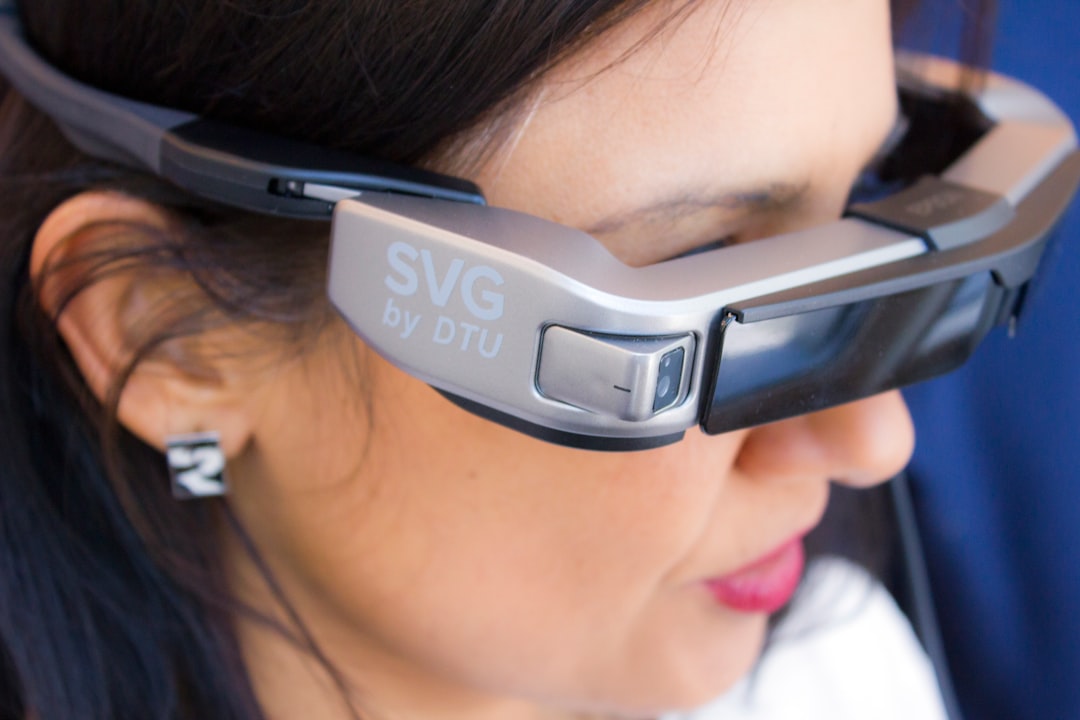 Key Digital Dental Technologies and Their Applications
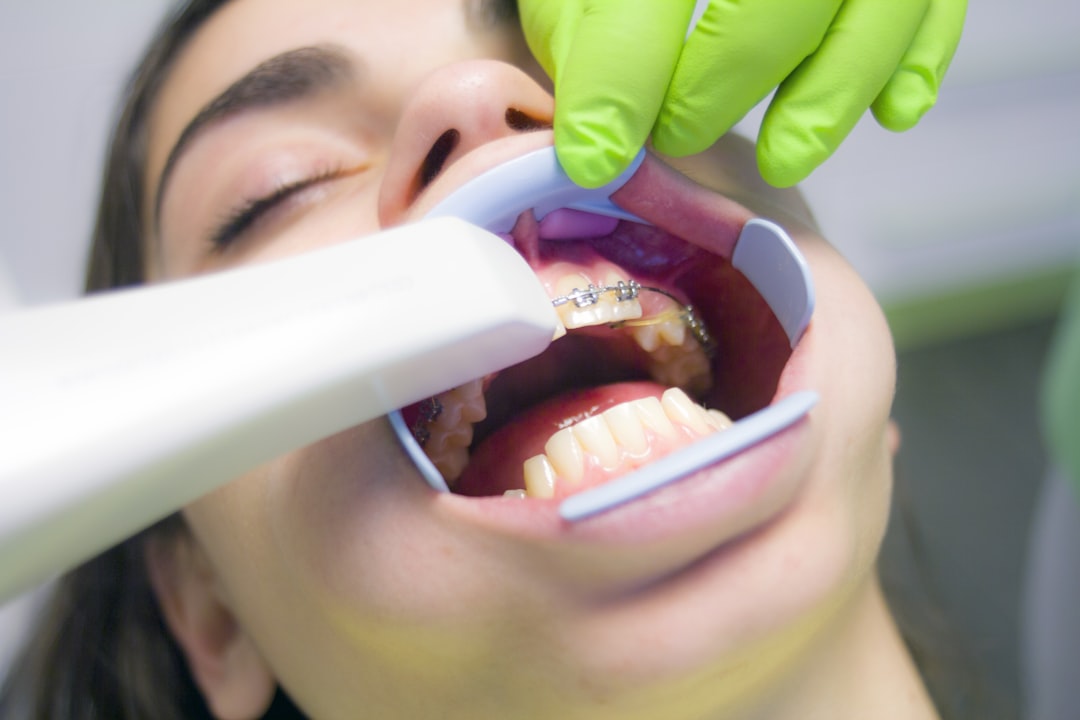 Impact of Digital Technology on Prosthodontics and Implant Dentistry
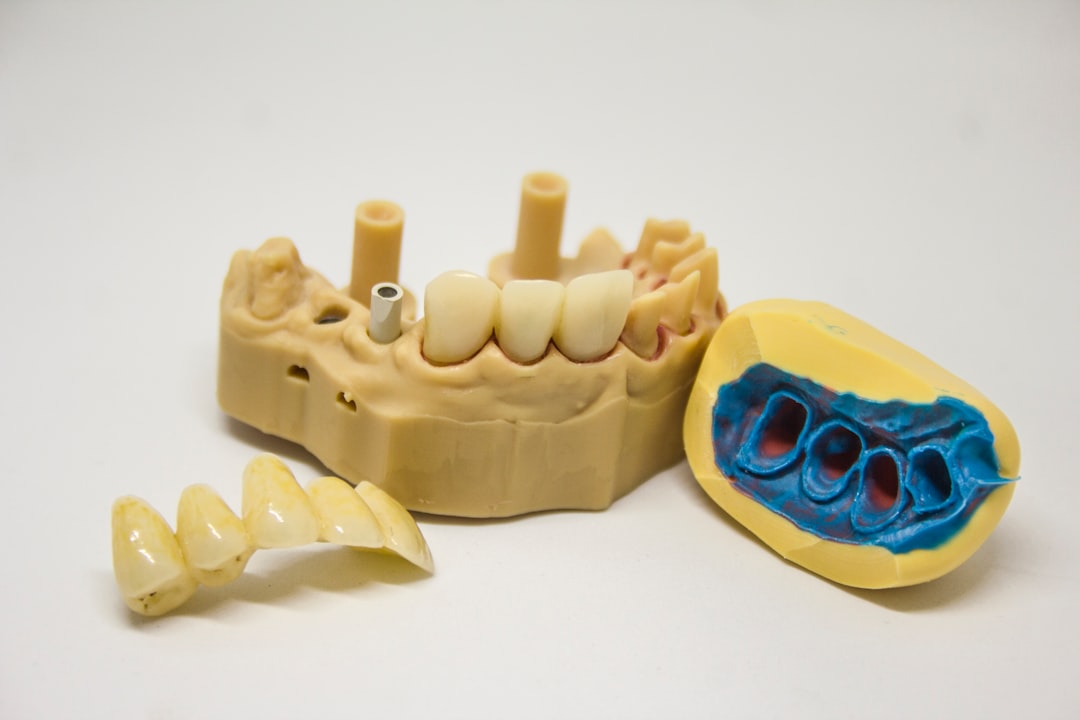 The Role of Manual Skills and Experience in Digital Dentistry
 Conclusion
 Current Trends in Dental Technology
 Advancements in Dental Imaging
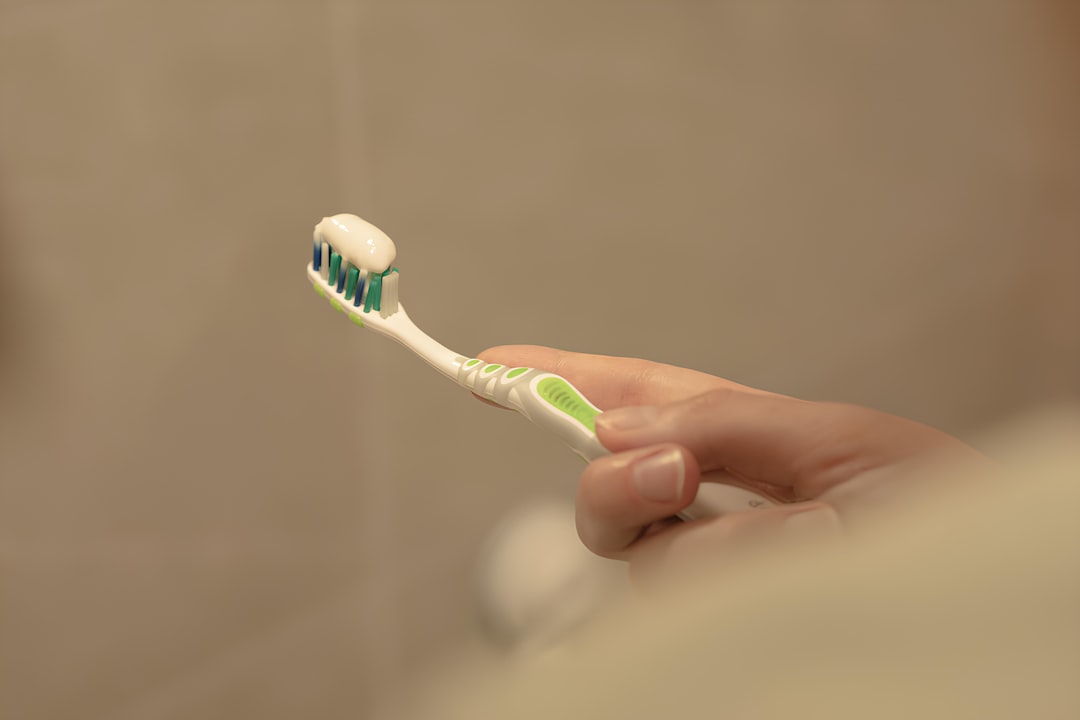 Benefits and Challenges of Adopting New Dental Technology



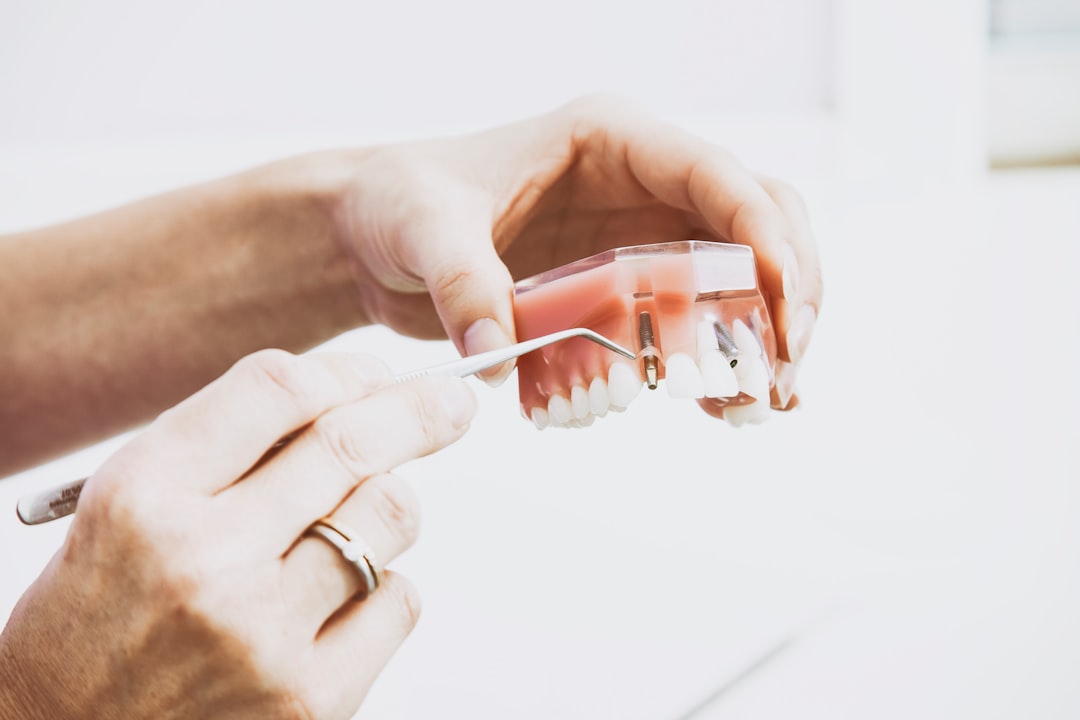 Nanotechnology in Oral Hygiene Products
 Nanotechnology in Disease Prevention and Treatment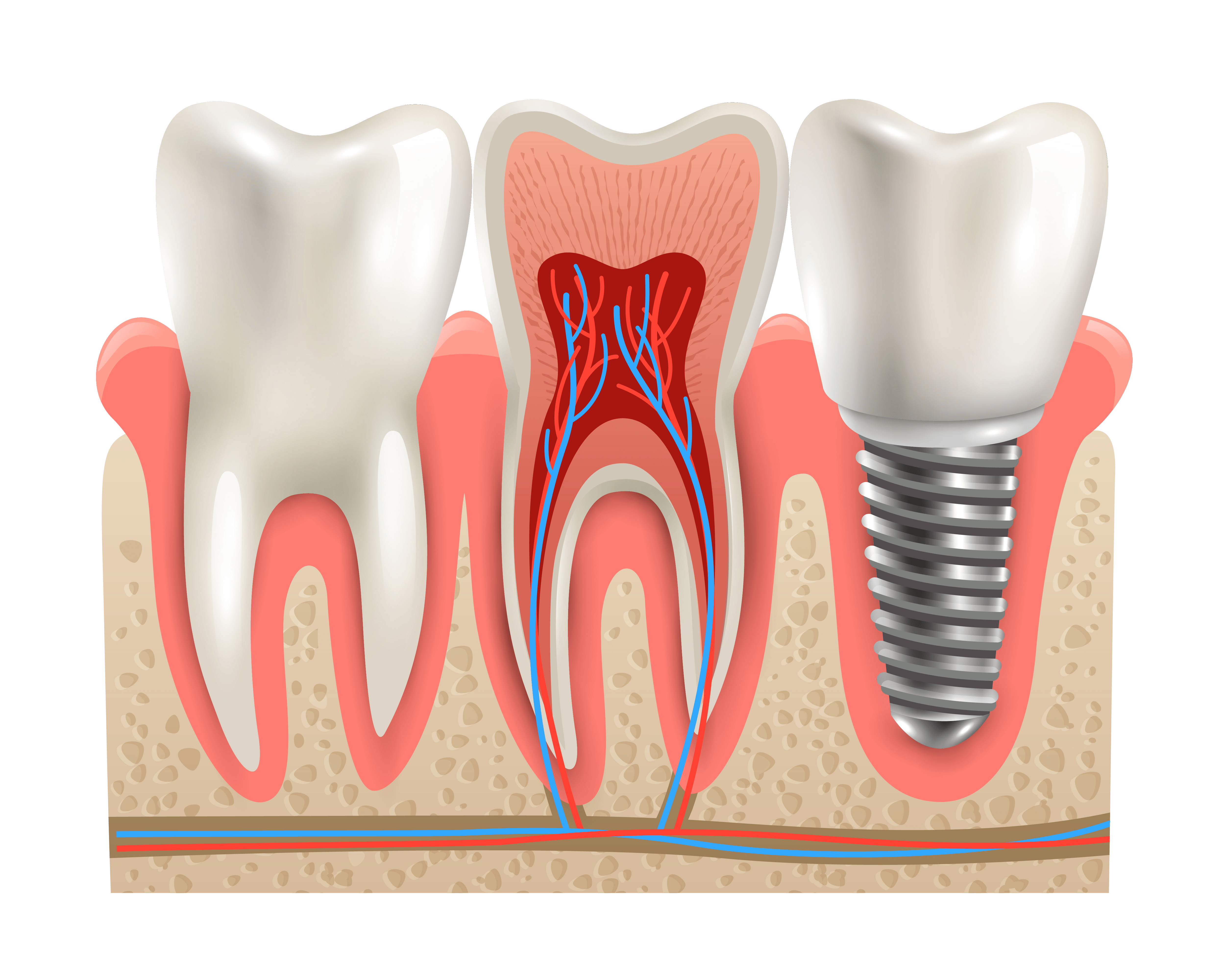
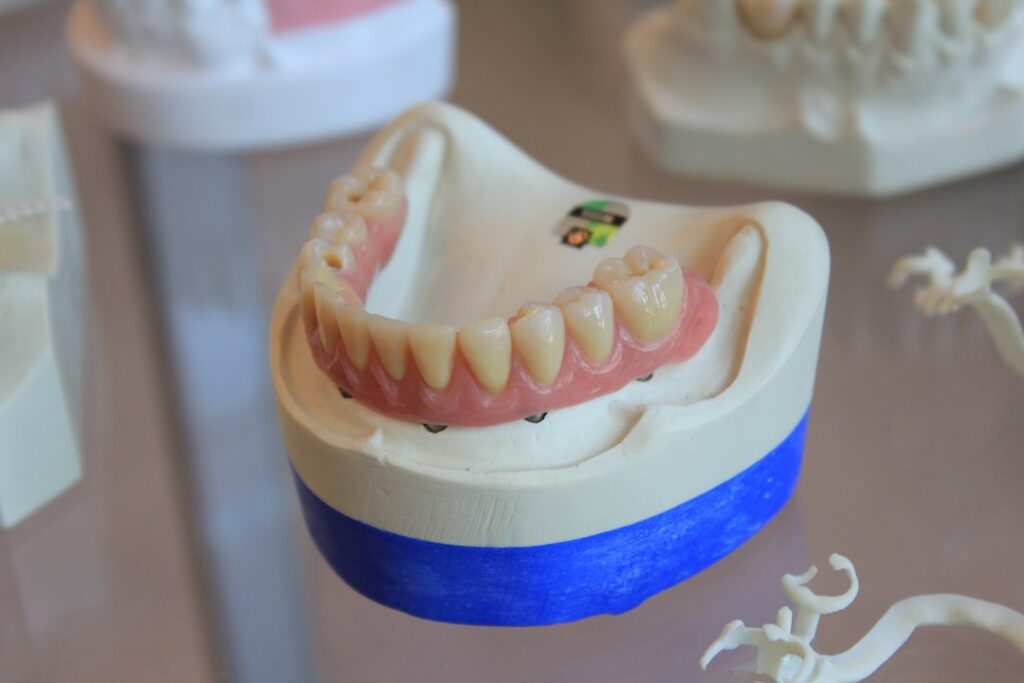
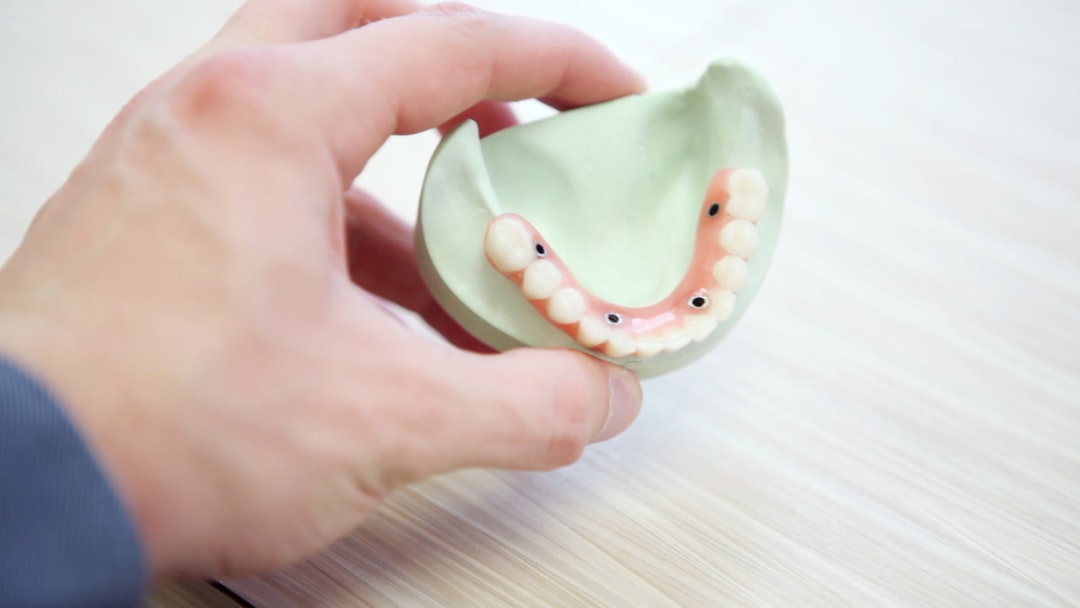 Future Trends in Dental Implant Materials





 The Rise of AI in Dental Marketing
 Benefits of Using AI in Dental Marketing