This article explores the benefits and strategies of using AI-powered personalized marketing campaigns in dental offices, including improved patient experience, enhanced engagement, and increased referrals. It also discusses the innovative use of AI technology by DDS Marketing and provides tips for successful implementation and considerations for data privacy.
Personalized Marketing in Dental Offices Using AI
The adoption of Artificial Intelligence (AI) in marketing strategies has been gaining momentum across various industries, including dental offices. AI provides a platform to enhance personalized marketing strategies, allowing dental practices to tailor their marketing efforts to individual patients, improving patient engagement and overall experience.
Benefits of Personalized Marketing in Dental Offices
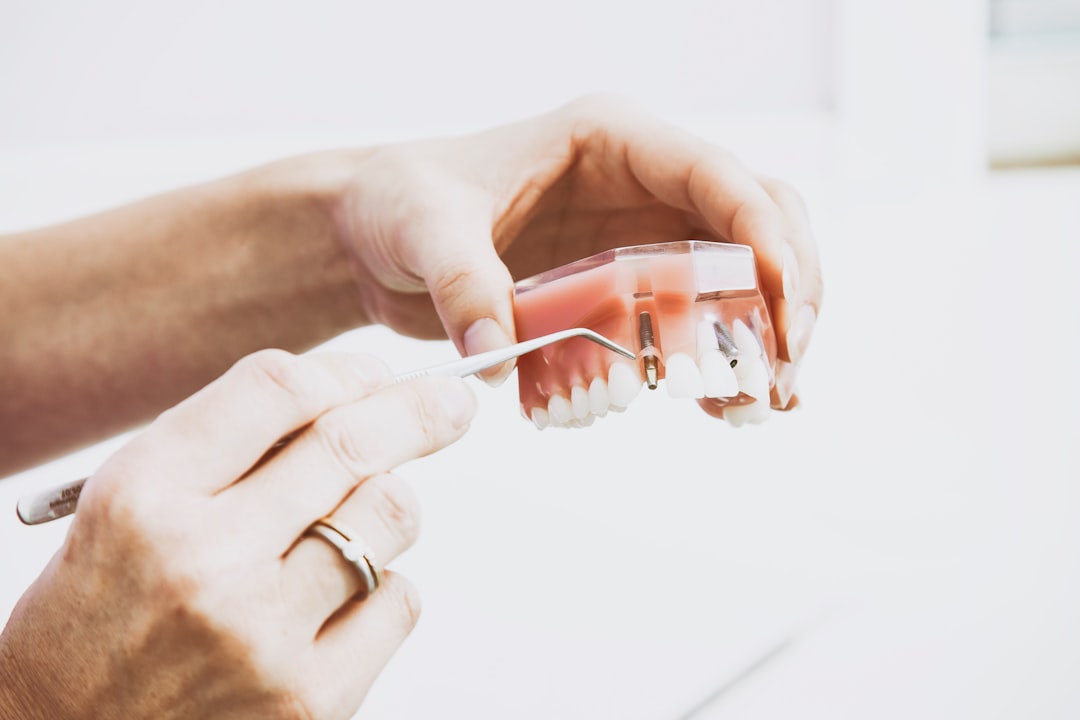
Personalized marketing strategies can significantly enhance the patient experience and engagement. By leveraging AI, dental offices can tailor their marketing initiatives specifically to their target audience, leading to optimized patient interactions and fostering loyalty.
For instance, AI tools like ChatGPT can be used for personalized messaging and content creation, catering to the specific needs and expectations of patients. This personal touch not only enhances the patient experience but also contributes to improved patient satisfaction and loyalty, which can ultimately lead to better patient retention and increased referrals for dental offices.
AI-Powered Marketing Strategies for Dental Offices
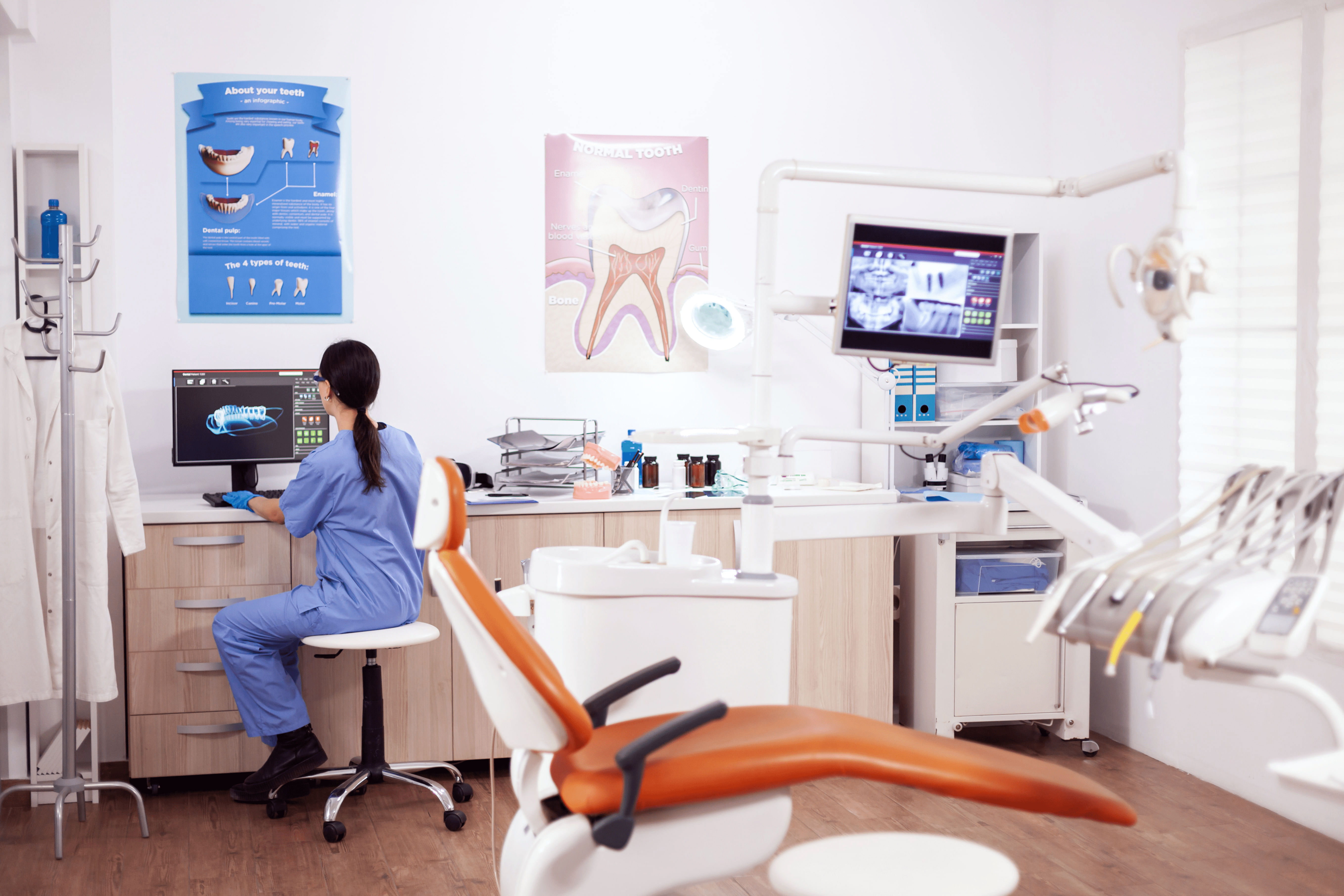
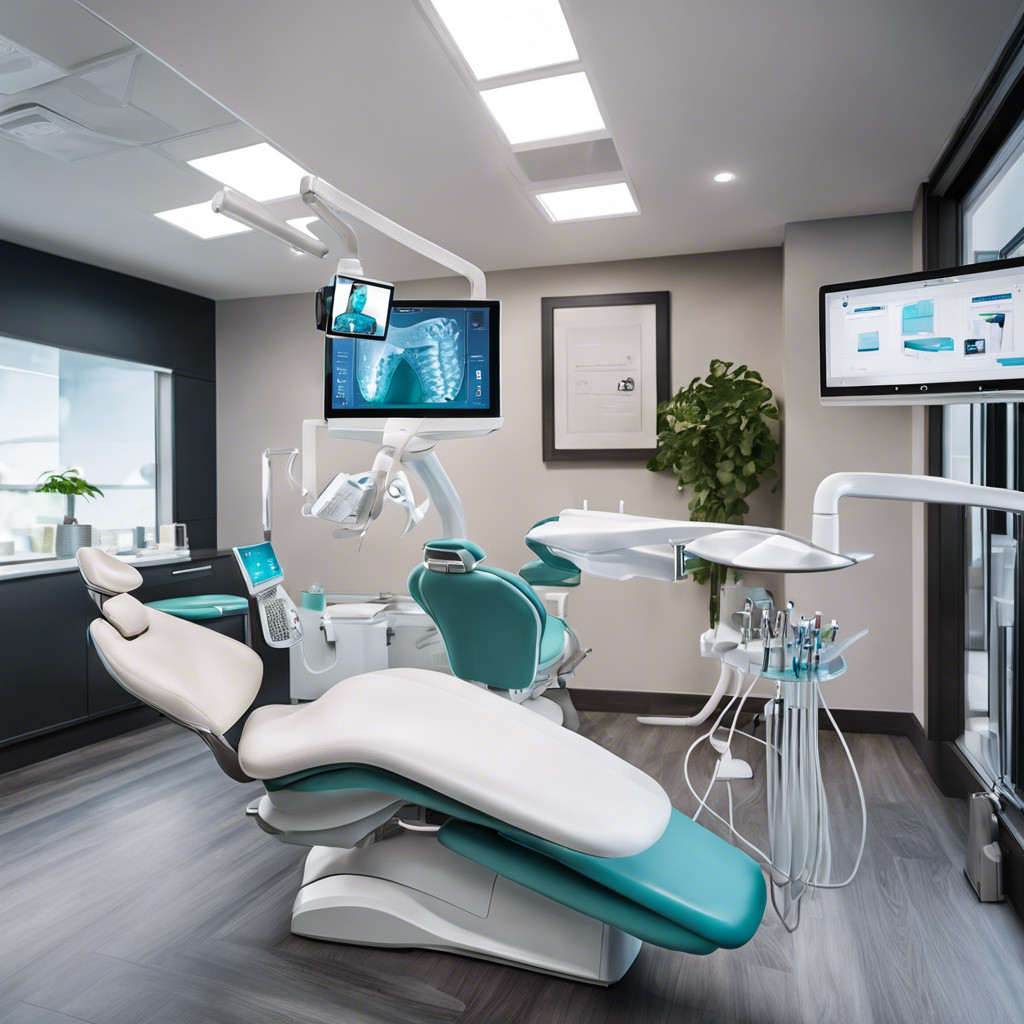
AI-powered tools offer a wealth of opportunities for dental offices to streamline their marketing efforts. For instance, automated content creation tools powered by AI can revolutionize a dental office’s online presence and patient engagement.
An example of AI’s impact is seen in DDS Marketing. This company uses AI-powered algorithms to optimize advertising on platforms like Google Ads and Facebook Ads, resulting in more leads and a higher return on investment. By identifying the most effective keywords, ad copy, and targeting options, dental offices can drastically improve their campaign performance.
Case Study: DDS Marketing
DDS Marketing, founded by Amir Moghaddam and Ardi Safi, has been recognized for its innovative use of AI technology in dental marketing. By leveraging AI-powered algorithms, the company has revolutionized how dental practices advertise, resulting in more leads and a higher return on investment.
For example, real-time data analysis and campaign adjustments based on performance are made possible through AI technology. By staying ahead of the curve and providing innovative solutions, DDS Marketing has managed to generate significant media attention, showcasing the potential of AI in dental marketing.
Implementing AI in Dental Marketing: Tips and Considerations
When implementing AI in dental marketing, it’s crucial to set clear goals, choose the right tools, and collect and analyze data for insights. AI can be used for predictive analysis, chatbots, content personalization, and SEO optimization, contributing to effective and targeted dental marketing efforts.
However, with the implementation of AI, there are certain considerations to keep in mind. Adherence to data privacy laws like HIPAA is crucial to ensure patient data security and compliance. Therefore, when implementing AI in dental marketing strategies, dental offices must ensure that they uphold data privacy laws.
Future of AI in Dental Marketing
With the projected business value of AI in dental marketing estimated to reach $2.9 trillion and recover 6.2 billion hours of worker productivity by 2025, the potential for growth and innovation is significant. AI is set to play a pivotal role in shaping the future of dental marketing, enhancing efficiency and impact.
By leveraging AI, dental offices can streamline their marketing efforts, foster patient engagement, and enhance their online presence, showcasing the transformative potential of AI in dental marketing.
This article explores the importance of marketing for dental offices and the impact of artificial intelligence (AI) on dental marketing, including AIs role in content creation, digital advertising, online reputation management, dental health education, and patient engagement.
Artificial Intelligence and Dental Office Marketing
Importance of Marketing for Dental Offices
Marketing plays a crucial role in the success of dental practices. It helps dental offices differentiate themselves from competitors, effectively communicate their services and expertise to the community, and attract and retain patients [1]. Moreover, marketing initiatives contribute to raising awareness about the importance of oral health and the services offered by dental offices, fostering a strong brand identity and establishing trust with current and potential patients [4]. Well-executed marketing strategies can lead to increased patient engagement and loyalty, contributing to the overall growth and success of a dental practice.
For instance, through a well-planned marketing campaign, a dental office can communicate its unique selling proposition, such as advanced treatment options or a highly experienced team of professionals. This not only helps patients understand what sets the practice apart but also builds a strong brand image in the minds of potential patients.
The Impact of AI on Dental Marketing
Artificial Intelligence (AI) is revolutionizing dental office marketing by enabling personalized campaigns and significantly improving patient experience [1]. According to a report, 51% of marketing leaders are already using AI to streamline processes in dental marketing, indicating the widespread adoption and effectiveness of AI in this field. AI-powered tools such as ChatGPT and Midjourney are reshaping the landscape of dental marketing by assisting in content creation and enhancing creativity and efficiency [1].
For example, DentalMarketing.com, a leading dental marketing agency, uses AI-driven marketing strategies to help dentists reach and engage with patients. This approach has resulted in personalized campaigns, improved patient experience, and increased engagement.
The substantial impact AI is expected to have on dental office marketing is highlighted by the projected $2.9 trillion in business value and the recovery of 6.2 billion hours of worker productivity by AI by 2025. It’s clear that AI fosters creativity and efficiency, making it a valuable asset in the marketing efforts of dental offices.
AI in Content Creation for Dental Marketing
AI assists with content creation in dental marketing by generating articles, blog posts, and other marketing materials through tools like ChatGPT. This AI chatbot system provides factual and informative content for dental marketing, alleviating the burden of content creation from dentists and allowing them to focus on patient care.
For instance, a dentist can use ChatGPT to generate a blog post about the benefits of regular dental check-ups. The AI can provide factual and informative content, allowing the dentist to focus on patient care. However, it’s important to remember that while AI can be a time-saving tool for content creation, human creativity is still needed to achieve a high-quality, authentic final product.
AI in Digital Advertising and Online Reputation Management
AI can assist in creating targeted digital advertising campaigns, enhancing the reach and impact of marketing efforts for dental offices. AI tools can also help manage the online reputation of dental offices by monitoring online reviews and feedback, allowing for proactive management of the practice’s online presence.
For example, an AI tool could analyze online reviews and feedback to identify areas of improvement for a dental practice. The tool could then suggest strategies to improve patient experience, ultimately helping the practice enhance its online reputation.
Automation of social media tasks, such as scheduling posts and engaging with followers, can be efficiently handled by AI, freeing up time for dental office staff to focus on other essential tasks.
AI in Dental Health Education and Patient Engagement
AI can be utilized to educate patients about dental health and treatments, enhancing patient understanding and engagement with dental services. Implementing chatbots on a dental office’s website can provide fast and convenient responses to patients, improving the overall patient experience and satisfaction. AI-powered tools contribute to personalized messaging and content creation, enabling dental offices to better engage with and educate their patient base.
For instance, a dental office could implement an AI chatbot on its website to answer frequently asked questions about dental hygiene. The chatbot could provide personalized responses to each patient, improving patient understanding and engagement with dental services.
Future Potential of AI in Dental Marketing
The future of AI in dental marketing is promising. While AI technologies will not replace human talent, they are expected to become an integral part of marketing strategies, enhancing creativity and efficiency [2][3]. The best practice for using AI in dental marketing is to use it to help flush out creative marketing ideas, complementing human creativity to achieve optimal results.
For example, an AI tool could be used to generate creative ideas for a social media campaign promoting oral health. The tool could suggest engaging content formats and innovative messaging ideas, complementing the creativity of the marketing team to achieve a successful campaign.
In conclusion, AI is revolutionizing dental marketing, offering a new level of personalization, efficiency, and creativity. From content creation to digital advertising, AI is transforming the way dental offices engage with patients. As AI continues to evolve, its impact on dental marketing is expected to grow, offering exciting opportunities for dental practices to enhance their marketing strategies and achieve their growth objectives.
Future Trends in AI-Enabled Dental Technology: Explore the current applications of AI in dentistry, its role in various dental procedures, and the benefits and challenges of using AI, as well as the expected growth and advancements in AI-enabled dental tools.
The Role of AI in Various Dental ProceduresArtificial Intelligence (AI) has reformed the landscape of several dental procedures, notably orthodontics, periodontics, endodontics, and restorative/prosthetic dentistry [2, 3]. In the field of orthodontics, AI aids in anatomical landmark detection, growth and development assessment, and evaluating treatment outcomes. Through the utilization of AI in dentistry, dentists can make more accurate predictions and assessments, thus improving the overall quality of patient care.A particularly remarkable use of AI is in the early detection and classification of oral and oropharyngeal cancers. AI has demonstrated the potential for identifying these cancers with high accuracy and specificity, which could significantly improve patient outcomes through early intervention. Furthermore, AI’s ability to classify 3D images of the mandibular condyle into stages of structural degenerative changes is a testament to its transformative potential in dentistry.However, it’s important to note that AI is not without limitations. Current challenges include the size and quality of available data sets. This limitation can potentially affect the accuracy of AI’s applications in dentistry. However, researchers are being proactive in addressing these challenges and are working tirelessly to increase the size of these datasets, thereby improving the overall accuracy of AI applications in dentistry.Despite these challenges, AI is seen as an intelligent assistant in diagnostic and therapeutic care, providing rapid, reliable data to inform clinical decision making. It’s a tool that aids and enhances the skills of dental professionals, rather than replacing them. This collaborative interaction between AI and clinicians holds enormous potential for the future of dental procedures and patient care.The Role of AI in Various Dental ProceduresAI has a transformative role in various dental procedures including orthodontics, periodontics, endodontics, and restorative/prosthetic dentistry [2, 3]. It is instrumental in identifying and classifying oral and oropharyngeal cancers with a high degree of accuracy and specificity. For instance, AI can classify 3D images of the mandibular condyle into stages of structural degenerative changes, aiding in the diagnosis and treatment of temporomandibular joint disorders. However, the application of AI in dentistry is not without challenges. The limitations of AI are often linked to the size and quality of available data sets. Nevertheless, researchers are actively working on expanding these datasets to increase the accuracy of AI applications. Despite these challenges, AI is proving to be an intelligent assistant in diagnostic and therapeutic care, providing rapid, reliable data to inform clinical decision making.The Role of AI in Various Dental ProceduresThe application of Artificial Intelligence (AI) has revolutionized various dental procedures, making them more precise and efficient. In fields such as orthodontics, periodontics, endodontics, and even restorative or prosthetic dentistry, AI has been integrated to enhance the accuracy of diagnoses and to streamline treatment planning [2,3]. One of the notable breakthroughs is the use of AI in identifying and classifying oral and oropharyngeal cancers. With its high accuracy and specificity, AI has proven to be an invaluable tool in early detection and timely intervention of these cancers.In addition to cancer detection, AI has shown remarkable capability in the classification of 3D images of the mandibular condyle, effectively categorizing them into different stages of structural degenerative changes. This has significantly improved the understanding and management of conditions like temporomandibular joint disorders. However, it’s worth noting that AI is not without its limitations in dentistry. One of the primary challenges is linked to the size and quality of available data sets. To overcome this, researchers are tirelessly working on expanding these datasets to increase the accuracy and reliability of AI applications.Despite these hurdles, AI continues to serve as an intelligent assistant in diagnostic and therapeutic care. By providing rapid and reliable data, it helps in making informed clinical decisions, thereby elevating the standard of patient care in dentistry.Future Trends and Advancements in AI-Enabled Dental ToolsArtificial Intelligence (AI) continues to revolutionize various sectors, and dentistry is no exception. Over the next few years, it is anticipated that the dental AI market will experience significant growth, reaching $36 billion by 2026. This exponential growth can be attributed to the myriad of benefits AI brings into the field of dentistry. AI-powered imaging software, for instance, is expected to enhance patient education and increase treatment acceptance, thereby playing a crucial role in the overall growth.One of the most promising future advancements in AI-enabled dental tools is the transformation of patient progress monitoring. AI technology is being developed to predict potential issues, enabling early intervention and improving treatment outcomes. Additionally, the integration of AI technologies with cloud-based imaging solutions is set to provide immense benefits for both dental professionals and patients alike. This integration streamlines the process of accessing and sharing patient information, leading to enhanced collaboration and ultimately better patient care.As AI continues to evolve, it’s important to remember that it is not designed to replace skilled clinicians, but rather to augment their capabilities. AI serves as an intelligent assistant in diagnostic and therapeutic care, providing rapid, reliable data that can inform clinical decision making. As these trends and advancements become reality, the future of dentistry looks promising, with AI technology at the forefront of this transformation.Benefits and Challenges of Using AI in DentistryArtificial Intelligence (AI) is rapidly reshaping the landscape of dentistry, offering a plethora of benefits. AI’s capacity to mimic the problem-solving and decision-making capabilities of the human mind has been harnessed to improve the accuracy and efficiency of dental diagnoses and treatment planning. For instance, AI has demonstrated significant potential in detecting various oral health conditions such as caries lesions, gingivitis, periodontal disease, and periapical lesions. These applications of AI have shown to enhance the clinical decision-making process, providing dentists with rapid and reliable data, thereby improving patient care.Despite the considerable benefits, the integration of AI in dentistry is not without challenges. One of the primary limitations of AI in dentistry is tied to the size and quality of available data sets. The effectiveness of AI algorithms largely depends on the quality and quantity of data they are trained on. Presently, the limited size and sometimes subpar quality of available datasets in dentistry have somewhat restricted the accuracy of AI applications. However, researchers are actively working towards expanding these datasets, which is expected to increase the accuracy and broaden the applicability of AI in the dental field. In conclusion, while AI is not poised to replace skilled clinicians, it serves as a powerful tool in enhancing diagnostic and therapeutic care, marking a significant leap forward in the realm of dentistry.Conclusion: The Impact of AI on the Future of DentistryThe inclusion of artificial intelligence in dentistry is a significant leap forward in the field, with the potential to revolutionize the way dental professionals operate. The consensus among experts is that AI is the future of dentistry. However, it’s also clear that a comprehensive understanding of the technology and the challenges it brings is essential for its successful implementation.One of the areas where AI is making its mark is digital marketing. The technology enables a data-driven approach to decision making, allowing dental practices to tailor their marketing efforts to their target audience’s specific needs. AI can also power chatbots and virtual assistants, automating tasks, enhancing customer service, and freeing up time for dental professionals to focus on patient care. Moreover, the advent of AI has made marketing automation and predictive analytics possible, providing insights into future trends and allowing practices to stay ahead of the curve.The impact of AI on the future of dentistry is further evident in the rise of innovative solutions offered by companies like Dandy and OpenAI. These organizations are leading the way, providing AI technologies and tools that are revolutionizing dental practices. By leveraging these cutting-edge solutions, dentists can ensure they remain at the forefront of the industry. This not only allows them to provide high-quality care but also caters to the evolving needs and expectations of their patients.Despite the many benefits of AI, it’s important to acknowledge the limitations and challenges associated with its use in dentistry. These primarily revolve around the size and quality of available data sets. However, efforts are underway to expand these datasets, which is expected to improve the accuracy of AI applications. The way forward, then, involves not just embracing AI but also addressing these challenges to maximize its potential in enhancing dental care.
AI in Diagnosing and Predicting Oral Health Conditions: Discover how AI technology is revolutionizing dental diagnosis, improving accuracy and efficiency, and assisting in early detection for better treatment outcomes.
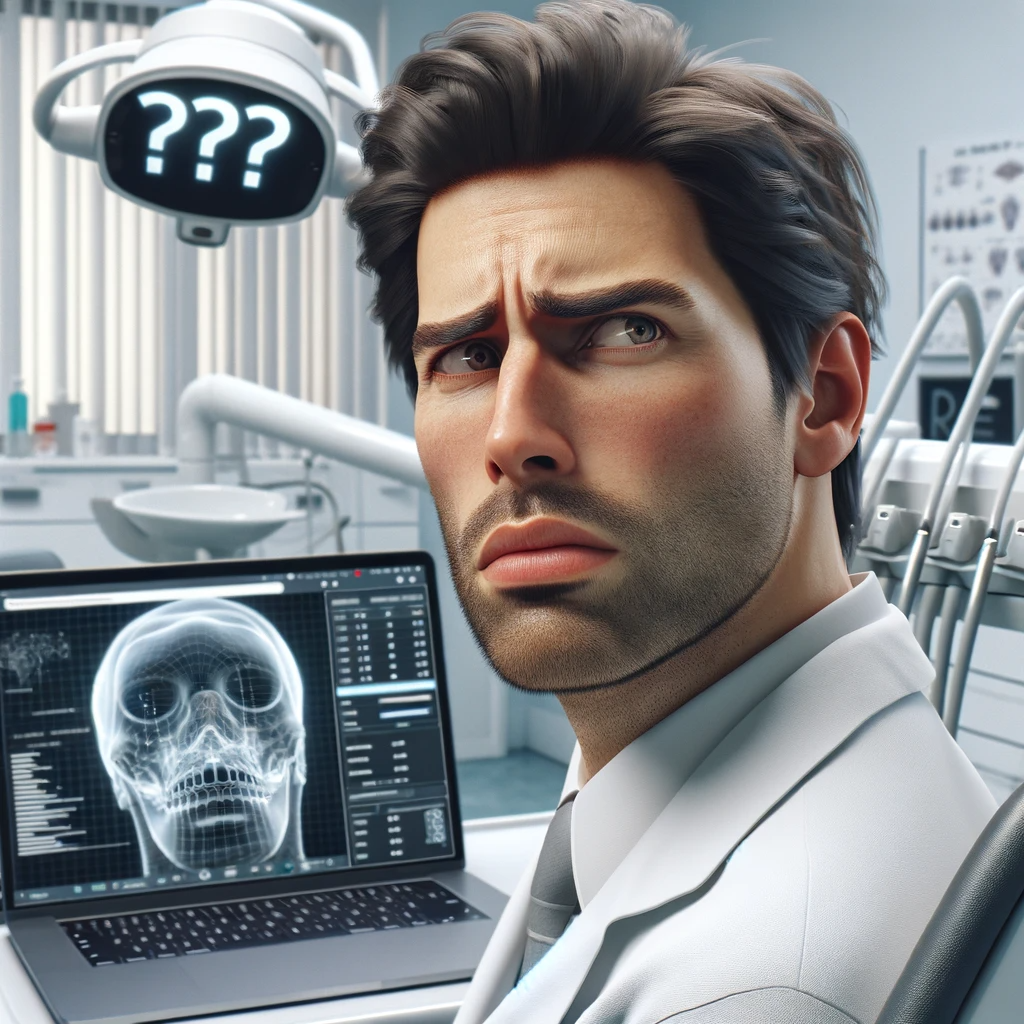
The Ancient Days Of Dental X-rays
AI in Revolutionizing Dental Diagnosis
Artificial Intelligence (AI) has been instrumental in revolutionizing the diagnosis and prediction of oral health conditions. By harnessing its capability to analyze large amounts of data, AI algorithms can identify patterns indicative of various diseases, leading to the potential for early detection and improved treatment outcomes. This has significant implications for the field of dentistry, as it offers the promise of more accurate and efficient diagnosis of oral diseases.
One example of AI technology used in dental diagnosis is the development of an AI framework to diagnose dental diseases on panoramic radiographs using deep convolutional neural networks. This framework demonstrated high sensitivity, specificity, and efficiency in diagnosing impacted teeth, full crowns, residual roots, missing teeth, and caries. The results of this study highlighted the potential of AI in accurately diagnosing dental diseases, thus showcasing its reliability and effectiveness in dental diagnosis.
Another example of AI technology is its ability to assist in early detection, which can lead to better treatment outcomes. The potential for AI to identify oral health conditions in their early stages can significantly impact patient care and prognosis. By identifying diseases at an earlier stage, treatment can be initiated promptly, potentially preventing the progression of the condition and leading to improved patient outcomes. The potential of AI to contribute to early detection further underscores its transformative role in dental diagnosis and patient care.
In conclusion, AI has demonstrated its potential to revolutionize dental diagnosis through improved accuracy, efficiency, and early detection of oral health conditions. The use of AI technology in dental diagnosis is a promising development in oral healthcare, with the potential to significantly enhance patient outcomes and the overall practice of dentistry [1].
Benefits of AI in Diagnosing and Predicting Oral Health Conditions
Tablet, hologram and scientist work with digital innovation, data and 3d overlay in laboratory. African man, doctor and information technology for futuristic medical research with pharma healthcare.
The utilization of AI in diagnosing and predicting oral health conditions offers several notable benefits. By harnessing the power of AI algorithms, dental professionals can significantly enhance the accuracy and efficiency of diagnosing oral diseases, ultimately leading to improved patient care and treatment outcomes. This is particularly significant in the realm of oral health, where early detection plays a pivotal role in ensuring effective intervention and disease management. For instance, AI algorithms can analyze extensive datasets and identify subtle patterns indicative of various oral diseases, facilitating the timely detection of conditions such as periodontal disease, oral cancer, and dental caries.
Moreover, AI technology holds the potential to revolutionize the landscape of oral healthcare by assisting in the early detection of conditions, thereby enabling proactive and targeted treatment strategies. Through the integration of AI, healthcare providers can identify oral health issues at their nascent stages, leading to more effective and less invasive interventions. This proactive approach not only enhances patient outcomes but also contributes to reducing the burden on healthcare resources. However, it is crucial to acknowledge the ethical considerations and patient privacy concerns that accompany the integration of AI in healthcare. It is imperative to ensure that patient data is handled responsibly and securely, emphasizing the need for robust privacy measures and ethical guidelines to govern the use of AI in dental diagnosis and prediction.
Examples of AI Technologies Used in Dental Diagnosis
In a groundbreaking development, researchers have created an AI framework that utilizes deep convolutional neural networks to diagnose dental diseases based on panoramic radiographs (PRs). This innovative framework has exhibited remarkable sensitivity, specificity, and efficiency in identifying a range of dental conditions, signifying its potential to significantly enhance the accuracy and reliability of dental disease diagnosis. Of particular note is the framework’s performance, which has been found to be on par with or surpassing that of dentists with 3-10 years of experience, underscoring the effectiveness of AI technologies in revolutionizing dental diagnosis.
Moreover, the AI framework’s ability to diagnose dental diseases with high specificity and efficiency, comparable to experienced dentists, has laid the foundation for a paradigm shift in the field of dental diagnostics. By leveraging advanced AI technologies, the dental industry is poised to witness a transformative impact on the accuracy, speed, and effectiveness of disease diagnosis, ultimately leading to improved patient outcomes and enhanced overall healthcare delivery in the oral health domain.
Accuracy and Reliability of AI in Dental Diagnosis
The use of AI algorithms in dental diagnosis has shown remarkable potential in improving the accuracy and reliability of disease detection. For example, researchers have developed an AI framework based on deep convolutional neural networks to diagnose dental diseases on panoramic radiographs (PRs). This framework demonstrated high sensitivity, specificity, and efficiency, and its diagnostic time was significantly shorter than that of dentists. These findings emphasize the reliability and efficiency of AI in the diagnosis of oral health conditions.
In addition to the efficiency of AI diagnostic processes, the comparison of AI frameworks with the diagnostic time of dentists highlights the time-saving benefits of integrating AI into dental diagnosis. Moreover, the continuous evaluation and refinement of AI frameworks hold promise for further enhancing their accuracy in diagnosing various oral health conditions. This ongoing commitment to improvement reinforces the reliability and potential of AI in dental diagnosis and prediction, positioning it as a valuable tool for healthcare professionals in the field of dentistry.
Future Advancements in AI Dental Technology
The future of AI in dental technology is marked by global collaboration in research and education within the field of dentistry and related sciences. This collaboration fosters exploration of potential advancements in AI dental technology, with implications for the future of dental care and treatment. The continuous advancement of AI in dentistry holds the potential to significantly impact oral healthcare, providing opportunities for innovative approaches and improved patient outcomes.
Furthermore, the ongoing collaboration among researchers and professionals from various fields such as Maxillofacial Surgery, Biotechnology, Oral Pathology, and Preventive Dental Science, among others, creates a fertile ground for the development and integration of cutting-edge AI technologies into dental diagnosis and prediction. This multidisciplinary approach ensures that AI advancements are aligned with the specific needs and challenges in the field of dentistry, leading to solutions tailored to oral healthcare.
Moreover, the potential future advancements in AI dental technology are not limited to diagnosis and prediction but also extend to treatment planning and personalized patient care. As AI algorithms continue to evolve, they hold the promise of providing personalized treatment recommendations based on individual patient data, contributing to more effective and targeted interventions. This could revolutionize the way dental practitioners approach treatment strategies, leading to better outcomes and improved patient satisfaction. Therefore, the future of AI in dental technology represents a pivotal shift towards a more patient-centric and efficient oral healthcare ecosystem.
Conclusion
In conclusion, the integration of AI in diagnosing and predicting oral health conditions presents substantial potential for revolutionizing dental diagnosis. The benefits of AI technology in enhancing accuracy, efficiency, and early detection underscore its significance in the field of oral healthcare. For example, researchers have developed AI frameworks that utilize deep convolutional neural networks to diagnose dental diseases on panoramic radiographs, demonstrating high sensitivity, specificity, and efficiency. This specific example highlights the practical application of AI in dental diagnosis, showcasing the potential for advanced technology to augment the diagnostic capabilities of oral healthcare professionals.
However, it is crucial to acknowledge the ethical considerations and patient privacy issues associated with AI implementation in healthcare, emphasizing the need for responsible and patient-centric utilization of AI technologies. As AI continues to play a prominent role in dental diagnosis, ensuring patient confidentiality, data security, and ethical practice standards remains a critical aspect of integrating AI into oral healthcare systems. Moreover, further research is essential to fully comprehend the potential and limitations of AI in oral disease diagnosis, paving the way for informed and effective integration of AI in dental practices. This call for continued research emphasizes the dynamic and evolving nature of AI technology in dental diagnosis, highlighting the need for ongoing exploration and understanding of its capabilities and constraints.

 Benefits of Personalized Marketing in Dental Offices
 AI-Powered Marketing Strategies for Dental Offices

 The Impact of AI on Dental Marketing
 AI in Content Creation for Dental Marketing
 The Role of AI in Various Dental ProceduresThe application of Artificial Intelligence (AI) has revolutionized various dental procedures, making them more precise and efficient. In fields such as orthodontics, periodontics, endodontics, and even restorative or prosthetic dentistry, AI has been integrated to enhance the accuracy of diagnoses and to streamline treatment planning [2,3]. One of the notable breakthroughs is the use of AI in identifying and classifying oral and oropharyngeal cancers. With its high accuracy and specificity, AI has proven to be an invaluable tool in early detection and timely intervention of these cancers.In addition to cancer detection, AI has shown remarkable capability in the classification of 3D images of the mandibular condyle, effectively categorizing them into different stages of structural degenerative changes. This has significantly improved the understanding and management of conditions like temporomandibular joint disorders. However, it’s worth noting that AI is not without its limitations in dentistry. One of the primary challenges is linked to the size and quality of available data sets. To overcome this, researchers are tirelessly working on expanding these datasets to increase the accuracy and reliability of AI applications.Despite these hurdles, AI continues to serve as an intelligent assistant in diagnostic and therapeutic care. By providing rapid and reliable data, it helps in making informed clinical decisions, thereby elevating the standard of patient care in dentistry.Future Trends and Advancements in AI-Enabled Dental ToolsArtificial Intelligence (AI) continues to revolutionize various sectors, and dentistry is no exception. Over the next few years, it is anticipated that the
  Conclusion: The Impact of AI on the Future of DentistryThe inclusion of artificial intelligence in dentistry is a significant leap forward in the field, with the potential to revolutionize the way dental professionals operate. The consensus among experts is that AI is the future of dentistry. However, it’s also clear that a comprehensive understanding of the technology and the challenges it brings is essential for its successful implementation.One of the areas where AI is making its mark is digital marketing. The technology enables a data-driven approach to decision making, allowing dental practices to tailor their marketing efforts to their target audience’s specific needs. AI can also power chatbots and virtual assistants, automating tasks, enhancing customer service, and freeing up time for dental professionals to focus on patient care. Moreover, the advent of AI has made