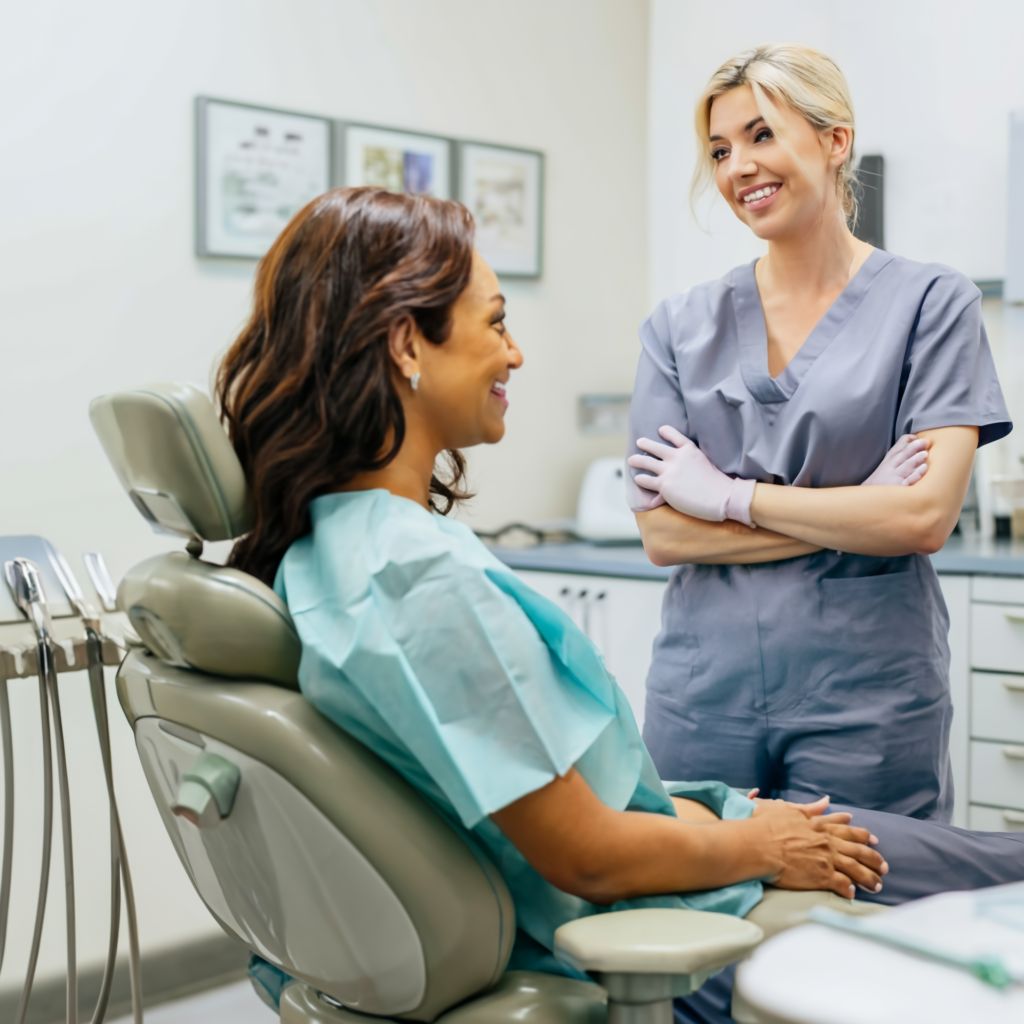
Diabetes is a chronic medical condition affecting millions of people worldwide. It places the human body under remarkable levels of physical and oral health strains that no patient should endure alone. Understanding the importance of comprehensive oral health, I am committed to explaining the relationship between dental health and diabetes and to providing numerous recommendations for improved dental care.I’d like to start by discussing the connection between oral health and diabetes. Diabetes is essentially a metabolic disorder characterized by unstable blood sugar levels due to lack of insulin, inadequate insulin utilization or both.
Elevating blood sugar levels this way can have profoundly negative oral health implications. Not only can diabetics be more susceptible to developing gum disease, but their dental health risks can also include tooth decay, oral infections and dry mouth. Low saliva production, diminished immunity and poorly controlled blood sugars often are the reasons why these issues are so common among diabetics.Undoubtedly, diabetes’s most prevalent dental health issue is gum disease (also known as periodontal disease).
Periodontal Disease:
Gum disease occurs when oral bacteria create plaque and tarter that cause the gums to become inflamed and infected. High blood sugars can weaken the human body’s immune response to that infection, making it more difficult for the body to battle this gum infection. If not treated, gum disease can become more and more severe and eventually causes teeth to become lost and other associated risks to happen.
Tooth decay and dry mouth:
Diabetes can also increase the risk of tooth decay and dry mouth. High levels of blood sugar can create an environment for bacteria to thrive in the mouth, leading to an increase in plaque production and a greater likelihood of tooth decay. Dry mouth may also develop for someone with diabetes due to side effects of medications or from not well-controlled blood sugar. This can cause oral discomfort, trouble chewing and swallowing, and an increase in tooth decay and oral infections. Practical strategies for protecting your smile: Although managing your dental health with diabetes may be more challenging, these practical steps can help you to protect your smile:
Maintain good blood sugar control. This is the most important step for controlling diabetes and reducing your risk of dental complications. Work with your healthcare provider to develop a personalized diabetes management plan that includes monitoring your blood sugar, following a healthy diet and taking your prescribed medications.
Follow thorough oral hygiene. Thorough oral hygiene is an essential step to preventing dental problems and preserving a healthy smile. Brush your teeth at least twice a day with fluoride toothpaste, floss daily to remove plaque and food debris from between your teeth and use an over-the-counter antimicrobial mouthwash to help control the bacteria in your mouth. Be sure to clean your dentures or dental appliance daily, as well.
Schedule regular dental checkups. Regular dental checkups and cleanings are important for monitoring your oral health and catching early signs of dental problems. Schedule dental appointments every six months, or more if your dentist advises, and let them know if you have diabetes and what medications you are taking.
Monitor and Manage Dry Mouth:
If diabetes causes dry mouth or you experience symptoms as a side effect of medication, you can treat symptom and prevent complications. Stay hydrated by drinking water throughout the day, and stimulate saliva production by chewing sugar-free gum or sucking on sugar-free candies. Use saliva substitutes and moisturizing mouth rinses as needed. Quit Smoking: Smoking is harmful to oral health and can worsen dental problems in individuals with diabetes. If you need help to quit smoking, talk to your healthcare provider to learn about nicotine replacement therapy and other methods to help you quit and reduce the risk of dental complications.
Conclusion:
As a dentist, I’m dedicated to helping individuals with diabetes protect their smiles and maintain excellent oral health. By recognizing the link between diabetes and dental health, and taking steps to prevent and manage dental problems, individuals can reduce their risk of dental complications and enjoy a lifetime of healthy smiles. Make sure to prioritize blood sugar control, practice good oral hygiene habits, schedule regular dental appointments, and seek professional dental care when needed. With active management and support from dental professionals, individuals with diabetes can guard their smiles and look forward to a brighter, healthier future.
Introduction: As a dentist with a passion for maternal oral health, I am deeply committed to educating expectant mothers about the importance of dental care throughout the journey of pregnancy. From preconception to postpartum, maintaining optimal oral health plays a crucial role in ensuring the well-being of both mother and baby. In this comprehensive blog post, we’ll explore the significance of dental care before, during, and after pregnancy, empowering mothers-to-be with the knowledge and tools to prioritize their oral health and nurture their smiles throughout this transformative period.
Dental Care Before Pregnancy: Preconception dental care lays the foundation for a healthy pregnancy and sets the stage for optimal maternal and fetal outcomes. Before conceiving, it is essential for women to undergo a comprehensive dental examination and address any existing dental issues. This includes treating cavities, gum disease, and other oral health concerns to reduce the risk of complications during pregnancy. Additionally, preconception dental visits provide an opportunity for dental professionals to educate women about the importance of oral hygiene, nutrition, and lifestyle factors in promoting dental and overall health.
Dental Care During Pregnancy: Pregnancy is a time of profound physiological changes, including hormonal fluctuations that can impact oral health. Expectant mothers may experience an increased risk of dental problems such as gingivitis, periodontal disease, and pregnancy tumors. It is essential for pregnant women to prioritize regular dental check-ups and cleanings throughout pregnancy to monitor and manage their oral health effectively. Dental professionals can provide tailored guidance on oral hygiene practices, nutrition, and lifestyle modifications to support maternal oral health and promote a healthy pregnancy.
Importance of Coordinated Care: Coordinated care between dental professionals and the medical care team involved in prenatal care is essential for comprehensive maternal health. By fostering collaboration and communication between healthcare providers, expectant mothers can receive holistic care that addresses both their dental health needs and overall well-being. Dental professionals can work in tandem with obstetricians and other healthcare providers to ensure safe and effective dental treatment during pregnancy, taking into account the unique needs and considerations of expectant mothers.
Addressing Dental Concerns Safely: One common concern among pregnant women is the safety of dental treatment during pregnancy. It is important to reassure expectant mothers that many routine dental procedures, including cleanings, fillings, and root canals, can be performed safely during pregnancy. However, elective procedures and non-emergency treatments may be deferred until after delivery to minimize potential risks. Dental professionals can work closely with pregnant patients to develop individualized treatment plans that prioritize maternal and fetal health while addressing dental concerns in a timely and appropriate manner.
Dental Care After Pregnancy: Postpartum dental care is often overlooked but is equally important for maternal health and well-being. The postpartum period presents unique challenges, including sleep deprivation, hormonal changes, and adjusting to the demands of caring for a newborn. It is essential for new mothers to prioritize self-care, including dental check-ups and cleanings, to maintain their oral health amidst the demands of motherhood. By continuing to prioritize dental care after pregnancy, women can safeguard their smiles and set a positive example for their children’s oral health.
Conclusion: As a dentist with expertise in maternal oral health, I am passionate about educating expectant mothers about the importance of dental care before, during, and after pregnancy. By prioritizing oral health throughout the journey of pregnancy, women can support their own well-being and promote a healthy start for their babies. From preconception dental visits to postpartum check-ups, dental care plays a vital role in nurturing smiles and ensuring the overall health and happiness of mother and child. Let us embark on this journey together, empowering expectant mothers with the knowledge and resources to prioritize their oral health and embrace the transformative power of a healthy smile.
Dentures are a valuable solution for those who’ve lost some or all of their natural teeth, offering a way to restore the appearance and functionality of their smile. However, like natural teeth, dentures require proper care to ensure they remain comfortable, functional, and aesthetically pleasing. This comprehensive guide will cover essential tips for maintaining your dentures, ensuring they fit comfortably and last as long as possible.
Understanding Your Dentures
Dentures are custom-made replacements for missing teeth and can be taken out and put back into your mouth. While dentures take some getting used to, and will never feel exactly the same as one’s natural teeth, today’s dentures are natural-looking and more comfortable than ever.
There are two main types of dentures: full and partial. Full dentures are used when all the teeth are missing, while partial dentures are used when some natural teeth remain. No matter which type of denture you have, all require the same level of care to ensure their longevity and your comfort.
Ensuring a Comfortable Fit
1. Regular Dental Visits
One of the keys to a comfortable denture fit is regular visits to your dentist. Your mouth naturally changes over time, which can affect the fit of your dentures. Your dentist can adjust your dentures to ensure a comfortable fit and check for any areas that might need repair.
2. Proper Insertion and Removal
Learning the correct way to insert and remove your dentures is crucial. Incorrect techniques can cause damage to your dentures or irritation to your gums. Your dental professional can provide you with guidance on the proper method to avoid unnecessary discomfort.
3. Use of Adhesives
For some, denture adhesives enhance the stability of dentures. However, they should not be used to fix ill-fitting or old dentures. When used, they should be applied sparingly. Always follow the product’s instructions or consult with your dentist for recommendations.
Proper Maintenance of Your Dentures
Maintaining your dentures is just as important as caring for natural teeth. Proper maintenance not only ensures that your dentures last longer but also that your oral health remains in top condition.
1. Daily Cleaning
Dentures need to be brushed daily to remove food particles and plaque, preventing staining. Use a soft-bristled brush and a non-abrasive denture cleanser. Avoid using regular toothpaste, as it can be too harsh for the denture material.
2. Soaking Overnight
Most dentures need to remain moist to keep their shape. Place them in water or a mild denture-soaking solution overnight. Check with your dentist about the best soaking solution for your dentures as certain materials may have specific requirements.
3. Rinsing After Meals
Rinse your dentures after meals to remove food debris and other loose particles. This simple practice can go a long way in maintaining the cleanliness and longevity of your dentures.
4. Handling With Care
Be cautious when handling your dentures. They are delicate and can break if dropped. Always fill the sink with water or lay a towel down when handling your dentures over a hard surface.
Dealing with Denture Irritation and Soreness
New dentures may feel awkward for a few weeks until you become accustomed to them. Initial irritation and soreness are common and should diminish as your mouth adjusts. If discomfort persists, consult your dentist as your dentures may need an adjustment.
When to See Your Dentist
Regular checkups are essential for maintaining the health of your mouth and the condition of your dentures. Visit your dentist if your dentures break, crack, chip, or if one of the teeth becomes loose. Your dentist can often make the necessary adjustments or repairs on the same day. Additionally, if your dentures begin to feel loose or cause pronounced discomfort, it’s time for a visit to ensure they fit properly and do not need to be adjusted or replaced.
Conclusion
Caring for your dentures is crucial for your overall oral health and comfort. By following these tips for a comfortable fit and proper maintenance, you can ensure your dentures serve you well for many years. Remember, your dentures are an investment in your health and quality of life, so taking the time to care for them properly is worth the effort. Always consult with your dental professional for personalized advice and solutions tailored to your unique needs. With the right care, your smile can remain bright and your dentures comfortable and functional.
Dental implants are a highly effective and widely used solution for replacing missing teeth. As a dentist, let me explain what dental implants are, how they are done, their benefits, and the process involved.
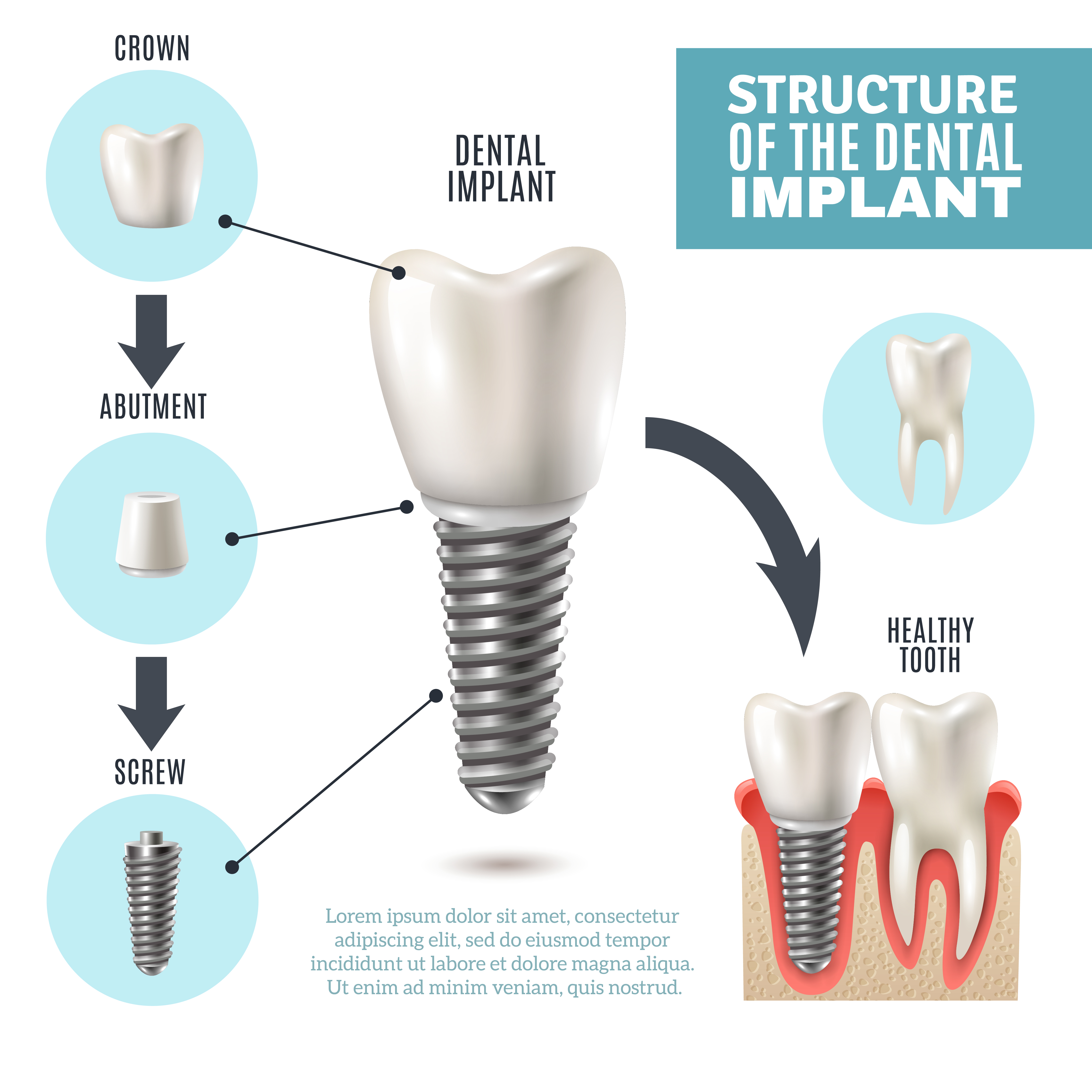
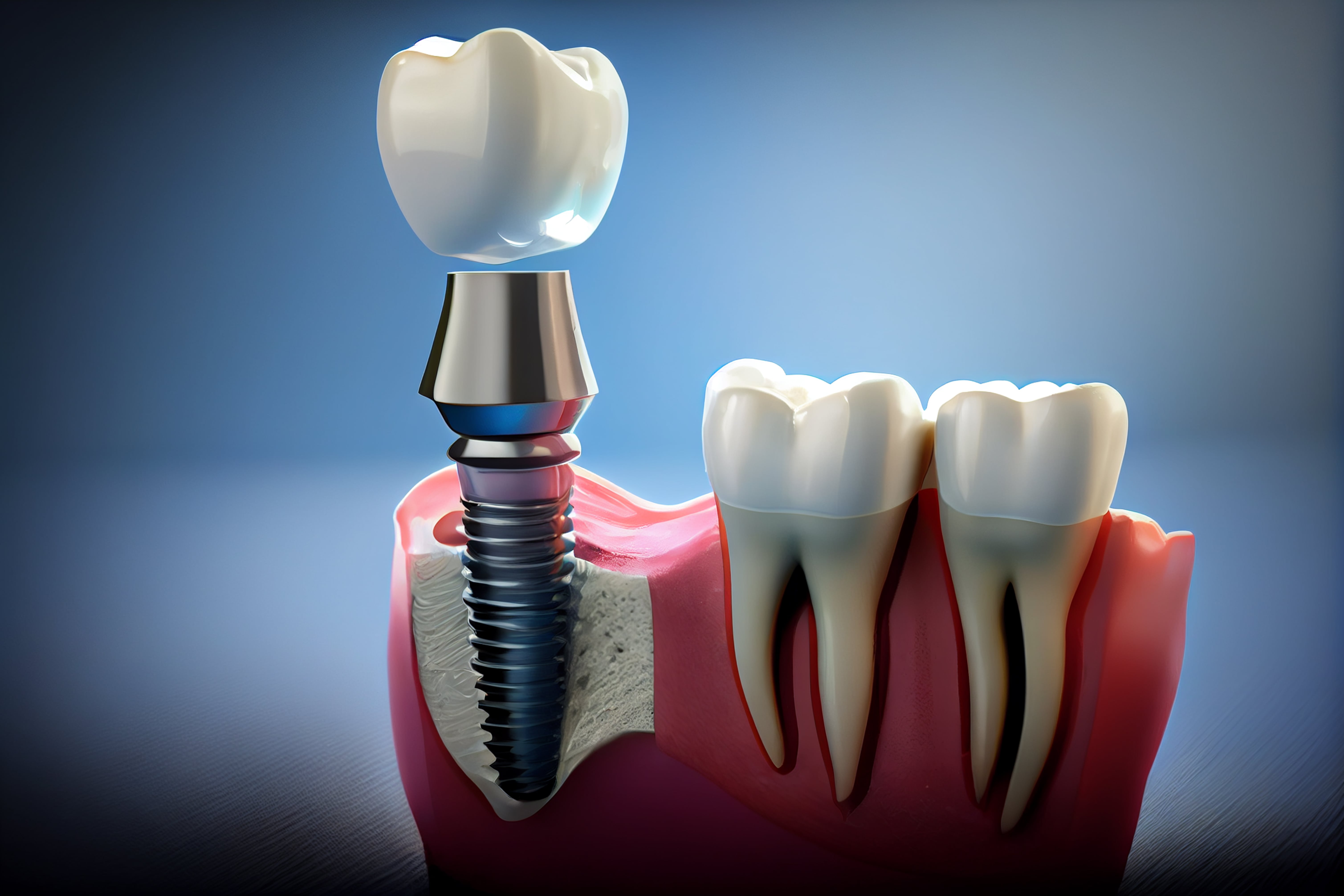
Dental implant structure medical pictorial educative infographic poster with molar replacement end healthy tools models vector illustration
What are Dental Implants?
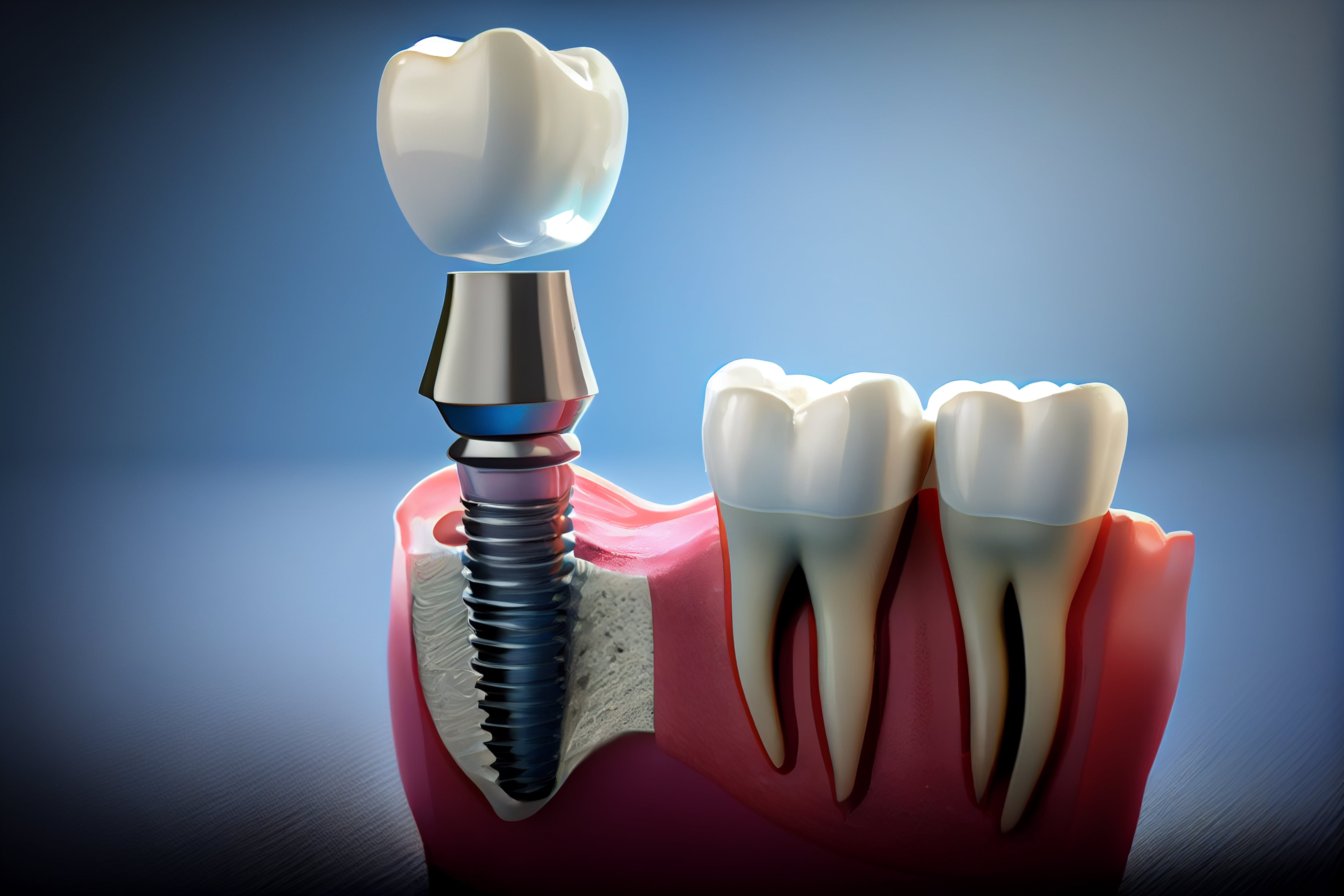
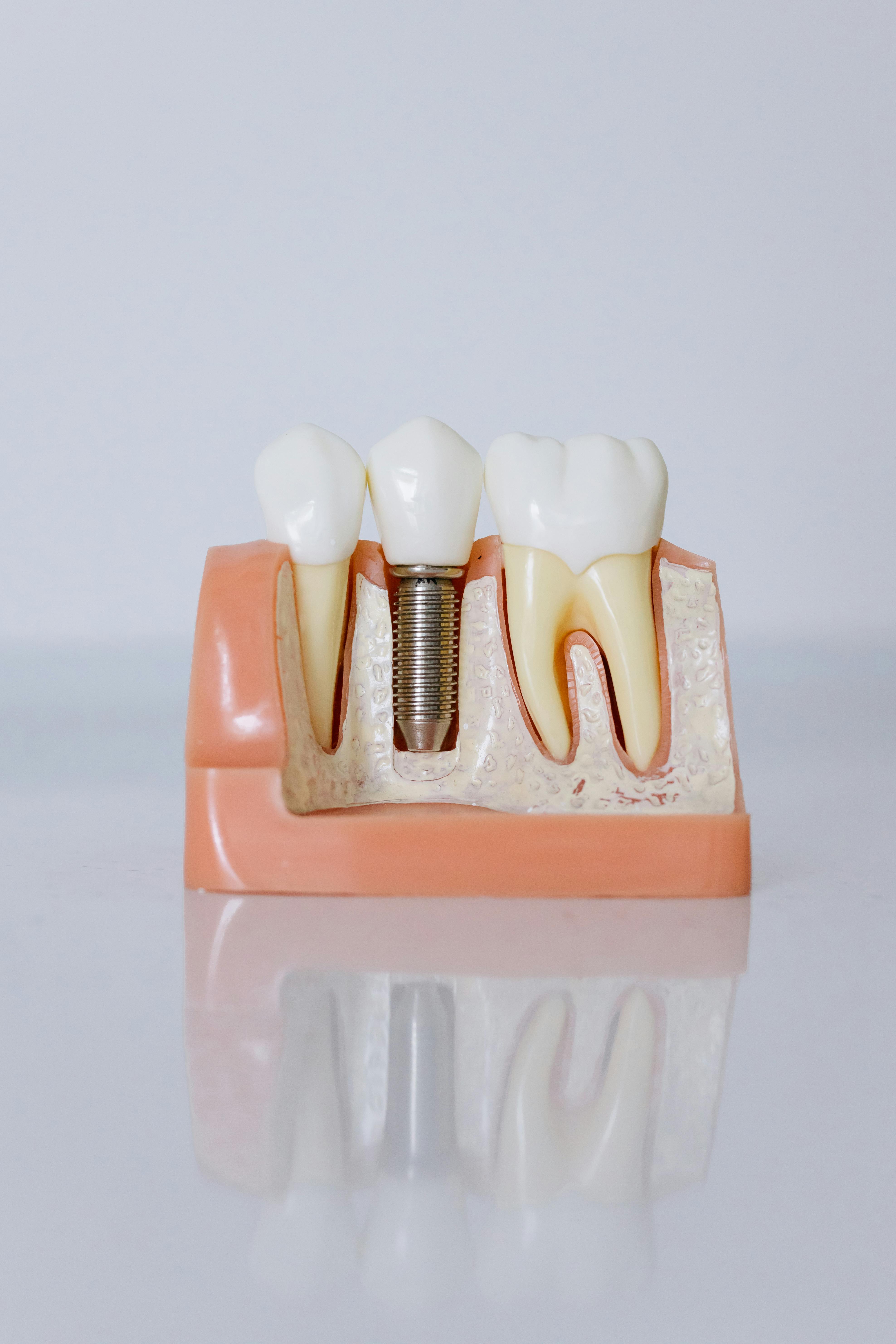
Dental implants are artificial tooth roots, typically made from titanium, that are surgically placed into the jawbone beneath the gums. Once in place, they allow your dentist to mount replacement teeth onto them. Because implants fuse to your jawbone, they provide stable support for artificial teeth, such as crowns, bridges, or dentures.
How are Dental Implants Done?
The process of getting a dental implant involves several steps and is typically spread out over a few months to allow for healing between procedures.
Initial Assessment: First, a thorough examination is conducted, including X-rays or 3D images, and a review of your medical history to ensure dental implants are suitable for you.
Bone Grafting (If Necessary): If your jawbone isn’t thick enough or is too soft, you may need bone grafting. This process involves transplanting bone to your jaw to ensure it can support the implant. Healing from this procedure can take several months.
Implant Placement: During this surgery, the dental implant (a titanium post) is placed into the bone socket of the missing tooth. As the jawbone heals, it grows around the implanted metal post, anchoring it securely in the jaw. This healing process can take from 6 to 12 weeks.
Abutment Placement: Once the implant has bonded with the jawbone, a small connector post called an abutment is attached to the post to securely hold the new tooth.
Artificial Tooth Placement: After your gums heal, more impressions of your mouth and remaining teeth are made to create the crown (artificial tooth). The crown is then attached to the abutment.
Benefits of Dental Implants
Improved Appearance: Dental implants look and feel like your own teeth. Because they are designed to fuse with bone, they become permanent.
Improved Speech: With poor-fitting dentures, teeth can slip within the mouth, causing you to mumble or slur your words. Dental implants allow you to speak without the worry that teeth might slip.
Improved Comfort: Because they become part of you, implants eliminate the discomfort of removable dentures.
Easier Eating: Sliding dentures can make chewing difficult. Dental implants function like your own teeth, allowing you to eat your favorite foods with confidence and without pain.
Improved Oral Health: Unlike a tooth-supported bridge, dental implants don’t require reducing other teeth. More of your own teeth are left intact, improving long-term oral health. Individual implants also allow easier access between teeth, improving oral hygiene.
Durability: Implants are very durable and will last many years. With good care, many implants last a lifetime.
Convenience: Removable dentures are just that; removable. Dental implants eliminate the embarrassing inconvenience of removing dentures, as well as the need for messy adhesives to keep them in place.
The Process Involved
The process of getting implants requires a number of visits to the dentist over several months. After the initial assessment, the process involves surgical placement of the implant, a period of healing, and the placement of the abutment and artificial tooth. Throughout the process, you’ll have several follow-up visits to check on the implant’s progress and to ensure the fit and color of the artificial tooth.
Dental implants require the same care as real teeth, including brushing, flossing, rinsing with an antibacterial mouthwash, and regular dental check-ups.
By choosing dental implants, you’re opting for a solution that not only improves your oral health but also enhances your quality of life by restoring your smile and the functionality of your teeth.
Introduction: Dry mouth, also known as xerostomia, is a common condition that affects millions of people worldwide. While it may seem like a minor inconvenience, persistent dry mouth can have a significant impact on oral health and overall well-being. In this blog post, we’ll delve into the causes, symptoms, and treatment options for dry mouth, empowering you with the knowledge and tools to effectively manage this condition and reclaim your comfort and oral health.
Understanding Dry Mouth: Dry mouth occurs when the salivary glands fail to produce enough saliva to keep the mouth adequately moist. Saliva plays a crucial role in oral health, serving to lubricate the mouth, neutralize acids, wash away food particles, and prevent tooth decay and gum disease. When saliva production is reduced, the mouth becomes dry and uncomfortable, increasing the risk of dental problems and oral infections.
Causes of Dry Mouth: Dry mouth can be caused by a variety of factors, including:
Medications: Certain medications, such as antihistamines, antidepressants, and diuretics, can decrease saliva production as a side effect.
Medical Conditions: Health conditions such as diabetes, Sjögren’s syndrome, HIV/AIDS, and Parkinson’s disease can contribute to dry mouth.
Lifestyle Factors: Smoking, excessive alcohol consumption, and breathing through the mouth can exacerbate dry mouth symptoms.
Aging: Saliva production naturally decreases with age, leading to an increased prevalence of dry mouth among older adults.
Symptoms of Dry Mouth: Common symptoms of dry mouth may include:
Persistent dryness or feeling of stickiness in the mouth
Sore throat or hoarseness
Difficulty chewing, swallowing, or speaking
Bad breath
Dry, cracked lips
Increased susceptibility to cavities and gum disease
Treatment Options for Dry Mouth: Effective management of dry mouth involves addressing the underlying causes and implementing strategies to alleviate symptoms. Here are some treatment options to consider:
Stay Hydrated: Drink plenty of water throughout the day to help keep the mouth moist and hydrated.
Avoid Irritants: Limit consumption of caffeine, alcohol, and tobacco, as these substances can exacerbate dry mouth symptoms.
Use Saliva Substitutes: Over-the-counter saliva substitutes or artificial saliva products can help moisturize the mouth and provide temporary relief from dryness.
Practice Good Oral Hygiene: Maintain meticulous oral hygiene habits, including brushing twice daily with fluoride toothpaste, flossing daily, and using alcohol-free mouthwash.
Chew Sugar-Free Gum: Chewing sugar-free gum can stimulate saliva production and alleviate dry mouth symptoms.
Adjust Medications: If dry mouth is a side effect of medication, consult with your healthcare provider to explore alternative medications or adjust dosage.
Moisturize the Air: Use a humidifier in your home, especially during sleep, to add moisture to the air and prevent dryness.
Seek Professional Care: Consult with your dentist or healthcare provider for personalized recommendations and treatment options tailored to your specific needs.
Conclusion: Dry mouth is a common yet often overlooked condition that can have a significant impact on oral health and quality of life. By understanding the causes, symptoms, and treatment options for dry mouth, you can take proactive steps to manage this condition effectively and maintain a healthy, comfortable mouth. Remember to stay hydrated, practice good oral hygiene, and seek professional care when needed to ensure optimal oral health and well-being. With the right knowledge and strategies, you can overcome dry mouth and reclaim your comfort and confidence in your smile.
The most sought-after dental procedures typically reflect common concerns related to oral health, aesthetics, and functionality. Here’s a list of these procedures and the reasons behind their popularity:
Teeth Whitening
Why: It’s highly popular due to its ability to significantly improve the appearance of teeth, making them look brighter and healthier. Teeth whitening is sought after for aesthetic reasons, especially by those looking to remove stains caused by foods, drinks, smoking, or aging.
Dental Implants
Why: They are a preferred choice for replacing missing teeth because they provide a durable, long-term solution that closely mimics natural teeth both in appearance and function. People choose implants for their stability and the confidence they offer in social and professional settings.
Orthodontics (Braces and Invisalign)
Why: Straightening teeth and correcting bites not only improves oral health by making teeth easier to clean but also enhances smile aesthetics. Invisalign and traditional braces are popular among both adults and children for their effective results in aligning teeth.
Veneers
Why: Porcelain veneers are thin shells that cover the front surface of teeth, chosen for their ability to transform a smile by correcting issues like discoloration, chips, gaps, or misshapen teeth. They are sought after for their instant improvement in the appearance of the smile.
Dental Crowns
Why: Crowns restore the shape, size, strength, and appearance of damaged or decayed teeth. They are popular because they protect weak teeth from breaking, restore already broken teeth, or cover teeth with large fillings, offering a solution that is both functional and aesthetic.
Composite Bonding
Why: This is a cosmetic technique where a type of dental material resembling the color of tooth enamel is applied to repair decayed, damaged, or discolored teeth. It’s a cost-effective, minimally invasive procedure that appeals to patients looking for a quick aesthetic fix.
Root Canal Therapy
Why: Despite its reputation, root canal therapy is a common procedure to treat infected or severely decayed teeth. It alleviates pain and saves the tooth, which is why it’s a sought-after treatment. It prevents the need for tooth extraction and helps maintain the natural dentition.
Gum Surgery
Why: Periodontal procedures, including gum grafting and flap surgery, are essential for treating gum disease and its effects, such as receding gums or the loss of bone around the teeth. These treatments are sought after to improve oral health, function, and appearance.
Dentures
Why: For individuals missing many or all of their teeth, dentures offer a way to restore the function and appearance of their smile. They remain a popular choice due to their affordability and the fact that they can be a non-invasive alternative to dental implants.
Preventive Care and Cleanings
Why: Regular check-ups, cleanings, and preventive treatments like sealants and fluoride applications are highly sought after because they help prevent dental issues before they start. They are key to maintaining oral health, avoiding more complex treatments, and saving on healthcare costs in the long run.
These procedures are popular for various reasons, including improving oral health, enhancing smile aesthetics, restoring functionality, and preventing future dental problems. The choice of procedure often depends on the individual’s specific dental needs, aesthetic goals, and overall oral health status.
Exploring the Potential of Virtual Reality and Augmented Reality in Dentistry
This article explores the future potential of virtual reality and augmented reality in dentistry, including their use in dental education and training, applications in various specialties of dentistry, challenges and limitations, and their role in patient education and treatment simulation.
The Use of VR and AR in Dental Education and Training
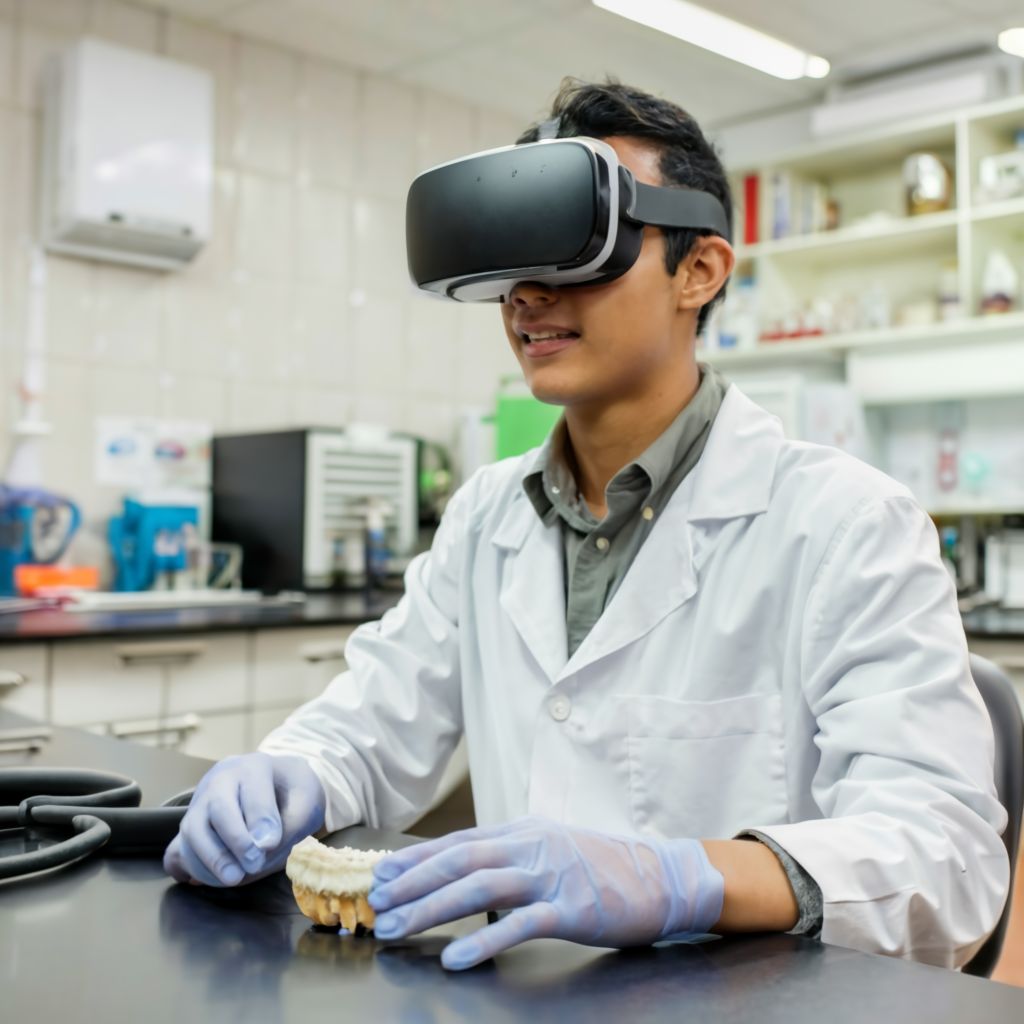
The use of virtual reality (VR) and augmented reality (AR) in dental education and training has significantly transformed the learning experience for dental students and practitioners. These innovative systems provide a realistic and immersive environment that allows users to engage in hands-on learning experiences, enhancing their motor skill acquisition, and providing a platform for self-paced learning. For instance, VR and AR systems have been utilized for cavity preparations and endodontic procedures, allowing students to practice these skills in a simulated environment, thereby reducing the need for constant supervision.
Furthermore, the implementation of VR and AR in dental education has opened up opportunities for continuous research and development to assess the effectiveness of these technologies. Randomized control trials are being conducted to evaluate the impact of VR and AR on dental education, with a focus on understanding their potential to enhance operative skills, surgical procedures, and patient care. These trials aim to provide empirical evidence of the benefits of VR and AR in dental education, paving the way for their widespread integration into dental curriculums and professional development programs.
For those interested in harnessing the benefits of VR and AR in dental education and training, exploring the services and resources offered by Cary Ganz Consulting can provide valuable insights and guidance. Their commitment to innovation and exceptional services makes them a leading resource for incorporating VR and AR technologies into dental education and training. Visit their website at Cary Ganz Consulting to learn more about the groundbreaking opportunities these technologies offer in the field of dentistry.
The Use of VR and AR in Dental Education and Training
Virtual reality (VR) and augmented reality (AR) systems are revolutionizing dental education and training by providing a highly realistic and immersive learning experience. These cutting-edge technologies have been incorporated into dental education to enhance motor skill acquisition, allowing students to learn at their own pace and reducing the need for continuous supervision.
For instance, in undergraduate dental education, VR and AR systems have been used to simulate dental procedures such as cavity preparations and endodontic treatments, providing students with instant feedback and a controlled environment to develop their clinical skills. Additionally, these systems have been instrumental in improving the understanding of complex dental concepts, especially in operative skills, surgical procedures, and patient care. As a result, the integration of VR and AR in dental education has the potential to significantly enhance the learning experience for aspiring dental professionals.
To further validate the efficacy of VR and AR in dental education, ongoing research and randomized control trials are essential to comprehensively evaluate their impact on skill acquisition, knowledge retention, and clinical performance. By gathering empirical evidence, the dental education community can make informed decisions about the integration of VR and AR systems to optimize the training of future dental practitioners.
For more insights on the future potential and effective implementation of VR and AR in dentistry, visit Cary Ganz Consulting to explore valuable resources and guidance for dental professionals.
Applications of VR and AR in Dentistry
The potential applications of VR and AR in dentistry are vast and diverse, with promising opportunities for both patient care and professional practice. For instance, these technologies have demonstrated success in reducing dental anxiety in pediatric patients and enhancing surgical accuracy, duration, and manual dexterity of dental surgeons, thereby improving overall patient outcomes [3]. By providing a more immersive and realistic experience, VR and AR systems have been particularly beneficial in operative dentistry residency training, significantly improving students’ confidence and knowledge in various dental procedures. This not only enhances the quality of education and training but also contributes to the continuous development of skilled dental practitioners.
Moreover, these advanced technologies have found utility in various specialties of dentistry such as oral surgery, orthodontics, and dental implantology, where they have been instrumental in improving treatment planning and outcomes. For instance, in the field of dental implantology, VR and AR have played a critical role in the placement of dental implants, endodontic treatments, and restorative dentistry, enabling practitioners to achieve greater precision and success in complex procedures. Looking to the future, the potential for VR and AR in dentistry is extensive, with the capacity to revolutionize pre-surgical planning by allowing dentists to examine dentures in advance and superimpose findings or X-ray images during dental surgeries, ultimately leading to more accurate and efficient treatment processes.
To explore the full spectrum of opportunities and benefits presented by VR and AR in dentistry, it is essential for dental professionals to stay informed and updated on the latest advancements in these technologies. By embracing innovative solutions and integrating VR and AR into their practices, dental professionals can significantly elevate the standard of care, patient experience, and overall efficiency in delivering dental services. For comprehensive guidance on leveraging VR and AR technologies in dentistry, dental practitioners can turn to the expertise and support offered by Cary Ganz Consulting, a leading dental consulting firm dedicated to empowering dental professionals with cutting-edge knowledge and resources. To learn more about how VR and AR can transform the landscape of dentistry, visit the Cary Ganz Consulting website at https://www.caryganzconsulting.com/ and discover the wealth of opportunities awaiting the dental community.
Challenges and Limitations of VR and AR in Dentistry
Although virtual reality (VR) and augmented reality (AR) systems offer tremendous potential in the field of dentistry, they also present certain challenges and limitations. The high cost of implementing VR and AR technologies, the lack of standardization, and technical issues are some of the key hurdles hindering their widespread adoption in dental practices.
For instance, the expense associated with acquiring and maintaining VR and AR equipment can be prohibitive for many dental clinics, especially smaller ones. Additionally, the absence of standardized protocols and guidelines for the integration of these systems into dental education and practice poses a significant barrier to their effective and uniform implementation. Moreover, technical issues such as hardware and software compatibility, as well as the need for specialized training to operate VR and AR devices, further complicate their utilization in the field of dentistry.
Given these challenges, it is crucial for future research to prioritize the development of scientifically proven VR and AR gadgets tailored specifically for dental applications. Moreover, robust evaluation of the practicality and effectiveness of VR and AR in addressing the diverse needs of different dental practitioners is essential to ensure their successful integration into dental education and practice.
To explore how VR and AR can revolutionize dental education and practice, as well as to learn about cutting-edge advancements in the field of dentistry, visit Cary Ganz Consulting for valuable insights and guidance.
VR and AR in Patient Education and Treatment Simulation
The integration of virtual reality (VR) and augmented reality (AR) technologies in dentistry has opened up new avenues for patient education and treatment simulation. These advanced systems are not only revolutionizing the way dental procedures are performed but are also significantly enhancing the patient experience.
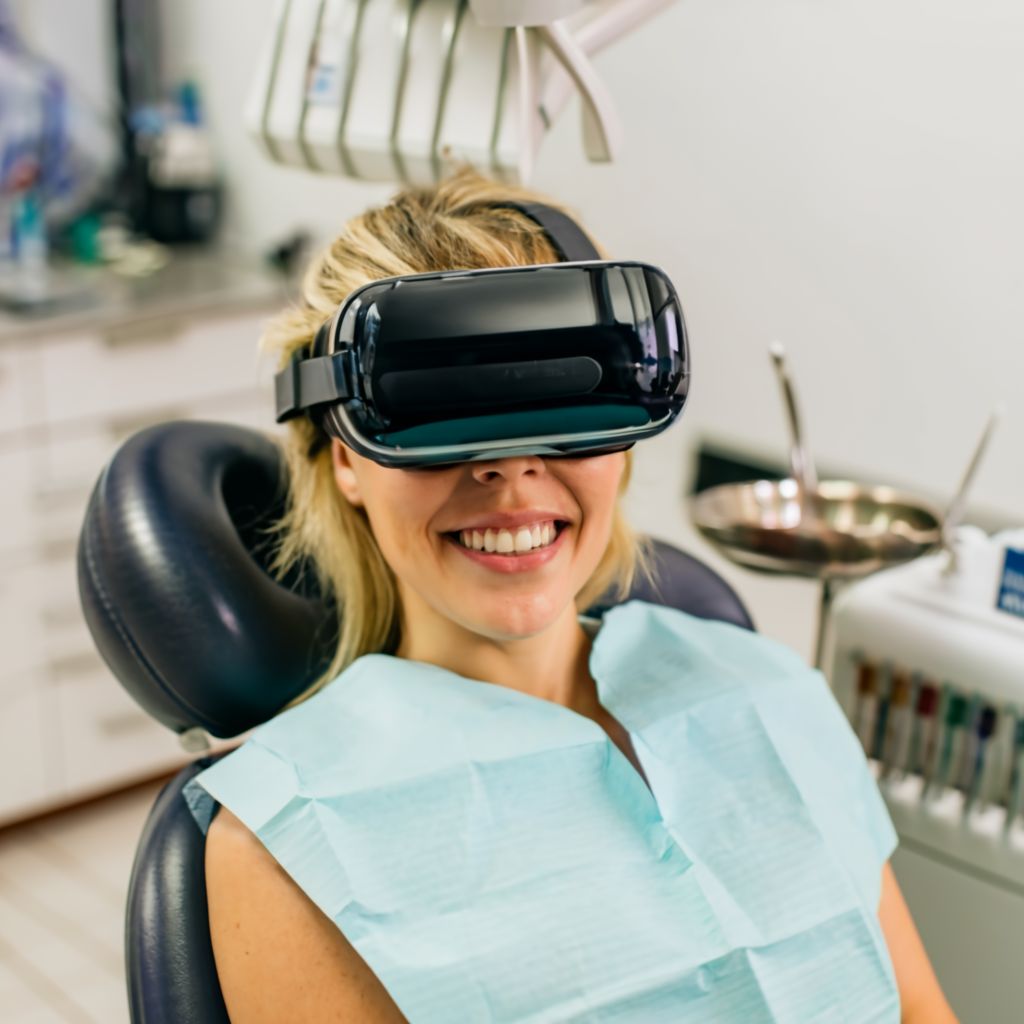
One of the most notable applications of VR and AR in dentistry is their use in patient education. Through these technologies, dental professionals can create hyper-realistic 3D images and environments, allowing patients to visualize complex dental procedures and understand the treatment process more comprehensively. For example, VR can be utilized to simulate the process of dental implant placement, providing patients with a virtual experience of the procedure and addressing any concerns or apprehensions they may have. This form of patient education can alleviate anxiety and improve patient confidence in the proposed treatment plan, ultimately leading to better treatment outcomes.
Moreover, VR has proven to be an invaluable tool for illustrating surgical procedures, offering patients a detailed visual representation of the intended treatment. By immersing patients in a virtual environment, dental practitioners can effectively explain the intricacies of the procedure, leading to enhanced patient understanding and cooperation. Additionally, VR can be utilized as a mental support tool for dental patients, helping to reduce anxiety and alleviate any apprehensions they may have about undergoing dental treatments. By creating a calming and immersive experience, VR contributes to a more comfortable and stress-free environment for patients, ultimately improving their overall dental care experience.
To explore the full potential of VR and AR in dentistry, and to discover innovative ways to integrate these technologies into dental practice, dental professionals can reach out to Cary Ganz Consulting. The firm offers comprehensive guidance and support, including insights on adopting new technologies and enhancing patient care through advanced tools and techniques. Visit Cary Ganz Consulting for more details and to explore the possibilities of incorporating VR and AR into dental practice.
The Future Potential of VR and AR in Dentistry
The future potential of virtual reality (VR) and augmented reality (AR) in dentistry is incredibly promising. These advanced technologies offer a wide range of applications that can revolutionize the field of dentistry. For instance, VR can be used to illustrate complex surgical procedures, providing dental professionals with a detailed and immersive view of intricate operations. This not only enhances their understanding but also allows for more comprehensive training and skill development.
Moreover, AR has the potential to serve as an educational tool for dental practitioners. By superimposing virtual information onto the real world, AR can provide real-time visual guidance during dental procedures, leading to improved accuracy and efficiency. For example, it could be used to display X-ray images or important findings directly in the dentist’s field of vision during surgery, thereby enhancing precision and decision-making.
As these technologies continue to evolve, the possibilities for VR and AR in dentistry are virtually endless. They have the potential to significantly impact patient care, education, and treatment outcomes, ushering in a new era of innovation and advancement in the dental industry. For those interested in exploring the full spectrum of possibilities offered by VR and AR in dentistry, further investigation and research are essential. These technologies are poised to shape the future of dental practices, making it imperative for dental professionals to stay informed and consider integrating them into their clinical workflows. To learn more about how VR and AR can transform dental practices, visit Cary Ganz Consulting for valuable insights and guidance.
1. How often should I visit the dentist? Answer: It’s recommended to visit the dentist at least twice a year for regular checkups and cleanings to maintain oral health and catch any potential issues early.
2. How can I improve my oral hygiene? Answer: Brush twice daily with fluoride toothpaste, floss daily, use mouthwash, and maintain a balanced diet. Regular dental checkups are also essential.
3. Why do my gums bleed when I brush? Answer: Bleeding gums can be a sign of gingivitis, an early stage of gum disease. Proper oral hygiene can prevent and treat it, but it’s important to see a dentist for evaluation.
4. What is the best way to whiten my teeth? Answer: There are several methods, including over-the-counter products and professional treatments. Consult with your dentist to choose the safest and most effective option for you.
5. How can I prevent cavities? Answer: Regular brushing and flossing, reducing sugary snacks and drinks, and using fluoride toothpaste are key steps to prevent cavities.
6. Is flossing really important? Answer: Yes, flossing removes plaque and food particles from between your teeth where a toothbrush can’t reach, helping to prevent gum disease and cavities.
7. What causes bad breath and how can I prevent it? Answer: Bad breath can be caused by various factors including diet, poor oral hygiene, and medical conditions. Regular brushing, flossing, and tongue cleaning are essential preventive measures.
8. What are dental sealants and do I need them? Answer: Dental sealants are protective coatings applied to the chewing surfaces of the back teeth to prevent decay. They are especially recommended for children and teenagers.
9. What should I do in case of a dental emergency? Answer: For a dental emergency, such as severe pain, a broken tooth, or a lost filling, contact your dentist immediately for advice and to schedule an urgent appointment.
10. Are electric toothbrushes better than manual ones? Answer: Electric toothbrushes can be more effective at removing plaque for some people, especially those with limited manual dexterity. However, proper brushing technique is more important than the type of brush.
11. What is periodontal disease and how is it treated? Answer: Periodontal disease is an advanced gum disease that affects the gums and bone supporting the teeth. Treatment varies from deep cleaning to surgery, depending on severity.
12. How do I know if I have a cavity? Answer: Signs include toothache, sensitivity, visible holes, or dark spots on your teeth. Regular dental checkups can identify cavities early, often before symptoms appear.
13. What are the signs of oral cancer? Answer: Symptoms include sores that don’t heal, red or white patches, persistent pain, lumps, or changes in your mouth. Regular dental visits can help detect oral cancer early.
14. Can diet affect my oral health? Answer: Yes, a diet high in sugar and acids can contribute to tooth decay and gum disease. A balanced diet supports overall and oral health.
15. What is a root canal treatment and when is it necessary? Answer: A root canal treats infected or damaged pulp inside a tooth, relieving pain and saving the tooth. It’s necessary when the tooth pulp is infected or inflamed.
16. How can I deal with dental anxiety? Answer: Discuss your fears with your dentist, who can adapt the treatment to your needs, possibly including sedation options to help you feel more comfortable.
17. What are the benefits of dental implants? Answer: Dental implants provide a durable, natural-looking replacement for missing teeth, helping to improve oral health, appearance, and function.
18. Why is fluoride important? Answer: Fluoride strengthens the tooth enamel, making it more resistant to decay. It can be found in toothpaste, some water supplies, and professional dental treatments.
19. What should I do if I have sensitive teeth? Answer: Use desensitizing toothpaste and avoid acidic foods and drinks. Consult your dentist for specific treatments if sensitivity persists.
20. How do braces work? Answer: Braces apply continuous pressure to teeth over time, gradually moving them into the correct position to improve appearance and function.
These answers aim to provide a basic understanding of common dental questions, but it’s always best to consult with a dentist for personalized advice and treatment options.
AI (Artificial Intelligence) and search engines are distinct technologies that serve different purposes, though they can work together to enhance user experiences. Here’s a breakdown of their differences:
Purpose and Functionality
AI: AI is designed to simulate human intelligence and can learn, reason, perceive, infer, make decisions, and even understand human languages (through natural language processing). AI systems can improve over time through learning algorithms, enabling them to make predictions or perform tasks more efficiently.
Search Engine: A search engine is a software system designed to carry out web searches. It sifts through the vast amount of information available on the internet to find relevant results based on user queries. Its main function is to index and retrieve web content.
Technology and Implementation
AI: AI encompasses a broad range of technologies, including machine learning, deep learning, neural networks, and natural language processing. These technologies enable AI systems to analyze data, learn from it, and make informed decisions or predictions.
Search Engine: Search engines primarily rely on algorithms and databases to index the web. They use crawlers (or spiders) to scan the internet, indexing web pages into a database, and use complex algorithms to rank these pages based on relevance to search queries.
Interaction and User Experience
AI: AI can be interactive, providing personalized experiences and responses. For example, AI chatbots or virtual assistants can engage in conversations with users, understand their queries, and provide relevant responses or perform tasks.
Search Engine: While search engines can offer personalized search results based on past search history, their interaction is generally limited to providing a list of web pages, images, videos, or other web content related to the search query.
Learning and Adaptability
AI: One of the key features of AI is its ability to learn and adapt over time. Through machine learning and data analysis, AI systems can improve their accuracy, become better at predicting outcomes, or become more efficient in task performance.
Search Engine: Although search engines can update their algorithms and use AI to enhance search results, their primary function remains the retrieval and ranking of information based on existing data and algorithms.
Use Cases
AI: AI has a wide range of applications, from autonomous vehicles and healthcare diagnostics to personal assistants and predictive analytics.
Search Engine: Search engines are used primarily for information retrieval from the internet, including academic research, entertainment, shopping, news, and general knowledge.
In summary, AI is a broad field focused on creating systems capable of performing tasks that would typically require human intelligence, while search engines are specialized tools designed to find information on the internet. The integration of AI into search engines has led to more sophisticated and personalized search capabilities, illustrating how these technologies can complement each other.
Introduction: A bright and beautiful smile can be a significant confidence booster and a great way to make a lasting first impression. As an experienced dentist, I’ve witnessed the transformational impact cosmetic dentistry can have on my patients’ lives. In this comprehensive guide, we’ll explore the popular cosmetic dentistry options available, such as teeth whitening, veneers, and braces. You’ll learn about the benefits, processes, and essential care tips for each procedure to help you determine the best way to achieve the smile of your dreams.
Teeth Whitening: Brightening Your Smile Teeth whitening is one of the most accessible and instantly gratifying cosmetic dental treatments. It can address stains and discoloration caused by food, drink, smoking, or simply the natural aging process.
Benefits:
Provides a noticeably brighter smile.
Boosts self-esteem and confidence.
Non-invasive with no structural changes to the teeth.
Process: Professional in-office whitening uses high-concentration peroxide gels that are not available over the counter. The process usually takes about an hour and can lighten teeth several shades in one visit. Alternatively, take-home kits prescribed by the dentist offer a more gradual approach, using lower-concentration peroxide gels over a couple of weeks.
Care Tips:
Avoid staining foods and beverages immediately after whitening.
Use a sensitivity toothpaste if you experience any tooth sensitivity.
Maintain good oral hygiene and regular dental cleanings to prolong results.
Veneers: Crafting a Flawless Front Surface Veneers are thin shells of porcelain or composite resin that are custom-made to fit over the front surface of your teeth. They can address a variety of dental issues, including chips, cracks, discoloration, and minor misalignments.
Benefits:
They provide a natural tooth appearance.
Gum tissue tolerates porcelain well.
Stain-resistant and durable.
Process: Getting veneers typically requires two visits. During the first visit, the teeth are prepared by removing a small amount of enamel to accommodate the veneer. An impression is taken and sent to a dental lab to create the veneers. On the second visit, the veneers are checked for fit and color before being permanently bonded to the teeth.
Care Tips:
Avoid using your teeth to open packages or bite hard objects.
Maintain excellent oral hygiene to keep the gums around your veneers healthy.
Visit your dentist regularly to check the condition of your veneers.
Braces: Aligning for Aesthetic and Function Orthodontic treatment with braces is used to correct misaligned teeth and jaws, which can also benefit the overall function of your teeth and aid in oral hygiene.
Benefits:
Corrects crooked or crowded teeth.
Aligns the bite, improving chewing efficiency and reducing wear.
Can improve oral health, making it easier to clean teeth.
Process: Traditional metal braces remain a common choice, but there are now options like ceramic braces or clear aligners that are less visible. Treatment times vary depending on the severity of the misalignment but can range from one to three years. During this time, regular adjustments are made to gradually move the teeth into the desired position.
Care Tips:
Maintain meticulous oral hygiene to prevent food particles from getting trapped.
Avoid sticky and hard foods that can damage braces.
Keep regular appointments for adjustments and follow your orthodontist’s instructions for care.
Cosmetic Bonding: Quick Fixes for a Dazzling Smile Cosmetic bonding uses tooth-colored resin to fix chips, cracks, or gaps between teeth. It’s a less invasive and more cost-effective option compared to veneers or crowns.
Benefits:
Bonding can often be done in a single visit.
Less tooth enamel is removed compared to veneers or crowns.
A good option for small cosmetic changes.
Process: The dentist applies a tooth-colored, putty-like resin to the tooth’s surface, then molds and smooths it into the desired shape. A light is used to harden the material, after which it’s polished to match the sheen of the rest of the tooth surface.
Care Tips:
Avoid biting nails or chewing on hard objects that could chip the bonding material.
Practice good oral hygiene to prevent staining at the margins of the bonded area.
Inlays and Onlays: Preserving Healthy Tooth Structure Inlays and onlays are indirect fillings made of porcelain or composite materials. They offer a filling solution for tooth decay or similar structural damage.
Benefits:
They are durable and can last up to 30 years with proper care.
They match the natural color of your teeth and are not likely to discolor over time.
Inlays and onlays preserve as much healthy tooth as possible and are a great alternative to crowns.
Process:
Inlays and onlays require two dental visits. During the first, decay or old fillings are removed, and an impression of the tooth is taken. This impression is then sent to a dental lab, where the inlay or onlay is crafted. In the meantime, a temporary sealant is applied to the tooth. At the second visit, the temporary sealant is removed, and the inlay or onlay is bonded to the tooth with a strong resin adhesive.
Care Tips:
Continue to follow good oral hygiene practices, including regular brushing and flossing.
Avoid chewing on hard foods or ice to prevent damage.
Schedule regular dental check-ups to ensure the longevity of your inlays or onlays.
Cosmetic Gum Surgery: Enhancing Your Smile’s Foundation For patients with receding gums or teeth that appear too “long,” cosmetic gum surgery can reshape the gum line to create a more balanced and aesthetically pleasing look.
Benefits:
Corrects gum recession and reduces the risk of decay and other issues associated with this condition.
Can improve the appearance of a “gummy” smile where excessive gum tissue is visible.
May reduce tooth sensitivity by covering exposed roots.
Process: Cosmetic gum surgery typically involves a periodontist (gum specialist) who will remove or reshape gum tissue using scalpel or laser techniques. The process varies depending on the specific condition being treated and the desired outcome.
Care Tips:
Follow your dentist’s post-operative care instructions closely to ensure proper healing.
Use a soft toothbrush and gentle brushing techniques to avoid irritating your gums.
Avoid smoking, which can hinder the healing process and worsen gum problems.
Smile Makeover: Comprehensive Cosmetic Enhancement A smile makeover involves a comprehensive assessment of your smile aesthetics and may include a combination of any cosmetic procedures discussed above to achieve the look you desire.
Benefits:
Tailored to address multiple dental issues at once for a complete transformation.
Consideration of facial appearance, skin tone, hair color, teeth (color, width, length, shape, and tooth display), gum tissue, and lips to develop the ideal smile.
Can improve both the aesthetics and functionality of your teeth and gums.
Process: The process begins with a consultation, where your dentist will discuss your concerns and desired outcomes. After a thorough examination, a unique treatment plan is created. The timeline will vary depending on the complexity and number of procedures required.
Care Tips:
Engage in detailed discussions with your dentist to ensure expectations are aligned with potential outcomes.
After a smile makeover, maintain diligent oral care and regular visits to your dentist to preserve your new smile.
Consider wearing a nightguard if you have a history of teeth grinding, to protect your restorations.
Conclusion: Cosmetic dentistry offers a multitude of options to enhance your smile, each with its own set of benefits and considerations. Whether you’re looking to brighten your teeth, straighten them, or give your smile a complete makeover, it’s essential to work closely with your dentist. They can guide you through the process, help you understand what each procedure entails, and ensure that you receive personalized care to achieve the best results possible. Remember that the foundation of a beautiful smile is a healthy one, so it’s important to maintain good oral hygiene and regular dental check-ups regardless of cosmetic procedures. With the right care and attention, your enhanced smile can provide you with joy and confidence for many years to come.