Posted on

Nurturing Your Smile: Dental Care Tips for Older Adults

Introduction: As a dentist, I’ve seen firsthand how advancing age can bring about unique challenges in maintaining oral health. For many older adults, dental care becomes more complex with issues like dry mouth, gum disease, and tooth loss becoming more prevalent. However, with the right care and attention, it’s entirely possible to keep your smile healthy and strong in your golden years. In this post, we’ll explore common dental issues that come with age and provide practical tips to manage them effectively.

Dry Mouth: Understanding and Managing Xerostomia Dry mouth, or xerostomia, is often not a stand-alone issue but a symptom of underlying factors such as medication side effects, systemic health conditions, or natural changes in body function. Saliva is essential for oral health as it helps control bacteria and aids in digestion.

Care Tips:

  • Stay hydrated by sipping water throughout the day.
  • Stimulate saliva flow with sugar-free lozenges or gum.
  • Avoid tobacco, alcohol, and caffeine, as they can exacerbate dry mouth.
  • Use a humidifier at night to keep the air in your home moist.
  • Consider saliva substitutes or prescription salivary stimulants if necessary.
  • Discuss your medications with your doctor or pharmacist to see if dry mouth is a known side effect, and if so, whether alternative treatments are available.

Gum Disease: Prevention and Intervention Periodontal disease, more commonly known as gum disease, is a leading cause of tooth loss in older adults. It’s caused by the bacteria in plaque, which can lead to inflammation, receding gums, and damage to the bone that supports the teeth.

Care Tips:

  • Brush twice daily with fluoride toothpaste and a soft-bristle brush.
  • Floss daily to remove plaque between teeth and under the gum line.
  • Quit smoking, which is a significant risk factor for developing gum disease.
  • Maintain regular dental visits for professional cleanings and monitoring.
  • Consider using an antibacterial mouthwash to reduce plaque and bacteria.

Tooth Loss and Replacement Options Losing teeth can be a common but serious issue for many seniors, impacting not only the ability to chew and speak but also self-esteem.

Replacement Options:

  • Dental implants are a durable and natural-looking option for replacing missing teeth.
  • Bridges can replace one or more missing teeth and are anchored to adjacent teeth.
  • Removable partial or complete dentures can replace several or all teeth, although they may take some getting used to and require careful maintenance.
  • Regular dental visits are vital to check the fit and condition of dentures and to examine the health of the remaining teeth and gums.

Oral Cancer Awareness The risk of oral cancer increases with age, and it’s critical to be aware of the signs, which can include sores that don’t heal, lumps, or long-standing patches of red or white in the mouth.

Care Tips:

  • Conduct self-examinations monthly, looking for any changes or growths.
  • Schedule regular dental check-ups; your dentist will perform an oral cancer screening as part of the routine exam.
  • Limit alcohol consumption and avoid tobacco, both of which are risk factors for oral cancer.

A Consistent Oral Care Routine A consistent oral care routine is key to maintaining oral health as you age.

Care Tips:

  • If manual dexterity is a concern, consider using an electric toothbrush or toothbrush with a larger handle.
  • Use dental floss holders or water flossers if traditional flossing is difficult.
  • Be aware of changes in your mouth and report anything unusual to your dentist promptly.

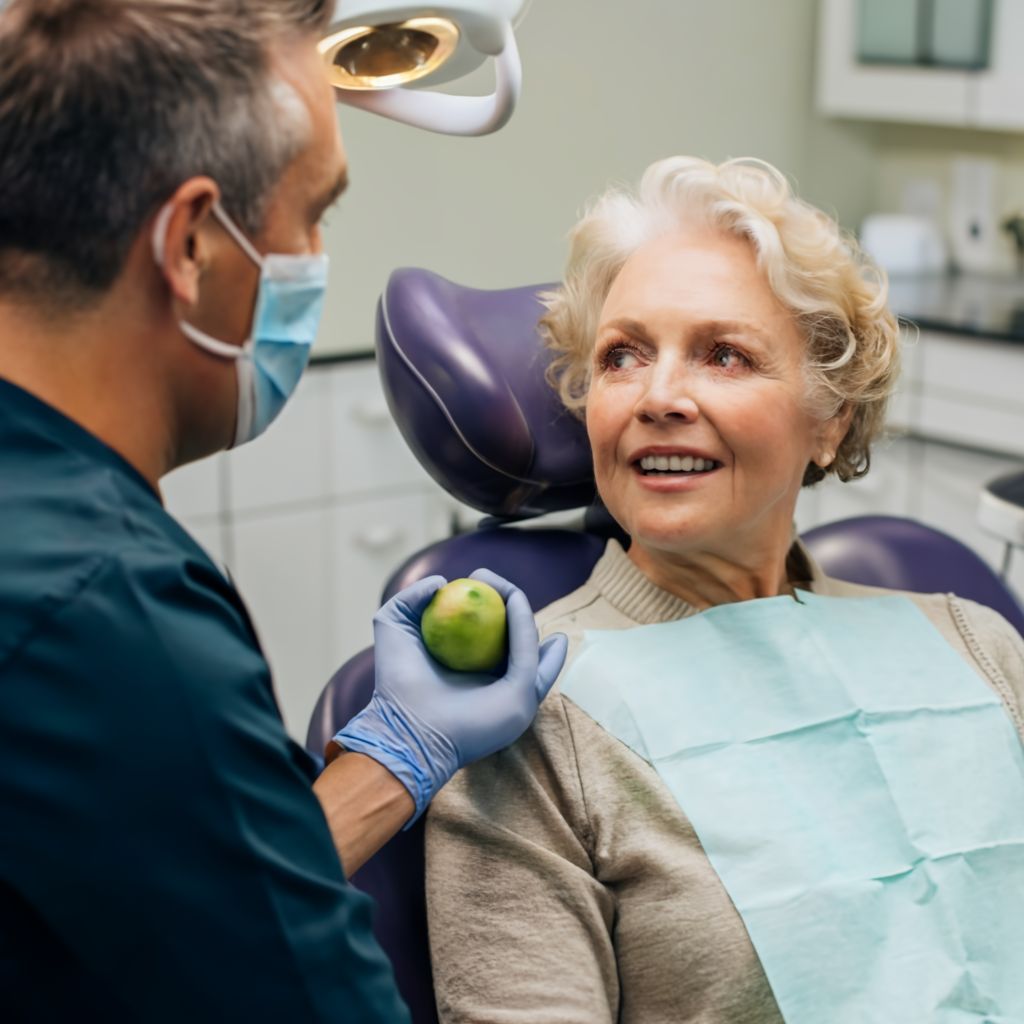
Nutrition for Healthy Teeth and Gums Your diet plays a significant role in keeping your teeth and gums healthy.
Care Tips:

  • Eat a balanced diet rich in vitamins and minerals, particularly calcium and vitamin D to maintain bone health.
  • Avoid sticky, sugary snacks that can lead to cavities and tooth decay.
  • If chewing is difficult, seek out soft foods that are still nutrient-dense.

Conclusion: Dental care for the elderly involves special considerations, but it doesn’t have to be daunting. By understanding common issues like dry mouth, gum disease, and tooth loss, and following the care tips provided, you can take significant strides in preserving your oral health. Remember, it’s never too late to start taking better care of your teeth and gums. With the right care routine and regular check-ups, you can keep your smile bright and healthy well into your later years.

Posted on

Common Dental Problems and Solutions: A Guide to Maintaining Oral Health

Introduction: Good oral health is paramount to overall well-being, yet dental problems are among the most common health issues worldwide. Understanding these issues, their causes, and potential treatments is the first step towards prevention and maintenance of a healthy smile. In this guide, we will discuss prevalent dental concerns such as cavities, gum disease, and tooth sensitivity, and provide practical advice on how to manage and prevent these conditions.

Cavities: Causes, Treatment, and Prevention Cavities, also known as dental caries, are damaged areas in the hard surface of your teeth that develop into tiny openings or holes. They are caused by a combination of factors, including bacteria in your mouth, frequent snacking, sipping sugary drinks, and not cleaning your teeth well.

Treatment: The treatment for cavities depends on their severity. Early-stage cavities can sometimes be reversed with fluoride treatments that restore the enamel. More advanced cavities will require a filling, where the dentist removes the decayed tooth material and fills the hole with a substance like composite resin or amalgam. In severe cases, a crown, root canal, or even tooth extraction may be necessary.

Prevention: Preventing cavities involves reducing the amount of plaque and bacteria in the mouth. This can be achieved through regular brushing with fluoride toothpaste, flossing daily, and using mouthwash. Reducing your intake of sugary and acidic foods, especially between meals, can also help. Regular dental check-ups are crucial, as they can catch cavities early on.

Gum Disease: Stages, Management, and Care Gum disease, known as periodontal disease, is an infection of the tissues that hold your teeth in place. It’s typically caused by poor brushing and flossing habits that allow plaque—a sticky film of bacteria—to build up on the teeth and harden.

Stages: Gum disease progresses in stages. Gingivitis, the earliest stage, is characterized by red, swollen gums that may bleed when you brush. If untreated, it can advance to periodontitis, where gums pull away from the tooth, forming spaces that become infected. This can lead to bone and tooth loss if not managed properly.

Management and Care: Early stages can often be reversed with professional cleanings and better oral home care. For more advanced gum disease, scaling and root planing, a deep-cleaning method, is often necessary. In severe cases, surgical treatments may be required. Good oral hygiene, quitting smoking, and managing underlying conditions like diabetes are important preventive measures.

Tooth Sensitivity: Understanding and Alleviating Discomfort Tooth sensitivity is typically the result of worn tooth enamel or exposed tooth roots. However, cavities, cracked teeth, gum disease, or a worn filling can also cause sensitivity.

Treatment: The treatment will depend on what is causing the sensitivity. Desensitizing toothpaste can sometimes help block pain associated with sensitive teeth. If your discomfort is due to a dental issue like a cavity or gum disease, you’ll need to treat the underlying cause. Dental procedures such as bonding, crowns, inlays, and root canals might be required in more severe cases.

Prevention: Preventive measures include using a soft-bristled toothbrush, avoiding acidic foods and drinks, and using a fluoride mouthwash. It’s also important to avoid brushing too hard, which can wear away enamel.

Implementing a Solid Oral Hygiene Routine The backbone of preventing dental problems is a solid oral hygiene routine. Brush your teeth at least twice a day with fluoride toothpaste, floss daily, and rinse with an antiseptic mouthwash to kill bacteria. Regular dental check-ups and cleanings are also essential.

Professional Treatments and Regular Check-Ups Professional treatments such as dental sealants can offer extra protection against cavities. Regular dental check-ups are crucial as they can help detect problems early when they are easier to treat.

Conclusion: Dental problems, if left unchecked, can lead to significant discomfort, complex treatments, and costly bills. However, with the right care and preventive measures, many dental issues can be avoided or managed effectively. Establishing and maintaining a thorough oral hygiene routine is the most critical step you can take. Additionally, regular visits to your dentist for check-ups and professional cleanings can help keep your teeth and gums healthy for years to come. Remember, investing in your oral health is an investment in your overall health.

Posted on

10 Steps To Reducing Patient Dental Anxiety

As a dentist, managing patient anxiety is a crucial aspect of providing effective dental care. Dental anxiety can prevent patients from seeking necessary treatment, leading to the deterioration of their oral health. Here are ten strategies dentists can employ to help reduce patient anxiety in a dental office, each with detailed explanations:

  1. Create a Welcoming Environment
    • The dental office’s atmosphere plays a significant role in patient comfort. Creating a welcoming, calm, and comfortable environment can help ease anxiety. This can be achieved through soothing colors, comfortable seating, natural light, and a clean, organized space. Background music or a quiet, peaceful waiting area can also help patients relax before their appointment.
  2. Effective Communication
    • Open and empathetic communication is key. Take the time to listen to your patients’ concerns and fears without judgment. Explain procedures thoroughly, using language that is easy to understand, and provide clear answers to any questions they may have. Ensuring patients feel heard and understood can significantly reduce their anxiety.
  3. Use of Technology and Visual Aids
    • Utilize technology and visual aids to explain dental procedures. This can include models, diagrams, or digital imaging. Visual explanations help patients understand what to expect, demystifying procedures and reducing fear of the unknown.
  4. Pain Management Techniques
    • Assure patients about pain management techniques, including local anesthesia and sedation options. Explain how these methods work and reassure them that their comfort will be a priority throughout the procedure. Knowing pain will be managed can alleviate a significant amount of anxiety.
  5. Establish a Signal System
    • Create a signal system that allows patients to communicate discomfort or the need for a break during procedures. This gives patients a sense of control, which can be calming.
  6. Distraction Techniques
    • Offer distraction techniques during procedures, such as headphones for music or podcasts, televisions in treatment rooms, or stress balls. Distractions can help patients focus on something other than the dental work, reducing anxiety levels.
  7. Pre-appointment Preparations
    • Encourage patients to practice relaxation techniques before their appointment, such as deep breathing or meditation. Additionally, recommend that they avoid caffeine and sugar before coming in, as these can exacerbate anxiety.
  8. Patient Education
    • Educate patients on the importance of oral health and how routine dental care can prevent more invasive procedures. Understanding the benefits of dental health can motivate anxious patients to keep regular appointments.
  9. Flexible Scheduling
    • Offer flexible scheduling options for anxious patients, such as quieter times of the day or longer appointment slots so they don’t feel rushed. Providing the first appointment of the day can also reduce waiting time anxiety.
  10. Follow-up and Support
    • After a procedure, follow up with patients to inquire about their recovery and address any concerns they might have. This demonstrates care and commitment to their well-being, building trust and reducing anxiety for future visits.
Posted on

20 Most Important Dental Patient Questions

Dental patients often have a variety of questions related to their oral health, treatment options, and preventive care. The 20 most important questions typically revolve around these areas, aiming to address common concerns and improve understanding of dental health practices. Here are the questions and detailed answers:

  1. What should I do to prevent tooth decay?
    • To prevent tooth decay, maintain good oral hygiene by brushing your teeth at least twice a day with fluoride toothpaste, flossing daily, eating a balanced diet and limiting snacks between meals, and visiting your dentist regularly for cleanings and check-ups.
  2. How often should I visit the dentist?
    • Most people should see the dentist for a check-up and cleaning at least twice a year. Some individuals with specific dental issues or higher risk of dental diseases may need more frequent visits.
  3. What is the best way to whiten my teeth?
    • The best approach to teeth whitening depends on your dental health and the cause of discoloration. Options include at-home whitening products, professional in-office whitening treatments, and avoiding substances that stain teeth, like coffee, tea, and tobacco.
  4. Why are my gums bleeding?
    • Bleeding gums are often a sign of gingivitis or gum disease, caused by plaque buildup at the gumline. Proper brushing and flossing can help, but if bleeding persists, visit your dentist.
  5. What are dental implants?
    • Dental implants are artificial tooth roots placed into your jaw to hold a replacement tooth or bridge. They are an option for people who have lost a tooth or teeth due to periodontal disease, injury, or other reasons.
  6. How can I fix my chipped tooth?
    • Options for repairing a chipped tooth include dental bonding, veneers, or crowns, depending on the severity of the chip. Your dentist can recommend the best solution for your situation.
  7. Are amalgam (silver) fillings safe?
    • Amalgam fillings, which contain mercury, have been used for decades and are considered safe by major health organizations, including the FDA and WHO. However, there are alternative materials like composite resins and ceramics for those who prefer.
  8. What is a root canal?
    • A root canal is a treatment used to repair and save a tooth that is badly decayed or infected. The procedure involves removing the damaged area of the tooth, cleaning and disinfecting it, and then filling and sealing it.
  9. How do I know if I have gum disease?
    • Symptoms of gum disease include red, swollen, or tender gums, bleeding while brushing or flossing, receding gums, loose teeth, and persistent bad breath. Early detection and treatment are crucial.
  10. What should I do if I have bad breath?
    • To combat bad breath, practice good oral hygiene, stay hydrated, avoid tobacco and foods that can contribute to odor, and chew sugar-free gum to stimulate saliva production. If the problem persists, consult your dentist as it may indicate a more serious condition.
  11. Is fluoride safe?
    • Fluoride is safe and effective in preventing tooth decay when used as directed. It strengthens tooth enamel and helps repair early decay. However, excessive fluoride can cause problems, so it’s important to use it appropriately.
  12. What are sealants and who should get them?
    • Sealants are thin, protective coatings applied to the chewing surfaces of back teeth (molars) to prevent decay. They are especially recommended for children and teenagers but can be beneficial for adults as well.
  13. How can I manage dental anxiety?
    • Discuss your fears with your dentist, consider sedation options like nitrous oxide or oral sedatives, use relaxation techniques such as deep breathing, and schedule your appointment at a time when you’re less likely to be rushed or stressed.
  14. What causes tooth sensitivity and how can I treat it?
    • Tooth sensitivity can be caused by worn tooth enamel, exposed roots, cavities, cracked teeth, gum disease, or worn fillings. Treatments include desensitizing toothpaste, fluoride gel, dental procedures to correct the underlying cause, and avoiding acidic foods and drinks.
  15. How do I choose the right toothbrush and toothpaste?
    • Select a soft-bristled toothbrush that fits comfortably in your hand and mouth. For toothpaste, choose one that contains fluoride and has the ADA (American Dental Association) seal of approval, which indicates it has been evaluated for safety and effectiveness.
  16. What is periodontal disease?
    • Periodontal disease, also known as gum disease, is an infection of the tissues that hold your teeth in place. It’s typically caused by poor brushing and flossing habits that allow plaque to build up on the teeth and harden.
  17. Can diet affect my dental health?
    • Yes, your diet plays a crucial role in your dental health. Consuming too many sugary or acidic foods and beverages can lead to tooth decay. A balanced diet rich in fruits, vegetables, lean proteins, and low-fat dairy can help maintain healthy teeth and gums.
  18. What is the difference between plaque and tartar?
    • Plaque is a soft, sticky film that builds up on your teeth and contains bacteria. If not removed, it can harden and turn into tartar, a calcified substance that can cause gum disease and can only be removed by a dental professional.
  19. How do I care for my teeth with braces?
    • When you have braces, it’s important to brush after every meal, use floss threaders to clean between braces and under wires, and avoid sticky, hard, and chewy foods that can damage braces.
  20. What are the signs of oral cancer?
    • Signs of oral cancer include sores that don’t heal, lumps or thickening of the skin or lining of your mouth, white or red patches in the mouth, unexplained bleeding, numbness, soreness, or a change in the way your teeth or dentures fit together.
Posted on

The Rise of Teledentistry

A Gateway to Accessible, Efficient, and Comprehensive Dental Care

In the rapidly evolving landscape of healthcare, teledentistry has emerged as a revolutionary model, reshaping how dental services are delivered and accessed worldwide. This innovative approach leverages telecommunication technology to offer dental care, consultation, education, and treatment planning beyond the conventional clinic setting. As we navigate through the benefits of teledentistry, it’s clear that this advancement is not just a temporary solution but a permanent fixture poised to enhance dental healthcare efficiency, accessibility, and patient satisfaction.

Enhanced Access to Dental Care

One of the most significant advantages of teledentistry is its ability to bridge the gap between dental professionals and patients, particularly those residing in remote or underserved regions. Traditional barriers to dental care, such as geographical constraints, mobility issues, and the scarcity of dental providers in rural areas, are substantially mitigated through virtual consultations and services. Patients can now receive expert advice, preliminary assessments, and follow-up care with just a few clicks, ensuring that high-quality dental care is no longer a privilege but a universal right.

Convenience and Time Efficiency

Teledentistry introduces an unparalleled level of convenience and efficiency, both for patients and dental practitioners. Appointments can be scheduled and conducted from the comfort of one’s home, eliminating travel time, reducing waiting periods, and allowing for more flexible scheduling. This model not only conserves valuable resources but also facilitates a better work-life balance for dental professionals, potentially reducing burnout and improving job satisfaction.

Early Detection and Preventive Care

Through regular virtual check-ups, teledentistry enhances the potential for early detection of dental issues, paving the way for timely intervention and preventive care. Patients are more likely to seek consultation for minor concerns via teledentistry, which might otherwise be ignored until they escalate into more serious conditions. This proactive approach to dental health can lead to better overall health outcomes, reduce the need for invasive treatments, and lower long-term healthcare costs.

Cost-Effectiveness

Teledentistry can be a cost-effective alternative to traditional dental care. By reducing the need for physical office visits, it saves on operational costs associated with dental practices, such as utilities and staffing, which can, in turn, lower the cost of care for patients. Additionally, the efficiency of teledentistry can lead to increased capacity for dentists to see more patients, potentially reducing the per-patient cost of delivery.

Patient Education and Engagement

The teledentistry model offers a unique platform for enhanced patient education and engagement. Through virtual consultations, dentists can share digital resources, such as videos, images, and educational materials, to better inform patients about their oral health, treatment options, and preventive care practices. This interactive approach can lead to increased patient understanding and compliance, fostering a more collaborative dentist-patient relationship.

Continuity of Care

Teledentistry facilitates continuity of care, especially in situations where in-person visits are not feasible, such as during public health emergencies or for patients with mobility challenges. It ensures that patients continue to receive the care and support they need, maintaining treatment plans and monitoring ongoing conditions without interruption.

Integration with Traditional Dental Care

Importantly, teledentistry is not intended to replace traditional in-office dental care but to complement it. It serves as a preliminary step for triage, consultation, and planning, which can streamline the treatment process. When in-person care is necessary, teledentistry can ensure that the visit is timely, targeted, and efficient, having already established a foundation of understanding and preparation.

Challenges and Considerations

While teledentistry offers numerous benefits, its implementation is not without challenges. These include ensuring patient privacy and data security, navigating varying state regulations and reimbursement policies, and maintaining the quality of care. However, with ongoing advancements in technology and regulatory frameworks, these challenges are increasingly being addressed, paving the way for teledentistry to become an integral part of dental healthcare delivery.

Conclusion

Teledentistry represents a paradigm shift in dental healthcare, offering a model that is accessible, efficient, and patient-centered. It has the potential to significantly improve oral health outcomes, enhance patient satisfaction, and ensure that high-quality dental care is within reach for all segments of the population. As we continue to embrace digital healthcare innovations, teledentistry stands out as a beacon of progress, demonstrating the power of technology to transcend traditional barriers and redefine the boundaries of care. In embracing teledentistry, the dental profession is not only adapting to the demands of the modern world but is also leading the way in the evolution of healthcare delivery.

Posted on

The Importance of Building a Marketing Brand for Your Dental Practice

1. Differentiation in a Competitive Market: The dental industry is crowded, and a strong brand helps you stand out. It’s not just about being different; it’s about being the preferred choice for a specific patient segment. Your practice’s brand communicates why a patient should choose you over others by highlighting your unique services, approach to patient care, and practice ethos.

2. Patient Loyalty and Trust: A well-established brand builds trust. Patients are more likely to return to and recommend a dental practice they trust. This trust is cultivated through consistent branding that reflects the quality and reliability of the care you provide.

3. Streamlined Marketing Efforts: A clear brand identity makes your marketing efforts more straightforward. It provides a template for your messaging, aesthetics, and overall communication strategy, ensuring that all materials, from your website to social media posts, are cohesive and reinforce your brand values.

4. Enhanced Online Presence: In today’s digital age, your online presence is your first impression. A strong brand identity that’s consistently applied across your website, social media profiles, and online listings improves recognition and engagement, making it easier for potential patients to find and remember you.

The Importance of Building Your Personal Brand as a Dentist

1. Establishing Yourself as an Authority: A personal brand showcases your expertise, experiences, and values. It positions you as an authority in your field, attracting patients who value your specific insights and approach to dentistry. This is especially important for attracting referrals and opportunities for speaking engagements or publications.

2. Building Professional Relationships: Your personal brand is a networking tool. It helps you connect with other professionals, including specialists you might refer to or receive referrals from, dental suppliers, and even potential mentors. These relationships can provide support, growth opportunities, and contribute to the success of your practice.

3. Attracting the Right Patients: Just as your practice’s brand attracts patients who resonate with your practice’s values, your personal brand attracts patients who trust and prefer your personal approach to care. This alignment ensures higher patient satisfaction and retention rates.

4. Career Longevity and Flexibility: A strong personal brand opens doors beyond your current practice. It provides a foundation for any future endeavors, whether you decide to expand your practice, specialize further, or even venture into dental education or consultancy.

How to Start Building These Brands

For Your Practice:

  • Define Your Unique Value Proposition (UVP): Identify what makes your practice unique. Is it your cutting-edge technology, your approach to patient comfort, or your specialization in certain treatments?
  • Understand Your Target Audience: Who are your ideal patients? Understanding their needs, preferences, and behaviors will guide your branding efforts.
  • Develop a Cohesive Brand Identity: This includes your logo, color scheme, tone of voice, and the overall patient experience you offer. Every touchpoint with your practice should reflect this identity.

For Yourself:

  • Share Your Knowledge and Insights: Write blog posts, participate in interviews, or speak at community events. Use platforms like LinkedIn to share professional achievements and insights.
  • Network Actively: Engage with other dental professionals and industry influencers both online and in-person. Attend conferences, workshops, and other networking events.
  • Be Authentic: Your personal brand should reflect who you are. Authenticity resonates with people and builds stronger, more meaningful connections.

Remember, building a brand doesn’t happen overnight. It’s a continuous process of refining your message, engaging with your audience, and demonstrating your value. Start now, stay consistent, and you’ll see your efforts pay off in a thriving practice and a rewarding career.

Posted on

Seasonal Smiles: Tailored Dental Care Tips for Every Time of Year

Introduction: As a dentist, I often remind my patients that while our oral health needs remain constant, the changing seasons bring new challenges and opportunities for dental care. Whether it’s the holiday season brimming with sugary treats or the summer months with endless cold drinks and snacks, each period requires specific attention to keep our smiles bright and healthy. Here’s a seasonal guide to help you navigate the year with the best practices for dental health.

Winter: The Holiday Challenge During the winter holidays, sweets and acidic drinks are in abundance. It’s a time for joy, but not for cavities. To enjoy the festivities without compromising your oral health, follow these tips:

  • Indulge wisely by choosing less sugary options or dark chocolate over sticky candies that cling to teeth.
  • Drink plenty of water, especially after consuming sweets or alcohol to help neutralize acids and wash away food particles.
  • Keep up with your brushing and flossing routine, no matter how busy the holiday schedule gets.
  • Chewing sugar-free gum can stimulate saliva flow and help cleanse the mouth when brushing isn’t an option.

Spring: A Time for Renewal Spring is often seen as a time of renewal, and it’s a great opportunity to rejuvenate your oral health routine.

  • Replace your toothbrush or electric toothbrush head, which should be done every three to four months or sooner if bristles are frayed.
  • Schedule a dental cleaning to address any issues that may have developed over the winter and start the new season fresh.
  • With spring sports starting up, ensure you or your children have a properly fitted mouthguard to protect those pearly whites.

Summer: Fun in the Sun and Oral Hygiene Summer means vacations, camps for kids, and lots of outdoor activities, which can disrupt regular dental care routines.

  • Keep travel-sized oral hygiene products handy so you can brush and floss on the go.
  • Stay hydrated with water to combat dry mouth and rinse away food particles.
  • Be cautious with chlorinated pool water as it can be acidic and affect the enamel of your teeth. Encourage children to keep their mouths closed while swimming in pools.
  • Don’t forget to apply lip balm with SPF to protect the sensitive skin on your lips from the sun.

Fall: Back to School, Back to Routine As the carefree days of summer wind down and children head back to school, it’s important to get back into a solid oral hygiene routine.

  • Establish a morning and evening oral care routine for your children that includes brushing for two minutes and flossing.
  • Pack healthy school lunches with teeth-friendly foods like cheeses, nuts, and crunchy vegetables.
  • For teens with braces, provide a braces care kit with a toothbrush, floss, and wax to use while at school.

All-Year-Round Tips: In addition to seasonal advice, there are oral health practices that should be followed year-round.

  • Visit your dentist every six months for a professional cleaning and checkup. This consistent practice helps to prevent dental issues and address any problems early on.
  • Maintain a balanced diet rich in vitamins and minerals to support healthy teeth and gums.
  • Drink fluoridated water, if available, to help strengthen tooth enamel and prevent decay.
  • Avoid using your teeth as tools to open packages or bottles to prevent chips and fractures.

Conclusion: Your dental health is an integral part of your overall well-being, and it deserves your attention throughout the year. By adopting these seasonal dental care tips, you can ensure that your smile remains healthy and bright no matter the season. Remember, if you have any questions about your oral health or need to schedule your bi-annual check-up, our office is just a call away. Let’s keep that radiant smile a constant as the seasons change!

Posted on

Your Top Dental Questions Answered

Expert Responses from Our Dental Office

As dentists, we understand that many of our patients come to us with questions about their oral health. We believe that informed patients can make the best decisions for their dental care, so we’ve compiled a list of some of the most frequently asked questions in our practice, complete with comprehensive answers.

1. How often should I really be visiting the dentist? It is generally recommended to visit the dentist for a check-up and cleaning every six months. However, depending on your oral health status, we might suggest more frequent visits. Regular dental visits are crucial for early detection and management of oral health issues.

2. Are dental X-rays safe and do I need them? Dental X-rays are a valuable diagnostic tool that helps us see issues that aren’t visible during a regular dental exam. We use the latest technology to ensure safety and minimize exposure to radiation, which is quite low. How often you need them depends on your oral health status, age, risk for disease, and any signs and symptoms of oral disease.

3. What is the best way to whiten my teeth? There are several teeth whitening options, including over-the-counter products and professional treatments. The best method can vary depending on the health of your teeth, your budget, and your teeth’s sensitivity. We can recommend the most appropriate method based on an examination of your teeth.

4. Why is flossing important? Flossing removes plaque and food particles between teeth where a toothbrush can’t reach. Regular flossing can prevent gum disease and tooth decay. Even if you brush regularly, without flossing, you are not cleaning all of your tooth surfaces.

5. How can I prevent cavities? Preventing cavities involves reducing the amount of plaque and bacteria in your mouth. This can be achieved by brushing twice a day with fluoride toothpaste, flossing daily, eating a balanced diet, limiting snacks, and visiting your dentist regularly. Dental sealants and fluoride treatments can also help those at high risk.

6. What are dental sealants and does my child need them? Dental sealants are a protective coating applied to the chewing surfaces of the back teeth (molars), where most cavities in children are found. They prevent food and bacteria from getting into the grooves of the teeth and are highly recommended for children and teenagers.

7. What should I do if I have a dental emergency? In case of a dental emergency, such as a severe toothache, a knocked-out tooth, or a broken crown, call our office immediately. We will provide you with instructions on how to manage your situation until you can be seen by the dentist.

8. At what age should my child first see a dentist? The American Dental Association recommends that a child’s first dental visit should be when the first tooth appears, or no later than their first birthday. Early visits help in the detection of early stages of tooth decay and establish a dental home for the child.

9. What are the signs of gum disease? Gum disease is often silent, meaning symptoms may not appear until an advanced stage. However, warning signs include red, swollen, or tender gums, bleeding while brushing or flossing, loose teeth, and persistent bad breath. If you experience any of these, it’s important to visit us promptly.

10. Is an electric toothbrush better than a manual one? Both electric and manual toothbrushes can effectively clean teeth if used properly. Electric toothbrushes can make the task easier and more effective for some, particularly for those with limited manual dexterity. We can help you decide which type is best for you based on your individual needs.

11. Can I fix my crooked teeth without braces? There are several orthodontic options available now, including clear aligners, which can be a less visible and more comfortable alternative to traditional braces. We can discuss your options and determine the best course of treatment for your situation.

12. Why do I need a crown instead of just a filling? A crown may be necessary when a substantial portion of the tooth is damaged by decay or broken down. While fillings can repair small areas of decay, a crown is used to cover and protect a tooth that cannot be restored with a filling alone.

13. What is a root canal and why is it done? A root canal is a treatment used to repair and save a tooth that is badly decayed or infected. The procedure involves removing the damaged area of the tooth, cleaning and disinfecting it, and then filling and sealing it. It’s often necessary to prevent the loss of a tooth and alleviate pain.

14. How can I improve my breath? To improve bad breath, maintain good oral hygiene by brushing twice a day, flossing daily, and cleaning your tongue. Stay hydrated, as dry mouth can lead to bad breath.

Also, regular dental check-ups can help in diagnosing and treating halitosis (bad breath) caused by various oral health issues.

15. How does diet affect my oral health?

Your diet plays a crucial role in your oral health. Consuming sugary and acidic foods can lead to tooth decay and gum disease. It’s important to eat a balanced diet, rich in fruits, vegetables, lean proteins, and whole grains. Drinking plenty of water, especially after meals, can help wash away food particles and reduce the risk of cavities.

16. Can gum disease affect my overall health?

Yes, there is a link between gum disease and other health conditions such as heart disease, diabetes, and stroke. Gum disease can also be a concern during pregnancy. It’s essential to maintain good oral hygiene and regular dental visits to prevent gum disease and protect your overall health.

17. What are the benefits of using fluoride?

Fluoride strengthens the enamel on your teeth, making them more resistant to decay. It can also reverse early signs of tooth decay. Fluoride is found in most toothpaste, some drinking water, and can be applied directly to your teeth during dental visits.

18. How should I choose the right toothpaste?

The right toothpaste for you depends on your specific oral health needs. Most dentists recommend using fluoride toothpaste to prevent cavities. If you have sensitive teeth, toothpaste formulated for sensitivity might be best. We can recommend a toothpaste based on an examination of your teeth and gums.

19. What is the difference between plaque and tartar?

Plaque is a sticky, colorless film of bacteria that forms on teeth. It can be removed by brushing and flossing. If plaque is not removed, it can harden into tartar, a calcified substance that requires professional dental cleaning to remove. Tartar buildup can lead to gum disease.

20. What should I know about teeth grinding?

Teeth grinding, or bruxism, can cause tooth wear, jaw pain, and even headaches. It often occurs during sleep, so many people are unaware they grind their teeth. If you experience symptoms of bruxism, we can provide solutions such as a custom night guard to protect your teeth.

Conclusion

Maintaining good oral health is essential for your overall well-being. By following a thorough oral hygiene routine, visiting your dentist regularly, and addressing any dental issues promptly, you can keep your smile healthy and bright. If you have more questions or concerns about your oral health, don’t hesitate to contact our dental office. We’re here to help you achieve and maintain optimal dental health.

Posted on

The Art of Slowing Down: Transitioning to Part-Time Practice

For many dentists who have dedicated decades to their practice, the idea of slowing down is not just a matter of personal choice but a necessary step towards ensuring longevity in their profession while maintaining a high quality of life. Transitioning to part-time practice presents an opportunity to balance professional responsibilities with personal well-being, without compromising the quality of patient care or the productivity of the practice. This blog post explores strategies for older dentists considering a shift to part-time work, ensuring a seamless transition that benefits both practitioners and their patients.

Recognize the Value of Transitioning Gradually

The first step in transitioning to part-time practice is acknowledging the value of a gradual change. Abruptly reducing your hours can be a shock to the system—both for you and your practice. A phased approach allows you and your team to adjust to the new schedule, ensuring that patient care remains uninterrupted and the practice continues to run smoothly.

Assess Financial Implications

Before making any changes, it’s crucial to assess the financial implications of moving to part-time work. Consult with a financial advisor to understand how reducing your hours will affect your income, retirement savings, and any other financial commitments. Planning ahead will help you make an informed decision about how many hours you can afford to cut back on without jeopardizing your financial stability.

Communicate with Your Team

Open and honest communication with your team is essential during this transition. Discuss your plans with your staff and involve them in the process. This not only prepares them for the upcoming changes but also allows you to gauge their ability to take on additional responsibilities or the need to hire more staff to fill in the gaps.

Delegate and Empower Your Staff

Delegating responsibilities is key to maintaining productivity as you reduce your hours. Empower your team by training them to handle tasks that do not require your direct involvement. This might include administrative duties, preliminary patient assessments, or even some aspects of patient care that can be managed by dental hygienists or assistants. Delegation not only eases the burden on you but also enhances the skills and job satisfaction of your staff.

Optimize Scheduling

Maximizing the efficiency of your scheduling is another crucial strategy. Focus on scheduling complex procedures or surgeries on the days you are in the office, leaving simpler tasks for days you are away. Consider block scheduling or grouping similar procedures together to make the most of your time in the practice.

Leverage Technology

Technology can be a powerful tool in managing a part-time transition. Implementing or upgrading your practice management software can streamline scheduling, billing, and patient communication, making it easier to manage your workload remotely. Tele-dentistry and virtual consultations can also be valuable services to offer on days you’re not in the office, allowing you to maintain patient relationships and care continuity.

Focus on High-Value Activities

As you reduce your hours, prioritize high-value activities that have the most significant impact on your practice’s success and patient satisfaction. This might mean focusing on specialized procedures that only you can perform or dedicating more time to complex cases. By concentrating on these areas, you can ensure that your reduced hours do not diminish the quality of care your practice provides.

Foster a Strong Professional Network

Building and maintaining a strong professional network can support your part-time transition. Collaborating with other dental professionals can provide coverage for when you are not in the office, ensuring that your patients continue to receive timely care. Referral arrangements with specialists can also enhance the services your practice offers, further contributing to its success.

Educate Your Patients

Patient education is vital during this transition. Inform your patients about your new schedule and reassure them about the continuity of their care. Emphasize the benefits of the change, such as increased focus on quality care and the enhanced availability of your team to meet their needs. Maintaining transparency will help foster trust and understanding among your patient base.

Plan for the Future

Finally, use this transition as an opportunity to plan for the future of your practice. Whether you’re considering eventual retirement or the sale of your practice, reducing your hours can be a step towards preparing your practice for a smooth transition to new leadership. It’s also an excellent time to mentor younger dentists who can carry forward the legacy of your practice.

Conclusion

Transitioning to part-time practice is an art that balances professional fulfillment with personal well-being. By planning carefully, communicating openly, and leveraging the strengths of your team and technology, you can reduce your hours without sacrificing the productivity or quality of your practice. This strategic shift not only supports your own health and happiness but also ensures that your practice continues to thrive and serve your community for years to come. As you embark on this journey, remember that slowing down is not about stepping back but about moving forward in a way that enriches both your life and the lives of those you serve.

Posted on

Legacy Building: Creating a Lasting Impact in the Dental Community

For many seasoned dentists, the culmination of a rewarding career sparks contemplation on legacy—pondering how their years of dedication can leave a lasting imprint on the dental community. Legacy is not merely about personal achievements; it’s about setting a foundation for future generations, contributing to the advancement of dental science, and enhancing community well-being. This blog post explores various avenues through which older dentists can craft a legacy that resonates beyond their practice, enriching the lives of patients, colleagues, and the broader dental community.

1. Mentorship: Passing on Wisdom

One of the most direct and impactful ways to leave a lasting legacy is through mentorship. Experienced dentists have a wealth of knowledge, from clinical expertise to navigating the complexities of running a practice. By mentoring young dental professionals or students, you can help shape the future of dentistry. This can be formalized through programs in dental schools or informally by offering shadowing opportunities within your practice. Sharing your journey, challenges, and triumphs offers invaluable insights to those just beginning theirs.

2. Community Service: Giving Back

Community service presents a meaningful avenue to contribute to society while leaving a positive legacy. Participating in or initiating oral health camps in underserved areas, providing free dental check-ups, or conducting oral health awareness programs can make a significant difference in people’s lives. By improving access to dental care for the less fortunate, you directly impact community well-being, demonstrating the compassionate heart of the dental profession.

3. Scholarships and Endowments: Investing in the Future

Establishing scholarships or endowments in your name or your practice’s name is a powerful way to support aspiring dental students. Financial barriers often hinder talented individuals from pursuing or completing their dental education. By providing scholarships, you can alleviate these barriers, enabling more students to achieve their dreams. This investment in education creates a ripple effect, benefiting not just the recipients but the communities they will serve.

4. Dental Research and Innovation

Contributing to dental research and innovation is another path to leaving a lasting legacy. Whether through direct involvement in research projects, funding research initiatives, or collaborating with academic institutions, you can play a part in advancing dental science. Innovations in dental techniques, materials, and technologies have the potential to transform patient care. Your involvement in research not only contributes to your professional legacy but also to the evolution of dental practices worldwide.

5. Advocacy and Policy Change

Engaging in advocacy and working toward policy changes in dental healthcare can leave an indelible mark on the profession. Advocating for better oral health policies, increased public health funding, or improved access to dental care can lead to significant societal benefits. By lending your voice and expertise to these causes, you can help shape a future where dental care is more accessible and equitable.

6. Sustainable Practices: A Green Legacy

The environmental impact of dental practices is an increasingly important issue. Implementing and promoting sustainable practices within your clinic—such as reducing waste, conserving water, and using eco-friendly materials—can set a precedent for environmental responsibility in dentistry. Educating patients and peers about sustainable dental care practices extends your impact, contributing to a healthier planet.

7. Writing and Publishing

Sharing your knowledge and experiences through writing is a timeless way to leave a legacy. Whether it’s penning articles for dental journals, writing a book, or contributing to dental blogs and forums, your written words can inspire, educate, and guide countless individuals. Writing not only cements your professional legacy but also ensures your insights and teachings continue to influence long after you’ve retired.

8. Philanthropy: Supporting Oral Health Initiatives

Philanthropic endeavors, such as donating to oral health initiatives or funding the development of dental clinics in impoverished regions, embody a profound legacy. Your contributions can facilitate essential dental services for those in need, significantly improving their quality of life. Philanthropy in dentistry exemplifies the profession’s humanitarian values, leaving a legacy of care and compassion.

9. Building and Nurturing Professional Networks

Creating and nurturing professional networks offers a unique legacy opportunity. Establishing forums, associations, or study clubs for dental professionals fosters a sense of community, encourages collaboration, and facilitates the exchange of knowledge. Through these networks, you can help forge connections that will support and enrich the dental community for years to come.

10. Personal Reflections: Documenting Your Journey

Finally, documenting your career journey, philosophies, and reflections through memoirs or oral histories can provide invaluable lessons for future generations. Sharing the story of your challenges, innovations, and successes offers a personal perspective on the evolution of dentistry, serving as both inspiration and cautionary tale for those who follow in your footsteps.

Conclusion

Building a legacy in the dental community is about planting seeds for the future—seeds of knowledge, compassion, innovation, and stewardship. The avenues to do so are as diverse as the individuals within the profession. Whether through mentorship, community service, scholarship, or environmental advocacy, the legacy you leave can inspire and influence the dental community for generations to come. As you reflect on your career and look towards the future, consider how you want to be remembered and what impact you wish to have. In the end, a legacy built on giving back and fostering growth is perhaps the most enduring legacy of all.