
Posted on

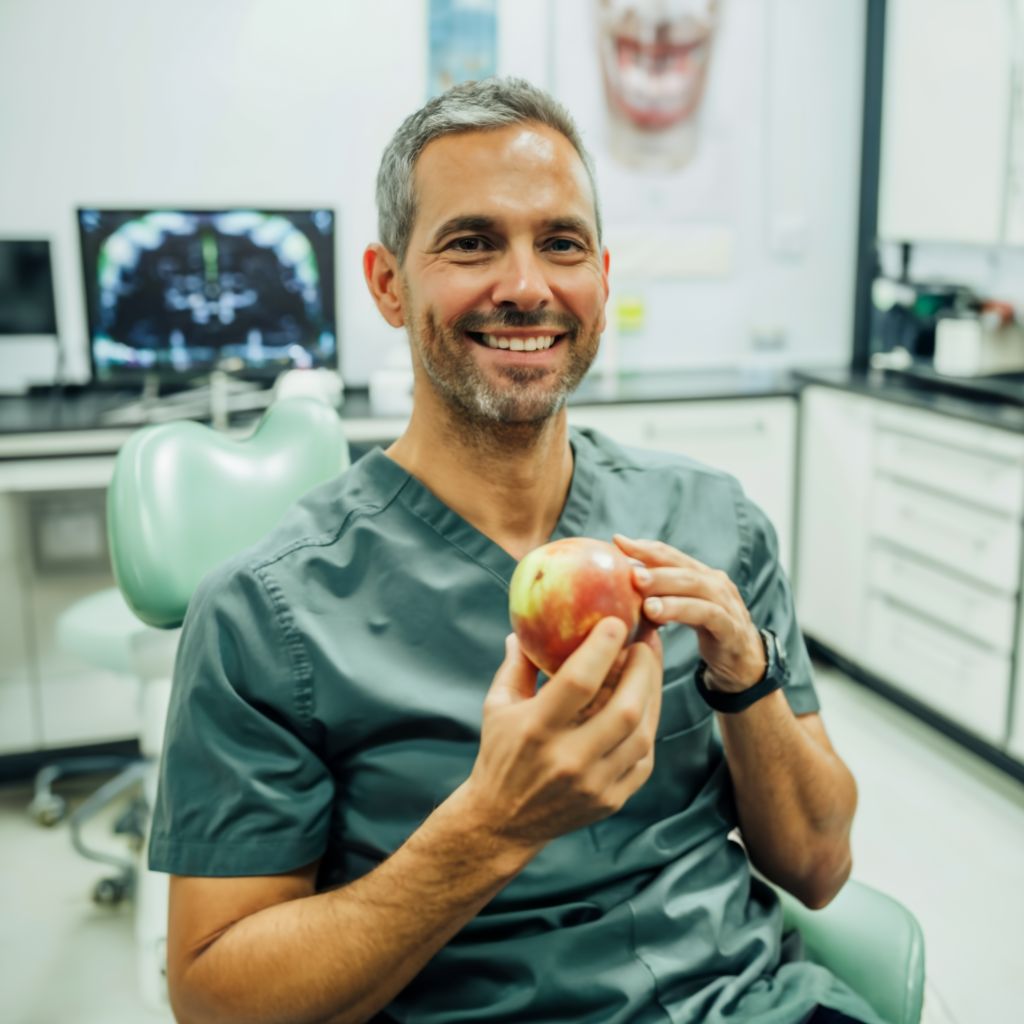
The Oral Health Diet: Nourishing Your Smile from the Inside Out

In the quest for a radiant smile and robust oral health, most discussions tend to focus on regular brushing, flossing, and dental check-ups. While these practices are undeniably crucial, there’s another vital component that often gets overlooked: our diet. The foods and beverages we consume play a significant role in the health of our teeth and gums. This blog post delves into the concept of the Oral Health Diet, exploring how certain foods can bolster our oral health, helping to nourish our smiles from the inside out.

Understanding the Connection Between Diet and Oral Health

The relationship between diet and oral health is bidirectional and complex. Nutrients from the foods we eat contribute to the strength and integrity of our teeth and gums, while the act of eating itself impacts our oral health through exposure to different types of foods. Sugary and acidic foods, for example, can erode tooth enamel and foster the growth of harmful bacteria, leading to cavities and gum disease. Conversely, foods rich in vitamins and minerals can support oral health by strengthening tooth enamel, reducing inflammation, and aiding in the repair of oral tissues.

The Foundation of the Oral Health Diet

The Oral Health Diet isn’t about strict restrictions or short-term fixes; it’s about incorporating a variety of nutrient-dense foods into your daily eating habits to support lasting oral health. Here are key components of an oral health-friendly diet:

  1. Calcium-Rich Foods: Calcium is vital for strong teeth and bones. Incorporating dairy products like milk, cheese, and yogurt into your diet can boost your calcium intake. For those who are lactose intolerant or vegan, alternatives include fortified plant milks, almonds, and leafy green vegetables.
  2. Phosphorus Sources: Phosphorus plays a critical role in dental health by aiding in the remineralization of teeth. Foods high in phosphorus, such as fish, poultry, nuts, and beans, can help support tooth strength.
  3. Vitamin C for Gums: Vitamin C is essential for gum health, helping to keep the connective tissues in your gums strong and reducing the risk of gingivitis. Citrus fruits, tomatoes, peppers, and strawberries are excellent sources of vitamin C.
  4. Crunchy Fruits and Vegetables: Crunchy, high-fiber fruits and vegetables like apples, carrots, and celery can help clean your teeth and freshen your breath. They stimulate saliva production, which helps wash away food particles and bacteria.
  5. Water: Perhaps the most crucial component of the Oral Health Diet, water helps to rinse away food particles and bacteria, maintain a neutral pH in the mouth, and keep tissues hydrated and healthy.

Foods to Limit for Better Oral Health

Just as some foods can promote oral health, others can jeopardize it. Limiting or avoiding the following can help protect your smile:

  • Sugary Foods and Beverages: Sugar is a primary culprit in tooth decay as it feeds harmful bacteria in the mouth, leading to the production of acids that erode tooth enamel.
  • Acidic Foods and Drinks: Regular exposure to acidity can weaken tooth enamel over time. While not all acidic foods are bad (many contain essential nutrients), it’s important to consume them in moderation and rinse your mouth with water afterward.
  • Sticky and Chewy Foods: Foods that cling to your teeth for a long time, like dried fruit or chewy candies, can be particularly harmful because they provide a constant source of fuel for bacteria.

Implementing the Oral Health Diet in Daily Life

Adopting the Oral Health Diet doesn’t require drastic changes; small, consistent adjustments can yield significant benefits. Here are some practical tips for integrating oral health-friendly foods into your routine:

  • Incorporate a variety of fruits and vegetables into every meal.
  • Choose dairy or calcium-fortified alternatives for snacks.
  • Opt for water or unsweetened tea over sugary beverages.
  • Be mindful of portion sizes when consuming acidic or sugary foods.
  • Practice good oral hygiene, especially after eating foods that may compromise your oral health.

The Bigger Picture: Oral Health and Overall Well-being

The Oral Health Diet underscores the interconnectedness of oral health and overall well-being. Nutrient deficiencies that affect your mouth can also impact other areas of your health, and vice versa. By focusing on a balanced, nutrient-rich diet, you’re not just nurturing your smile—you’re taking a holistic approach to your health.

Conclusion

Nourishing your smile from the inside out starts with the foods you choose to eat. The Oral Health Diet offers a foundation for strong teeth and healthy gums, emphasizing the importance of nutrition in oral health. By making informed dietary choices, you can support your oral hygiene efforts and enjoy a healthier, brighter smile. Remember, while diet plays a crucial role, it’s just one part of a comprehensive oral health strategy that includes regular dental care


Posted on

The Ergonomic Dental Practice: Minimizing Work-Related Injuries

In the demanding world of dental care, professionals often face the risk of work-related injuries due to the nature of their tasks, which typically involve prolonged periods of standing or sitting in awkward positions, repetitive movements, and the handling of dental equipment. The prevalence of musculoskeletal disorders (MSDs) among dentists and dental hygienists underscores the critical need for ergonomic practices within the dental workplace. This blog post delves into the essence of creating an ergonomic dental practice, aiming to minimize the risk of injuries and enhance overall well-being for dental professionals.

Understanding Ergonomics in Dentistry

Ergonomics, by definition, is the study of people’s efficiency in their working environment. In dentistry, it specifically refers to how dental professionals can design their workspaces, adopt correct postures, and utilize tools in a manner that decreases strain and prevents injuries. The goal is to ensure that the work environment fits the worker, not the other way around.

The Prevalence of MSDs in Dental Professionals

Dental professionals are particularly susceptible to MSDs, including carpal tunnel syndrome, tendinitis, lower back pain, and neck and shoulder injuries. These conditions often stem from the unique aspects of dental work, such as prolonged static postures, the necessity for precise, fine motor skills, and the repetitive nature of many dental procedures.

Key Strategies for an Ergonomic Dental Practice

  1. Ergonomic Equipment and Furniture: Investing in ergonomically designed dental chairs, stools, and equipment can drastically reduce physical strain. Chairs with adjustable height and lumbar support, for instance, can aid in maintaining a neutral posture. Similarly, using lightweight, well-balanced tools reduces the effort required for procedures, minimizing the risk of hand and wrist injuries.
  2. Optimal Workplace Layout: The arrangement of equipment and supplies should minimize the need for excessive reaching, twisting, or bending. Ideally, frequently used items should be within arm’s reach, and the patient chair should be positioned to allow the dentist to work comfortably without leaning or stretching.
  3. Effective Patient Positioning: The position of the patient can significantly impact the dentist’s posture. The patient’s mouth should be at the dentist’s elbow height or slightly lower, allowing the dentist to keep their arms close to their body and maintain a straight back.
  4. Adopting Proper Postures: Dental professionals should be mindful of maintaining neutral postures, with the back straight, shoulders relaxed, and elbows close to the body. Frequent micro-breaks to stretch and adjust posture can also help prevent muscle fatigue and stiffness.
  5. Use of Magnification and Adequate Lighting: Straining to see small details can lead to neck and back strain. Utilizing magnification tools, such as loupes, and ensuring adequate, well-directed lighting can reduce the need to lean in closely or adopt awkward positions.
  6. Regular Breaks and Exercises: Incorporating short breaks into the workday to stretch and relax muscles can prevent stiffness and fatigue. Specific exercises designed to strengthen the core, back, and upper body can also support long-term musculoskeletal health.
  7. Education and Training: Awareness and training on ergonomic principles are crucial. Workshops and seminars on ergonomics can equip dental professionals with the knowledge and skills to identify risk factors and adopt healthier work practices.

Implementing Ergonomic Changes

While the initial cost and effort required to implement ergonomic improvements may seem daunting, the long-term benefits for health, productivity, and job satisfaction are substantial. Start with simple changes, such as adjusting the position of the patient chair or introducing short, regular breaks for stretching. Gradually incorporate more significant changes, such as investing in ergonomic equipment or redesigning the layout of the dental operatory.

The Role of Technology in Ergonomics

Advancements in dental technology also offer solutions to ergonomic challenges. For example, digital radiography reduces the need for repetitive movements associated with traditional film x-rays, and CAD/CAM technology can decrease the time spent in awkward positions during restorative procedures. Embracing these technologies can further enhance ergonomic practices in the dental office.

Creating a Culture of Wellness

Ergonomics is not just about equipment and techniques; it’s also about fostering a workplace culture that prioritizes health and wellness. Encouraging open discussions about discomfort and pain, sharing ergonomic tips among colleagues, and regularly reviewing and updating ergonomic practices can create a supportive environment that values the well-being of every team member.

Conclusion

An ergonomic dental practice is instrumental in minimizing work-related injuries, enhancing productivity, and improving the overall quality of life for dental professionals. By understanding the risks, implementing strategic changes, and fostering a culture of wellness, dental practices can protect their most valuable asset—their people. As the dental industry continues to evolve, the emphasis on ergonomics will undoubtedly play a pivotal role in shaping healthier, more sustainable work environments for dental professionals.

Adopting an ergonomic approach requires commitment and ongoing effort,

Posted on

Easing the Pressure: Time Management Tips for the Overwhelmed Dentist

Dentistry is a profession marked by a constant juggle between patient care, administrative tasks, and personal development. This balancing act, while rewarding, can often lead to feelings of being overwhelmed, especially when time seems like a scarce resource. Effective time management is not just a skill but a necessity for dentists seeking to ease the pressure and enhance their professional and personal life. Here are actionable tips and strategies designed to help the overwhelmed dentist navigate their busy schedule more efficiently.

Understanding the Value of Time in Dentistry

The first step in mastering time management is recognizing the unique demands placed on dental professionals. With each patient requiring personalized care and attention, dentists must optimize every minute to ensure high-quality treatment while maintaining a smooth and efficient practice operation. This understanding lays the groundwork for implementing practical time management strategies.

Prioritize and Plan

  • Set Clear Priorities: Begin by identifying the tasks that have the most significant impact on your practice and patient care. Use the Eisenhower Box or a similar tool to categorize tasks based on their urgency and importance, focusing on high-priority activities that contribute to your goals.
  • Create a Daily Plan: Spend a few minutes at the start or end of each day planning your schedule. A well-thought-out plan can help you allocate time effectively, ensuring that critical tasks are not overlooked. Be realistic about what you can achieve in a day to avoid overcommitting.

Efficient Scheduling

  • Optimize Patient Appointments: Analyze your appointment scheduling to identify any inefficiencies. Consider implementing block scheduling or grouping similar procedures together to minimize downtime and make transitions smoother.
  • Leave Room for the Unexpected: Always allocate time for unforeseen events or emergencies. Having buffer periods throughout the day can reduce stress when the schedule doesn’t go as planned.

Delegate Effectively

Delegation is a cornerstone of time management. Identify tasks that can be handled by other team members, such as administrative duties or preliminary patient screenings. Trusting your team to take on more responsibilities frees up your time for complex cases and patient interaction, ultimately improving practice efficiency and job satisfaction.

Embrace Technology

Leveraging technology can significantly improve time management in your practice. Consider adopting or upgrading to a dental practice management software that streamlines appointment scheduling, patient records, and billing. Automated reminders for patients can reduce no-shows, and digital record-keeping can save time spent on paperwork.

Streamline Communication

Effective communication within your team is essential for a smoothly running practice. Implement regular brief meetings or huddles to discuss the day’s schedule, any challenges, and distribute tasks. This ensures everyone is on the same page and can help identify potential time-saving adjustments.

Set Boundaries

One of the most challenging aspects of time management for dentists is knowing when to say no. Setting boundaries with your time, especially regarding taking on new responsibilities or additional appointments, is crucial for maintaining balance. Learn to delegate or defer tasks that do not require your immediate attention or expertise.

Focus on Self-Care

Ironically, one of the best ways to manage your time effectively is to ensure you’re not focusing on work all the time. Allocate time for breaks throughout your day to recharge. Prioritize activities outside of work that contribute to your well-being, such as exercise, hobbies, and time with loved ones. A healthy work-life balance is essential for long-term productivity and job satisfaction.

Continuous Improvement

Time management is an ongoing process. Regularly review your practices and strategies to identify what is working and what can be improved. Be open to trying new approaches, and don’t be afraid to adjust your plan as your practice and personal life evolve.

Implementing Time Management Strategies

Putting these tips into practice requires a proactive approach. Start by choosing one or two strategies that address your most pressing time management challenges. Gradually incorporate additional techniques as you become more comfortable and start seeing results. Remember, the goal is to make your workday more manageable and fulfilling, not to overhaul your routine overnight.

The Impact of Effective Time Management

The benefits of effective time management extend far beyond just a less crowded schedule. By implementing these strategies, dentists can expect to see:

  • Improved Patient Care: More efficient scheduling and less rushed appointments contribute to better patient interactions and outcomes.
  • Reduced Stress: Knowing that you have a plan to handle your tasks can significantly lower stress levels.
  • Enhanced Professional Growth: With more time available, you can pursue further education, research, or other professional development opportunities.
  • Better Quality of Life: A well-managed schedule allows for more personal time, leading to improved well-being and job satisfaction.

Conclusion

For the overwhelmed dentist, mastering time management is not just about finding more hours in the day—it’s about optimizing those hours to balance patient care, practice demands, and personal life. By prioritizing tasks, delegating effectively, embracing technology, and focusing on self-care, dentists can ease the pressures of their

Posted on

The Art of Delegation: Streamlining Your Dental Practice for Better Mental Health

In the high-pressure environment of dental practices, the well-being of both patients and dental professionals is paramount. Dentists often find themselves juggling clinical responsibilities with the administrative demands of running a practice. This balancing act can take a toll on mental health, leading to stress and burnout. However, there’s a powerful yet underutilized strategy that can mitigate these challenges: delegation. Mastering the art of delegation not only streamlines operations but also significantly enhances mental health for dentists and their teams.

Understanding the Impact of Stress in Dentistry

Dentistry is inherently demanding. The precision required in procedures, coupled with the need to manage a business, staff concerns, and patient anxieties, creates a perfect storm for stress. Chronic stress can lead to burnout, affecting mental health and diminishing the quality of patient care. Recognizing the need to address this issue is the first step toward creating a healthier work environment.

The Benefits of Delegation

Delegation is more than just offloading tasks; it’s about strategic task distribution that leverages the strengths of your team. Effective delegation can lead to:

  • Improved Efficiency: By assigning tasks to the right team members, procedures become more streamlined, saving time and reducing bottlenecks.
  • Enhanced Team Morale: Empowering staff through delegation boosts confidence and job satisfaction, fostering a positive work environment.
  • Better Patient Care: With administrative and less specialized tasks handled by other team members, dentists can focus more on patient care and complex procedures.
  • Reduced Stress: Spreading the workload helps mitigate the overwhelming pressure on the dentist, leading to better mental health and work-life balance.

Strategies for Effective Delegation

  1. Identify Delegable Tasks: Start by identifying tasks that do not require your specialized skills as a dentist. These can include administrative duties, preliminary patient assessments, and certain routine dental tasks that can be performed by dental hygienists or assistants.
  2. Know Your Team’s Strengths: Assess the skills and interests of your team members. Delegating tasks that align with their strengths and career aspirations not only ensures task efficiency but also boosts morale and professional development.
  3. Provide Training and Resources: Effective delegation requires that the team members have the necessary skills and resources. Invest in training to equip your staff with the knowledge and tools they need to take on new responsibilities confidently.
  4. Set Clear Expectations: When delegating, be clear about the task objectives, deadlines, and the standards you expect. Clear communication prevents misunderstandings and ensures that the work is done correctly.
  5. Foster a Culture of Trust: Trust your team’s capabilities and allow them the autonomy to complete tasks in their own way. Micromanaging defeats the purpose of delegation and can undermine trust and confidence.
  6. Offer Feedback and Support: Provide constructive feedback and be available to support your team as they take on new tasks. Encouraging an open dialogue about challenges and successes reinforces a supportive team dynamic.
  7. Acknowledge and Reward Efforts: Recognize and reward your team’s efforts and achievements. Acknowledgment can take many forms, from verbal appreciation to bonuses or professional development opportunities.

Delegation as a Path to Better Mental Health

The positive effects of delegation extend beyond operational efficiency and directly impact the mental health of both the dentist and the practice staff. By reducing the workload and stress on the dentist, delegation promotes a healthier work-life balance, preventing burnout. For the team, being entrusted with more responsibilities can lead to increased job satisfaction and a sense of belonging, which are crucial for mental well-being.

Implementing Delegation in Your Practice

Implementing effective delegation begins with a mindset shift. Viewing delegation as an opportunity for team growth and practice improvement rather than a loss of control is crucial. Start small by delegating a few tasks and gradually increase as you and your team become more comfortable with the process. Regular team meetings can help monitor progress, address challenges, and adjust strategies as needed.

Conclusion

The art of delegation is a critical skill for dentists seeking to streamline their practice and improve mental health. By efficiently distributing tasks, dentists can alleviate the pressures that lead to stress and burnout, creating a more positive and productive work environment. This, in turn, enhances the quality of patient care and the overall success of the practice. Embracing delegation is not just about doing less—it’s about achieving more, both professionally and personally. In the journey toward a healthier practice environment, delegation is a step that cannot be overlooked.

This post outlines the benefits of delegation within a dental practice, focusing on improved mental health for dentists and their staff. By adopting these strategies, dental professionals can create a more efficient, supportive, and rewarding workplace

Posted on

Dental Terminology For Dental Patients Only

Dental terminology can often seem like a foreign language to new patients, but understanding these terms can significantly enhance your communication with your dental care team. Here’s a comprehensive guide to common dental terms you might hear in a dental office, explained in layman’s terms:

Dental Terminology Part 1.

Dental Terminology Part 2.

1. Plaque:

Plaque is a sticky film of bacteria that forms on your teeth. If not removed through brushing and flossing, it can lead to tooth decay and gum disease.

2. Tartar (Calculus):

When plaque hardens on your teeth, it becomes tartar. Tartar is tough to remove and requires professional cleaning to get rid of it.

3. Cavity (Caries):

A cavity is a hole in your tooth caused by tooth decay, which results from bacteria in plaque producing acids that attack the tooth enamel.

4. Enamel:

Enamel is the hard, outer surface layer of your teeth that protects them from decay. It’s the hardest substance in the human body.

5. Dentin:

Dentin is the layer of the tooth just beneath the enamel. It’s less hard than enamel and can be sensitive if exposed to the outside environment.

6. Gingiva (Gums):

Your gums are the soft tissue that surrounds and supports your teeth. Healthy gums are vital for maintaining overall oral health.

7. Periodontal Disease:

Periodontal disease, also known as gum disease, is an infection of the tissues that hold your teeth in place. It’s typically caused by poor brushing and flossing habits that allow plaque to build up on the teeth and harden.

8. Root Canal:

A root canal is a treatment to repair and save a badly damaged or infected tooth instead of removing it. The procedure involves removing the damaged area of the tooth (the pulp), cleaning and disinfecting it, then filling and sealing it.

9. Crown:

A crown is a tooth-shaped “cap” that’s placed over a tooth to cover the tooth to restore its shape and size, strength, and improve its appearance.

10. Bridge:

A bridge is a dental restoration method that literally bridges the gap created by one or more missing teeth. It consists of crowns for the teeth on either side of the gap and a false tooth/teeth in between.

11. Implant:

An implant is a metal post or frame that is surgically positioned into the jawbone beneath your gums. Once in place, they allow your dentist to mount replacement teeth onto them.

12. Orthodontics:

Orthodontics is a branch of dentistry that deals with diagnosing, preventing, and correcting mispositioned teeth and jaws, and misaligned bite patterns. Braces are the most common orthodontic treatment.

13. Braces:

Braces are devices used in orthodontics to straighten teeth and correct bite issues by applying continuous pressure over a period of time to slowly move teeth in a specific direction.

14. Wisdom Teeth:

Wisdom teeth are the third set of molars in the back of your mouth. They typically appear in the late teenage years or early twenties. Sometimes they need to be removed if they cause pain, are impacted, or lead to other dental issues.

15. Fluoride:

Fluoride is a mineral that helps prevent cavities and can repair teeth in the very early, microscopic stages of the disease. Fluoride treatments may be recommended by your dentist for added protection against tooth decay.

16. Scaling and Root Planing:

This is a deep cleaning procedure that involves removing plaque and tartar from above and below the gumline, and smoothing out the roots of the teeth to help gums reattach to the teeth.

17. Veneers:

Veneers are thin, custom-made shells of tooth-colored materials designed to cover the front surface of teeth to improve your appearance. They are used to treat various cosmetic concerns, such as chipped, broken, discolored, or smaller-than-average teeth.

18. Bite:

Your bite is how your upper and lower teeth come together when you close your mouth. An improper bite can cause issues with chewing and speaking, and can lead to jaw pain and wear on your teeth.

19. X-rays:

Dental X-rays are images of your teeth that your dentist uses to evaluate your oral health. These X-rays are used with low levels of radiation to capture images of the interior of your teeth and gums. This can help your dentist to identify problems, like cavities, tooth decay, and impacted teeth.

20. Sealants:

Sealants are a protective coating that is applied to the chewing surfaces of the back teeth (molars), where decay occurs

21. Composite Resin:

Composite resin is a tooth-colored filling material used in cosmetic dental procedures to repair decayed, chipped, fractured, or discolored teeth. Unlike amalgam fillings, composites blend with your tooth color.

22. Impression:

An impression is a mold that your dentist takes of your teeth and mouth. It’s used to create a precise model of your teeth for designing dental prosthetics like crowns, bridges, dentures, and orthodontic devices.

23. Bonding:

Bonding involves applying a tooth-colored composite resin to repair a damaged tooth. It can be used to fix chips, cracks, discoloration, or to change the shape or size of teeth.

24. Denture:

Dentures are removable replacements for missing teeth and surrounding tissues. There are two types of dentures available: complete dentures (when all teeth are missing) and partial dentures (when some natural teeth remain).

25. Extraction:

Extraction is the process of removing a tooth from its socket in the bone. This may be necessary if a tooth is severely damaged or decayed, or in cases of advanced gum disease.

26. Local Anesthetic:

Local anesthetic is a type of medication used to numb a specific area of your mouth during dental procedures to prevent pain and discomfort.

27. Nitrous Oxide:

Nitrous oxide, often referred to as “laughing gas,” is a safe and effective sedative agent mixed with oxygen and inhaled through a small mask that fits over your nose to help you relax during dental procedures.

28. Occlusion:

Occlusion refers to the alignment of teeth and the way that the upper and lower teeth fit together (bite). Proper occlusion affects your overall oral health.

29. Periodontist:

A periodontist is a dentist who specializes in the diagnosis, prevention, and treatment of periodontal disease, and in the placement of dental implants.

30. Endodontist:

An endodontist is a dentist who specializes in treating diseases and injuries of the tooth pulp or nerve of the tooth. They are experts in performing root canal treatment.

31. Prosthodontist:

A prosthodontist is a dentist specialized in designing, making, and fitting artificial replacements for teeth and other parts of the mouth. They work with crowns, bridges, dentures, and dental implants.

32. Orthodontist:

An orthodontist is a dentist who specializes in diagnosing, preventing, and treating dental and facial irregularities. They use braces, aligners, and other devices to correct misaligned teeth and jaws.

33. Pediatric Dentist:

A pediatric dentist specializes in dental care for children from infancy through the teen years. They are trained to address children’s dental needs and provide a comfortable experience.

34. Dental Hygienist:

Dental hygienists are licensed dental professionals who specialize in preventive oral health, typically focusing on techniques in oral hygiene. They perform cleanings, assess oral health conditions, and educate patients on proper oral care.

35. TMJ (Temporomandibular Joint):

The TMJ connects your jawbone to your skull. Disorders of this joint can cause pain and discomfort in your jaw, making it difficult to chew or speak.

Understanding these terms can greatly enhance your

Posted on

A Senior’s Guide to Dental Health

Understanding and Caring for Aging Teeth and Gums

Introduction: As we advance in age, our dental needs evolve. Elderly individuals often encounter specific challenges such as dry mouth, gum disease, and tooth loss. These conditions can impact not just the enjoyment of food but can also affect overall health and the enjoyment of life. This blog post will address the unique dental concerns that come with age and provide practical tips for seniors to maintain good oral health during their golden years.

Dry Mouth: Causes and Care Causes: Dry mouth is a common issue among older adults, frequently caused by medications used to treat various medical conditions. The natural decrease in saliva production as we age can also lead to this uncomfortable condition.

Care Tips:

  • Increase water intake to combat dehydration.
  • Chew sugar-free gum or suck on sugar-free candies to stimulate saliva.
  • Consider using saliva replacement products available over the counter.
  • Avoid substances that can dehydrate, such as alcohol, caffeine, and tobacco.
  • Review your medications with your doctor; they may adjust dosages or change prescriptions to reduce dry mouth symptoms.

Gum Disease: Prevention and Management Causes: Gum disease can be the result of years of plaque accumulation, tobacco use, or ill-fitting dental appliances. Diseases like diabetes that affect the gums can also be a contributing factor.

Prevention and Management:

  • Keep up with regular dental appointments for professional cleaning.
  • Brush with fluoride toothpaste and clean between your teeth every day.
  • Utilize electric toothbrushes or water flossers if manual brushing and flossing are challenging.
  • Manage health conditions, particularly those that can influence oral health.
  • Smoking cessation is crucial, as tobacco use is a significant risk factor for gum disease.

Tooth Loss and Replacement Options Causes: In seniors, tooth loss is often the consequence of long-term decay, periodontal disease, or injury.

Replacement Options:

  • Dental implants provide a durable and permanent option for tooth replacement.
  • Bridges offer a semi-permanent solution that can be more approachable than implants.
  • Dentures, whether complete or partial, offer a removable option for replacing several teeth or all of one’s teeth.
  • Regular dental check-ups are important to maintain these devices, ensuring their longevity and comfort.

Oral Cancer Screening Importance: The incidence of oral cancer increases with age, making regular screenings an important preventive measure.

Screening Tips:

  • Regular dental visits should include screenings for oral cancer.
  • Stay vigilant for symptoms like persistent sores, lumps, or patches of discolored tissue.
  • Any changes or concerns should be promptly discussed with a dental professional.

Daily Oral Care Routine for Seniors

  • Employ a soft-bristled brush to gently clean teeth and protect gums.
  • For those with dexterity issues, toothbrushes with larger handles or adaptive aids can be used.
  • Antiseptic mouthwashes can assist in controlling plaque and addressing gum disease.
  • Dentures should be removed and cleaned daily to maintain oral hygiene and comfort.

Conclusion: Maintaining dental health in later years requires understanding and adapting to the unique challenges that aging presents. With dedicated care and regular dental visits, seniors can enjoy good oral health, which contributes significantly to their overall quality of life. It’s important to remember that it’s never too late to improve oral hygiene habits. Open dialogue with dental professionals and consistent care routines are the keys to navigating the golden years with a healthy smile.

Posted on

From Drilled to Thrilled: Transforming Stress into Success in Dentistry

The profession of dentistry is undoubtedly rewarding, offering the chance to make a significant difference in patients’ health and self-esteem. However, it also comes with its fair share of challenges and stressors. From managing a bustling practice and staying abreast of the latest technologies to handling anxious patients and ensuring precise outcomes, dentists face a myriad of pressures every day. The key to not just surviving but thriving in this demanding environment lies in transforming stress from a hindrance into a catalyst for success. Here’s how.

Understanding Stress in Dentistry

Stress in dentistry can manifest in various forms, including physical fatigue, emotional burnout, and mental overload. Recognizing the signs early is crucial for effective management. Symptoms may include irritability, difficulty sleeping, feeling overwhelmed, or even physical complaints such as headaches or muscle tension. Acknowledging these signs allows for the timely implementation of strategies to mitigate stress.

Cultivating a Positive Mindset

A positive mindset is a powerful tool in the battle against stress. It involves shifting your focus from problems to solutions, from limitations to possibilities. This shift doesn’t happen overnight but requires conscious effort every day. Begin by setting realistic goals for yourself and your practice. Celebrate small victories and learn from setbacks without letting them define your self-worth or the quality of your work.

Embracing Mindfulness and Meditation

Mindfulness and meditation are not just buzzwords; they are proven strategies for reducing stress and improving focus and clarity. Incorporating mindfulness into your daily routine can be as simple as taking a few minutes between patients to practice deep breathing or meditating for ten minutes at the start or end of your day. These practices help ground you in the present moment, reducing anxiety and enhancing your ability to handle the day’s challenges with calm and grace.

Effective Time Management

One of the primary sources of stress for dentists is the feeling of being constantly behind schedule. Effective time management is essential for alleviating this pressure. Begin by evaluating your current scheduling practices and identifying areas for improvement. Allocating sufficient time for each patient not only reduces stress but also improves the quality of care and patient satisfaction. Additionally, delegating tasks to trusted team members can free up your time to focus on the most critical aspects of your practice.

Building a Supportive Network

Dentistry, while often practiced in the company of others, can sometimes feel isolating. Building a network of peers and mentors can provide an invaluable outlet for sharing experiences, challenges, and strategies for coping with stress. Whether through professional associations, online forums, or local study groups, connecting with others in the field can offer support, advice, and a sense of community.

Prioritizing Physical Health

Physical well-being is closely linked to mental and emotional health. For dentists, who often work in physically demanding positions, neglecting physical health can exacerbate stress. Regular exercise, adequate rest, and proper nutrition are essential for maintaining energy levels and resilience against stress. Additionally, be mindful of posture during procedures to prevent musculoskeletal strain, and don’t hesitate to consult a physical therapist if needed.

Fostering Work-Life Balance

Achieving a healthy work-life balance is critical for preventing burnout. This means setting boundaries between professional and personal time. Make time for hobbies, family, and friends, and practice disconnecting from work outside of office hours. Remember, taking time for yourself isn’t a luxury—it’s a necessity for maintaining your passion and vitality in both your personal and professional life.

Seeking Professional Help

Sometimes, despite our best efforts, stress can become overwhelming, affecting our mental health and quality of life. In such cases, seeking the guidance of a mental health professional is a sign of strength, not weakness. Therapy or counseling can provide coping mechanisms, offer new perspectives, and support you through challenging times.

Transforming Stress into Success

Ultimately, transforming stress into success in dentistry involves a holistic approach that addresses physical, mental, and emotional well-being. It’s about making conscious choices every day that support your health, cultivating a positive and resilient mindset, and seeking support when needed. Remember, the goal is not to eliminate stress entirely—that’s an unrealistic expectation in any profession—but to manage it effectively, turning potential obstacles into opportunities for growth and fulfillment.

Conclusion

The path from drilled to thrilled in dentistry is paved with challenges, but it’s also filled with opportunities for personal and professional growth. By adopting effective stress management strategies, you can transform the pressures of the profession into drivers of success. Embrace the journey with openness, resilience, and a commitment to self-care, and watch as you not only meet but exceed your own expectations, both in the dental clinic and beyond.

Posted on

Innovations in Patient Care: Shaping the Future of Dentistry

The landscape of dentistry is undergoing a transformative shift, with innovations in patient care at the forefront of this change. Today, dental professionals are not only focusing on treating dental ailments but also on enhancing the overall patient experience through personalized treatment plans and engaging patient care strategies. This evolution is driven by a combination of technological advancements, patient expectations, and a deeper understanding of holistic health. In this blog post, we delve into the emerging trends and practices that are setting new standards for exceptional patient care in dentistry.

Personalized Treatment Plans: Tailoring Care to Individual Needs

Gone are the days of one-size-fits-all dentistry. Personalized treatment plans have become the cornerstone of modern dental care, emphasizing treatments tailored to each patient’s unique needs, preferences, and health history. Here’s how dentists are making this shift:

  • Comprehensive Assessments: Utilizing advanced diagnostic tools, dentists can now gain a deeper understanding of a patient’s oral health condition, facilitating the creation of highly personalized treatment plans.
  • Predictive Analytics: By analyzing data from electronic health records, wearables, and genetic testing, dentists can predict susceptibility to certain conditions, allowing for preventive measures and customized care plans.
  • Patient Involvement: Encouraging patients to be active participants in their treatment planning fosters a sense of ownership over their dental health and ensures that care plans align with their expectations and lifestyle.

Technology-Driven Enhancements in Patient Care

Technological innovations are redefining the approach to dental care, making treatments more efficient, less invasive, and more comfortable for patients.

  • Digital Dentistry: From digital scans and 3D printing to CAD/CAM (Computer-Aided Design and Computer-Aided Manufacturing) systems, technology is streamlining dental procedures, improving accuracy, and reducing turnaround times for dental appliances.
  • Minimally Invasive Techniques: Advances in dental materials and techniques are enabling dentists to preserve more natural tooth structure, enhancing patient comfort and outcomes.
  • Tele-dentistry: This rapidly evolving field allows for remote consultations, follow-ups, and education, making dental care more accessible and convenient for patients.

Enhancing Patient Engagement and Experience

Engaging patients in their dental care journey is critical for achieving optimal outcomes and enhancing satisfaction. Here’s how innovative practices are improving patient engagement:

  • Educational Resources: Providing patients with accessible, easy-to-understand educational materials on oral health helps demystify dental procedures and empowers patients to make informed decisions about their care.
  • Communication Platforms: Leveraging text messages, emails, and patient portals for reminders, updates, and educational content keeps patients informed and engaged in their care.
  • Personalized Communication: Tailoring communication to match patient preferences, whether it’s the mode of communication or the language used, enhances understanding and builds trust.

Fostering a Holistic Approach to Dental Health

The integration of holistic health practices into dental care underscores the connection between oral health and overall wellness. Here’s how dentists are embracing a more holistic approach:

  • Nutritional Counseling: Offering guidance on nutrition and its impact on oral health can help patients make lifestyle changes that support dental and general health.
  • Stress Management: Recognizing the role of stress in conditions like bruxism and TMJ disorders, some dentists now incorporate stress management strategies into their treatment plans.
  • Collaboration with Other Healthcare Providers: Working closely with physicians, nutritionists, and other specialists ensures a comprehensive approach to patient health, addressing issues that may impact oral health and vice versa.

Challenges and Considerations

While these innovations offer exciting possibilities for enhancing patient care, they also present challenges. Ensuring patient privacy and data security, especially with the increased use of digital tools, is paramount. Additionally, keeping up with rapid technological advancements requires ongoing education and investment by dental practices. However, the potential benefits for patient care and practice efficiency make navigating these challenges worthwhile.

Conclusion

The future of dentistry lies in providing patient-centered care that leverages technological innovations, emphasizes personalized treatment plans, and engages patients in their health journey. By embracing these emerging trends and practices, dental professionals can offer exceptional care that meets the evolving needs and expectations of their patients. As the field continues to advance, staying informed and adaptable will be key to delivering the highest standards of care and maintaining a competitive edge in the dynamic landscape of modern dentistry.

Posted on

The Role of Social Media in Modern Dentistry: A Guide for Young Professionals

In the digital age, social media has emerged as a powerful tool for professionals across industries, including dentistry. Its role in shaping practices, enhancing patient education, and fostering professional networking cannot be overstated. For young dental professionals navigating the intricacies of modern dentistry, understanding how to effectively utilize social media is essential. This blog post explores the multifaceted role of social media in dentistry, offering insights into its use for marketing, patient education, and professional networking, along with crucial dos and don’ts.

Marketing Your Practice on Social Media

Social media platforms offer a unique opportunity to market dental practices in a way that’s both cost-effective and wide-reaching. Here’s how you can leverage these platforms:

  • Showcase Your Services: Use social media to highlight your dental services, special offers, and unique selling propositions. Before-and-after photos (with patient consent), short informative videos, and patient testimonials can significantly enhance your practice’s visibility and appeal.
  • Engage With Your Community: Regularly post engaging content that resonates with your target audience. This could include oral health tips, explanations of dental procedures, or behind-the-scenes glimpses of your practice. Engagement builds trust and fosters a sense of community.

Patient Education Through Social Media

Social media is a powerful tool for educating patients. It allows you to disseminate valuable dental health information and demystify dental procedures, making dental care more accessible and less intimidating.

  • Share Educational Content: Create and share informative content that addresses common dental concerns, explains preventive measures, and highlights the importance of regular dental check-ups. Infographics, short videos, and interactive posts can make learning fun and engaging for patients.
  • Promote Oral Health Awareness: Use social media platforms to participate in oral health awareness campaigns, encouraging patients to adopt healthier oral hygiene practices. Special observances like National Children’s Dental Health Month can provide thematic content for your posts.

Professional Networking on Social Media

Social media also serves as a platform for professional development and networking. It connects you with peers, mentors, and industry leaders, opening up avenues for learning and collaboration.

  • Connect With Colleagues: Join dental professional groups on platforms like LinkedIn and Facebook. These groups are valuable resources for sharing experiences, seeking advice, and discussing the latest developments in dentistry.
  • Follow Industry Leaders: Keep abreast of the latest trends and innovations in dentistry by following renowned dentists and professional organizations. Engage with their content to expand your knowledge and professional network.

Dos and Don’ts for Young Professionals

While social media offers numerous benefits, navigating it professionally requires mindfulness. Here are some dos and don’ts to keep in mind:

Dos

  • Do Maintain Professionalism: Always present yourself in a professional manner. This includes the tone of your posts, the content you share, and how you interact with others online.
  • Do Prioritize Patient Privacy: Be vigilant about patient privacy and confidentiality. Never share identifiable patient information without explicit consent.
  • Do Stay Consistent: Consistency in posting and engagement helps build and maintain your online presence. Create a content calendar to plan your posts and ensure a steady stream of content.
  • Do Monitor Your Online Reputation: Regularly check what is being said about you and your practice online. Address any negative feedback promptly and professionally.

Don’ts

  • Don’t Overshare: While personal touches can humanize your practice, oversharing or posting irrelevant content can detract from your professional image.
  • Don’t Ignore Engagement: If someone takes the time to comment on your post or asks a question, make sure to respond. Engagement builds relationships and trust.
  • Don’t Engage in Online Disputes: Avoid public disputes or negative interactions on social media. Always handle conflicts privately and professionally.
  • Don’t Forget About Compliance: Be mindful of the legal and ethical standards governing advertising and patient communication in dentistry. Ensure all content complies with these standards.

Conclusion

Social media is an indispensable tool for young dentists aiming to establish their practices, educate their patients, and connect with their peers. By leveraging its power responsibly, you can enhance your professional image, expand your patient base, and contribute to the overall health of your community. Remember, the key to success on social media lies in balancing professionalism with engagement, sharing valuable content, and respecting the privacy and confidentiality of your patients. With these principles in mind, you can navigate the digital landscape of modern dentistry with confidence and integrity, paving the way for a thriving practice and a fulfilling career.

Posted on

The Art of Dental Branding

Differentiating Your Practice in a Competitive Field

Introduction: In the crowded and ever-evolving field of dentistry, establishing a strong brand is not just about standing out, it’s about being memorable, trustworthy, and appealing to the needs and wants of your patient base. Dental branding goes beyond logos and office decor; it encompasses the patient’s total experience with your practice, from the initial phone call to post-treatment follow-up. As an expert in dental brand creation, I understand the nuances that make a dental practice thrive. In this post, we’ll uncover the art of dental branding and how you can differentiate your practice in a competitive market.

Understanding Your Unique Value Proposition: Before diving into colors and taglines, it’s crucial to define what sets your practice apart. What unique value do you provide? Is it unparalleled patient comfort, cutting-edge technology, a family-friendly environment, or perhaps your commitment to eco-friendly practices? Identifying your unique value proposition (UVP) is the first step in creating a brand that reflects the core of your practice and speaks directly to the needs of your patients.

Creating a Visual Identity: Your visual identity is often the first impression potential patients encounter, so it’s essential to get it right. This includes your logo, color scheme, typeface, and imagery, all of which should communicate your UVP at a glance. For instance, if your UVP is high-tech dentistry, your visual branding should be sleek, modern, and incorporate imagery that conveys innovation. If it’s family dentistry, the palette should be warm and welcoming, with inclusive and diverse imagery.

Developing a Compelling Brand Message: Once you’ve established your visual identity, it’s time to craft your brand message. This message should encapsulate your UVP and convey why a patient should choose your practice over another. It should be clear, concise, and echo throughout all your communication channels—website, social media, print materials, and advertisements.

Creating a Consistent Patient Experience: Branding extends to the patient experience. Every touchpoint, from the appointment reminder to the comfort of the waiting room chairs, should reflect your brand. Consistency in service quality, staff behavior, clinic atmosphere, and patient engagement reinforces your brand promise and builds trust.

Embracing Digital Presence: In today’s digital world, a strong online presence is non-negotiable. Your website should be a digital extension of your practice—professional, informative, and reassuring. SEO best practices will help you rank higher in search results, making it easier for potential patients to find you. Social media platforms offer an opportunity to showcase your practice’s personality, share patient testimonials, and engage with the community.

Leveraging Patient Testimonials and Reviews: Word-of-mouth has always been a powerful marketing tool, and in the digital age, testimonials and reviews are its equivalent. Encourage your satisfied patients to leave reviews on Google, Yelp, and social media. Share their stories on your platforms (with permission), as personal anecdotes are highly persuasive and relatable to prospective patients.

Community Engagement and Social Responsibility: Your brand should extend into the community you serve. Participating in local events, sponsoring youth sports teams, or hosting free dental camps can all reinforce your brand’s commitment to the community’s health and well-being. Moreover, practices that embrace social responsibility, such as volunteering services or adopting sustainable practices, create a brand image that resonates with socially conscious patients.

Training Your Team to Be Brand Ambassadors: Every member of your practice, from the receptionist to the dental hygienist, should understand and embody your brand values. They are the ambassadors of your brand, and their interactions with patients can significantly influence perception and loyalty.

Monitoring and Adapting Your Brand Strategy: The dental industry is dynamic, and so are patient expectations. Regularly review your brand’s performance and be prepared to adapt your strategy. Keep abreast of industry trends, patient feedback, and technological advancements to ensure your brand remains relevant and appealing.

Conclusion: Creating a distinctive dental brand is both an art and a strategic endeavor. It’s about painting a picture of your practice that is vivid, attractive, and true to your ethos. It’s an ongoing process that requires attention to detail, consistency, and the willingness to evolve. By crafting a brand that accurately reflects the unique qualities of your practice, you can attract and retain patients, even in the most competitive of markets. Remember, your brand is more than just a name or a logo—it’s the story that patients will associate with their care and their smiles.