Posted on

Mentorship in Dentistry: A Keystone for Early Career Success

Mentorship in Dentistry: A Keystone for Early Career Success

The journey into dentistry is filled with both exciting opportunities and daunting challenges. For young dentists, navigating the complexities of their burgeoning careers can sometimes feel overwhelming. This is where the role of mentorship becomes pivotal. A mentor can provide guidance, support, and wisdom that is invaluable for personal and professional growth. In this blog post, we’ll explore the importance of finding a mentor, how to seek mentorship opportunities and the myriad benefits of being mentored in the early stages of a dental career.

Understanding the Importance of Mentorship

Mentorship in dentistry is more than just an exchange of knowledge; it’s a foundational element for building a successful and fulfilling career. The right mentor acts as a beacon, guiding young dentists through the maze of clinical decisions, ethical dilemmas, and career choices that define the profession. They impart not only technical knowledge and skills but also insights into the softer aspects of dentistry—patient communication, practice management, and professional resilience.

Finding a Mentor: Strategies That Work

The quest for a mentor requires initiative and strategy. Here are several effective ways to seek out mentorship opportunities:

  • Professional Associations and Networking Events: Engage with organizations like the American Dental Association (ADA) or local dental societies. These groups often host events and offer formal mentorship programs, providing platforms for young dentists to connect with potential mentors.
  • Dental Schools and Alumni Associations: Your alma mater is a rich resource. Many dental schools facilitate mentorship programs, and alumni associations can be instrumental in connecting you with seasoned professionals.
  • Online Professional Networks: Platforms like LinkedIn and specialized dental forums offer opportunities to reach out to experienced dentists. Participating in discussions and showcasing your enthusiasm for the field can attract potential mentors.
  • Conferences and Continuing Education Courses: These venues are not only for learning but also for networking. Engaging with speakers and participants can lead to meaningful mentorship relationships.
  • Direct Outreach: Identify dentists whose career paths or achievements inspire you. A thoughtful, well-crafted email expressing your admiration and seeking guidance can be the first step towards establishing a mentor-mentee relationship.

The Benefits of Being Mentored

The advantages of having a mentor during the formative years of your dental career are profound and multifaceted:

  • Accelerated Professional Development: Learning from someone who has already walked the path can dramatically shorten your learning curve, helping you acquire clinical skills and professional knowledge more efficiently.
  • Enhanced Decision-Making: With a mentor’s guidance, you’re better equipped to make informed decisions about your career path, whether it’s choosing a specialty, pursuing further education, or navigating the challenges of setting up a practice.
  • Building Confidence: A mentor provides encouragement and support, helping you build the confidence needed to tackle the challenges of dental practice and patient care.
  • Networking Opportunities: A well-connected mentor can introduce you to a broader professional network, opening doors to job opportunities, collaborations, and continued learning.
  • Emotional Support and Well-being: The pressures of early dental practice can be overwhelming. A mentor offers a listening ear, empathetic advice, and strategies for maintaining well-being amidst the stresses of the profession.

Making the Most of Mentorship

To truly benefit from mentorship, it’s essential to be an active and engaged mentee. Here are some tips to foster a productive mentor-mentee relationship:

  • Set Clear Objectives: Define what you hope to achieve through mentorship. Whether it’s improving clinical skills, understanding the business side of dentistry, or developing leadership qualities, having clear goals helps your mentor provide targeted guidance.
  • Communicate Openly and Regularly: Regular communication is the cornerstone of a successful mentor-mentee relationship. Don’t hesitate to share your challenges, successes, and areas where you seek improvement.
  • Be Receptive and Open to Feedback: Constructive criticism is a gift. Approach feedback with an open mind and a willingness to learn and grow.
  • Take Initiative: While mentors can provide guidance and support, it’s up to you to take charge of your learning and growth. Seek out opportunities to observe, ask questions, and get hands-on experience.
  • Express Gratitude: Recognize and appreciate the time and effort your mentor invests in you. A simple thank you can go a long way in showing your appreciation and maintaining a positive relationship.

Conclusion

Mentorship is a crucial component of a successful dental career, particularly in its early stages. The guidance, knowledge, and support of a mentor can help young dentists navigate the complexities of the profession, build confidence, and achieve their career aspirations. By actively seeking mentorship opportunities and fostering a positive mentor-mentee relationship, young dentists can unlock their full potential and pave the way for a rewarding career in dentistry.

In the world of dentistry, where the learning never stops, and the challenges continuously evolve, having a mentor by your side is not just an advantage—it’s a necessity. So, take the initiative, seek out a mentor, and embark on a journey of professional growth and success that will shape the dentist you aspire to become.

Posted on

Navigating Common Dental Problems and Their Solutions: A Comprehensive Guide

Introduction : Oral health is a critical component of overall well-being, yet dental problems are common across all age groups. Understanding these issues and knowing how to address them can significantly impact your quality of life and general health. This comprehensive guide delves into some of the most frequent dental concerns, offering insights into their causes, prevention, and treatment options. By equipping yourself with this knowledge, you can take proactive steps towards maintaining a healthy and vibrant smile.

Cavities and Tooth Decay: Causes: Cavities, also known as dental caries or tooth decay, occur when plaque forms on the teeth and converts sugar into acid, which then erodes the tooth enamel. Factors contributing to cavity risk include poor oral hygiene, frequent snacking on sugary foods, and not getting enough fluoride.

Prevention: Good oral hygiene is paramount. Brushing twice a day with fluoride toothpaste, flossing daily, and reducing sugary snack consumption can drastically reduce your risk. Regular dental check-ups and cleanings are also essential for spotting early signs of decay and applying preventive treatments like fluoride varnish or dental sealants.

Treatment: Treatment options vary depending on the decay stage. Early cavities can sometimes be reversed with fluoride treatments, while more advanced decay may require fillings, crowns, or even root canals if the damage reaches the tooth’s nerve.

Gum Disease (Periodontitis and Gingivitis): Causes: Gum disease starts with gingivitis, caused by plaque buildup at the gumline. If untreated, it can advance to periodontitis, leading to the gums pulling away from the teeth and forming pockets that become infected.

Prevention: Prevention focuses on removing plaque through regular brushing, flossing, and dental cleanings. Lifestyle changes, such as quitting smoking and managing diabetes, can also help reduce risk.

Treatment: Treatment aims to control the infection and may include deep cleaning (scaling and root planing), medications, and, in severe cases, surgery. Maintaining excellent oral hygiene after treatment is crucial to prevent recurrence.

Tooth Sensitivity : Causes: Sensitivity occurs when the tooth’s enamel wears down, exposing the dentin or when gum recession exposes the root surface. Triggers include hot, cold, acidic, or sweet foods and drinks.

Prevention: Use desensitizing toothpaste, avoid acidic foods, and use a soft-bristled toothbrush to prevent further enamel wear. Consider fluoride treatments to strengthen enamel.

Treatment: Treatments include fluoride varnishes, desensitizing products, and, in some cases, dental restorations to cover exposed roots or replace worn enamel.

Halitosis (Bad Breath): Causes: Halitosis can result from poor oral hygiene, gum disease, dry mouth, smoking, and certain foods. It can also indicate medical conditions outside the oral cavity.

Prevention: Regular brushing and flossing, cleaning the tongue, staying hydrated, and regular dental check-ups can help prevent bad breath. Identifying and treating any underlying causes is also important.

Treatment: Besides maintaining good oral hygiene, treating any underlying dental or medical issues is necessary. Professional dental cleanings can remove plaque and tartar that contribute to bad breath.

Oral Cancer: Causes: Risk factors include tobacco use, heavy alcohol consumption, HPV infection, and excessive sun exposure to the lips.

Prevention: Avoiding tobacco and reducing alcohol consumption are key preventive measures. Regular dental visits for oral cancer screenings are also crucial for early detection.

Treatment: Treatment options include surgery, radiation therapy, and chemotherapy, depending on the cancer stage and location. Early detection significantly improves treatment outcomes.

Conclusion: Understanding common dental problems and their solutions empowers you to take charge of your oral health. Prevention through good oral hygiene practices and regular dental visits is the cornerstone of avoiding these issues. However, should problems arise, modern dentistry offers a range of effective treatments to restore health and functionality. Remember, your dentist is your partner in maintaining a healthy smile, so don’t hesitate to seek their advice and treatment when needed.

This detailed guide serves as a valuable resource for patients, highlighting the importance of both preventative care and timely treatment for common dental issues. By addressing these problems head-on, individuals can enjoy better oral health and overall well-being.

Posted on

Oral Health Through the Ages: A Guide to Lifelong Dental Wellness

Introduction: Oral health is a vital part of our overall well-being, and it requires attention and care at every stage of life. From the first tooth to the golden years, each phase of life brings unique dental challenges and needs. Understanding these changes and how to address them can make a significant difference in maintaining a healthy smile for life. In this comprehensive guide, we’ll explore the oral health journey from infancy to seniority, offering tips and insights to help you or your loved ones maintain optimal dental health at every age.

Infancy and Early Childhood (200 words): Infancy: Dental care begins even before the first tooth appears. Gently clean your baby’s gums with a soft, damp cloth after feedings. As soon as the first tooth erupts, start brushing with a soft-bristled brush and a tiny smear of fluoride toothpaste. Schedule their first dental visit by their first birthday or when the first tooth appears.

Early Childhood: As children grow, instill good oral hygiene habits. Teach them to brush twice a day with a pea-sized amount of fluoride toothpaste. Supervise brushing to ensure they spit out toothpaste and don’t swallow it. Introduce flossing as soon as two teeth touch. Regular dental check-ups are essential to monitor development and catch any early signs of dental issues.

School-Age Children: Ages 7-12: This is a critical time for dental development as permanent teeth replace baby teeth. Encourage independence in oral care, but continue to monitor their technique and thoroughness. Sealants may be recommended to protect the chewing surfaces of the back teeth from decay. Also, this is the age when orthodontic problems become apparent. A consultation with an orthodontist may be beneficial if there are concerns about alignment or bite.

Teenagers: Teen years bring new challenges like braces, sports-related dental injuries, and lifestyle choices that can impact oral health. Emphasize the importance of consistent oral hygiene, especially for those with orthodontic appliances. Mouthguards should be used during sports to prevent injuries. Discuss the effects of sugary drinks, smoking, and other harmful habits on dental health.

Adulthood: Adults face various dental issues, from the maintenance of fillings and crowns to the onset of gum disease. Stress can lead to problems like teeth grinding. Continue regular dental visits for cleanings and check-ups. This is also a time when cosmetic dental options, such as whitening or veneers, might be considered.

Senior Dental Care: In the senior years, oral health remains crucial. Seniors are at increased risk for dry mouth, root decay, and gum disease. Certain medications can also affect oral health. Maintain diligent care and regular dental visits. Considerations like denture care or adjustments to oral care routines to accommodate mobility or cognitive issues may be necessary.

Conclusion: Oral health is a lifelong journey with each stage presenting its own set of challenges and needs. By understanding and addressing these needs appropriately, you can maintain a healthy smile regardless of your age. Remember, regular dental visits and good oral hygiene are the cornerstones of dental health at every life stage. Take care of your teeth, and they will take care of you!

This blog post is an excellent tool for dental practices to educate their patients about the importance of lifelong dental care. It not only informs but also reinforces the necessity of regular dental visits across all ages.

Posted on

Debunking Dental Myths: Separating Fact from Fiction in Oral Care

Introduction: Welcome to our journey where we separate fact from fiction in the world of dentistry! Dental care is riddled with myths and misconceptions that can affect your oral health decisions. As dental professionals committed to your well-being, we believe it’s crucial to clear the fog surrounding these myths. This blog post aims to debunk some of the most common dental myths, providing you with accurate information to make informed decisions about your oral health. Let’s dive into the truth and discard those old wives’ tales for good!

Myth 1: Sugar is the Main Cause of Cavities: One of the most prevalent myths is that sugar is the sole villain behind cavities. While sugar plays a role in cavity formation, it’s not the only culprit. Cavities occur when bacteria in your mouth feed on carbohydrates, including sugars and starches, producing acids that erode tooth enamel. This process can happen with any carb-heavy food, not just sugary treats. It’s more about how long these substances stay on your teeth and the frequency of consumption rather than just the sugar content alone. Regular brushing, flossing, and dental check-ups are key to preventing cavities, regardless of your sweet tooth’s intensity.

Myth 2: Harder Brushing Means Cleaner Teeth: Many believe that brushing harder results in cleaner teeth. However, this is a dangerous misconception. Vigorous brushing can damage tooth enamel and irritate your gums, leading to sensitivity and gum recession. The key to effective brushing is not in the force but in the technique and consistency. Use a soft-bristled toothbrush and gently brush in a circular motion, ensuring you cover all surfaces of each tooth. This gentle approach is more than enough to remove plaque and maintain oral hygiene.

Myth 3: Bleeding Gums are Normal During Brushing: If your gums bleed when you brush or floss, it’s not something to brush off as ‘normal’. Bleeding gums can be a sign of gingivitis, the early stage of gum disease. This condition is caused by the buildup of plaque, a sticky film of bacteria. When left untreated, it can progress to more serious forms of periodontal disease, leading to tooth loss. Pay attention to gum health and consult your dentist if you experience persistent bleeding.

Myth 4: You Don’t Need the Dentist if Your Teeth Feel Fine: Waiting for a toothache or visible problem before visiting the dentist is a common mistake. Many dental issues, like cavities and gum disease, can develop silently, without immediate symptoms. Regular dental check-ups are crucial for early detection and prevention of these problems. Your dentist can spot early signs of decay, gum disease, and even oral cancer before they become serious. Think of these visits as preventive maintenance for your oral health.

Myth 5: Whiter Teeth are Healthier Teeth: The quest for a bright, white smile has led many to equate whiteness with dental health. However, the natural color of teeth varies, and darker teeth are not necessarily unhealthy. Teeth can be stained by foods, drinks, or smoking, but this doesn’t always indicate poor oral health. Conversely, overuse of whitening products can damage your teeth. Focus on maintaining healthy teeth through proper oral hygiene practices, and consult your dentist for safe, effective whitening options.

Conclusion In the world of oral health, knowledge truly is power. By debunking these common dental myths, we hope to empower you with accurate information for better dental care decisions. Remember, maintaining a healthy smile is about consistent care and regular professional check-ups. Don’t let myths lead you astray. For any questions or concerns about your oral health, always turn to your trusted dental professional. Let’s keep those smiles healthy and bright, based on facts, not fiction

This blog post, tailored for a dental practice’s website or social media, can serve as an effective marketing tool. It educates patients, establishes the practice as a knowledgeable and trustworthy source, and encourages regular dental visits.

Posted on

The Ten Best Reasons Patients Tend To Leave A Dentist

The ten best reasons why patients might leave one dentist to go to another for treatment are:

  1. Location and Convenience: If a dental office is too far away, or if there is a more convenient option (like one closer to work or home), patients may switch.
  2. Cost and Insurance: Changes in insurance coverage or finding a more affordable dentist can be a big factor. Patients may also look for dentists who offer better payment plans or lower prices.
  3. Dental Office Environment and Comfort: The atmosphere of the dental office, including cleanliness, modern equipment, and a comfortable waiting area, can impact a patient’s decision. A more welcoming, less clinical environment might be preferred.
  4. Quality of Care: If a patient feels that the quality of dental care is lacking, or if they have a bad experience with a procedure, they may seek a new dentist.
  5. Patient-Dentist Relationship: Good communication and a strong rapport with the dentist are crucial. If a patient feels undervalued or poorly treated, they might look elsewhere.
  6. Recommendations and Reviews: Positive recommendations from friends and family or good online reviews can sway patients to switch dentists.
  7. Dental Staff and Customer Service: Friendly, competent, and professional staff can enhance the dental experience. Negative interactions with staff can lead to patients seeking a new dentist.
  8. Wait Times and Scheduling Convenience: Long wait times for appointments or in the office, or difficulty in scheduling convenient appointment times, can frustrate patients.
  9. Range of Services: Patients may switch to a dentist who offers a broader range of services, especially for specialized treatments, so that all their dental needs can be met in one place.
  10. Personal Changes: Changes in personal circumstances, such as moving house, changes in family status, or a new job, can lead to a change in dentists for logistical reasons.

It’s important for dental practices to understand these factors, as they can be key in retaining patients and improving the quality of service.

Posted on

10 Reasons Why a Dental Practice Should Have Its Own eBook

Introduction

In today’s digital age, dental practices are continuously seeking innovative ways to engage with their patients and stand out in a competitive market. One such method that is gaining popularity is the creation of eBooks. An eBook, or electronic book, is a digital publication that can be easily accessed on various devices. For dental practices, publishing an eBook can be a game-changer. Below, we explore ten compelling reasons why a dental practice should consider having its own eBook.

1. Educating Patients

Dental health is a complex topic, and patients often have numerous questions and misconceptions. An eBook allows a dental practice to provide comprehensive, accurate information about various dental topics. This education can cover everything from basic oral hygiene to complex procedures, helping patients make informed decisions about their dental care.

2. Establishing Authority

Publishing an eBook can position a dental practice as an authority in the field. By sharing knowledge and expertise in a well-written and professionally presented eBook, a practice can showcase its proficiency and experience, thus building trust and credibility with current and prospective patients.

3. Marketing and Branding

An eBook is a powerful marketing tool. It can be used to promote a dental practice’s services, philosophy, and unique selling points. This helps in building a brand identity that resonates with the target audience. Additionally, an eBook with a compelling cover and engaging content can attract potential patients and retain existing ones.

4. Enhanced Patient Engagement

An eBook provides an interactive platform for engaging with patients. With features like clickable links, videos, and infographics, it offers an immersive experience that can be more engaging than traditional brochures or websites.

5. Cost-Effective

Compared to printed materials, eBooks are cost-effective to produce and distribute. Once created, they can be easily shared unlimited times without additional costs. This makes it an economical choice for dental practices looking to maximize their marketing budgets.

6. Ease of Distribution

eBooks can be distributed effortlessly through various channels like email, social media, or a practice’s website. This ease of distribution means that a dental practice can reach a wider audience without the logistical challenges associated with physical books.

7. Lead Generation

By offering an eBook as a free download in exchange for contact information, dental practices can effectively generate leads. Interested individuals are likely to provide their details to access valuable information, creating a database of potential patients for future marketing campaigns.

8. Longevity and Sustainability

Unlike printed materials that can become outdated or worn out, eBooks have a longer shelf life. They can be easily updated with new information, ensuring that the content remains relevant and accurate over time. Additionally, eBooks are a more environmentally friendly option, reducing the need for paper and printing resources.

9. Flexibility and Customization

eBooks offer flexibility in terms of design, layout, and content. Dental practices can customize their eBook to reflect their brand and tailor the content to address specific patient needs or frequently asked questions. This level of customization enhances the user experience and ensures that the eBook is a valuable resource.

10. Competitive Advantage

In a crowded market, having an eBook can give a dental practice a competitive edge. It demonstrates a commitment to innovation and patient education, setting the practice apart from others that may still rely on traditional methods of communication and marketing.

Conclusion

An eBook is not just a digital publication; it’s a multifaceted tool that can significantly benefit a dental practice. From educating patients and establishing authority to marketing and lead generation, the advantages are substantial. By investing in an eBook, a dental practice can enhance its patient engagement, build its brand, and stay ahead in the competitive world of dental care.

Posted on

Upholding Ethics and Professionalism in Dentistry

A Vital Guide for Dental Practitioners

Ethics and Professionalism in Dentistry: An overview of the importance of ethical principles and professional conduct in maintaining the dentist-patient relationship and dental practice standards, including the role of ethics in dentistry, professional conduct and behavior, the ADA Code of Ethics, ethical dilemmas in dentistry and decision making, maintaining patient trust and confidentiality, and the role of education in promoting ethics and professionalism.

Ethics and Professionalism in Dentistry: An Overview

Ethics and professionalism are the bedrock upon which the dentist-patient relationship is built, playing a pivotal role in upholding the highest standards within dental practice. These core principles not only guide dentists in making decisions that honor the dignity, rights, and well-being of their patients but also ensure the integrity of the profession itself. The realm of dentistry is fraught with situations that require careful ethical consideration and decision-making. For instance, when faced with a patient requesting an unnecessary procedure for cosmetic reasons, a dentist must weigh the potential benefits against ethical principles like nonmaleficence and beneficence. This article aims to unpack the essential ethical principles that underpin dental practice, elucidate the complex interplay between ethics and law in the dental profession, and highlight the critical nature of maintaining patient trust and confidentiality. Moreover, it will explore the ethical obligations delineated in the American Dental Association (ADA) Code of Ethics, dissect common ethical dilemmas encountered in dentistry, and underscore the importance of ongoing education in fostering ethical practices and professionalism among dentists. Through this exploration, the article seeks to provide a comprehensive overview of the integral role that ethics and professionalism play in ensuring not only the success of dental practices but also the health and satisfaction of patients.

The Role of Ethics in Dentistry

Ethics in dentistry serves as the cornerstone for establishing trust and integrity within the dentist-patient relationship and the broader dental community. While the legal framework provides a boundary for acceptable conduct, ethical considerations delve deeper into the moral fiber of dental practice, guiding dentists to exceed mere compliance with laws. This distinction highlights that ethical obligations often surpass legal requirements, urging dentists to prioritize moral considerations in their practice. For instance, while it might be legally permissible to withhold certain non-critical information from patients to avoid causing unnecessary worry, ethically, the principle of autonomy mandates that patients should be fully informed to make voluntary decisions regarding their treatment.

The ethical principles that govern dental practice—autonomy, nonmaleficence, beneficence, and justice—serve as a moral compass for dentists. Autonomy respects the patient’s right to self-determination, enabling them to make informed choices about their dental care. Nonmaleficence and beneficence are complementary principles where dentists commit to causing no harm and actively working for the patient’s benefit, respectively. For example, recommending preventative measures that could spare the patient from future discomfort or complications embodies these principles. Justice, the fourth pillar, ensures that dentists treat all patients with fairness and without prejudice, regardless of their background or circumstances. This principle is particularly relevant in decisions regarding the allocation of limited resources or providing care to underserved populations, where ethical considerations help navigate complex dilemmas. These ethical guidelines not only frame the day-to-day decision-making in dental practices but also foster a culture of respect, compassion, and equity in the dental profession.

Professional Conduct and Behavior in Dentistry

In the realm of dentistry, professional conduct extends beyond mere compliance with regulations; it is fundamentally about cultivating a trusting and positive relationship between dentists and their patients. This involves a steadfast commitment to delivering care that is not only of high quality but also timely, always taking into consideration the unique needs and values of each patient. The American Dental Association (ADA) has underscored this commitment through its patient-first promise, setting a standard for the level of professionalism and conduct that is expected within the dental community. This promise acts as a guiding principle, ensuring that patients are not only heard but are also active participants in the decision-making process regarding their treatment plans.

The impact of adhering to such high standards of professional conduct is profound, influencing not just the immediate health outcomes but also the long-term dentist-patient rapport. For instance, when dental professionals prioritize the patient’s perspective, it leads to increased satisfaction and trust, which are cornerstone elements of a successful dental practice. This approach is particularly crucial in scenarios where sensitive treatment decisions are required, as it reassures patients that their well-being is the paramount concern. By embodying this ethos, dentists not only uphold the integrity of their profession but also contribute to a healthcare environment where patients feel genuinely cared for and valued.

The ADA Code of Ethics

The ADA Code of Ethics serves as a cornerstone for professional behavior and ethical conduct within the dental community, establishing a formal declaration of the duties and responsibilities that dentists owe to their patients, the public, and to each other. This comprehensive document is the culmination of extensive discussions and revisions, intended to evolve alongside societal changes and emerging ethical challenges within the field of dentistry. It underscores the belief that the ethical responsibilities of dentists extend well beyond legal mandates, emphasizing the importance of moral judgement and integrity in every decision and action taken by dental professionals. Through its guidelines, the ADA Code encourages dentists to weigh ethical principles alongside the needs of their patients and the applicable laws when faced with situations not explicitly detailed within the code itself.

Moreover, the ADA Code of Ethics acts as a navigational tool for dentists, aiding them in the resolution of ethical dilemmas that they may encounter in their practice. For instance, the code addresses the issue of patient confidentiality, a fundamental aspect of the dentist-patient relationship, by setting forth clear expectations for safeguarding patient information, thus fostering trust and ensuring privacy. This principle, among others outlined in the code, illustrates how the ADA seeks to instill a uniform standard of ethical behavior and professionalism across the dental profession. By adhering to these guidelines, dentists not only uphold the integrity of their profession but also enhance the quality of care provided to their patients, thereby reinforcing the trust and respect that form the foundation of their practice.

Ethical Dilemmas in Dentistry and Decision Making

In the field of dentistry, practitioners regularly confront ethical dilemmas that test their commitment to moral principles and professional integrity. Such dilemmas may involve complex situations where the dentist must balance respect for patient autonomy with the imperative to do no harm (nonmaleficence) and to promote the patient’s welfare (beneficence). Additionally, ensuring fairness and justice in the treatment of patients adds another layer of ethical consideration. For example, a dentist might face a situation where a patient refuses a necessary procedure due to fear or financial constraints. In this scenario, the dentist must navigate the patient’s autonomy in decision-making while advocating for the best possible outcome for the patient’s health.

The resolution of these ethical dilemmas requires a structured approach to decision making that incorporates the core ethical principles of dentistry. This involves not only a thorough evaluation of the clinical facts but also a careful consideration of the patient’s values and preferences. By engaging in open and honest communication, dentists can better understand their patients’ perspectives, thereby facilitating shared decision making that respects patient autonomy while striving to achieve beneficence and justice. Case studies serve as invaluable tools in this process by illustrating how dentists can apply ethical principles to resolve real-life dilemmas. For instance, a case study might explore how a dentist dealt with a situation where a patient requested an unnecessary cosmetic procedure that posed potential risks. Through such examples, dental professionals can gain insights into effective strategies for ethical decision making that align with the profession’s commitment to patient welfare and equity.

Maintaining Patient Trust and Confidentiality

Trust and confidentiality form the cornerstone of the dentist-patient relationship, ensuring a foundation of mutual respect and understanding. Dentists are entrusted not only with the personal health information of their patients but also with their emotional well-being, as dental treatments can often be a source of anxiety. This dual responsibility necessitates a careful balance between being a healthcare provider and a confidant. For instance, involving patients in their treatment decisions not only respects their autonomy but also reinforces their trust in the dentist’s professional judgement. Such participatory decision-making processes highlight the dentist’s commitment to prioritizing patient needs and values, thereby fostering a stronger, more trustful relationship.

Furthermore, maintaining patient confidentiality is not just a matter of ethical practice but also a legal requirement in many jurisdictions. A breach of this confidentiality, whether intentional or accidental, can lead to severe consequences for both the patient and the dentist. It can result in loss of patient trust, damage to the dentist’s reputation, and potentially legal repercussions. For example, an inadvertent discussion of a patient’s treatment details without their consent, even if well-intentioned, could undermine the patient’s trust and confidence in the dental practice. Thus, dentists must employ stringent measures to safeguard patient information, such as secure record-keeping systems and staff training on privacy policies. By demonstrating a steadfast commitment to confidentiality, dentists not only adhere to professional and legal standards but also reinforce the trust patients place in their care.

The Role of Education in Promoting Ethics and Professionalism

Education plays a pivotal role in instilling and enhancing the ethical and professional standards within the dental community. The American College of Dentists, recognizing the complexity and the dynamic nature of ethical dilemmas in dental practice, offers specialized courses aimed at strengthening the ethical decision-making capabilities of dental professionals. These courses delve into an array of ethical concerns, including but not limited to, patient confidentiality, the rights of patients, advertising, and the equitable access to dental care. Through a comprehensive curriculum, these educational programs aim not only to impart knowledge but also to stimulate critical thinking and ethical reasoning among dentists, enabling them to make informed decisions that align with professional ethics and the well-being of their patients.

Moreover, the core values promoted by the American College of Dentists, such as autonomy, beneficence, compassion, competence, integrity, justice, professionalism, tolerance, and veracity, serve as the foundation for these educational endeavors. By emphasizing these values, the College underscores the significance of ethics in the dental profession, not just as theoretical concepts, but as practical guides that shape the decision-making process and professional behavior of dentists. For example, the principle of autonomy supports the importance of respecting patients’ rights to make informed decisions about their own healthcare, a critical aspect of ethical dental practice. Through such targeted education, dentists are better equipped to navigate the ethical challenges they face, ensuring that their practice not only meets the highest standards of care but also upholds the dignity and rights of their patients.

Conclusion

Ethics and professionalism serve as the cornerstone for not only preserving the sanctity of the dentist-patient relationship but also for steering the dental profession towards greater heights of credibility and trust. The intricate balance between maintaining high ethical standards and demonstrating unwavering professionalism underpins the success of dental practices and ensures the well-being of patients. Dentists are thus encouraged to engage in continual professional development and to rigorously apply the ethical principles and professional standards that are at the heart of their practice. This commitment is vital for navigating the multifaceted challenges that arise in modern dental care, ensuring that patient trust is never compromised and that the profession continues to evolve in a manner that is both ethical and beneficial to society.

Moreover, the integration of ethics and professionalism into the fabric of dental practice not only enhances the quality of care provided to patients but also fosters a culture of respect, integrity, and compassion within the dental community. By prioritizing these values, dentists not only affirm their dedication to their patients’ health and well-being but also contribute significantly to the advancement and reputation of the dental profession as a whole. In doing so, they set a standard for excellence that inspires trust among patients and respect among peers, thereby elevating the profession to new levels of ethical practice and professional conduct.

Posted on

The Importance of Understanding Dental X-Rays

Visualizing Oral Health

A comprehensive guide to understanding dental x-rays, their different types and uses, safety measures, and visual explanations, highlighting their importance in maintaining oral health and planning dental treatments.

Dentists discussing over dental x-ray report in clinic

Dental X-Rays: An Essential Tool for Oral Health

Understanding Dental X-Rays

Dental x-rays are indispensable tools in dentistry, allowing dental professionals to view what’s not visible to the naked eye beneath the surface of teeth and gums. These imaging techniques help in the detection of various dental conditions such as tooth decay, bone loss, fractures, abscesses, cysts, and tumors. The various types of dental x-rays, including bitewing, periapical, panoramic, lateral cephalometric, and cone beam computerized tomography (CT), each serve distinct purposes and collectively provide a comprehensive understanding of a patient’s oral health.

For instance, during routine check-ups, dentists often use bitewing x-rays to monitor for decay between teeth, a common issue that’s difficult to spot visually. This proactive approach aids in identifying problems early, significantly impacting patient care by preventing more severe complications.

Types of Dental X-Rays and Their Uses

Dental x-rays fall into two main categories: intraoral and extraoral. Intraoral x-rays, where the x-ray film is placed inside the mouth, include bitewing, periapical, and occlusal x-rays. Bitewing x-rays are particularly useful for visualizing decay between teeth and under gum lines, while periapical x-rays provide a full view of the tooth from crown to root. Occlusal x-rays, on the other hand, track the development and placement of an entire arch of teeth in either the upper or lower jaw.

Extraoral x-rays, taken outside the mouth, encompass panoramic x-rays, CT scans, cephalometric projections, and cone beam x-rays. Panoramic x-rays are invaluable for checking dental work and diagnosing serious issues like jaw tumors and cysts. CTScan x-rays in dentistry are utilized to locate potential problems in the bones of the face, providing a detailed view that aids in complex diagnoses and treatment planning.

How X-Rays Are Used in Dentistry

Dental x-rays serve as a critical diagnostic tool, enabling dentists to detect various dental issues and effectively plan for dental procedures such as fillings, implants, and root canal treatment. They are foundational in maintaining oral health, offering a level of insight that physical examination alone cannot provide. For example, x-rays can reveal the initial stages of gum disease by showing bone loss in the jaw, allowing for early intervention.

Safety Measures During Dental X-Rays

The safety of dental x-rays is a common concern among patients. Modern dental x-ray practices use very low levels of radiation, making the procedure safe for most individuals, including pregnant women under certain precautions. Lead aprons and thyroid collars are standard protective measures to minimize exposure during the x-ray process. Furthermore, dental professionals are required to undergo proper training and education to ensure the safe administration of x-rays.

Visual Explanations of Dental X-Rays

Explaining dental x-rays and imaging in layman’s terms is crucial for patient understanding and comfort. Digital imaging, a modern advancement in dental x-ray technology, enables quick viewing and sharing of images, significantly enhancing patient communication. This technology not only helps in explaining the current oral health status to patients but also assists in illustrating potential future issues and the necessity of proposed treatments.

Tips for Patients Undergoing Dental X-Rays

For maintaining optimal oral health, annual dental x-rays are recommended, with children often requiring them more frequently to monitor development. Patients undergoing x-rays are typically instructed to smile, tilt their head, and position the sensor in the middle of the mouth to achieve the best possible images. Understanding these procedures can help demystify the experience for patients, making them more comfortable during their appointments.

Conclusion

Dental x-rays are a vital component of modern oral healthcare, providing dentists with the detailed information necessary for diagnosing, treating, and planning dental treatments. With advancements in technology and adherence to safety protocols, dental x-rays are both safe and essential for patients of all ages. Patients are encouraged to communicate any concerns with their dentists to ensure a comfortable and informative x-ray experience.

Posted on

Breaking the Silence: Innovations in Dental Pain Management

This article explores the advances in pain management for dental procedures, including the importance of pain management, common techniques, dental anesthesia, sedation, innovations in pain control technologies, benefits and risks of different pain management options, and future outlook.

Innovations in Pain Control Technologies

In the realm of dental procedures, managing pain efficiently and effectively is of the utmost importance. Technological advancements have played a significant role in enhancing pain control measures, ensuring a more comfortable experience for patients undergoing dental procedures. One such advancement comes in the form of vibrotactile devices. These devices generate vibrations to distract the patient’s attention from the pain, thereby reducing the discomfort associated with injections. This technology, in essence, manipulates the sensory perception of the patient to provide a more pleasant experience during dental procedures.

Another noteworthy innovation is the development of computer-controlled local anesthesia delivery systems. These systems control the flow rate and pressure of the anesthetic during injection, thereby significantly reducing the pain associated with the administration of local anesthesia. It is a transformative technology that not only provides better pain management but also reduces the anxiety some patients may feel about injections.

A third innovation comes in the form of safety dental syringes. These syringes are designed with a sheath that locks over the tip of the needle, thereby reducing the risk of accidental needle-stick injuries in dental offices. This design feature enhances the safety of dental procedures for both patients and dental professionals.

These advancements showcase the continuous evolution in the field of dental pain management. With the integration of technology, dental procedures are becoming less invasive and more comfortable for patients, thereby enhancing their overall experience. As research progresses and technology continues to evolve, it is anticipated that future advancements will continue to improve pain management in dentistry, making dental procedures more patient-friendly and reducing the fear and anxiety often associated with them.

Overview of Dental Pain Management

Pain management is an integral facet of the overall experience of a patient undergoing dental procedures. It is not only crucial for patient comfort during the procedure, but also significantly influences the recovery process post-procedure. The importance of efficient pain management in dentistry cannot be overstated, as it directly impacts the patient’s perception of their treatment and can influence their willingness to seek dental care in the future.

Dental pain, also known as orofacial pain, can emanate from a wide array of pathological conditions and diseases. These can be related to somatic or neural structures of the body and can include inflammation, infections, trauma, or tumors. It is primarily the responsibility of dental practitioners and emergency medicine clinicians to provide relief from this pain. Their expertise is paramount in managing both odontogenic, originating from the teeth or tissues surrounding the teeth, and non-odontogenic facial pain.

The management of acute dental pain often involves the use of certain drugs, with NSAIDs and opioids being the most prevalent. NSAIDs, including ibuprofen, aspirin, and paracetamol, are commonly used analgesic drugs in dentistry. They can treat fever and other inflammatory diseases and can function as either selective COX-2 inhibitors or non-selective COX inhibitors. Opioids, on the other hand, are potent painkillers used for severe pain. Alongside these, tricyclic antidepressants and anticonvulsants can also effectively manage neural pain.

In addition to these pharmacological approaches, non-pharmacological modalities are also employed to manage dental pain and reduce patient anxiety. These can include techniques such as music therapy, acupuncture, and breathing exercises. By utilizing a combination of these pharmacological and non-pharmacological methods, dental practitioners aim to provide a comprehensive pain management strategy that ensures the comfort and wellbeing of their patients.

Understanding Dental Pain and Its Remedies

Orofacial pain, a complex and multifaceted condition, is a frequent issue faced by dental practitioners. This type of pain, which encompasses dental pain, originates from a myriad of causes. It could be a result of inflammation, trauma, infections, or tumors, each contributing a unique characteristic to the pain experienced by the patient. These pain triggers can be classified into two broad categories: odontogenic and non-odontogenic. Odontogenic pain refers to pain originating in the teeth or the structures that support them, while non-odontogenic pain refers to discomfort arising elsewhere in the face or jaw, not directly related to the teeth or gums.

The responsibility of addressing and managing this pain primarily falls on dental practitioners and clinicians involved in emergency medicine. Their expertise in understanding the intricate nature of dental pain and their familiarity with various pain management techniques make them instrumental in this arena. Among the arsenal of pain management tools at their disposal, NSAIDs (Non-Steroidal Anti-Inflammatory Drugs) and opioids are the main drugs employed in dentistry for acute pain management. These drugs, which work by reducing inflammation and blocking pain signals, are effective in providing immediate relief to patients. However, for cases where the pain is of a neural origin, tricyclic antidepressants and anticonvulsants are often utilized. These drugs work by altering the way pain is perceived by the nervous system, thus reducing the discomfort experienced by the patient. Thus, understanding the nature of dental pain and its remedies is a critical aspect of dental practice, ensuring effective pain management and improved patient comfort.

Advancements in Dental Anesthesia Techniques

The field of dentistry has experienced significant advancements in anesthesia techniques, which has revolutionized pain management and improved patient comfort during procedures. One of the primary methods involves the administration of local anesthesia, which can be delivered in two primary ways: topically or through injectional blocks. Topical anesthetics are generally applied to the surface of the oral tissues, acting on superficial nerves to create a numbing effect. These anesthetics are particularly beneficial during minor procedures or as a pre-treatment before administering injectable anesthetics to alleviate discomfort from the injection itself.

On the other hand, injectional blocks serve as a more potent form of anesthesia, typically used during invasive dental procedures. Various agents can be used for these injectional blocks, including benzocaine, prilocaine, articaine, and lignocaine. Each of these injectable anesthetics possesses unique properties that make them suitable for different kinds of dental procedures. For instance, benzocaine is often used due to its rapid onset of action, while lignocaine is favored for its longer duration of effect. Notably, articaine is gaining popularity due to its superior diffusion properties and efficacy. Thus, the choice of anesthetic is often tailored to the specific needs of the procedure and the patient, demonstrating the personalized approach that modern dental anesthesia has adopted in managing pain.

Role of Sedation in Dental Procedures

Sedation has long been a critical component in the realm of dental procedures, primarily due to its ability to alleviate patient anxiety and create a more comfortable environment for dental operations. It is important to note that managing anxiety levels in patients is not only beneficial for the patient’s comfort but also significantly impacts the efficiency and success of the dental procedure. A relaxed patient allows the dentist to perform procedures with more precision, leading to improved outcomes.

While one might typically associate sedation with pharmaceutical interventions, there has been a growing trend towards non-pharmacological modalities to help quell patient anxiety. Techniques such as music therapy, acupuncture, and breathing exercises have gained increasing recognition in the dental field. For example, music therapy can be a simple yet effective tool in creating a calming environment, distracting patients from any discomfort or anxiety they may be feeling during the procedure.

Similarly, acupuncture, a centuries-old practice originating from traditional Chinese medicine, is being utilized more frequently in modern dental procedures. This method can help reduce anxiety by stimulating certain points on the body to promote relaxation and pain relief. Breathing exercises, on the other hand, are a simple and cost-effective way to help patients manage their anxiety. Guiding patients through deep, controlled breathing can help them relax, reducing their heart rate and promoting a sense of calm.

In conclusion, the role of sedation in dental procedures extends far beyond mere pain management. It is a multifaceted tool that, when appropriately used, can enhance the overall experience of dental procedures for patients, making it a less daunting and more comfortable process. The growing adoption of non-pharmacological modalities further expands the scope of techniques available for sedation, demonstrating the continuous evolution of pain management in dental procedures.

Innovations in Pain Control Technologies

The field of dental medicine has witnessed significant technological advancements aimed at enhancing pain control during dental procedures. One of these advancements includes the introduction of vibrotactile devices. These devices utilize the principles of sensory distraction, employing vibration to distract patients from the discomfort associated with injections, thereby making the process more bearable. This technology has proven to be particularly effective in reducing the anxiety and discomfort patients often experience during the administration of local anesthesia.

In addition to vibrotactile devices, the development and implementation of computer-controlled local anesthesia delivery systems represent another significant milestone in pain management technology for dental procedures. These systems regulate the rate of anesthesia delivery, which can significantly mitigate the pain typically associated with the injection of anesthesia. Through precise control of the anesthesia flow rate, these systems can ensure a virtually painless injection experience, improving patient comfort and reducing anxiety associated with dental procedures.

Furthermore, safety has also been a paramount concern in the evolution of dental technology. To this end, safety dental syringes have been introduced. These syringes feature a sheath that locks over the tip of the needle, thereby reducing the hazard of accidental needle-stick injuries in dental offices. This innovation not only contributes to a safer working environment for dental professionals but also provides patients with an added layer of reassurance during their dental procedures. The continuous advancements in pain control technologies underline the commitment of the dental field to enhance patient comfort and safety.

Benefits and Risks of Different Pain Management Options

Dental pain management options are diverse, and each has its own set of advantages and disadvantages that need to be carefully considered. The primary methods for managing dental pain often involve the use of nonsteroidal anti-inflammatory drugs (NSAIDs) and acetaminophen. These medications are typically recommended as the first line of defense against pain following dental procedures. NSAIDs, in particular, are renowned for their anti-inflammatory properties, making them ideal for managing pain related to inflammation. Acetaminophen, on the other hand, is notable for its analgesic and antipyretic abilities, which makes it effective in alleviating mild to moderate pain.

However, the application of NSAIDs and acetaminophen doesn’t come without some risks. Despite their effectiveness, NSAIDs may lack efficacy in some patients. Additionally, they have contraindications for individuals with specific health conditions such as renal insufficiency, liver disease, gastrointestinal ulcers, or those taking blood thinners [4]. Similarly, acetaminophen’s use is limited due to the risk of hepatotoxicity (liver damage) when taken in large doses or in patients with liver disease.

In response to these limitations, the dental field has seen the introduction of novel alternatives for long-lasting postoperative pain management. These include liposomal bupivacaine and sublingual sufentanil. Liposomal bupivacaine is a time-released local anesthetic that can provide several days of pain relief, while sublingual sufentanil tablets deliver powerful analgesia with minimal side effects. These innovative solutions provide hope for more significant pain relief while minimizing side effects and enhancing patient comfort.

In conclusion, dental pain management requires a careful balance between efficacy and safety, as well as an understanding of the patient’s medical history and individual needs. As the field continues to evolve, it’s expected that new pharmacotherapies and non-opioid medications will offer safer and more effective pain relief options for dental patients. However, the choice of pain management strategy should always be personalized, taking into account the specific needs and medical history of each patient.

Conclusion and Future Outlook

The realm of dental pain management is a dynamic and ever-evolving field, with new breakthroughs and advancements constantly broadening the spectrum of available treatment options. It’s an area where science and technology intertwine to transform the patient experience, aiming to alleviate discomfort and anxiety associated with dental procedures. At the forefront of these developments are novel pharmacotherapies and non-opioid medications, which are gradually breaking the traditional reliance on opioids and NSAIDs.

These emerging therapies, including anticonvulsants, muscle relaxants, and cannabinoids, offer promising alternatives for managing dental pain. Their use, however, is not just limited to the mitigation of acute pain, but also extends to the management of chronic orofacial pain conditions, a common and debilitating issue for many dental patients. For instance, anticonvulsants, originally used to treat epilepsy, have shown effectiveness in managing neural pain, which is particularly relevant in certain dental conditions like trigeminal neuralgia.

At the same time, the rise of technology in this field cannot be overlooked. Innovations such as computer-controlled local anesthesia delivery systems and vibrotactile devices are revolutionizing the way local anesthesia is administered, making the process less painful and more comfortable for patients. Safety dental syringes are another notable development, designed specifically to minimize the risk of accidental needle-stick injuries in dental offices, thereby ensuring the safety of both patients and dental practitioners.

Looking ahead, the future of pain management in dental procedures appears bright, with numerous research studies underway to discover and develop safer and more effective pain relief options. The potential of non-opioid medications and new pharmacotherapies is particularly promising, indicating a shift towards a more holistic, patient-centered approach to dental pain management. As we continue to push the boundaries of our understanding and capabilities, the ultimate goal remains unchanged – to provide patients with the most comfortable and pain-free dental experience possible.


Posted on

Virtual Reality: A Game-Changer in Dental Pain Management

The article explores the impact of virtual reality in dental pain management, discussing its use as a non-pharmacologic analgesic, the effectiveness of VR in reducing pain, patient experiences, the influence of VR content, and the future potential of VR in dentistry.

white ceramic teacup on saucer on table

Overview of Virtual Reality in Dental Pain Management

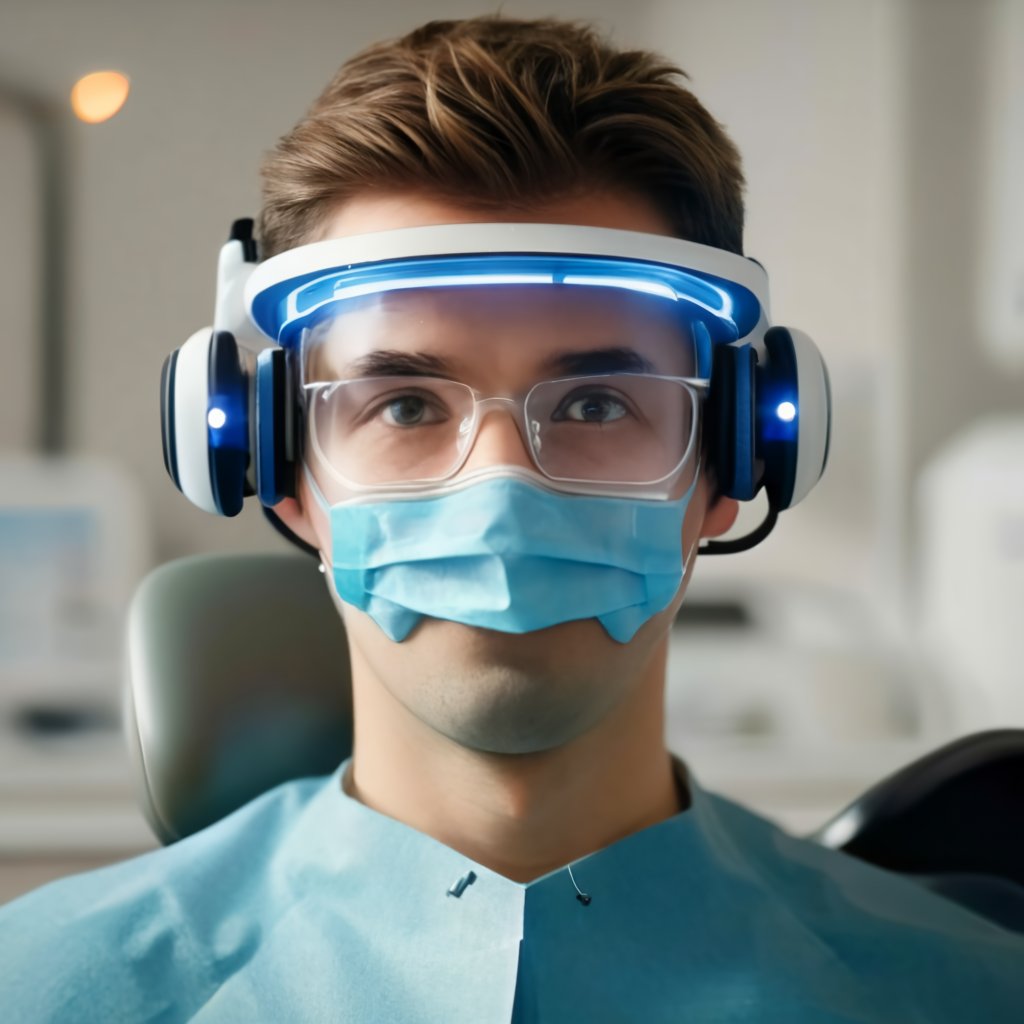
The utilization of virtual reality (VR) technology in dentistry, particularly for pain management during dental procedures, is a growing field of interest. VR serves as an effective non-pharmacologic analgesic helping to alleviate the discomfort and fear associated with dental procedures. This technology functions by immersing the patient in a virtual world, effectively distracting their attention from the real-world discomfort of the dental procedure.

Various VR applications and devices are currently being used in dental clinics, offering a wide range of immersive experiences. These experiences, ranging from serene nature landscapes to engaging video games, are designed to reduce anxiety and fear during dental treatment.

Studies and Research on the Effectiveness of Virtual Reality

Several studies have demonstrated the effectiveness of VR in reducing dental pain. For instance, a study that focused on two patients with adult periodontitis undergoing periodontal scaling and root planing found that VR distraction significantly reduced pain levels compared to movie distraction and a no-distraction control condition.

Further examination of patient responses to different VR presentations revealed that the content of the VR experience can impact its effectiveness as a pain management tool. For instance, patients who experienced a video game presentation reported a significant decrease in pain and anxiety compared to those who viewed natural landscapes.

Patient Experiences with Virtual Reality in Dental Pain Management

Patient experiences with VR during dental procedures have been largely positive. The immersive nature of VR was found to effectively draw patients’ attention away from the real world, helping them tolerate painful dental procedures and alleviate anxiety.

In a study involving children aged four to six undergoing dental treatment, VR was found to be effective in controlling pain and anxiety levels. The results suggest that VR has a significant potential for use in paediatric dentistry, where fear and anxiety can often pose major challenges.

The Influence of VR Content on Pain Management

The content of the VR presentation greatly influences its effectiveness in pain management during dental treatment. For example, a study investigating the impact of VR content on anxiety levels and pain thresholds during dental procedures found that video game presentations were significantly more effective in reducing anxiety and increasing pain thresholds compared to natural landscape presentations.

These findings suggest that the selection of VR content should be carefully considered to optimize its effectiveness in pain management and anxiety reduction during dental procedures.

Future Potential of Virtual Reality in Dentistry

VR has a promising future in dentistry for pain management. Given its demonstrated effectiveness as a non-pharmacologic analgesic, VR could become a key tool in managing dental pain, particularly during periodontal procedures and other potentially painful treatments.

In addition, VR has shown potential as a medical assistive device during outpatient surgery under local anesthesia. Its effectiveness in alleviating fear and anxiety during oral surgical procedures suggests that it could significantly improve patient comfort and cooperation during these procedures. However, further research is needed to fully explore the potential of VR in dentistry and to establish best practices for its use.